




Wooden doors wenge
When a client asks for “wenge doors,” he often simply means a deep, almost black chocolate shade. But for those who work with wood seriously, wenge is a whole story. A story about density, about complex processing, about how an expensive array can bring surprises when installed in an ordinary Russian apartment. I’ll say right away: if you’re just looking for a dark door, there are simpler and more stable options. But if you need exactly this noble, “heavy”? look and natural texture - then we dive into the details.
What is hidden behind the name “wenge”: solid wood, veneer and compromises
There is confusion in the market. Under the brand name "wenge doors" can sell anything: from full-fledged solid African wood to MDF covered with film with photo printing to match its texture. And these are fundamentally different products in terms of price, durability and tactile sensations. Real solid wenge is not a simple material. It is very dense, heavy, contains natural oils and mineral inclusions. This complicates processing: saws become dull faster, special primers are needed for the finishing coat, otherwise the varnish may lie unevenly.
Therefore, many serious manufacturers, especially those working on the international market, often use wenge veneer. This is not a hoax, but a reasonable engineering approach. The base is made of a more stable material, for example, laminated pine beams or high-quality MDF, lined with a thin cut of natural wenge. This way the door leaf reacts less to changes in humidity, maintaining its geometry, and you get all the beauty of natural wood. The key point is the quality of the veneer itself and the work on its gluing. You can’t skimp on glue and press here.
For example, take a look at the catalogAnhui Wantai Woodworking Co.,Ltd. The company, which supplies doors to the global market, clearly distinguishes in its assortment models made from solid wood and models covered with valuable wood veneer. Their philosophy is to “build a business on precision?” This is exactly what it’s about: it’s important not just to say “wenge”, but to understand and indicate exactly what you are offering to the client. This is an honest approach that saves time and nerves for everyone at the selection stage.
Installation practice: what will you encounter in the field?
Let's say the choice is made in favor of a door made of solid wenge or a high-quality veneered option. This is where the fun begins. The first is weight. Cloth made of dense wenge can be 30-40% heavier than oak of the same thickness. This means that standard hinges may not hold up; over time, the canvas will begin to sag. I always recommend installing reinforced hinges, at least three, and for wide openings - four. And the box must be appropriate, made of solid material, well fixed to the wall.
The second nuance is finishing and maintenance. Natural wenge, even varnished, may slightly change shade over time when exposed to direct sun, becoming a little lighter. This is not a defect, but a feature of living wood. The client must be warned about this in advance. And when installed in new houses with active shrinkage on such a dark and glossy (if gloss is selected) coating, any distortions of the box are especially noticeable. Installation requires pinpoint precision.
I remember one project in an elite residential complex, where the customer insisted on solid solid wenge doors throughout the apartment. The beauty is incredible. But upon acceptance, he noticed that in the reflection on the glossy surface of the canvas, a barely noticeable “wave” was visible from a certain angle. It was not deformation, but micro-roughness of the opening wall, which was transferred to the box. I had to dismantle the casing and make a jewelry lining. With a lighter or matte door this effect would not be visible. This is the lesson: dark gloss is the most stringent inspector of installation quality.
Design and stylistics: where wenge really fits in
There is a common opinion here that wenge is only for classics or strict English style. In fact, its potential is broader. Yes, in a classic interior with gold or patinated handles and paneled facades, it looks a win-win - rich and solid. But more and more often I see its successful application in modern minimalist spaces.
Imagine: light walls, concrete floors, furniture of simple shapes. And here is a dull, matte door leaf in wenge color. It does not draw attention, but becomes an important accent, adding depth and warmth to a cold, minimalist aesthetic. The main thing is to avoid unnecessary decor. It is better to choose simple, linear handles, made of matte black metal or brass. Panels, if any, should be as geometric as possible, without curved lines.
An interesting move is combining materials. Some manufacturers, includingAnhui Wantai Woodworking Co.,Ltd, offer models where the main canvas is made of wenge, and the inserts are made of frosted glass, genuine leather or vertical panels of lighter wood, such as ash. This breaks up the monochrome, makes the door less visually massive and allows it to become a more organic part of a sophisticated modern interior. Such decisions are a testament to the work of an experienced design team that thinks not only about production, but also about the final application.
Choosing a manufacturer: what to look for besides price
The price of wenge doors varies enormously. And the difference is often not only in the thickness of the veneer or solid wood, but also in technologies that are not visible at first glance. The first is a system for drying and stabilizing wood. Especially for an array. If the technology is broken, the door can lead? already after six months of operation. You need to ask the supplier about geometry guarantees.
The second is a protective coating. A good varnish or oil for such dense wood should be special. They don’t just create a film on top, but penetrate deep enough into the pores, providing protection from moisture and abrasion. You can ask for a sample and do a simple test: drop some water and see if the matte stain remains after a couple of hours. A high-quality coating will not allow this.
And the third thing is the equipment. Often the base price includes only the canvas and the box, and the additions, platbands, threshold and fittings are considered separately. Moreover, a platband made of the same wenge can cost very well. You need to immediately consider the complete set “turnkey”. Companies that operate in international markets, like the one mentionedAnhui Wantai Woodworking Co.,Ltd, usually have clearly structured configurations, which simplifies calculations. Their principle of strict adherence to standards at all stages - from raw materials to process control - is precisely the invisible, but critically important argument when choosing.
Bottom line: is the game worth the candle?
So, are wenge doors a complex, capricious and expensive story that is best avoided? Not at all. This is a choice for those who appreciate the uniqueness of natural material, its depth and “character”. This is a conscious choice that requires understanding the nuances.
If you need a door that will last forever, you are ready to invest in a quality product from a trusted manufacturer and ensure professional installation - the result will not disappoint you. This will not just be a functional element, but a full-fledged piece of furniture that sets the tone for the entire space. It will not go out of fashion, and will only look more noble over the years.
If the budget is limited and the climate in the apartment is unstable (strong changes in humidity, heating), it may be worth considering alternatives. For example, doors made of other stable types of wood, painted in a similar dark color. Or high-quality laminate with an exact imitation of texture. The main thing is to be honest with yourself at the selection stage. And if you still decide on real wenge, approach the choice carefully, pay attention to the details of production and do not skimp on installation. Then this door will become your pride, not a headache.
Correspondingproducts
Related Products
Best Sellingproducts
Best Selling Products-
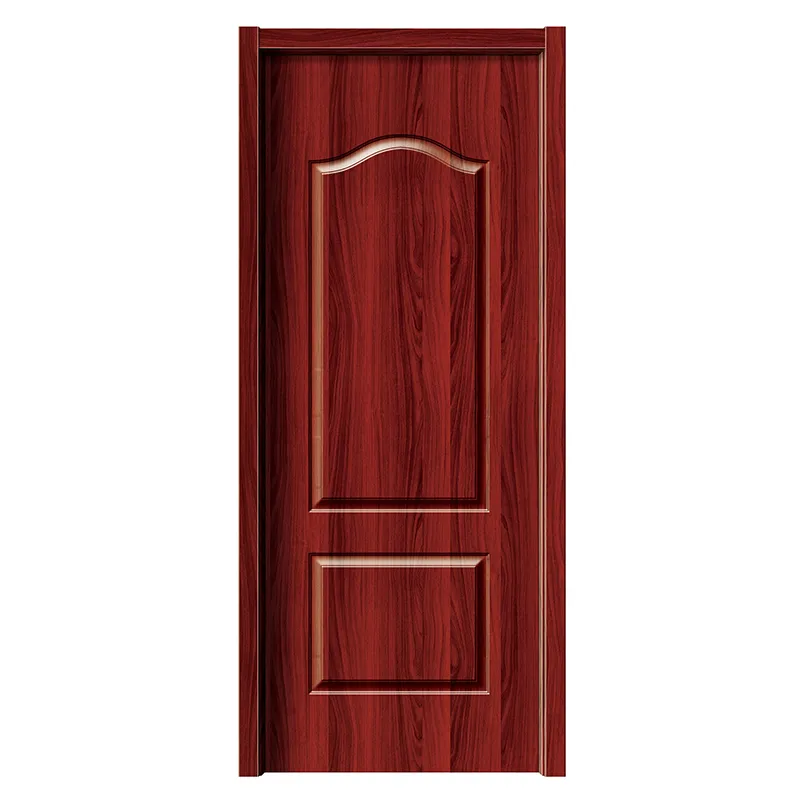 YST-207 Door Red team
 -
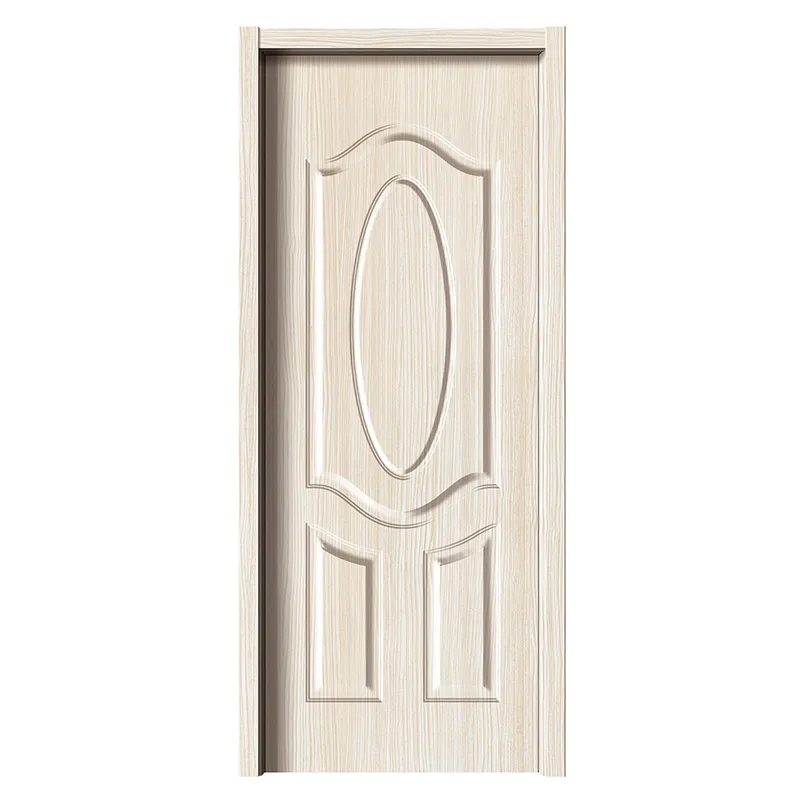 YST-216 Door White Maple
 -
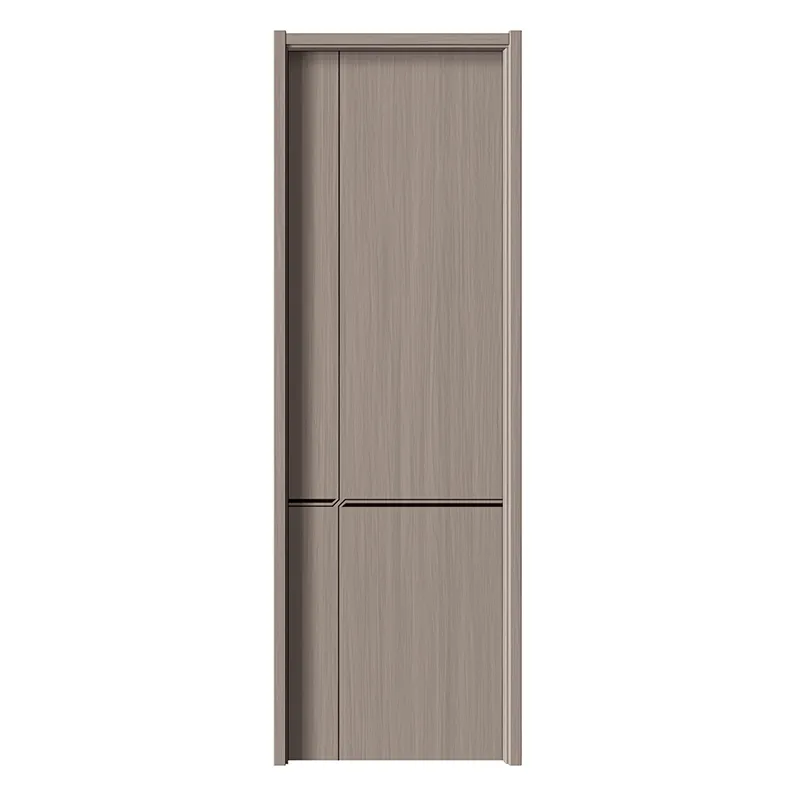 YST-1010 Door Translucent light shadow 3
 -
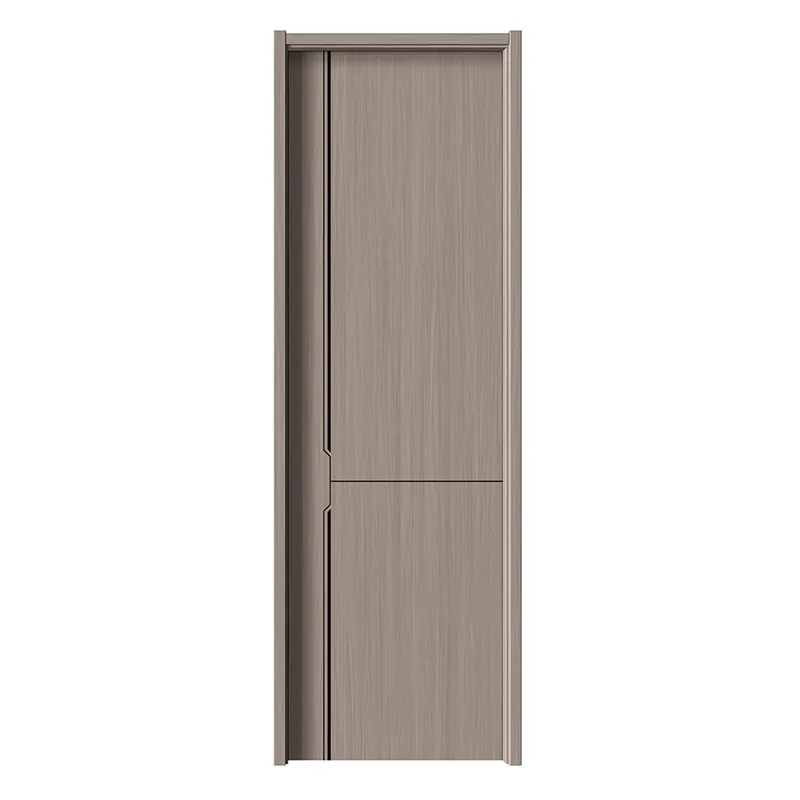 YST-1011 Door Translucent light shadow 3
 -
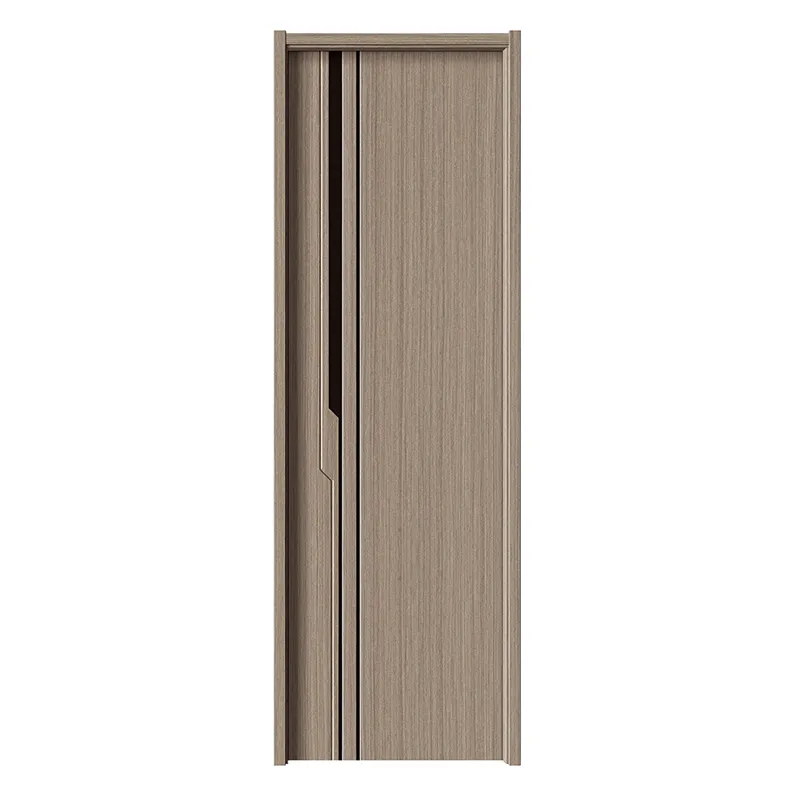 YST-1018 Technowood Door 1
 -
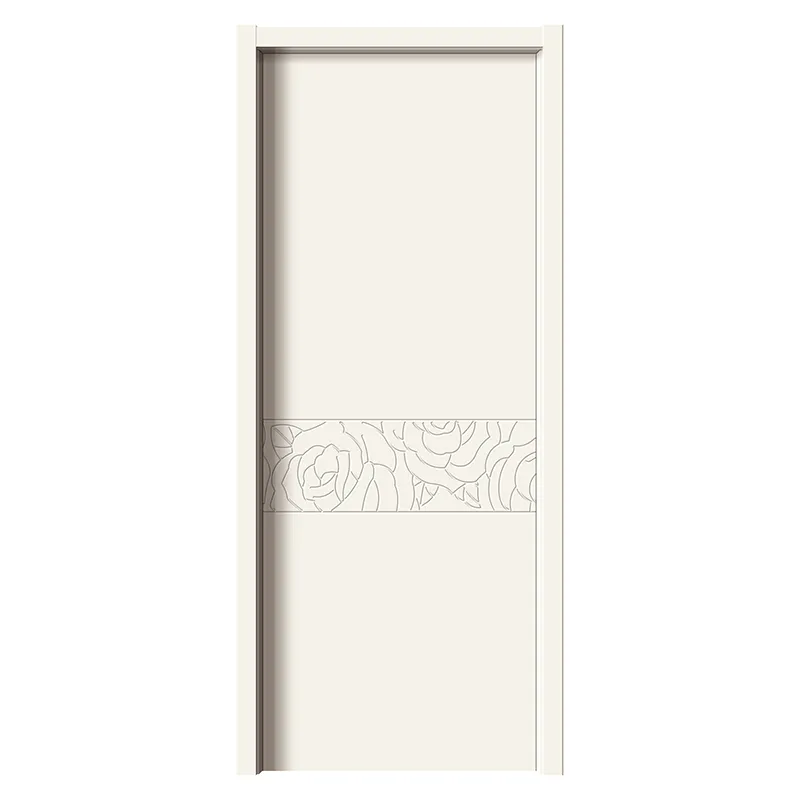 YST-238 Door White ivory
 -
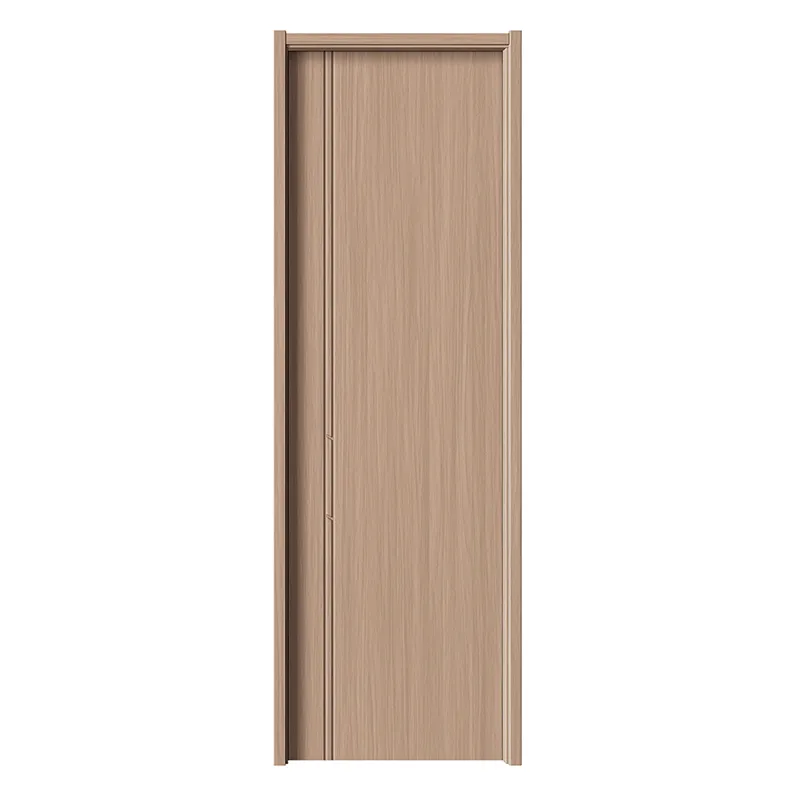 YST-1009 Door Translucent light shade 1
 -
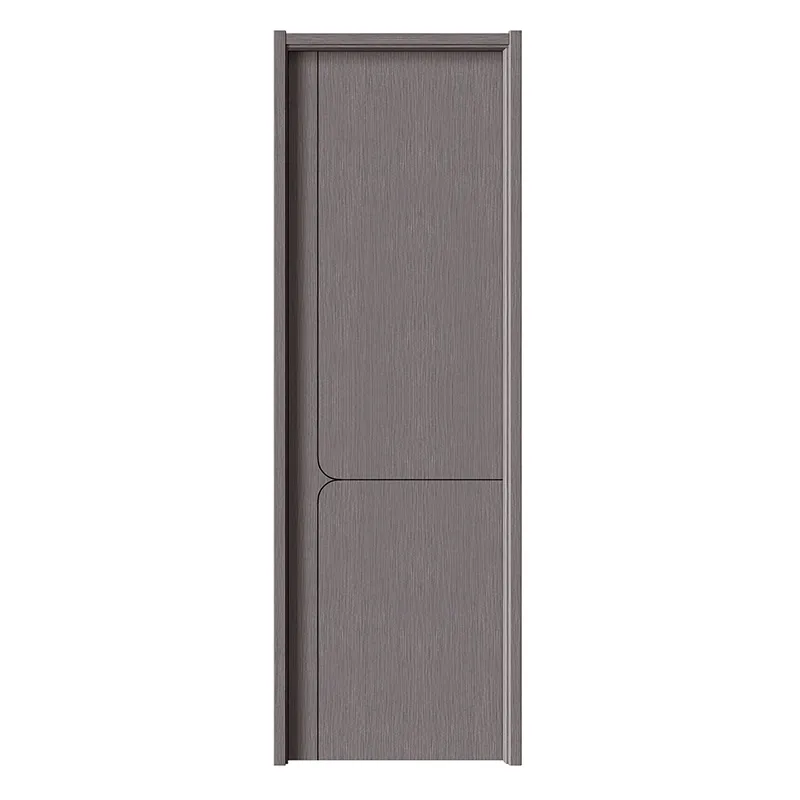 YST-1001 Door Chiaroscuro tree 2
 -
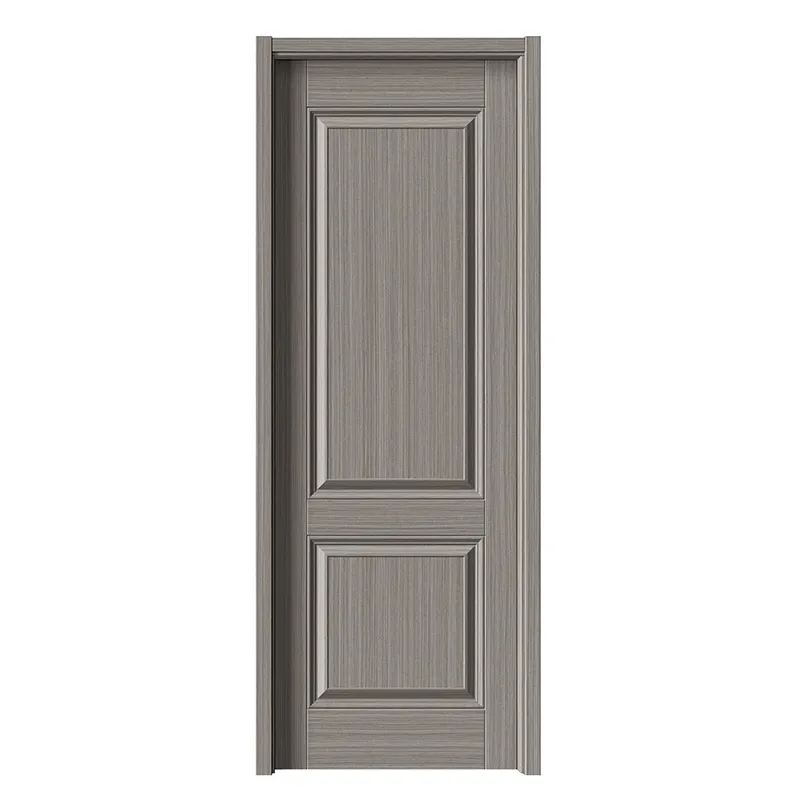 YST-214 Door Technowood 2
 -
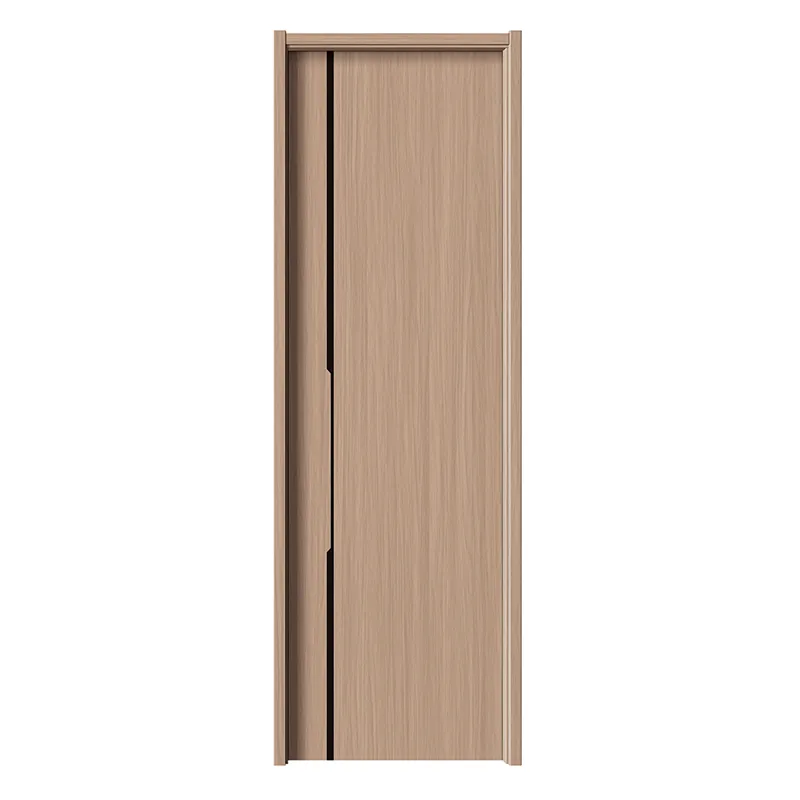 YST-1029 Door Translucent light shade 1
 -
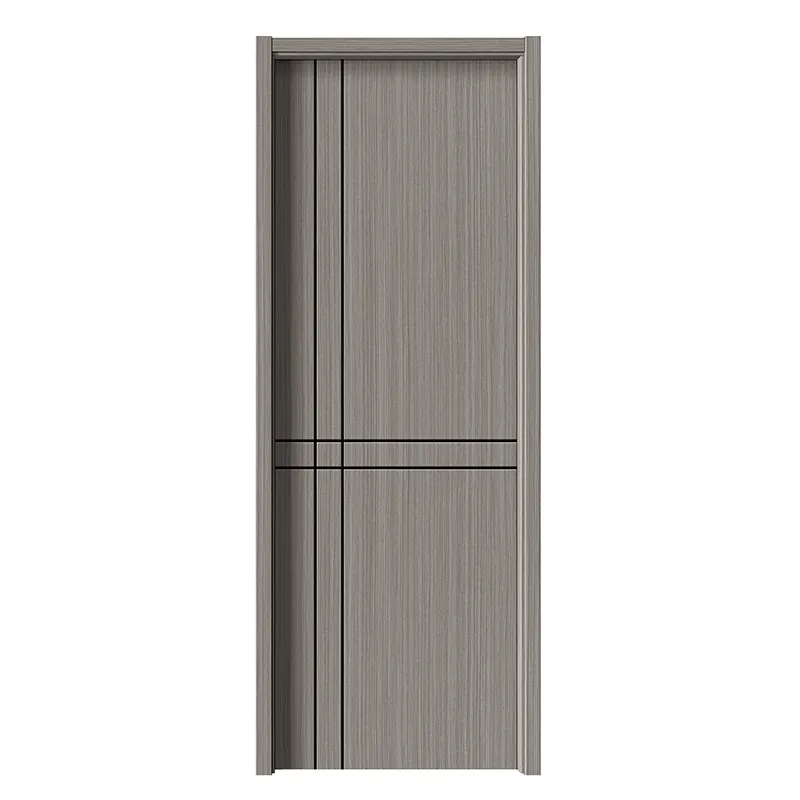 YST-1004 Door Technotree 2
 -
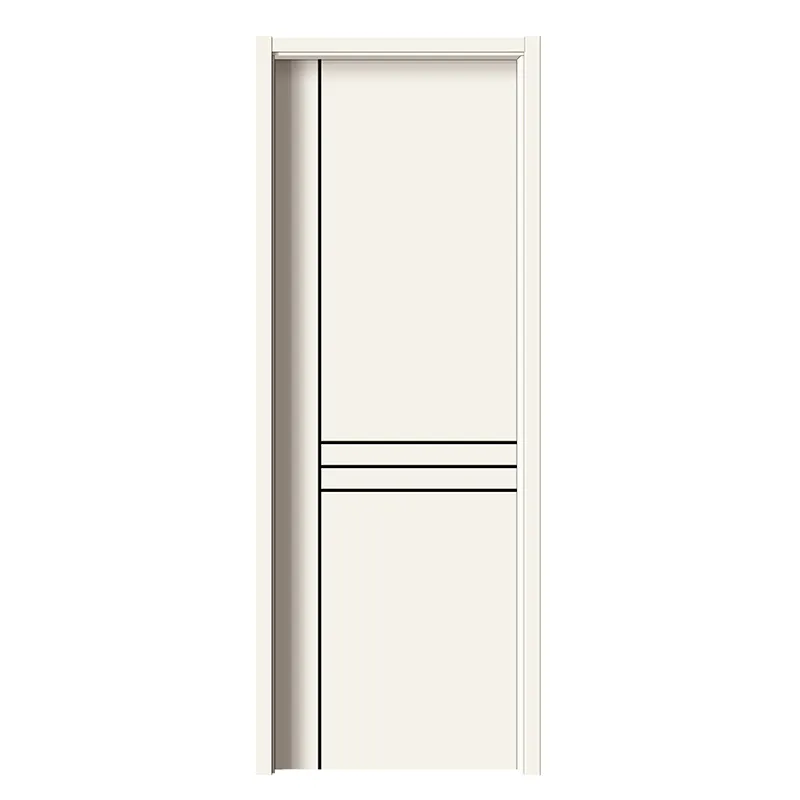 YST-220 Door Warm white