




Smart wooden door
When they say “smart wooden door?”, many people immediately imagine something from a futuristic movie - a control panel, voice commands, a bunch of sensors. In practice, the main task of such a door is to be a reliable barrier, which at the same time quietly and without unnecessary hassle makes life more convenient. This is not just a piece of wood with electronics, but a complex hybrid where carpentry meets engineering. And this is where the main pitfalls begin, which are rarely written about in advertising brochures.
What really hides behind the “mind”?
If we put marketing aside, then ?mind? doors today are primarily about access control and integration into home systems. Recently, at one site they installed a door with a module fromAnhui Wantai Woodworking Co.,Ltd. The client wanted keyless access via fingerprint and smartphone, plus synchronization with a smart device. house on the basis, conditionally, of Yandex Alice. It would seem a standard set. But when they started setting up, the first problem arose: how to ensure stable operation of electronics in a massive wooden structure, which, unlike metal, “breathes?” — does the geometry change slightly depending on humidity and temperature?
This is where their approach, which they describe as “building a business on precision,” comes in handy. We disassembled the sample - the insertion of the electronic unit was made not just into a hollowed-out niche, but taking into account microdeformations of the canvas. We left technological gaps and used special damping gaskets. This is not noticeable, but without such attention to detail, within six months the lock could start jamming or the position sensor could malfunction. Many manufacturers save on this “invisible” engineering, focusing on design, and then the customer has problems.
Another point is nutrition. Batteries are a weak point. The same door from Wantai used a hybrid system: a main battery with a backup salt cell in case of complete discharge. And most importantly, the status indication was not just an LED, but was transmitted to the application. Trifle? No. Because on a previous project with another supplier, the customer was blocked twice due to a dead battery, which the system did not warn him about in time. This is practical “smartness”. — do not fall in the eyes of the user at the most inopportune moment.
Wood is a material with character. How to negotiate with him?
The basis of the basics is an array. You can stuff the door with the most advanced electronics, but if the door leaf moves or cracks appear, the whole “mind” will disappear. will go down the drain. Working with different supplies, you see a direct connection between the quality of raw materials and the durability of the product. CompanyAnhui Wantai Woodworking Co.,Ltdin its description it focuses on the selection of raw materials, and these are not just words. Their catalog includes models made of heat-treated pine and oak - materials that have undergone special treatment to reduce equilibrium humidity.
Why is this necessary? A classic mistake is to install a beautiful oak door in a newly renovated apartment with dry walls. The tree actively absorbs moisture, swells, and now the lock does not close. Heat treatment solves this problem radically, making the wood stable. But such a door, of course, stands differently. On one commercial project (an office in a new business center) they insisted on thermal oak from Vantai, although the budget was tight. Three years have passed - not a single adjustment of the hinges, the canvas is like a glove. While in the next room they installed an economy version from a regular solid wood, and it was already being dismantled to trim it.
There is also a downside - clients sometimes ask for something exotic, like a door made from a solid wenge cube. It looks amazing, but this tree is very dense and capricious. Embedding standard European access modules into it is a headache. We have to come up with non-standard solutions and do milling in several stages. Not every factory will take on it, because it is manual, almost jewelry work, and not a conveyor belt. I saw howhttps://www.anhuiwantai.ruin the section ?special projects? These are the kind of piece works that have been posted. This is exactly the case when the production base and experienced design team they write about cease to be an abstraction.
Integration into life, not into a vacuum
The biggest illusion is that a “smart door?” exists on its own. In fact, its value is revealed only in the system. A simple example: a door with an opening sensor. By itself, it can send a notification to your phone. But her real strength is in her connections. The door opened - the smart house turned on the light in the hallway and turned off the alarm. Now that's convenience.
But protocol standards await us here. One story ended almost as an anecdote. The customer bought a state-of-the-art German smart home system, and a beautiful wooden door with domestic electronics for it. But they are not “friends?” at the Zigbee and Z-Wave protocol level. As a result, we had to install an intermediate gateway, which became another point of potential failure. Now, when I look at offers, I always pay attention to compatibility. For example, Wantai’s technical specifications clearly state support for major open protocols, which eliminates a lot of headaches during installation.
Another practical aspect is maintainability. An electronic module is a potentially vulnerable thing. Ideally, it can be replaced without removing or disassembling the entire canvas. In successful models, this is implemented through a removable panel on the inside of the door. Unsuccessful ones require almost complete disassembly of the box. This is critical for commercial premises, where downtime means losses. When choosing, I always advise clients to literally ask the manager: “How can I change the controller if it breaks?” The answer says a lot about the thoughtfulness of the design.
The price of the question: where you can save money and where you absolutely cannot
The market offers a huge range in price. Can you find a “smart wooden door”? for 50 thousand and for 500. The difference is not only in the type of wood. The main costs lie in three things: the quality of the hardware. (locks, drives, sensors), the complexity of integrating electronics into solid wood and, oddly enough, in software and its support.
Save on hardware - more expensive for yourself. A cheap Chinese electromechanical lock can last a year and then start jamming. Replacing it will entail opening the canvas, puttingty, and painting. It is much more profitable to immediately take a trusted manufacturer, such as Cisa or Mottura, even if this increases the cost of the project by 15-20%. This is the case when “winning with quality,” as Wantai states, is not a slogan, but a guide to action for survival in the market.
But what you can sometimes save on without losing functionality is on redundant “chips”. Do you need a built-in camera with facial recognition in the door if there is already a separate, better one in the hallway? Often clients ask for “everything at once”, but in practice they do not use half of the functions. A competent consultant should not sell the most expensive, but find out real use cases. For an apartment, a reliable electronic lock with a fingerprint, an opening sensor and communication with an intercom are often sufficient. Everything else is for true smart home enthusiasts.
A look into the future: what's next for the smart door?
The trend is obvious - further integration and miniaturization. Electronic components are becoming smaller and more energy efficient. Soon, I think, we will see doors with all the smart stuff. the filling will be hidden in the box itself or even in the hinges, leaving the canvas absolutely classic in appearance. This will reduce the risks associated with array processing.
The second direction is analytics. The door can become not just an actuator, but a data source. How many times were they opened, with what force, at what time of day. For the commercial sector, this can be useful for analyzing customer flow. For residential - for example, for elderly people, where atypical activity (the door has not been opened all day) can become a signal to relatives. But there are privacy issues that have yet to be resolved.
And most importantly, wood as a material is here to stay. Its naturalness, warmth, status are something that cannot be replaced by glass or composite. Therefore, the future belongs to those manufacturers who, likeAnhui Wantai Woodworking Co.,Ltd, know how to not only make good wooden doors or advanced electronics, but create a harmonious and reliable fusion of both. So that in five years the client does not scold the “buggy electronics?” or “swollen tree?”, but simply lived, taking advantage of the convenience that became natural and unnoticed for him. This, perhaps, is aerobatics.
Correspondingproducts
Related Products

Best Sellingproducts
Best Selling Products-
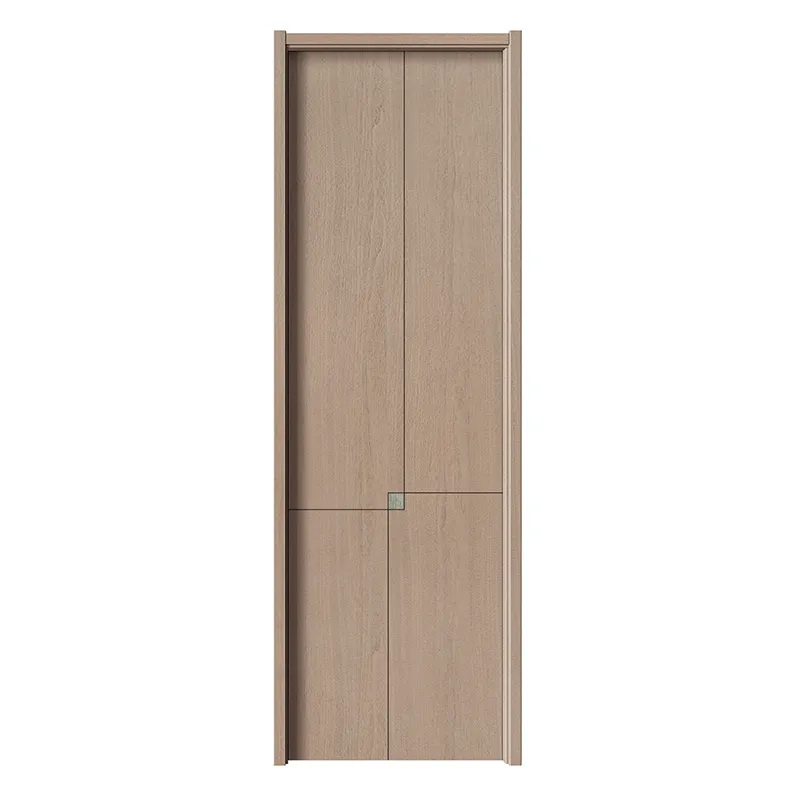 YST-1008 Door Natural walnut 2
 -
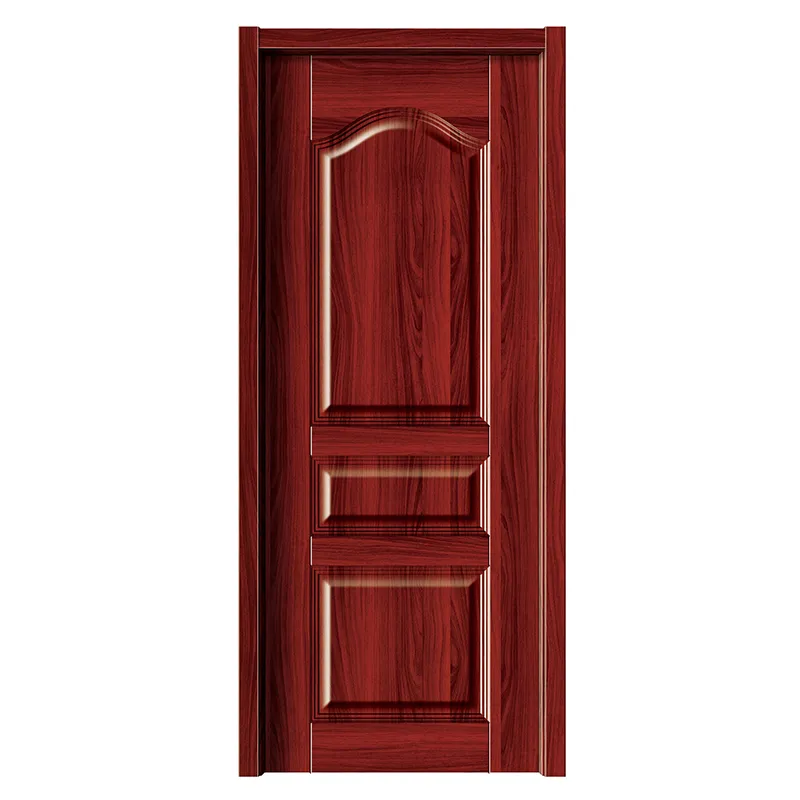 YST-203 Door Red team
 -
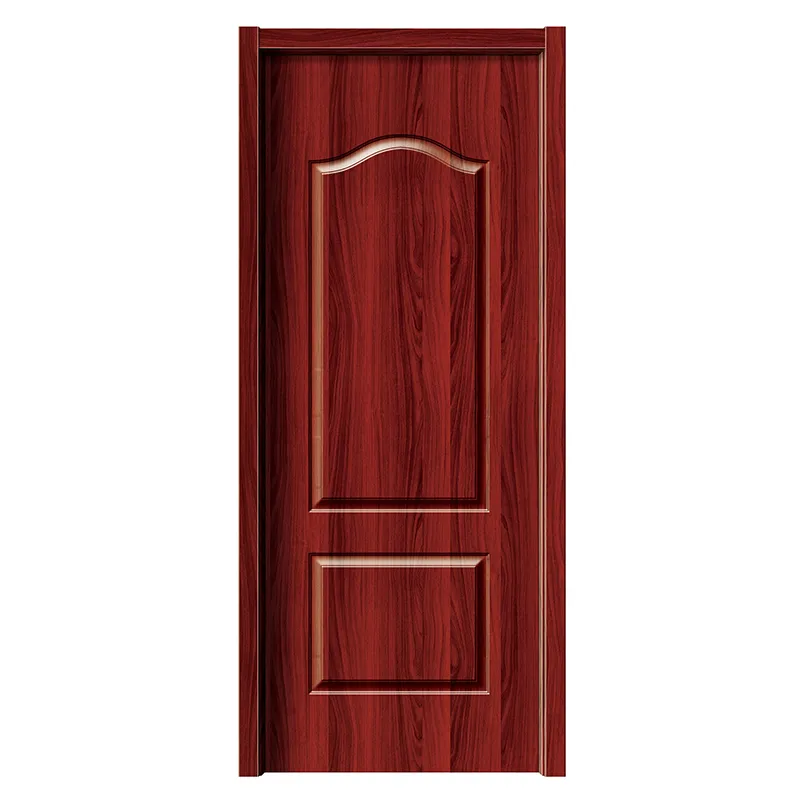 YST-207 Door Red team
 -
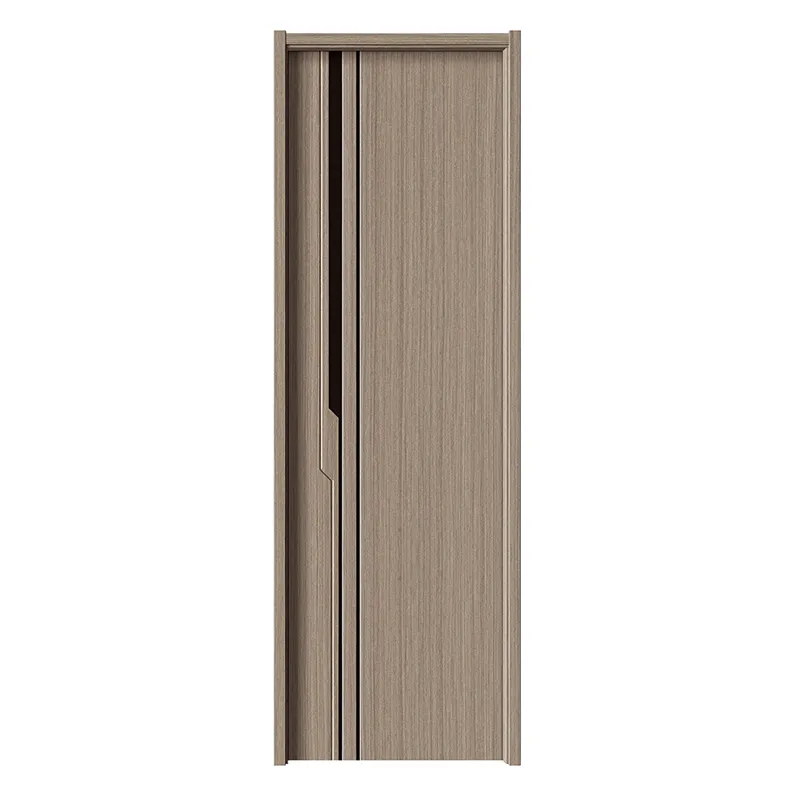 YST-1018 Technowood Door 1
 -
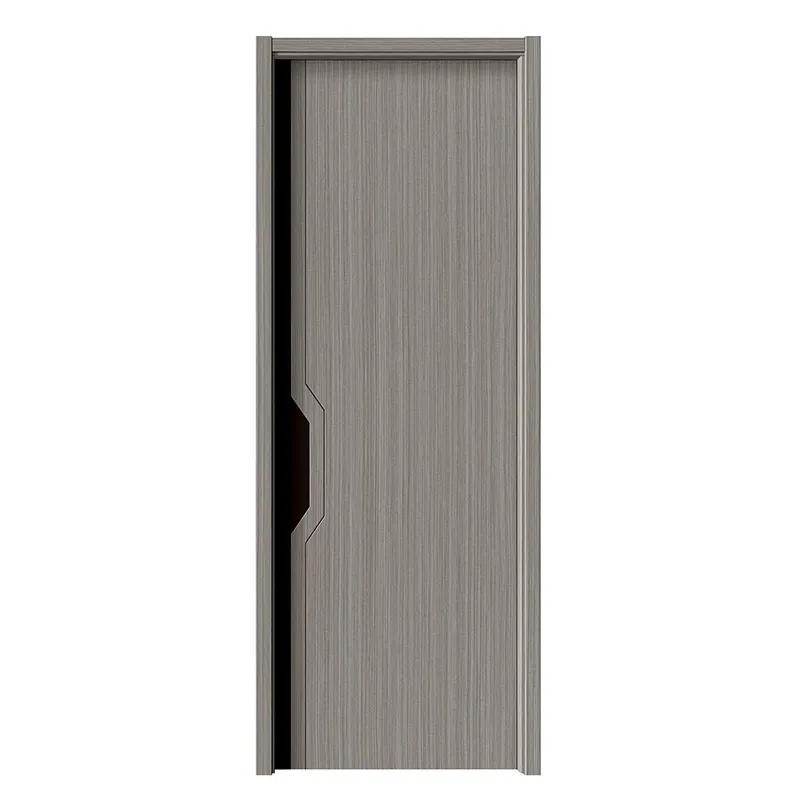 YST-1007 Technotree Door 2
 -
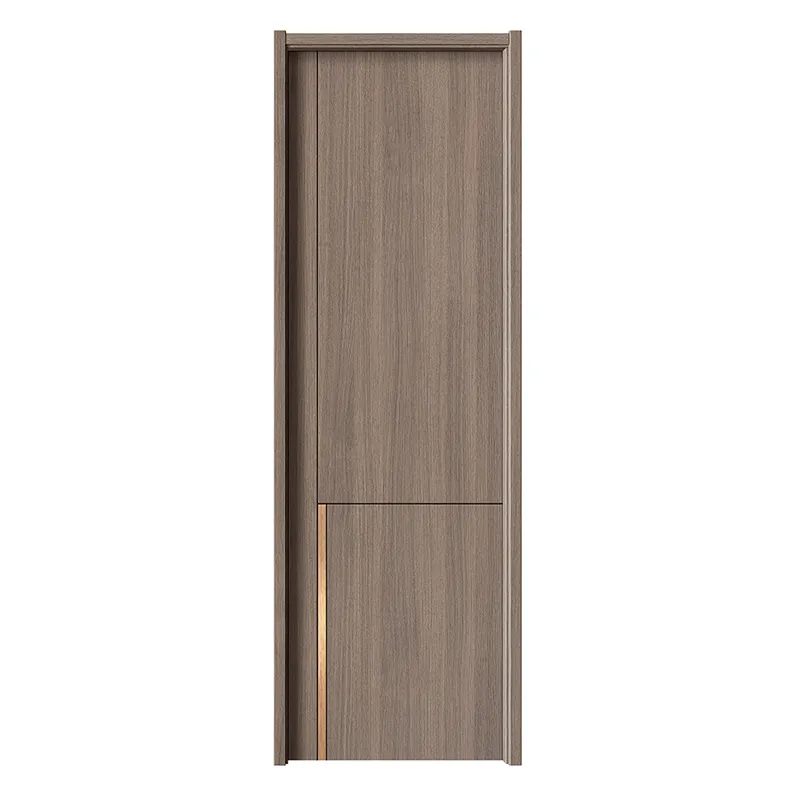 YST-1003 Door Oak gray
 -
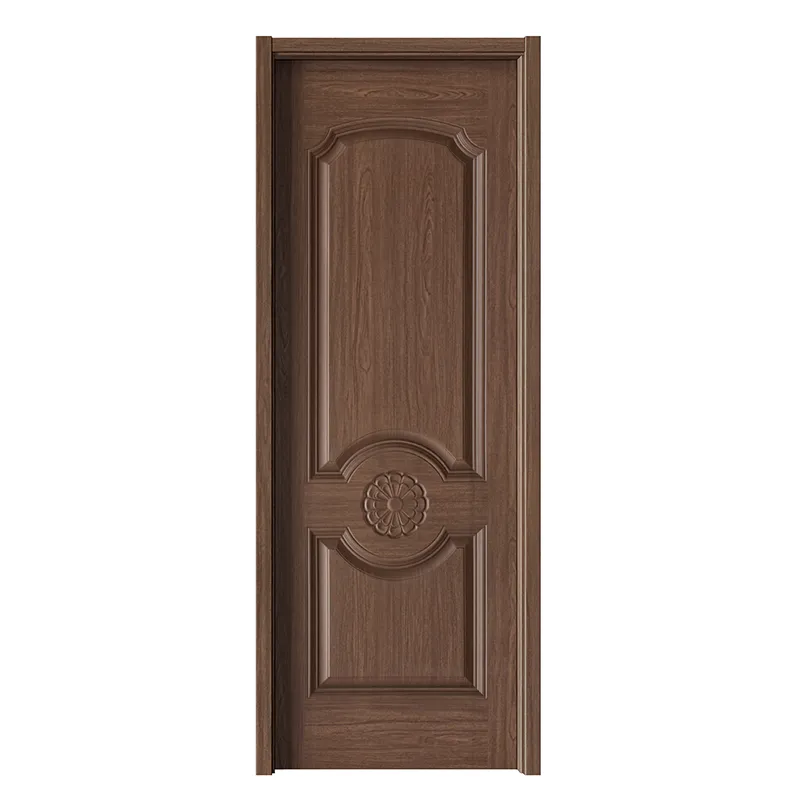 YST-212 Door North American Oak 2
 -
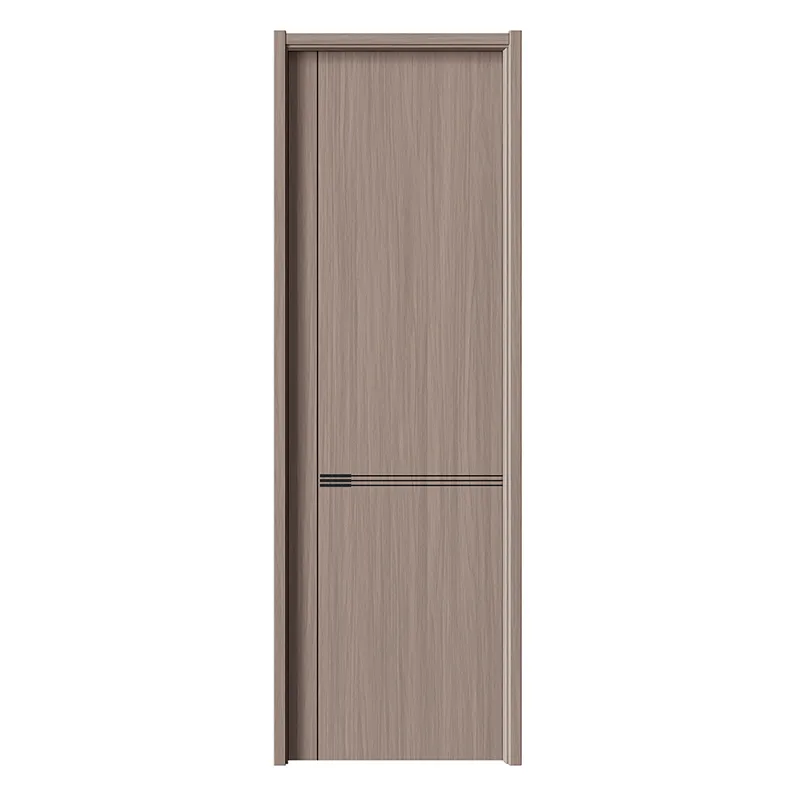 YST-1039 Door Translucent light shadow 3
 -
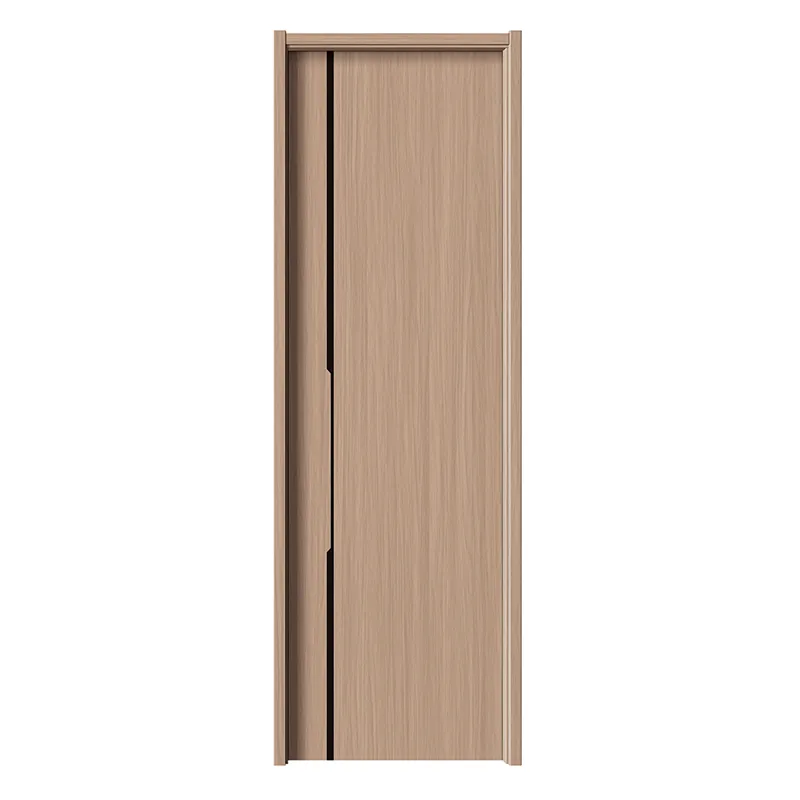 YST-1029 Door Translucent light shade 1
 -
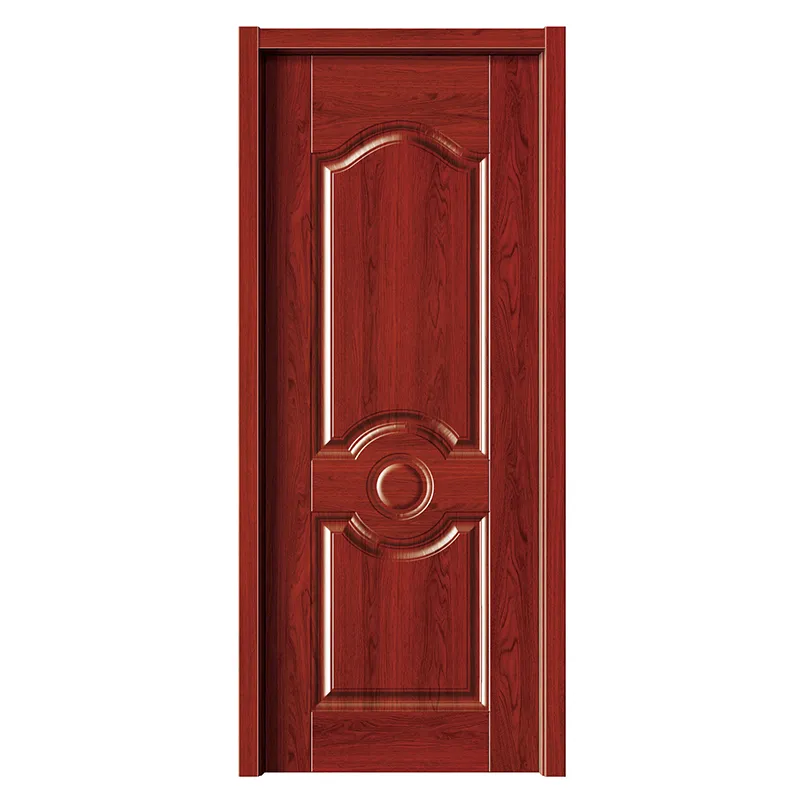 YST-208 Door Red Sandalwood
 -
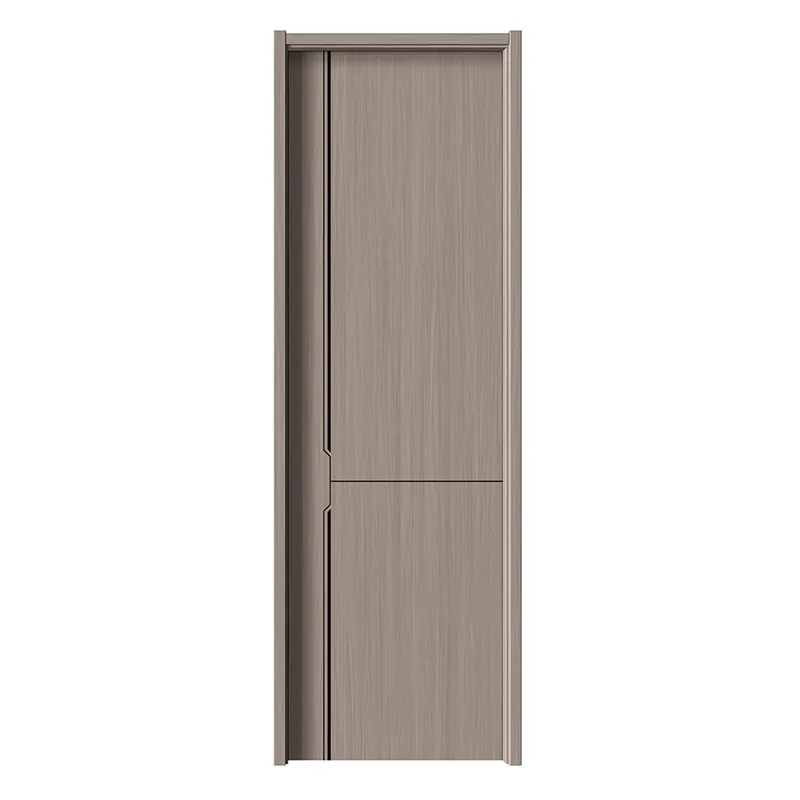 YST-1011 Door Translucent light shadow 3
 -
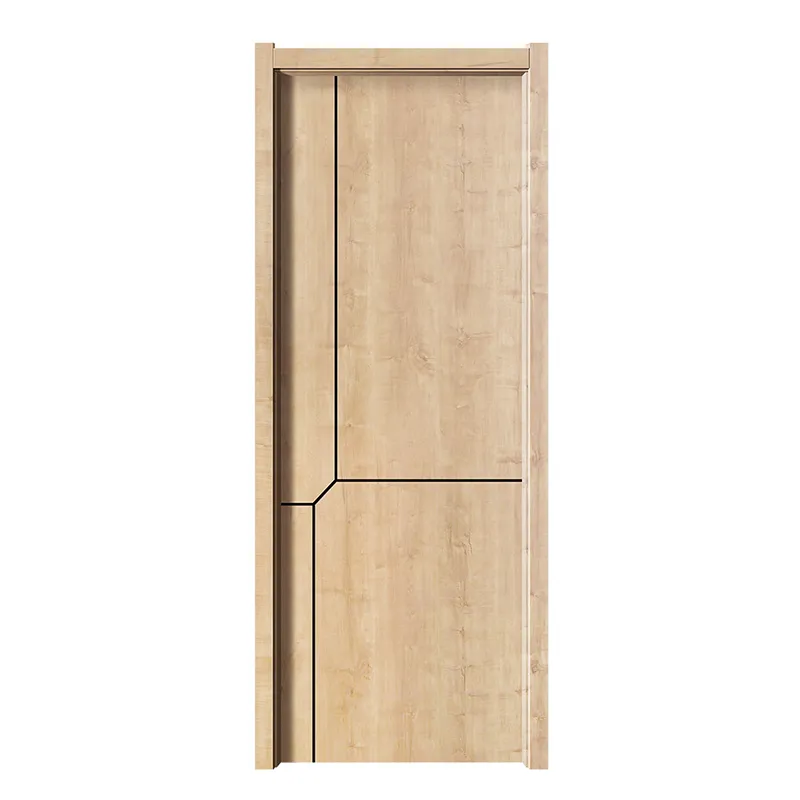 YST-WPC1 Door