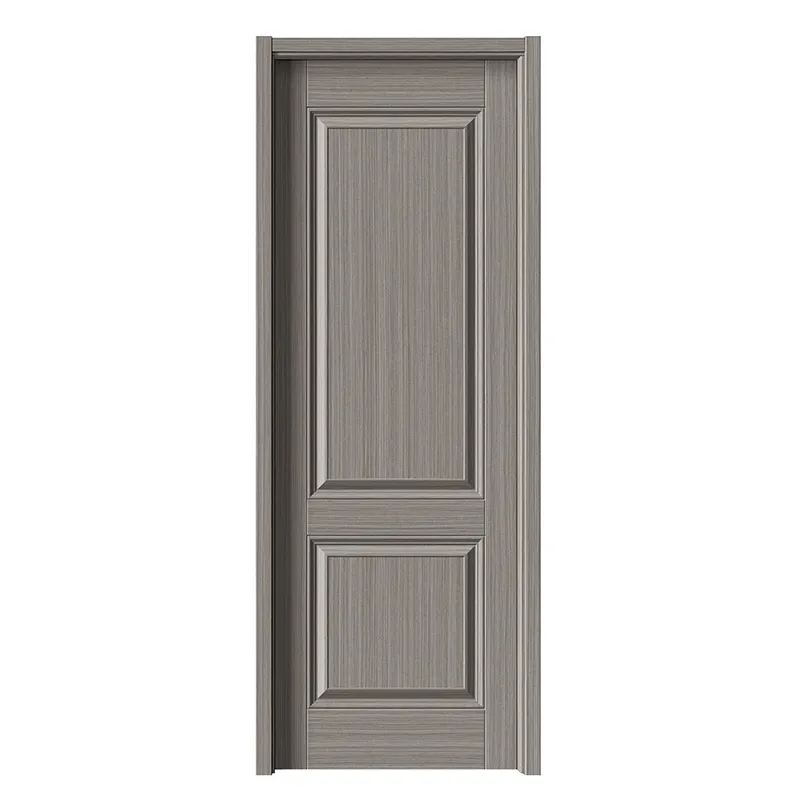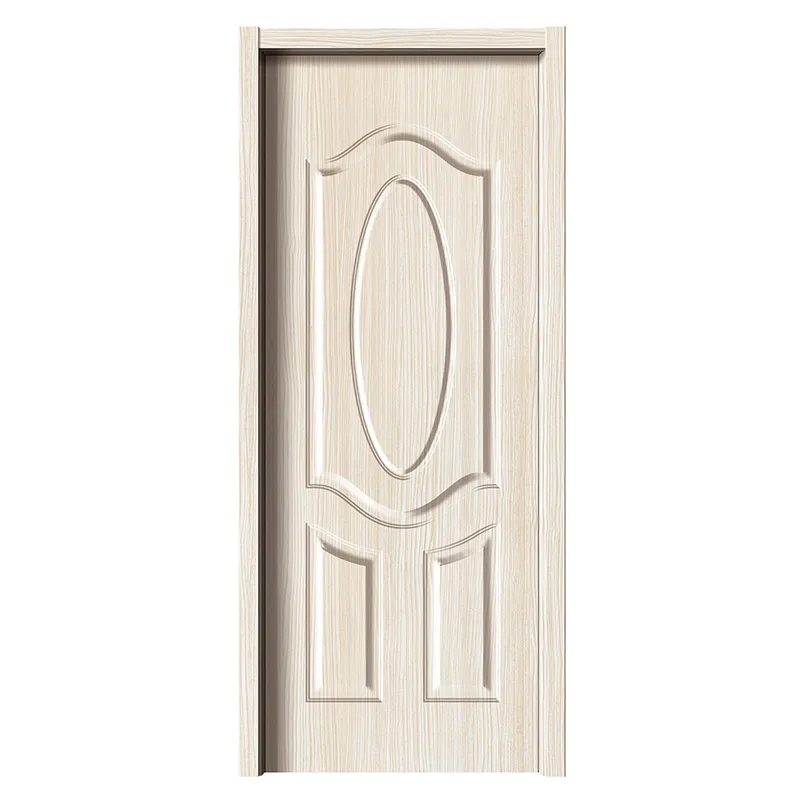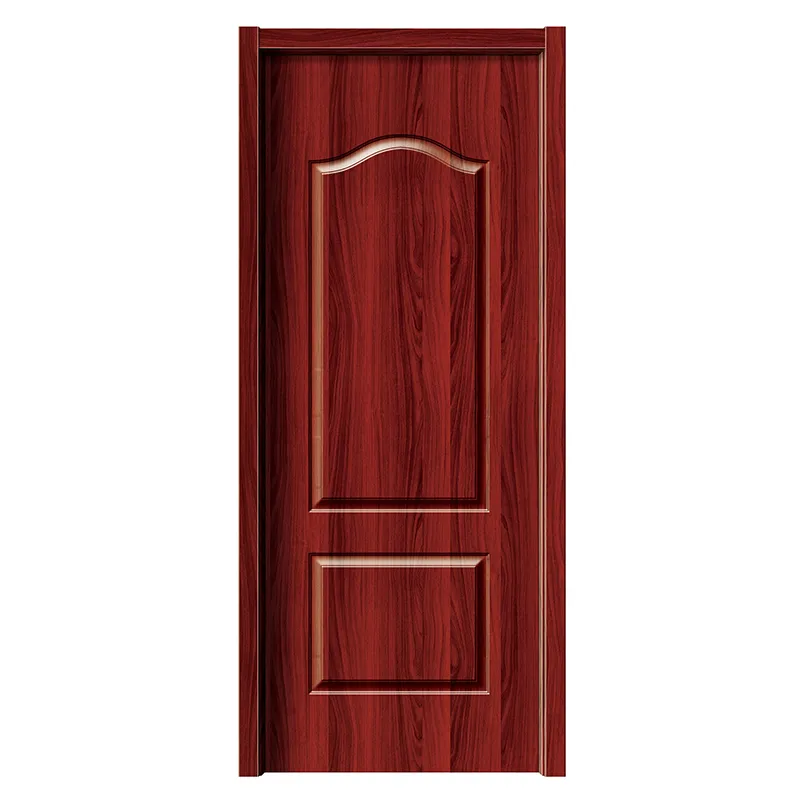




Installing a plastic entrance door
When they talk aboutplastic entrance door, many people immediately think about balcony blocks or interior options, but the entrance is a completely different story. The main mistake is to think that because it is plastic, it means it is lighter and easier to install. In fact, if we are talking about serious protection from cold, noise and burglary, installation requires much more nuances than the same steel door. Often customers save on installation, thinking that the main thing is to buy a good canvas, and then they wonder why there is draft or the sash warps after a season. I myself have seen such situations many times - hence the desire to analyze the details that are usually missed in theories.
Why plastic for the entrance is not an obvious choice, but sometimes justified
I’ll say right away: a plastic entrance door is not a solution for every property. In apartment buildings with heavy traffic, where the door is constantly slamming, or in regions with extreme temperature changes, I would think twice. But for a private home with a vestibule, or for an office in a climate-controlled business center, it’s fine. The key advantage is thermal insulation. If the profile is multi-chamber, with reinforcement and the right glass unit, then in terms of heat retention it can outperform many metal models that bridge the cold through the metal itself. But this is if everything is done correctly.
One of the projects where this worked was installation in a country cottage near Moscow. The customer initially wanted a wooden door, but was afraid of deformation from humidity. We considered the option from the company Anhui Wantai Woodworking LLC - by the way, they have a serious approach to processing materials, but in the end they settled on plastic for entry. Not their products, just by the way - sometimes you have to compare. An important point: a plastic entrance door must have a burglary resistance class of at least RC2, and this is achieved not only by locks, but also by strengthening the frame. Many manufacturers skimp on internal reinforcement, and then the whole concept of safety collapses.
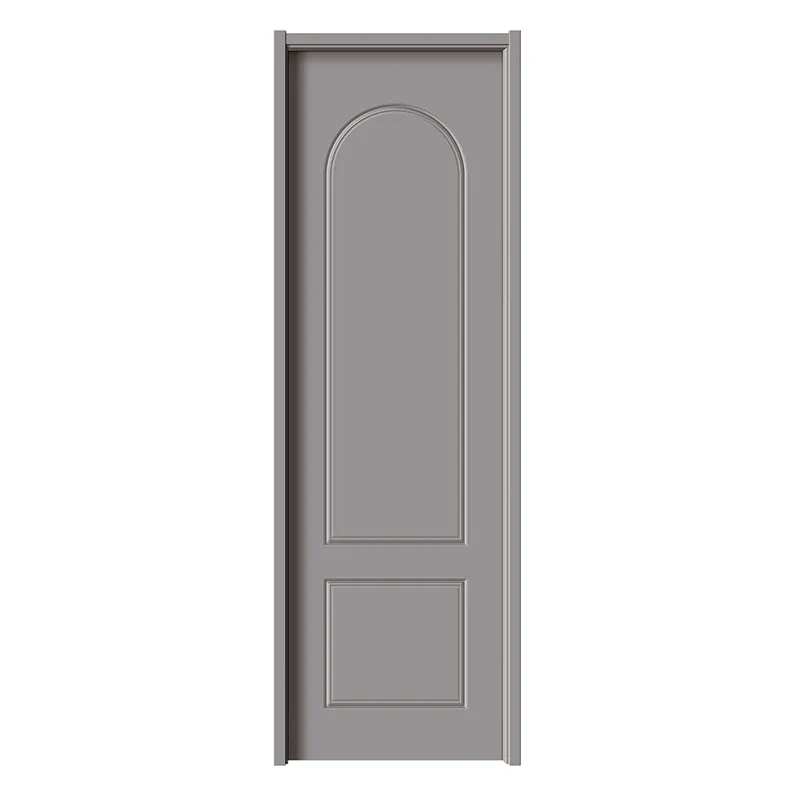
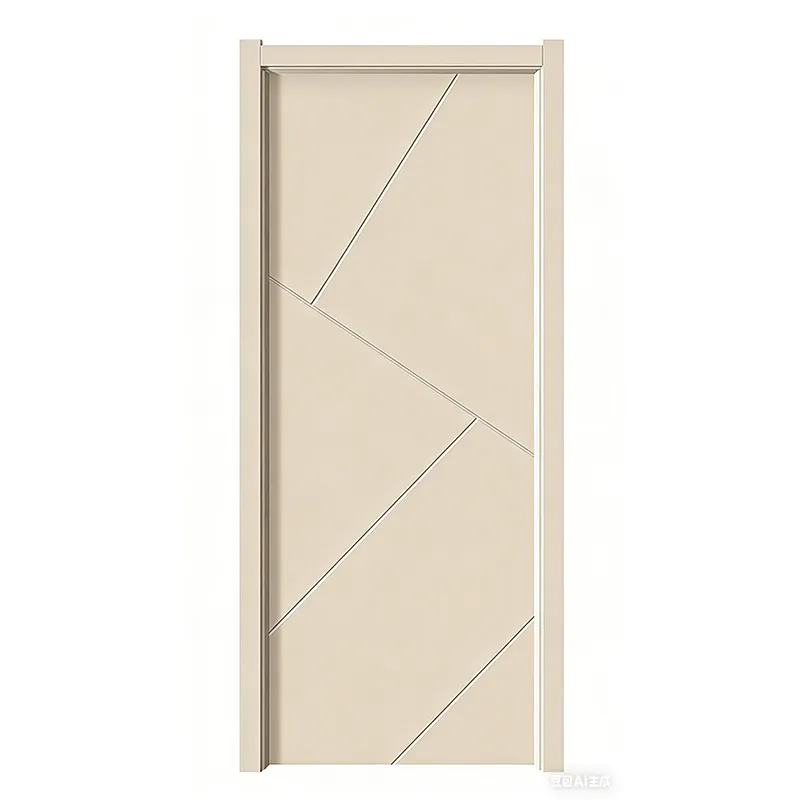
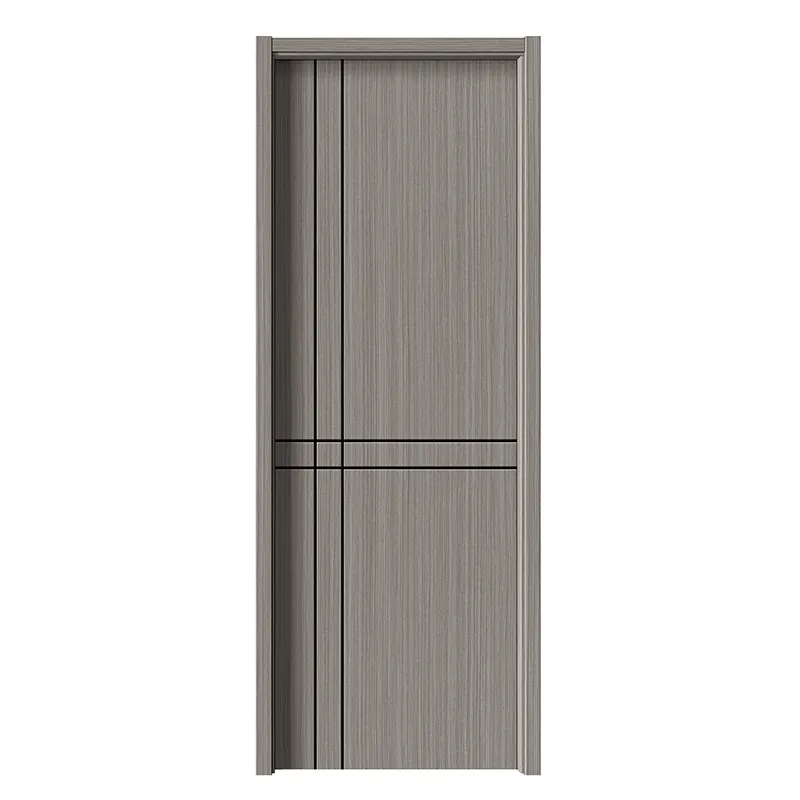
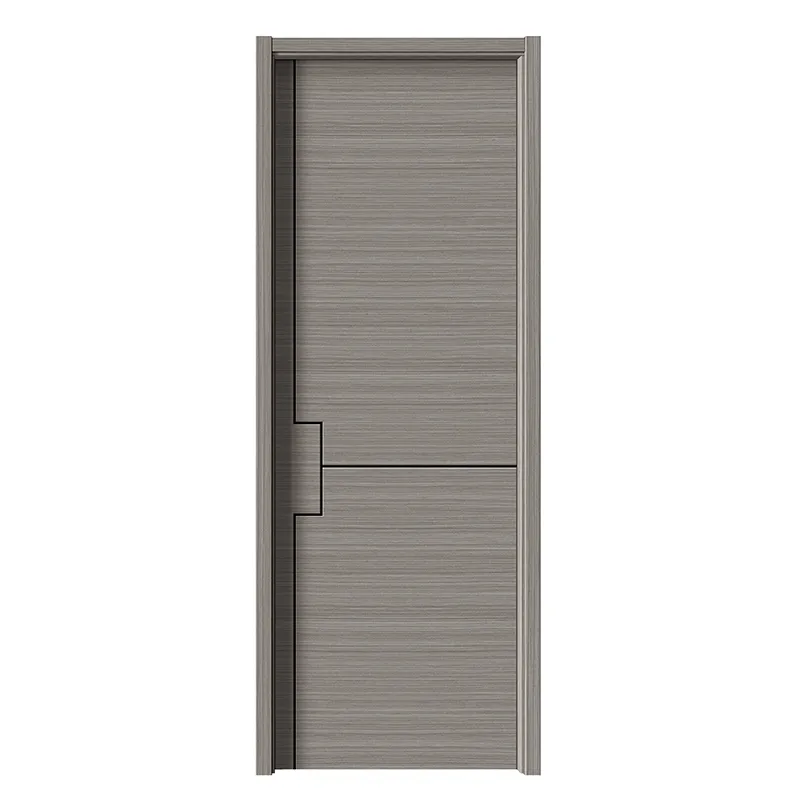
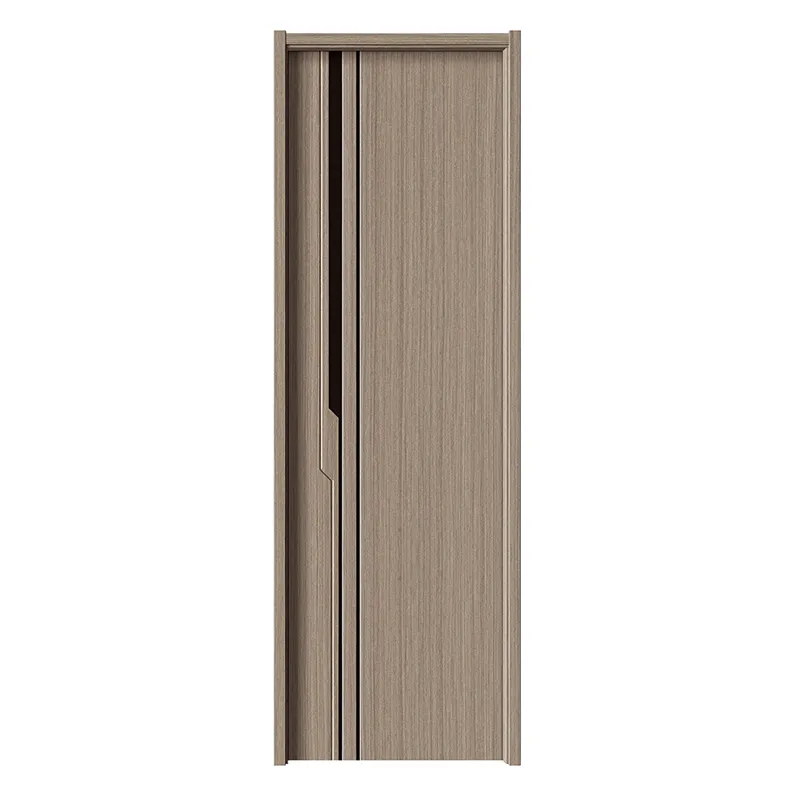
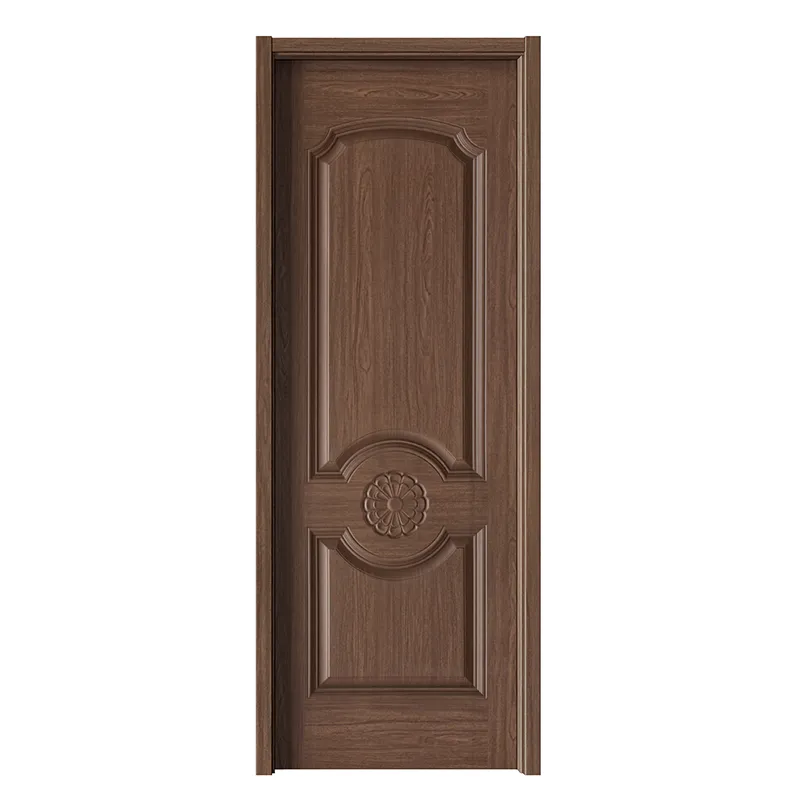
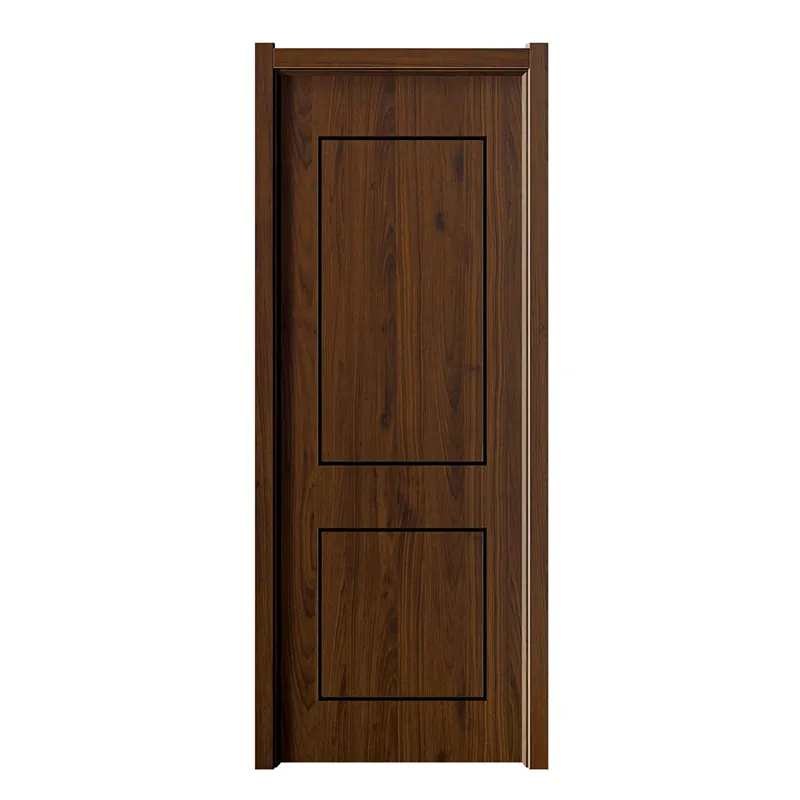
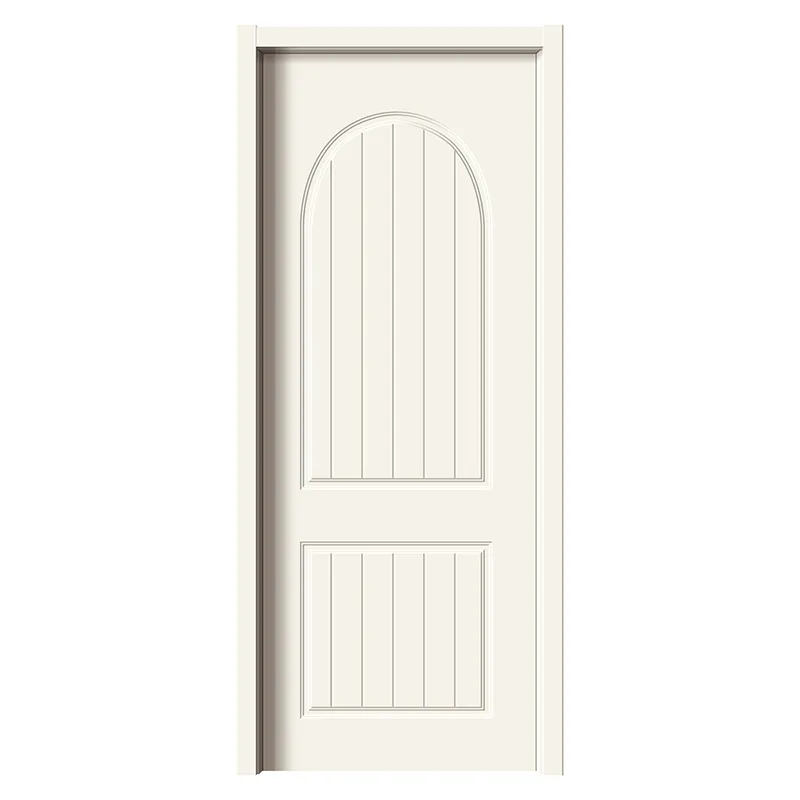
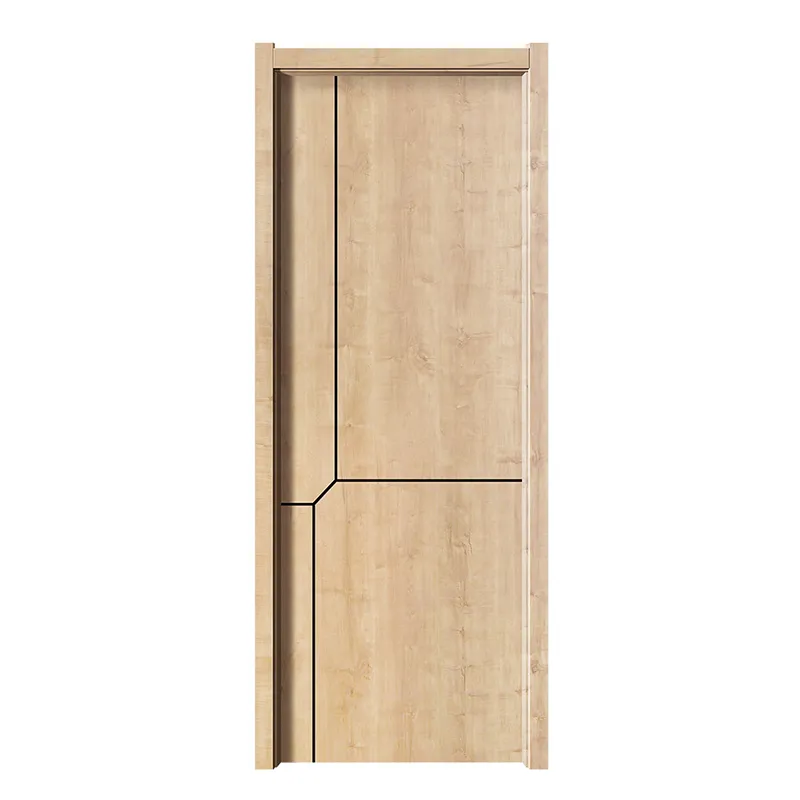
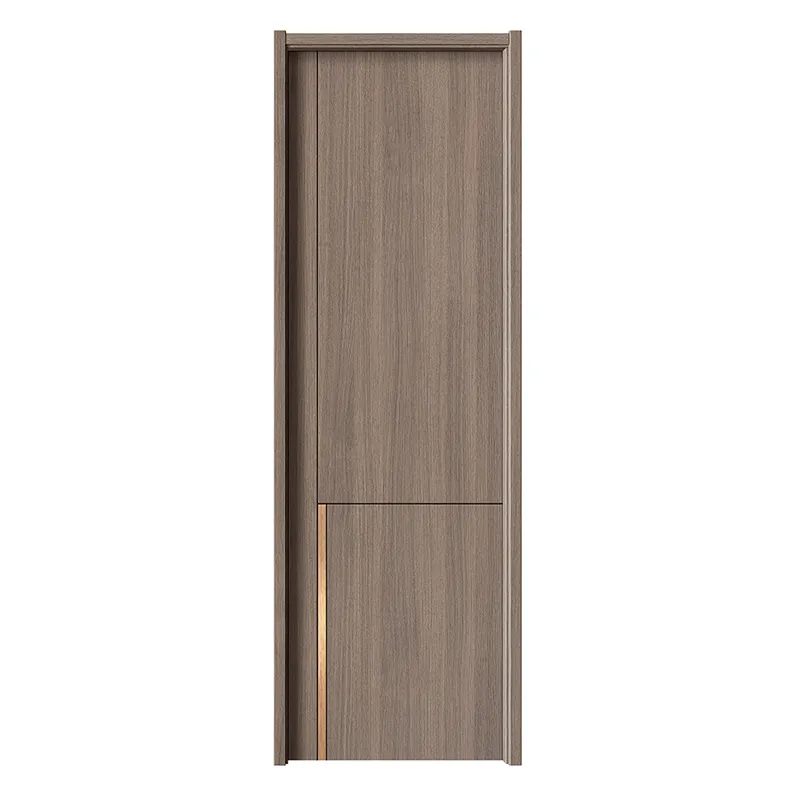
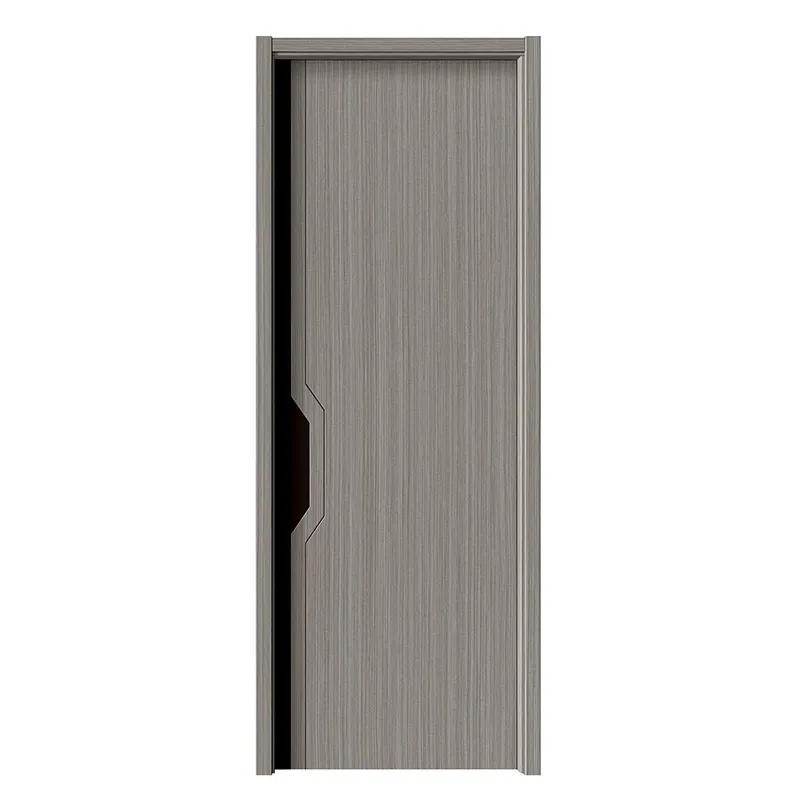
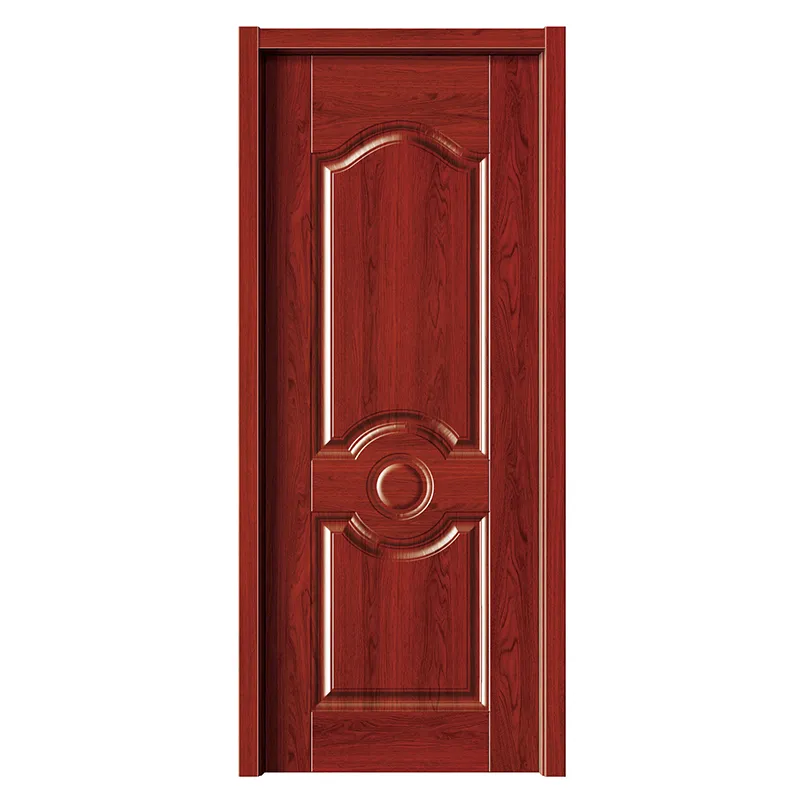
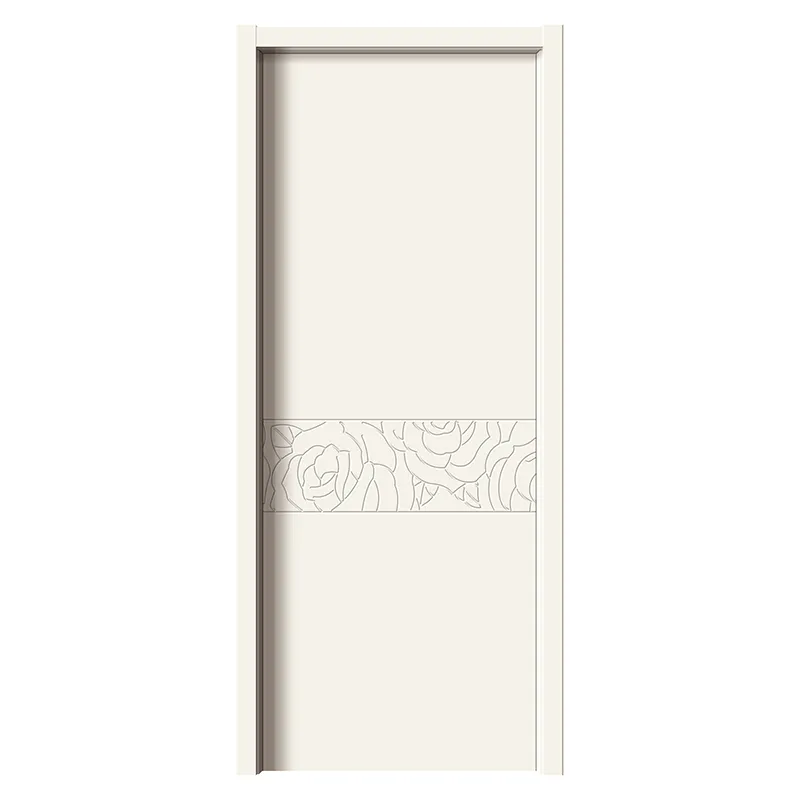
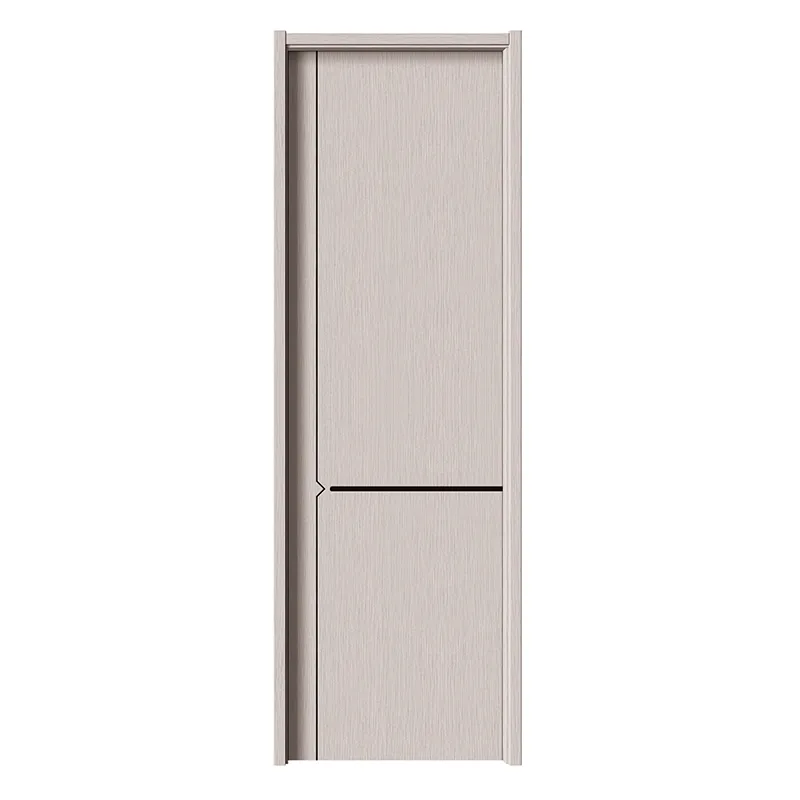
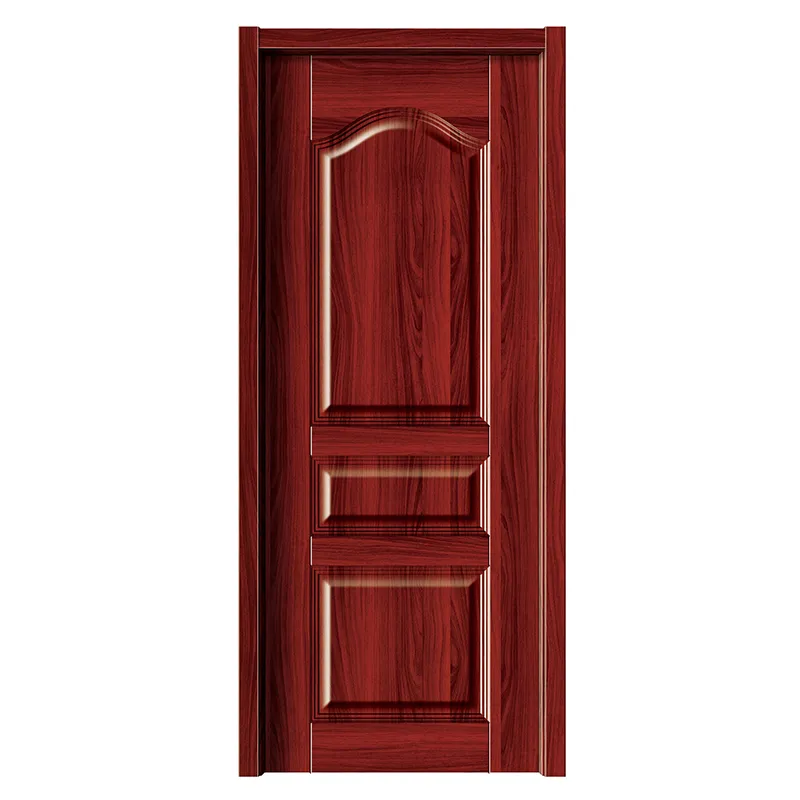
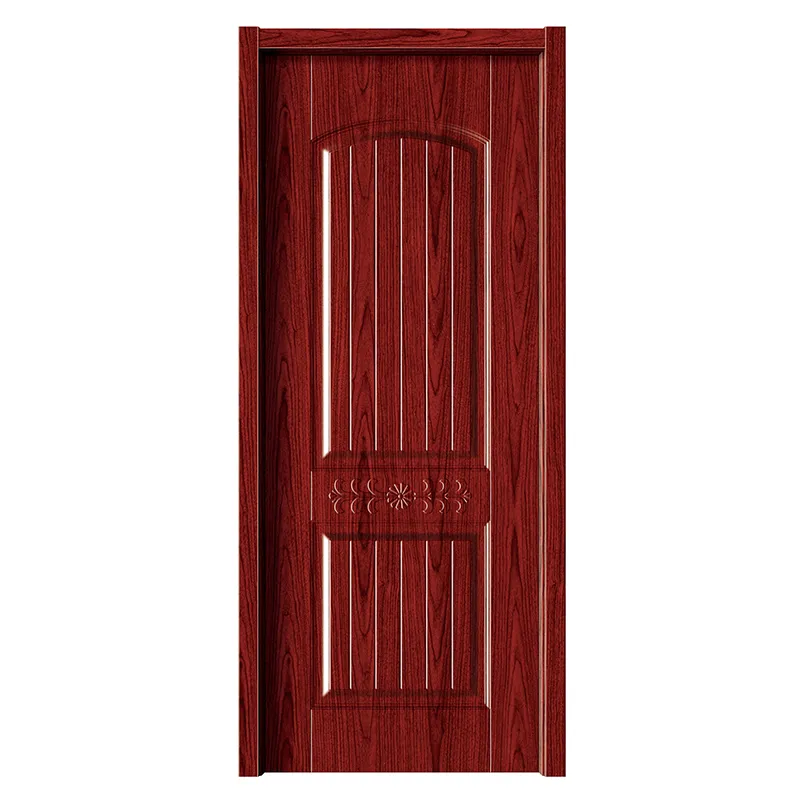
Another nuance is the appearance. Plastic is often associated with cheapness, but now there are options with wood lamination or even veneering. It looks decent, although, of course, there are tactile differences from natural solids. If status is important to the client, sometimes it is better to consider wooden solutions - for example, the samewooden doors from Anhui Wantai, where design and practicality come together. But for modern minimalist facades, plastic can fit perfectly.
Preparing the opening: where mistakes are most often made
This is where, perhaps, 70% of the problems begin. It would seem that you measured the opening, ordered the door according to size - what could go wrong? In practice, old houses have distortions that are not visible to the eye. One day I had to dismantle a newly installedplastic entrance doorbecause the surveyor did not take into account that the wall outside was covered 3 cm vertically. The door stood up, but the top gap turned out to be from 5 to 20 mm, and it was impossible to foam it properly. I had to widen the opening with a grinder, which took an extra day.
Therefore, now I always take control measurements at three points in height and width, plus I check the diagonals. If the misalignment is more than 10-15 mm, it is better to immediately plan leveling with plaster or mounting wedges, followed by rigid fixation. And yes, the opening should be cleaner than for a metal door - plastic is less tolerant of pressure from curved walls.
Another point is the threshold. For the entrance structure it must be, and preferably, aluminum with a rubber seal. Plastic wears out quickly. When installing, I always check that water from the street does not flow under it - to do this, I make a slight slope outward. It’s a small thing, but if you don’t do it, in winter the ice will clog into the gap and the seal will break.
Installation: foam, anchors and hidden risks
Fastening the frame is a stage where rushing is contraindicated. I usually use anchor bolts with a diameter of at least 10 mm, through mounting plates. Some colleagues attach directly through the profile, but I am against it - the structure is weakened. It is important not to overtighten the anchor so that the profile does not move. I level the frame to the nearest millimeter, fix it with wedges, then drill and tighten the bolts in a checkerboard pattern.
Then - foaming. The classic mistake here is to foam immediately and generously. Foam expands and can bend the profile, especially if the wedges are already removed. I do this: first I apply a thin layer around the perimeter, wait for it to dry completely, cut off the excess, then fill the remaining cavities, but no more than 70%. And I make sure to wet the surfaces with water before applying - this way adhesion is better.
After installing the box, I hang the canvas. With plastic, it is important to check the operation of the fittings - the hinges should move smoothly, without squeaking. Often the problem is that the frame "plays" a little. after foaming, and if the hinges are adjusted before the foam has completely hardened, then adjustment may be required. I leave this for the next day, after the final stabilization of the structure.
Seals and fittings: what you shouldn’t skimp on
Sealing contours are what makeplastic entrance doorsealed. There must be at least two circuits, and preferably three. The material is high-quality EPDM rubber, which does not harden in the cold. Once I had to change the seals six months after installing a door from an unknown manufacturer - they crumbled due to temperature changes. Since then, I always advise clients to pay attention to this item in the specification.
Fittings are still a sore subject. Handles, locks, cylinders - it is better to immediately install products from trusted brands, for example, Roto or Siegenia. Cheap hardware on the front door breaks down within a season or two, especially if the load is high. The lock must be at least two-system - lever plus cylinder. And definitely anti-removable bolts are the basis.
There was an interesting case with the door closer. The client wanted soft closing, but a standard overhead door closer could not be installed on a plastic door - the load on the hinges was too great. We solved the problem with a hidden closer built into the frame. Installation is more complicated, but it looks neater and works without overload.
Results: when plastic at the entrance is the right decision
In general, to summarize,plastic entrance door- not a panacea, but in certain conditions a very smart choice. The main thing is not to chase the lowest price, look at the quality of the profile (wall thickness, reinforcement), fittings and strictly follow the installation technology. And yes, it is important to understand climatic conditions - in regions with strong winds and frosts, additional reinforcement may be required.
Sometimes an alternative can be combined options or, for example, wooden doors, where the natural properties of the material work better for aesthetics. Anhui Wantai Woodworking LLC offers just such solutions, with an emphasis on precision manufacturing and quality control - this is evident from their approaches. But if you need maximum thermal insulation with a modern appearance, and the object allows it, plastic does an excellent job.
In the end, any door, even the most technologically advanced, depends on how it is installed. You can ruin a perfect canvas with crooked installation. Therefore, my advice is either to control each stage in detail, or to trust those who have already gained experience in similar work. Just like I did at one time.
Correspondingproducts
Related Products