




Wooden door in the garden
When they say “wooden door in the garden?”, many immediately imagine a picture from a magazine: a perfectly aged oak door in a stone arch, entwined with ivy. In practice, this is one of the most difficult elements of landscape design to implement and maintain. The main mistake is to consider it just a street door. No, this is a full-fledged architectural unit that works at the intersection of the interior (if it is an exit from the house) and the aggressive external environment. Wind, rain, sun, changes in humidity and temperature - the load here is several times higher than at the front door of the house. And if for a facade door the key is safety and thermal insulation, then for a garden door, resistance to deformation and harmony with the natural environment come to the fore. Often customers ask for “something made of larch, it doesn’t rot?”, but they forget that without proper engineering preparation and protection, the wood will fail after the first winter.
Why ?just a board? doesn't work: engineering subtext
Here you can’t just take a beautiful type of wood and make a canvas. The design must compensate for inevitable movements. I have seen many cases where doors, made “conscientiously” by local carpenters, jammed or half a centimeter gaps appeared by spring. The key is in the correct selection and preparation of the material, as well as in the design of the canvas and box. For example, solid hardwood (oak, ash) is good, but for wide openings it is better to use laminated veneer lumber - it is more stable. And for a humid climate, it may be worth considering heat-treated wood; it changes its properties and becomes less hygroscopic.
The important point is protection. Impregnations, varnishes, oils. Many people think that it is enough to coat it with yacht varnish and that’s it. But if the door is on the sunny side, the UV rays will quickly “eat up” it. coating, the wood will turn gray and then begin to crack. We need a system: a deep-penetrating primer antiseptic, then, say, oil with hard wax for exterior use, and update it every two to three years, and not once every ten years, as often happens. This is not a whim, but a necessity.
By the way, about the box. It is often made from the same material as the door and is mounted directly into the opening. This is a fatal mistake if the opening does not have a reliable waterproofing barrier. The box must be raised above the level of the terrace or ground by at least 15-20 mm, and the junction with the wall or foundation must be covered with ebb and sealed with special compounds for external use. Otherwise, water will flow inside, the wood will begin to rot from below, and all repairs will be completed in a couple of years.
Design in context: when a door becomes part of the landscape
Aesthetics here are no less important than functionality.Wooden door in the gardenis a visual accent, a finishing touch. It can be massive and monumental, leading from the living room to the patio, or light, openwork, almost gazebo-like, hiding the technical area. The style should resonate with the architecture of the house and the character of the garden. For a modern minimalist garden, a door made of planed vertical slats with clear geometry is suitable. For an English-style cottage - a paneled structure, possibly with glazing in a small division.
Glazing is a separate issue. It adds light, but creates cold bridges and requires especially durable profiles. Tempered glass or triplex is often used, especially if the door is high. An interesting option is a combination of a solid wooden panel at the bottom and glass inserts at the top. This preserves privacy and opens up a view of the garden. But here it is important to think about how condensation will drain from the glass onto the wooden part so that there is no stagnation of moisture.
Accessories. Hinges, handles, locks. They must be exclusively for external use, with an anti-corrosion coating. Ordinary interior hinges will quickly rust. I prefer massive hidden hinges or, conversely, forged overlays as a decorative element. The handle should fit comfortably in your hand, even if it is wet or you are wearing gardening gloves. A lock... Often on a garden door it is not needed at all, a latch is enough. But if protection is needed, then it should be a waterproof cylinder mechanism, and not a lever mechanism, which can jam due to temperature changes.
Experience and failures: from practice
I’ll tell you about one project that almost resulted in reputational losses. The customer wanted a huge, three-meter high, slidingwooden door in the gardenmade from solid African mahogany (mahogany). The material is beautiful, expensive, but very “alive”. We did everything wisely: glued panels, special guides for heavy doors, powerful rollers. Installed in the summer. Everything was perfect. But the house stood in a lowland, near a reservoir. By autumn, the humidity jumped, and by December the door, despite the impregnation, “gained” moisture. moisture and swelled so much that it jammed in the guides. It was necessary to dismantle it, dry it in a workshop under controlled conditions, chamfer it along the entire perimeter of the canvas to create an expansion gap, and re-coat it with a more hydrophobic composition. Lesson: For wet areas, mahogany is not the best choice, even when glued. Thermally modified pine or larch with more stable characteristics would be better suited.
Another common problem is saving on installation. People spend money on an expensive door, but install it with the help of “coven” people. Result: skewed box, incorrect gaps, poor sealing. The door immediately begins to live its own life. Installing a garden door is a highly skilled job that requires an understanding of basic building physics. It is better to trust this to companies that not only manufacture, but are also fully responsible for the installation. Like for exampleAnhui Wantai Woodworking Co.,Ltd. I am familiar with their approach: they strictly follow technological chains from the selection of raw materials to final control, and, importantly, they have proven installation protocols for different types of objects. This is not a job where you can improvise.
By the way, about raw materials. Now many manufacturers, especially those working on the international market, likeAnhui Wantai Woodworking Co.,Ltd, are committed to providing products that combine design and practicality. Their websitehttps://www.anhuiwantai.rudemonstrates exactly this approach: aesthetics supported by engineering solutions. This is important because the global customer has become very sophisticated. He needs not just a pretty picture, but a guarantee that the door will last for many years in his particular, perhaps very humid or, conversely, sunny climate. Their concept is “to build a business on precision, to win with quality?” - this is exactly about the very engineering training I’m talking about. Without this, anyone, even the most beautifulwooden door in the gardenwill become a headache.
Choice and care: not eternal, but a long story
So, what to look for when choosing? The first is the design of the canvas. Panel (joined or solid panel) or paneled? For a garden, a panel made of laminated veneer lumber is often more reliable - there are fewer seams where water can get in. The second is the breed and processing. Ask the manufacturer what kind of protective treatment the wood has undergone and what humidity the product is designed for. Third - fittings and components (frame, threshold, trim). Everything must be complete and intended for outdoor use. Fourth - the guarantee and the conditions for its validity. Installation warranty is a separate item.
After installation, maintenance is minimal but required. Once a season, check the operation of hinges and locks and lubricate them. Once a year (preferably in the spring, after the snow has melted), wash the door with a mild soap solution to remove dirt and salt deposits. Once every two to three years, renew the protective coating (oil, varnish) on the entire surface, including the ends and bottom edge. Don't wait until the coating comes off completely. It’s like paint on a façade—prevention is cheaper than repair.
In the end, successfulwooden door in the garden- this is not an accident, but the result of precise calculation, correct choice of materials and high-quality execution. It should not just cover the opening, but be an organic part of your home and garden, working properly for years in any weather. And when you find a balance between beauty, function and technology, you get the very door that makes you happy every day, and does not make you grab your head. This is the result, in my opinion, that serious players in the market are striving for, for whom quality is not an empty phrase.
Correspondingproducts
Related Products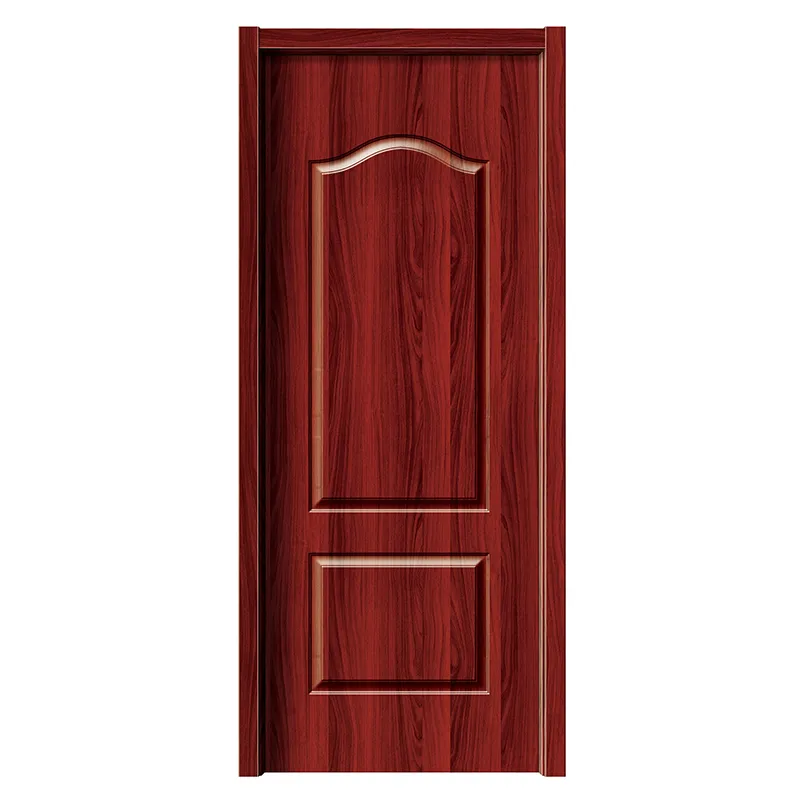
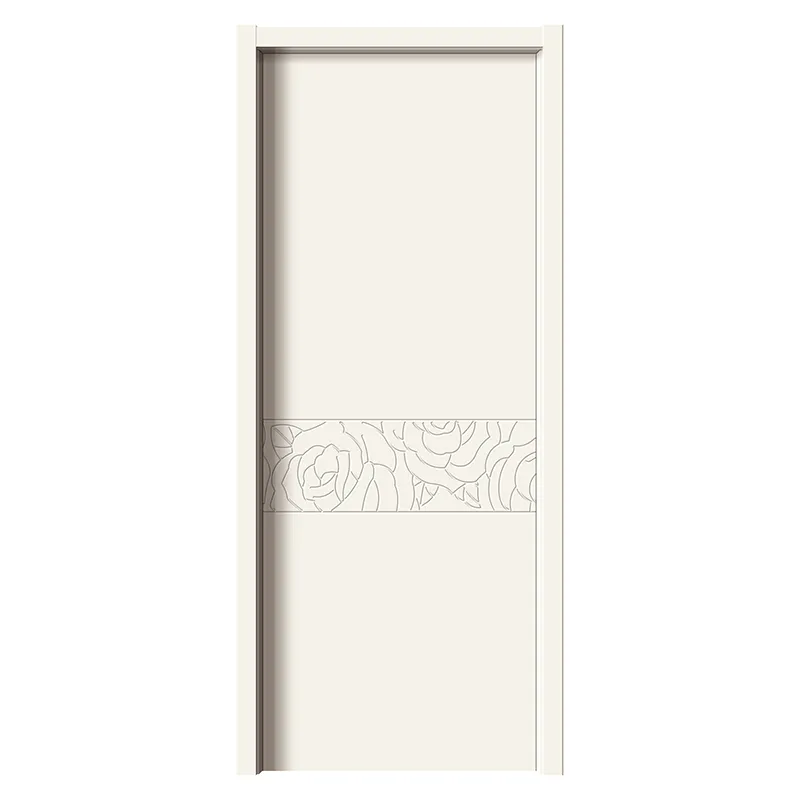
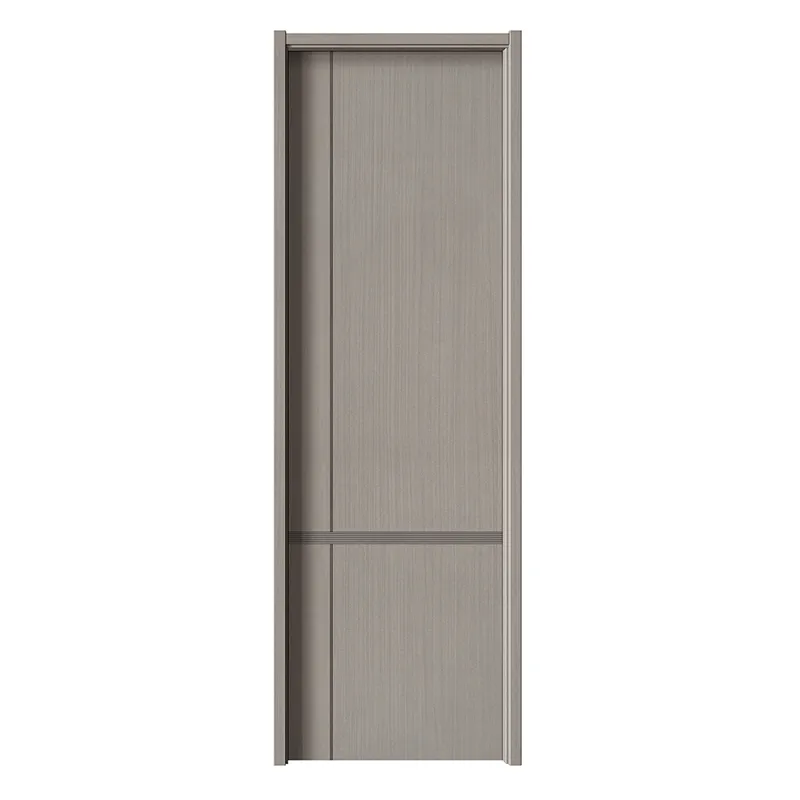
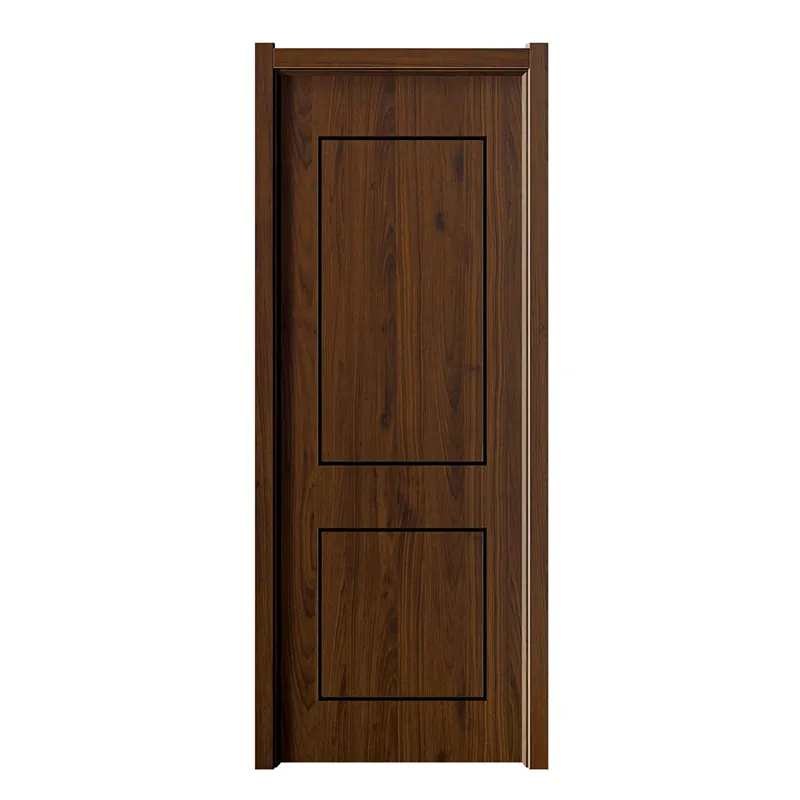

Best Sellingproducts
Best Selling Products-
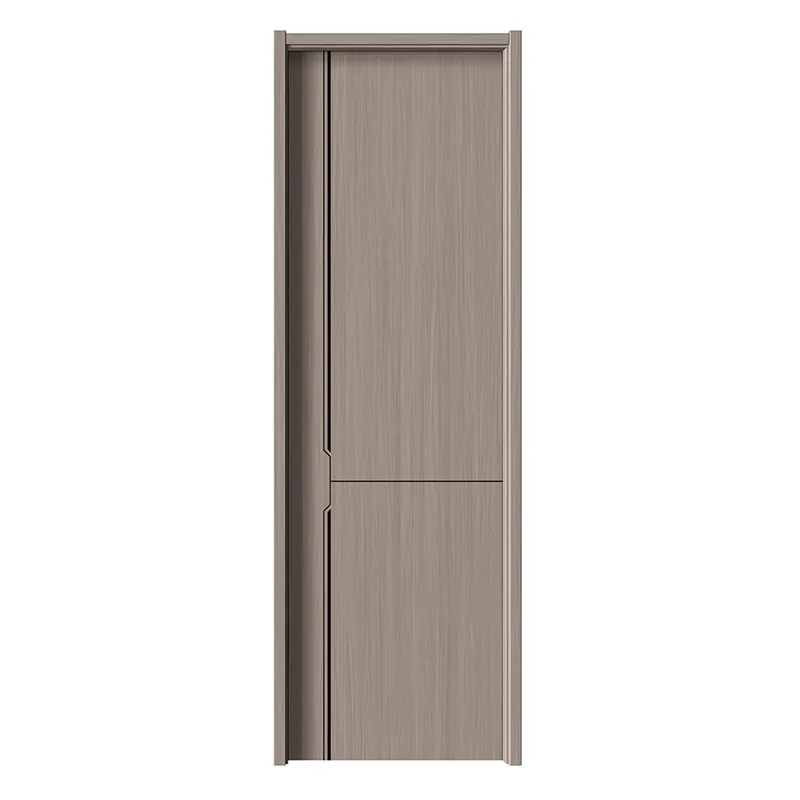 YST-1011 Door Translucent light shadow 3
 -
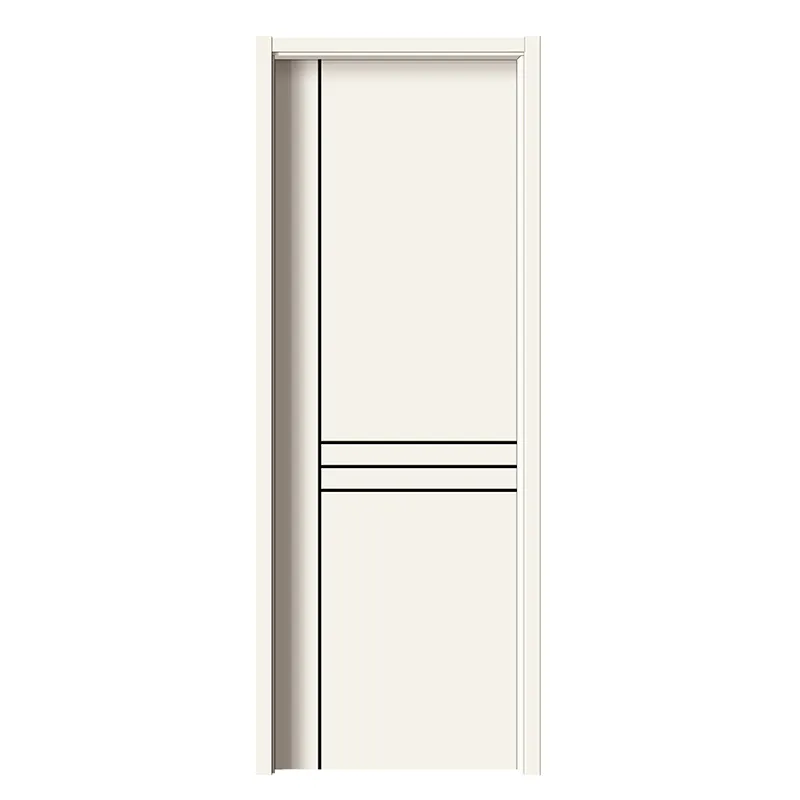 YST-220 Door Warm white
 -
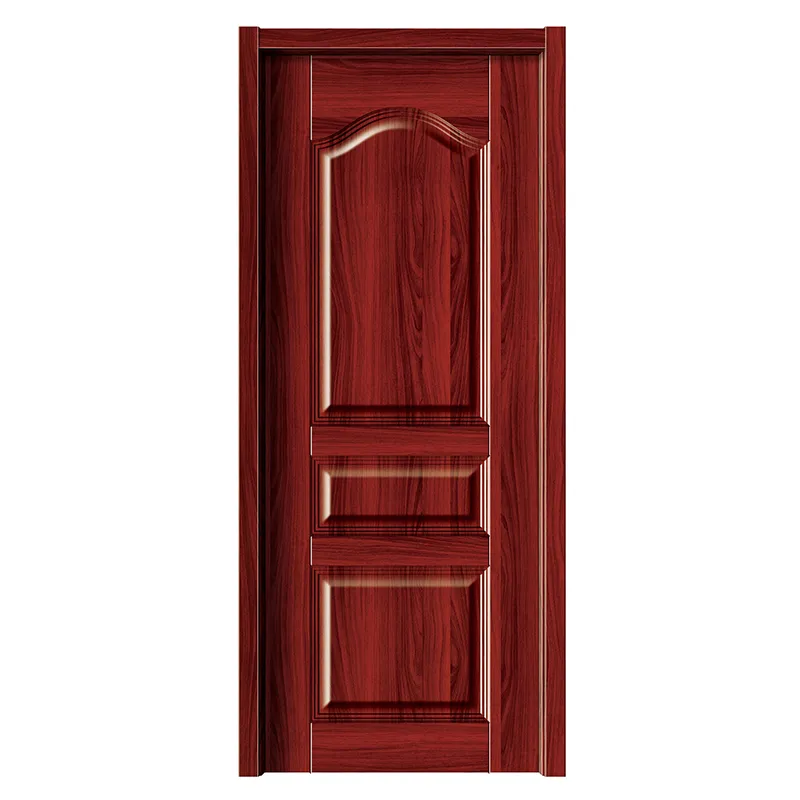 YST-203 Door Red team
 -
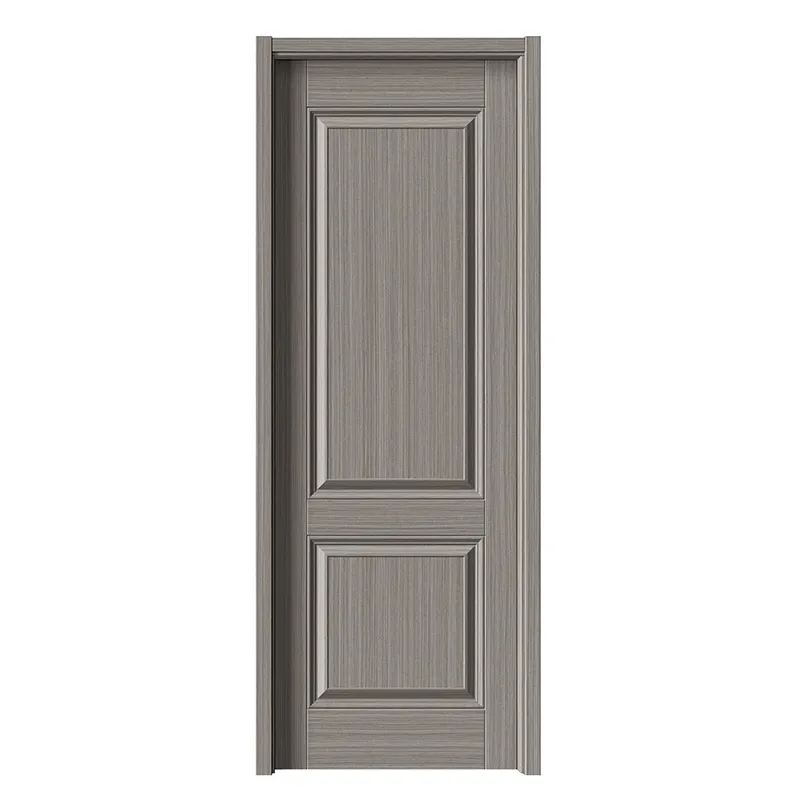 YST-214 Door Technowood 2
 -
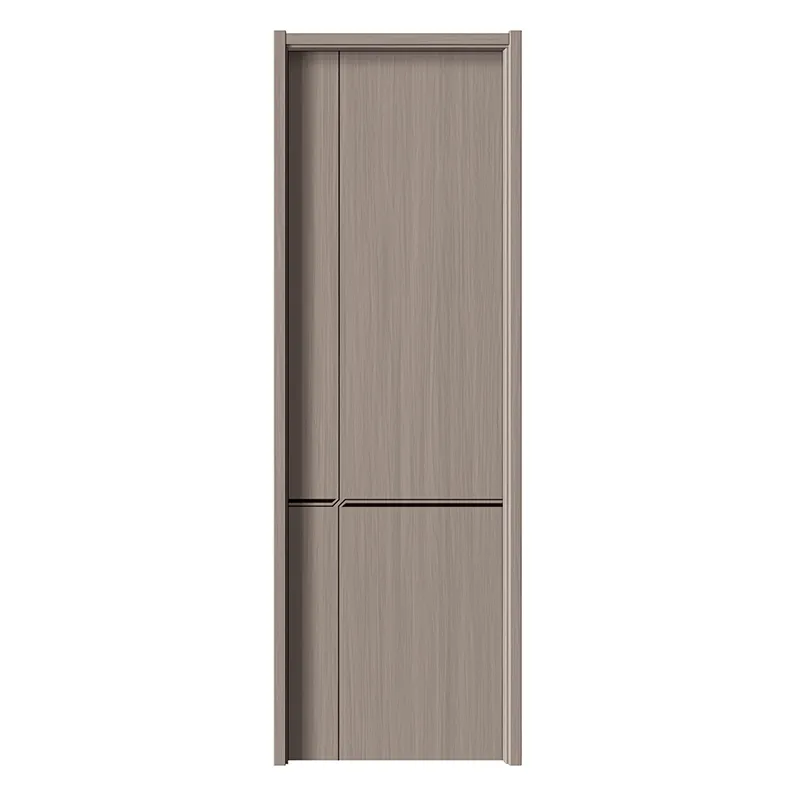 YST-1010 Door Translucent light shadow 3
 -
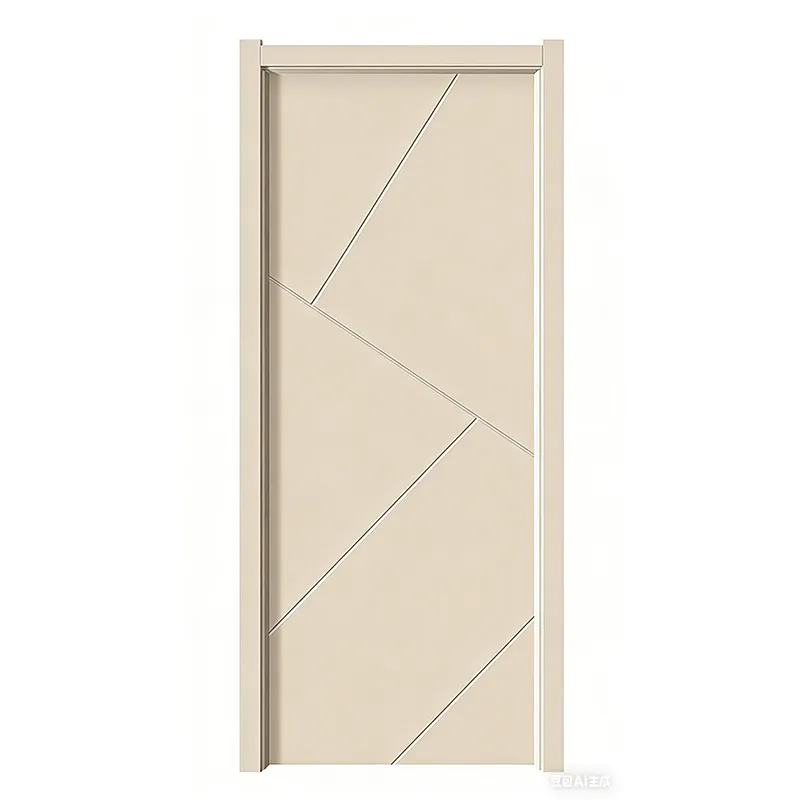 YST-WPC3 Door
 -
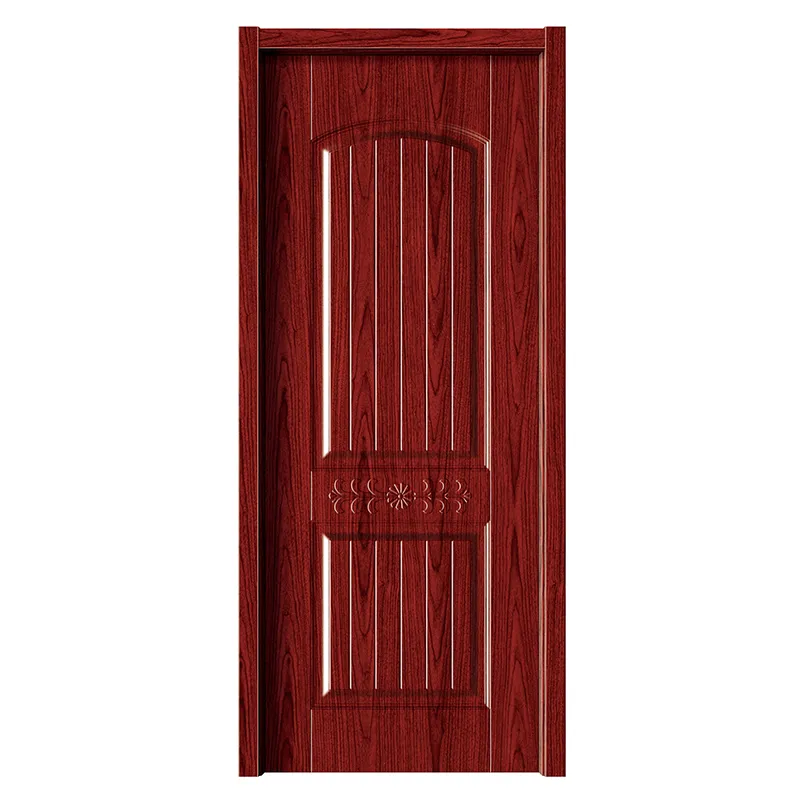 YST-233 Door Mahogany
 -
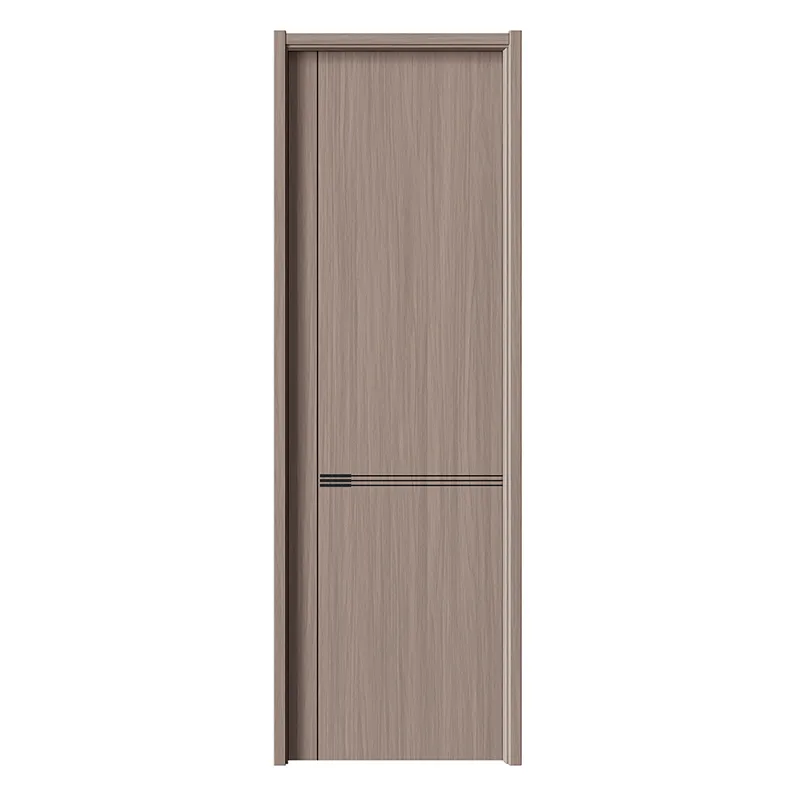 YST-1039 Door Translucent light shadow 3
 -
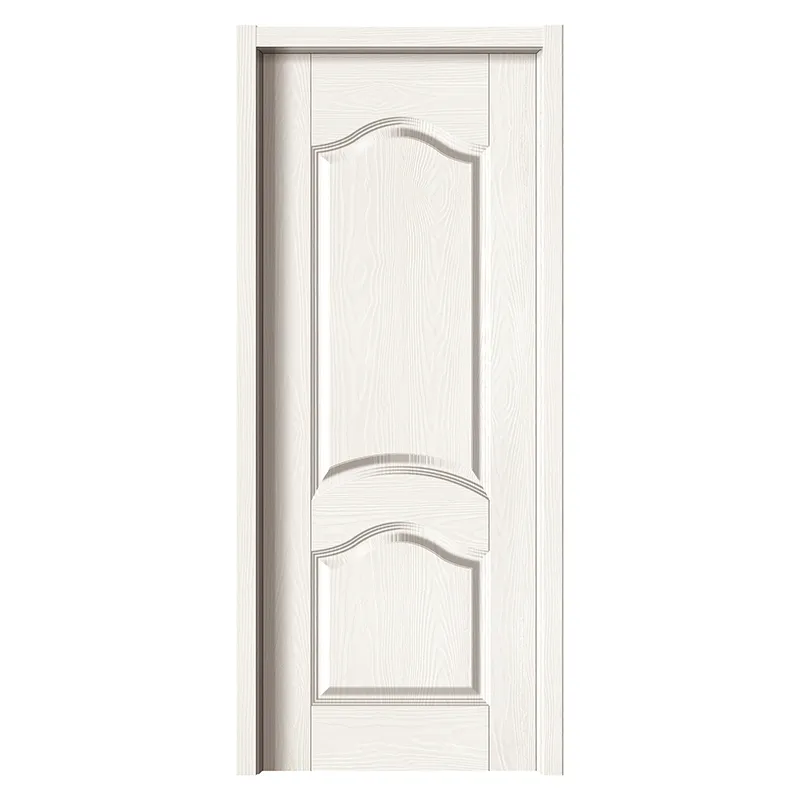 YST-224 Door Warm white with relief
 -
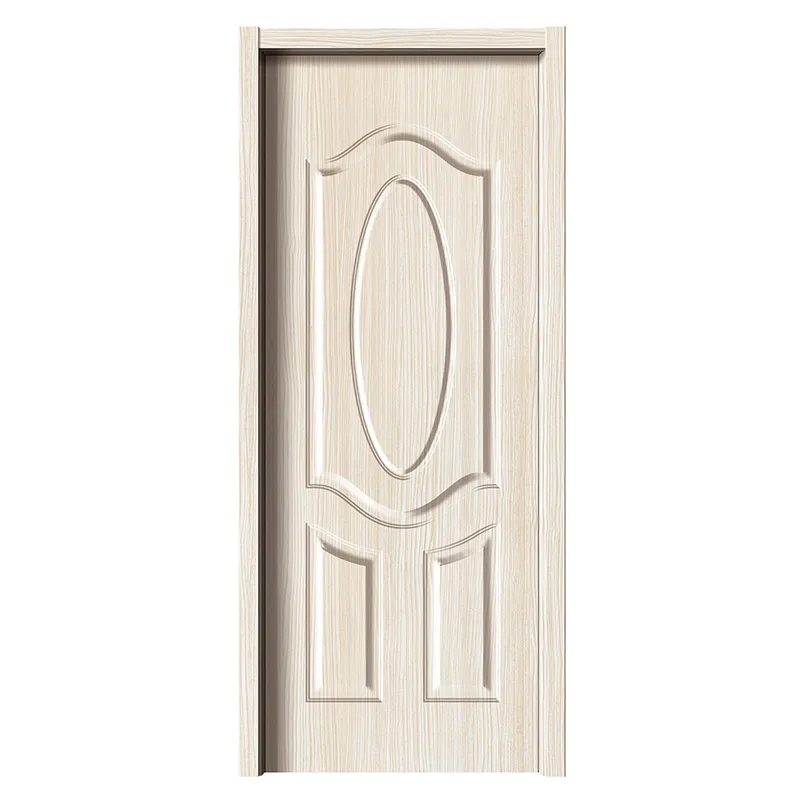 YST-216 Door White Maple
 -
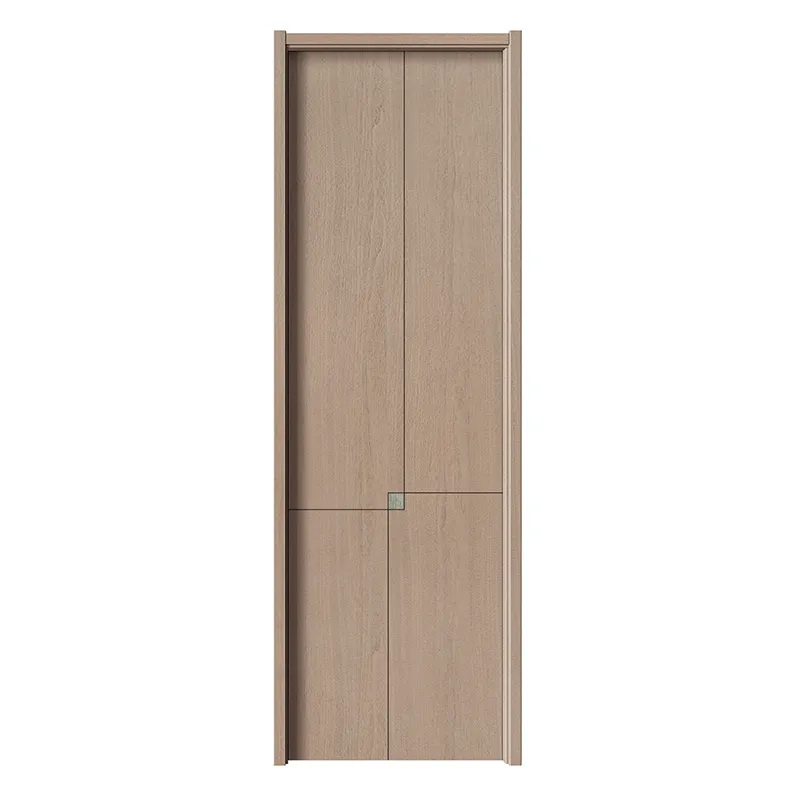 YST-1008 Door Natural walnut 2
 -
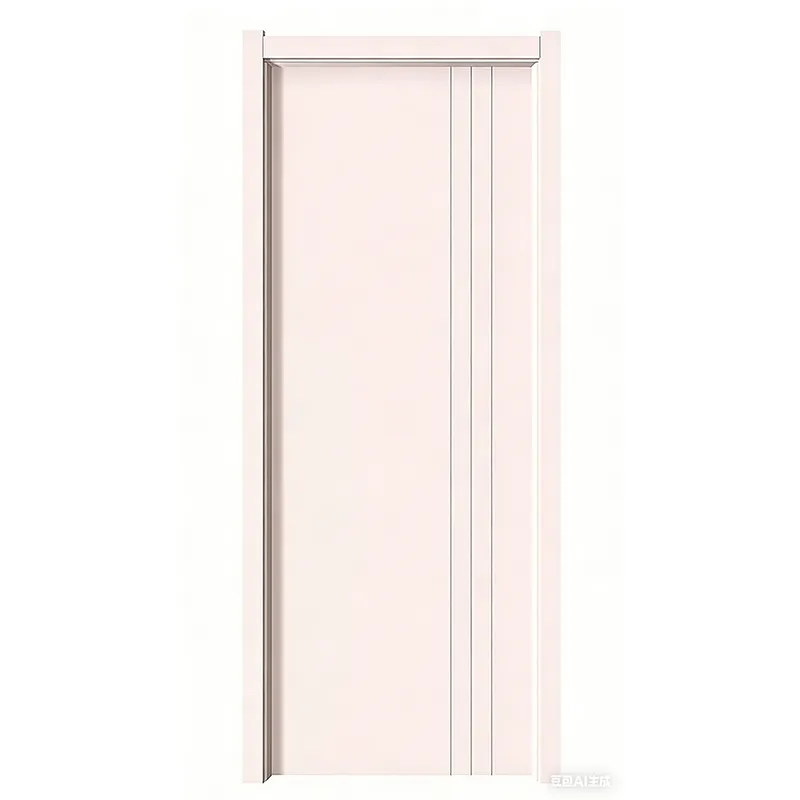 YST-WPC4 Door