




hidden door
When they say “hidden door,” many people immediately imagine a panel in a library from old detective stories or a secret passage in the wall. In practice, everything is much more prosaic and complicated. The main mistake is to think that the main thing is camouflage. In fact, if the door does not work like a door - open smoothly, do not creak, do not jam - the whole effect will be lost. This is not decoration, but a full-fledged functional element, and its invisibility is just the tip of the iceberg.
Concept and common misconceptions
So, what do we mean by this concept today?hidden dooris a structure integrated into the plane of a wall or furniture so that its contours are minimally noticeable. The ideal is complete fusion with the environment. But here lies the first pitfall: clients often want “completely invisible”? door in plasterboard partition. And drywall is a moving material, it “breathes?” from humidity, may shrink. Six months later, a crack appears at the site of the ideal joint, and all secrecy is down the drain.
This leads to the key rule: qualityhidden door70% is determined by preparation of the base and proper installation. You can install a perfect invisible door, but if the wall “walks”, the result will be disastrous. We often have to explain to customers that such a door needs a rigid, stable base - be it a solid wall or a high-quality frame with a certain type of cladding.
Another myth is versatility. There is no one magic system that is suitable for both a heavy oak door in an office and a lightweight structure in a dressing room. Mechanisms, hinges, closers - everything is selected according to weight, size and intensity of use. Once we installed a door in a niche with a wine collection: not only the appearance was important there, but also the precise maintenance of the microclimate, so the sealing contour was critically important. This is a question of details.
Technical nuances and pitfalls
Let's move on to practice. Anyone's hearthidden dooris a loop system. Ordinary canopies are not suitable; special hidden hinges are needed that allow the sash to open without visible elements. Their choice is a whole science. Cheap analogues often cannot withstand the load, begin to sag, and the door warps. In our work, we give preference to proven European manufacturers, but even here there are some surprises. For example, for high doors (from 2.3 meters), even a good hinge may require an additional attachment point in the center, otherwise there will be sagging.
The second critical node is the locking mechanism in the closed state. Magnetic latches are a popular solution, but they are not always reliable on massive doors. Sometimes it is better to combine: a magnet for smooth attraction and a small crossbar for guaranteed fixation. But then you need to precisely embed the counter part into the end of the wall, which complicates installation. I remember a project where, due to inaccurate markings in a concrete wall, I had to mill a new groove - almost a day wasted.
And the third point is finishing. For a door to truly disappear, its front panel must be an extension of the wall. This could be drywall followed by puttying and painting, wallpaper, wood panels or even decorative stone. What is important here is how to secure this material to the door leaf so that it does not come off due to vibrations. We use special two-component adhesives and often additionally fix the panels around the perimeter with hidden screws, which are then puttied. The work is delicate, almost jewelry-like.
Case study: integration into a modern interior
I would like to give an example of a recent project - a private apartment in Moscow. The designer planned to make an entire wall in the living room from natural veneered oak, and in this wall it was necessary to hide the door to the technical room. The task was complicated by the fact that the veneer pattern had to be continuous. We collaborated with a supplier, a companyAnhui Wantai Woodworking Co.,Ltd (https://www.anhuiwantai.ru). Their team understands the challenges of custom design well.
Their specialists offered to produce not just a door leaf, but an entire large-format panel with already glued veneer, matching the pattern with the panels for the wall. This took away the headache of joining the pattern on the object. In their production, which they describe as a state-of-the-art facility with control at all stages, the fabric was prepared to perfection. But there was a nuance here: the finished panel turned out to be very heavy. I had to quickly recalculate the load and install reinforced hinges with a smooth closer.
In the end, the result turned out great. The door is not just hidden - it is literally dissolved in the wall. But for us, this project became a lesson: now, when working with massive decorative panels, we always in advance, at the door design stage, request the exact weight of the future structure from a manufacturer, such asAnhui Wantai Woodworking Co.,Ltd. Their precision and quality oriented approach avoids many installation problems.
Mistakes to Avoid
I’ll also tell you about failures, without them the picture is incomplete. There was an order for installationhidden doorto the bathroom. The wall was lined with large-format porcelain tiles. We did everything, it would seem, correctly: a solid base, good fittings. But they didn’t take into account one factor - constant changes in humidity and temperature in the bathroom. After a few months, microcracks appeared at the joints of the tiles that ran along the line of the door. The door worked, but the secret was revealed.
Conclusion: in rooms with an aggressive microclimate, you need to either abandon the idea of a completely hidden structure in favor of more maintainable solutions, or create micro-gaps and use exclusively elastic types of grout and sealants. Sometimes the desire for absolute aesthetics contradicts the physics of materials.
Another common mistake is saving on installation. Installationhidden door- this is aerobatics for the assembler. It is not enough to hang the sash level. It is necessary to ideally set the hidden hinges, check the operation of the closer at all stages of closing, and adjust the latch. We once remade the work of the “shabashniks”, who installed the door with a skew of 3 millimeters. It would seem like a small thing. But when it closed, a click was heard, and a barely noticeable gap was visible from below. That's it, the secret is revealed.
Future directions and final thoughts
Where is the theme of hidden doors going? Now there is a clear request for smart integration. That is, the door is not only invisible, but can also open by pressing a button, clap, or automatically, being built into the “smart home” system. This imposes additional requirements on electromechanical drives and their noiselessness. Again, weight and reliability are key parameters.
From a materials perspective, I see potential in using sustainable engineering solutions from manufacturers that focus on quality. For example, when a company likeAnhui Wantai Woodworking Co.,Ltddeclares the principle of “building a business on precision, winning with quality?” and complies with international standards, these are not just words for the site. For us, installers, this means getting a product with predictable geometry and stable characteristics, which forhidden door- half the success.
Ultimately, the success of a hidden door is always a compromise between the designer’s idea, the design capabilities, the quality of the door leaf and the filigree work of the installer. This is not a product, but a process. And when all four components come together, you get that same magic - an opening that exists, but is not visible. Magic based not on illusions, but on precise calculations, the right materials and painstaking work.
Correspondingproducts
Related Products

Best Sellingproducts
Best Selling Products-
 YST-1029 Door Translucent light shade 1
 -
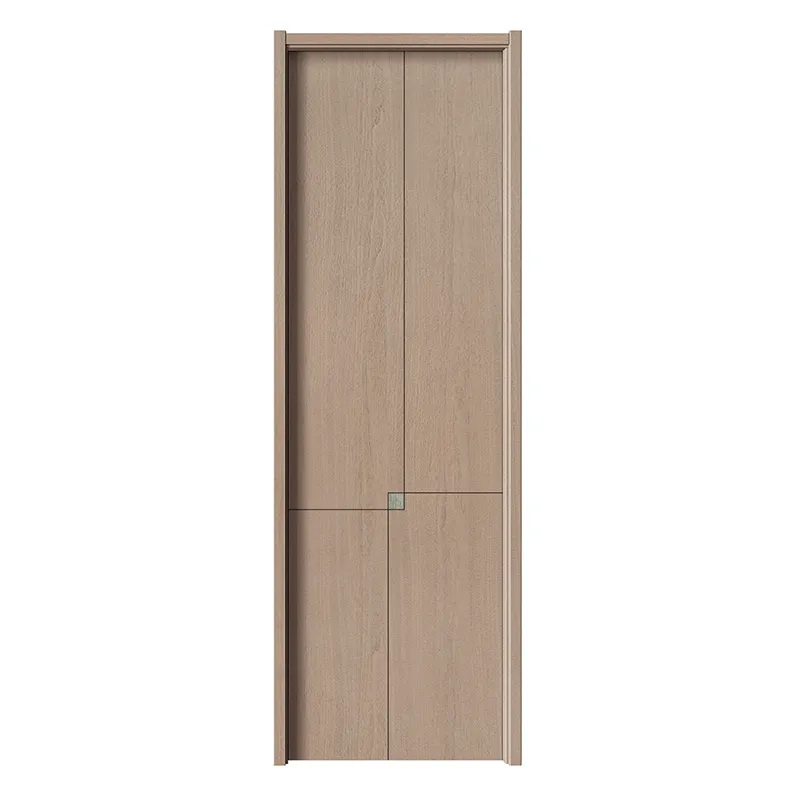 YST-1008 Door Natural walnut 2
 -
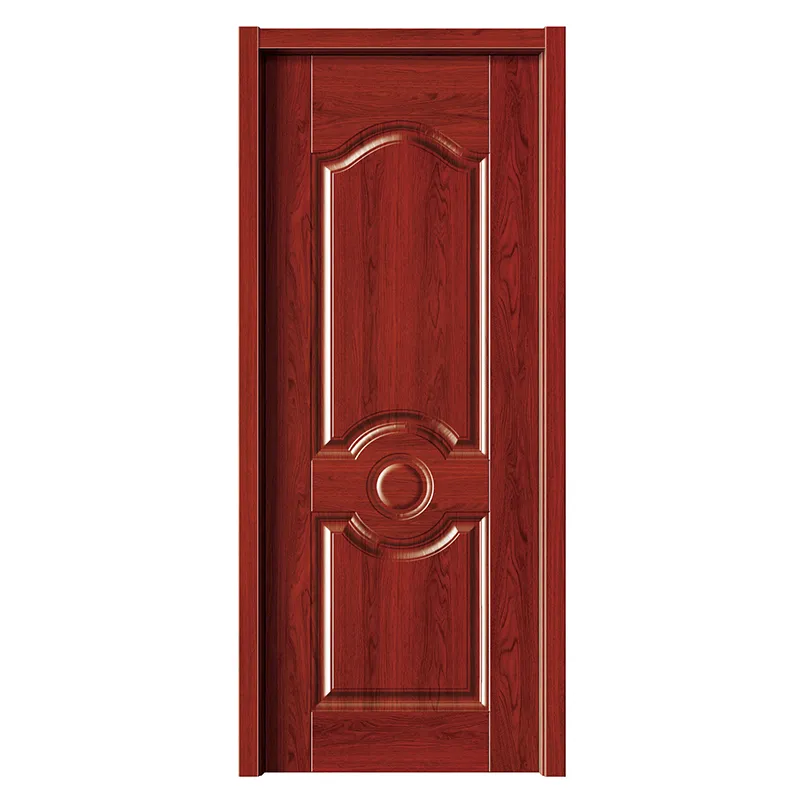 YST-208 Door Red Sandalwood
 -
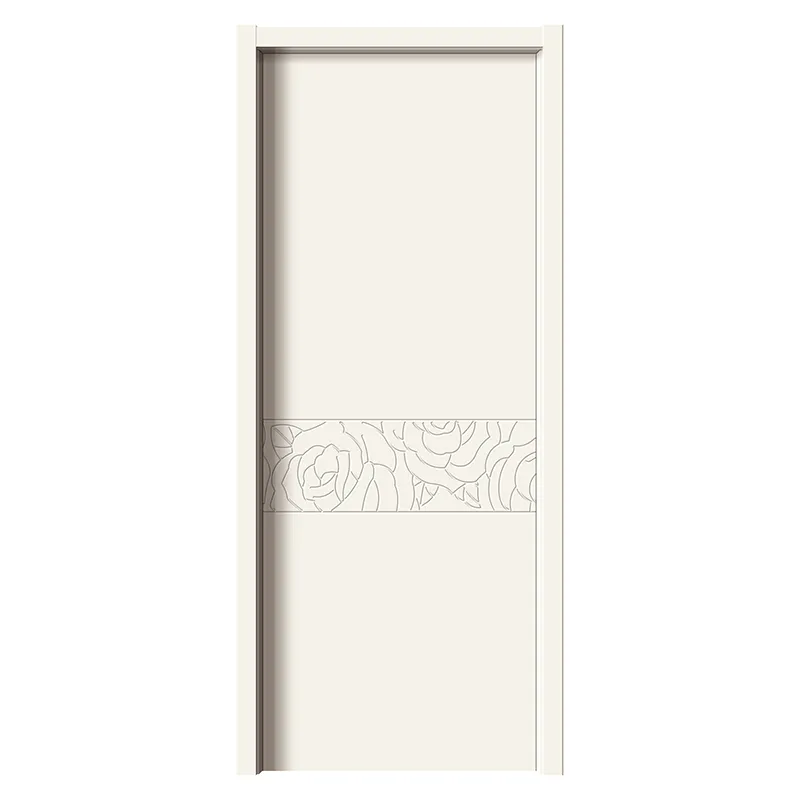 YST-238 Door White ivory
 -
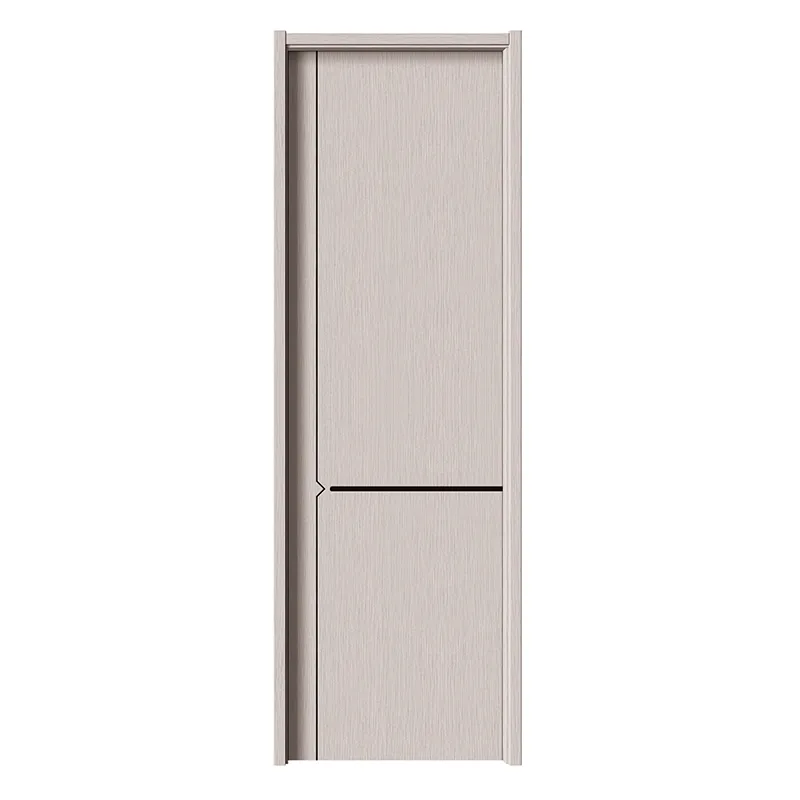 YST-1024 Door Chiaroscuro wood 1
 -
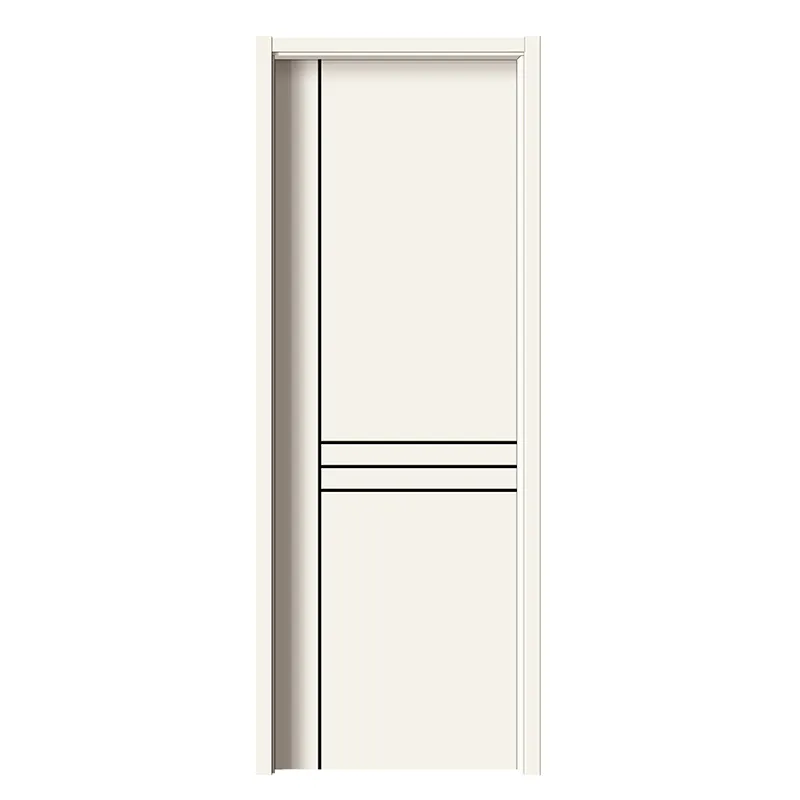 YST-220 Door Warm white
 -
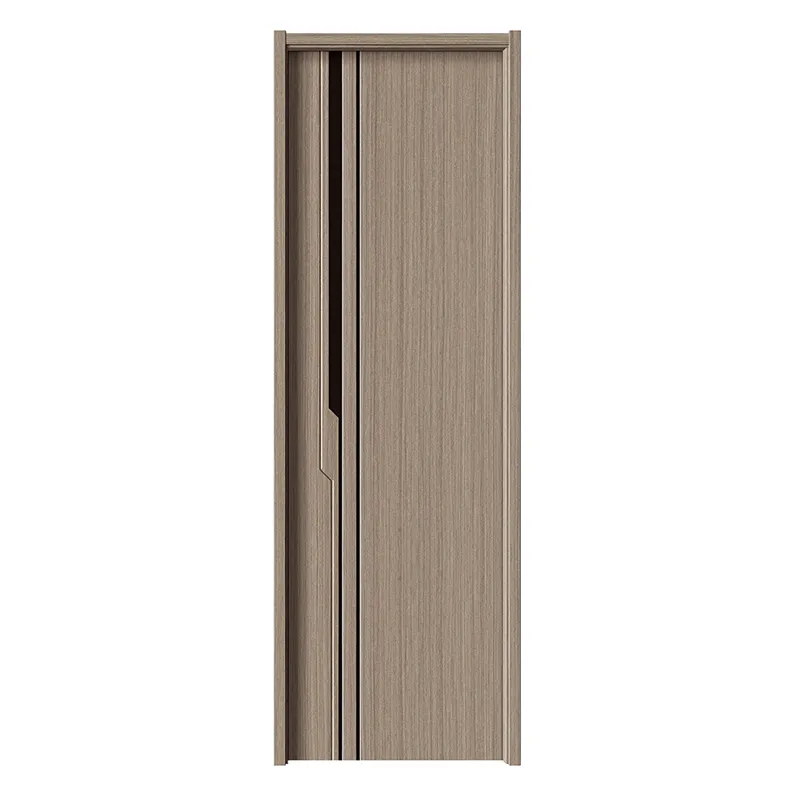 YST-1018 Technowood Door 1
 -
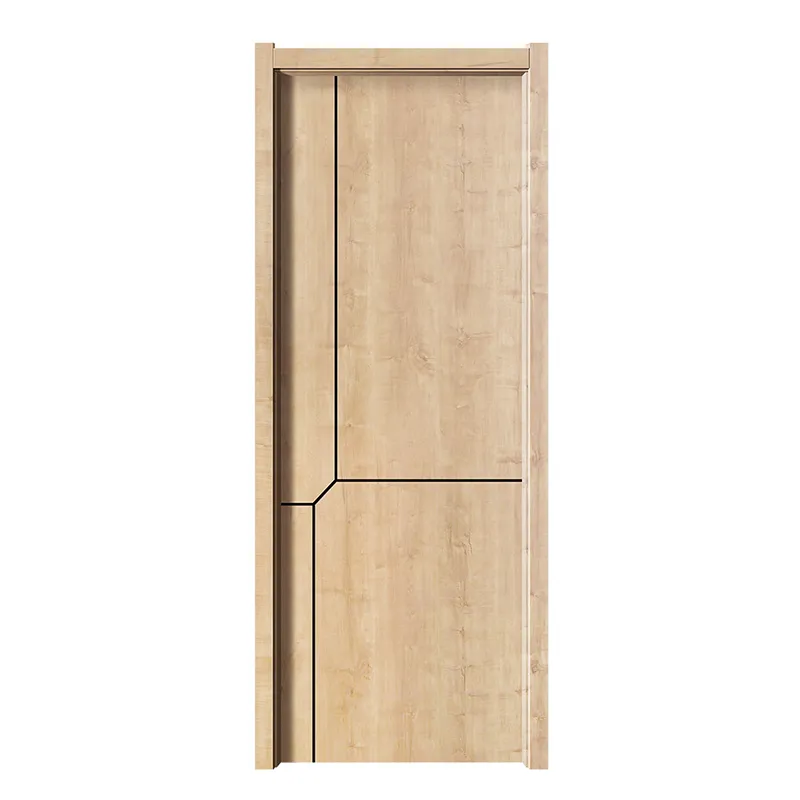 YST-WPC1 Door
 -
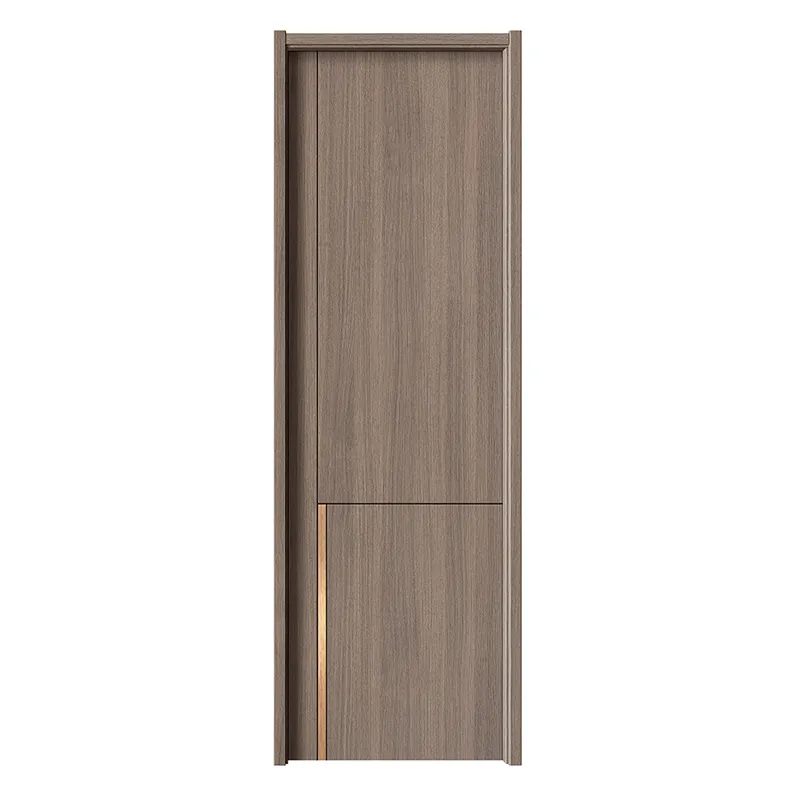 YST-1003 Door Oak gray
 -
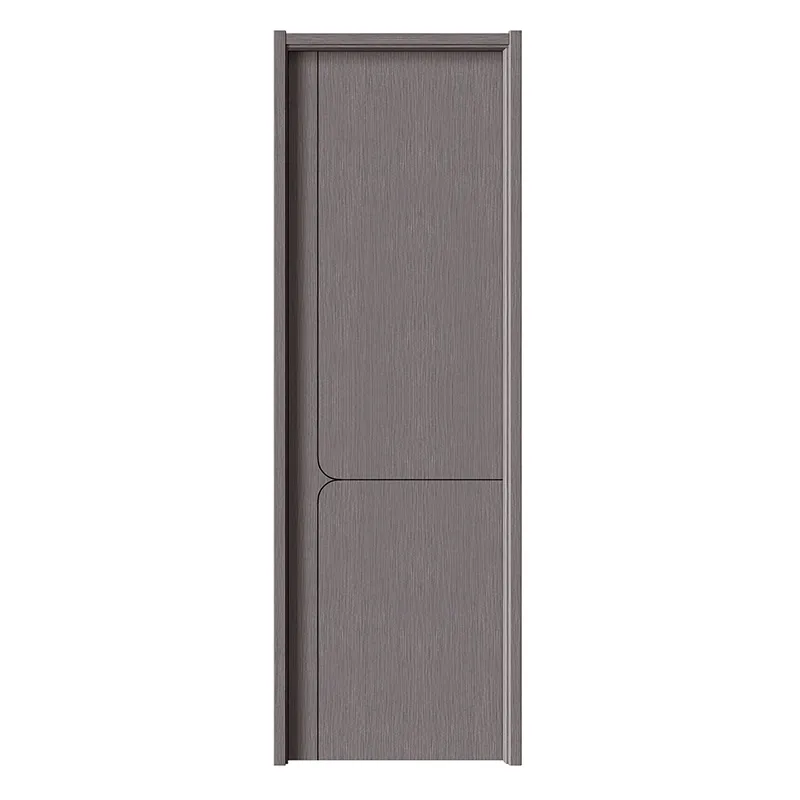 YST-1001 Door Chiaroscuro tree 2
 -
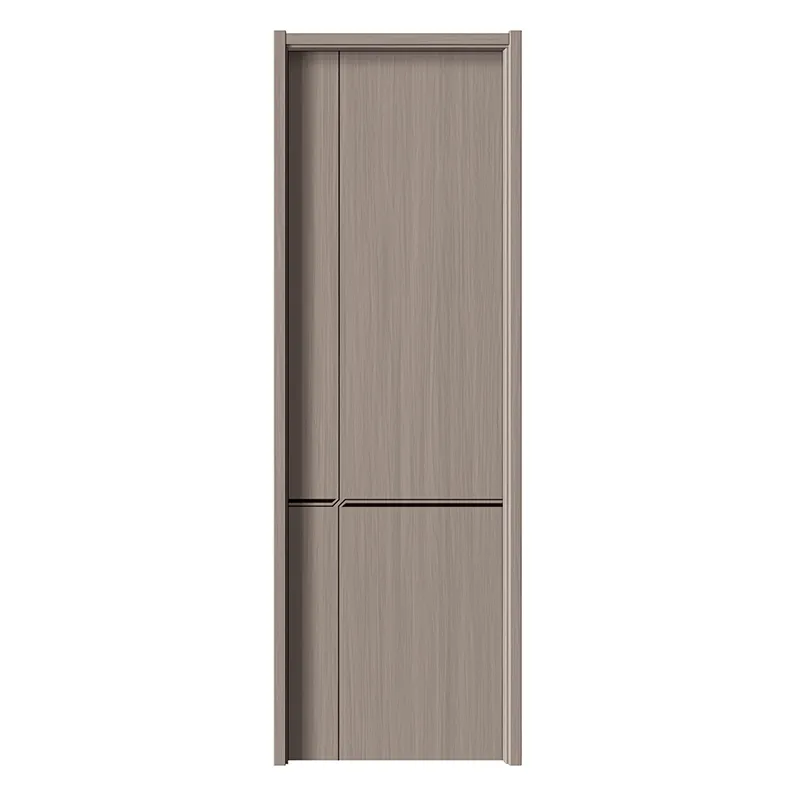 YST-1010 Door Translucent light shadow 3
 -
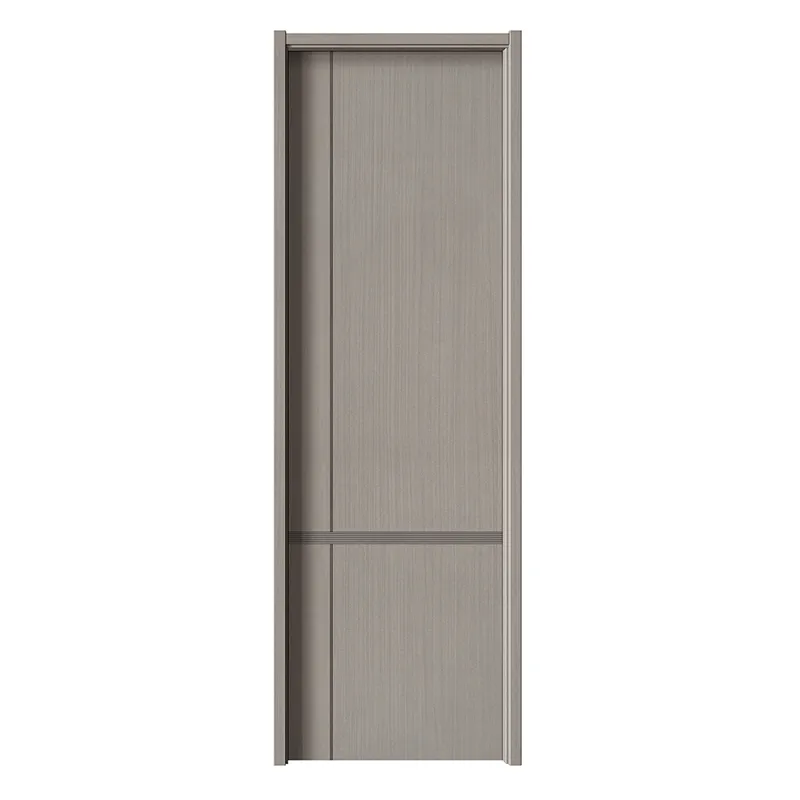 YST-1013 Door Cloud Walnut 1