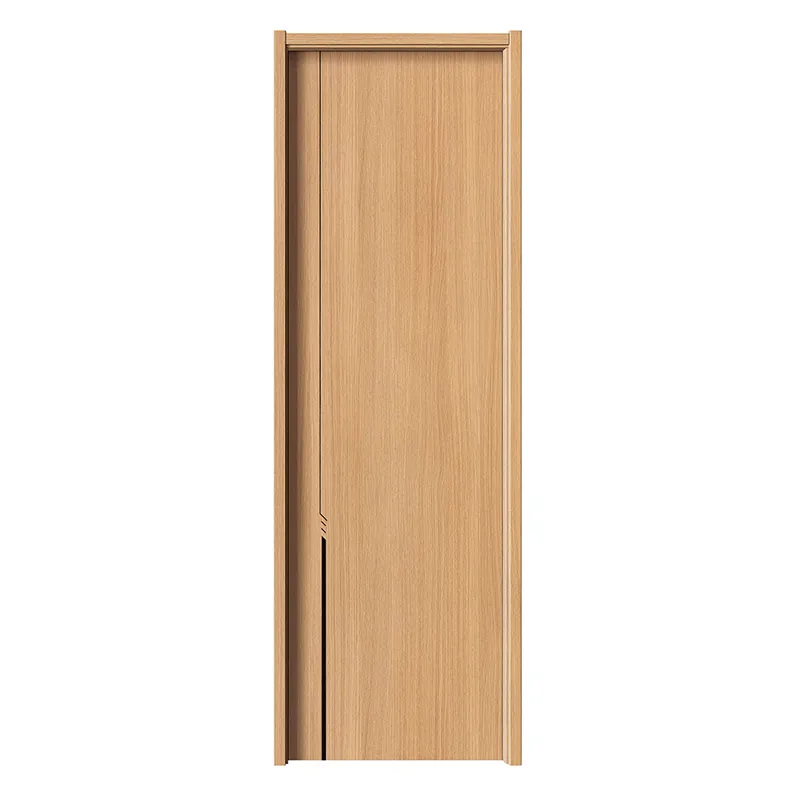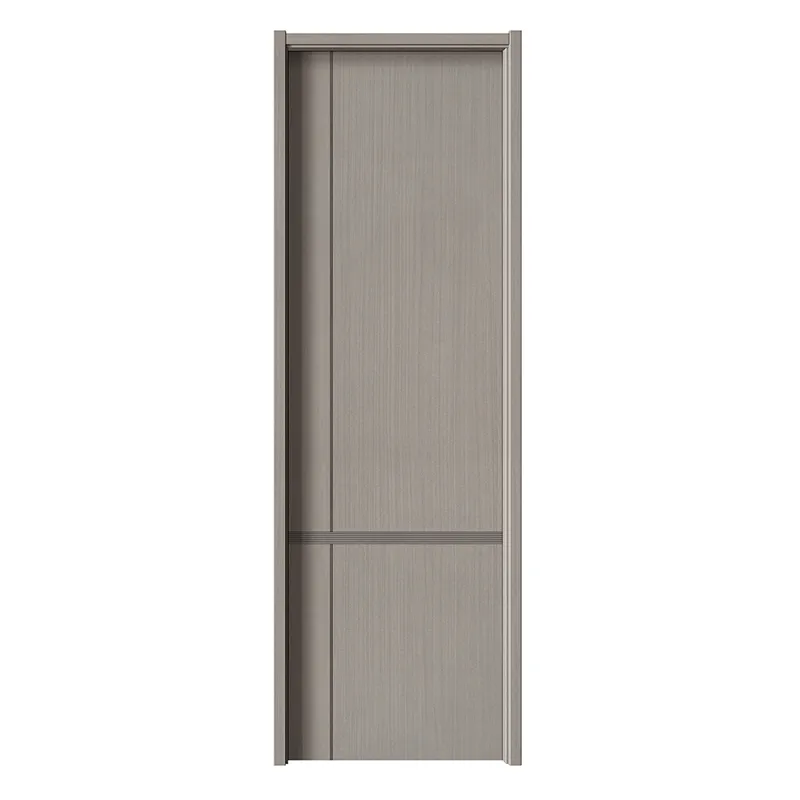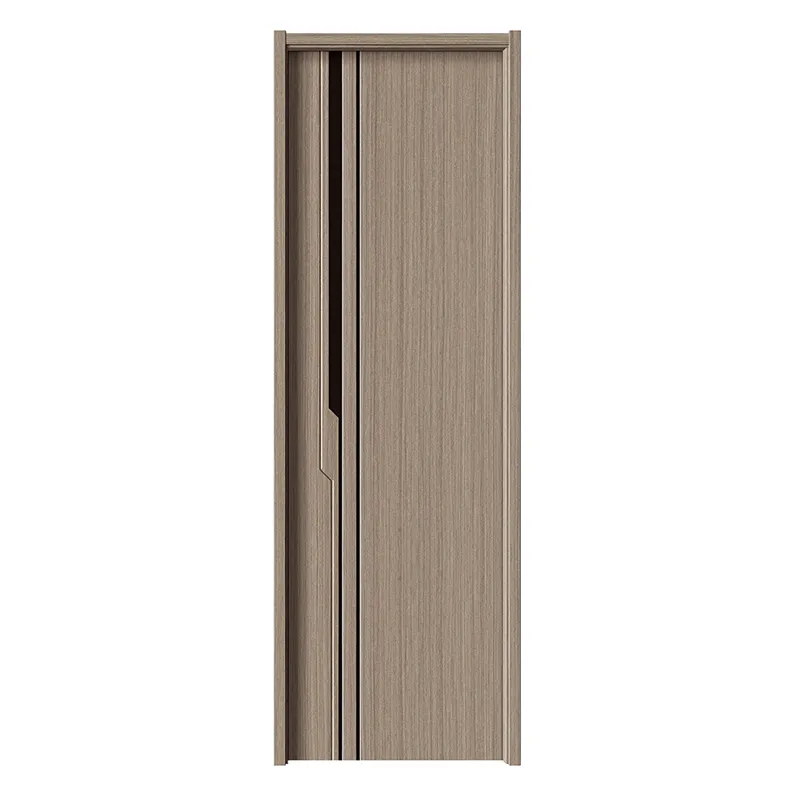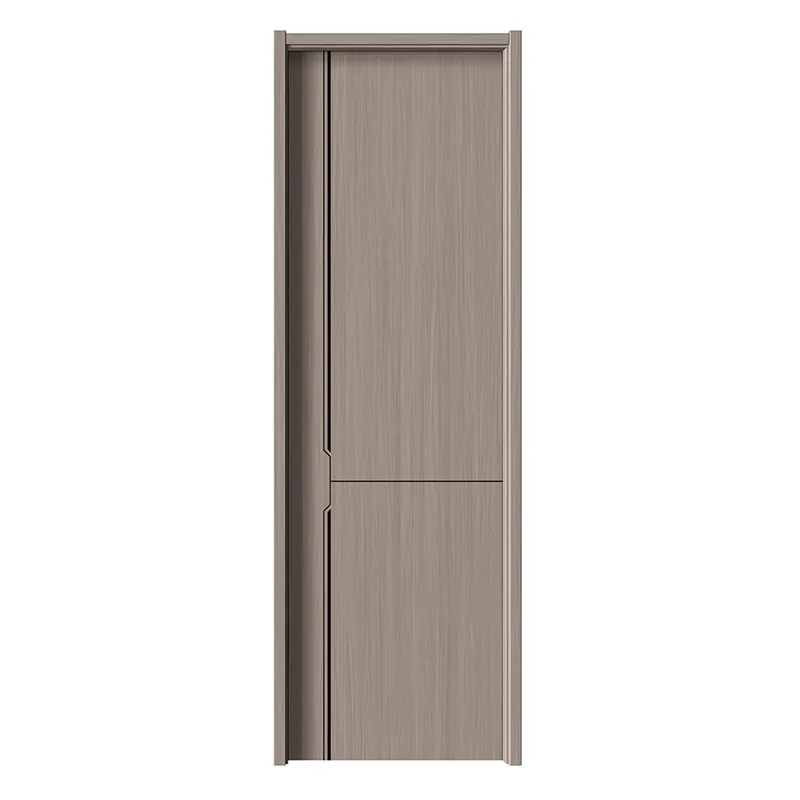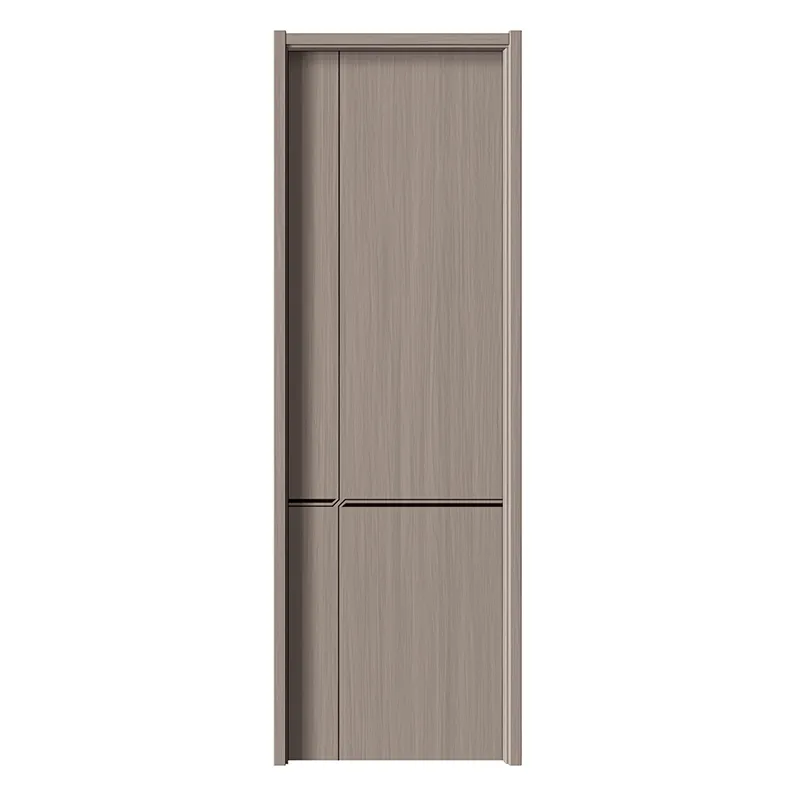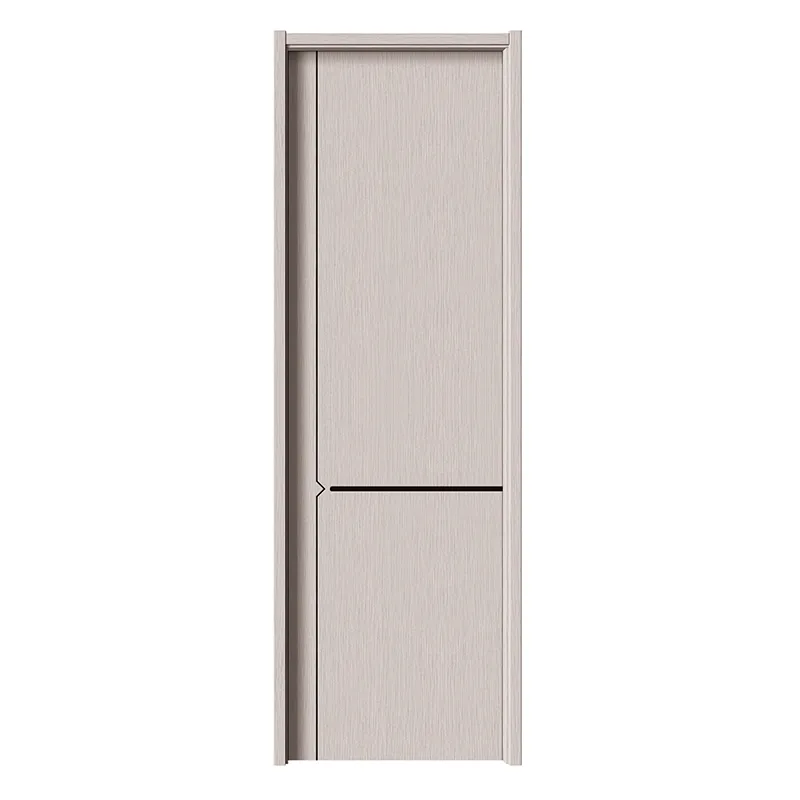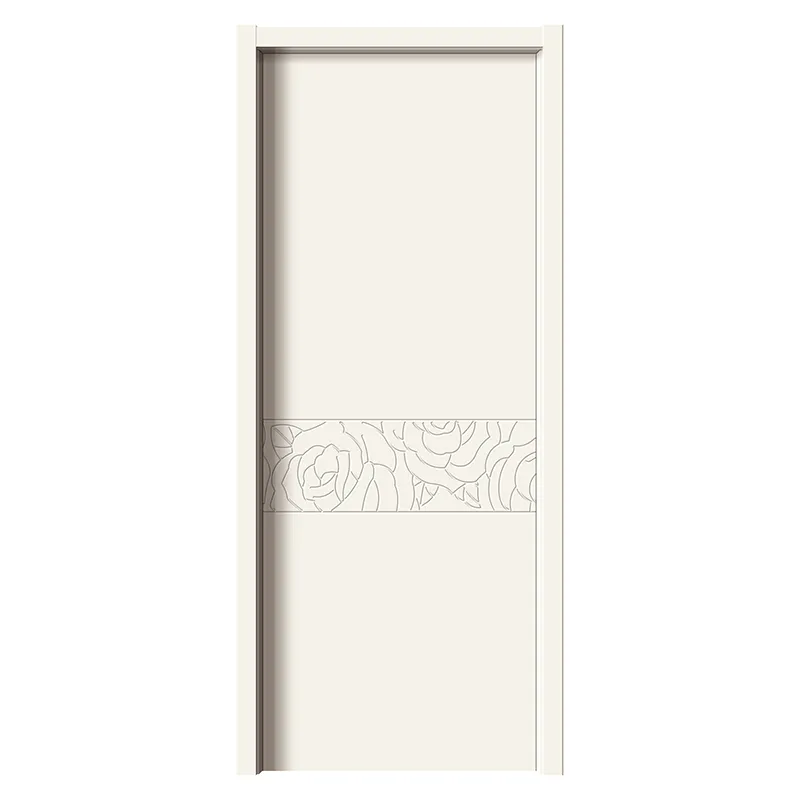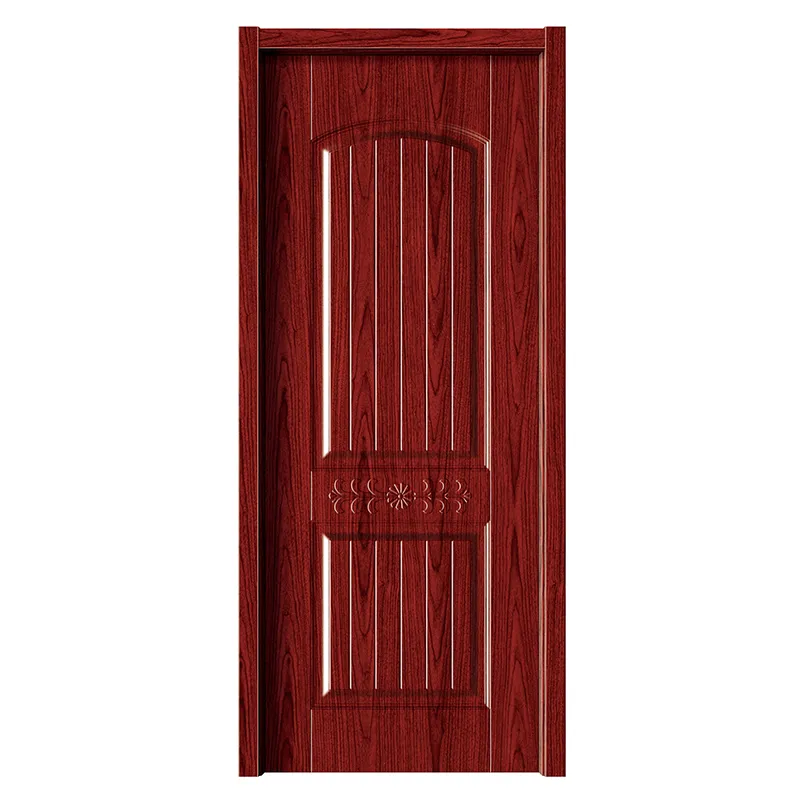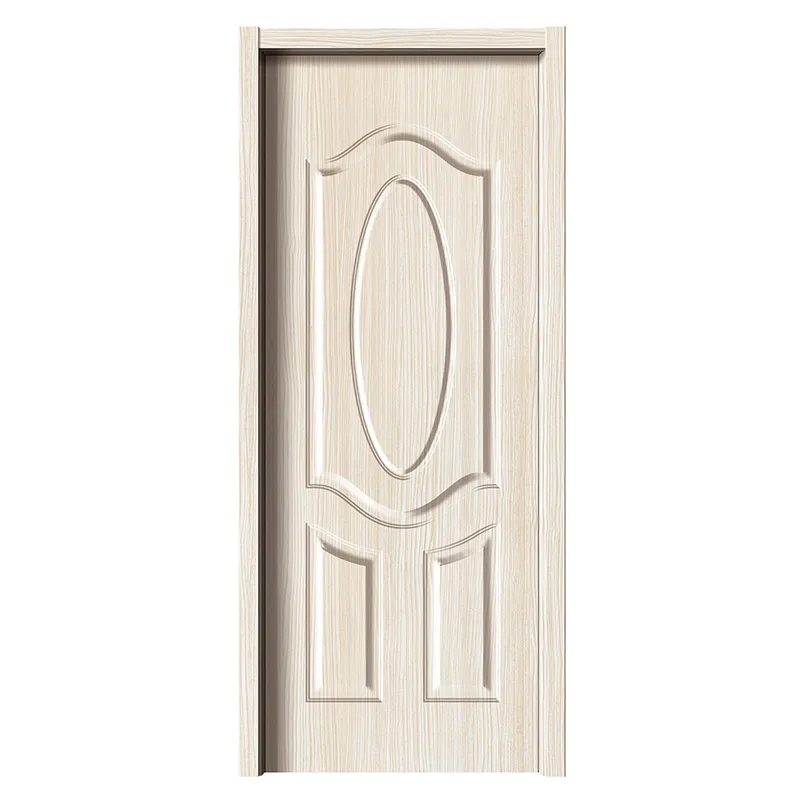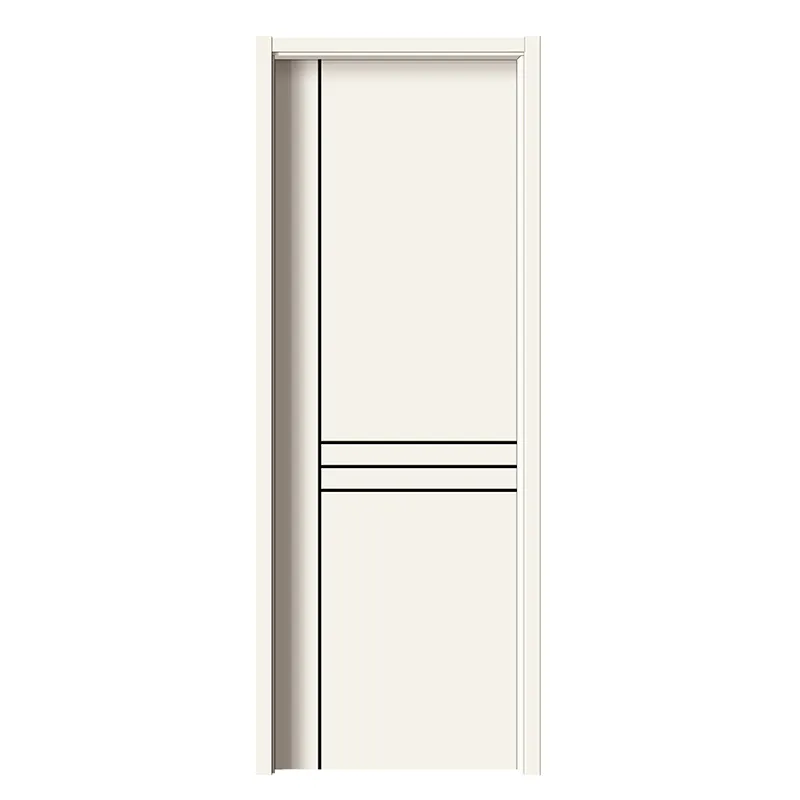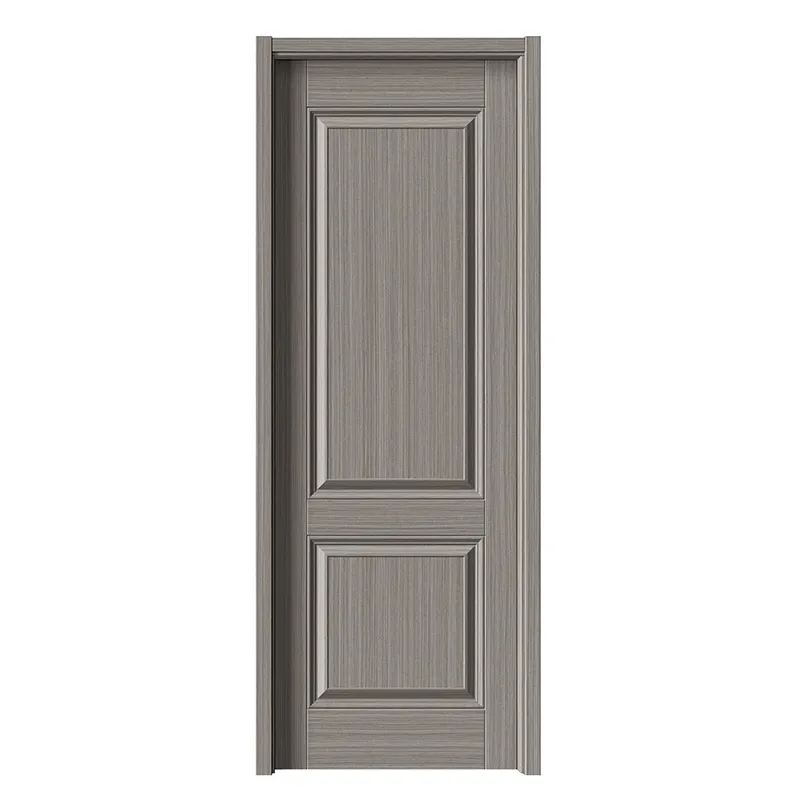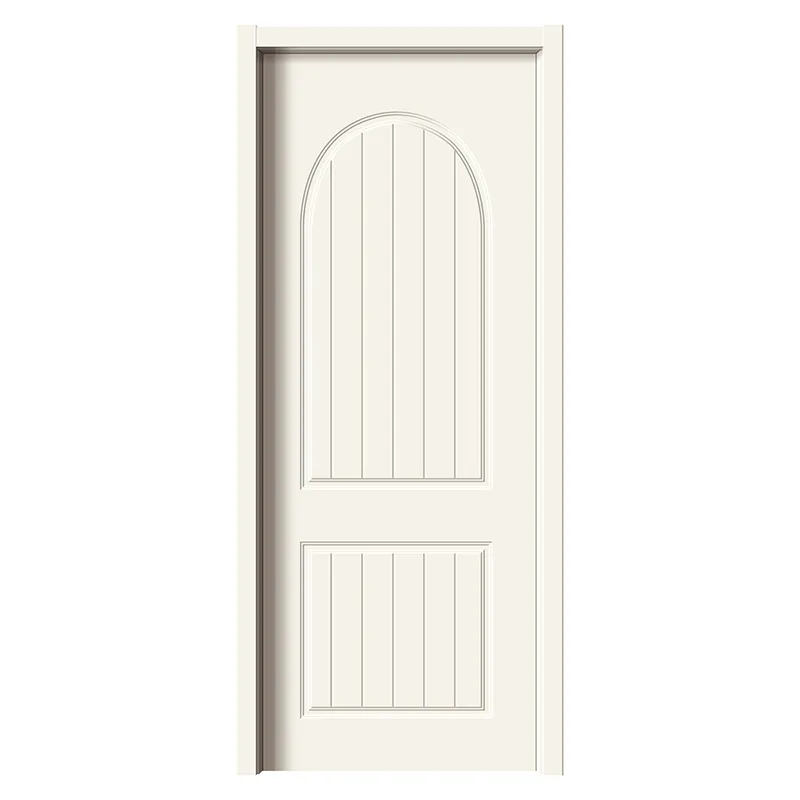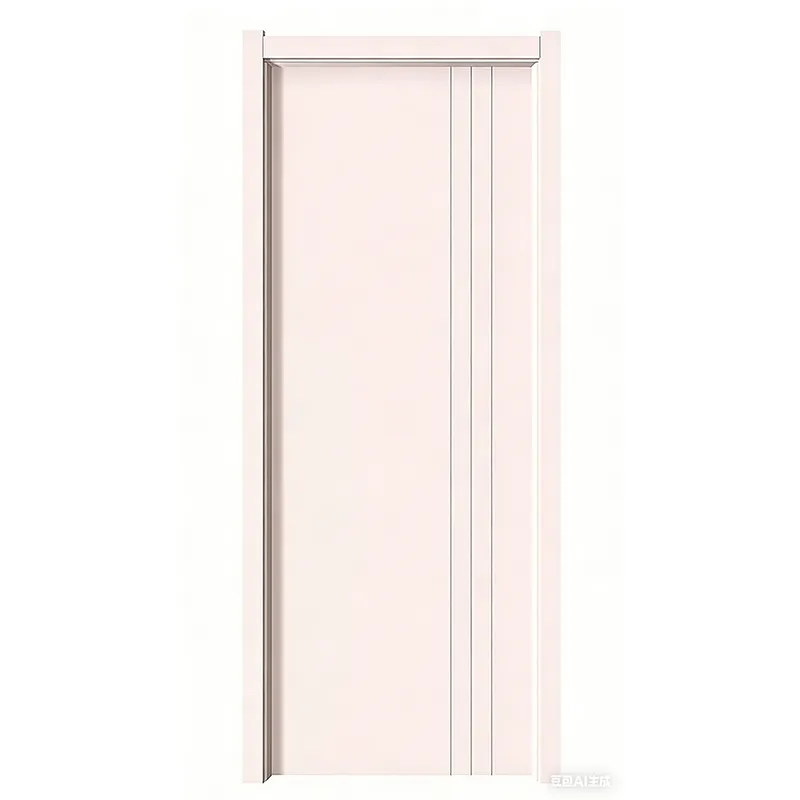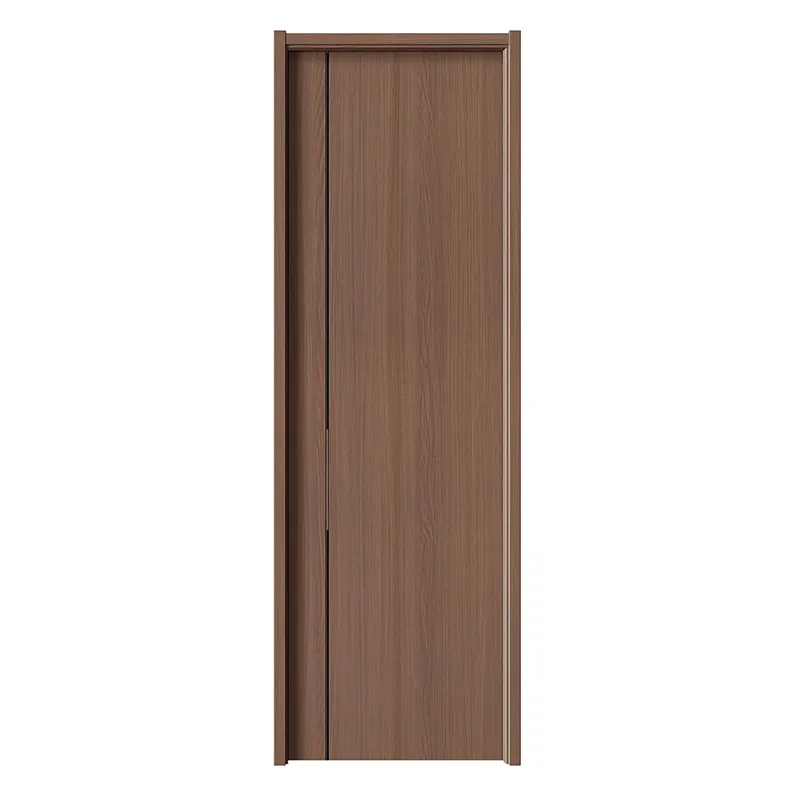




Hidden veneer doors
When they say “hidden veneer doors,” many immediately imagine a perfectly smooth wall with an invisible seam. But in practice everything is more complicated. Simply secret doors are often confused with full-fledged hidden systems, where not only the mechanism is important, but also the finishing - especially the veneer. It is veneering that makes the door not just hidden, but an organic part of the interior. But here lies the first catch: not every veneer is suitable for such tasks. If you take a thin, unstabilized material, over time, cracks or deformations may appear on the joint line - and all “invisibility” may appear. will come to naught. I myself worked on a project where the customer insisted on veneering with a rare walnut burl, but they did not take into account the high hygroscopicity of the material. As a result, after the heating season, a barely noticeable, but to the eye of a specialist, strip appeared at the junction. I had to redo it using multi-layer stabilized veneer with mandatory acclimatization of the material in the room before installation.
What's really important about hidden veneer doors?
The key is preparing the base and choosing a hinge system. They often save on the box, trying to compensate for this with expensive veneer. This is a dead end path. The box must be perfectly calibrated and reinforced, otherwise even the highest qualityhidden veneer doorwill begin to sag. I usually use steel frame systems, which I then cover with an MDF base - this gives both rigidity and a smooth surface for the veneer. An important nuance is the thickness of the base. Too thin and it will sag, too thick and it will create problems with the installation of hidden hinges, especially if you need an opening angle of more than 90 degrees.
As for the veneer itself, you can't rely on visual texture alone. Stability is critical for hidden doors. I worked with materials from different suppliers, and now for critical objects I often turn to products that go through a full processing cycle. For example, the companyAnhui Wantai Woodworking Co.,Ltd (https://www.anhuiwantai.ru) the range includes veneer panels, which were originally designed for complex interior solutions. They claim strict control at all stages, from raw materials to production. In practice, this means that the veneer has stable humidity and additional protection from microclimate changes. This is not an advertisement, but a statement of fact: when you need a guarantee that the door will not “lead”, you have to choose materials from trusted manufacturers who understand the specifics of hidden installation.
Another point that is often overlooked is the processing of ends and edges. With hidden installation, the end of the door sometimes becomes visible from a certain angle or in certain lighting. If you simply cover it with veneer, the glue line may be visible. That's why I always insist on usingveneeredelements with a micro-chamfer or on the integration of the end into the overall pattern of the wall, for example, continuing the line of the plinth or decorative panel. This requires additional measurements and adjustments on site, but the results are worth it.
Installation errors that will ruin all the work
The most common mistake is installation without taking into account shrinkage or movement of the walls. Especially in new buildings. Once I had to dismantle an entire wall fromhidden doorssix months after the completion of the project, because the builders did not allow the building to “settle”. Cracks appeared around the perimeter. Now I always install expansion gaps not only according to technology, but also adjusted for the type of building.
The second problem is incorrect installation of hidden hinges. They need to be set with pinpoint precision, and even a millimeter misalignment will lead to the door either opening spontaneously or, conversely, being difficult to move. I use a laser level and always do several test openings and closings before fixing the final position. It happens that for difficultveneer dooryou need to install three hinges instead of two, but designers are sometimes against it - they say it will complicate the design. We have to explain that it is better to complicate the installation a little than to then redo the entire box due to deformation.
And third - preparing the opening. It is often not brought to the ideal geometry, relying on the fact that the box will hide everything. But with hidden installation, the box is attached directly to the wall, and all its irregularities can later appear. Therefore, plastering and puttying the opening is a mandatory step that cannot be ignored. Sometimes this takes longer than installing the door itself.
Selecting fittings and mechanisms for an invisible result
Hidden hinges are a separate issue. The market offers dozens of options, from simple to sophisticated. with closers and soft closing systems. My experience shows that for most interiorhidden doors veneeredHinges with adjustment in three planes are best suited. They allow you to accurately align the canvas after installation, which is invaluable, especially if you are working with imperfect walls. I tried both expensive European systems and more affordable Asian ones. The difference is often in resource and smoothness. For a living space where the door is used 5-10 times a day, many are suitable. But for commercial space, where the load is higher, it is better not to save.
Another important element is the opening mechanism. If the door must be completely invisible, then there should be no handle. They use either push-to-open systems (pressed - it opens) or magnetic latches, which open with a light press of the foot or shoulder if the hands are busy. But there is a nuance here: such systems require a perfectly precise fit of the door leaf to the frame, otherwise the magnet simply will not work or the door will slam. Once I had to install an additional magnetic closer precisely because of this.
It's also worth thinking about soundproofing. Sincehidden door- part of the wall, many expect the same insulating properties from it. But if you do not lay a special sealing contour around the perimeter, sound will pass through the cracks. It is best to use magnetic or self-adhesive seals that are mounted at the end of the canvas or box. They are almost invisible, but the effect is significant.
Integration into the interior: when veneer becomes part of the wall
The fun begins whenveneer hidden doorshould merge not with a plain wall, but, for example, with a wall finished with the same veneer panels. The challenge here is not just to hide the door, but to ensure that the veneer pattern continues seamlessly. This is aerobatics. You have to select panels from the same batch, or better yet, from the same veneer, and very accurately mark the location of the fibers. CompanyAnhui Wantai Woodworking Co.,Ltdin his work he focuses on accuracy and quality, which is critical for such tasks. Their approach to the selection of raw materials and control of production processes allows them to obtain veneered elements with a predictable pattern, which greatly facilitates the installer’s work.
In one of the projects, we made a hidden door in an office where the wall was finished with veneered oak panels with a vertical pattern. The door was built in such a way that the vertical lines of the wall panels continued on the door leaf without breaking. The secret was not only the precise fit, but also the fact that we used veneers with an elongated, almost rustic pattern, where small mismatches were not so noticeable. It was a conscious compromise between ideal geometry and living wood texture.
Sometimes, in order to achieve complete stealth, you have to resort to tricks. For example, if the door is in a corner or next to another architectural element, you can visually “break up” it. flatness of the wall, making the door part of a larger decorative niche or panel. Then the line of the vestibule will be perceived as a joint between two design elements, and not as an outline of the door. This requires close collaboration with the designer early in the design phase.
Practical conclusions and what to look for when ordering
So, to summarize. High qualityhidden veneer dooris always a system: the right frame, stable material, precise fittings and flawless installation. Saving at any of these stages will lead to problems. When choosing or ordering such a door, I would advise first of all to pay attention not to the beautiful picture in the catalog, but to the technological map of the product. Is there reinforcement for the box? What kind of veneer is used, what is its thickness and method of stabilization? What kind of hinge system is proposed?
Experience suggests that it is more reliable to work with manufacturers who specialize in complex solutions, and do not just sell doors and veneer separately. When everything is done in one technological cycle, as, for example, stated on the websiteanhuiwantai.ru, where the company controls the process from raw material selection to production, this reduces the risks of material incompatibility. Their philosophy is to “build a business on precision, win with quality?” - this is exactly what is needed for such a capricious product as hidden veneer doors.
In the end, success is determined by the details. An extra day spent acclimatizing veneer panels on site, or an extra hour adjusting hinges, pays off in years of flawless performance. And the main indicator of quality is when, after installation, even you, knowing exactly where the door is, can hardly find the line of its ledge. Then we can consider that the job has been done correctly.
Correspondingproducts
Related Products