




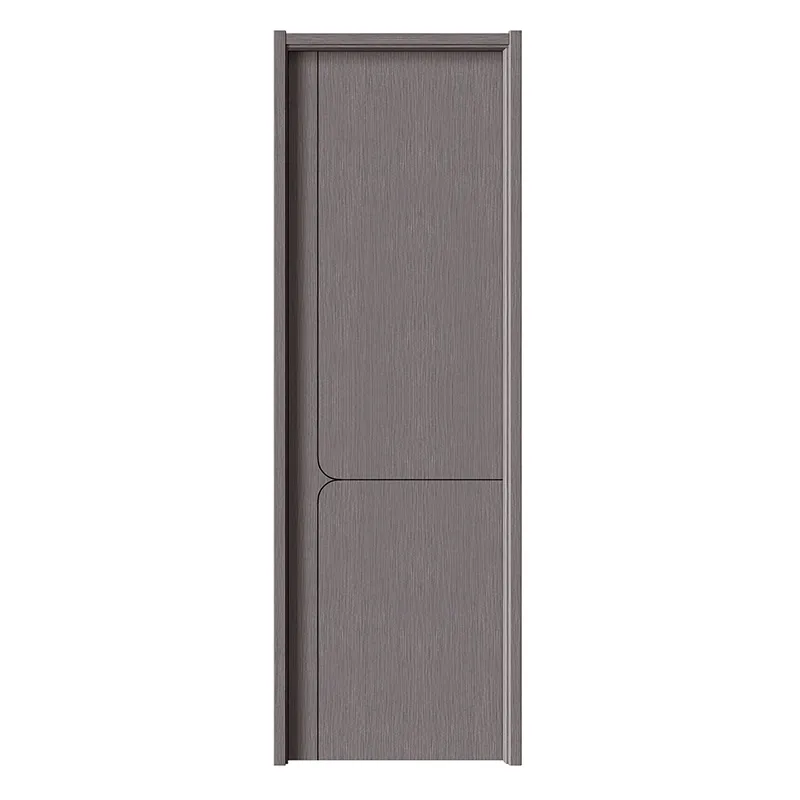
bedroom door
When you hear “bedroom door,” many people imagine just a rectangular door in the opening. In fact, this is perhaps the most critical element in the interior, on which privacy, acoustics and even the microclimate of the room depend. Often customers, and some colleagues, underestimate the nuances, chasing design or a low price, and then face drafts, creaks, or the fact that the door simply does not “breathe”. It is these pitfalls that I would like to speculate about.
Main misconceptions and why they arise
The most common request is “need a beautiful and inexpensive door for the bedroom?”. Beauty is, of course, important, but if there is no thoughtful design behind it, problems cannot be avoided. For example, popular canvases with blank glass inserts look stylish, but can turn out to be cold bridges and poorly dampen sounds from the kitchen or hallway. The client sees a picture, not a profile section or filler type.
Another common opinion is that all doors are approximately the same, the only difference is in the finish. This is fundamentally wrong. Take solid pine and engineered wood for example. The first option can?lead? when there are changes in humidity, especially if it has not undergone proper chamber drying. The second is more stable, but requires understanding what kind of adhesive composition was used, because the environmental friendliness of the sleeping area depends on this. This is where the approach of the manufacturer is important, as it controls the chain from raw materials to packaging.
I personally came across a situation where a customer brought an “elite” one. door from abroad, and after six months in our conditions it gave a 5 mm gap at the bottom. It turned out that the geometry was designed for a different climate zone. Therefore, adaptation is critical for the Russian market, and not just copying the design.
Selection criteria: what to look for after design
So, the design was approved. The next step is constructive. The first is sound insulation. For a bedroom, the minimum value is 25-30 dB. This is achieved not by the thickness of the canvas, but by a combination of materials: dense filler (mineral board is better than cardboard honeycomb), a sealing contour around the perimeter (pay attention to two, or better yet three contours) and, what is often overlooked, correct installation in the prepared opening. goodbedroom doorshould close with a dull, soft click, and not with a roar.
The second is air exchange. The bedroom should be ventilated, but not through the gap under the door. The solution is either special flow grilles in a canvas or box, or a technological gap designed for a specific ventilation system in the house. Chinese manufacturers, by the way, often work out this point better than some European ones, because they actively work with markets where the climate is diverse. I saw successful solutions, for example,Anhui Wantai Woodworking Co.,Ltd— their models for bedrooms often have built-in adjustable climate valves that do not interfere with the appearance of the canvas.
Third - safety and ecology. The paintwork must be certified for residential premises. Matte, satin - less glare, more comfortable. Hinges - preferably with a closer to avoid slamming at night. It's a small thing, but it affects comfort.
Experiences and failures: stories from objects
I’ll tell you about one object in a new building. The customer wanted maximum silence. They installed heavy solid wood doors with a threshold. Silence fell, but... complaints about the stuffiness began. It turned out that the supply ventilation was designed to flow under standard doors, and we blocked it. I had to urgently mill the lower gratings into the canvases. Conclusion: a dialogue with the ventilation specialist at the door selection stage is mandatory.
Another case: we chose a chic paneled door with thin chamfers. The manufacturer (I won’t name it) positioned it as premium. After installation during the heating season, microcracks appeared on some panels at the gluing points. The analysis showed that a hard glue was used that did not compensate for the microdeformations of the wood. Now I always ask suppliers not only for certificates, but also for gluing process sheets. As experts note on their websiteAnhui Wantai Woodworking Co.,Ltd, their principle is to “build a business on precision, win with quality?” - just about this scrupulous control at all stages, which is critical for a bedroom door.
There were also positive experiences. For the country house project, doors with a thermal break in the frame were used, although this is usually an outdoor solution. But the bedroom there bordered on an unheated winter garden. The solution turned out to be ingenious - condensation stopped falling on the box, freezing disappeared. Sometimes solutions from related areas have an unexpected effect.
Market and manufacturers: where to look for reliable
Now the market is crowded. Domestic, Belarusian, Chinese factories. My criterion is not the country, but the presence of its own full production cycle. If the factory itself selects the wood, dries it, designs the fitting grooves and varnishes it, it is a serious player. If you only assemble it from ready-made panels, there are fewer opportunities for quality control.
I am looking at companies that operate on the international market. Their products must a priori meet different standards. Here, for example,Anhui Wantaifrom China. They claim to combine aesthetic design and practical performance for global clients. This is evident from the assortment: there are models for both classic and modern interiors, while the technical documentation clearly states sound insulation parameters and sealing options. For me, as a practitioner, this is more important than beautiful brochures.
An important point is the presence of not just a catalog, but a constructor. When the client can choose the size of the canvas, the type of glazing, the color of the coating and the handles from one line, this saves time and ensures that all elements are compatible. Narrowly specialized manufacturers often outperform the giants precisely because of their flexibility.
Final recommendations: short checklist
Summarizing my experience, I formed a short list for myself when choosing a bedroom door. 1. Request from the seller not only a design project, but also a specification indicating the sound insulation coefficient Rw, type of filler and formaldehyde emission class (preferably E0.5 or E1). 2. Pay attention to the sealing system. Feel the sample - the seal should be soft, but elastic, and not hard rubber. 3. Clarify whether the kit includes a threshold or additional elements, and how the issue with the gap for ventilation is resolved. 4. Check the hinges. Three canopies are better than two, especially for tall or heavy canvas.
And most importantly, don’t be shy to ask questions. Why is this model more expensive? What is the difference in design? How will it behave at 60% humidity? A real manufacturer who is confident in his product, like the sameAnhui Wantai Woodworking Co.,Ltdwith their modern base and development team, will always give clear technical answers, and will not get off with phrases about “Euro quality”.
In the endbedroom dooris an investment in sleep quality and personal space. On it, like on any other element of the interior, you should not skimp on design features. You can save on carving, but not on the accuracy of the vestibule or the environmental friendliness of the materials. A choice made with an understanding of these nuances will delight you for years, and not create a headache after the first season.
Correspondingproducts
Related Products
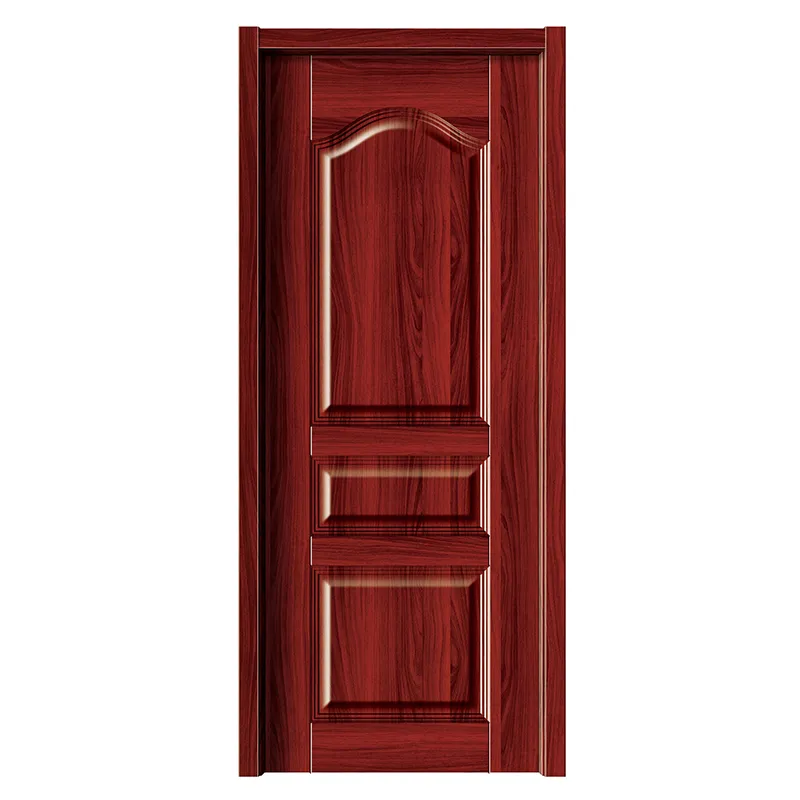

Best Sellingproducts
Best Selling Products-
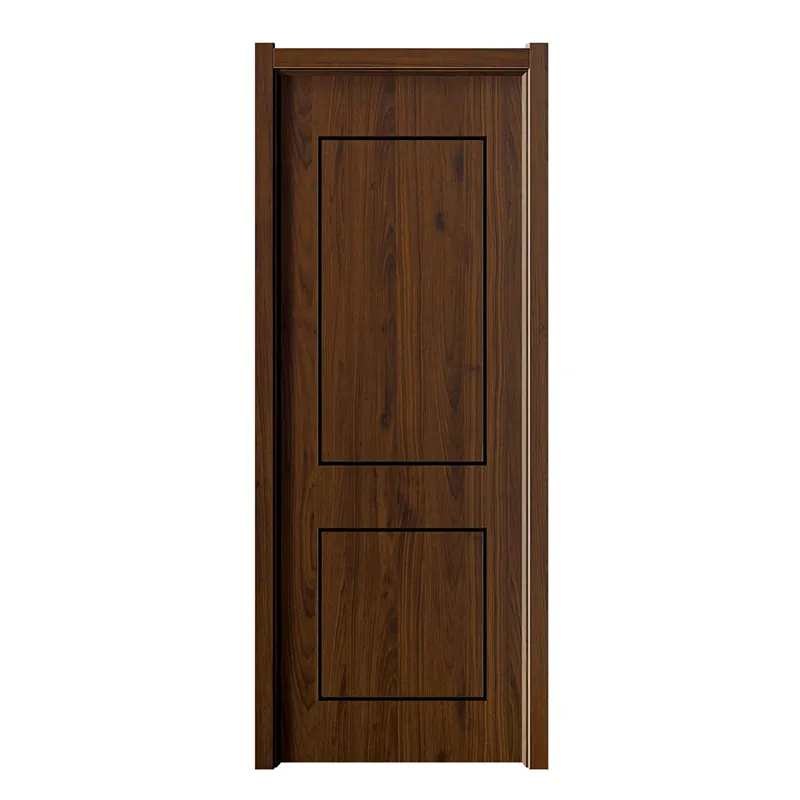 YST-WPC2 Door
 -
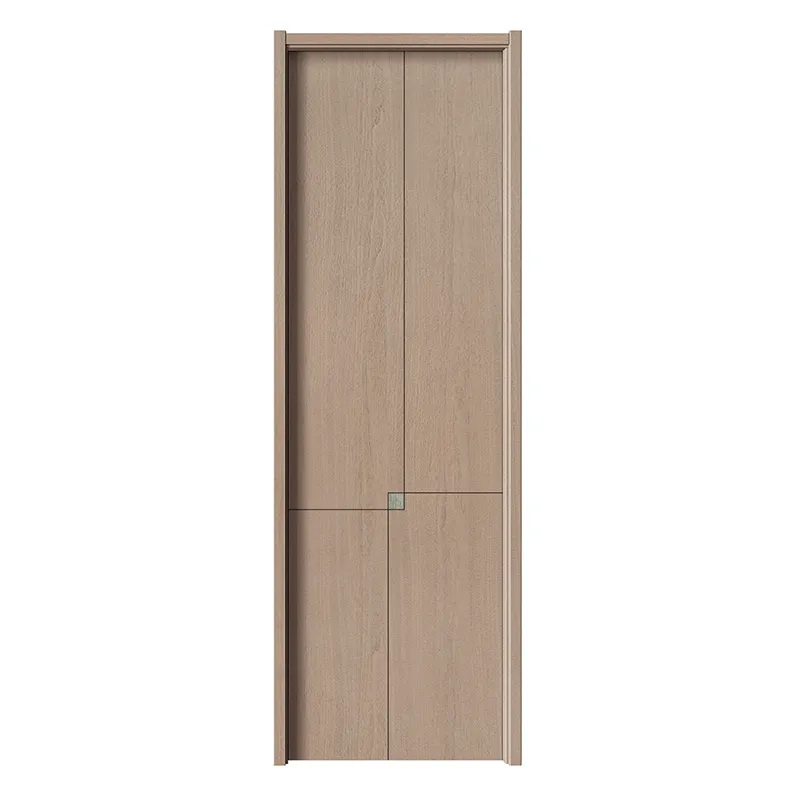 YST-1008 Door Natural walnut 2
 -
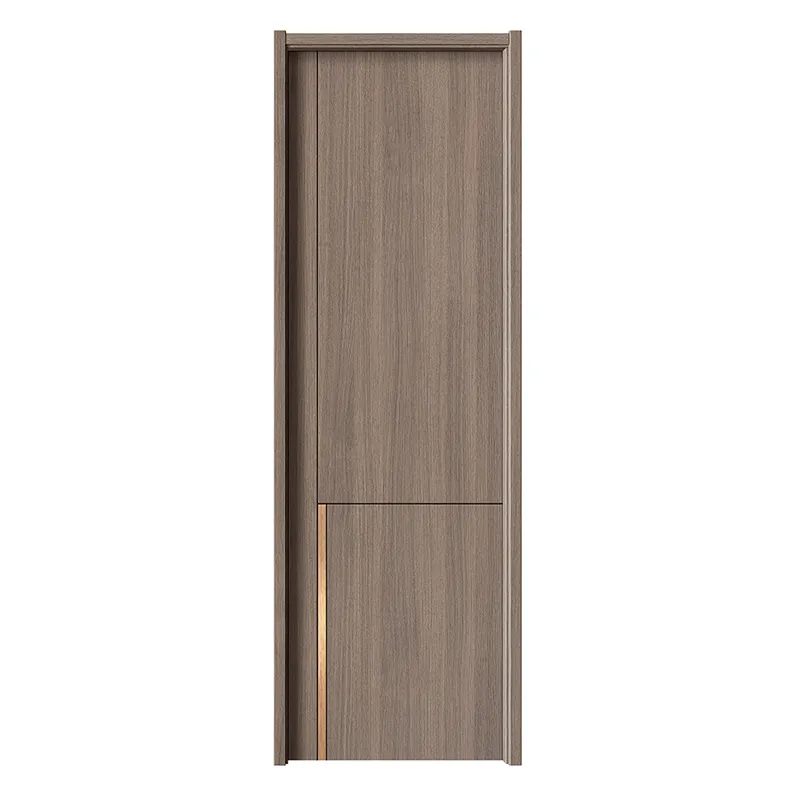 YST-1003 Door Oak gray
 -
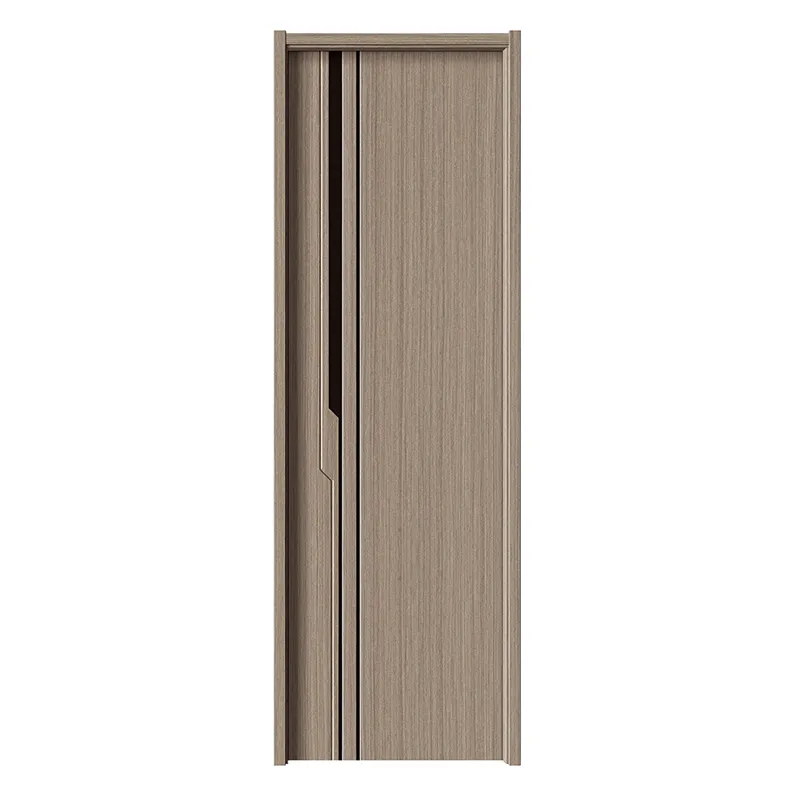 YST-1018 Technowood Door 1
 -
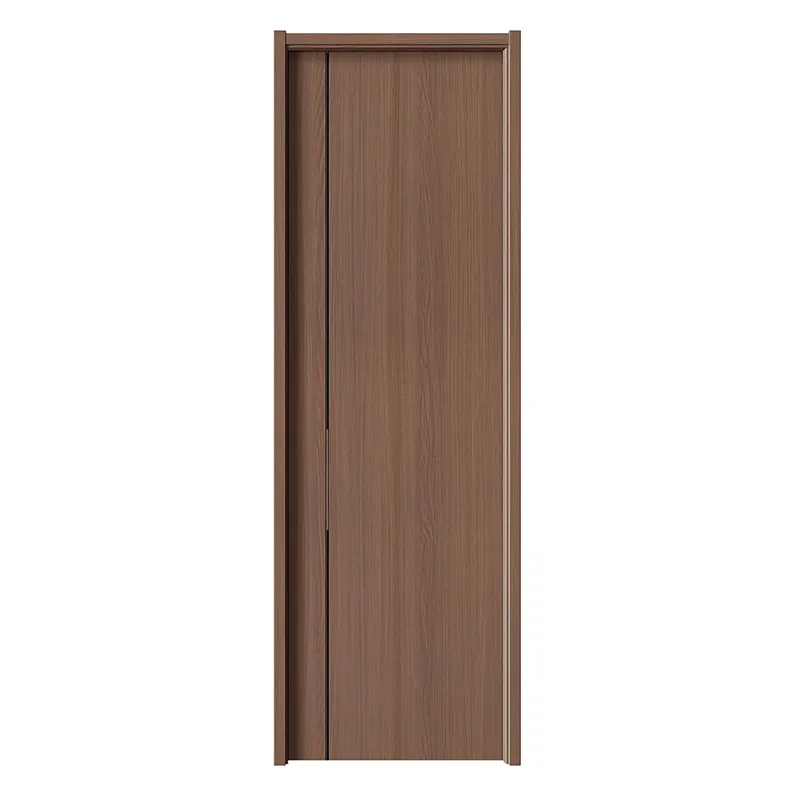 YST-1043 Door Techno-walnut 3
 -
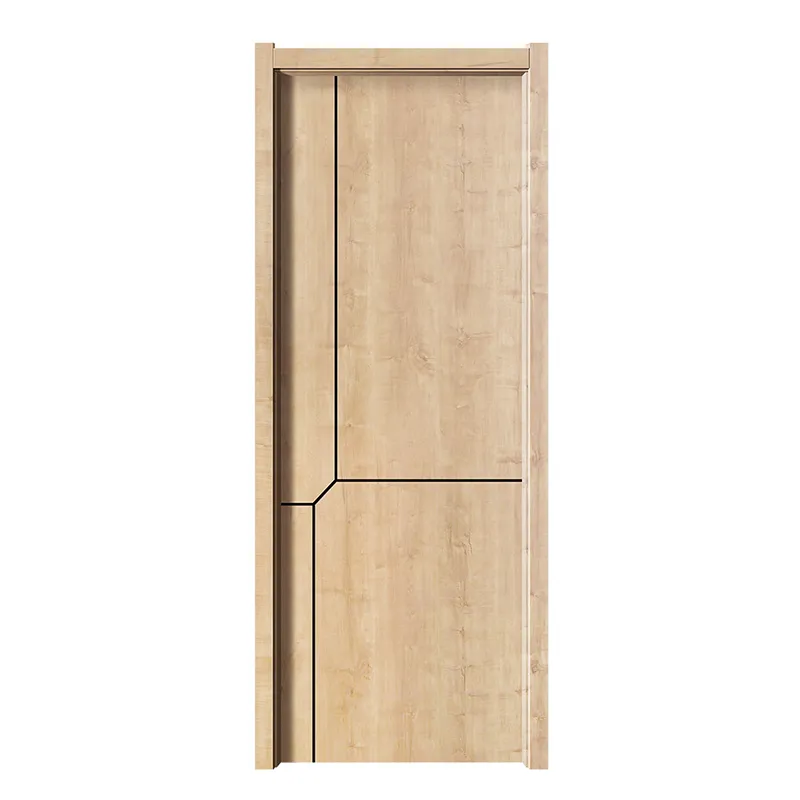 YST-WPC1 Door
 -
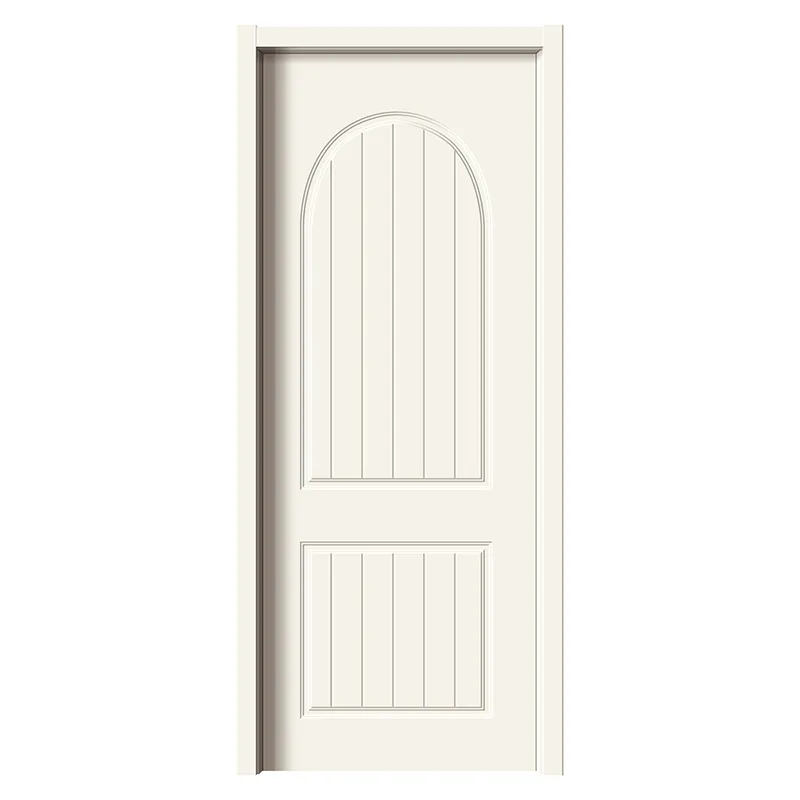 YST-236 Door White ivory
 -
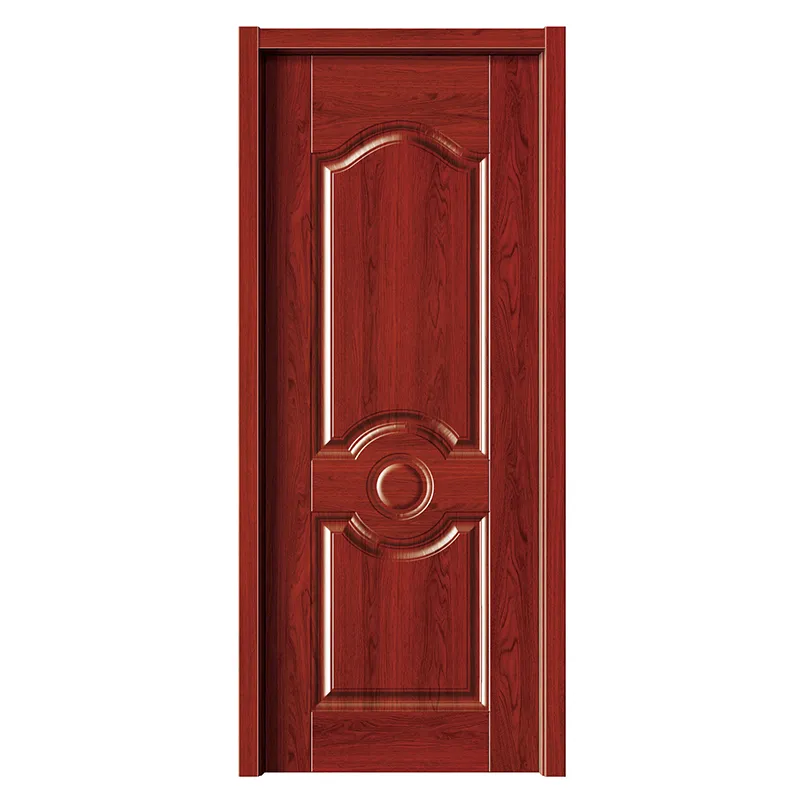 YST-208 Door Red Sandalwood
 -
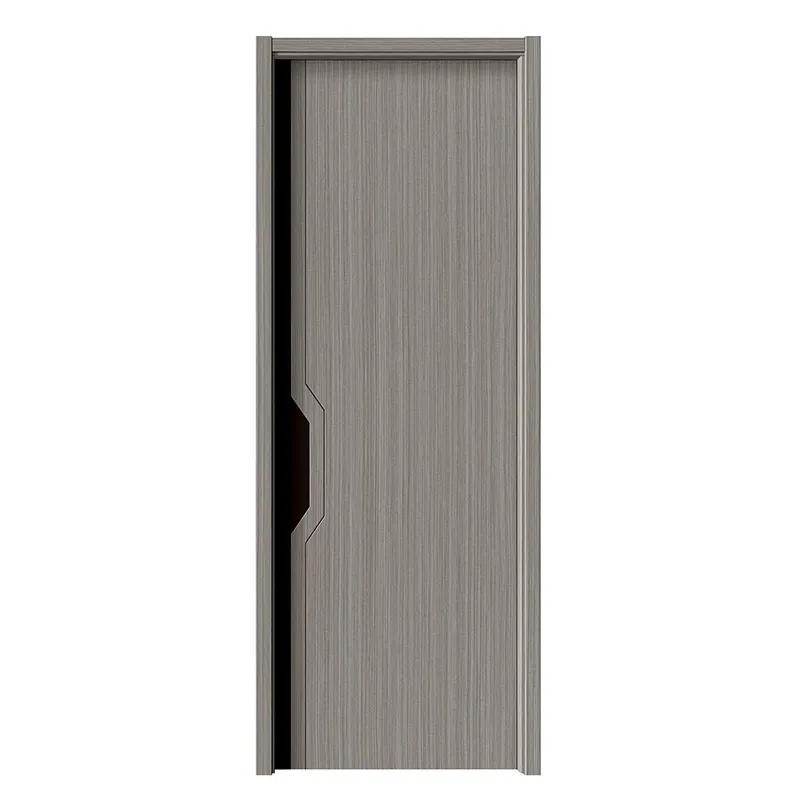 YST-1007 Technotree Door 2
 -
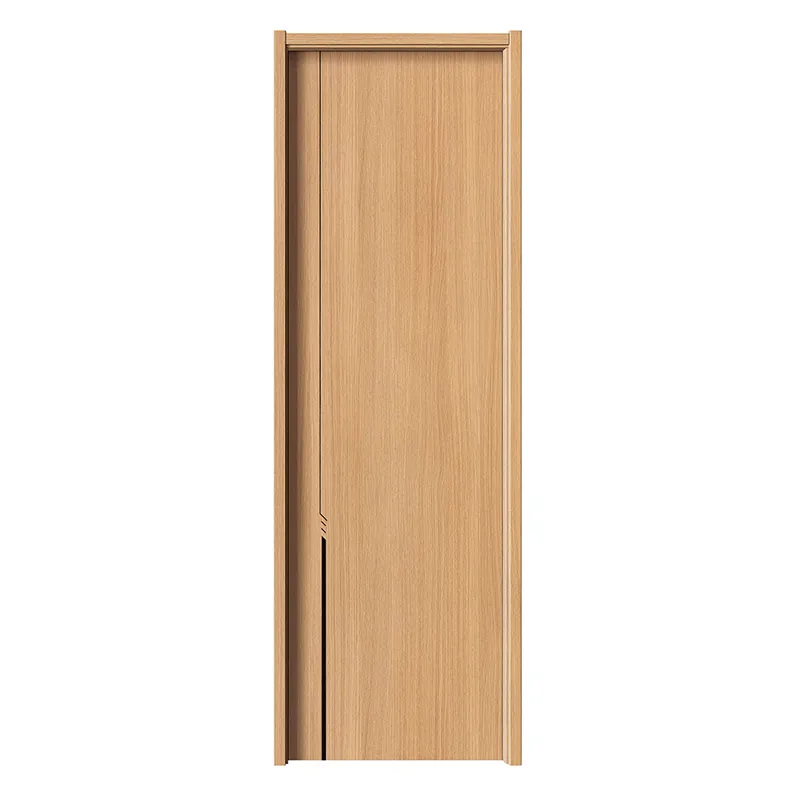 YST-1041 Door Oak Shutter
 -
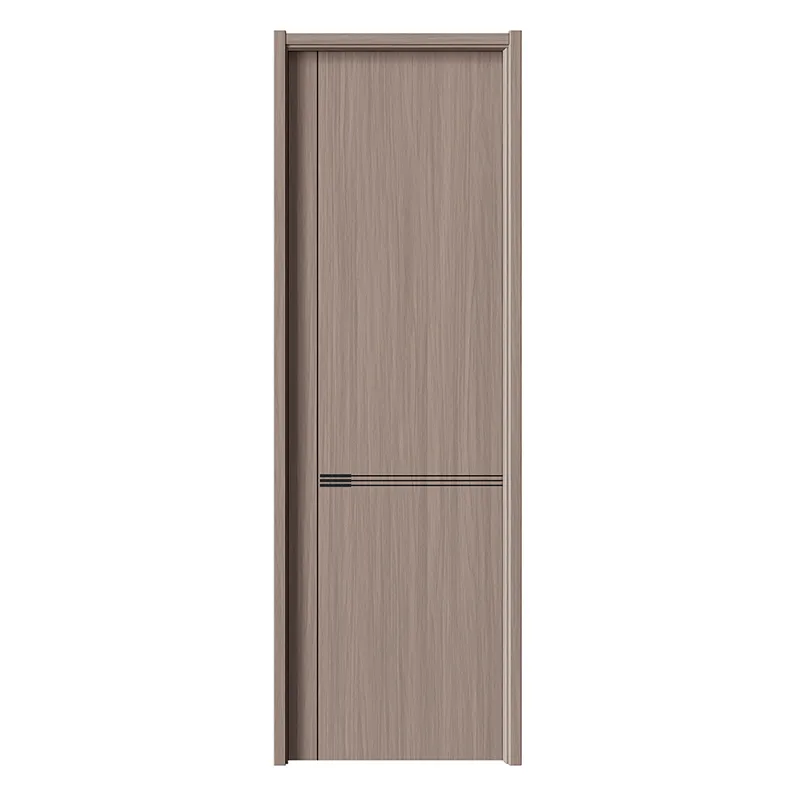 YST-1039 Door Translucent light shadow 3
 -
 YST-1001 Door Chiaroscuro tree 2