



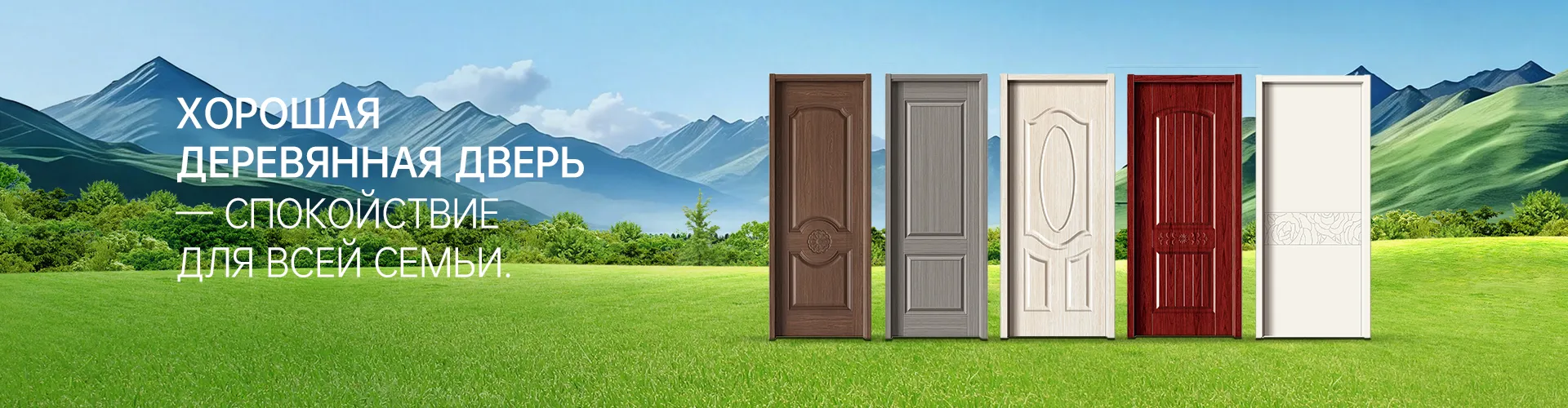
Wooden door in rustic style
When people talk about a “wooden door in a rustic style,” many people immediately imagine a rough, untreated board with knots—a sort of “tavern decor.” But this is perhaps the biggest misconception. Rustic style is not synonymous with primitiveness or negligence. It is rather a philosophy that combines the warmth of natural materials, functionality and a certain historical memory embodied in the details. A real high-quality door in this style is a complex product, where the apparent simplicity hides a lot of technical and aesthetic solutions.
What's really behind the "rustic style"?
In my work I often come across the fact that clients ask for a “country door”, but have completely different things in mind. For some, this is solid pine with a pronounced texture and chamfers along the edges of the panels. For another, a white-painted door with patinated fittings imitating the marks of time. And someone wants to see a rough structure made of wide boards with black forged hinges. And all this will be correct. The style here is determined not by one parameter, but by a combination: the profile of the canvas, the type of panel (solid or with relief), the method of surface treatment (oil, wax, glaze paint), and, of course, fittings.
The key point that many people miss is geometry. Modern interiors often have perfectly smooth walls and corners. The authentic country door was historically inserted into rough, often “walking” ones. openings. Therefore, when designing it for a modern house, you need to either artificially create a corresponding opening (which is expensive and difficult), or very subtly play with the platbands and extensions in order to preserve the spirit, but not lose the tightness and ease of installation. This is where the first professional fork in the road lies.
One successful example of balance is some models from manufacturers that work with international standards. Take, for example, productsAnhui Wantai Woodworking Co.,Ltd. On their websitehttps://www.anhuiwantai.ruit is clear that the company positions itself as a supplier to the international market. And this is important: their approach to ?rustic style? already filtered through an understanding of different markets. They do not make naked stylization, but offer doors where aesthetics are combined with practicality - the same ones that “combine aesthetic design and practical characteristics”, as stated in their description. For a global client this is often critical.
Material: not all pine is equally useful
Most often, pine is used as a basis. This is logical: it is accessible, well processed, and has an expressive texture. But this is where the nuances begin. Northern pine, which has grown at a slower pace, has denser and narrower annual rings. A door made of such solid wood will be less prone to warping and more stable under changes in humidity. Southern, fast-growing - softer, with wider rings. It can be beautiful, but requires more careful engineering, for example, the use of a panel structure with plywood lamellas to relieve stress in the wood.
A direct array is always a risk. Even well dried. I have seen doors that, after the heating season, left a gap of 5-7 mm at the junction of the panel and frame. Therefore, now they often take the path of combination: the frame is made of solid wood, and the panel is made of multilayer glued board, lined with veneer of the same pine. This is not a “cheat”, but a technological necessity to ensure durability. Companies with a modern production base, like the sameAnhui Wantai Woodworking Co.,Ltd, usually have such capabilities. Their stated concept is “to build a business on precision, to win with quality?” This is exactly what we mean: control of processes from raw materials to finishing allows us to minimize such risks.
One more thing - bitches. They are often romanticized. But a large, loose knot is a future hole or element falling out. In a quality product, the knots should be small, healthy (without dark edges) and tightly fitting. Having them is an art: leaving character, but not allowing a weak point. Sometimes it’s easier to take cleaner wood and apply the texture/relief artificially, but this is a different category of products and sensations.
Surface Treatment: Where Style Ends and Protection Begins
This is perhaps the most interesting part from a practical point of view. Matte oil or wax gives an excellent tactile sensation and emphasizes naturalness. But in a rustic style, which is often associated with a kitchen, hallway or country house, the door may be subject to frequent touches, splashes, and changes in humidity. Oil, especially light oil, may darken over time in areas of frequent contact. This may be part of the patina, or it may be annoying.
There was an experience with a “chalet” style door, covered with white matte oil. In the hallway, where it was constantly touched by bags and jackets, after six months noticeable scuffs appeared to a darker shade. The client was unhappy, considering it a defect. I had to explain that this is a natural process for such a coating, and offer an option with a more durable matte water-based varnish, which gives a similar visual effect, but forms a more durable film. This is the case when practical characteristics must go along with aesthetics.
Glazing (translucent) paints are an excellent compromise. They allow you to preserve the appearance of the wood texture, but at the same time provide a wide palette of colors - from gray?antique? until warm “honey”. And most importantly, they protect the tree much better. For commercial spaces such as restaurants or hotels in a similar style, this is often the only right choice in terms of durability and ease of maintenance.
Fittings and details: the finishing touch that makes all the difference
You can make the perfect canvas, but spoil the impression with the wrong handle or hinges. Loops. For a heavy wooden door in a rustic style, one often wants to see solid overhangs, perhaps with a hammered effect or a matte black finish. But here it is important not to overdo it with weight and, most importantly, to correctly calculate the load. Standard three-ball screw hinges may not hold up. You need either hidden hinges of increased load, or special overhead ones designed for heavy fabrics. Saving at this stage leads to sagging and difficult closing.
Handles, locking plates. Country style or ?Provence? suggests forms that refer to handmade work: forged, cast, with a textured surface. But they should be comfortable for daily use. A sharp edge, an awkward grip - all this comes out after installation. It’s good when a door manufacturer immediately offers a system solution, selected fittings that are guaranteed to fit in style and technically. When all the elements - from the hinge to the door stop - are consistent with one concept, this is a sign of a quality project.
Platbands. A wide, possibly figured platband is an important part of the image. It makes it visually heavier. the opening makes it more solid. But here again modern reality comes into conflict: the thickness of the walls, the presence of insulation. Often standard narrow trims do not cover the end of the wall. You have to order wide additional elements or use composite trims. This is a small thing, but it is from such little things that either a complete picture or a feeling of “something is not right” is formed.
From concept to implementation: why sometimes it’s better to trust the pros
I tried to somehow make a “country” look for my object. the door was made by a local carpentry team. The craftsmen were goldsmiths, they made it beautifully, with oak inserts and hand carvings. But they didn’t take into account the heating system?warm floor? in the next room and the general low humidity in the house in winter. The door, of course, “moved?” It’s not critical, but a gap has appeared. We had to modify it and install more elastic seals. Conclusion: even the most skilled craftsman, who is not familiar with the specifics of modern engineering systems in the house, can make a mistake, which is calculated in advance by technologists in modern production.
That is why, for projects where not only beauty, but also reliability is important, I now more often look towards companies that work on a full cycle with strict control. Those who likeAnhui Wantai Woodworking Co.,Ltd, adheres to international standards at all stages. Their experienced team of designers and developers usually already have solutions for common problems built into the product. Their doors are not just a piece of wood, but an engineered product adapted to life in different climates, which is required to meet the “diverse needs of global customers”.
As a result,rustic wooden dooris always a dialogue between past and present, between emotion and technology. Its success lies not in blindly copying antiquity, but in the ability to translate the language of tradition into one that is understandable to modern materials and living standards. It’s difficult, but when it works, the door becomes not just a partition, but a real characteristic element of the house, which serves for years and pleases the eye with its genuine, not fake, warmth.
Correspondingproducts
Related Products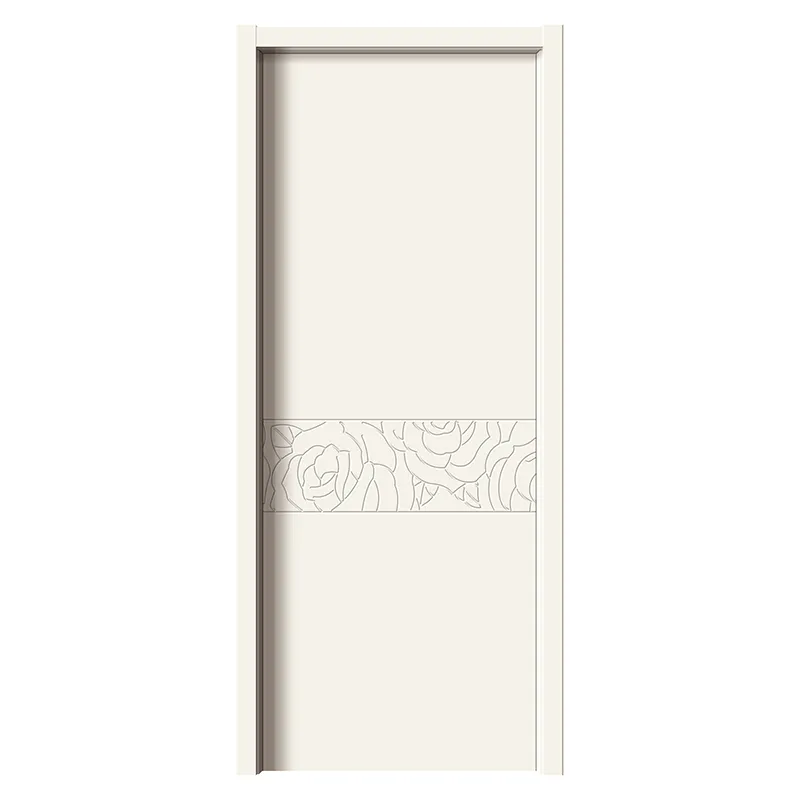
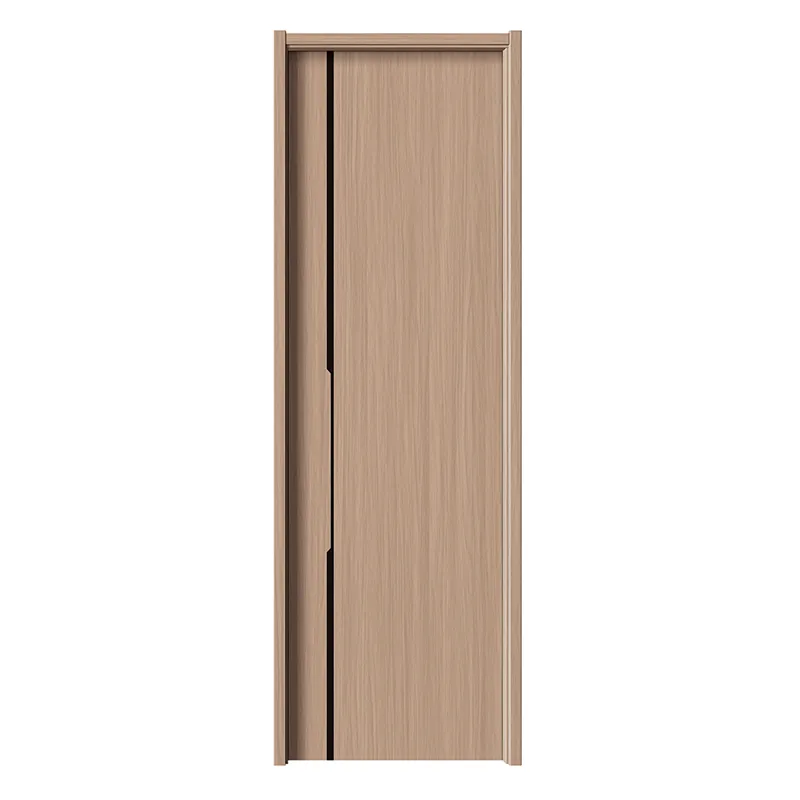
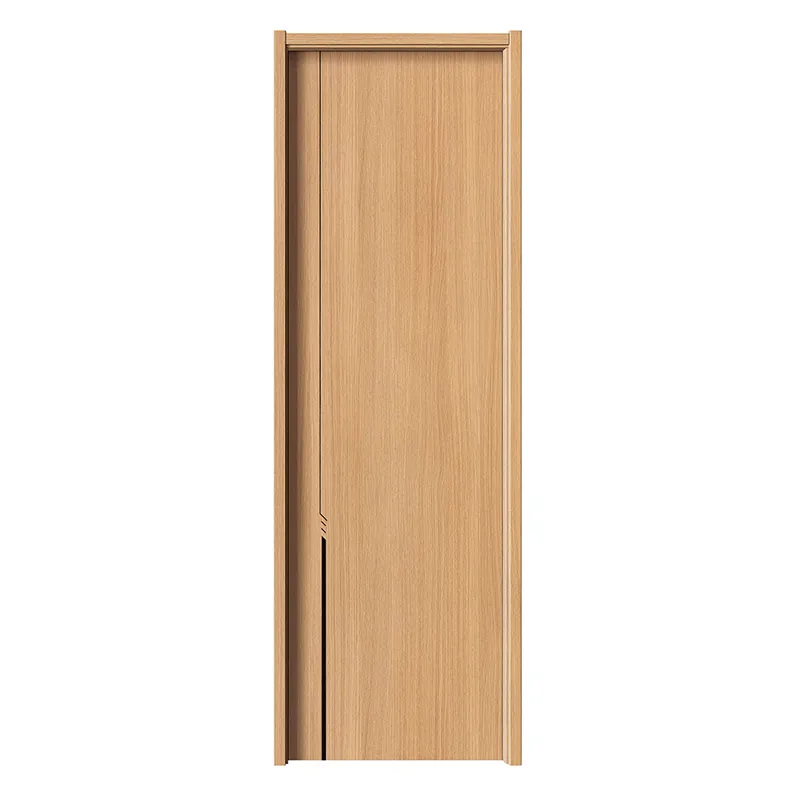
Best Sellingproducts
Best Selling Products-
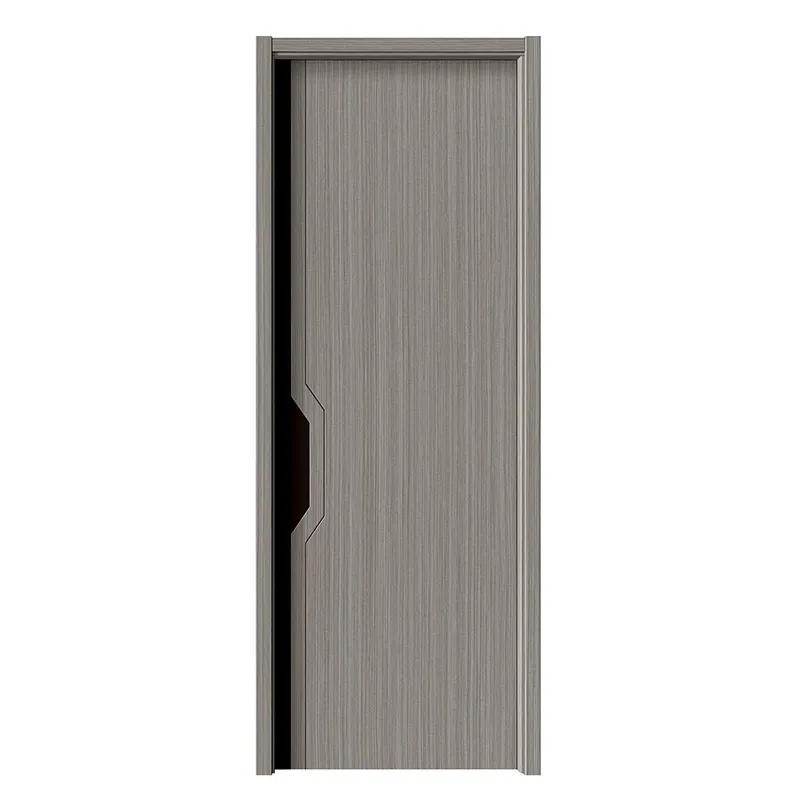
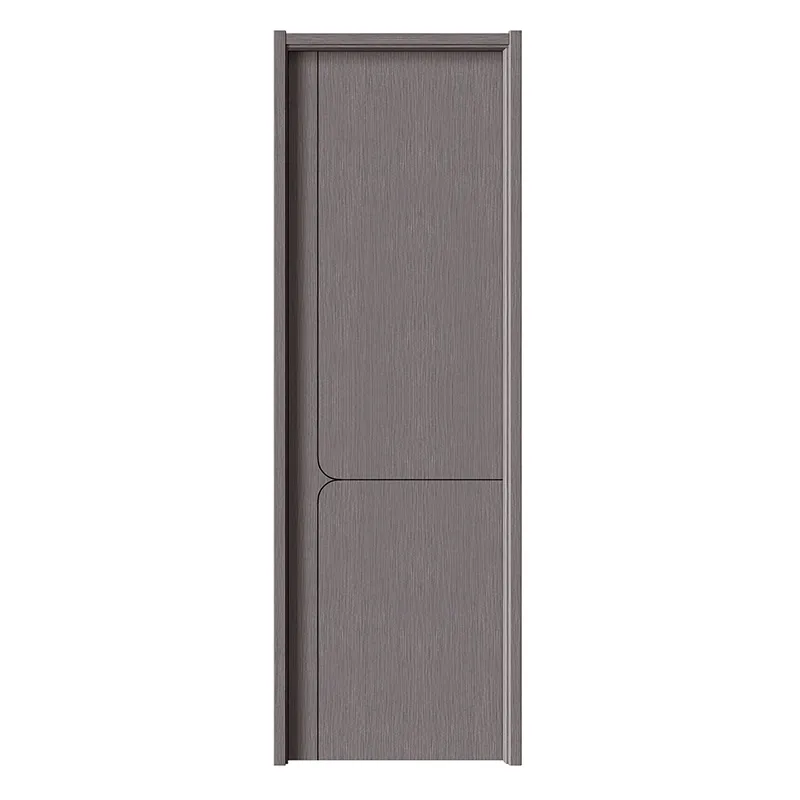 YST-1001 Door Chiaroscuro tree 2
 -
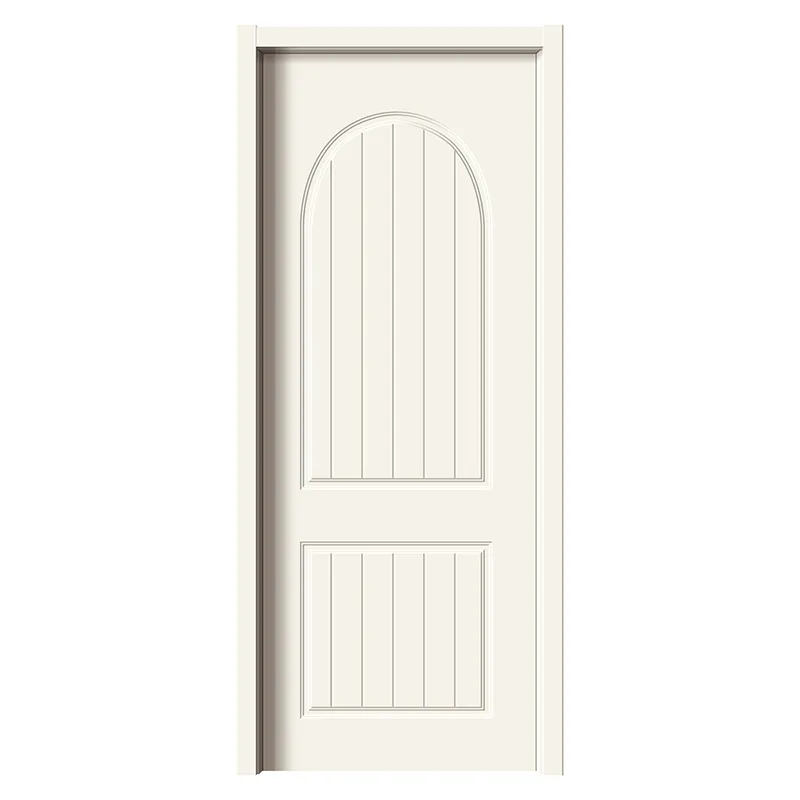
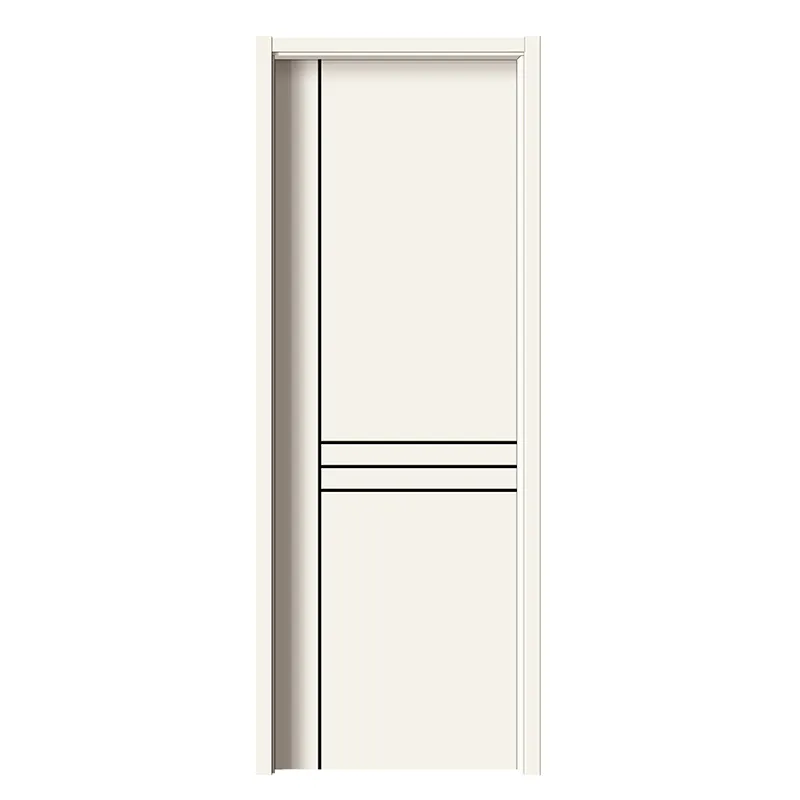 YST-220 Door Warm white
 -
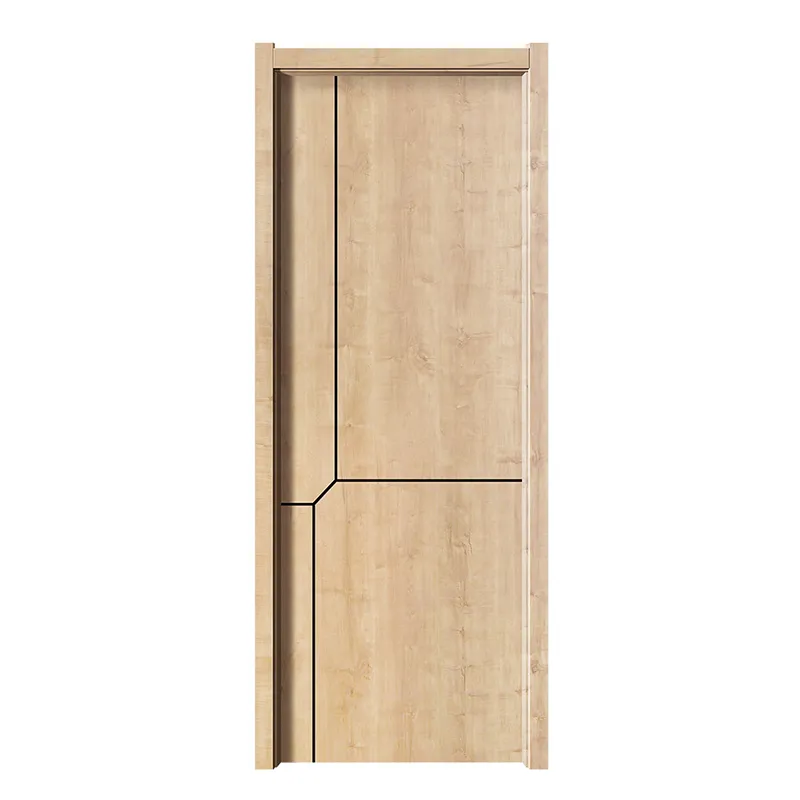
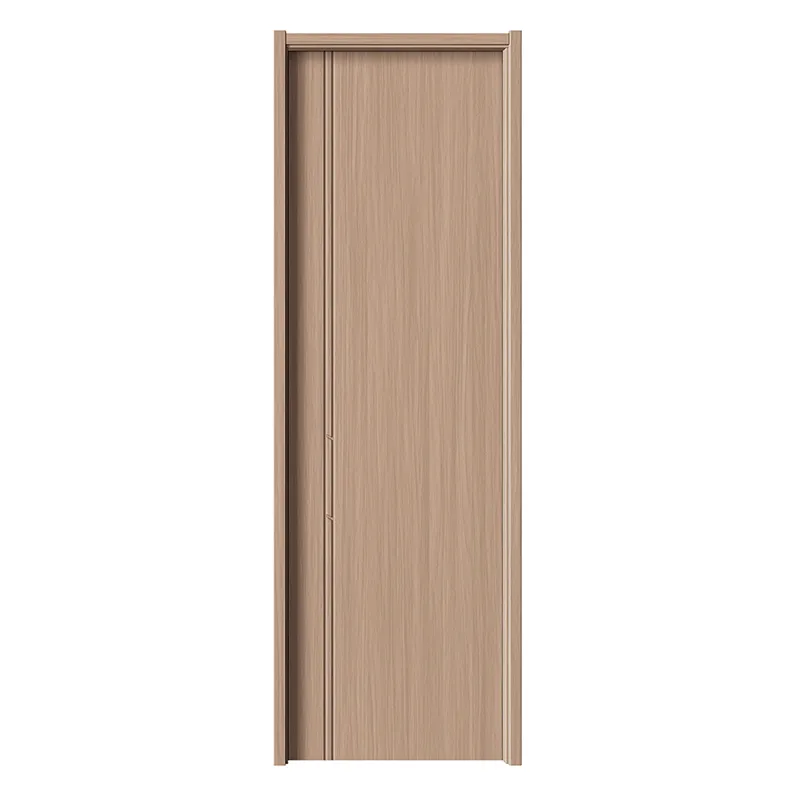 YST-1009 Door Translucent light shade 1
 -
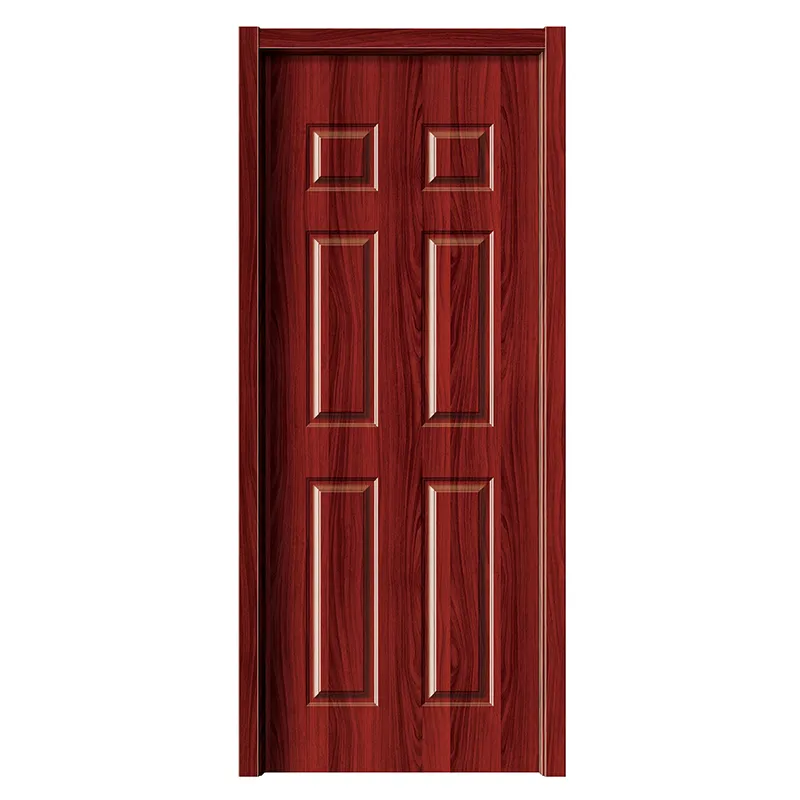 YST-201 Door Red team
 -
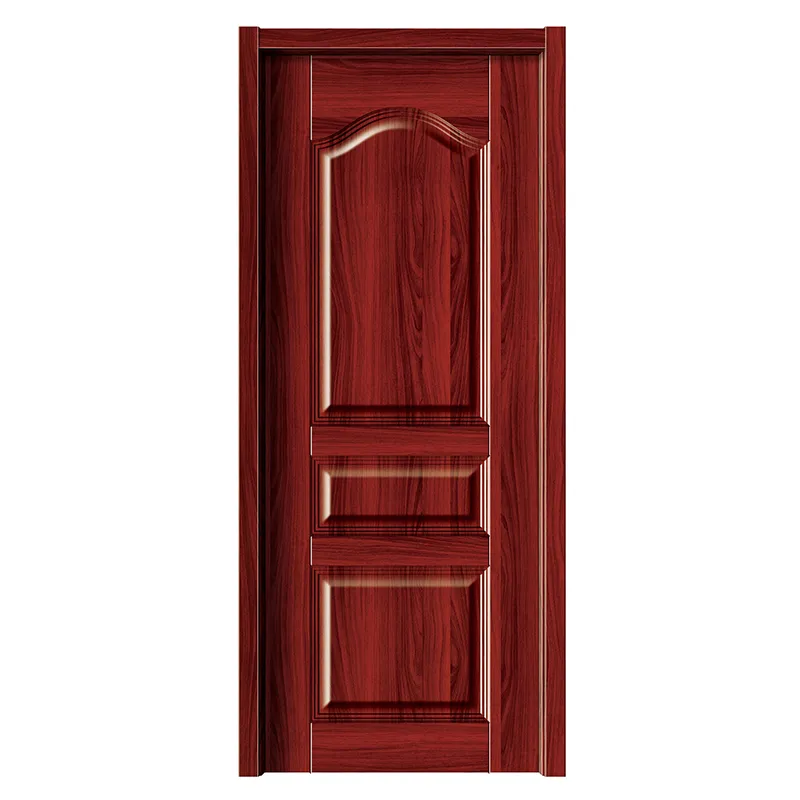 YST-203 Door Red team
 -
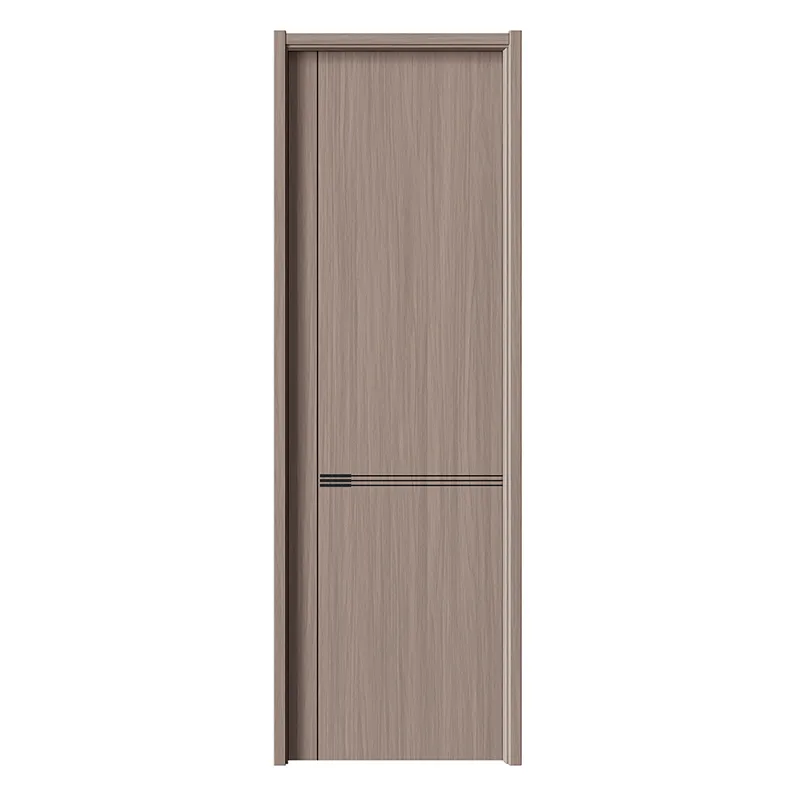 YST-1039 Door Translucent light shadow 3
 -
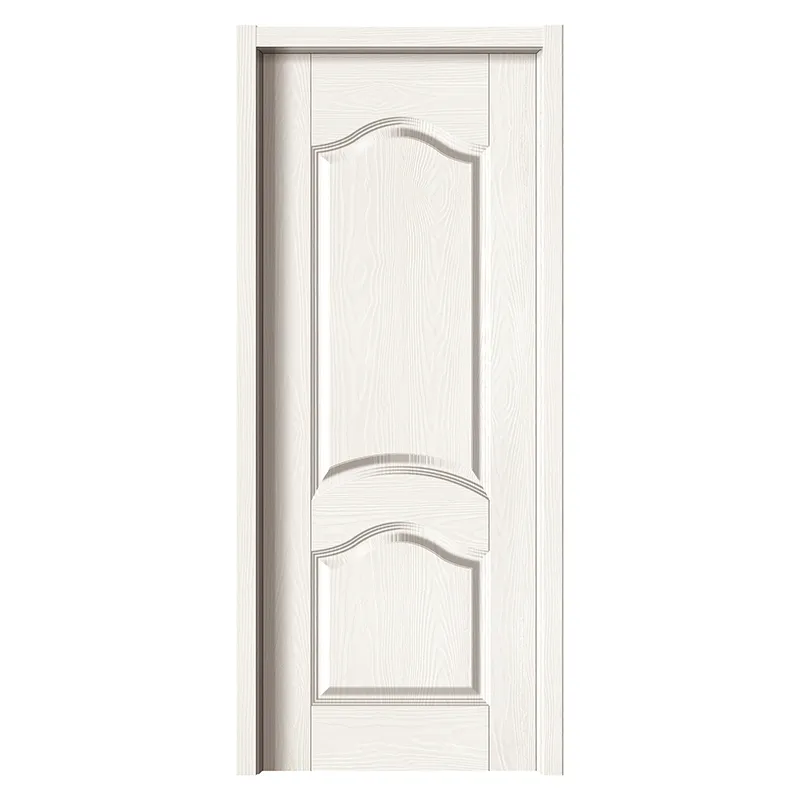 YST-224 Door Warm white with relief
 -
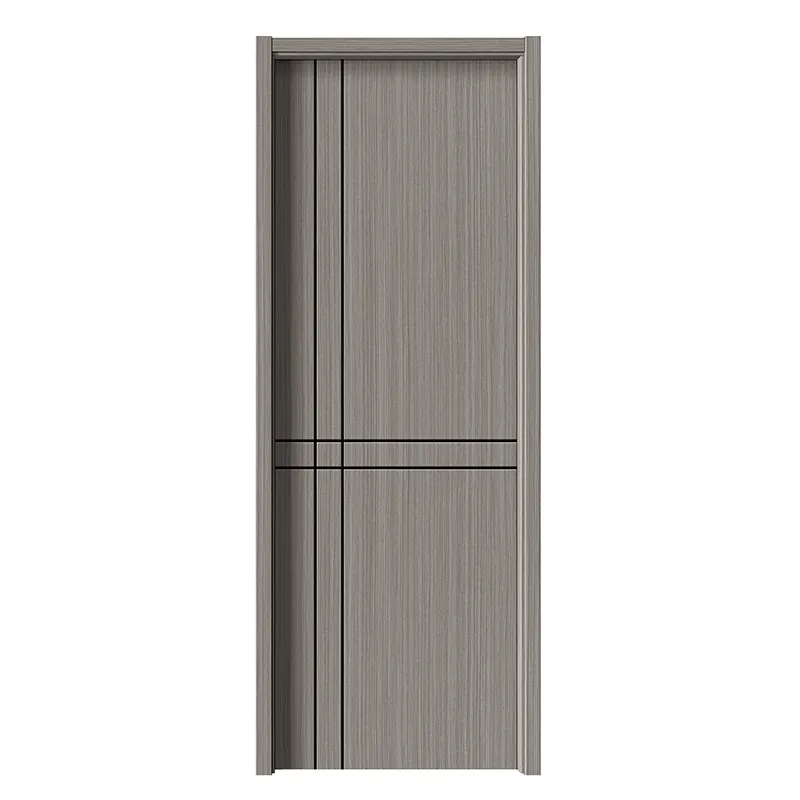 YST-1004 Door Technotree 2
 -
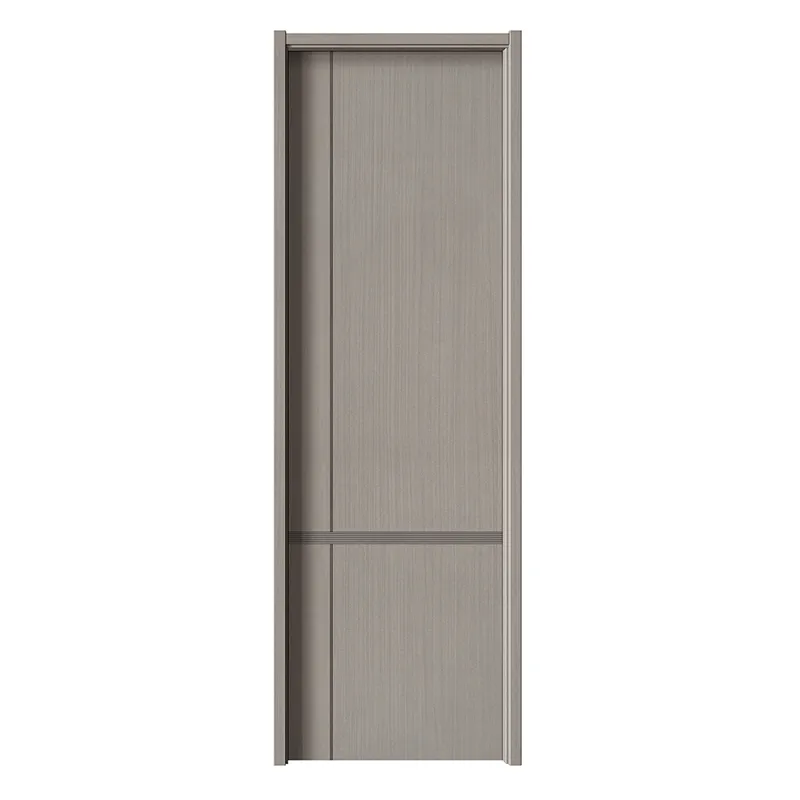 YST-1013 Door Cloud Walnut 1
 -
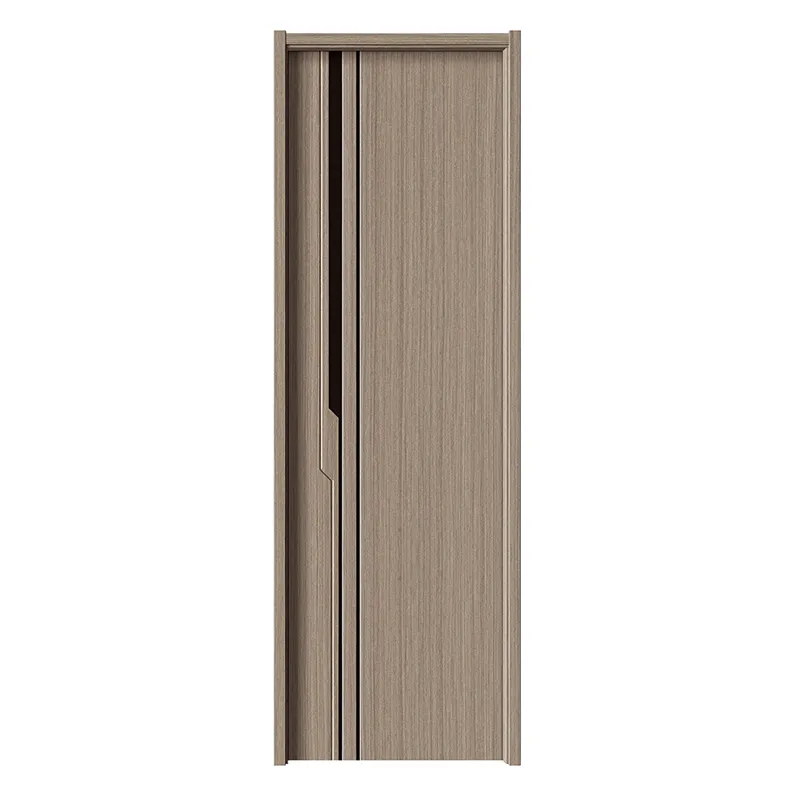 YST-1018 Technowood Door 1
 -
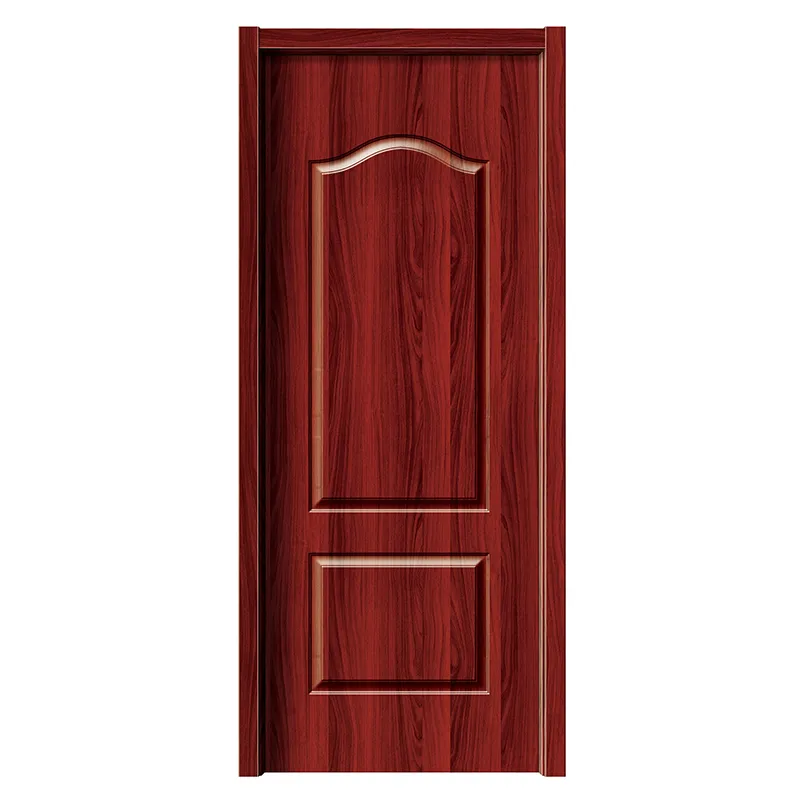 YST-207 Door Red team
 -
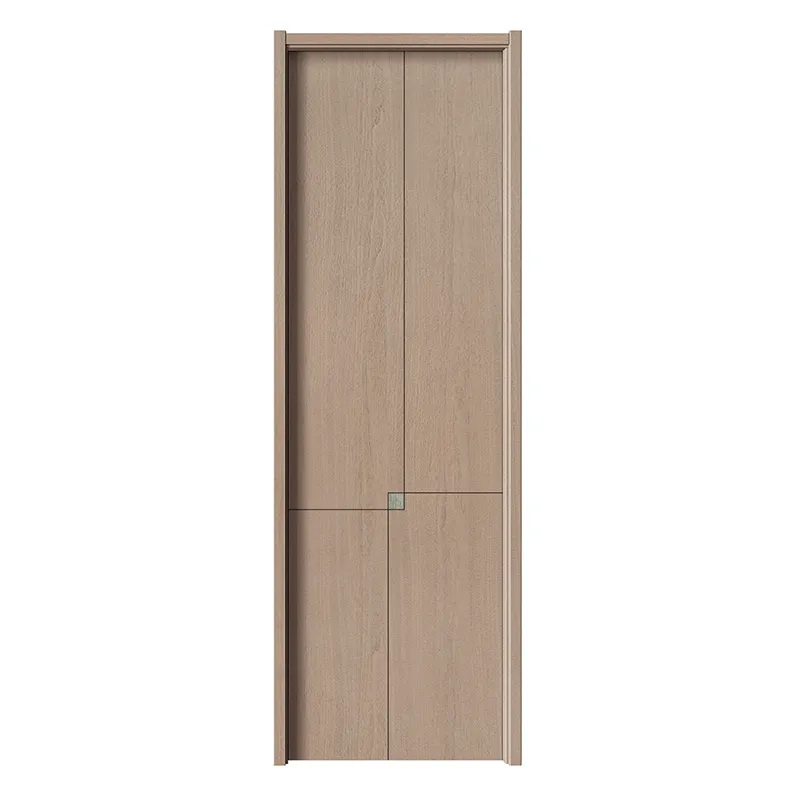 YST-1008 Door Natural walnut 2