



Wooden double doors
When they say “wooden double doors?”, many people immediately imagine something massive, ceremonial, maybe even slightly old-fashioned. And this is the first mistake. In fact, these are not just two canvases instead of one - these are completely different mechanics, a different load on the box, different requirements for fittings and, most importantly, a completely different way of controlling light, air and the perception of the room. Often customers ask for a “wide entrance”, not realizing that a standard double-leaf design, if the weight is incorrectly calculated or the hinges are chosen, will turn into an eternal headache - it will sag, creak, and not close. I went through this myself until I began to delve into the details, which are usually in small print in catalogs.
Where the difference is made: from a chip to a product
It all starts with an array. You can take pine, and it will be budget-friendly, but for wide canvases it’s risky: it can lead to trouble. Oak, ash, walnut are more serious, but there is a nuance here too. For example, oak is hard, but heavy, which means the load on the hinges will be higher, and reinforced ones are needed. And if the canvases are high, say, 2.3 meters, then even with ideal drying there remains a minimal chance of internal stress. Therefore, good manufacturers do not just dry the wood, but keep it in a certain workshop climate before processing. I saw how at one of the factories, near the sameAnhui Wantai Woodworking Co.,Ltd, for their door lines they use chamber drying technology with a gradual decrease in humidity - not to zero, but to equilibrium with the region where the door will be located. This is a small thing, but it prevents subsequent warping, especially important for double-leaf systems where the gaps must be perfect.
The design of the shield is a separate issue. Solid solid wood for wide doors is rare and expensive. More often it is a spliced beam or an engineered slab at the base, lined with valuable wood veneer. And here many are mistaken, thinking that “joined?” means ?worse?. On the contrary, a shield properly glued together from lamellas is much more stable and will not be driven by a “propeller”. The key is the glue and the press. Cheap glue will crack over time, and uneven pressure during gluing will cause internal voids. We had to sort out the damage: the client complains that the sash began to “play”, but it turns out there is a delamination inside. Therefore, now I always look to see if the manufacturer has certificates for adhesive compositions, for example, class D4, which is resistant to moisture.
There is also a point with the direction of the fibers. When assembling panels for a double-leaf system, craftsmen must orient the slats so that the pattern and direction of the fibers on both doors are symmetrical. This is aesthetics, but also the key to the same reaction to changes in humidity. If one sash is assembled from lamellas with a horizontal fiber direction, and the other with a vertical direction, they can expand differently, and then the overall gap in the center will be either narrower or wider. A little thing that catches your eye every day.
Hinges, locks and invisible mechanics
Fittings are what people most often skimp on, and this is fatal for double doors. Ordinary hinges for a single-leaf door will not work here. You need either reinforced piano hinges of great length, or, more often and more modernly, hidden hinges with adjustment along three axes. The latter are a salvation for heavy canvases. I remember a project where the customer insisted on massive oak doors without a top crossbar (they wanted a clean look). They installed it on standard card hinges - after six months, the lower corner of one sash began to touch the floor. I had to reinstall them on hidden ones with a reinforced mechanism and make a threshold with a guide so that part of the weight from below would be taken over.
Locking system. If the doors are equal (both are active), a synchronizer is needed so that when you turn the key in one door, the bolts on the second also extend. Cheap mechanisms often jam, especially during seasonal wood movements. If one leaf is active, and the second is passive (fixed only in the closed state), then the passive one must still have a high-quality fixation point at the top and bottom, otherwise it will “walk?” from drafts. A common mistake installers make is to poorly align this passive sash vertically, relying only on the rebate strip.
And about closers. They are often installed for commercial premises, but for residential heavy wooden doors - carefully. Not every door closer can smoothly handle a weight of 80-100 kg per sash. You need to take it with a reserve of power, otherwise it will quickly fail, and a sharp increase can over time weaken the box. Personally, I prefer to install floor closers for such massive options; they are more reliable, but their installation must be started at the subfloor stage.
Installation: theory and harsh practice
The most ideal door will be damaged if installed incorrectly. With two-leaf systems, the complexity is squared. The opening should not only be level, but be placed in an ideal plane along its entire height and width. Often in new buildings the openings are “blocked”, and if you close your eyes to this, the mounted frame will be in tension. Wood is a living material, it will strive to return to its natural state, and the box will begin to twist. The result is that the sashes will not meet in the center, and cracks will appear.
Therefore, our standard is a laser level and careful wedging of the box not only on the sides, but also on the top, checking the diagonals. Polyurethane foam is not a rigidity element, but only a filler and a heat and sound insulator. Anchors and wedges must carry the load. One day I had to redo my colleagues’ work: they placed the box on foam, without spacers at the top. After a season, the top crossbar of the box bent under the weight of the wall, and the active sash stopped closing. I had to remove it, reinforce the opening with metal and reinstall it.
Another practical point is gaps. Between the sashes when closed, 3-4 mm is optimal. Between the doors and the frame - 2-3 mm. But this is for rooms with a stable climate. If the door opens, for example, into a winter garden with changes in humidity, I would give 4 mm on all sides, otherwise in the wet season the wood will swell and the doors will jam. All these gaps are then closed with additional panels and platbands, but their calculation must be correct from the very beginning.
From sketch to reality: working with the customer and manufacturer
Often a beautiful design project runs into technical limitations. The customer brings a picture with panoramic double doors to the ceiling. But the technical specifications do not take into account that there is a load-bearing beam above the opening that cannot be touched. Or that such heights require a special box reinforcement system, and standard hinges will not work. Honesty and expertise are important here. You need to immediately show the boundaries of what is possible, offer alternatives - for example, make panel inserts lighter or use a combination of materials.
In this regard, it is convenient to work with manufacturers who have their own design bureau and can adapt the model to a non-standard opening. For example,Anhui Wantai Woodworking Co.,Ltdon your websiteanhuiwantai.rupositions itself as a company with a full cycle from design to quality control. In the description, they focus on the combination of aesthetics and practicality, which is critically important for double doors. In practice, this means that you can request not just a catalog, but technical advice: say, for a wide opening of 1.6 meters, they can offer not two equal sashes of 800 mm, but one 900 mm and one 700 mm with the corresponding redistribution of hinges and locks so that it looks visually balanced and is mechanically reliable.
Their approach to “building a business on precision”, which is stated in the company description, is not just words. For a professional, this can be seen in the details: by the presence of a passport for the product indicating the moisture content of the wood, by pre-installed adjustment plates on the box, by clear packaging that protects the edges during transportation. This saves time on site and reduces the risk of defects. I remember how with one batch from an unknown workshop I had to manually modify the hinge grooves on all four doors - they were shallow and the hinges were not recessed. We lost two days. With conveyor production, where there are clear standards, there are usually no such problems.
Bottom line: not a door, but a system
Ultimately, successwooden double doors- this is not about choosing the most expensive type of wood. This is a system: a properly prepared array, accurate engineering calculations of the structure, appropriate fittings and flawless installation taking into account future operating conditions. You can save money at one of these stages, but the result will be disastrous - the door will not last long, and its maintenance will turn into a constant problem.
Therefore, my advice is to consider such doors as an individual project, even if they are taken from a catalog. Ask the manufacturer questions about drying, the design of the panel, and the recommended fittings. And it is imperative to involve specialists in the installation who understand the specifics of wide wooden panels, and do not just install interior doors. Only then will the double-leaf structure reveal itself fully: both as a functional element that smoothly opens up space, and as a durable interior detail that will only look more noble over the years.
As for the market, now there is an interesting trend for a combination of materials - for example, a wooden frame with frosted glass inserts or even metal decorative overlays. This allows you to lighten the design and add modernity. Companies that follow global demand like the sameAnhui Wantai, already offer such hybrid models, which, in general, is logical if we strive to satisfy the diverse needs of both residential and commercial projects. The main thing is that the design does not compromise strength, because the basis is still the same: wood, double-leaf system, load, balance. Everything else is variations on a theme that make the work more interesting.
Correspondingproducts
Related Products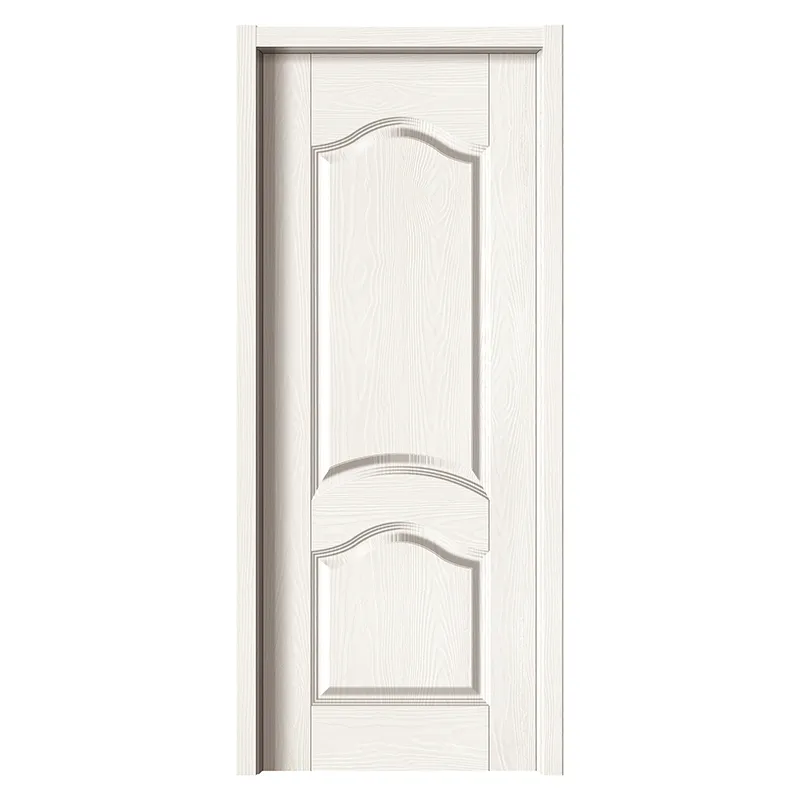
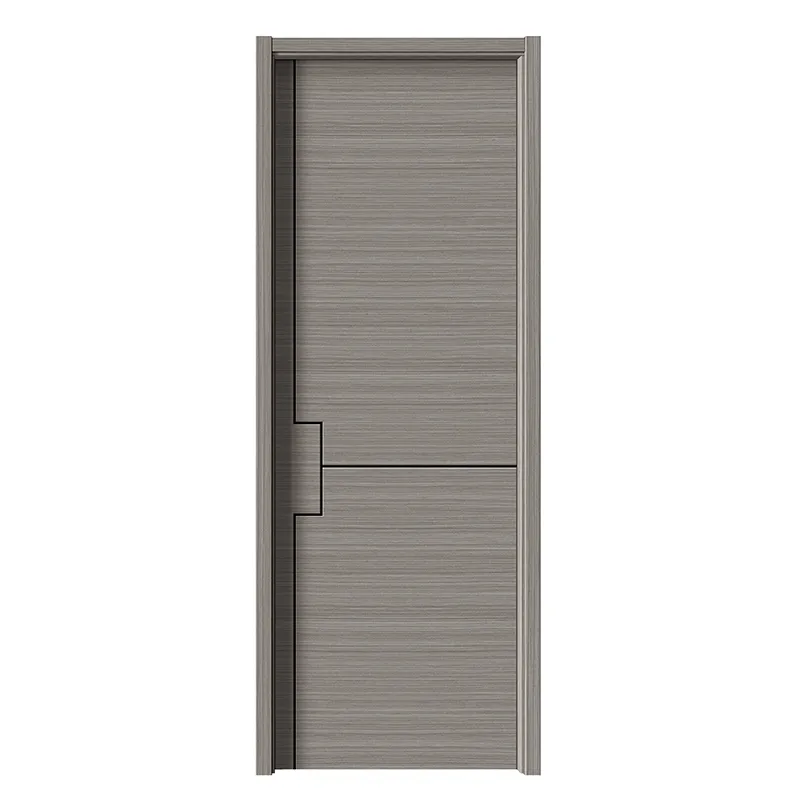
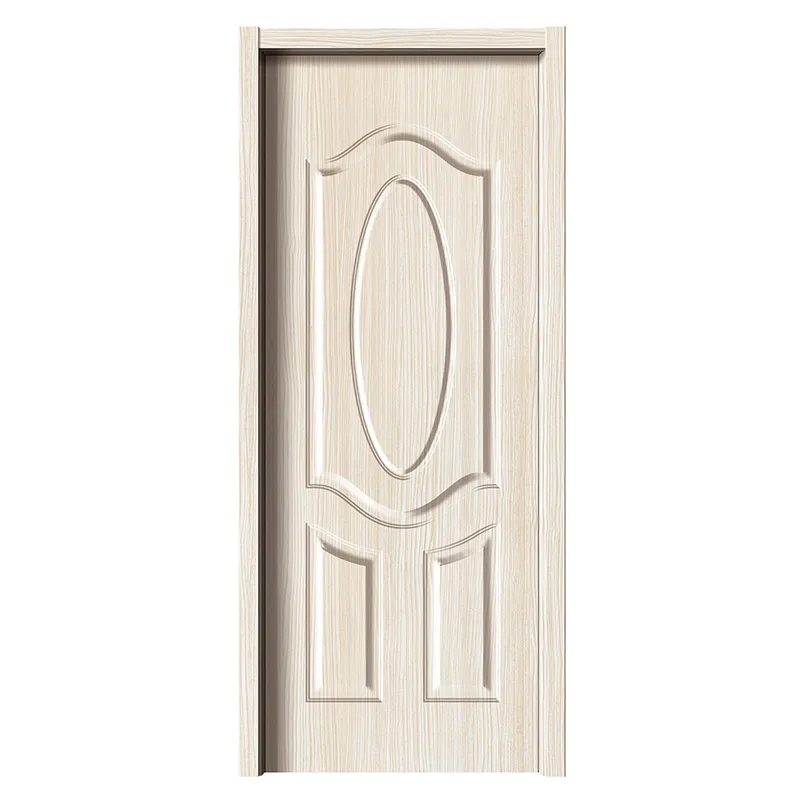
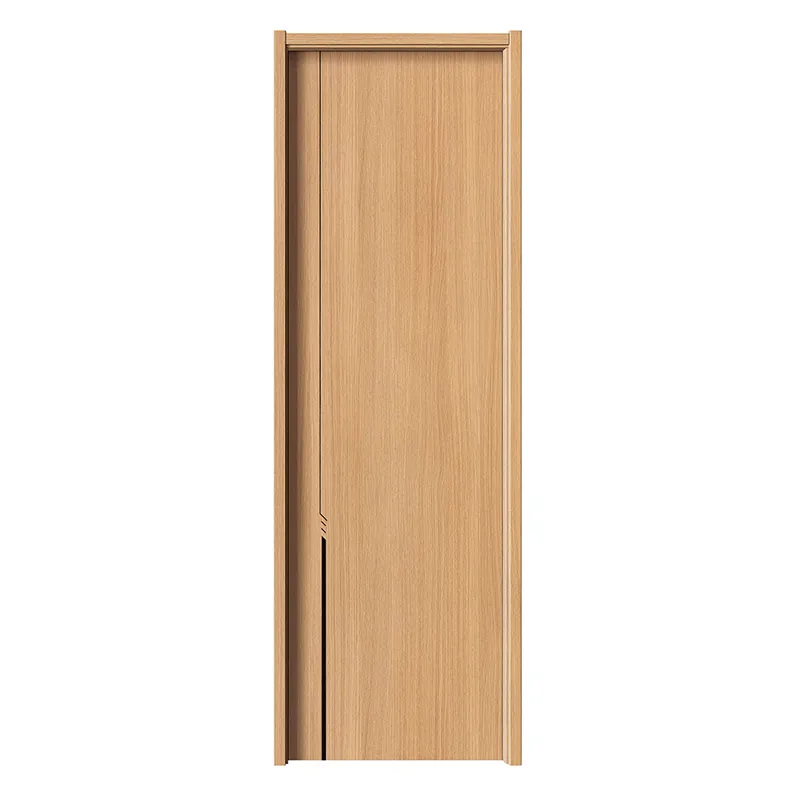
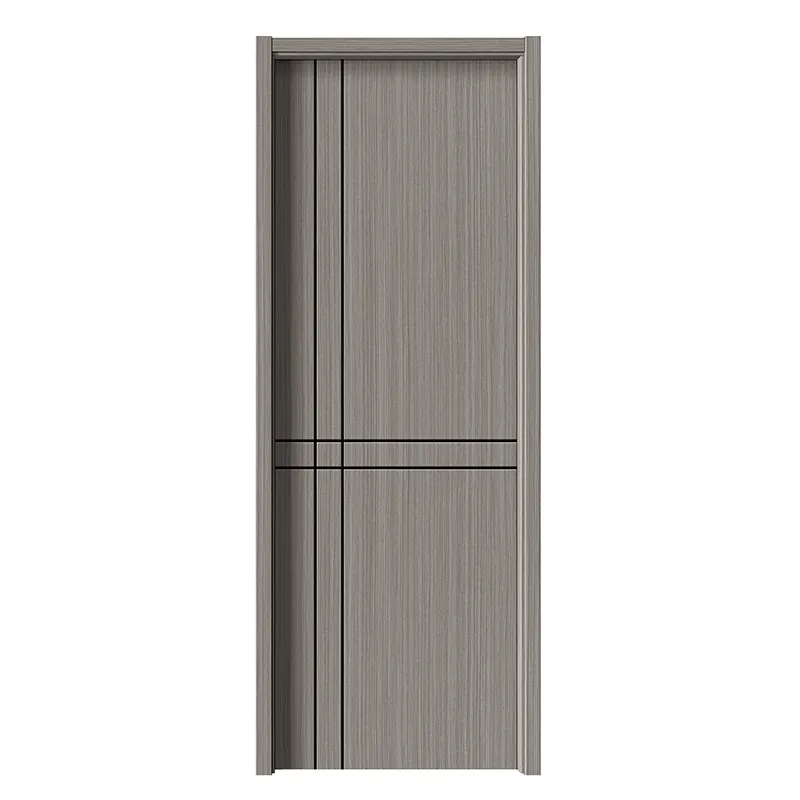
Best Sellingproducts
Best Selling Products-
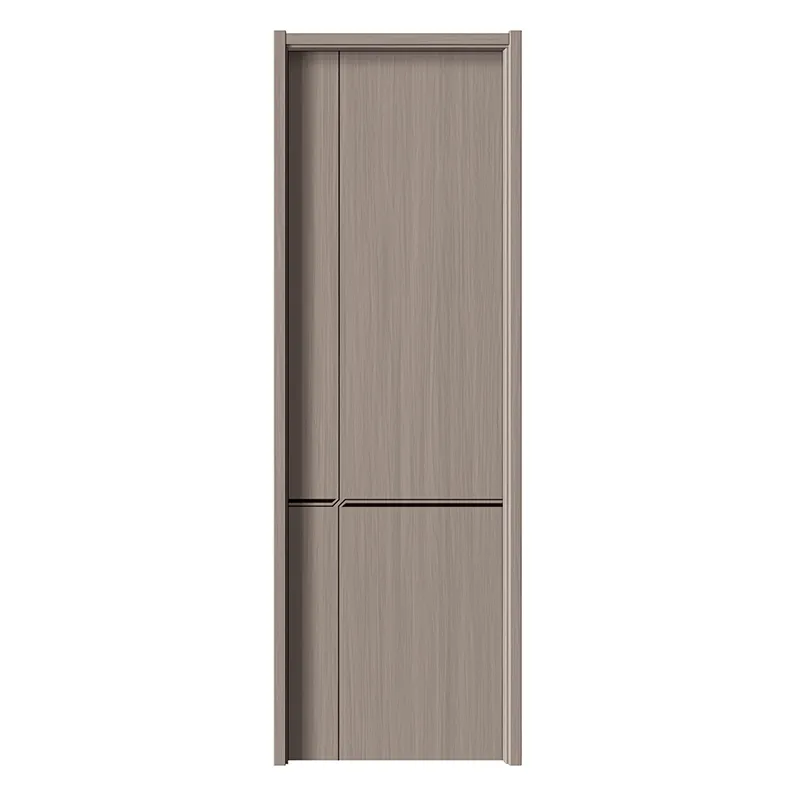 YST-1010 Door Translucent light shadow 3
 -
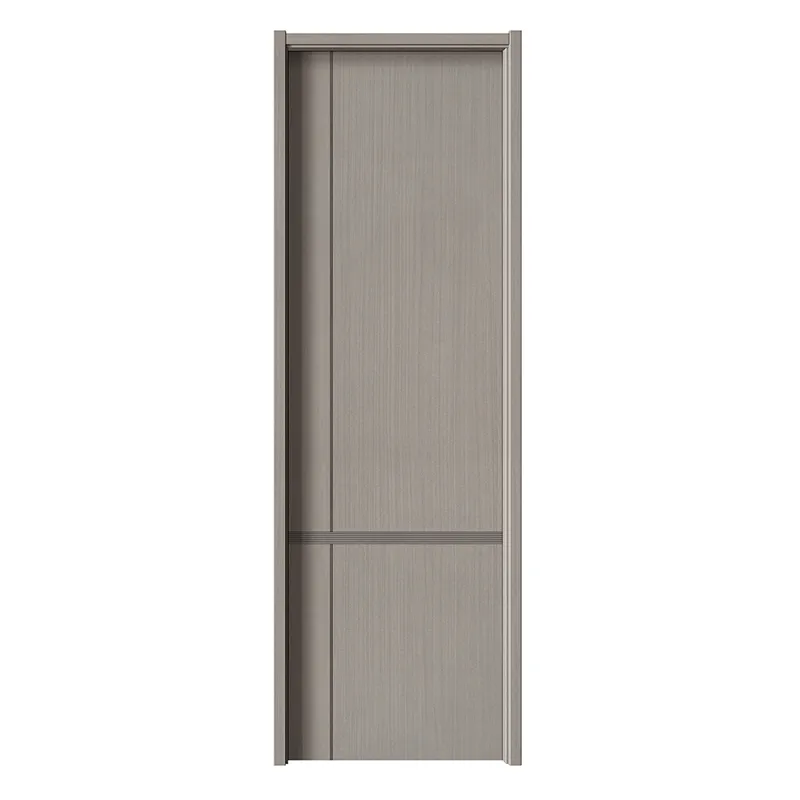 YST-1013 Door Cloud Walnut 1
 -
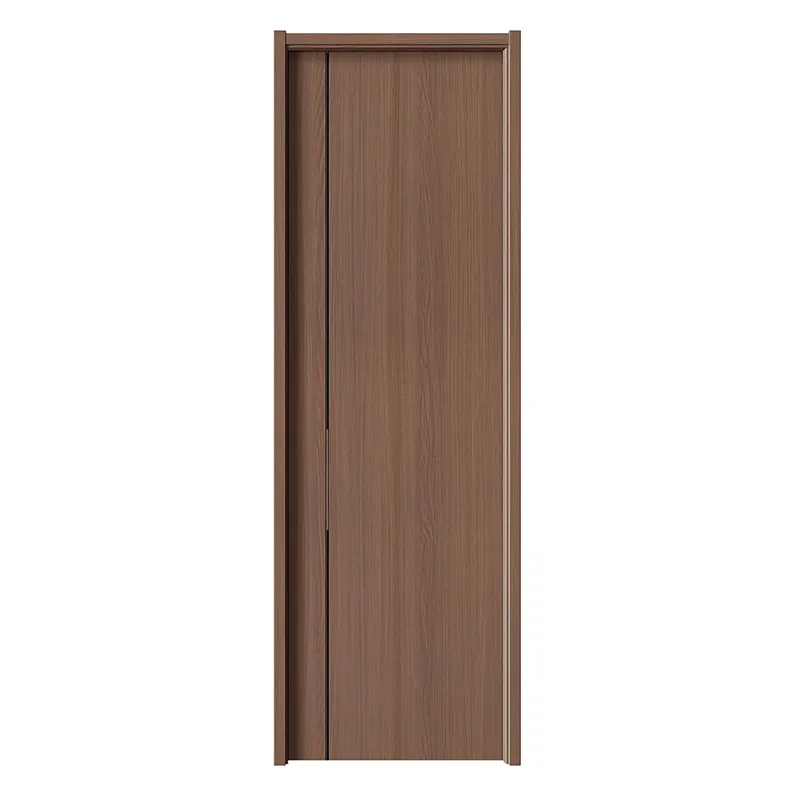 YST-1043 Door Techno-walnut 3
 -
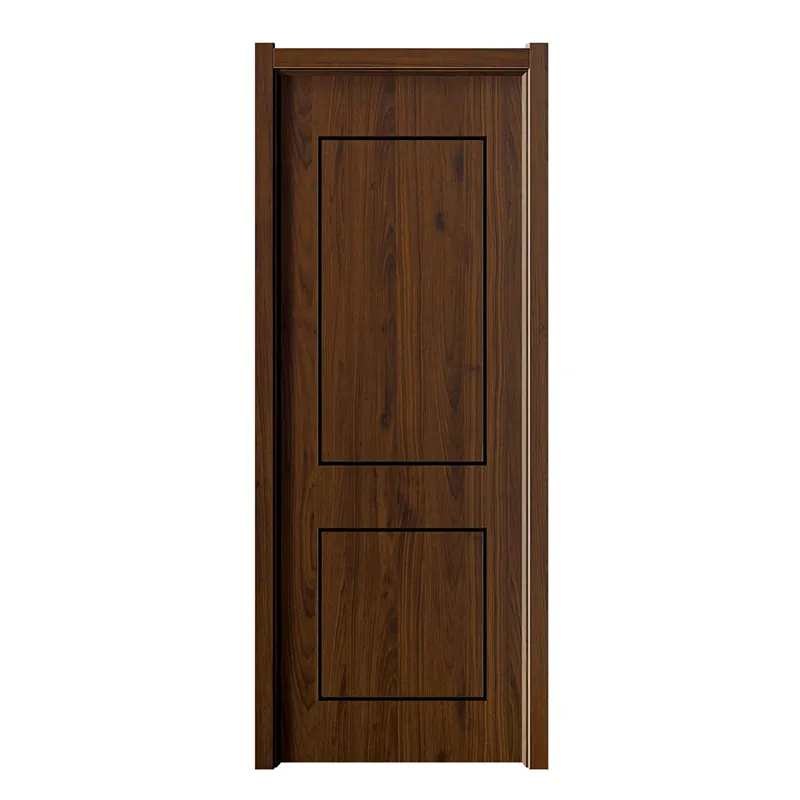 YST-WPC2 Door
 -
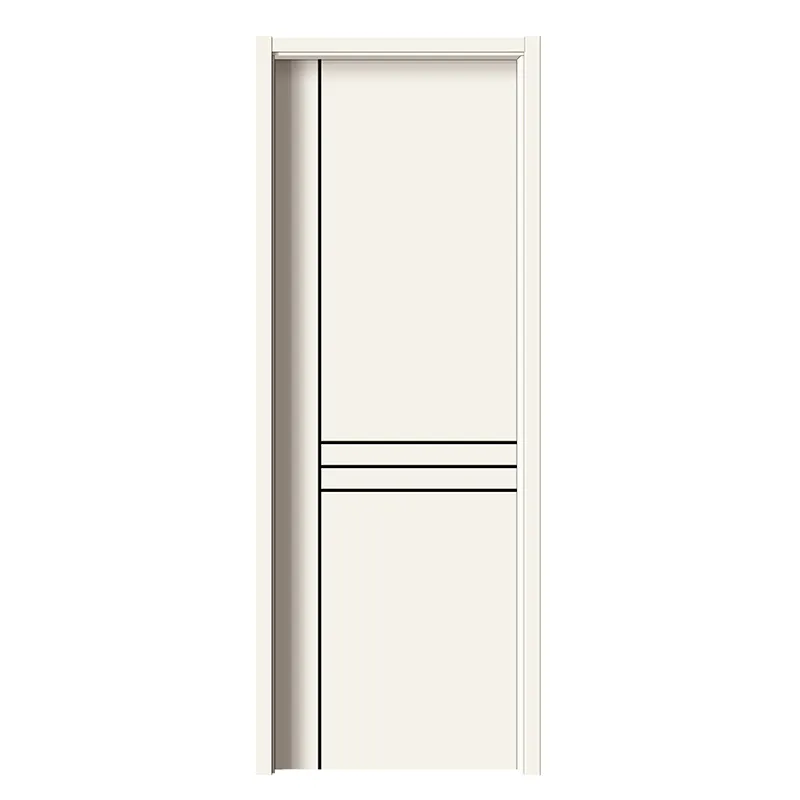 YST-220 Door Warm white
 -
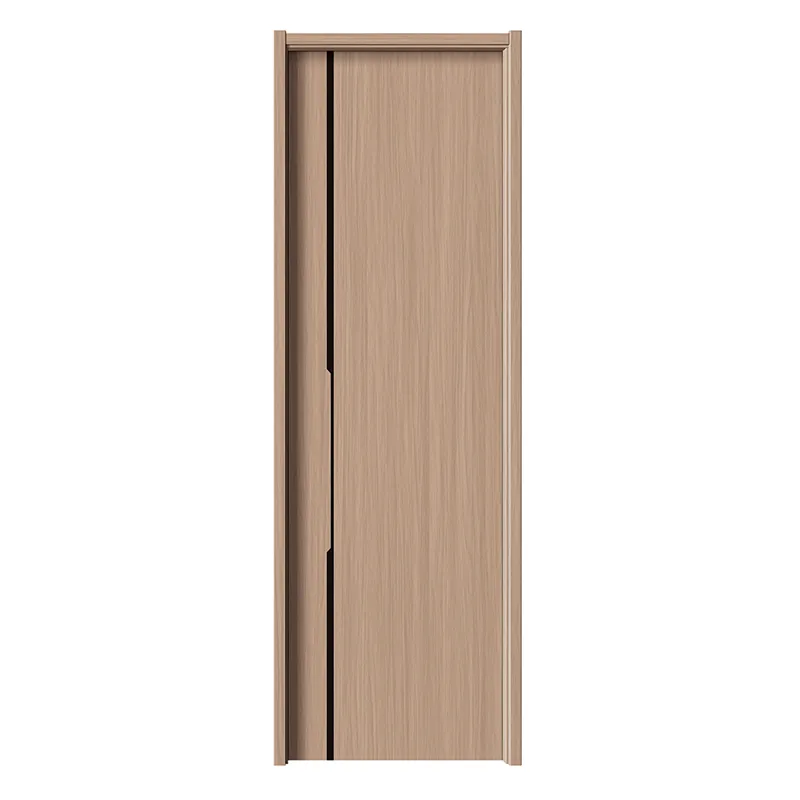 YST-1029 Door Translucent light shade 1
 -
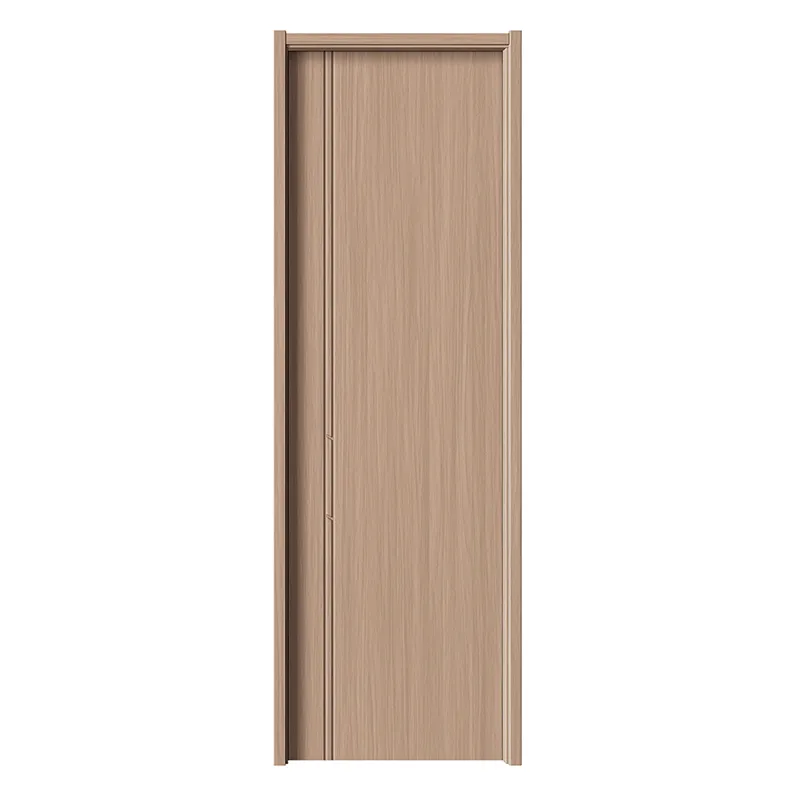 YST-1009 Door Translucent light shade 1
 -
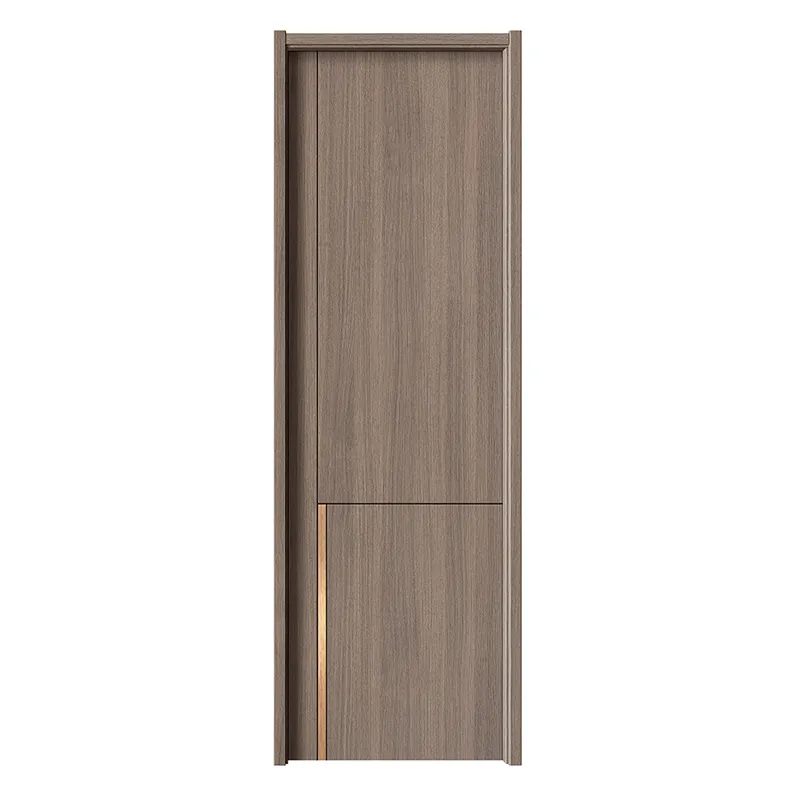 YST-1003 Door Oak gray
 -
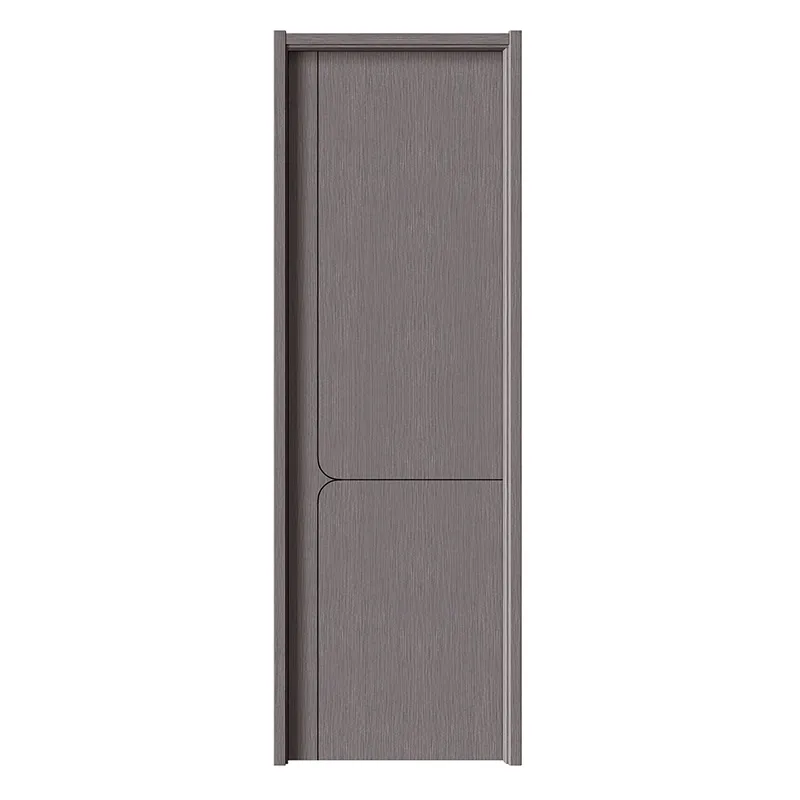 YST-1001 Door Chiaroscuro tree 2
 -
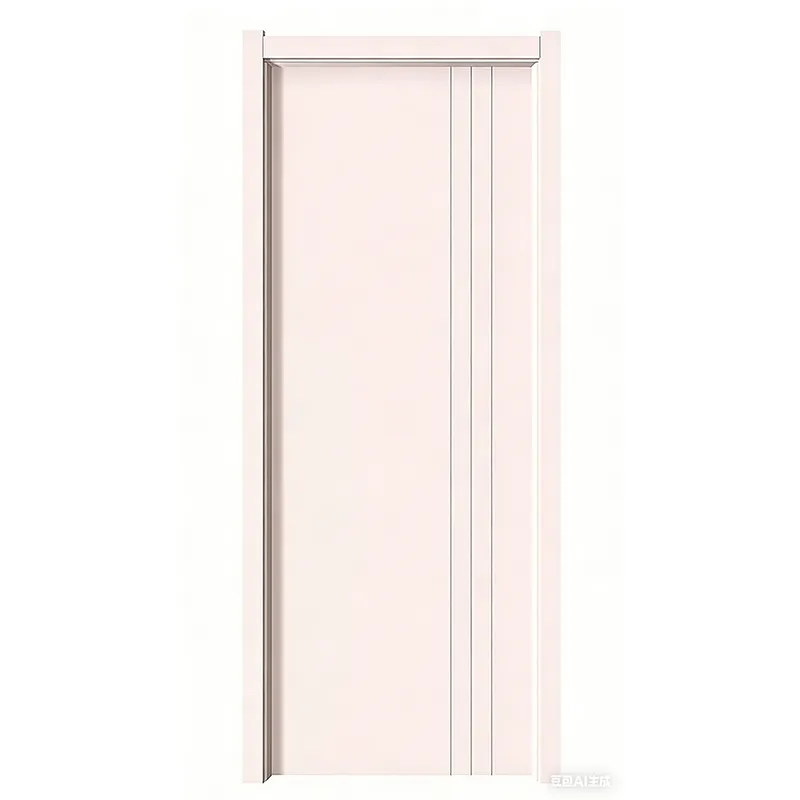 YST-WPC4 Door
 -
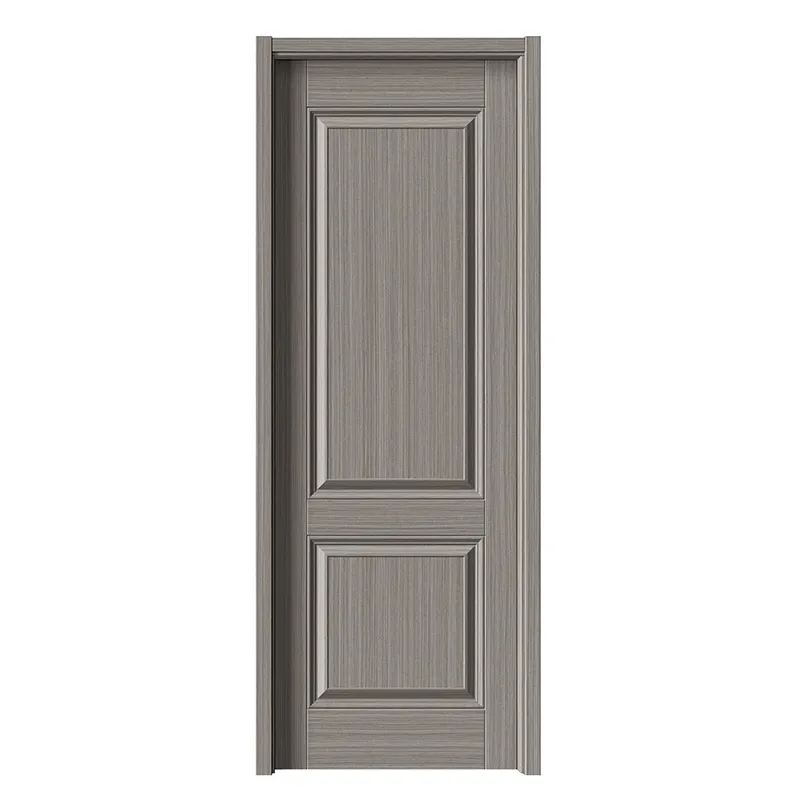 YST-214 Door Technowood 2
 -
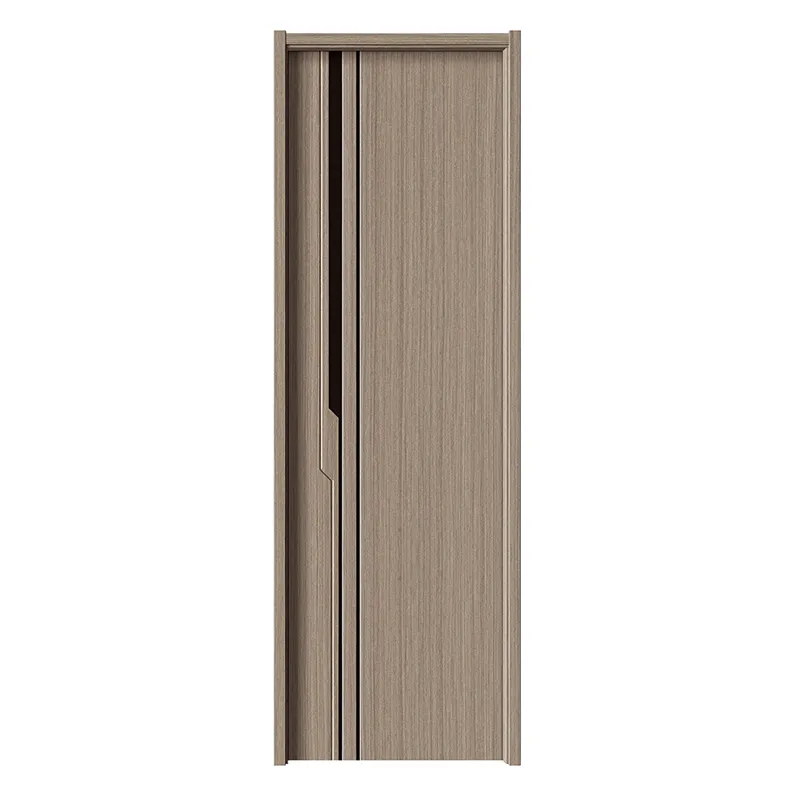 YST-1018 Technowood Door 1