




Hidden doors in the house
When they talk about hidden doors, many people immediately imagine something from spy movies - complex mechanisms, secret rooms. In fact, in modern interior and architecturehidden doorsis primarily a tool for creating clean, continuous lines and solving specific spatial problems. A common mistake is to consider them a purely decorative element or, conversely, to overcomplicate the design where standard solutions can be used. In reality, the key point is integration into the existing wall or furniture so that the door is not just “hidden”, but becomes part of the plane. Gaps, hinges, opening mechanisms - this is where the main difficulty lies, and not in any special “secrecy”.
Design Basics and Common Misconceptions
If we take a classic hidden door in a plasterboard partition, then the main thing is preparing the opening. The frame must be strengthened, otherwise cracks will appear over time and the door itself will begin to “walk”. Often customers want the door to be completely invisible, but they forget about ventilation - without a gap below, the air exchange in the room may be disrupted. We have to explain that ideal invisibility is a compromise between aesthetics and functionality. Hidden door closer hinges, for example from Soss or Simonswerk, solve some problems, but their installation requires high precision. The slightest misalignment and the door no longer closes tightly.
Another point is the finishing. In order for the door to merge with the wall, the finishing materials must be identical. If the wall is covered with heavy vinyl wallpaper, then on the door itself it may lag around the edges due to constant movement. In such cases, we often recommend using paint on the same base as on the walls, or thin veneer panels that can be integrated into the overall plane. By the way, about veneer. High-quality veneer, properly glued to an MDF base, provides a stable surface that is less susceptible to deformation than solid wood in such structures. This is about the question of materials.
I had a project where the customer insisted on a hidden door in the wall, covered with wooden slats. Aligning each rail on a moving sash and a static wall became a separate headache. As a result, we had to make a common frame for the wall and door as a single whole, and then cut in the hinges on site. The work was painstaking, but the result was worth it - the wall line was not interrupted anywhere. Such tasks are a good test for the manufacturer: whether its products are ready for non-standard installation conditions and precise fitting.
Selection practice: what to look for besides appearance
When you choose a door for hidden installation, the first thing you look at is not the catalog of finishes, but the design of the door leaf and frame. The canvas must be as rigid as possible, without voids inside, otherwise it will “lead?” with changes in humidity, and all the cracks will become visible. Canvases with a honeycomb core made of high-density cardboard or a solid core of engineered wood perform well. They can withstand good weight (which is important for hidden hinges) and keep the geometry stable.
The box is a different story. For hidden doors, so-called telescopic frames are often used, which allow you to adjust the rebate after installation. This is a salvation for installers, because it is ideal to bring the opening to “zero” under normal construction conditions it is almost impossible. But there is a nuance here: the box itself must be strong, made of solid or laminated veneer lumber, and not made of pressed shavings. Otherwise, the hinge attachment points will become loose over time.
Here, by the way, we can note the approach of some manufacturers who specialize in complex solutions. Here, for example,Anhui Wantai Woodworking Co.,Ltd (https://www.anhuiwantai.ru). Their range includes models that are initially designed for hidden installation. The company positions itself as a supplier of wooden doors that combine design and practicality for the international market. What is important in the context of hidden designs is that they emphasize quality control at all stages, from raw materials to production. For a hidden door, this is critical: uniformity of the material, precision of milling for hidden hinges, dimensional stability. If the canvas “plays” even by half a millimeter, the whole concept of invisibility collapses.
Typical installation problems and how to avoid them
The most common problem is a mismatch of planes. They plaster the wall, lay tiles, glue wallpaper, and then try to fit a door into it. The correct sequence is to first install the door frame in the rough opening, and then all finishing work is carried out from it as a base plane. But in practice this is almost never done, hence the problems. It is necessary to use adjustable hidden hinges and compensating pads, which increases installation time significantly.
Another pitfall? — sound insulation. An ordinary interior door has a rebate that dampens sounds. A hidden door has minimal or no rebate. If you need to maintain privacy, for example, in a home office or media room, you have to install special sealing contours around the perimeter, which are mounted at the end of the canvas or in a box. But they must be thin and elastic so as not to interfere with closing. Sometimes the solution is to install a door with a small threshold, but this is not always acceptable from an ergonomic point of view.
There was a case when we installed a hidden door to the dressing room. The customer wanted the door to be part of a wall covered with MDF panels. Everything was installed and looked perfect. Six months later I get a call: the door is stuck. It turned out that there was no normal ventilation in the dressing room; in winter, due to temperature and humidity changes, the panels on the wall became a little “worried”. We had to remove it, mill the end of the blade to increase the gap, and install a forced ventilation system. Lesson: for hidden structures, the microclimate of the room is no less important than the quality of the door itself.
Integration with hidden storage systems and niches
Oftenhidden doors- this is not just an entrance to another room, but part of a storage system or an element that disguises technical niches. Here the approach changes. The door becomes, in essence, a facade. Not only its own stability is important, but also the reliability of the entire system of guides and fastenings. If it is a large sliding or sliding element that hides, for example, a wall with a TV or a kitchenette, then the weight of the structure increases significantly. Standard hidden hinges will not work here; special lower or upper rail systems with closers are needed.
In such projects, the accuracy of calculations is critical. The load-bearing capacity of the wall, electrical distribution (so that the wires do not interfere with the movement of the canvas), the load on the floor covering - everything needs to be calculated in advance. Once I had to redo the entire frame of a niche because when opening the door touched the sockets built into the adjacent wall. There were drawings, but it was not clear from them how exactly the communications were laid. Now we always require electrical and plumbing wiring diagrams before starting work.
For such complex solutions, it is useful to cooperate with manufacturers who can offer not just a door leaf, but a ready-made engineering solution. Returning to the exampleAnhui Wantai Woodworking Co.,Ltd, their experience in creating wood products for residential and commercial spaces can be useful precisely at the design stage. A company with a modern production base and a development team is often able to produce sheets of non-standard sizes or with ready-made grooves for specific fittings, which greatly simplifies installation on site. Their principle is “to build a business on accuracy?” very appropriate here.
Economic and practical outcome: is the game worth the candle?
As a result, the decision to install a hidden door should always be a balanced one. This is almost always more expensive than the standard option and requires more skilled installation. Saving on fittings or installation here means throwing money away. But where a seamless, holistic design is important, where you need to visually expand the space or neatly hide a functional area, there are practically no alternatives to hidden doors.
The main advice I give to clients is to start thinking about a hidden door very early in the renovation or construction process. Put it into the project, coordinate it with the designer and foreman. Choose a trusted manufacturer who understands the specifics of such products - one who controls the process from raw materials to packaging, like the sameAnhui Wantai Woodworking Co.,Ltd, whose quality philosophy matches the objectives. And find installers who already have successful experience with similar systems, rather than those who are seeing hidden hinges for the first time.
Ultimately, a well-made hidden door is not about the "wow" effect. or secrecy. It's about neatness, thoughtfulness of space and attention to detail. When it operates silently, closes exactly flush and does not require adjustment for years, you understand that all the difficulties at the installation stage were justified. It becomes not just a door, but a competently implemented part of the architectural design.
Correspondingproducts
Related Products
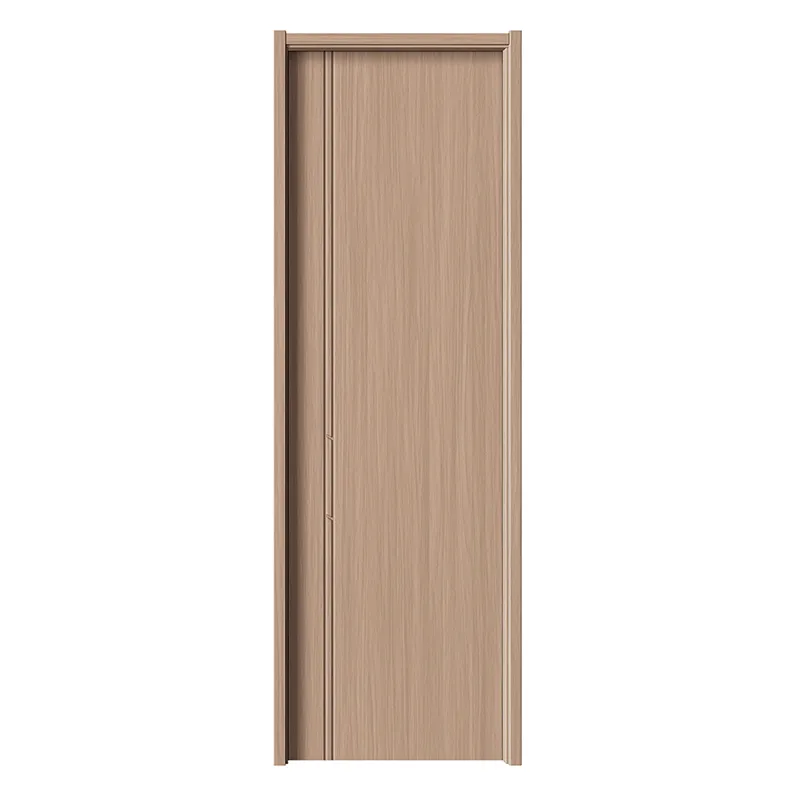

Best Sellingproducts
Best Selling Products-
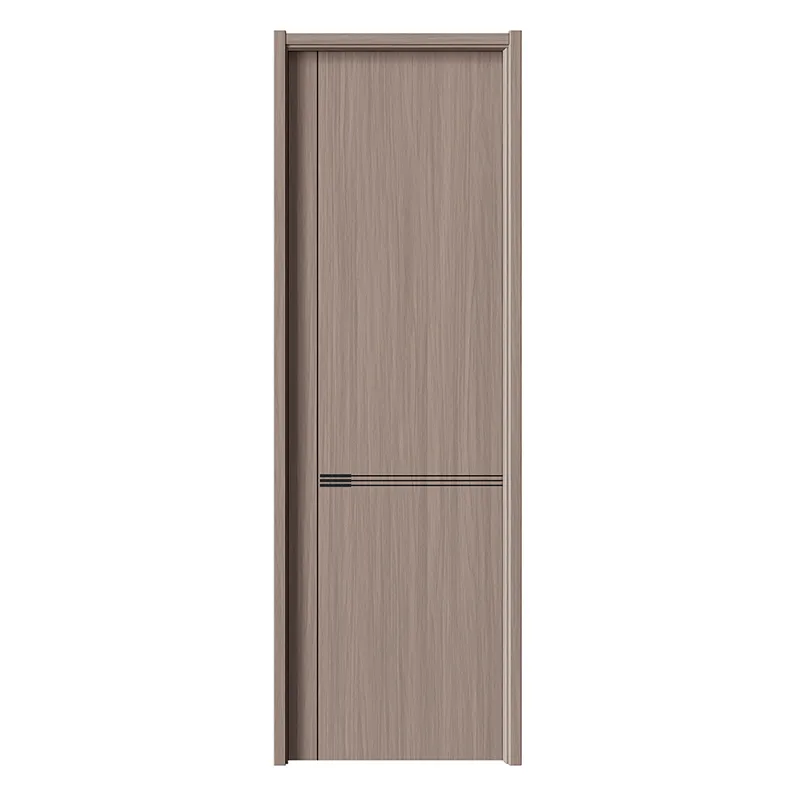 YST-1039 Door Translucent light shadow 3
 -
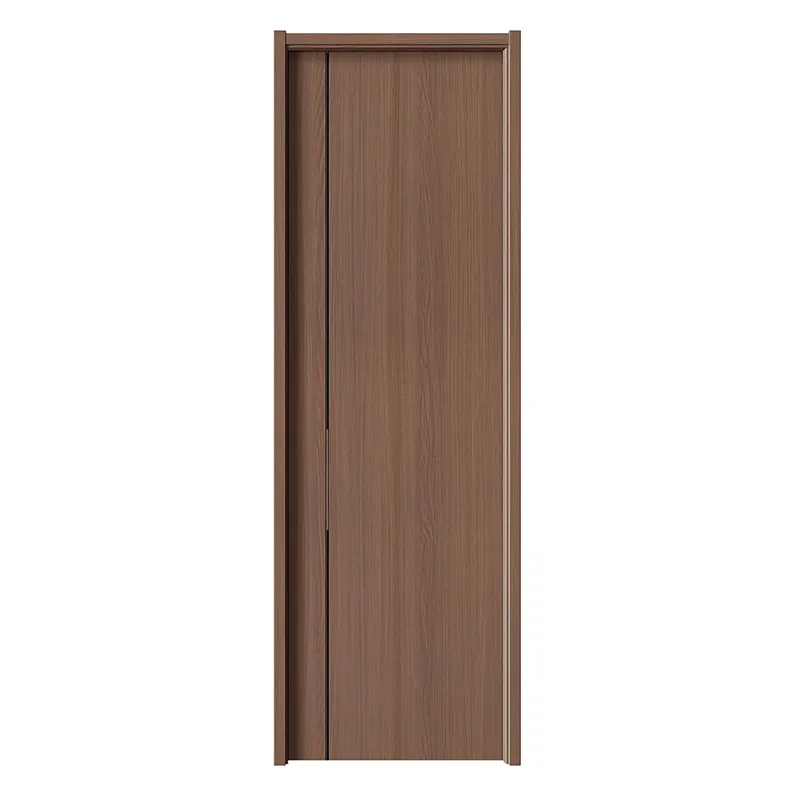 YST-1043 Door Techno-walnut 3
 -
 YST-WPC4 Door
 -
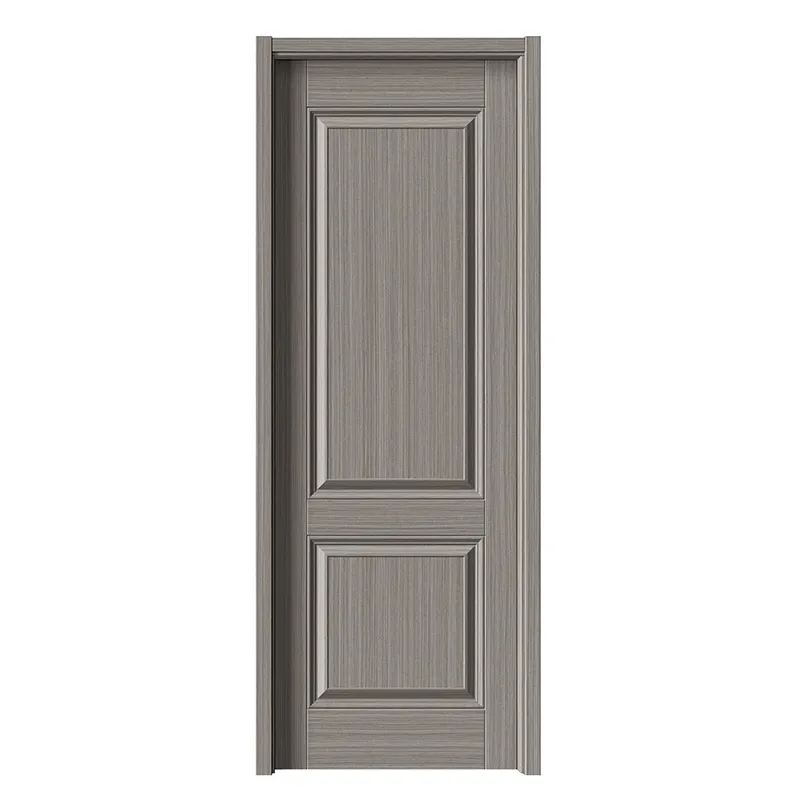 YST-214 Door Technowood 2
 -
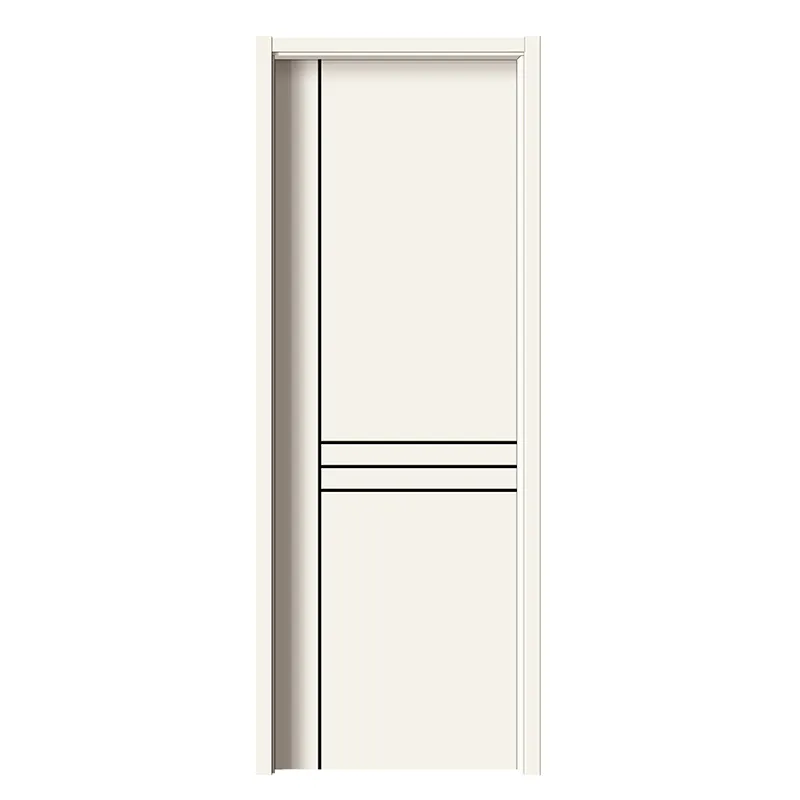 YST-220 Door Warm white
 -
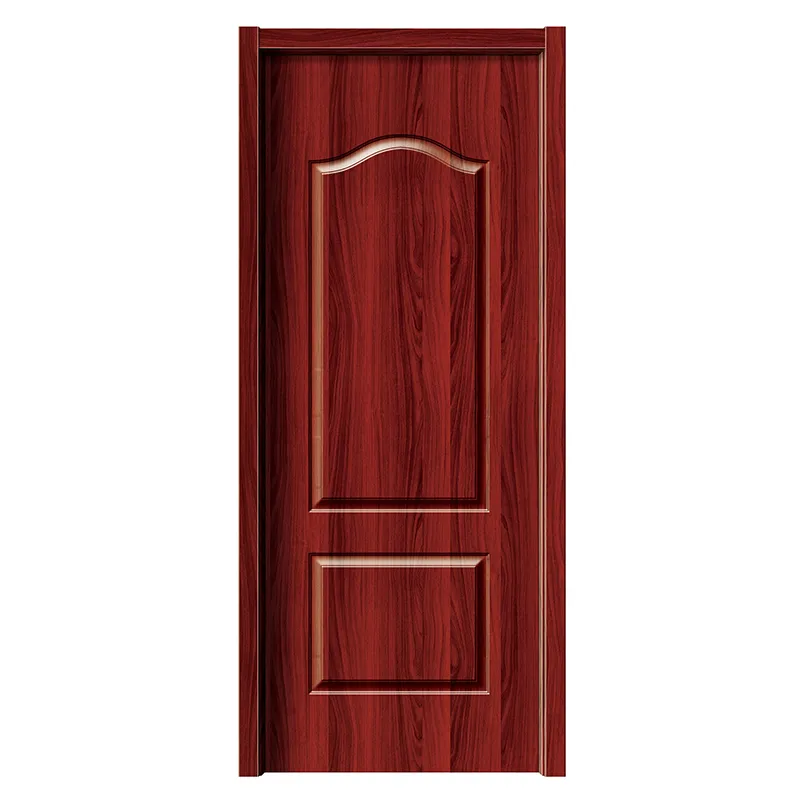 YST-207 Door Red team
 -
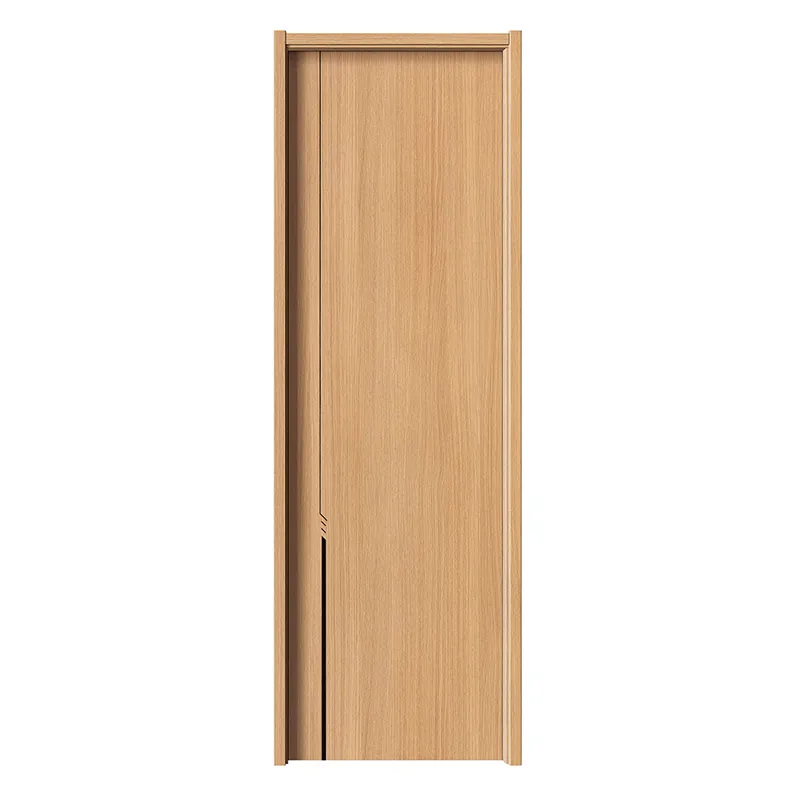 YST-1041 Door Oak Shutter
 -
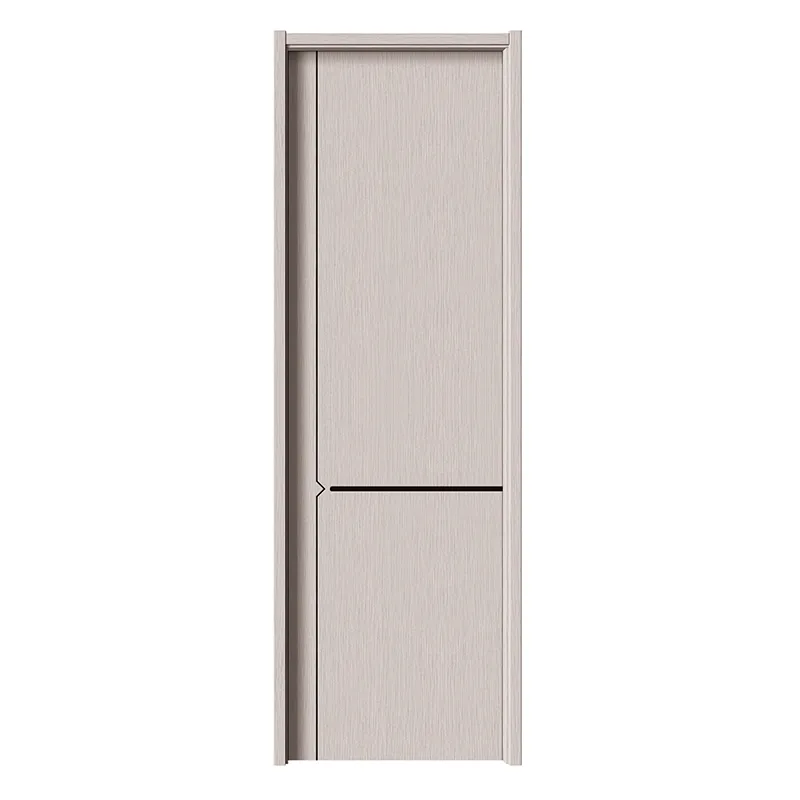 YST-1024 Door Chiaroscuro wood 1
 -
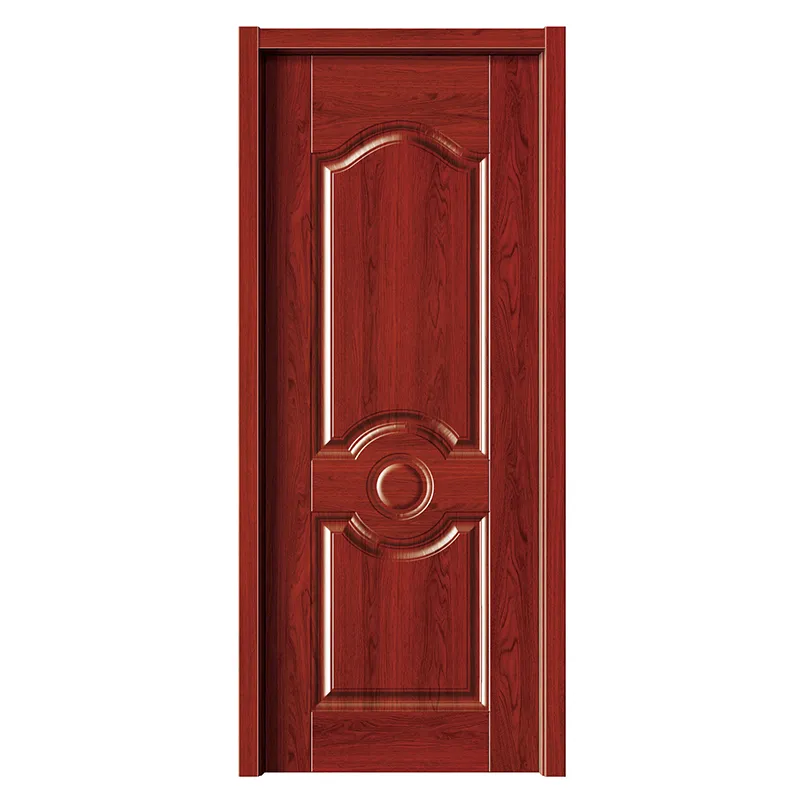 YST-208 Door Red Sandalwood
 -
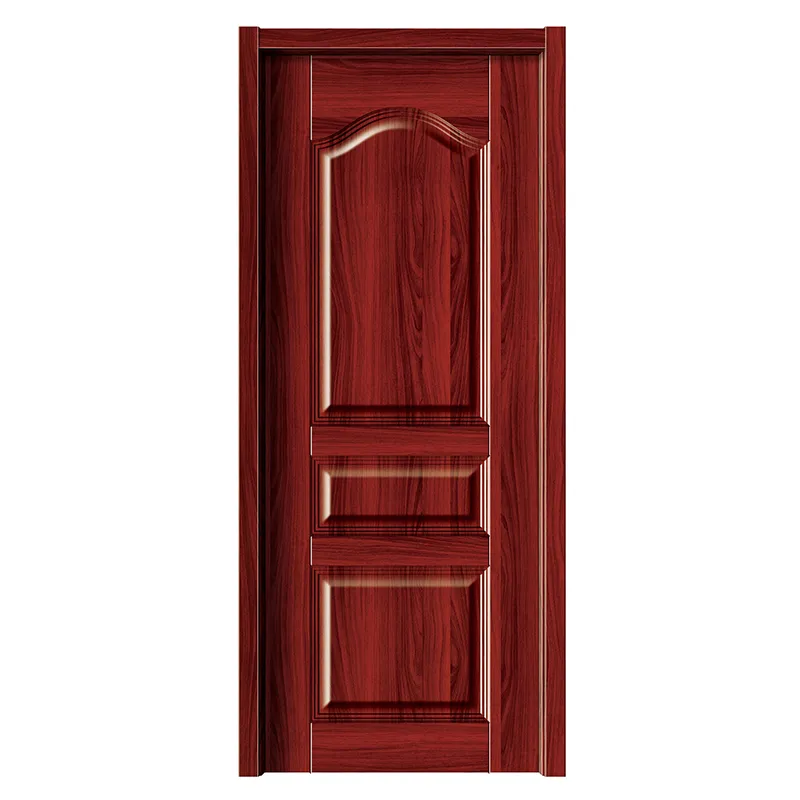 YST-203 Door Red team
 -
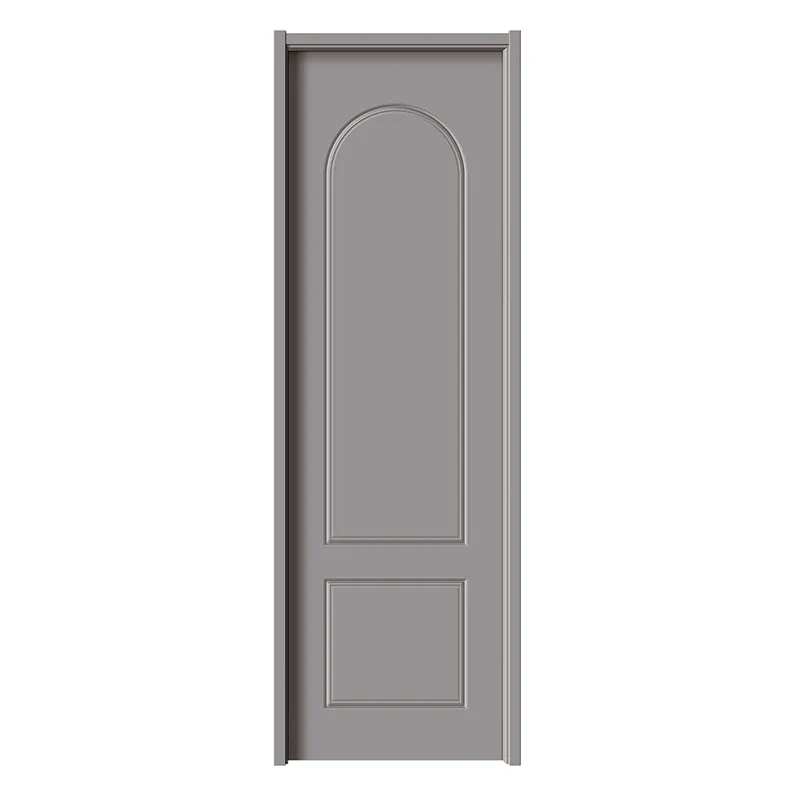 YST-241 French Door 1 soft stone gray
 -
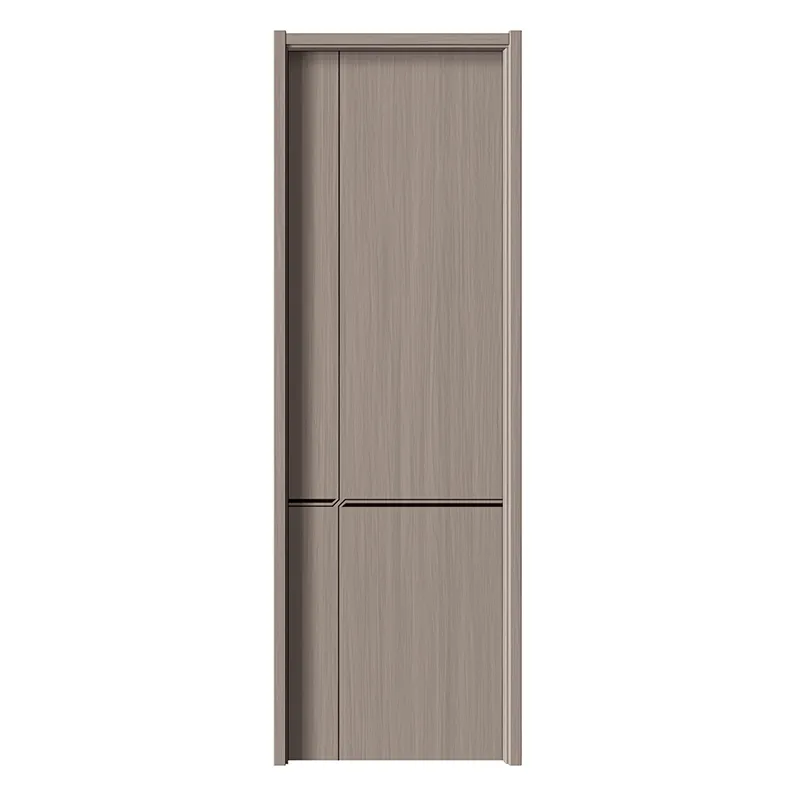 YST-1010 Door Translucent light shadow 3