




Composite interior door
When you hear “composite interior door?”, the first thing that comes to mind is probably something between MDF and solid wood, a kind of golden mean. And this is the main mistake of many buyers, and some colleagues in the shop. They immediately begin to look for “wooden?” in the lineup, and then there’s a surprise. Composite is not about imitation wood, it is about a completely different physics of the canvas. For a long time I thought that this was simply a more technologically advanced version of the good old frame with honeycomb filling, until I opened several samples from different suppliers, including productsAnhui Wantai Woodworking Co.,Ltd (https://www.anhuiwantai.ru). Their approach forced us to reconsider some long-held views.
What does a sandwich actually consist of?
If we look at the layers, then a classic composite interior door is most often a frame made of dried pine timber, but not solid, but with technological grooves. Stiffeners made of the same MDF or, less commonly, plywood are pressed into these grooves. And here comes the most interesting part. The space between the ribs is filled not with honeycomb cardboard, but with slab material. Most often this is an MDF board, but high density is HDF. Sometimes there is a combination with fragments of chipboard. This is no longer a void, but a monolithic slab, cut into segments and inserted into a frame. Hence the weight and the feeling of “integrity?” when tapped.
Why is this important? Because many manufacturers in the economy segment emulate this effect by simply making a continuous fill of low-density pressed chips. The door is similar in appearance, but after six months or a year it begins to “sag” and sagging appears. Ucomposite interior doorfrom a sane manufacturer, the same Wantai, the frame and filling are selected according to the coefficient of linear expansion. That is, the materials “work?” together during changes in humidity, and not against each other. This can be seen from the joints at the end - on a high-quality door, the gaps between the inserts and the frame are minimal and stable.
In practice, this results in the following: such a door does not “walk?” in the doorway with the changing seasons. I installed it in a cottage with a poor ventilation system - the humidity difference was from 40% to 70% over the winter. Conventional panel doors with cardboard filling led, and composite doors from the sameAnhui Wantai Woodworking Co.,Ltd- stand straight. But there is a nuance here: this only works if the manufacturer really follows the technology of drying the wood for the frame. The damp timber will shrink and the entire geometry will float, despite the high-quality filling.
Finishing: where the main deception is hidden
Here is a field for marketing manipulation. Often, under the guise of a composite door, they sell an ordinary door covered with veneer or PVC film. The essence of the composite is not only in the “filling”, but also in the cladding. A real composite interior door almost always has a base covering of natural veneer or modern material such as CPL plastic with a high degree of wear resistance. Why? Because the very design of the canvas, its density and weight, require the same strong and stable “skin”.
I worked with samples where finishing film was used. It fits normally on a light frame door, but on a heavy composite door, over time (a year or a year and a half), microcracks begin to appear on wide panels or smooth facades, especially along the edges. This is a consequence of the different reaction of the base and coating to vibration when closing. The heavy door slams with greater inertia. Therefore, serious manufacturers, like this company, focus on a multi-layer varnish coating on veneer or on hard CPL plastic, which is glued to a base prepared with a primer in a special way - by hot pressing.
There is also a moment with edges. For cheap analogues, the edge is simply a glued strip of PVC. For a real composite door, the end is either part of a monolithic structure (if the leaf is smooth), or it is profiled and covered with the same material as the facade. This is more difficult to produce, but eliminates peeling. On the websiteanhuiwantai.ruin the description of their approach to quality control, this idea is precisely guessed: strict control at all stages, from raw materials to finishing. For composite structures, these are not empty words, but a necessity.
Installation: unexpected difficulties that are kept silent
It would seem that you put the box, hung the canvas - and that’s it. This is not the case with composite doors. Their weight is the main challenge. A standard canvas 80 cm wide can weigh 25-30 kg, or even more. Regular butterfly loops or even detachable card loops often don’t work here. We need reinforced ones, with at least 4 bearings, or better yet, hidden ones. And the box must be assembled not with nails or small screws, but with powerful fasteners, with the obligatory use of anchors in the wall.
I had an unpleasant experience about five years ago. We ordered expensive Italian composite doors for the client, and the installers, out of habit, installed them on standard hinges. After three months, the hinges began to loosen and the canvas sagged. I had to redo, strengthen the box and install new fitting systems. Since then, I have always recommended and used hidden canopy systems for heavy composite canvases. They are more expensive, but distribute the load differently. Manufacturers like Wantai often offer ready-made solutions - sets of doors with already selected reinforced fittings, which greatly simplifies the life of installers.
Another point is sound insulation. Many people expect a miracle from a composite door, because it is “heavy and solid”. But if the inside is just dense slabs without additional layers, then it dampens the sound only slightly better than a frame one. True sound insulation is achieved when the ?sandwich? a layer of mineral slab or cork is added. But this is a piecemeal, more expensive product. In the standard series of most factories, including the one mentioned, this option may not be available. This needs to be clarified separately.
Price and market: what are you really paying for?
Cost is the most painful issue. goodcomposite interior doorcannot cost as much as MDF canvas. Raw materials are more expensive, technology is more complex, and the production cycle is longer. If you see a low price, it is most likely an imitation. Either the frame is made of raw wood, or filled with low-grade chipboard, or thin veneer with cheap varnish. All this will come out later.
Companies that work for the future and export, likeAnhui Wantai Woodworking Co.,Ltd, forced to hold the bar. Their concept is “to build a business on precision, to win with quality?” - this is not just a slogan for the site. You can’t enter the international market with hackwork; they check both for compliance with standards (for example, formaldehyde emissions) and for geometry stability. Their products, judging by the description, are precisely aimed at meeting the diverse needs of residential and commercial spaces, and this requires a reliable, predictable product, which is what a well-made composite door should be.
Where can this be seen in money? Let's say a standard MDF door with film - conditionally 100 units. High-quality composite with veneer and multi-layer finishing - 180-220. The difference is huge. But it consists of the cost of a denser filler, expensive glue that will not “steam” veneer, multi-stage processing and varnishing. Plus logistics - such doors are heavier, more difficult to store and transport without damage. Therefore, when you choose, you need to look not at a beautiful picture, but at the weight of the canvas, at the description of the structure, at the guarantee. And always ask for real photos of the end and internal structure, at least as a sample.
Conclusions that came with experience
So is it worth getting involved with composite doors? If you just need a partition - no, it's redundant. If you need a door to a bedroom, an office, to a room where silence, a sense of solidity is important and where there are no sudden changes in climate (after all, it is wood and wood derivatives at the core) - then yes, this is an excellent choice. But choose with caution.
You need to clearly understand what you are buying: a real composite with thoughtful engineering or a heavy imitation. And here the reputation of the manufacturer is important, as it invests in a modern production base and design, as stated in Wantai’s profile. Such companies usually do not hide what is inside their product and provide sane technical descriptions.
For me personally, a composite interior door has ceased to be a mysterious “something in between?” This is a specific technology with specific advantages (stability, strength, good base for finishing) and disadvantages (price, weight, installation requirements). The main thing is not to be fooled by beautiful words, but to look at the essence: what’s inside, how it was collected and who collected it. As in any other business related to construction and materials.
Correspondingproducts
Related Products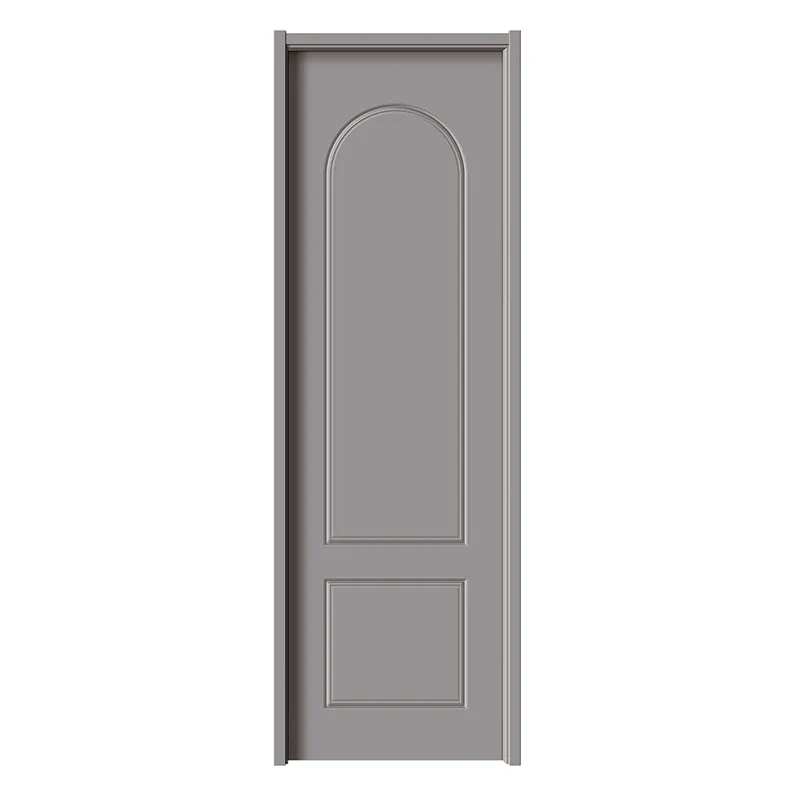
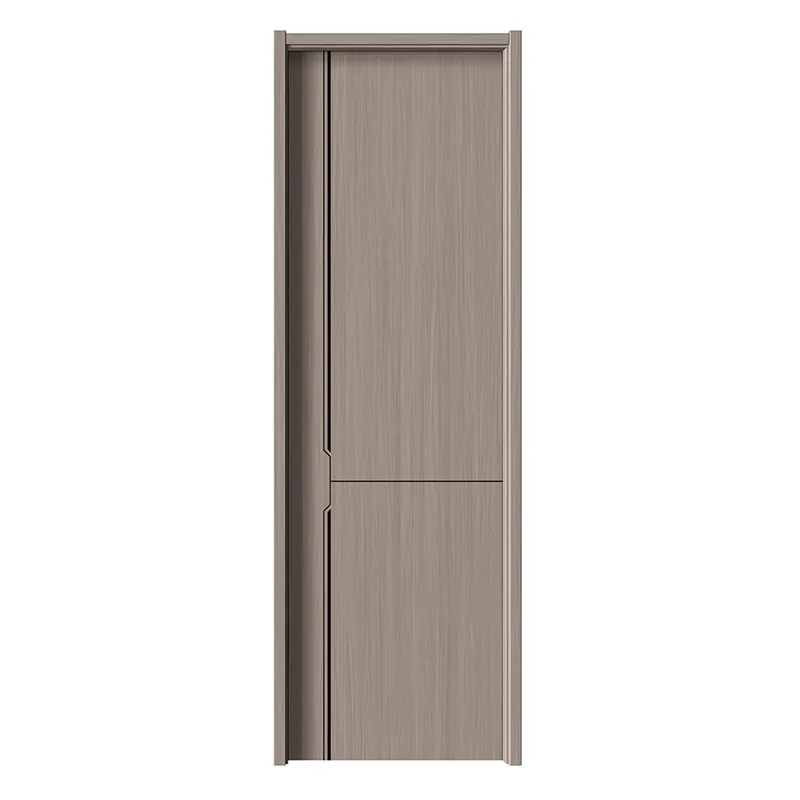
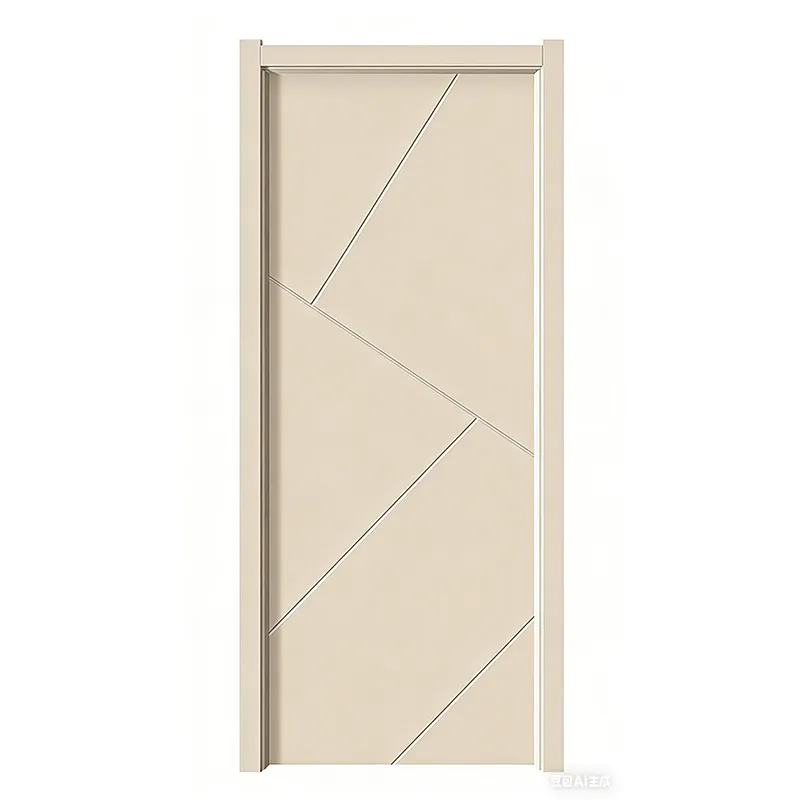
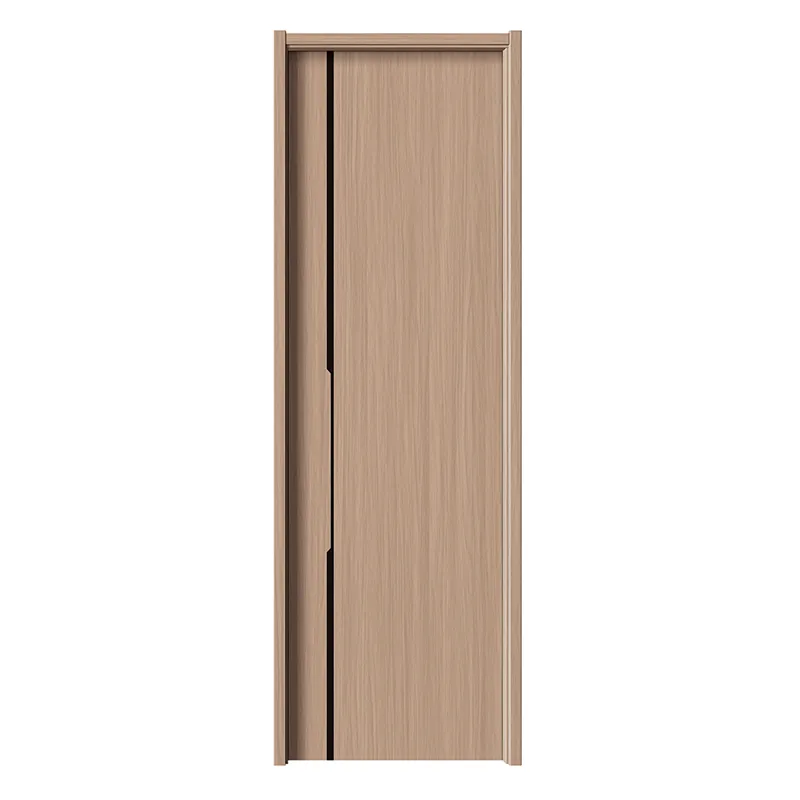

Best Sellingproducts
Best Selling Products-
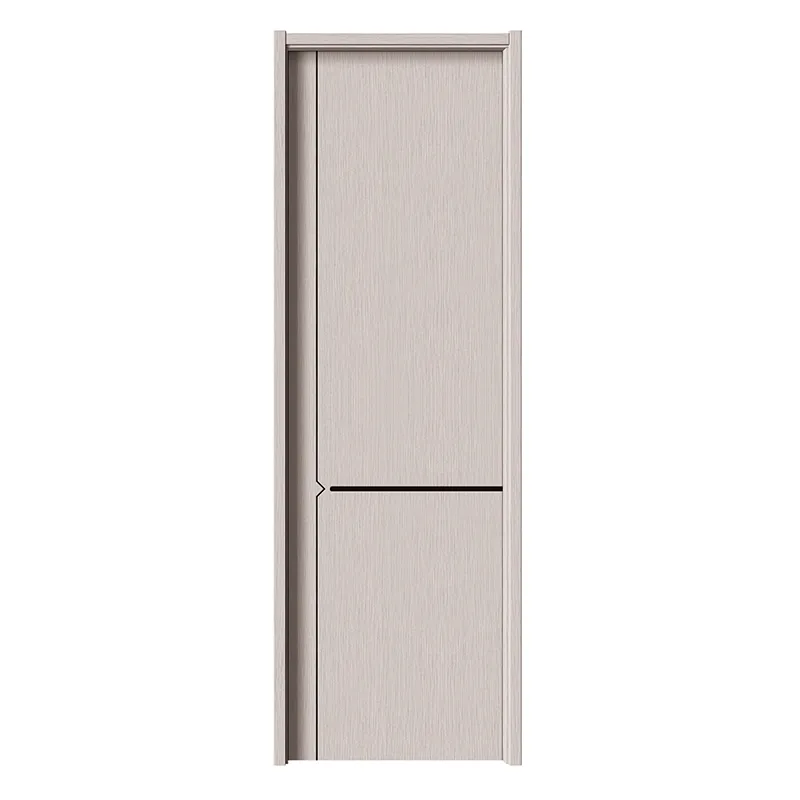 YST-1024 Door Chiaroscuro wood 1
 -
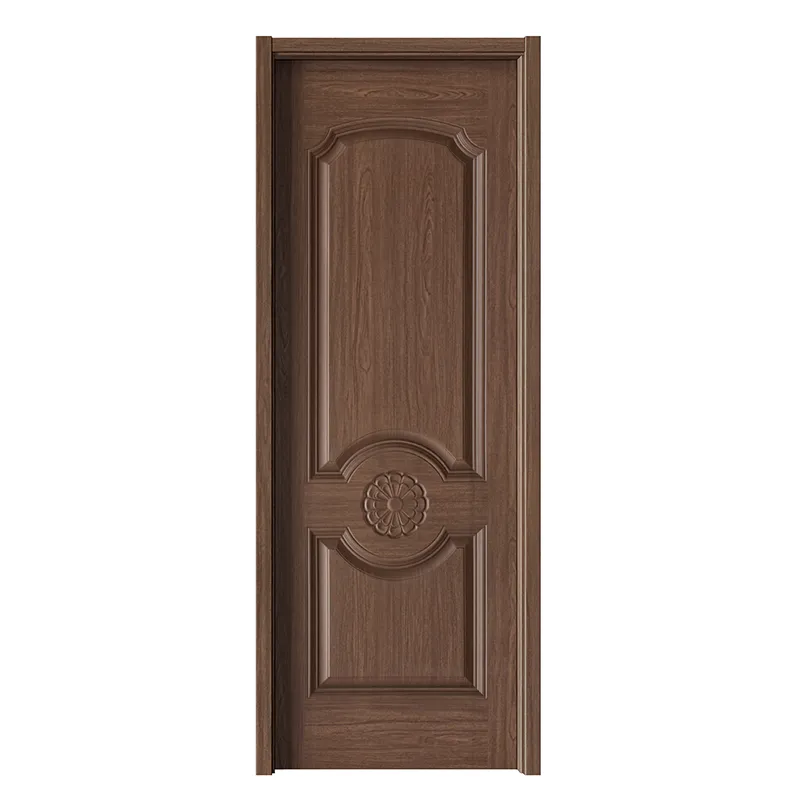 YST-212 Door North American Oak 2
 -
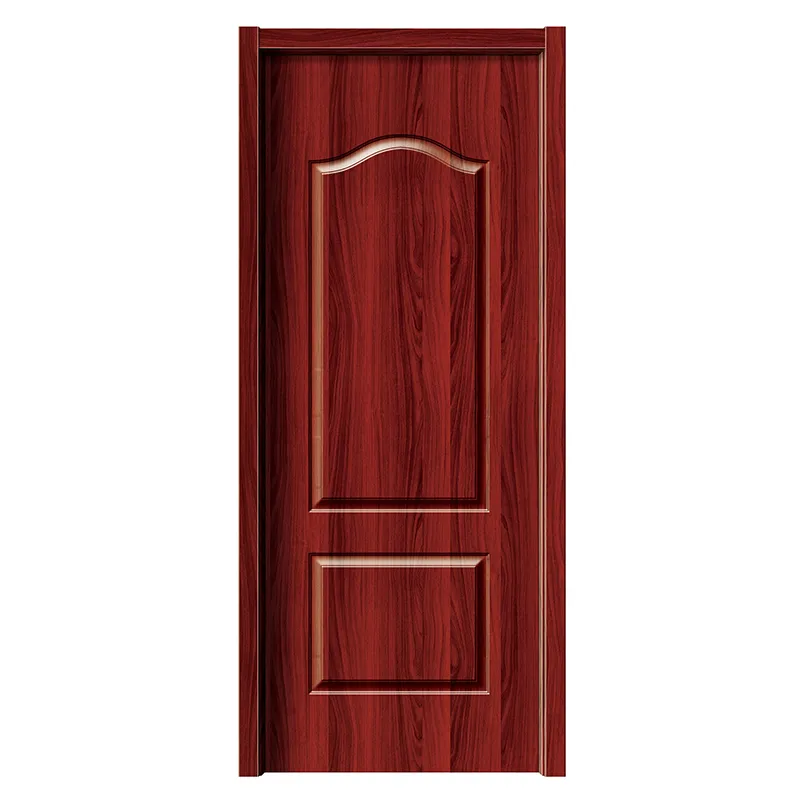 YST-207 Door Red team
 -
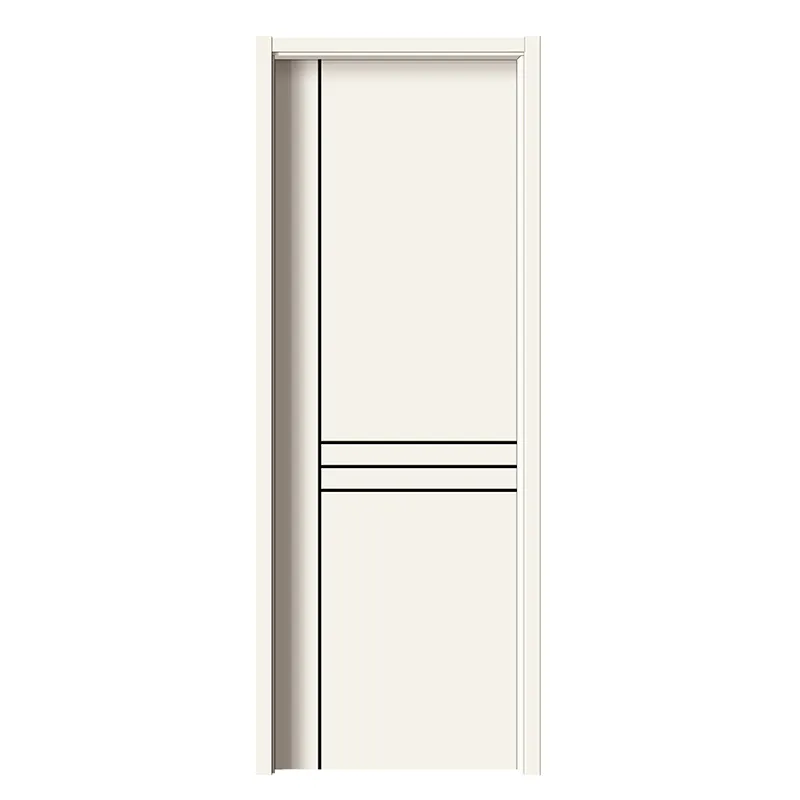 YST-220 Door Warm white
 -
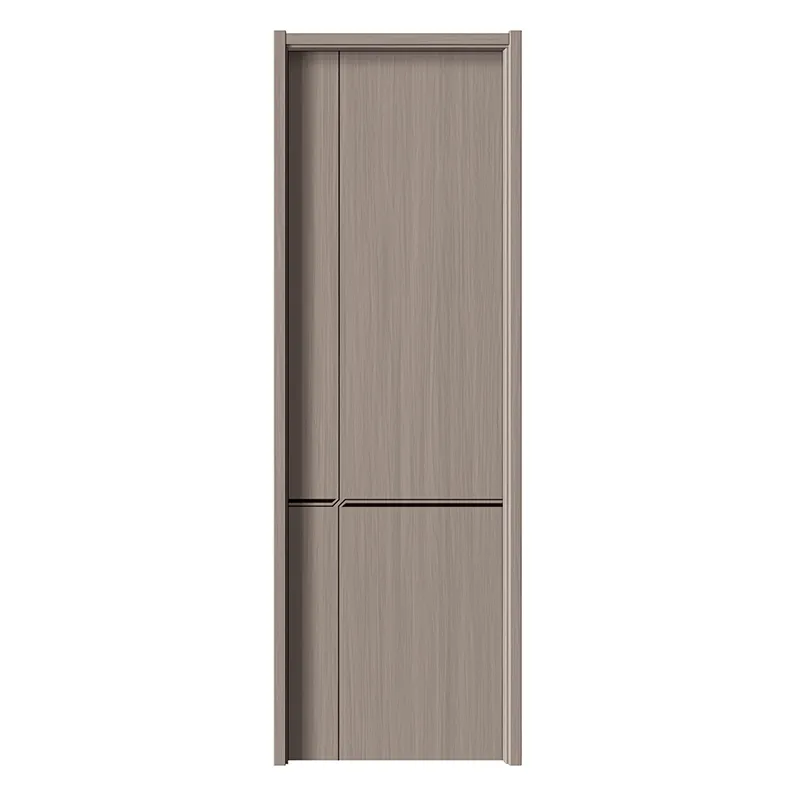 YST-1010 Door Translucent light shadow 3
 -
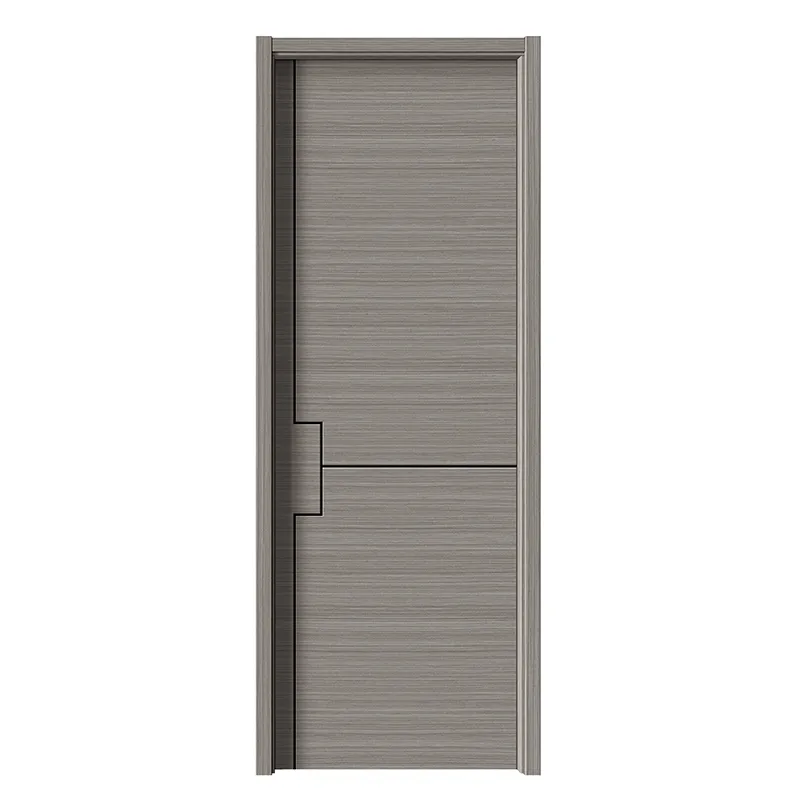 YST-1005 Technotree Door 2
 -
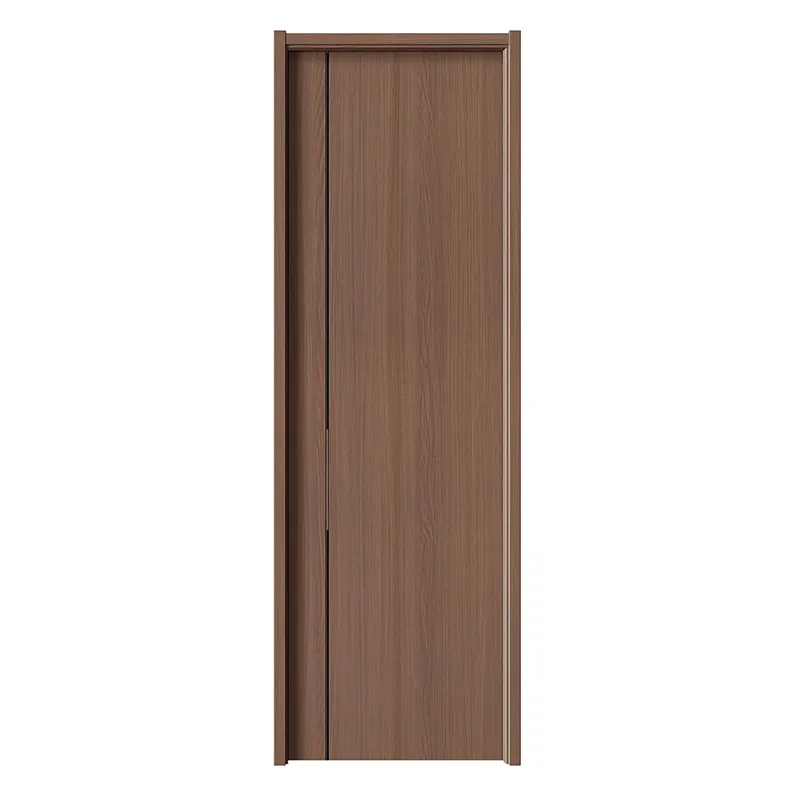 YST-1043 Door Techno-walnut 3
 -
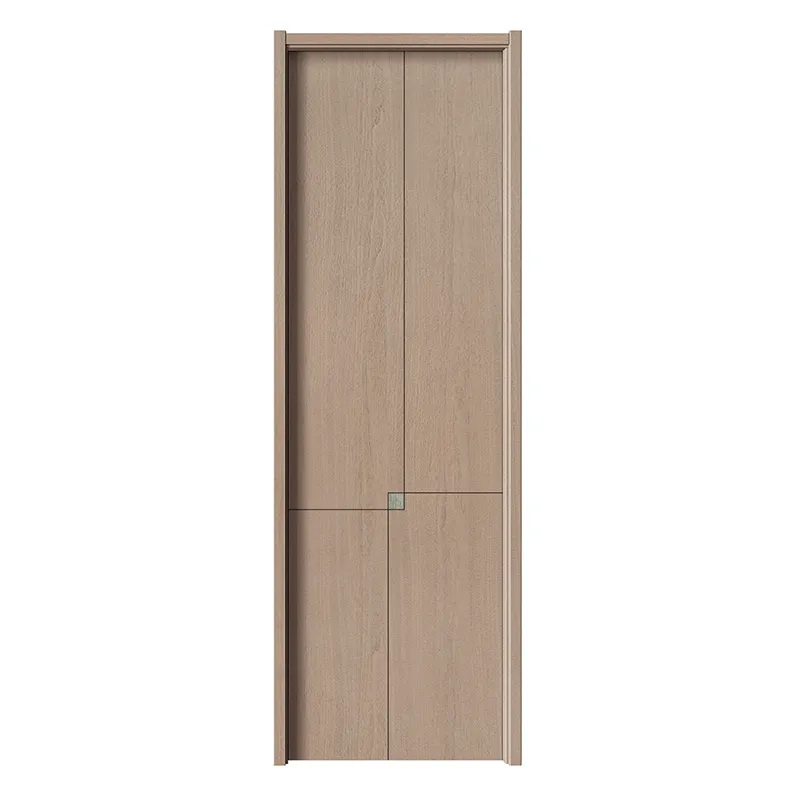 YST-1008 Door Natural walnut 2
 -
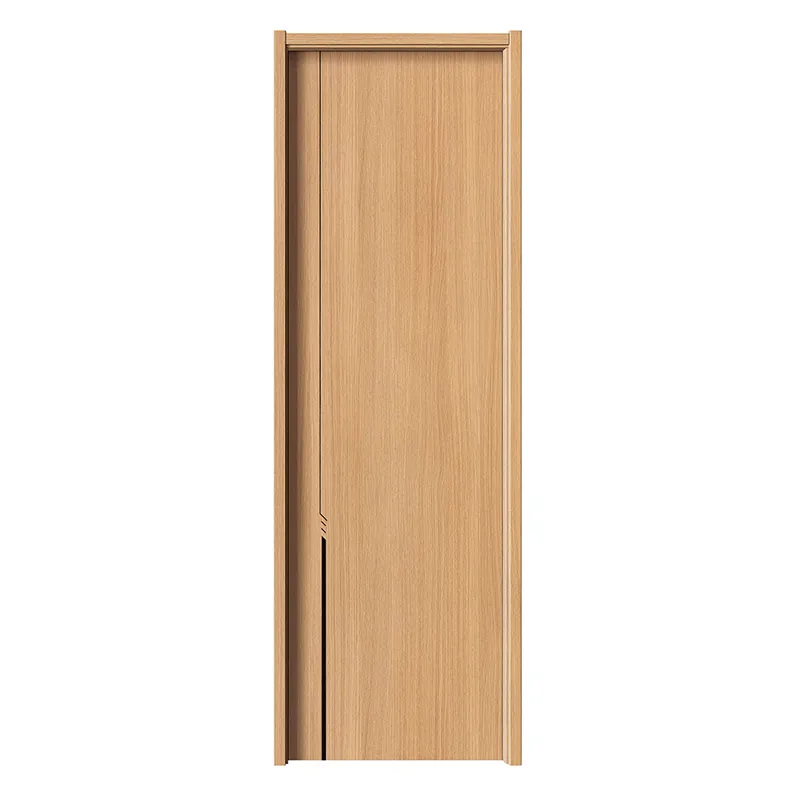 YST-1041 Door Oak Shutter
 -
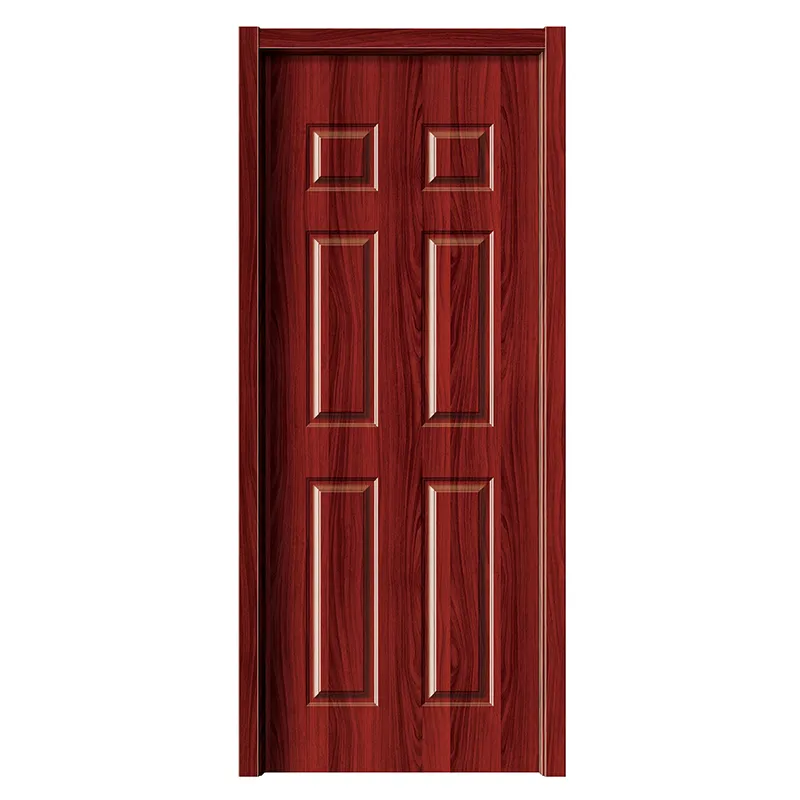 YST-201 Door Red team
 -
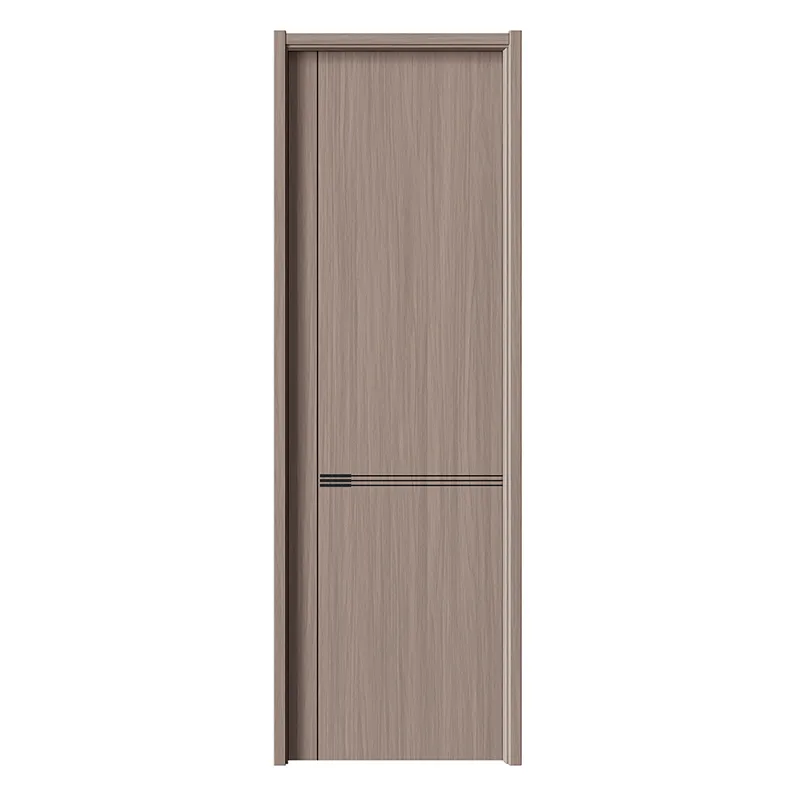 YST-1039 Door Translucent light shadow 3
 -
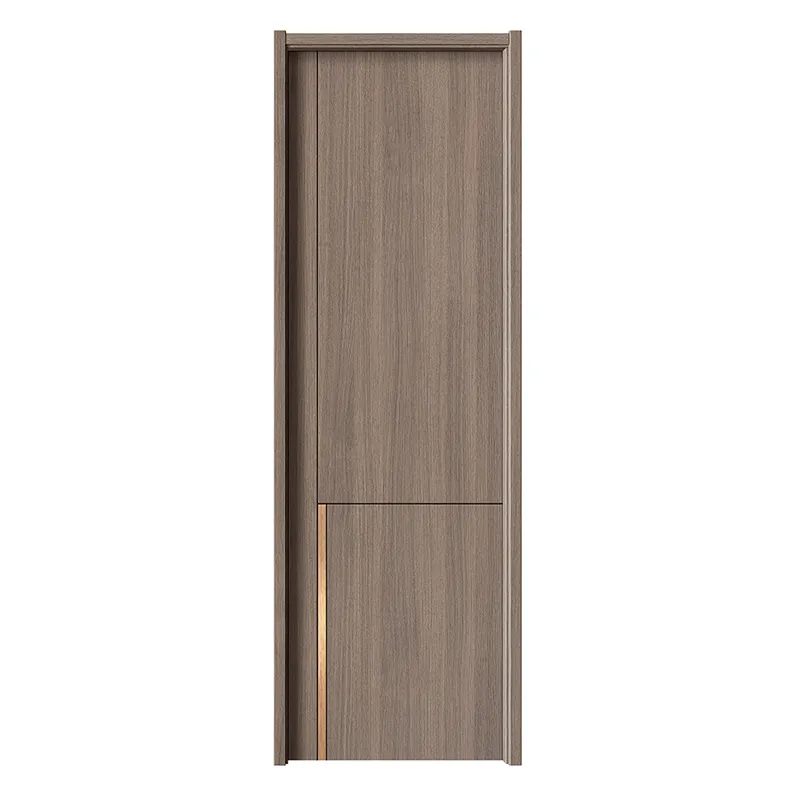 YST-1003 Door Oak gray