



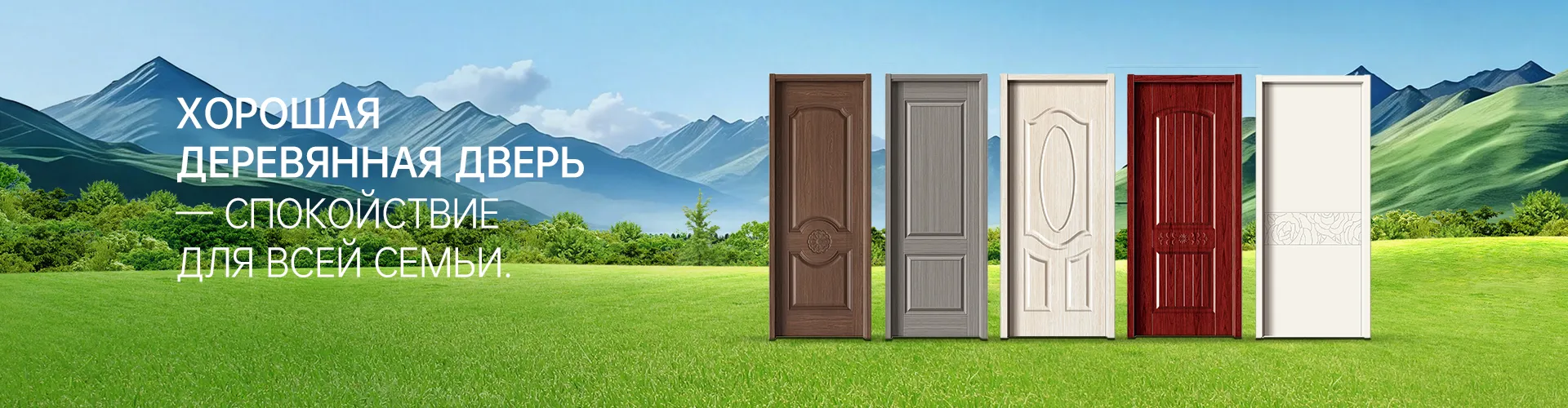
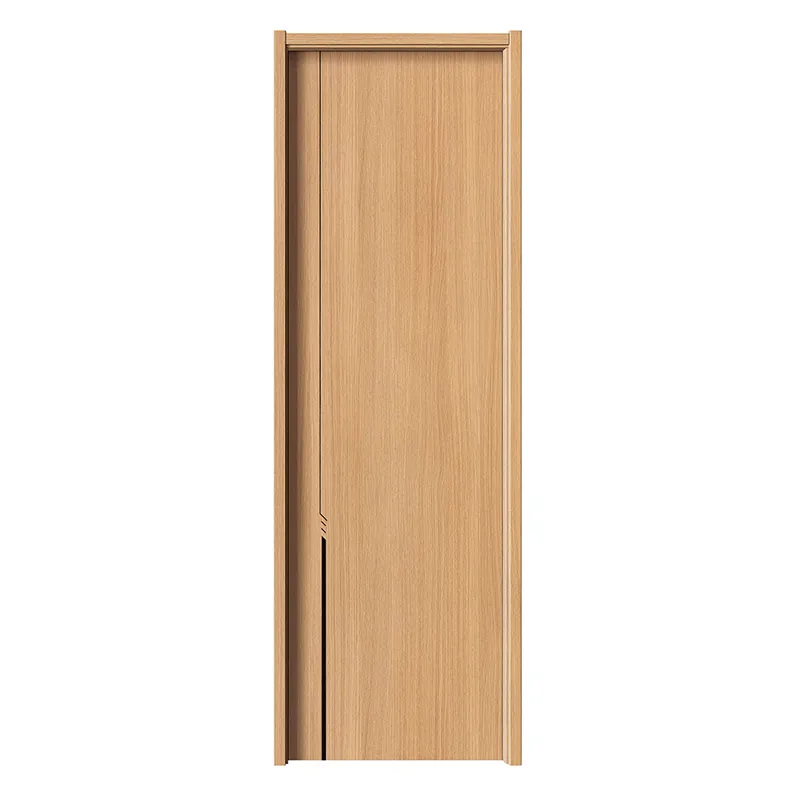
Wooden door in simple European style
When a client says “simple European style?”, an image immediately appears in his head - something laconic, without unnecessary carving, perhaps with an emphasis on wood texture. But in practice this concept is blurred. Many people confuse it with minimalism, others with cheap “basic” style. model. In fact, the key here is the proportions, the profile of the canvas and, what is often overlooked,accessories. She is the one who sets the character. You can take the simplest solid wood panel, but add massive hidden-mounted hinges and a handle-bracket - and here it is, a hint of that same Northern European charm. A mistake I often saw early in my work was trying to achieve “simplicity.” through cheaper design. As a result, the door turned out not to be “simple”, but simply boring and unreliable.
What is hidden behind the ?simple? façade?
Design. It would seem that it could be simpler - a whole canvas, paint. But simplicity of execution is the most difficult. Let's say we are talking about a door made of solid pine. So that it does not behave through the season, you need proper drying and gluing of the lamellas. I have seen examples where raw wood or weak glue was used to save money. The result is cracks and deformation that are not “European style”. they won't save you. Therefore, now I always first of all look at the end and how the panel is assembled, if there is one. Real qualitywooden doorin this style you can often see a thin but clear profile of the panel, recessed relative to the frame - this creates a play of light and shadow, adding depth.
Coating. There's a whole science here. Matte varnish, matte paint, oil and wax - each option has its own character and requirements for surface preparation. Clients sometimes ask for a “white matte door, like in a Scandinavian interior?”. And here it is important to explain that a perfectly flat white plane will highlight the slightest flaw in the wood or poor-quality putty on knots. A coating that shows a slight texture is more common and more practical. One of the successful projects where this worked - we used a door made of solid ash with a white matte glaze composition. The texture remained visible, creating a vibrant, non-plastic appearance. This is part of that very style - naturalness, rawness, but in a very neat and thoughtful form.
Fittings are a separate issue. Loops. For a light pine door, two standard ones may be enough. But if the canvas is massive, made of oak, even the simplest in design, you need three or even four hinges, otherwise sagging is guaranteed. Or hidden hinges - they provide that same clean, undisturbed end, but require perfect accuracy when inserting. A mistake of a couple of millimeters and the door won’t close. I learned from my mistakes, in the literal sense of the word.
Practice: from drawing to object
I remember an order for a series of interior doors for a country house near St. Petersburg. The architect gave a clear brief: “simple European style, light oak, hidden hinges, minimal porches?” Everything seemed clear. But when we started discussing details with production, nuances emerged. What exactly is the profile of the narthex? Quarter or groove? This affects the perception of the thickness of the canvas and sound insulation. We settled on the version with a groove and a magnetic seal - visually thinner, functionally better.
It is worth noting here that not all manufacturers are ready to delve into such subtleties. Often the flow follows standard cards. But when you work with detail-oriented companies likeAnhui Wantai Woodworking Co.,Ltd(their website ishttps://www.anhuiwantai.ru), the process goes differently. Their approach, which they formulate as “building a business on precision, winning with quality,” is actually felt. In that project we requested a non-standard door height. Instead of saying ?no? or request a cosmic surcharge, their team sent calculations to strengthen the structure to avoid deflection. This is working for results.
There were some surprises at the site, too. One of the door frames stood up with a little tension - the wall turned out to be not perfectly level. I had to choose: trim the box a little or plaster the wall. We chose the first one so as not to delay the deadline. But this once again confirmed the rule: “simple?” the door requires “difficult”, careful preparation of the opening. Any distortion will kill the entire aesthetics.
Where simplicity borders on premium
Interesting point: oftensimple european stylein fact it turns out to be more expensive than the pretentious classic one. This is because there is nowhere to hide flaws in it. Every knot, every joint, every millimeter of gap is visible. This requires the highest grade of wood, precision processing and perfect assembly. Clients are sometimes surprised by the price difference between ?simple? a smooth oak door and a door with applied moldings. I explain that on moldings you can hide the joint of the panels, but on a smooth canvas - not, it must be glued together flawlessly.
Materials. Pine, alder, oak, ash - each is selected for the task. For the humid climate of a hallway or unheated cottage, pine may not be the best choice - it is soft and hygroscopic. Ash or oak are more stable. But there are pitfalls here too. Oak is heavy and requires reinforced fittings. Ash has a bright texture, which does not suit everyone’s concept of “calm?” interior Sometimes a compromise is optimal - for example, a frame made of pine, lined with ash veneer. This reduces weight and cost while maintaining appearance. CompanyAnhui Wantai Woodworking Co.,Ltdjust notes in his philosophy the importance of selecting raw materials and controlling processes, which is critical for such hybrid structures - different materials behave differently, and their combination must be calculated.
Another premium aspect is the opening system. Built-in closer, hidden magnetic latches - these seemingly technical elements become part of the design. The door closes smoothly, silently, there is no click. This is the same inconspicuous quality work that creates a feeling of style and comfort. This is more difficult to do than screwing on a regular knob handle.
Mistakes that teach
I had an experience that I don’t really want to remember, but which taught me a lot. The customer wanted the most budget option “for Europe”. We found an inexpensive manufacturer who made doors from damp alder with an oak finish. Installed. Six months later - a call: the doors had darkened in spots, some had cracks. The reason is a violation of drying technology and cheap finishing materials. I had to disassemble it, compensate for part of the loss, and look for a replacement. Since then, I have firmly understood: saving on the quality of materials and processes in the case of wooden doors is not saving, it is deferred additional costs and a damaged reputation.
Another common mistake is ignoring operating conditions. We installed a beautiful solid wood door in a bathroom with poor ventilation and ended up with swelling. Or on the sunny side without UV protection - fading. Now I always ask leading questions: what kind of room, what humidity, what kind of heating, how much direct sun. Based on this, I recommend the material and type of coating. Sometimes you have to talk yourself out of pure solid wood in favor of a high-quality veneered option with a more stable core.
And, of course, editing. You can buy the perfect door from the best manufacturer and ruin it with crooked installation. Gaps of a few millimeters around the entire perimeter, which should be uniform, are aerobatics. Not every installer is capable of this. Therefore, now I either work with proven teams who understand that they are dealing not with a cardboard box, but with a complex product, or I explain the requirements to the customer in as much detail as possible, with pictures, if he hires his own people.
Bottom line: simplicity as a conscious choice
So what's the bottom line?Wooden door in simple European style- this is not a primitive board on hinges. This is the result of precise calculations, understanding of the material, and attention to non-obvious details such as the profile of the edge or the type of protective coating. This is a story about how form follows function, but does not forget about aesthetics. Such a product, especially when it comes to entering the international market with its diverse requirements, likeAnhui Wantai Woodworking Co.,Ltd, requires from the manufacturer not just machines, but a production culture. Cultures where the designer, technologist and assembler speak the same language - the language of precision.
When choosing such a door, the client chooses not just an interior item. He chooses silence (if we are talking about good sound insulation), tactile sensations from warm wood, visual peace from the correct proportions. And yes, it's worth paying for. Because true simplicity, which brings joy for years, is never cheap. It can be thoughtful and well made. And when you find a manufacturer who shares this understanding, the work becomes not a struggle against circumstances, but a normal, predictable process with a good result. And this, in our field, is worth a lot.
Correspondingproducts
Related Products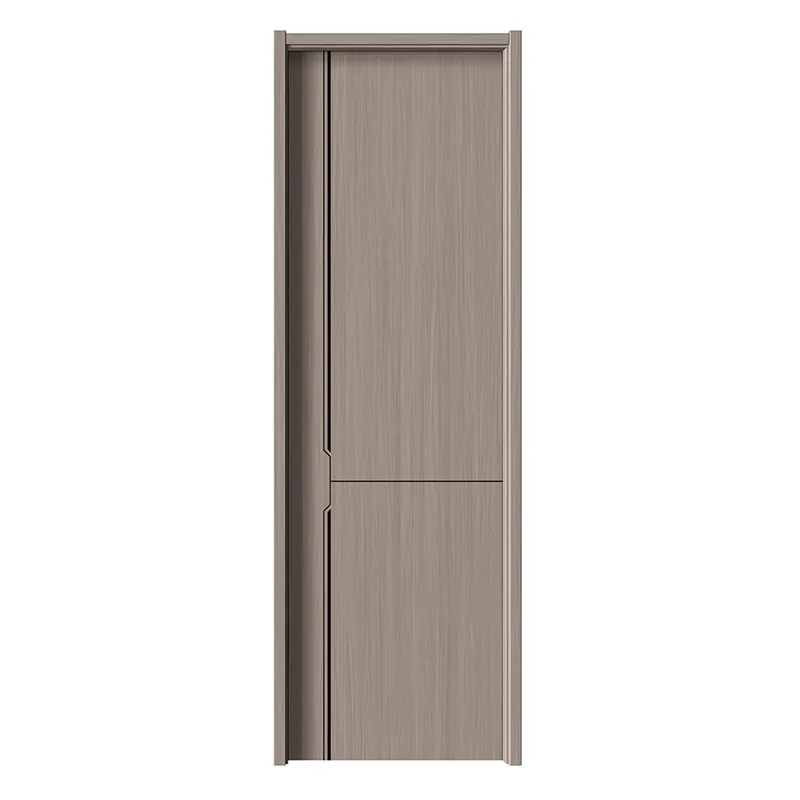
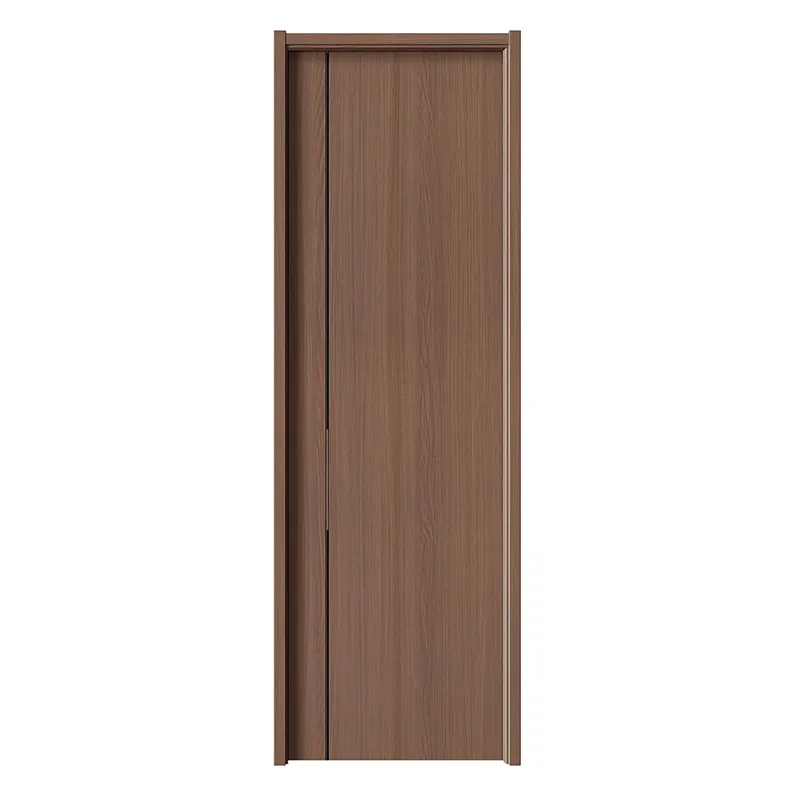
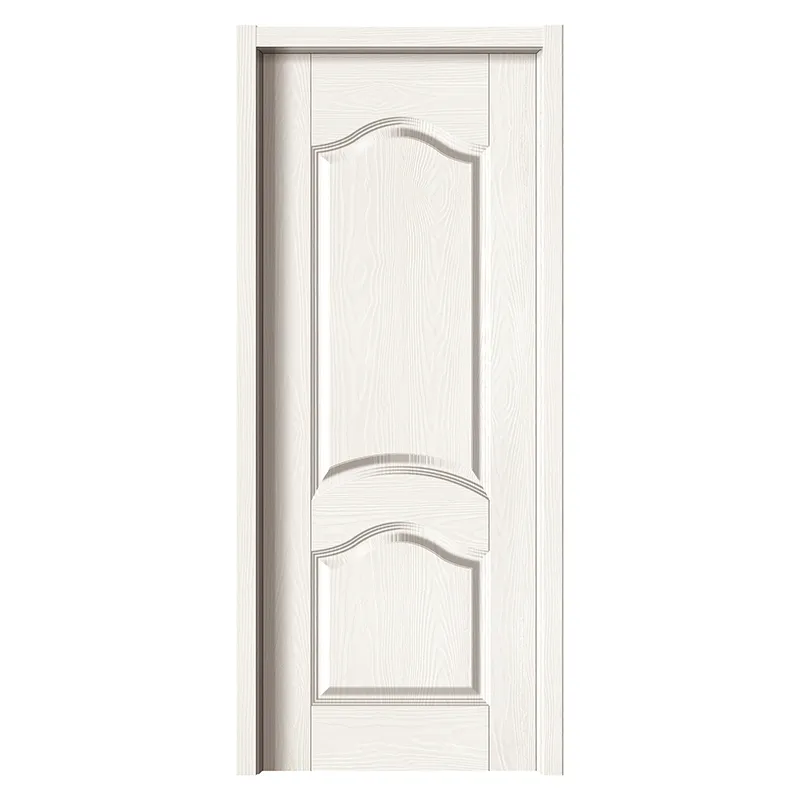
Best Sellingproducts
Best Selling Products-
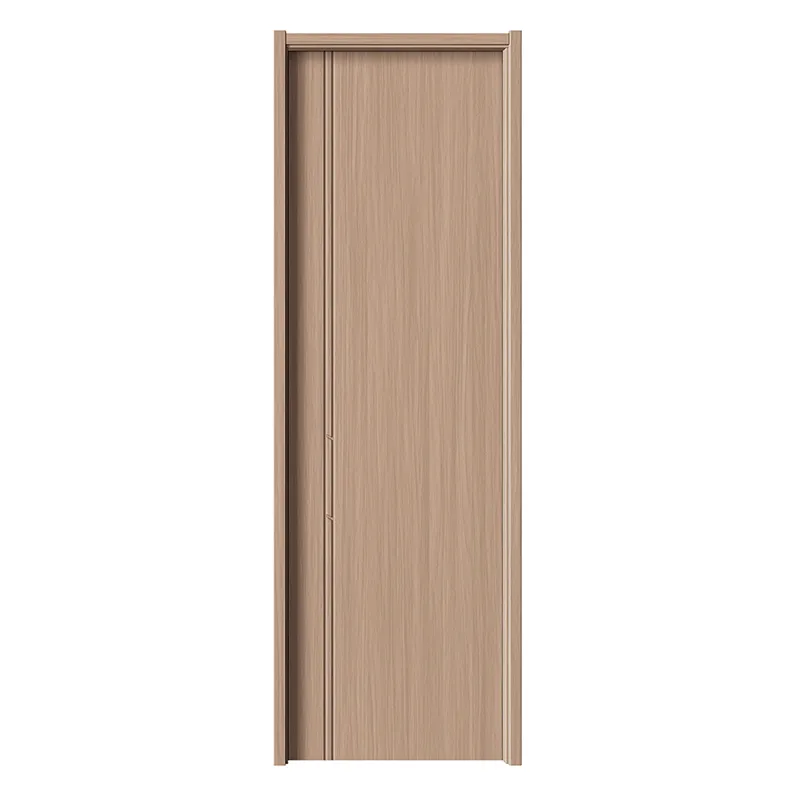 YST-1009 Door Translucent light shade 1
 -
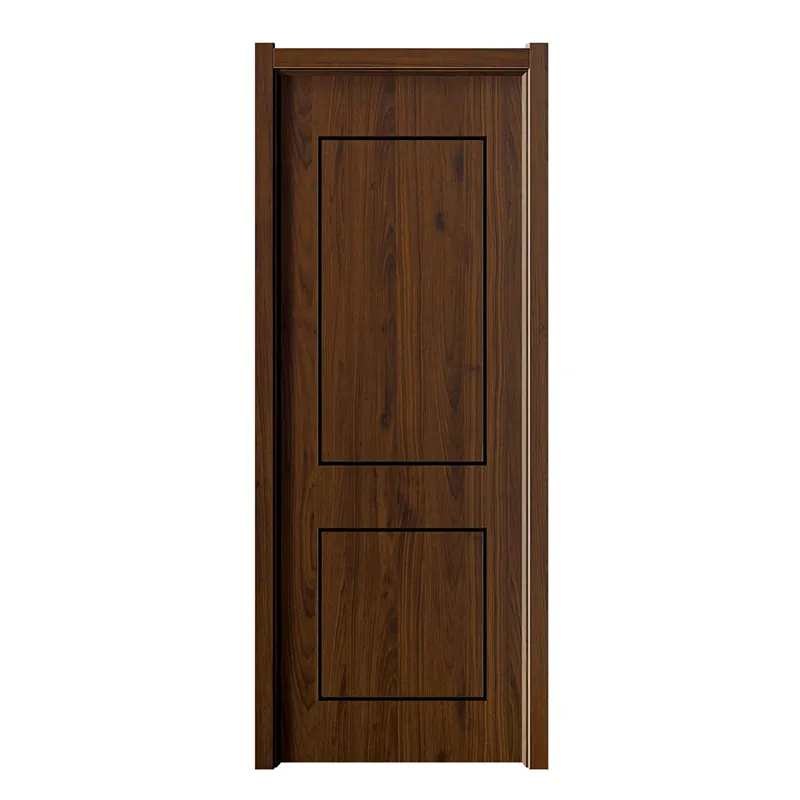 YST-WPC2 Door
 -
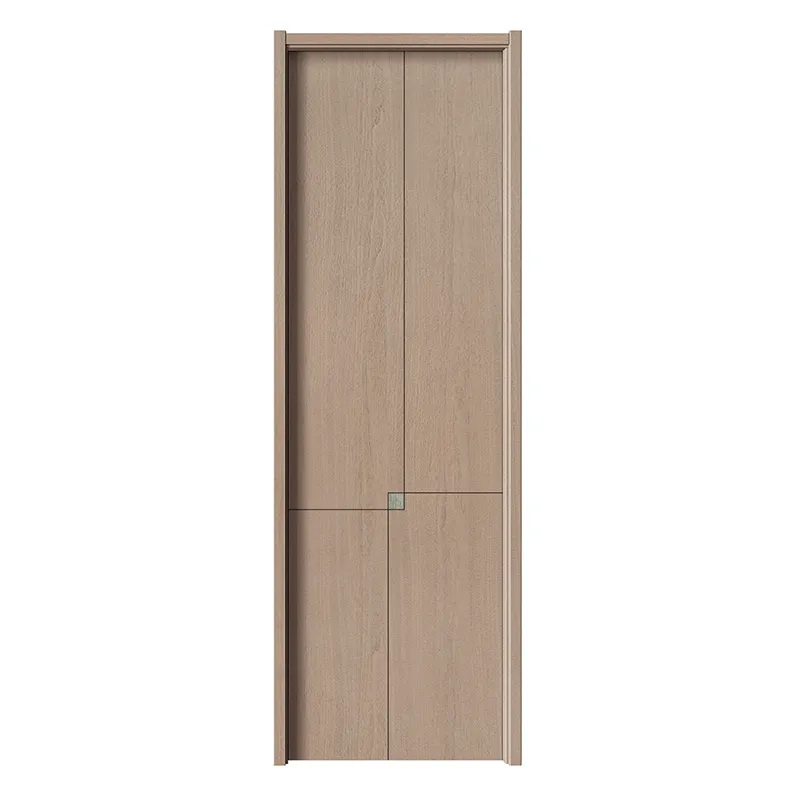 YST-1008 Door Natural walnut 2
 -
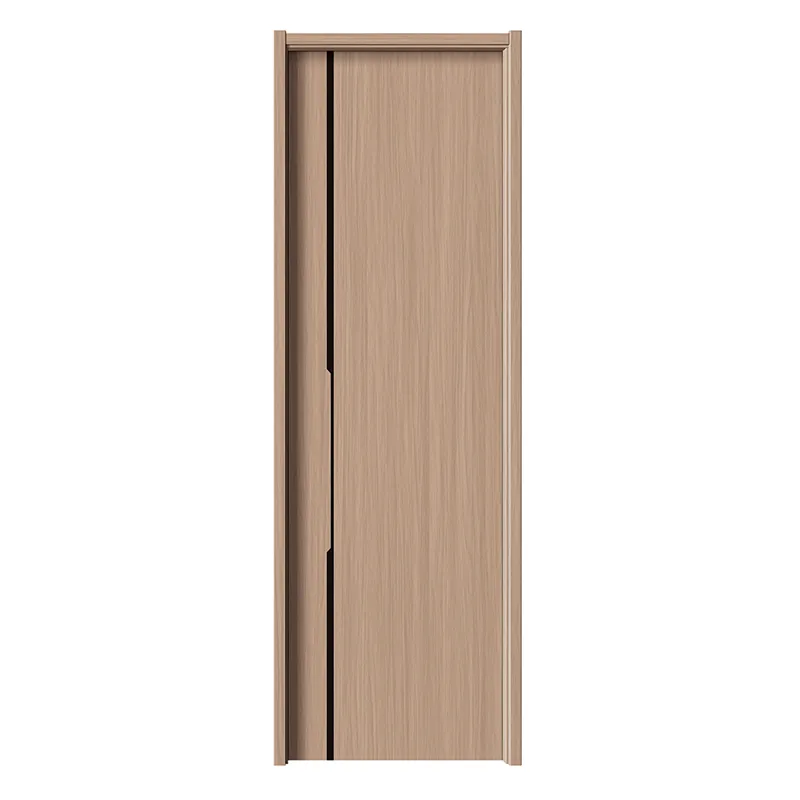 YST-1029 Door Translucent light shade 1
 -
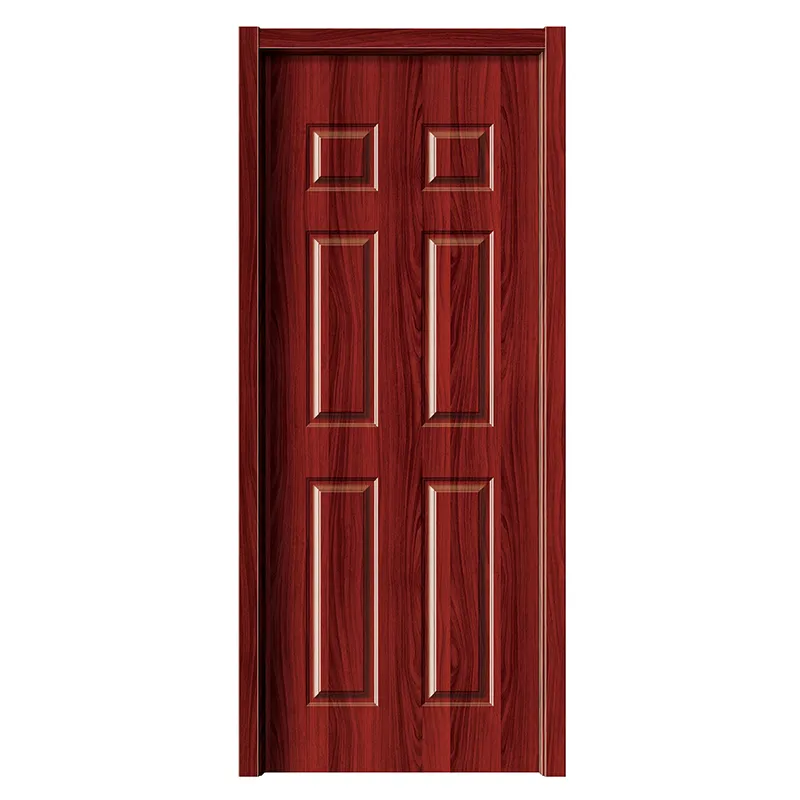 YST-201 Door Red team
 -
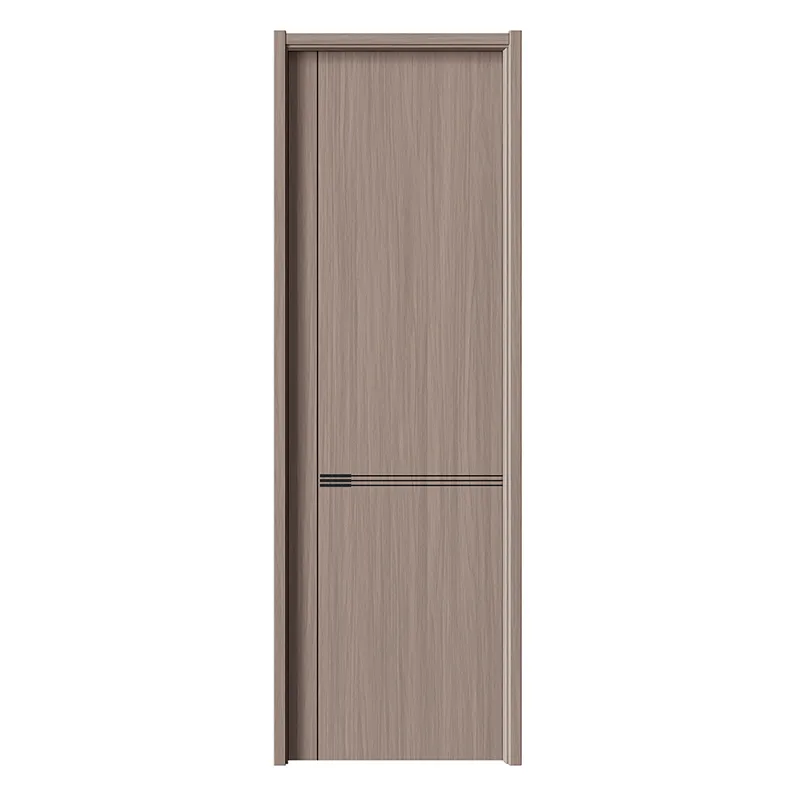 YST-1039 Door Translucent light shadow 3
 -
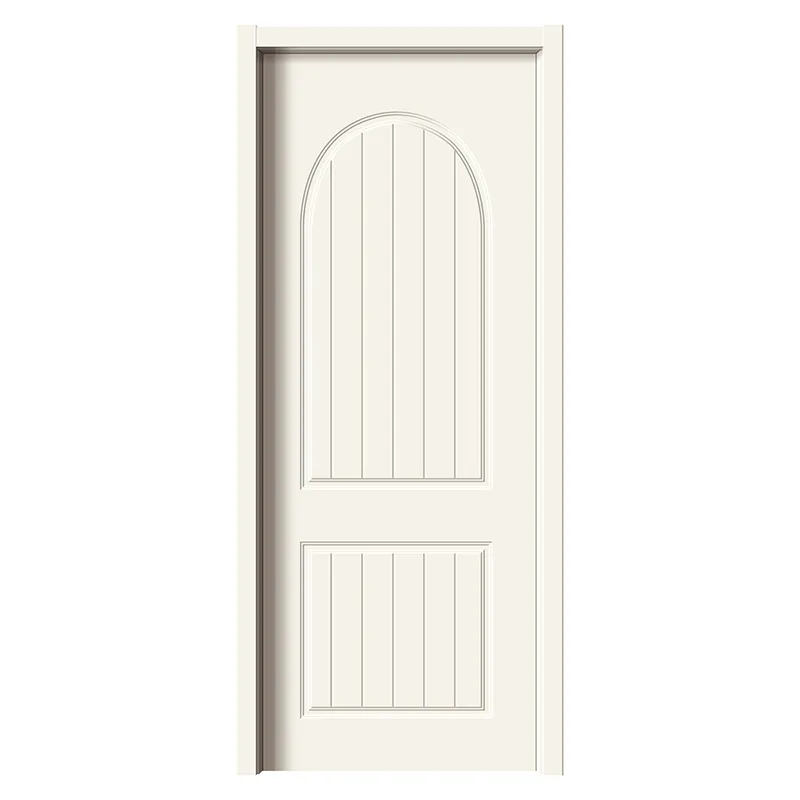 YST-236 Door White ivory
 -
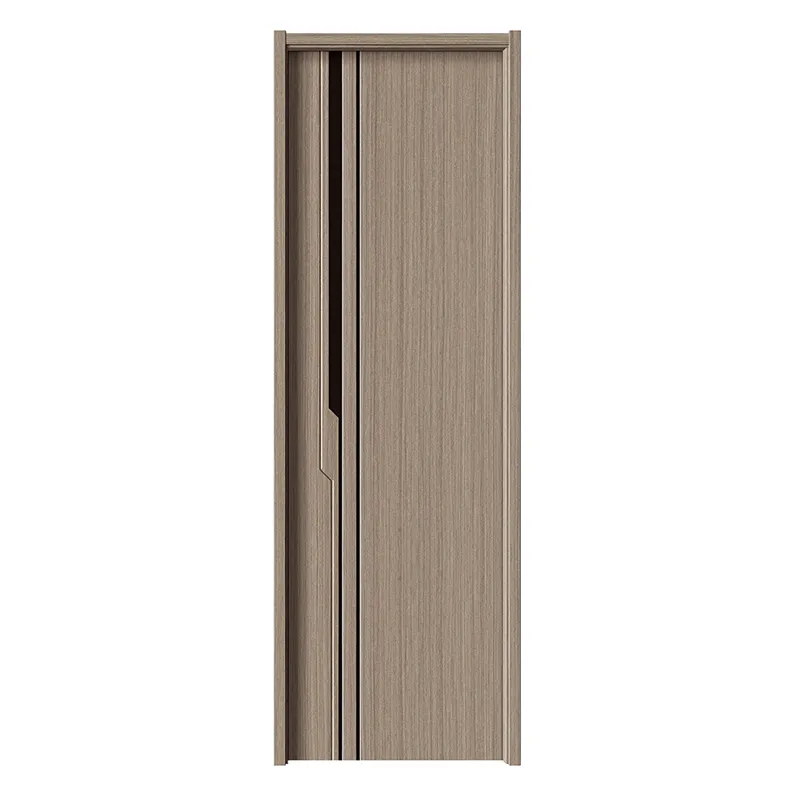 YST-1018 Technowood Door 1
 -
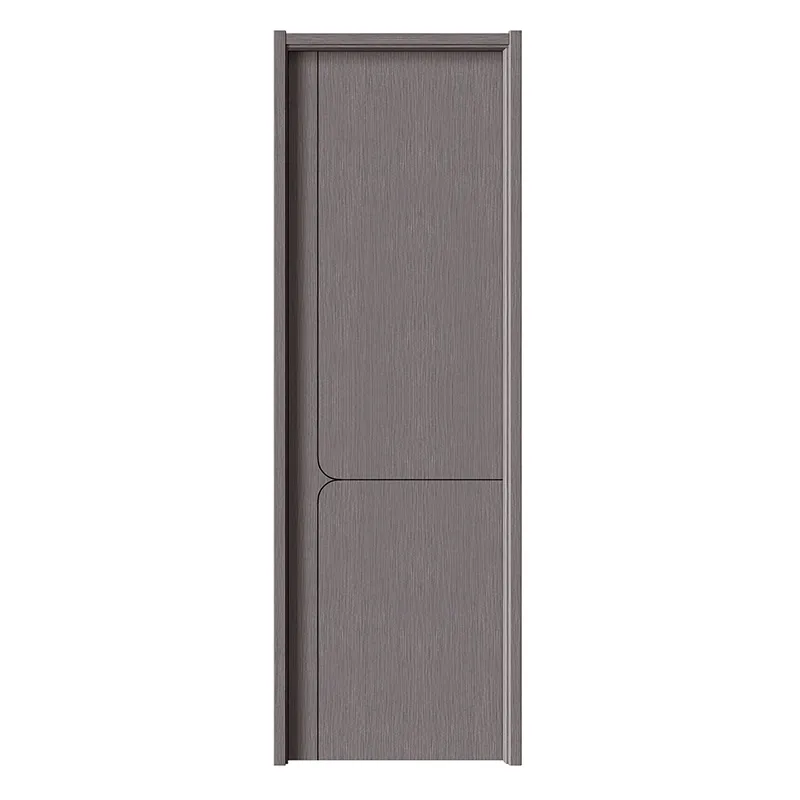 YST-1001 Door Chiaroscuro tree 2
 -
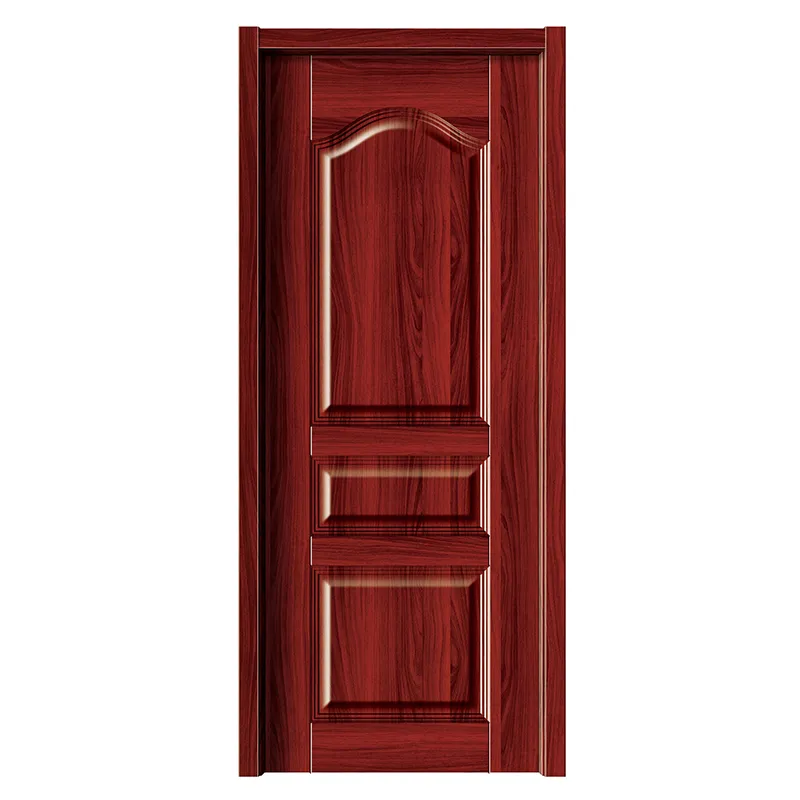 YST-203 Door Red team
 -
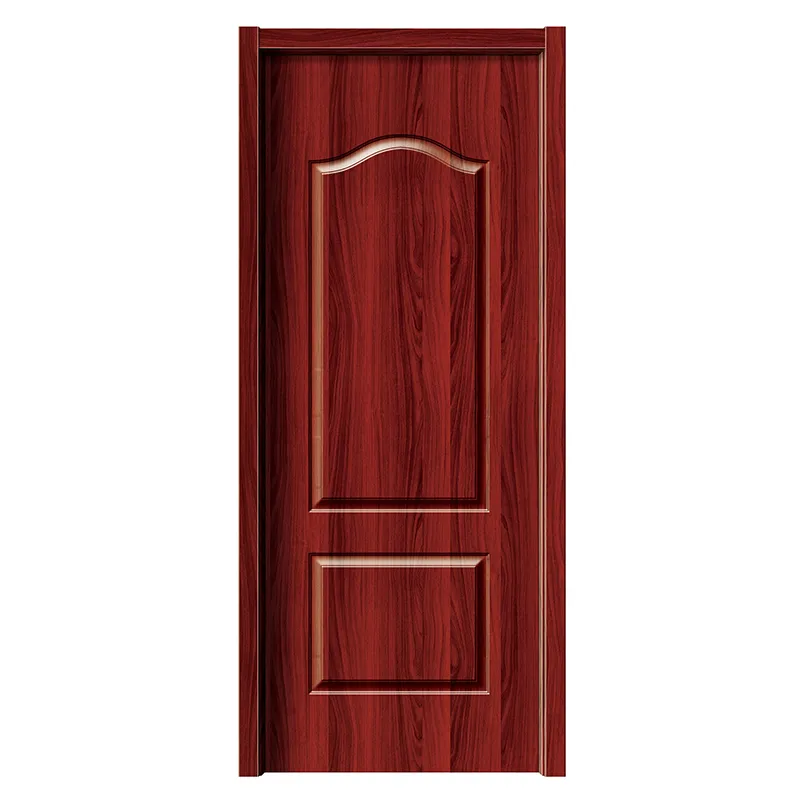 YST-207 Door Red team
 -
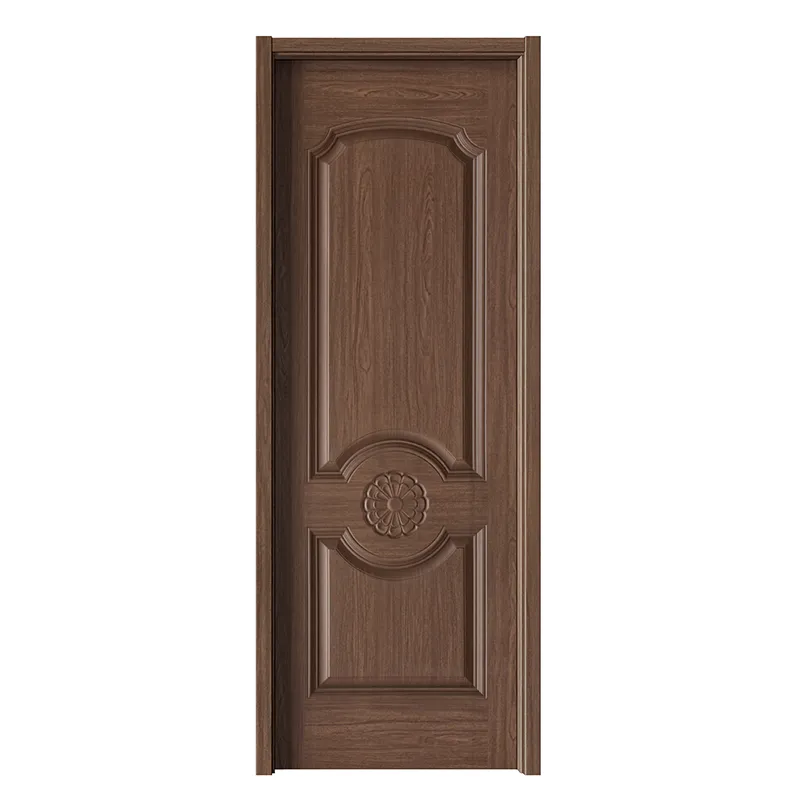 YST-212 Door North American Oak 2