




Laminated plastic doors
When they say “laminated plastic doors?”, many immediately imagine something cheap for a balcony. And this is the main mistake. In fact, this is a whole class of products where the lamination technology and the quality of the profile determine whether the door will last a year or twenty years in intensive commercial traffic. I myself believed for a long time that the main thing was the external film, until I encountered a situation when a beautiful door at a facility in Sochi began to “play?” already after the first winter. It wasn’t the film that warped, but the profile itself underneath it—they saved on stabilizers. This is where I’ll probably start.
Not just film: dismantling the layers
Lamination is not wallpaper. This is a multilayer system where the adhesion of each layer to the base is critical. Take, for example, products fromAnhui Wantai Woodworking Co.,Ltd. On their websitehttps://www.anhuiwantai.ruit is clear that the company works with international standards. But what does this mean in practice? This means that before applying the decorative layer, the profile undergoes serious preparation - cleaning, priming. The film is not just PVC, it is a multilayer material with an acrylic coating that is resistant to UV radiation. Without this, on the south side the color will fade over the season.
A common problem with inexpensive systems is delamination along the edges. Especially at the ends and corners. Moisture gets between the film and the plastic, and bubbles appear. The solution lies not only in the glue, but also in the precision of cutting the profile. If the edge is uneven, even the best glue will not help. We somehow tried to “refine” it. Such doors require local heating and rolling. It helped temporarily, but after a year the problem returned. I had to change the party.
And here’s another important nuance that is rarely discussed: the plastic under the film. It must be specifically for lamination - with a certain surface roughness and chemical composition. Sometimes manufacturers, especially small ones, take a regular white profile for painting and try to laminate it. The result is predictably bad. Even Wantai, judging by their approach to the selection of raw materials, seems to be strict with this. Their philosophy is to “build a business on precision?” This is just the place.
Where and why are they really needed?
An ideal niche for qualitylaminated plastic doors— commercial premises with medium traffic: offices, small clinics, cafes. Where appearance is important? like wood? or any other RAL, but it requires resistance to frequent opening, humidity changes and inexpensive maintenance. A full-fledged wooden door in this mode will require regular maintenance, but laminated plastic - just wipe it down.
We had a project - a chain of coffee shops. The customer wanted a warm oak shade, but the budget was limited and the conditions were difficult (steam from coffee machines, regular customers). The array disappeared immediately, MDF with film is also not an option - it will swell. They proposed just laminated plastic systems. The key argument was the ability to integrate the same profile into the facade glazing, achieving a single visual. It worked.
But for residential premises with high aesthetic requirements (luxury apartments), I would think twice about it. Despite progress, the tactile sensations from plastic, even the highest quality, differ from wood. And this often becomes the decisive factor for a client who is willing to pay for naturalness. Although for vestibules, balconies, and technical rooms, this is often the best choice in terms of price and durability.
Installation pitfalls
The most perfect door will be damaged if installed poorly. Claminated doorsthis is especially true. The film is not powder paint, it is easy to scratch during installation. It is imperative to use protective stickers for the entire duration of work, and mounting gaskets should only be made of soft plastic, no metal “in a hurry?”
Another point is thermal expansion. A plastic profile, especially dark colors, can noticeably “walk” on the sunny side. If you do not leave the correct gaps in the opening during installation (and do not place it end-to-end, as “universal craftsmen” often do?), the door may jam in the summer. We had to go to such objects, remove the trim and file the box. Not the most pleasant job.
And, of course, accessories. You can’t put just anything on a laminated door. Hinges and locks must be designed specifically for the weight and dynamics of the PVC profile. Saving 500 rubles on fittings can lead to sagging of the sash and friction against the frame, which will quickly erase that very beautiful decorative layer. Tested by bitter experience.
Compare with alternatives
Clients often ask: what’s better than just painting the plastic? Or what about MDF with film? The question is correct. Powder coating of plastic is good for monochromatic solutions, but the color scheme and, most importantly, the texture “like wood”? will be much inferior to lamination. High-quality film conveys the pores of wood tactilely. MDF is a hygroscopic material. Even moisture resistant. For a bathroom or unheated vestibule this is always a risk. Plastic is inert.
There are also aluminum doors with lamination. An excellent, but expensive option. They are placed where maximum geometric stability and a thin profile are needed. For most commercial tasks this is overkill. Plastic provides better thermal resistance at a comparable price, which is not the last argument for the Russian climate.
This is where the logic of companies that, likeAnhui Wantai Woodworking Co.,Ltd, position themselves on the international market. Their application for a combination of aesthetics and practical characteristics is precisely about finding this balance. They offer wood doors as a core product, but their approach to quality control at all stages suggests that if they were making laminated plastic systems, they would make them with the same focus on durability. This is important.
What to ultimately look for when choosing
So, to summarize my sometimes bumpy experience. The first thing is not to look at the picture, but to ask for a sample. Be sure to cut the profile. Look at the thickness and structure of the film, at the quality of the edge. Test the bend to see if the decorative layer is peeling off. Second, ask about the composition of the profile (PVC formulation) and the country of origin of the film. European manufacturers (Renolit, etc.) are usually a sign of quality. Third - accessories. Must be specified in the specification.
And the main thing is to understand the task.Laminated plastic doorsis not a universal solution, but an excellent tool for specific conditions. When you need to solve the design issue in conditions of high traffic or humidity on a budget but with dignity. Everything else is marketing.
Now there is a lot of noise on the market, but simple rules still apply: a good manufacturer does not hide details, gives a guarantee on the laminate itself (not just on the structure), and he has real completed objects that you can look at. Like, for example, the solutions that the company offers onhttps://www.anhuiwantai.ru, aiming to meet the diverse needs of residential and commercial spaces. Their emphasis on state-of-the-art manufacturing and development teams is what separates the systems approach from the artisanal one. In this segment there is no way without such an approach.
Correspondingproducts
Related Products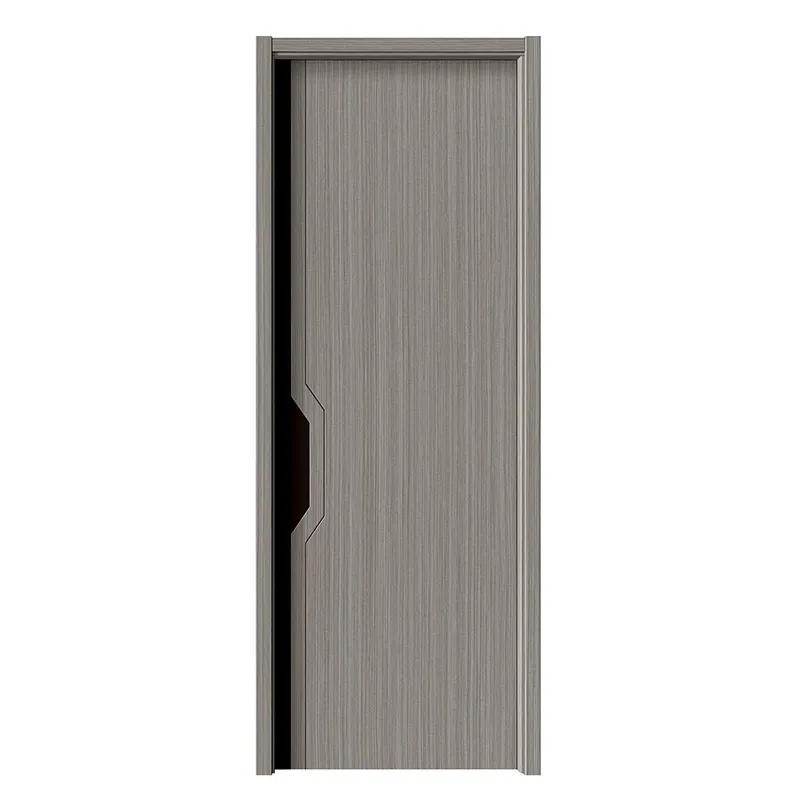
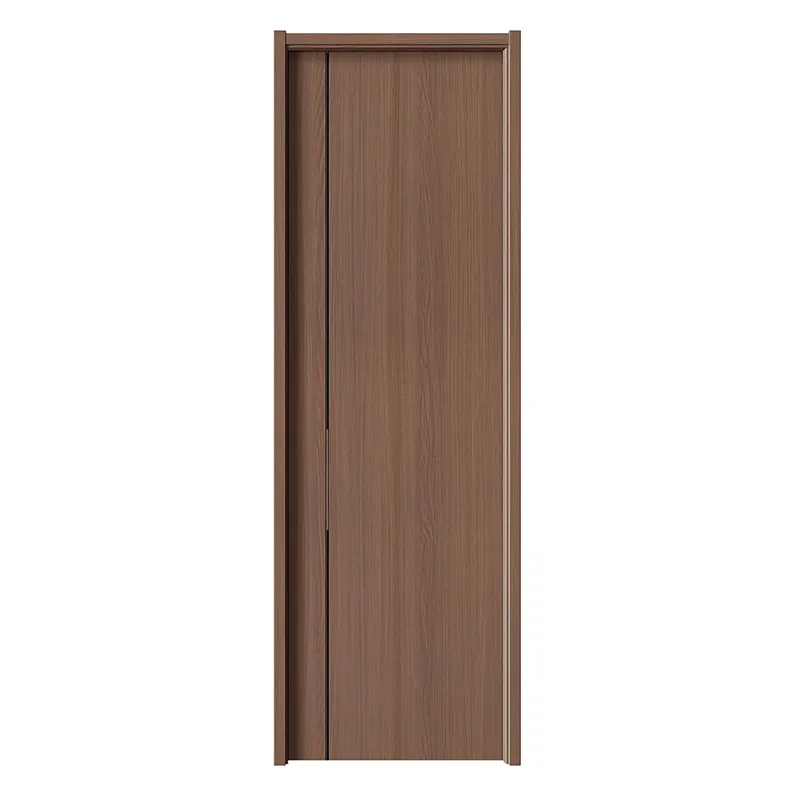
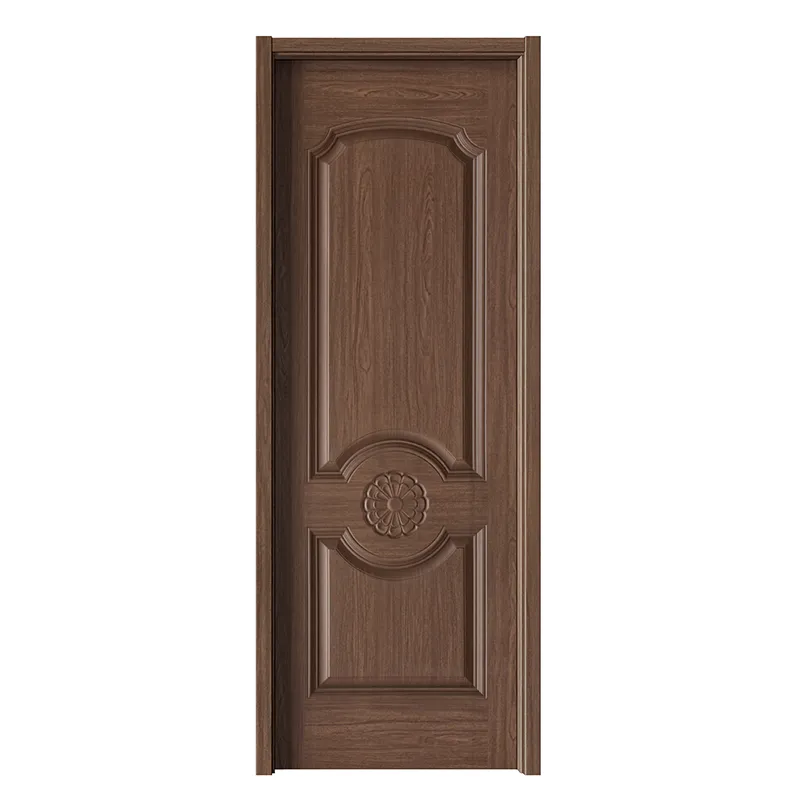
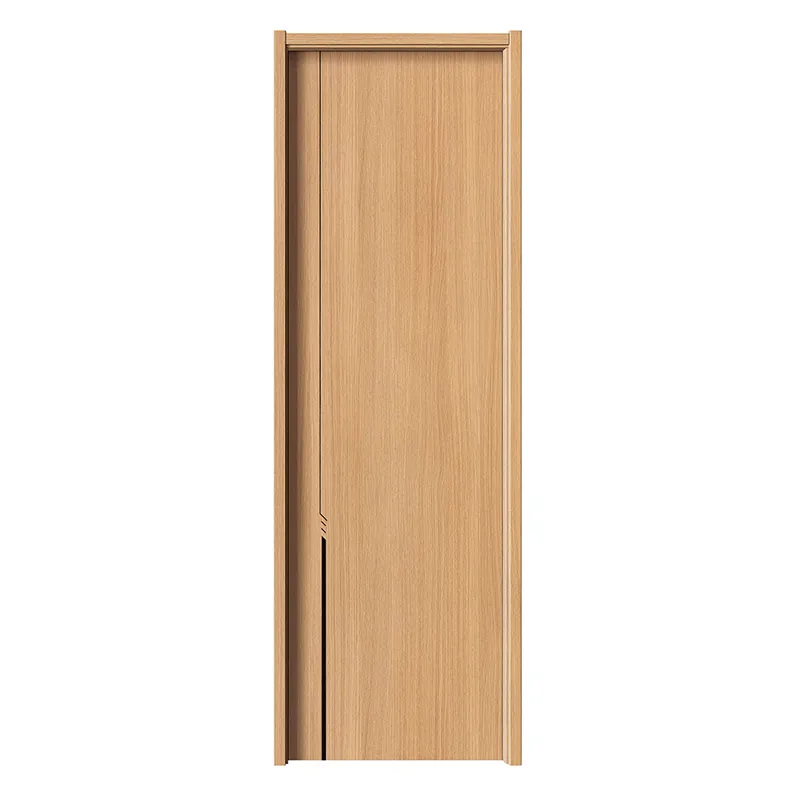
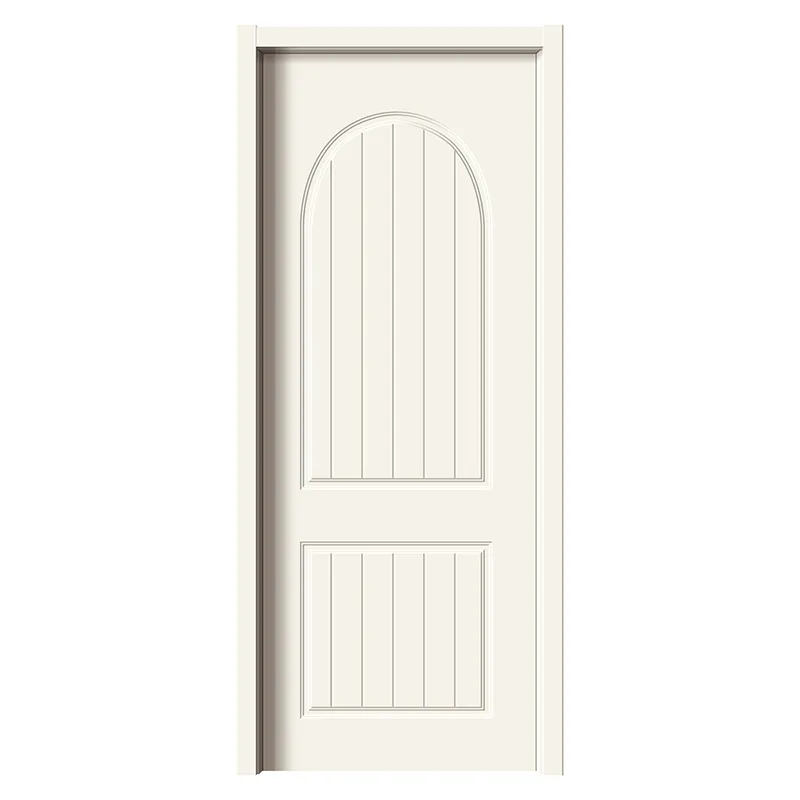

Best Sellingproducts
Best Selling Products-
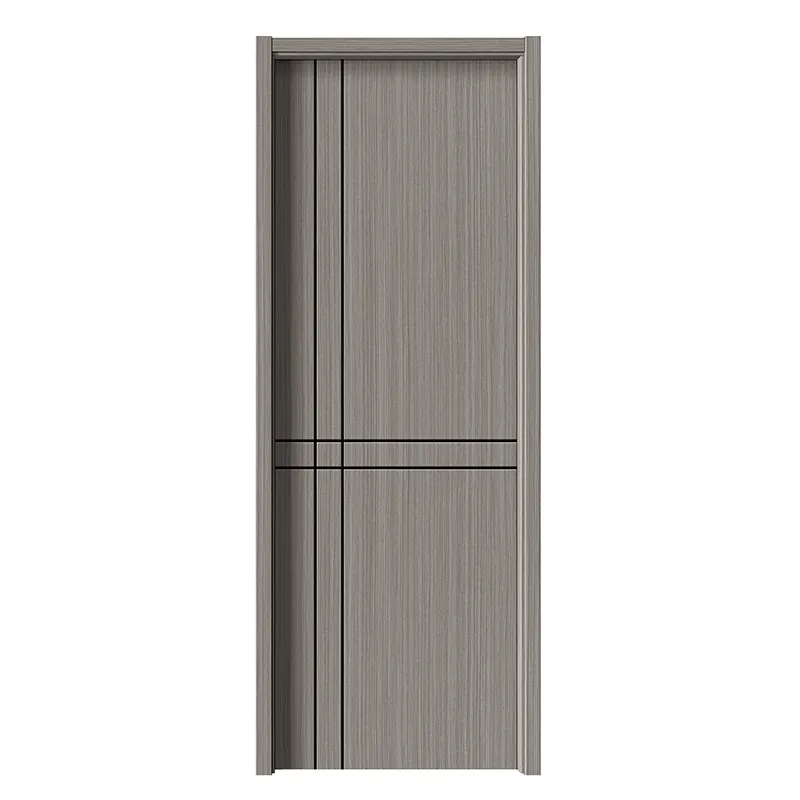 YST-1004 Door Technotree 2
 -
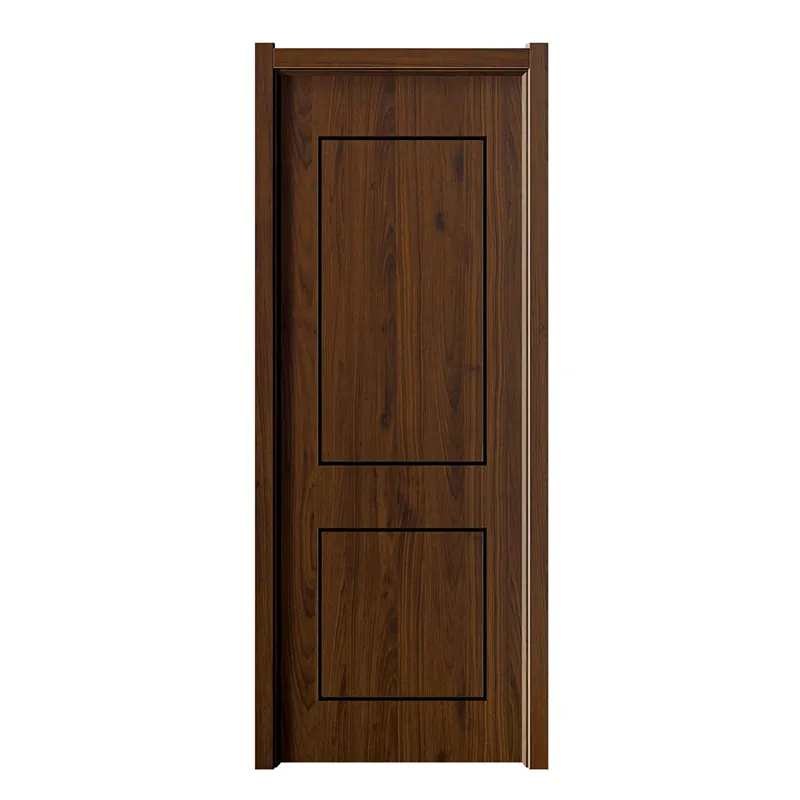 YST-WPC2 Door
 -
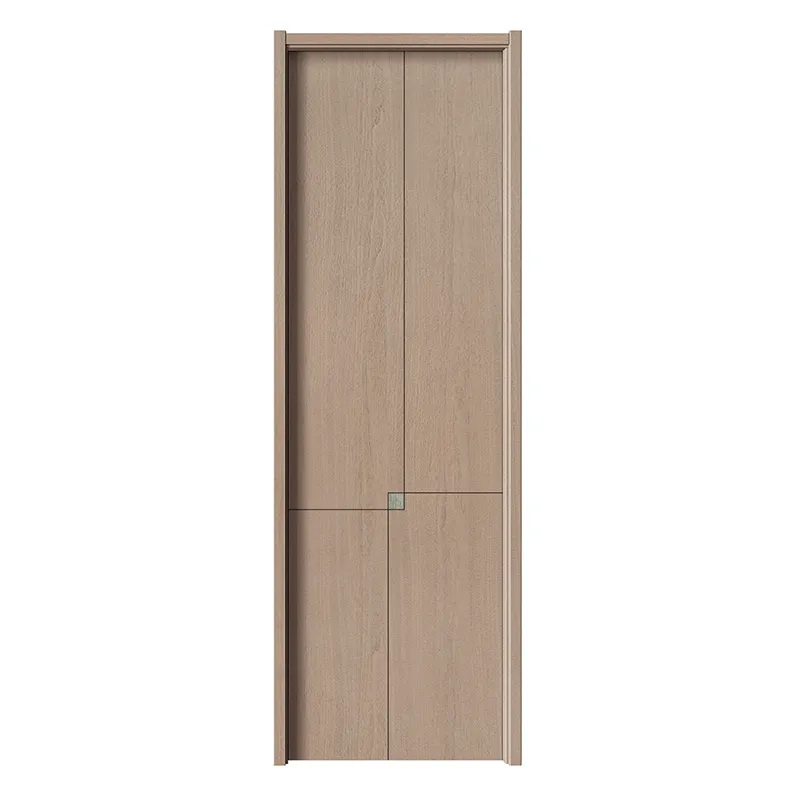 YST-1008 Door Natural walnut 2
 -
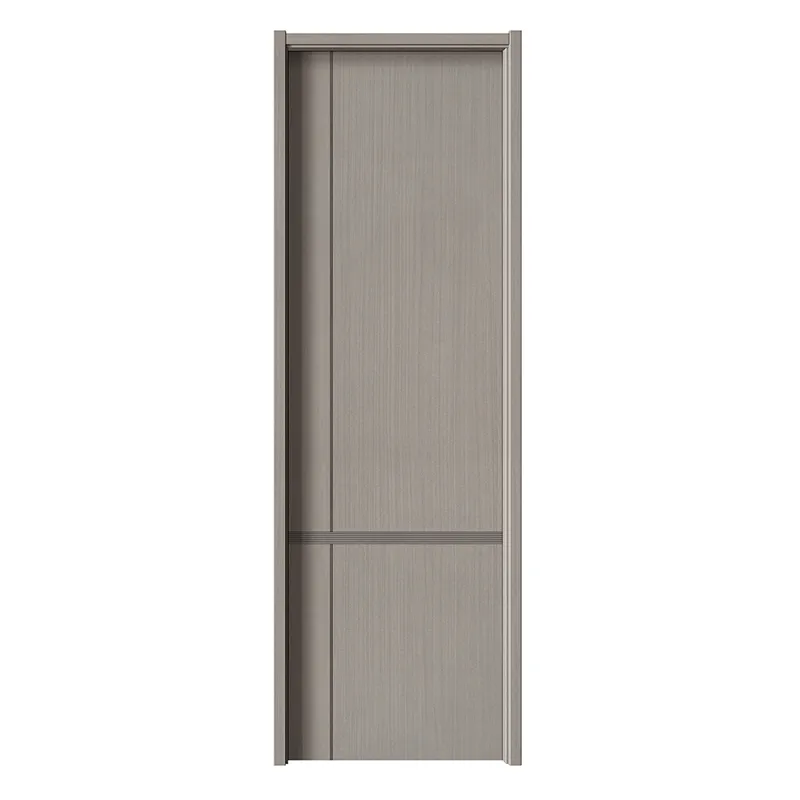 YST-1013 Door Cloud Walnut 1
 -
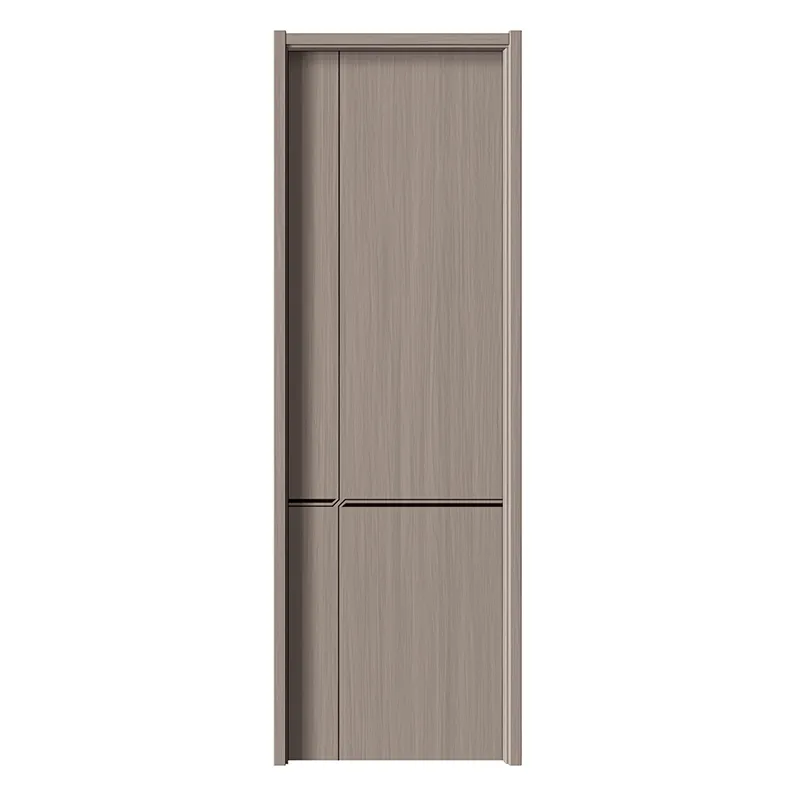 YST-1010 Door Translucent light shadow 3
 -
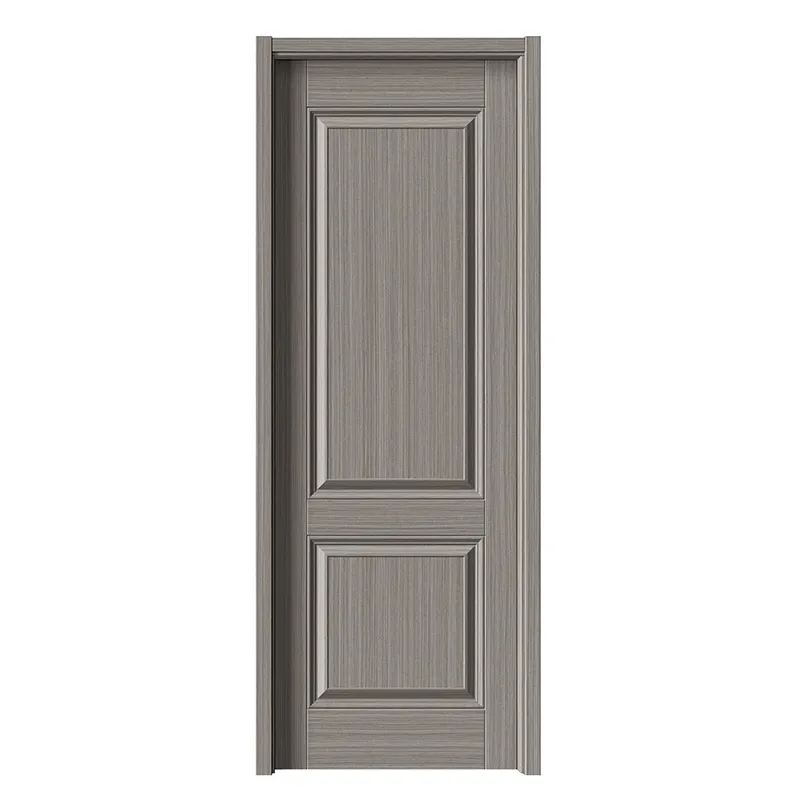 YST-214 Door Technowood 2
 -
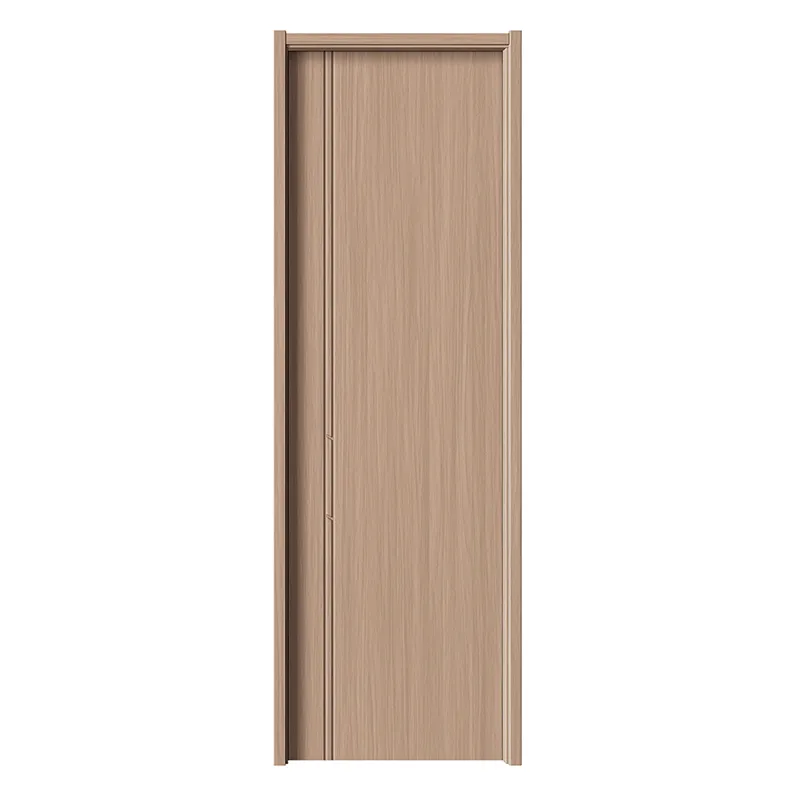 YST-1009 Door Translucent light shade 1
 -
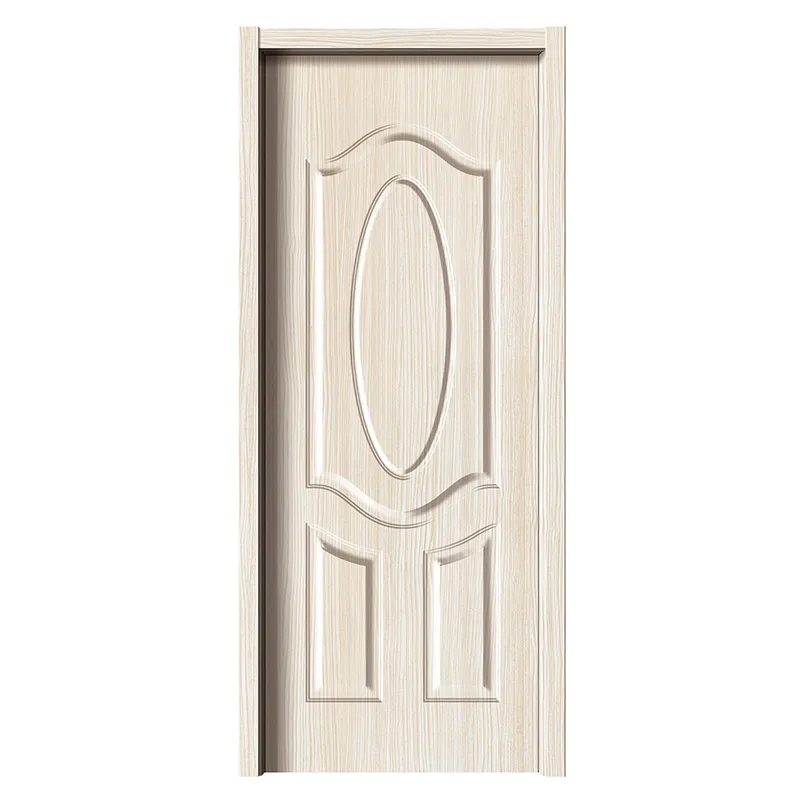 YST-216 Door White Maple
 -
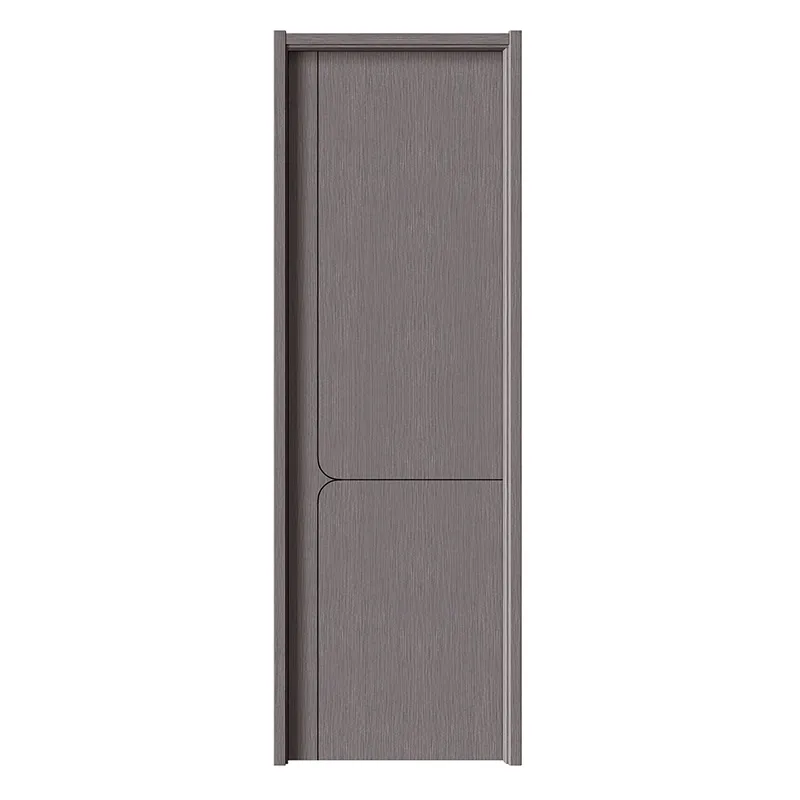 YST-1001 Door Chiaroscuro tree 2
 -
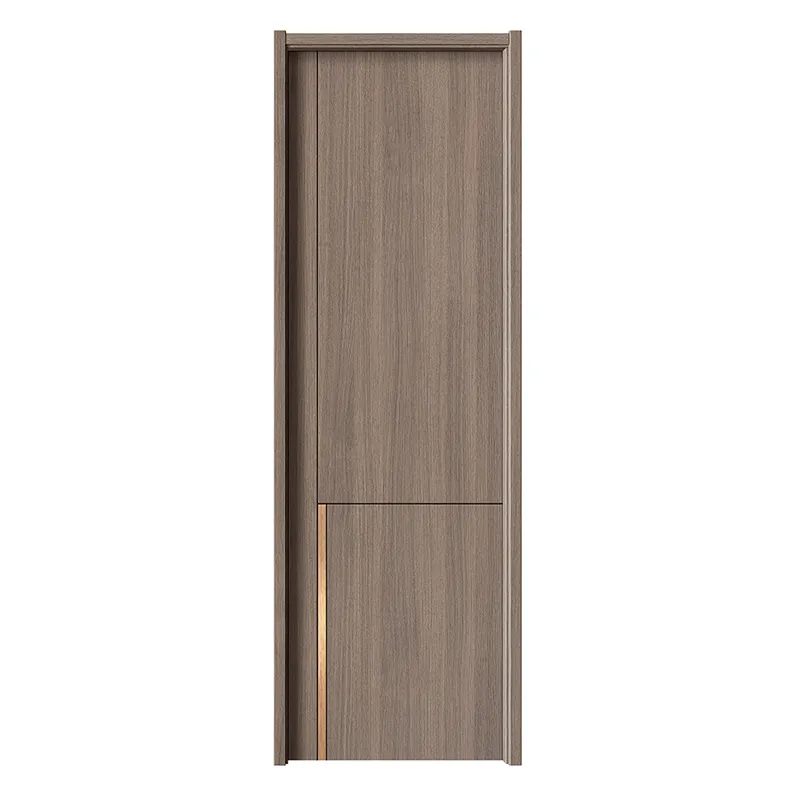 YST-1003 Door Oak gray
 -
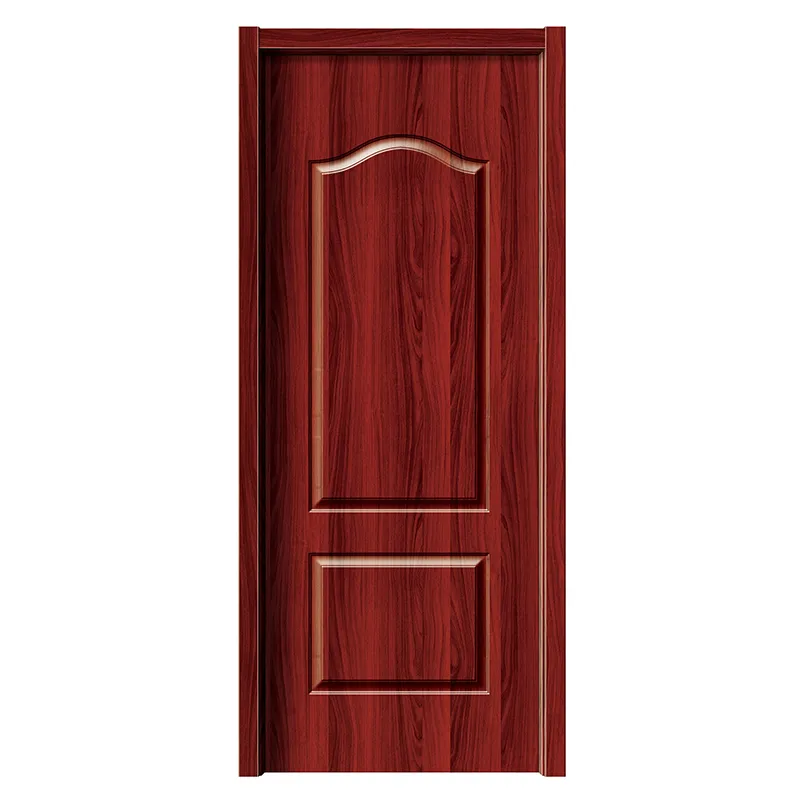 YST-207 Door Red team
 -
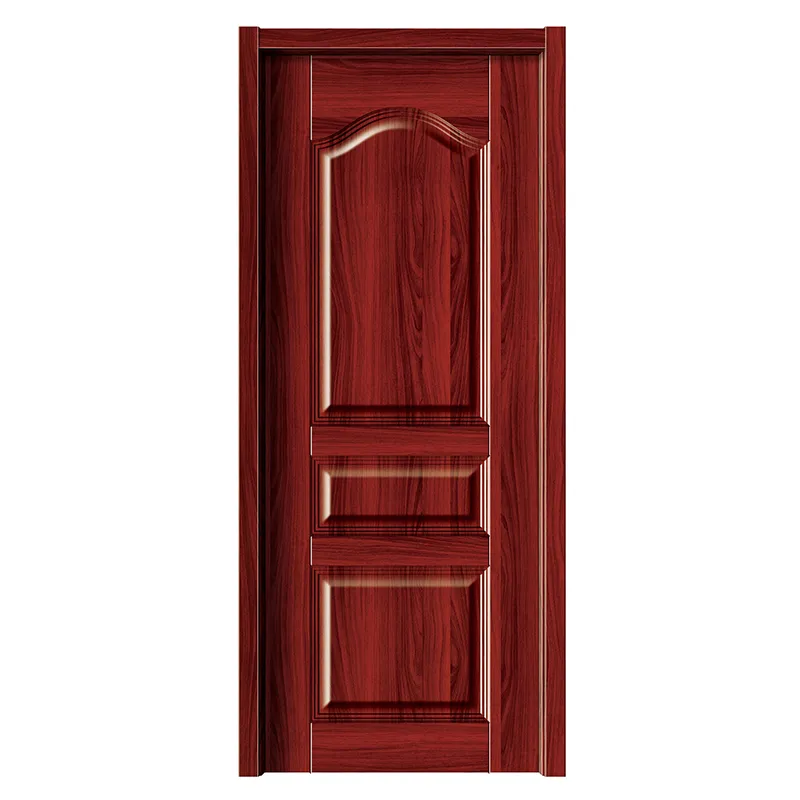 YST-203 Door Red team