




Hidden doors in the kitchen
When a customer first says “hidden doors,” it often means just a flat panel without a handle. But in practice, this is a whole engineering story, especially in the kitchen, where humidity, temperature changes and active use make their own drastic adjustments. Many people think that the main thing is to achieve a perfect visual seam, but this is just the tip of the iceberg. The real difficulty lies in the mechanics, in the selection of hinges that will withstand daily stress, and in the material that will not fade over time.
Main misconceptions and why they arise
The most common misconception is that a hidden door can be made from any material. For example, they order a beautiful MDF panel with photo printing to look like concrete, hang it on standard hinges for hidden installation, and expect that in six months nothing will come loose. And the kitchen is a constant opening and closing, steam from the kettle, splashes of fat. A panel made of the wrong material begins to absorb moisture, swell, and that same invisible seam turns into a gap.
Another mistake is saving on accessories. Hinges for hidden installation are a separate category of products, with varying degrees of load and adjustments. They put weak hinges on a heavy solid door - and after a month it sags and warps. The client then calls with complaints, but it’s too late to explain that the problem is not in the door as such, but in the configuration.
And the third point that is often overlooked is ventilation. A technical area, a storage room for household chemicals, or built-in appliances are often hidden behind a hidden door. If you do not provide ventilation gaps or special grilles, also built invisibly, condensation or odors may accumulate inside. This is no longer a question of aesthetics, but of practical operation.
Critical details in design and installation
Based on this, the first thing I always look at is the overall design of the wall and niche. If we make a door in a plasterboard partition, we need a reinforced frame in the area of the opening. Otherwise, the entire structure will begin to “play” over time, and cracks will inevitably appear. It is better to immediately lay a metal profile with a margin of safety.
The second key element is, of course, the hinges. I've tried a lot, from German Blum fittings with their soft close systems to lesser known Italian brands. For heavy doors made of solid oak or ash, SALICE hinges perform well with a load of up to 80 kg. But they require perfectly accurate sampling into the end of the door leaf. The slightest misalignment and the mechanism will work with a creak. You can't do this without an experienced carpenter.
And the third point is the opening method itself. Most often they use the push-to-open system; press the canvas and it opens. Convenient, no handles. But there is a nuance here: for the kitchen, where your hands may be wet or covered in flour, this system does not always work the first time. Sometimes it's worth considering an option with a hidden magnetic lock or even a subtle profiled groove instead of a handle that you can grab with your finger. This depends on the habits of a particular user.
Experience with different canvas materials
As for materials, the path here was thorny. We tried to make canvases from laminated chipboard with a PVC edge - a budget option. But in the kitchen, near the sink, the edge began to come off over time due to steam. Solid wood is beautiful, solid, but requires very serious treatment with protective compounds, otherwise it may fail. In my opinion, solid wood in combination with modern coatings turned out to be optimal for hidden kitchen doors. For example, products fromAnhui Wantai Woodworking Co.,Ltd. They have in their assortment models where the solid wood is coated with a moisture- and abrasion-resistant varnish, which is critical for kitchen conditions. Their approach to quality control of raw materials and process, which they describe on their websitehttps://www.anhuiwantai.ru, just intersects with our requirements for reliability: “build a business on accuracy, win with quality?”. These are not just words when it comes to hidden editing, where any inaccuracy is fatal.
Real cases and failures that teach
We had a project in a townhouse where the customer wanted to make the entire wall in the kitchen a single panel of veneered MDF, and behind it was a secret entrance to the laundry room. They did it, installed it, and it looked perfect. But three months later the call came: the door did not open. We arrived and removed the panel - it turned out that due to the active drying of the laundry inside the niche, the humidity had sharply increased, the panel swelled and jammed in the opening. I had to redo it, install forced exhaust and change the canvas material to a more stable one. This was a lesson: you should always simulate the microclimate behind a hidden door.
Another case is successful. In the studio apartment, it was necessary to visually separate the kitchen area, but not overload the space. Made it highhidden door in the kitchen, leading to the dressing room. We used a canvas made of engineered wood with a coating that imitates concrete, and hinges with a closer. The main task was to make sure that the door did not stand out against the background of the finishing panels on the wall. After installation and painting in one tone, the seam became almost unreadable. More than a year has passed - there are no complaints, the mechanism works quietly, the canvas has not been deformed. This is where an integrated approach played a role: the right material, accurate calculation of the load and high-quality fittings.
Integration with built-in appliances and furniture
Now the trend is to hide not only the doors to the utility rooms, but also the facades for built-in appliances. Refrigerator, dishwasher behind a panel that blends with the style of the kitchen. This is the next level. Here it is important not only to hide it, but also to provide access for maintenance and normal heat exchange for the same refrigerators. We often design these panels on an aluminum profile frame to provide both rigidity and ventilation gaps around the perimeter.
When working with such projects, you again return to the question of reliable suppliers of components. We need manufacturers who understand the specifics of hidden installation and offer not just a door leaf, but a comprehensive solution. Just companies likeAnhui Wantai Woodworking Co.,Ltd, which target the international market and combine design with practical performance, are proving to be useful partners. Their experience in creating timber doors for different types of spaces allows them to offer clients more informed choices, especially when a custom dimension or special treatment is needed for wet areas.
As a result, the creation of truly high-quality and durablehidden door in the kitchen- it's always a balance. A balance between pure design and rough mechanics, between the desire of the clitoris and the physical properties of materials. You can’t just take a beautiful panel and screw it onto the first hidden hinges you come across. It is necessary to calculate the usage scenario, microclimate, and loads. And then this ?invisible? the interior detail will work for years, without causing problems, but only fulfilling its function - to be invisible.
Correspondingproducts
Related Products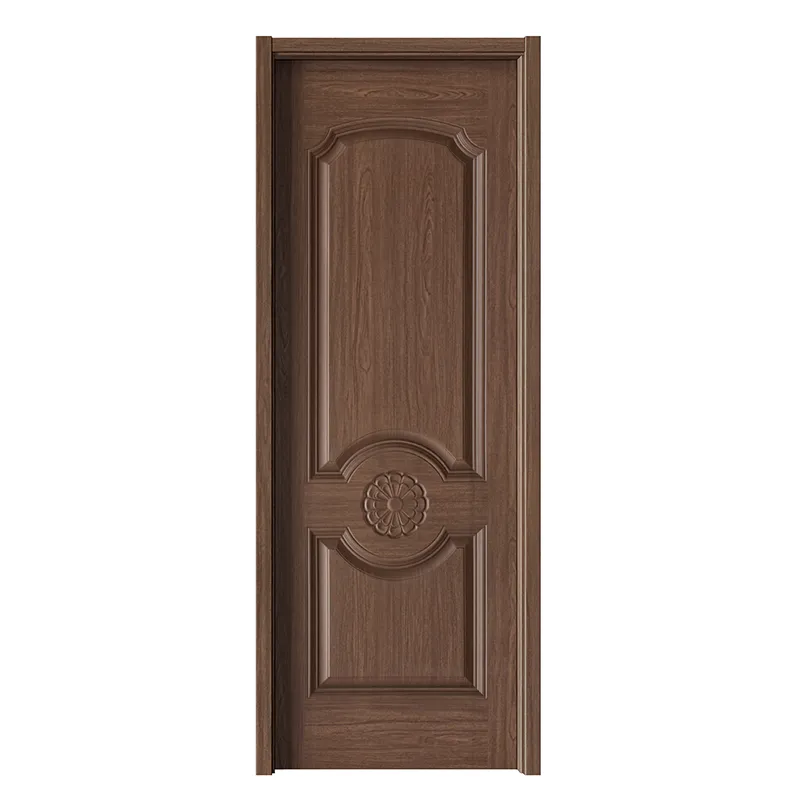
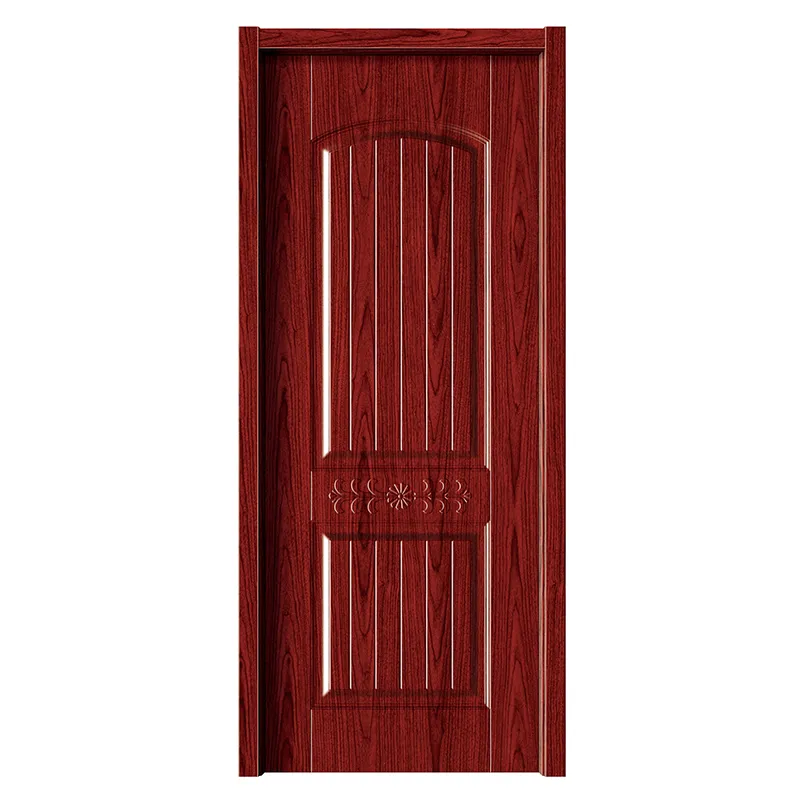
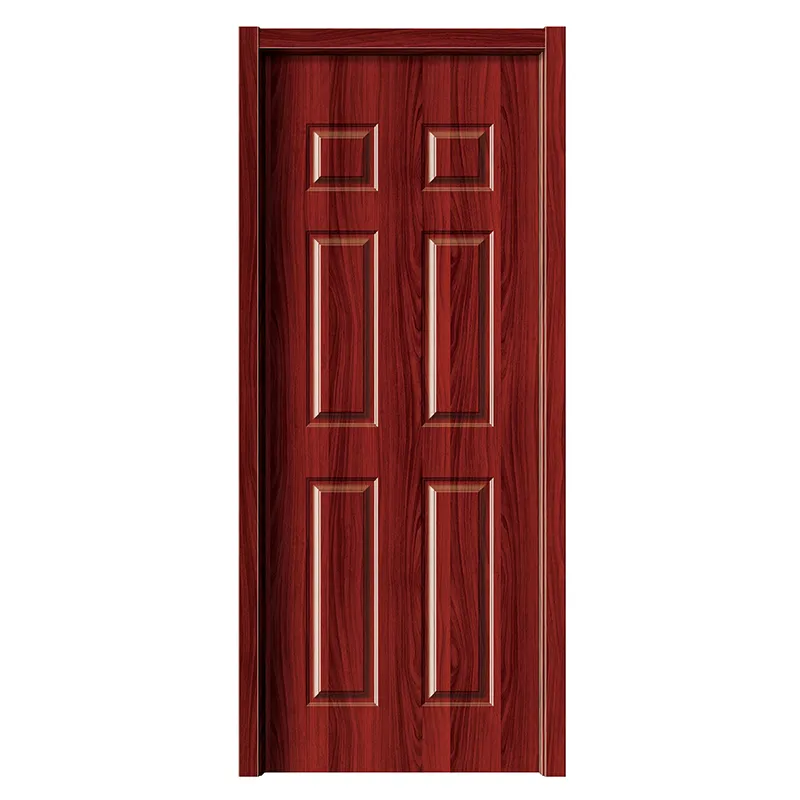
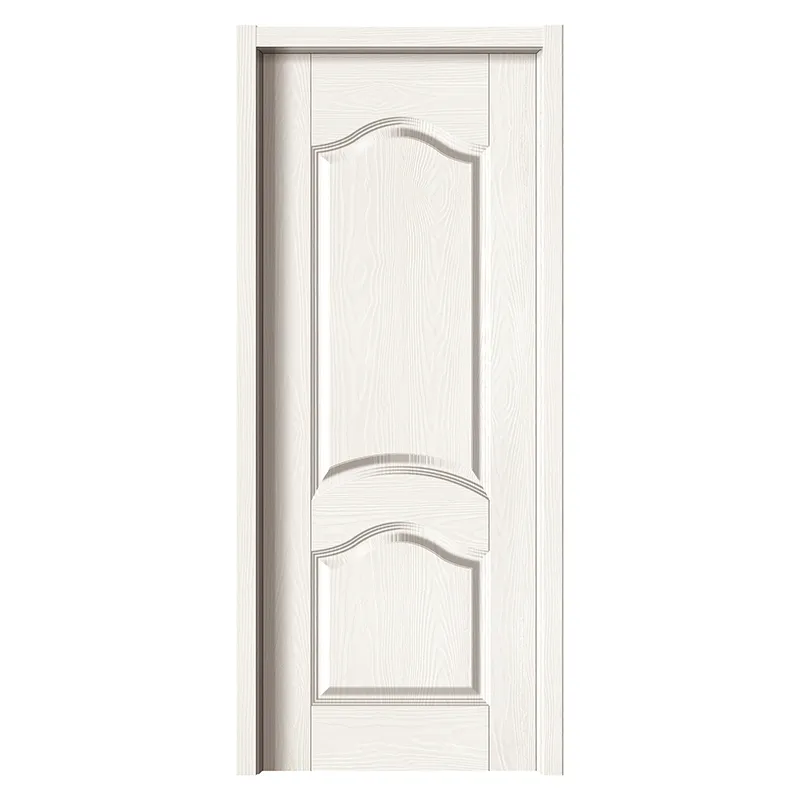
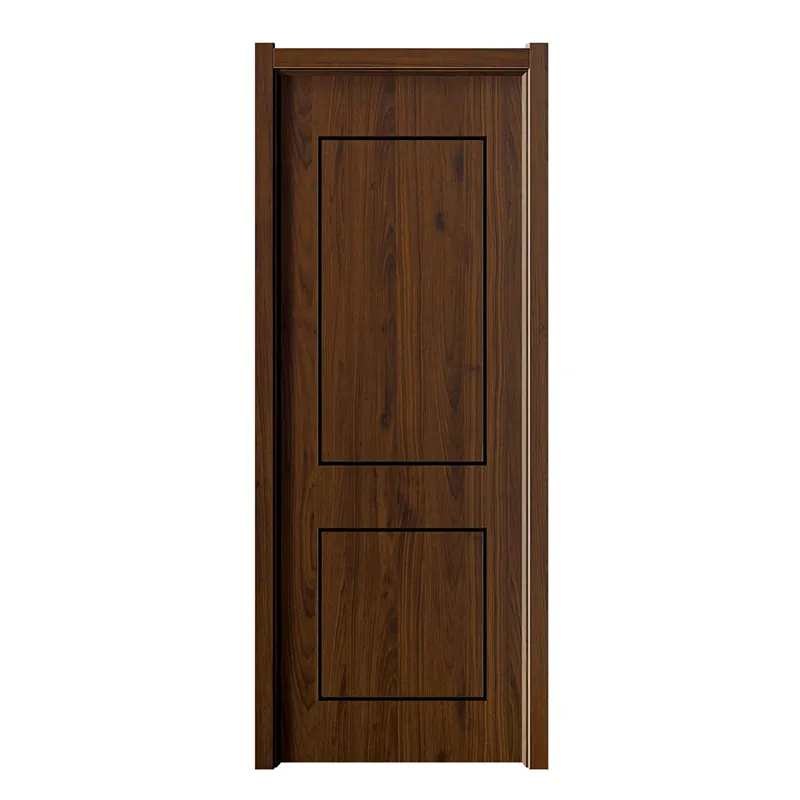
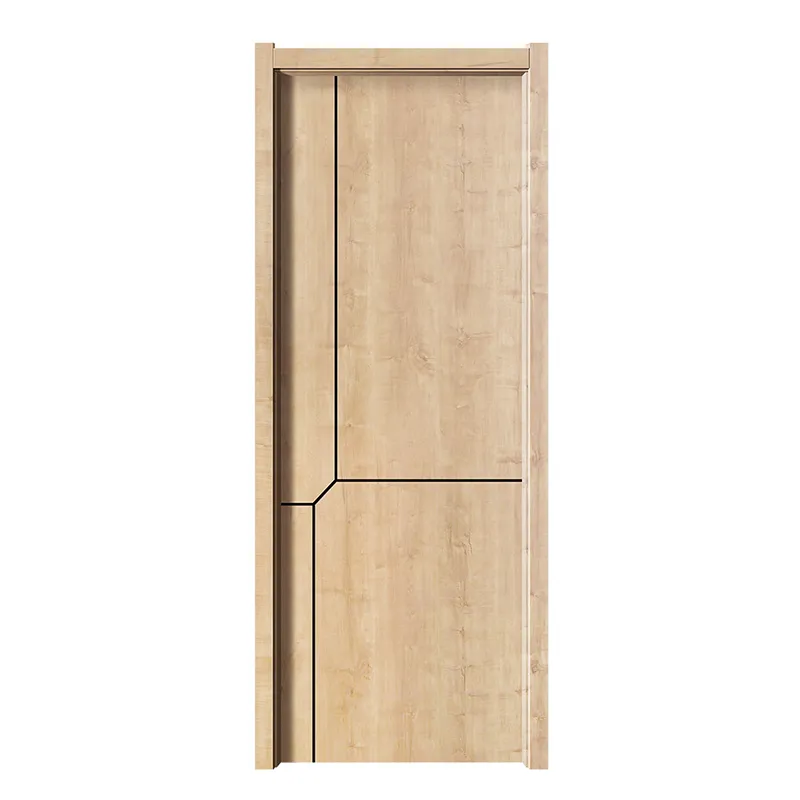

Best Sellingproducts
Best Selling Products-
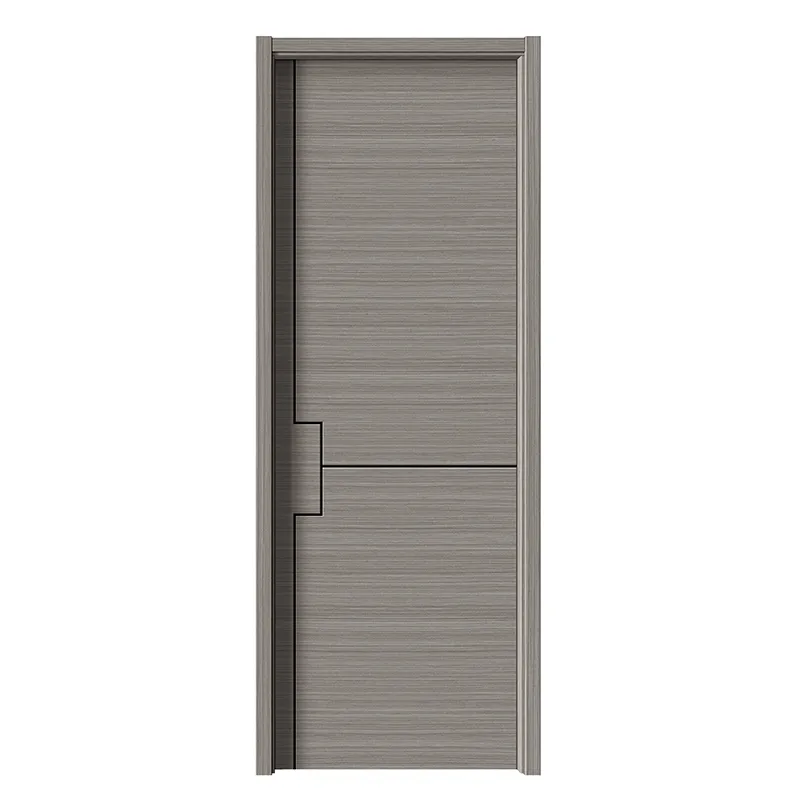 YST-1005 Technotree Door 2
 -
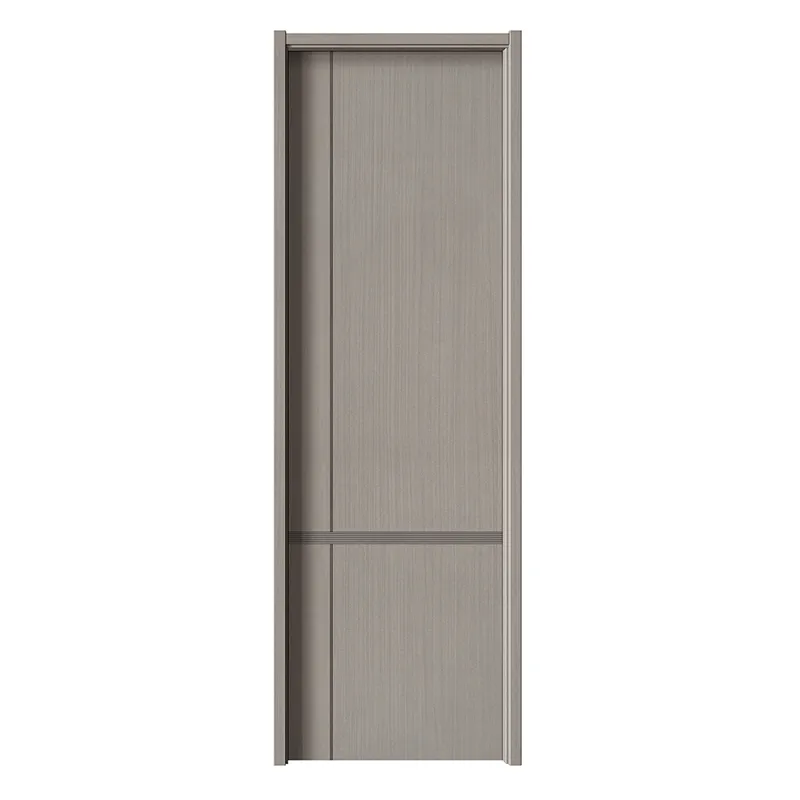 YST-1013 Door Cloud Walnut 1
 -
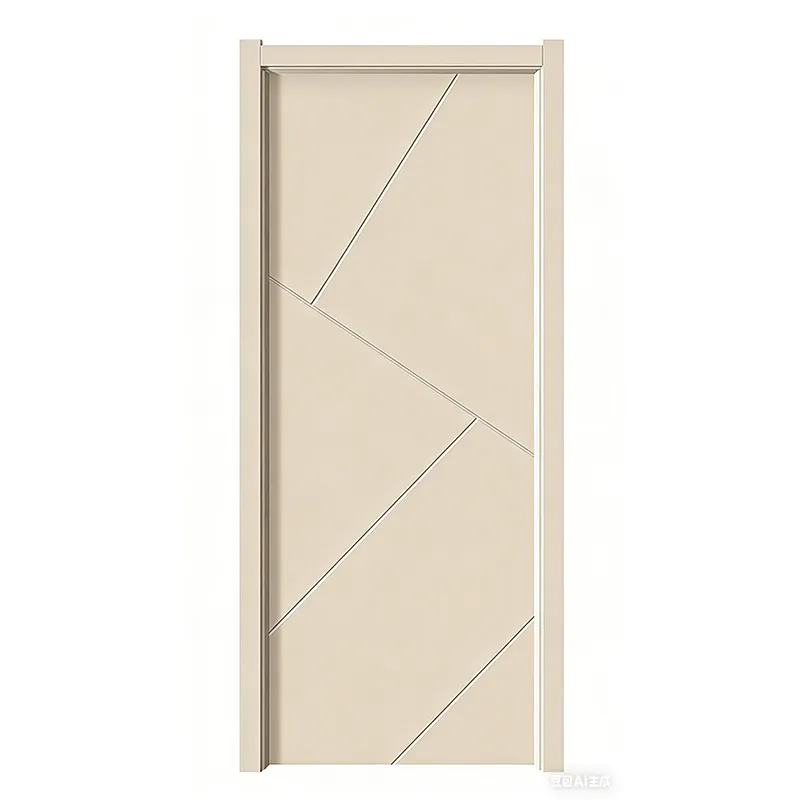 YST-WPC3 Door
 -
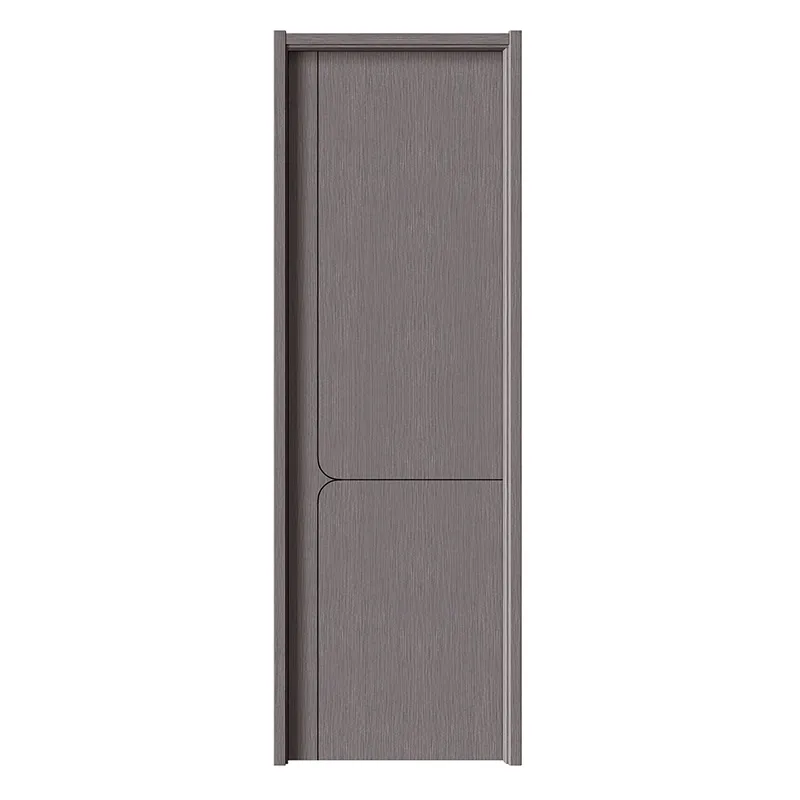 YST-1001 Door Chiaroscuro tree 2
 -
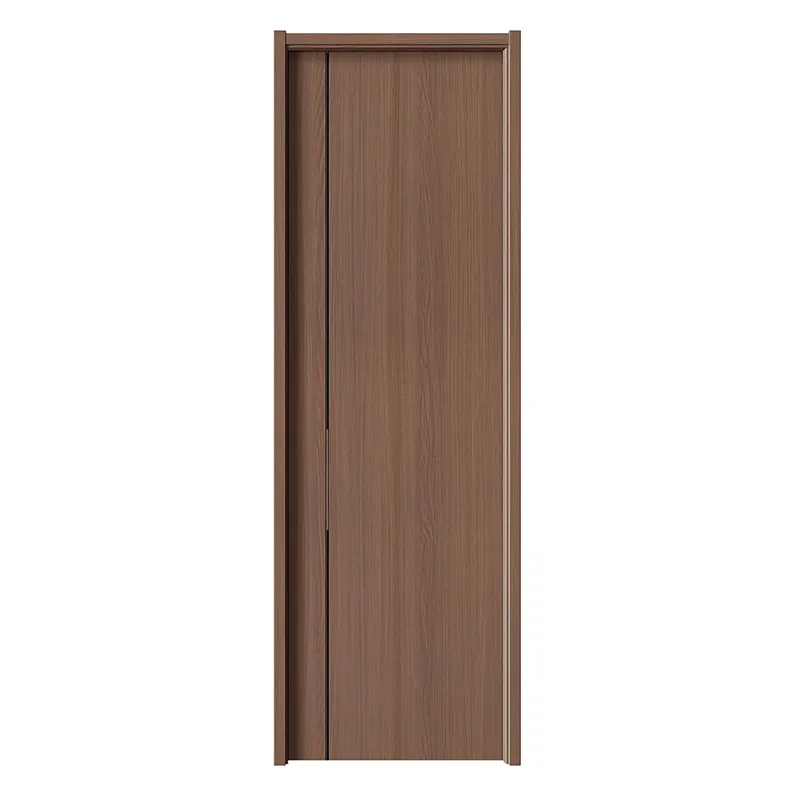 YST-1043 Door Techno-walnut 3
 -
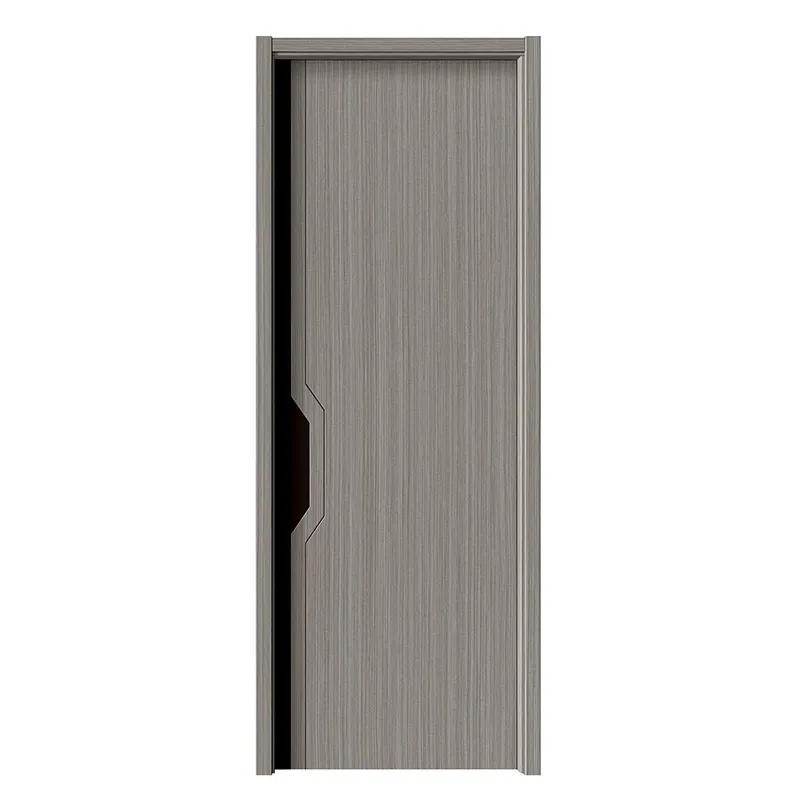 YST-1007 Technotree Door 2
 -
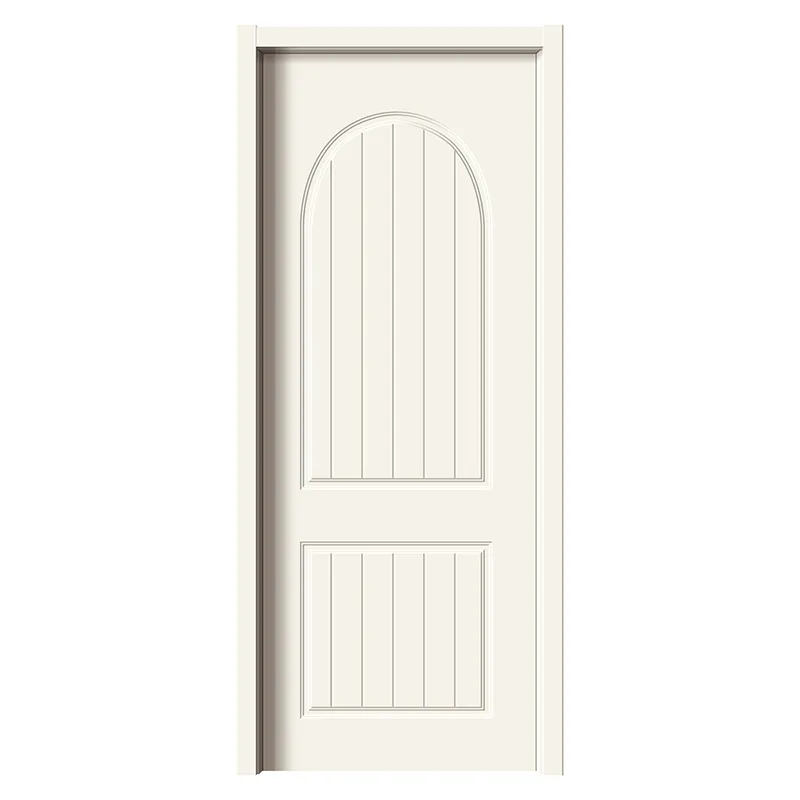 YST-236 Door White ivory
 -
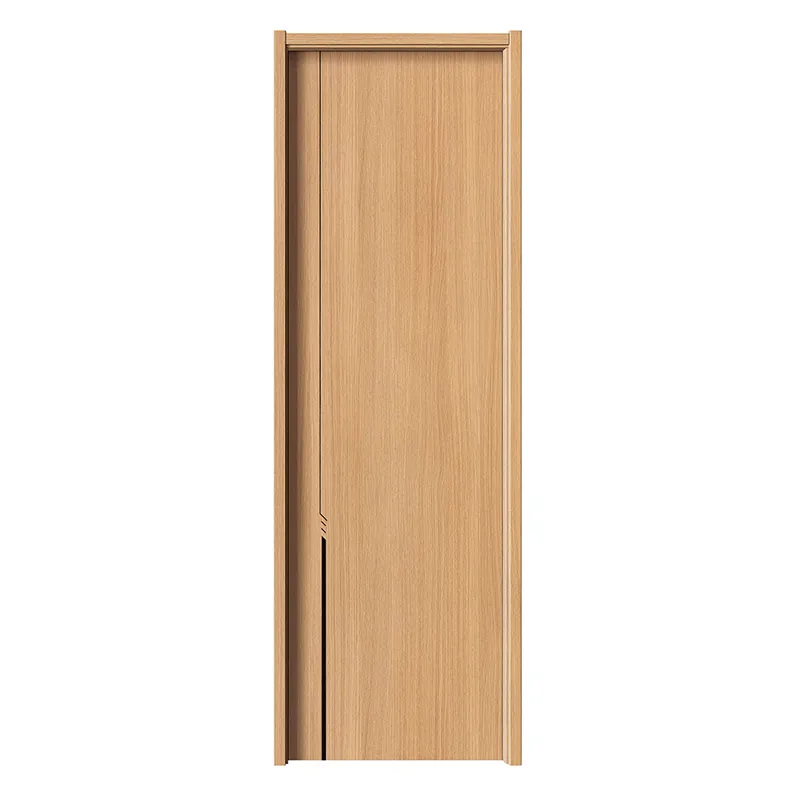 YST-1041 Door Oak Shutter
 -
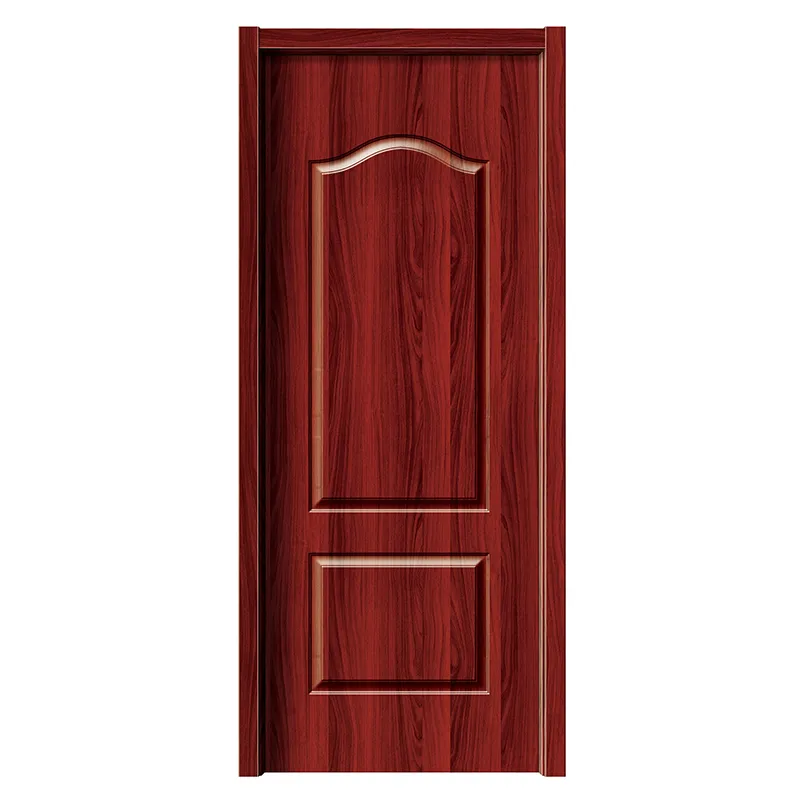 YST-207 Door Red team
 -
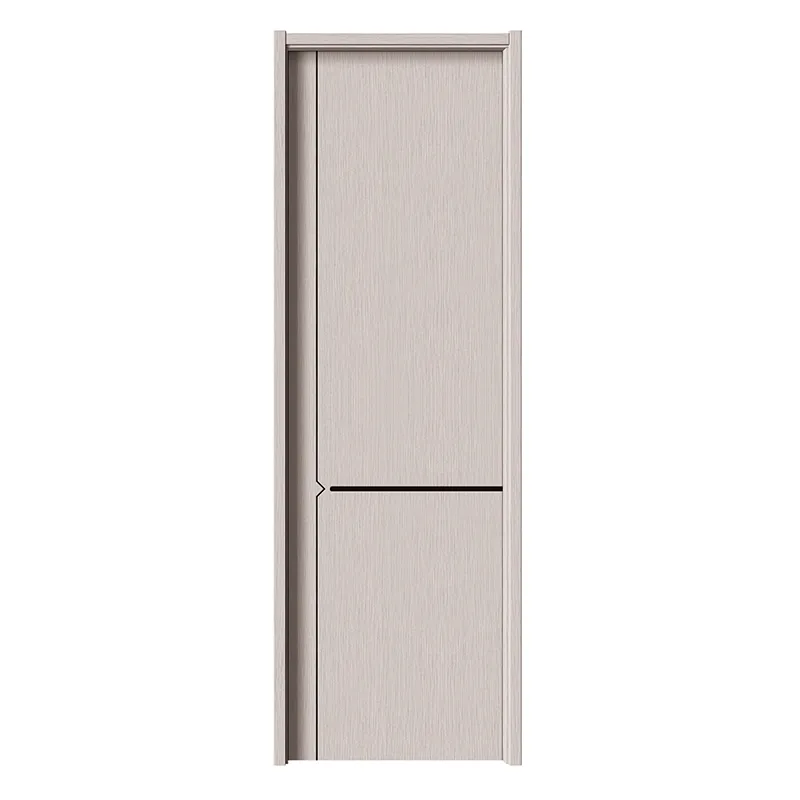 YST-1024 Door Chiaroscuro wood 1
 -
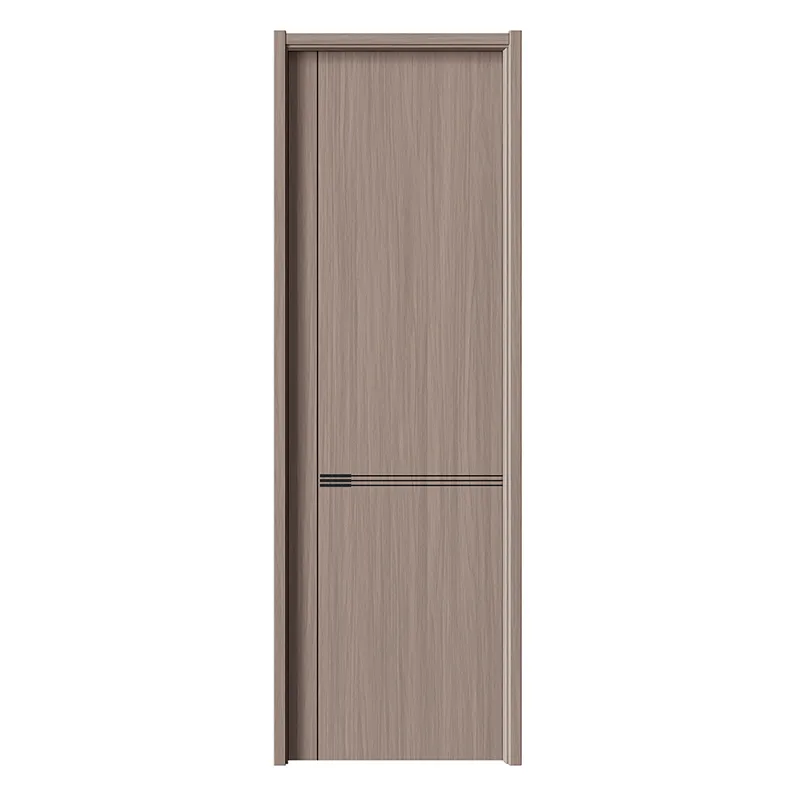 YST-1039 Door Translucent light shadow 3
 -
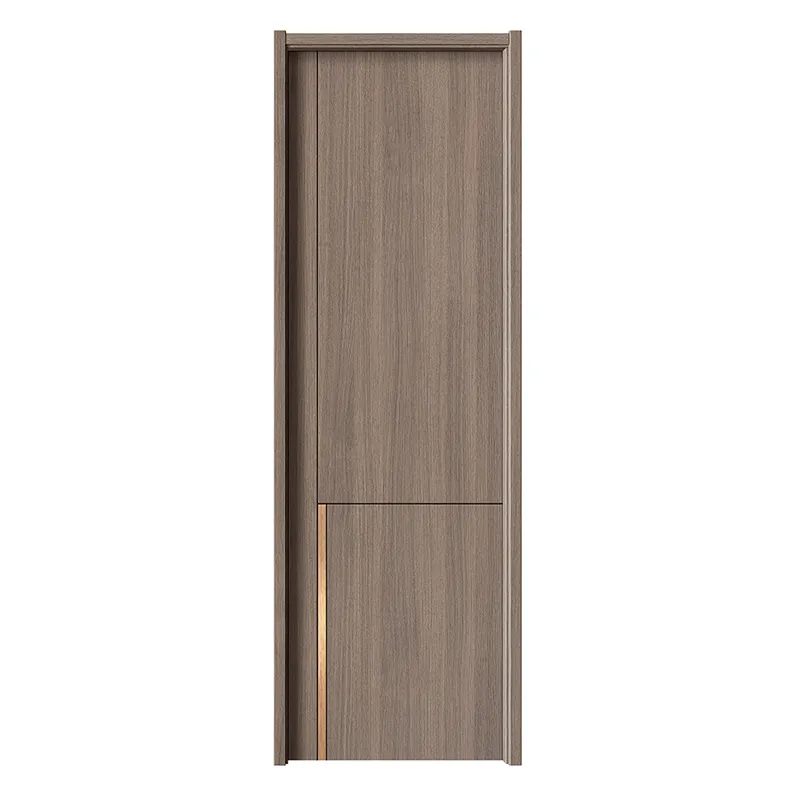 YST-1003 Door Oak gray