




Sliding Japanese door
When you hear “Japanese sliding door?”, many people immediately imagine something like a light partition, almost a screen. This is perhaps the most common and annoying stereotype. In fact, if we talk about real products, and not about cheap replicas, then this is a complex system where the balance between ease of movement, structural strength and visual purity of lines is a whole art. And here lies the main mistake of customers: the race for the lowest price almost always leads to the fact that the door ceases to be exactly Japanese in spirit - it either creaks, or plays, or loses that very elegant simplicity for which it was actually chosen.
What actually makes up the “correct” one? door
Let's start with the base - the frame. I have seen many samples where ordinary laminated veneer lumber, which was not dried sufficiently, was used for the side posts. After a season in a dry room, such a stand can give a gap of a couple of millimeters - and that’s it, the geometry is broken, the canvas no longer moves perfectly. Therefore, a stable material is critical for interior work. For example, I paid attention to the company’s approachAnhui Wantai Woodworking Co.,Ltd— in their catalog, the emphasis is on careful selection and preparation of wood, which for sliding systems is not just a plus, but a necessity. Their websiteanhuiwantai.ruIt is worth viewing precisely from the point of view of technological sections, and not just design.
The second key point is the suspension system. Guide rollers. Here the temptation to save money is great: they install non-specialized fittings that are not designed for lateral loads during many opening cycles. The result is that after six months or a year sagging appears and requires adjustment or even replacement. A real Japanese door involves either a top hanging system with high-quality steel rollers on bearings, hidden in the eaves, or a combined version. But hidden installation is a different story in terms of installation accuracy, the slightest error in the level - and the canvas will “walk?”
And finally, the canvas itself. It doesn't have to be light like shoji paper. Nowadays, combined options are often made: a wooden frame with inserts made of frosted glass, textured plastic or even thin stone. It is important that the weight is balanced against the suspension system. I once came across a project where the designer ordered a canvas with heavy artistic carvings, but did not take into account the load on the upper guide. We had to strengthen the structure of the cornice on the fly, which increased the cost and time. This is the case when the dialogue between the designer, manufacturer and installer should be at the very beginning stage.
Where are the most common mistakes made during installation?
Let's say the door is well made. But the installation negates all the benefits. The most common mistake is an unprepared opening. The walls must be perfectly vertical and parallel, the floor must be level. If the opening is “blocked”, even the highest quality sliding system will work under tension. Often builders hope that the additions or platbands will hide flaws. In the case ofJapanese sliding doorthis won’t work - the gaps here are minimal, everything is visible.
Another nuance is the cleanliness of the work. Installation of the top guide is associated with dust and chips. If you do not remove it carefully, abrasive particles will get into the roller mechanism and quickly wear it out. It would seem like a small thing, but it’s these little things that determine whether the door will last ten years or begin to act up after two. In my practice, I now always insist that the installers vacuum the opening and the guide itself before the final installation of the panel.
And, of course, adjustment. After installation, the door needs to be removed. — adjust the height and inclination of the blade, check the softness of the ride. Sometimes this requires special keys that come with the fittings. It happened that these keys were lost, and the installers tried to adjust them with a screwdriver, tearing off the adjusting screws. Now I strictly demand the transfer of the entire set of tools to the customer or facility manager.
Practical case: when the concept of ?accuracy and quality? works
I remember one restaurant project where it was necessary to zone the space between the common room and the banquet area. The customer wanted Japanese-style sliding panels, but they were not just decorative, but provided good sound insulation when closed. Standard easy solutions were not suitable. At that time, we were just studying proposals from manufacturers who work with arrays and complex engineering problems.
One of the options was products fromAnhui Wantai Woodworking Co.,Ltd. In their description, on the websiteanhuiwantai.ru, exactly the concept that was needed was stated: “build a business on precision, win with quality?”. What is important is that they position themselves not as a handicraft workshop, but as a company with a modern production base focused on international standards. For a commercial facility where the load on the door will be high, this was a compelling argument.
In the end, we settled on their proposal - manufacturing reinforced sliding doors from solid ash with honeycomb filling for sound insulation. The key thing was that their engineers requested not only the dimensions of the opening, but also data on the floor level and the condition of the walls from the builders, and provided a detailed diagram of the preparation of the opening. This saved time on site. The doors themselves came packaged with edge protection, with a full set of fittings and, which is rare, with a paper manual for adjustment in Russian. The installation went smoothly and the doors still operate silently despite heavy use. This is an example when the quality philosophy declared on the website (anhuiwantai.ru) is proven in practice, from packaging to post-sales support.
Unobvious details to pay attention to
In addition to the obvious things, there are details that are revealed only with experience. For example, the end profile of the canvas. In simple systems it is simply flat. But if a magnetic or mechanical latch lock is provided for fixation in the closed state, then there must be a groove or recess at the end. This point is often missed when ordering, and then you have to either discard the retainer or modify the canvas on the spot, which is not always nice.
Another point is processing the bottom edge. If the door has a bottom guide (and these also exist, although less frequently), then at the very bottom they often make a brush-seal that hides the gap and prevents drafts. This brush will wear out over time. It’s good if the manufacturer provides the possibility of replacing it without dismantling the entire canvas. In inexpensive models, the brush is simply glued, and it is almost impossible to replace it accurately.
And finally, the issue of care. Smooth wooden surfaces, especially dark ones, show every wear and tear. Clients should be advised to use special furniture care products such as wax or oil if the door has been treated with them. Sometimes the manufacturer includes a small bottle of such a product in the kit - this is a small but very significant gesture of caring for the product in the long term.
Instead of a conclusion: thinking out loud about the market
Now the market is filled with offers for every taste. But looking at him, more and more often I catch myself thinking that the truesliding japanese door- this is not so much about the country of origin, but about adherence to the principles: minimalism of form, impeccable operation of the mechanism, naturalness of materials and respect for detail. This is a product where there cannot be a ?budget category? without losing the essence.
Therefore, when you see websites of companies likeAnhui Wantai Woodworking Co.,Ltd, where in the description (anhuiwantai.ru) directly talks about the combination of aesthetic design and practical characteristics for the global market, you understand that we are talking about a serious approach. They, apparently, are not focusing on mass consumer goods, but on a segment where the client values this particular combination.
Ultimately, the choice is always up to the customer. But our task as professionals is to convey that behind the apparent simplicity of such a door lies a complex of engineering and production solutions. And if you do invest, then in a system that will work for years, bringing not problems, but precisely that feeling of space, lightness and order for which everything was started. Everything else is just a partition on rollers.
Correspondingproducts
Related Products

Best Sellingproducts
Best Selling Products-
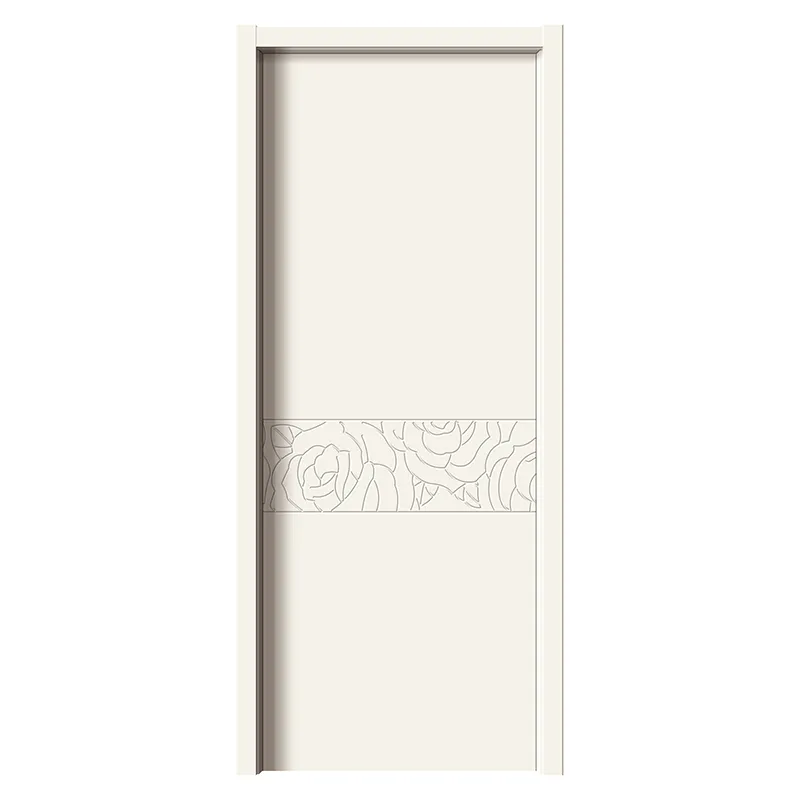 YST-238 Door White ivory
 -
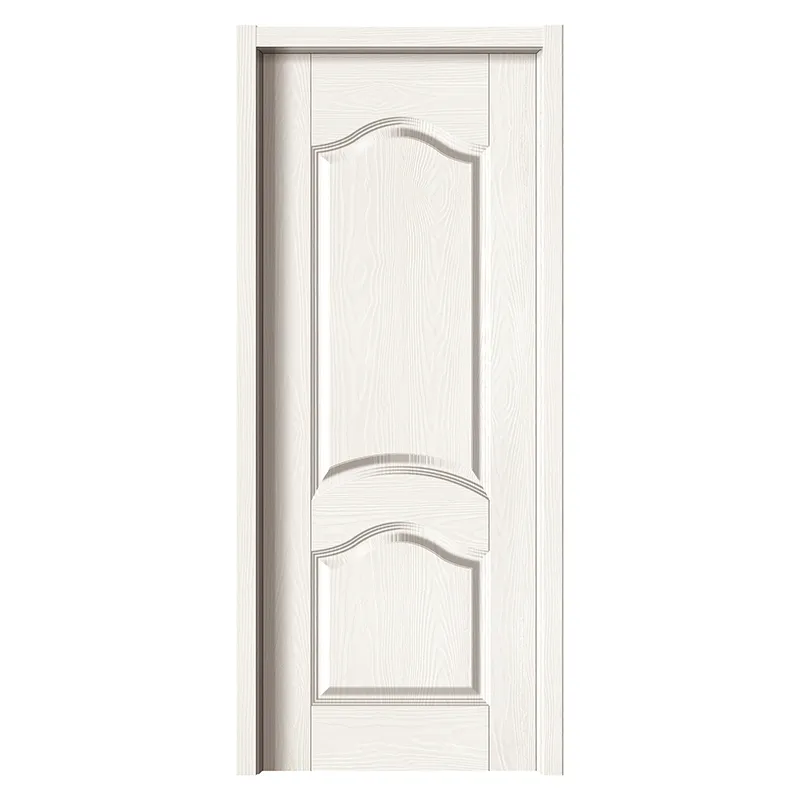 YST-224 Door Warm white with relief
 -
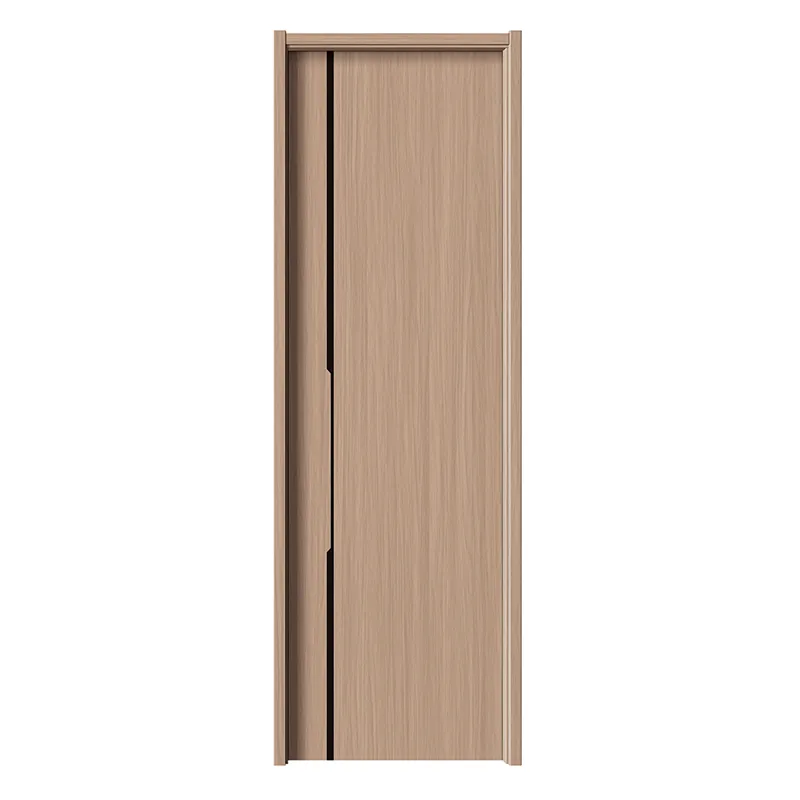 YST-1029 Door Translucent light shade 1
 -
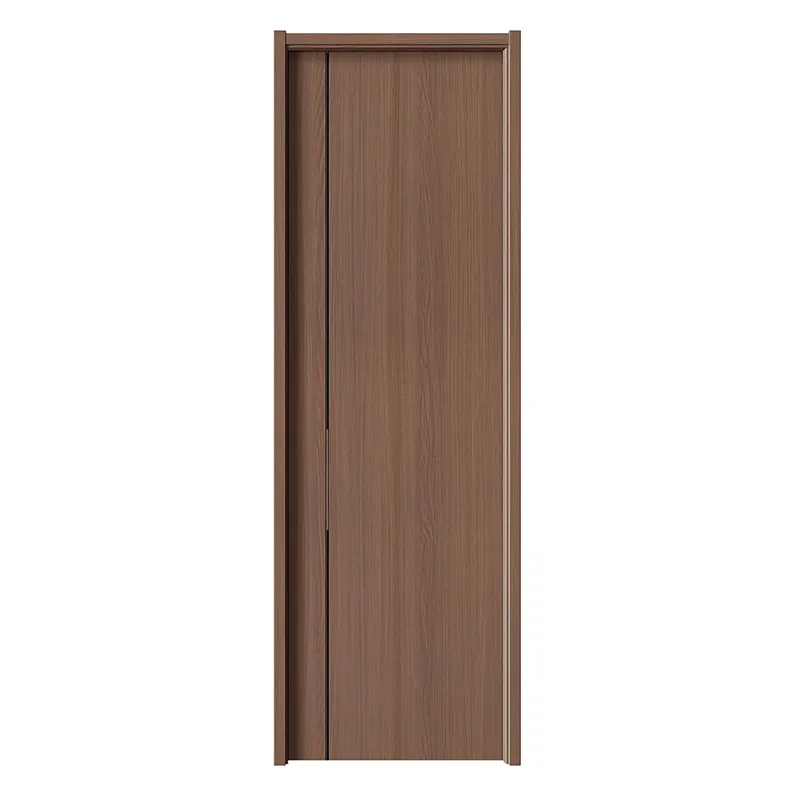 YST-1043 Door Techno-walnut 3
 -
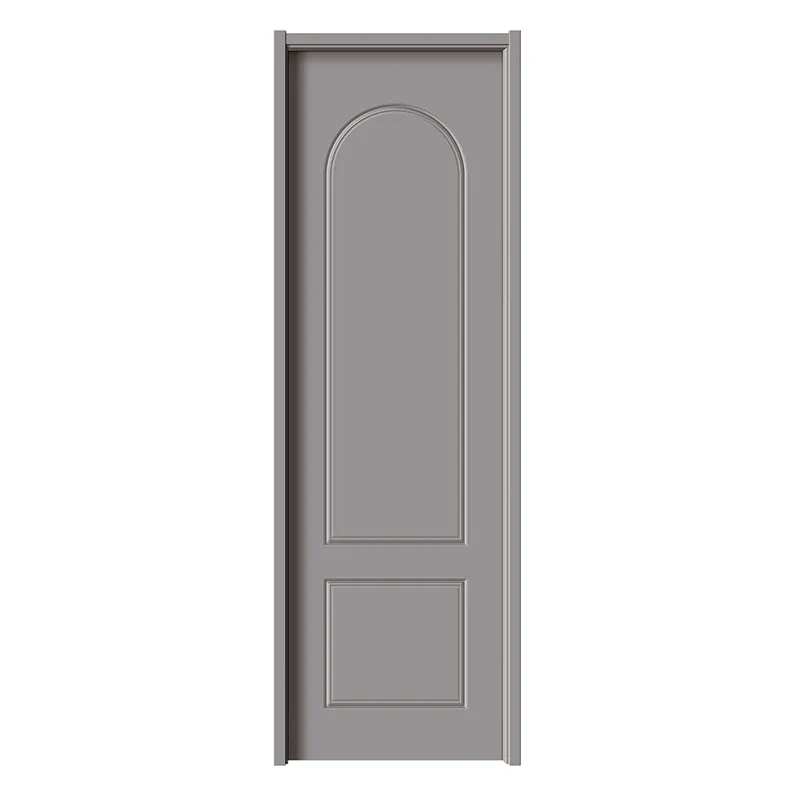 YST-241 French Door 1 soft stone gray
 -
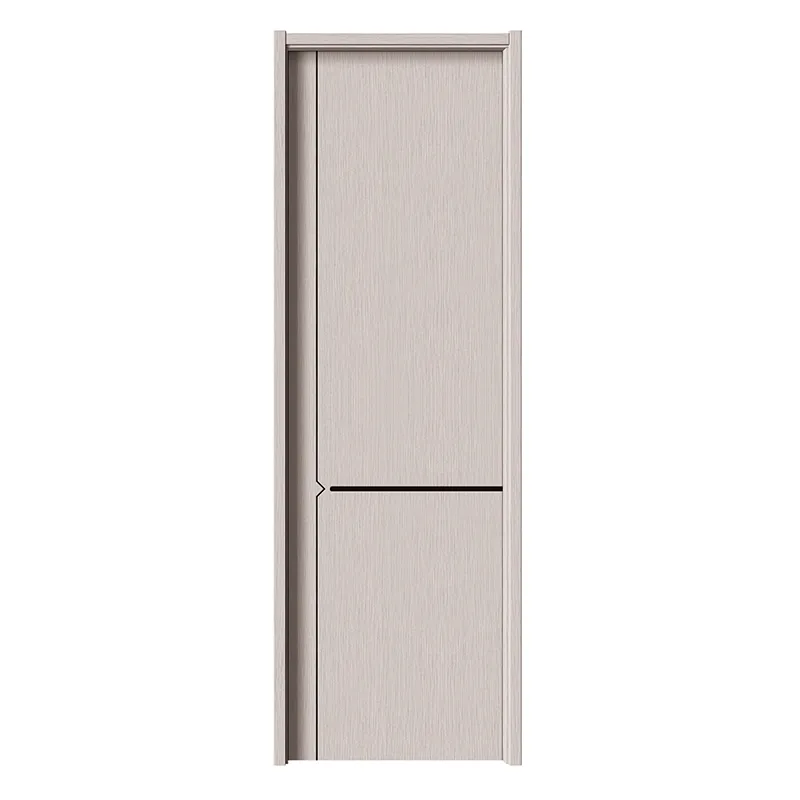 YST-1024 Door Chiaroscuro wood 1
 -
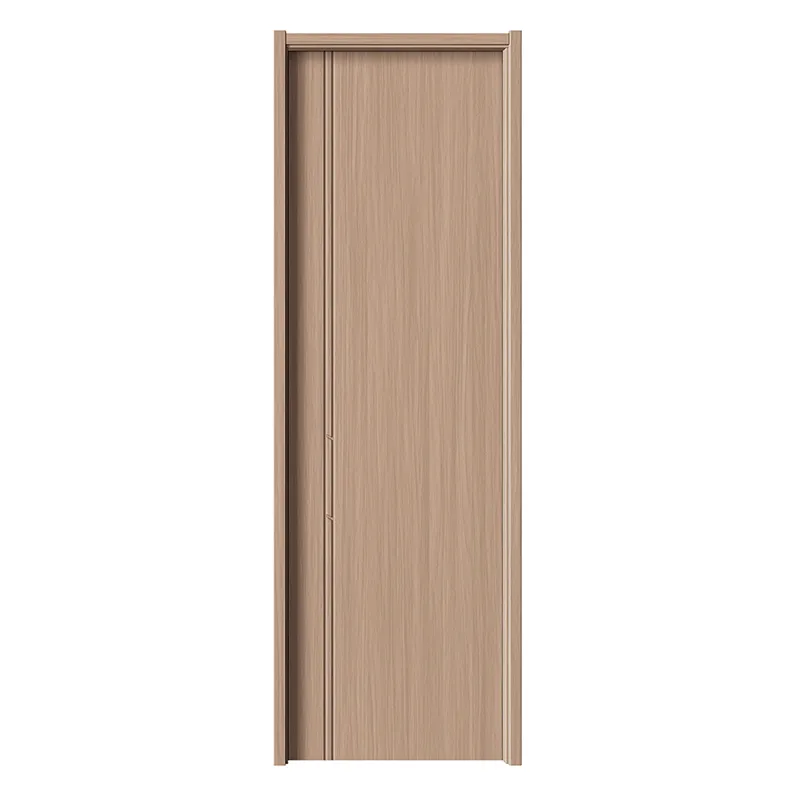 YST-1009 Door Translucent light shade 1
 -
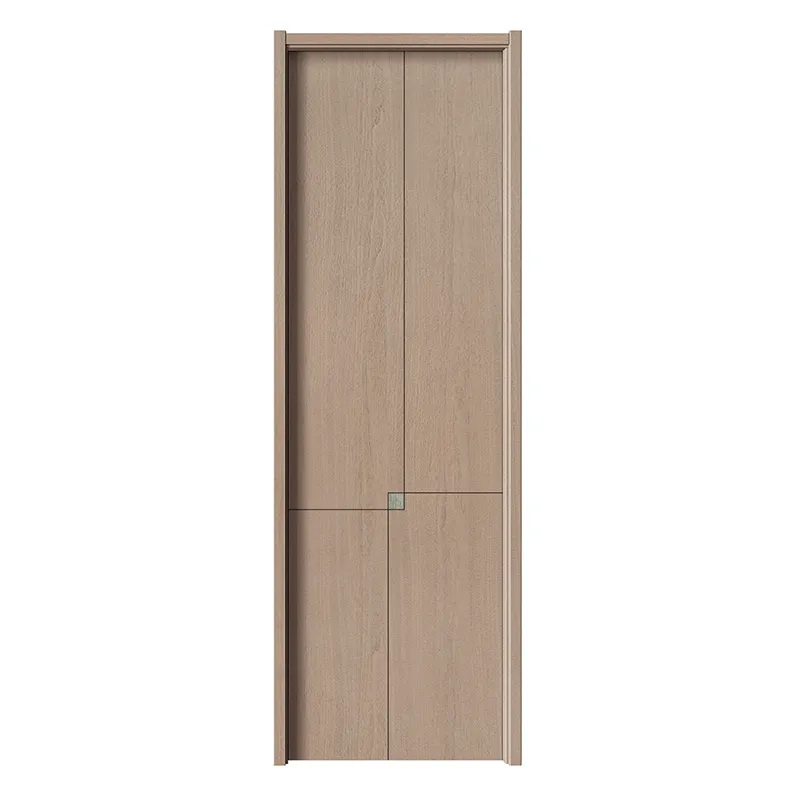 YST-1008 Door Natural walnut 2
 -
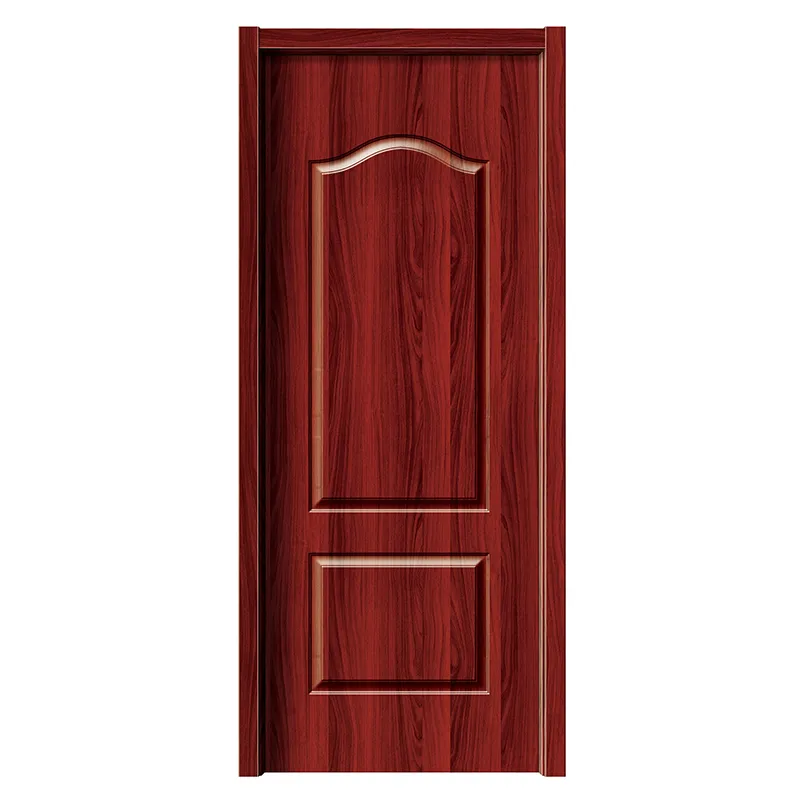 YST-207 Door Red team
 -
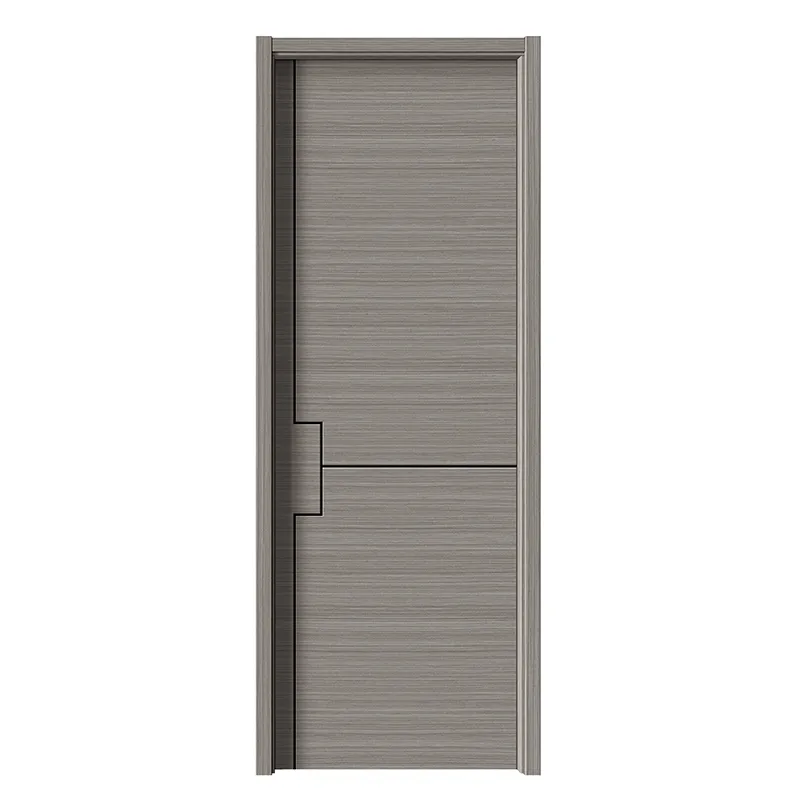 YST-1005 Technotree Door 2
 -
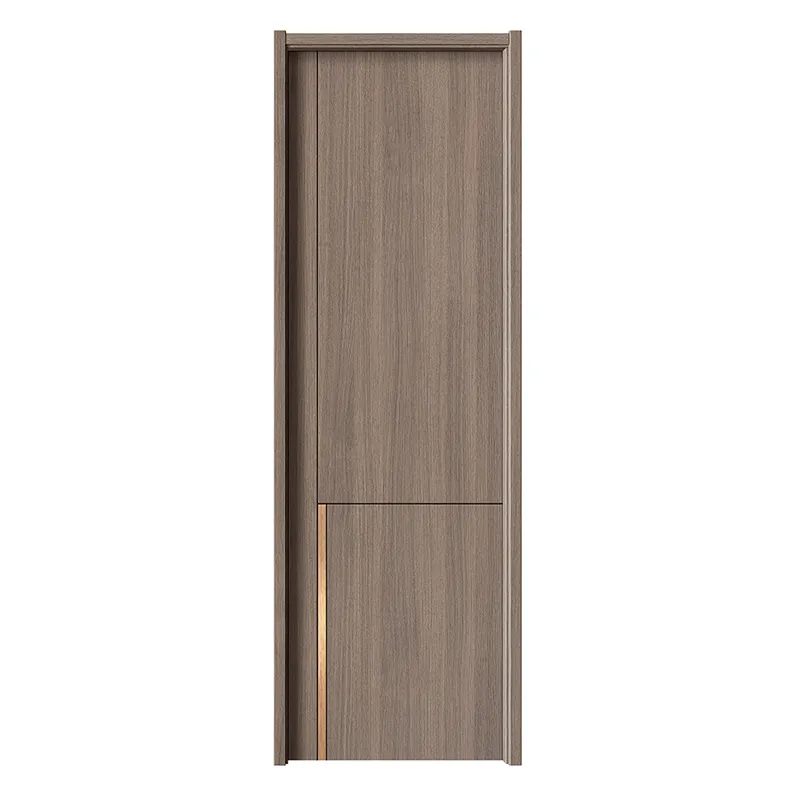 YST-1003 Door Oak gray
 -
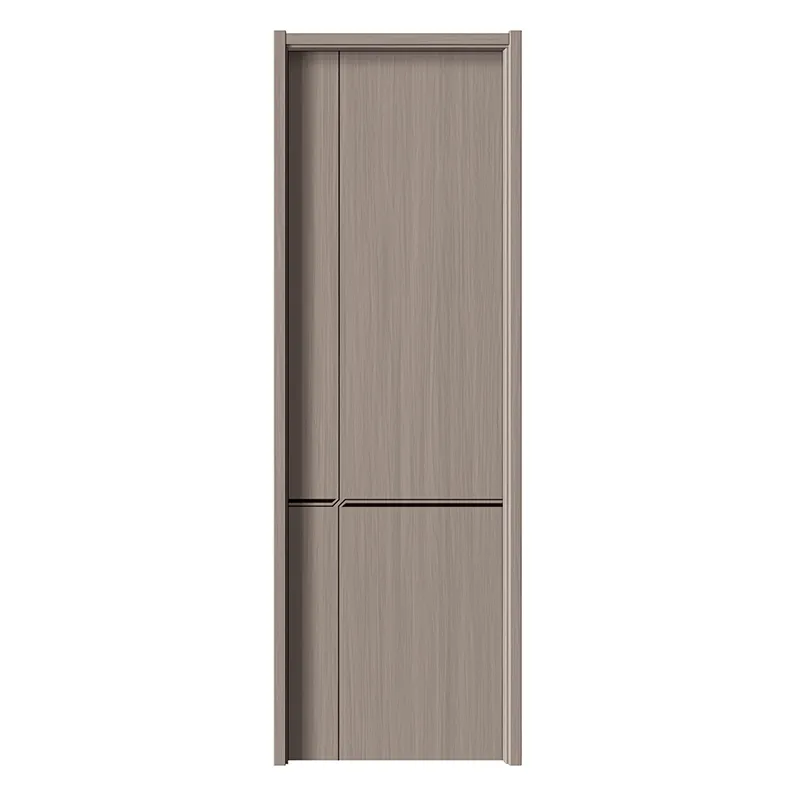 YST-1010 Door Translucent light shadow 3