




Hidden door white
When they say “hidden white door,” many immediately imagine an ideal, seamless wall where the doorway literally dissolves. This is perhaps the most common myth. In fact, to achieve complete “invisibility?” - an almost utopian task if we are talking about real objects with their unevenness, shrinkage and operation. Most often we are talking about a visually minimalist solution, where the emphasis shifts from the door itself to the integrity of the plane. And here the key role is played not so much by color as by design, fittings and, most importantly, preparation of the base. White color is just a tool that will highlight all the advantages and disadvantages of installation.
Construction: base that is not visible
The door itself for concealed installation is, in fact, just a canvas. The trick is in the box and opening system. Standard hinges are not suitable here; hidden or floor-mounted mechanisms are needed. Experience shows that saving on this fittings is a direct path to problems: the door begins to sag, creaks appear, and the fit is disrupted. I have seen projects where the customer insisted on cheaper options, and after six months they had to open up part of the wall to replace the mechanism. Much more reliable than systems with adjustment along three axes, they allow you to compensate for minor distortions after installation.
The box is often made of aluminum profile; it is rigid and not subject to deformation. But there is a nuance here: if the profile is too “weak”, the door leaf under its own weight can lead to it over time. Therefore, when choosing, you need to look not at a beautiful picture, but at the thickness of the metal and stiffeners. Sometimes, for high openings, it is more rational to use a reinforced steel frame, although this is more expensive.
As for the canvas, the white matte finish is currently a favorite. The gloss is too easily soiled and reveals every unevenness of the wall around it. Matteness is more forgiving. But there’s a catch here: white and white are discordant. Is the wall painted with water-based paint and the door covered with enamel? In different lighting these will be two different shades. The ideal option is to use materials from one manufacturer or, at a minimum, paint them before installation. I remember a project where a door was brought from the factory, and the shade was different from the one chosen from the RAL catalogue. We had to urgently repaint it on site, which, of course, reduced the durability of the coating.
Editing: where an idea is born (or dies)
The most critical phase. You can buy the most perfecthidden door, but crooked installation will bring everything to naught. The first rule is a perfectly aligned wall plane. Differences of more than 2-3 mm per meter will already be noticeable, especially on a white background. Often builders hope that the door structure itself will “level?” wall. This is a mistake. The structure must be mounted in a ready-made, even opening.
The second point is the gaps. They try to minimize them, usually leaving 1-2 mm around the perimeter. But this gap must be uniform! If it is 1 mm at the top and 3 mm at the bottom, the shadow from the end of the canvas will lie unevenly, and the gap will become visually striking. After installing the box and before puttingtying/painting the joints, I always recommend letting the structure “settle” a couple of days in conditions as close as possible to operational conditions (with heating/air conditioning on). Wood and even metal can play.
And the third, often overlooked stage is integration with the wall material. If the wall is made of plasterboard, then the junction of the box and the gypsum board must be reinforced with serpyanka, otherwise a crack is guaranteed to go along the joint line. If the wall is plastered, then it is important to combine the layers of plaster and putty on the frame. The use of elastic putty compounds helps here. One day we were working with productsAnhui Wantai Woodworking Co.,Ltd— they supply ready-made kits, where the specifications clearly state the requirements for the installation gap and recommended compounds for sealing. This greatly simplifies the life of the foremen. Their websitehttps://www.anhuiwantai.ru, by the way, contains good technical excerpts on the preparation of openings, which is rare for manufacturers who often focus only on design.
White color as a challenge
Choice in favorwhite hidden door- This is a deliberate complication of the task. White, especially matte, does not forgive dirt. Fingerprints, scuffs from clothes, dust - all this is much more noticeable on it than on dark or textured surfaces. In high traffic commercial spaces this can be a problem. The solution is coatings with protective properties, the so-called “anti-cat”. or ?anti-fingerprint?. But they usually have a slight satin or silky sheen, which again changes the visual experience compared to a matte wall.
Another practical aspect is maintainability. It’s easy to scratch or chip the paint on the end during use. Repairing such a scratch in place so that it is invisible is aerobatics. The factory coating applied in the chamber will always be more durable. Therefore, if we are talking about an object where impacts are possible (say, an office with document carts), it is worth considering the option of white veneered canvas or MDF canvas with an acrylic coating of increased hardness. As the company notes in its descriptionAnhui Wantai Woodworking Co.,Ltd, their philosophy is to build a business on precision and win with quality, which precisely means carefully selecting such finishing coatings for specific tasks, rather than selling one universal solution.
Lighting is the dictator of perception. The same onewhite doorIt will look different in warm and cold light. And if direct sunlight falls on it, and the wall is in the shadow, then the invisibility evaporates. When designing, you need to simulate lighting scenarios. Sometimes it makes sense to break it up a little. flatness, making the door not absolutely white, but half a tone darker or lighter than the wall, but in the same color temperament. This creates an interesting visual effect of being ?readable? when viewed closely, but a solid plane from a distance.
From practice: when theory meets reality
We had an object - an apartment in a new building. The customer wanted perfectly white hidden doors around the entire perimeter. They did everything wisely: they leveled the walls with a laser, took high-quality doors with hidden hinges, and installed them. They handed in the work. After 8 months a call: “The doors began to turn yellow!?”. We arrived and looked - however, on the north side the doors remained white, but on the south, where there is sun all day, they acquired a distinct yellowish tint. The problem was with the UV filters of the varnish. The manufacturer saved money by supplying a regular composition that is not stabilized against ultraviolet radiation. I had to acknowledge the warranty case and change the canvas. Now we always clarify this point.
Another case is the office. After installationhidden white doorsinto the meeting rooms, employees began to bump into them. The door, when closed, really merged with the wall, which had the same white panels. I had to add subtle brushed nickel knobs, just as a tactile and visual marker. Sometimes functionality and safety are more important than the dogma of complete invisibility.
Conversely, a good example is a private house, where we used such doors to enter the dressing room and technical room. The walls were painted with structural paint, and we repeated this texture on the door leaf using special plaster and in situ painting. The seams were worn almost to zero. The result was phenomenal: even we, knowing where the door was, had difficulty finding it with our eyes. The repetition of not only the color, but also the texture of the base played a role here.
Instead of a conclusion: the hidden door is a system
So,hidden door whiteis not a product that you can simply buy and insert into the opening. This is a system that includes: 1) a well-designed and manufactured door structure (here the approach is the same asAnhui Wantai Woodworking Co.,Ltd, with control from raw materials to process, is completely justified), 2) an impeccably prepared base, 3) professional installation with an understanding of materials science, and 4) realistic customer expectations. The race for absolute invisibility often leads to unnecessary expenses and disappointments. It's much more productive to talk about creating an elegant, minimalistic element that works for the overall concept of the space without attracting too much attention to itself. And in this sense, white is a powerful ally, but it requires respect and precise calculation. After all, the best hidden door is one that you don't think about until you need it, and that works quietly and reliably when you do.
Correspondingproducts
Related Products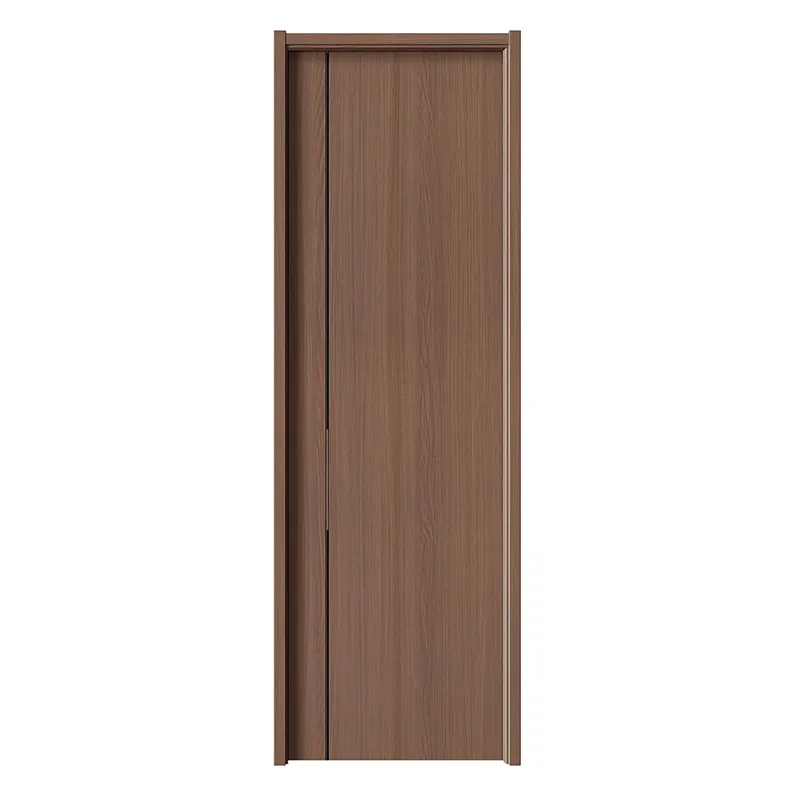
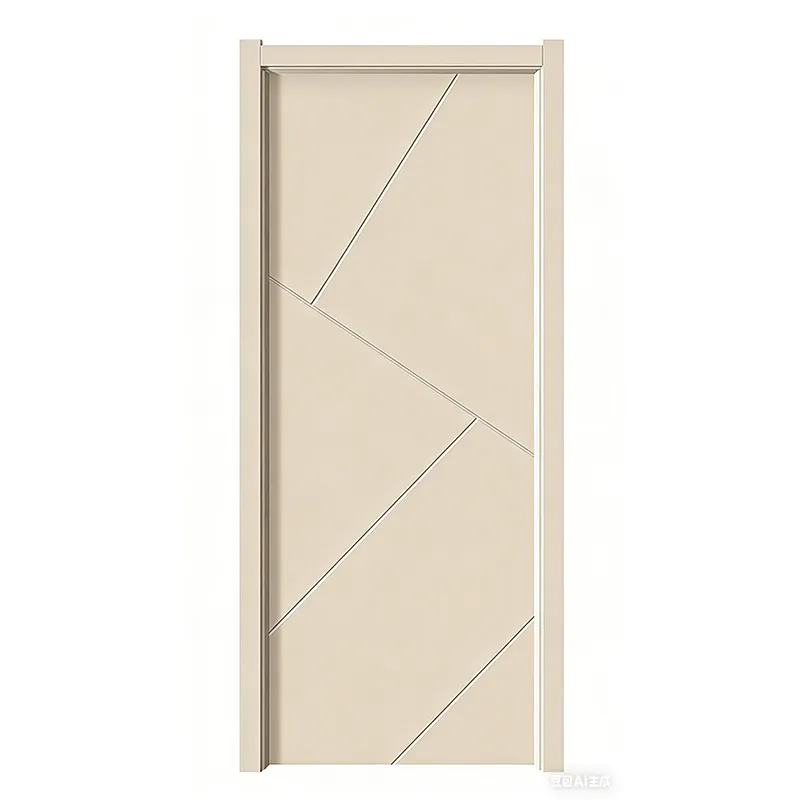
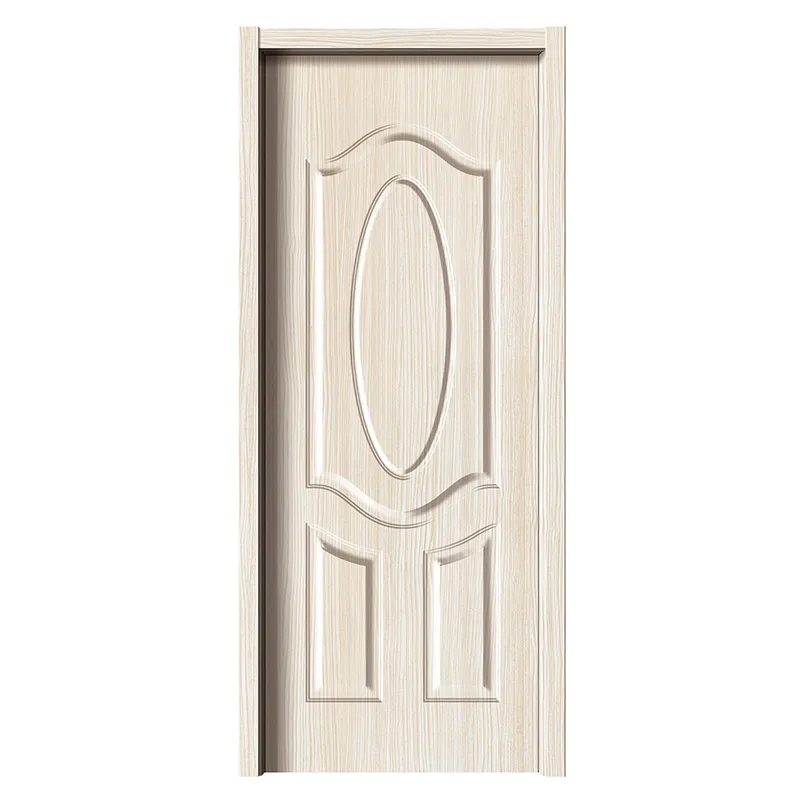
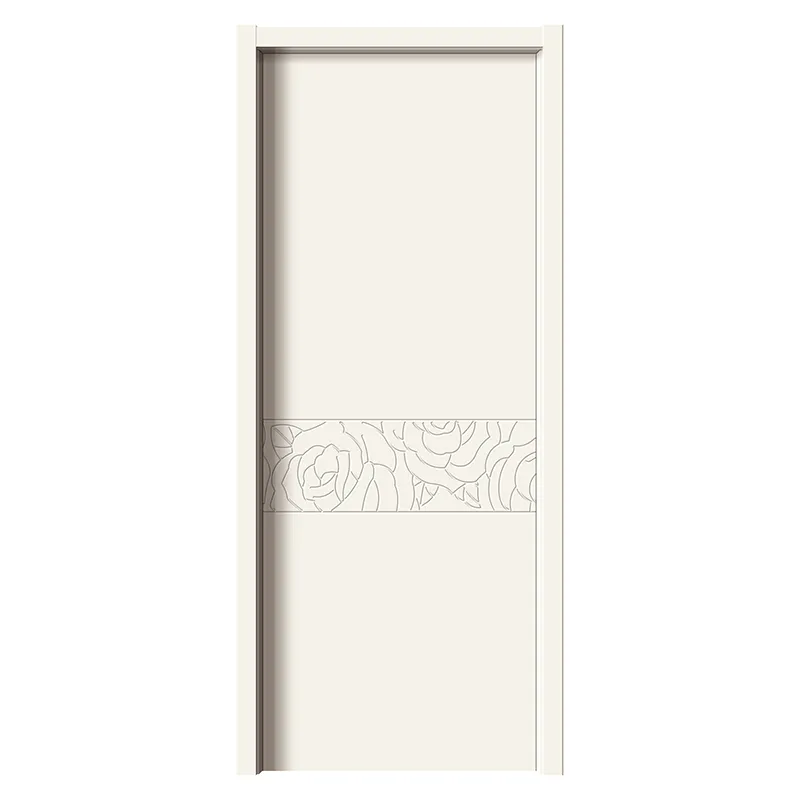

Best Sellingproducts
Best Selling Products-
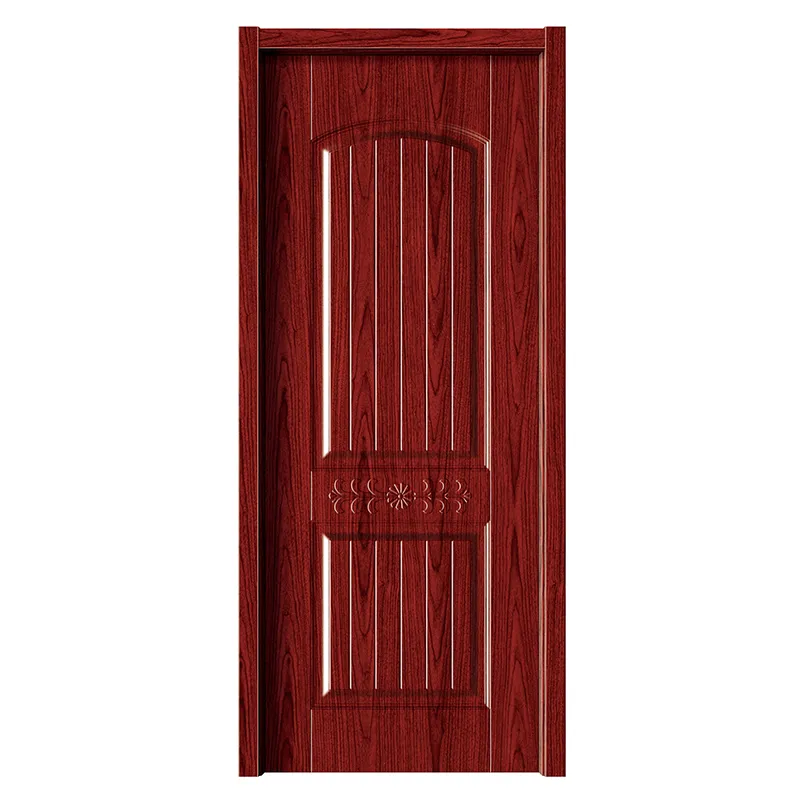 YST-233 Door Mahogany
 -
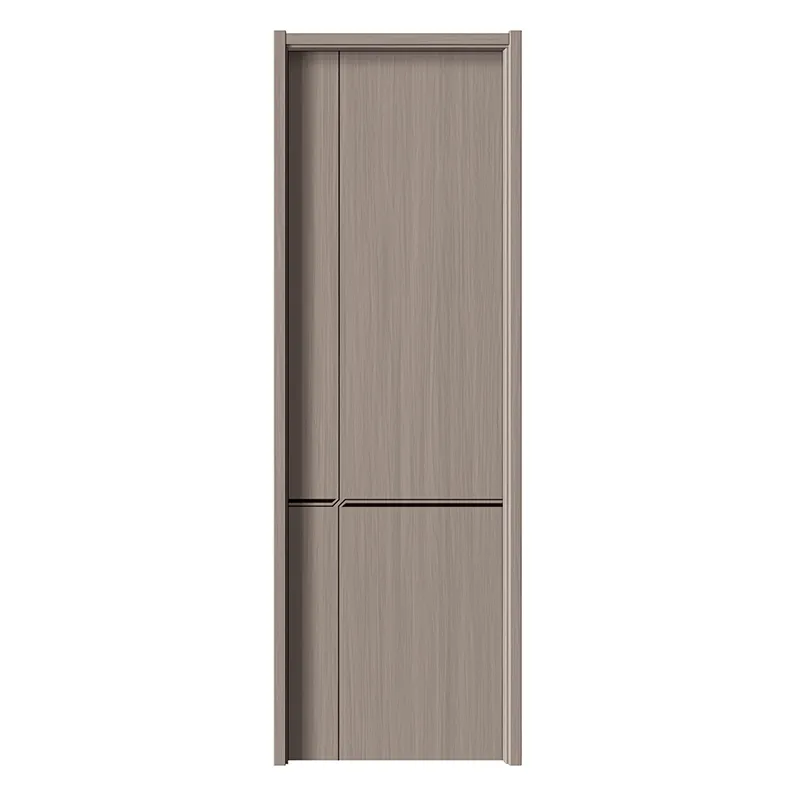 YST-1010 Door Translucent light shadow 3
 -
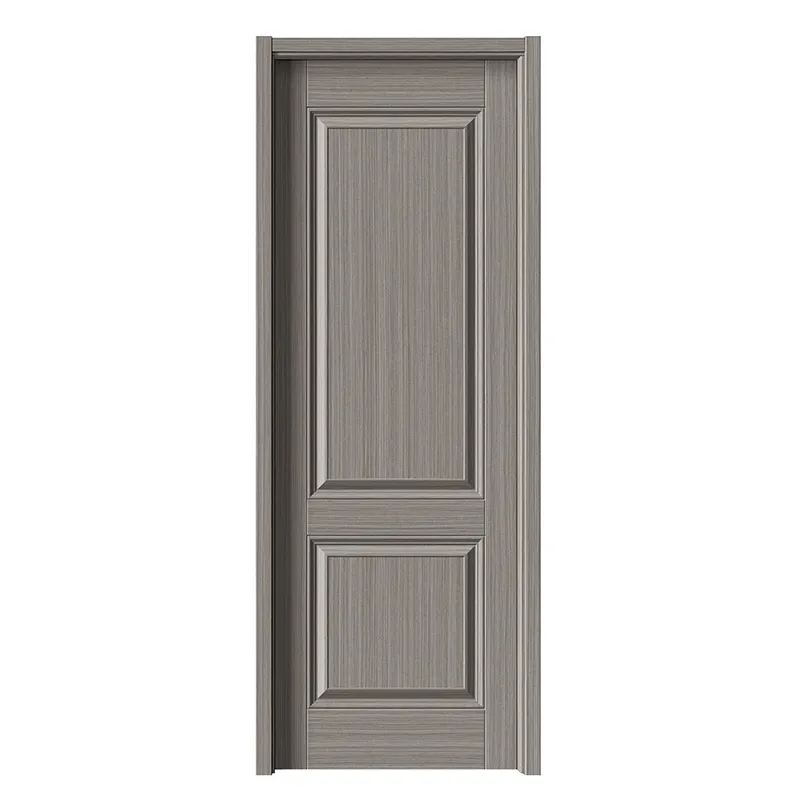 YST-214 Door Technowood 2
 -
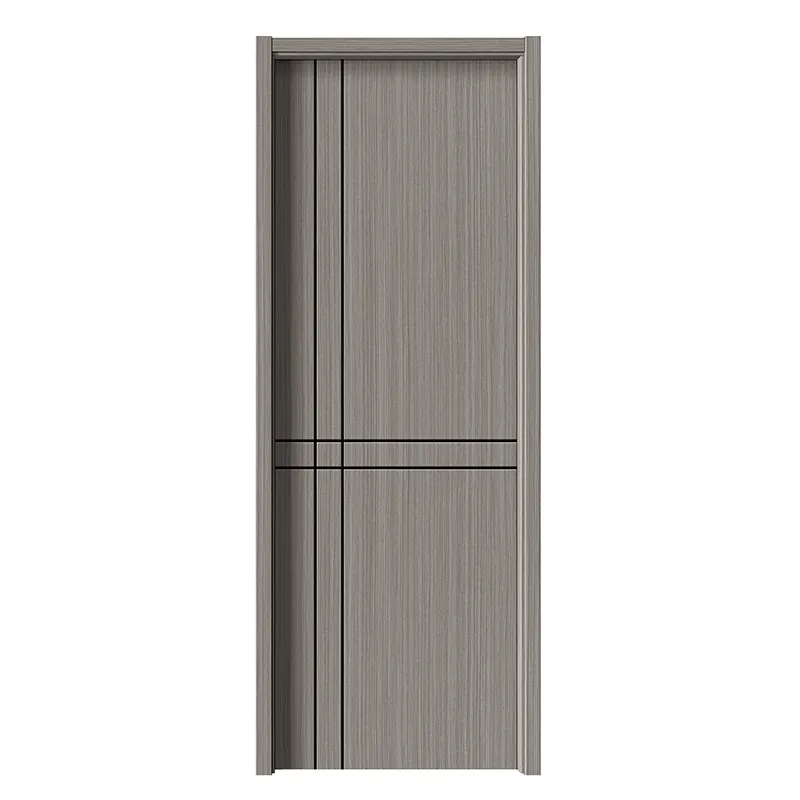 YST-1004 Door Technotree 2
 -
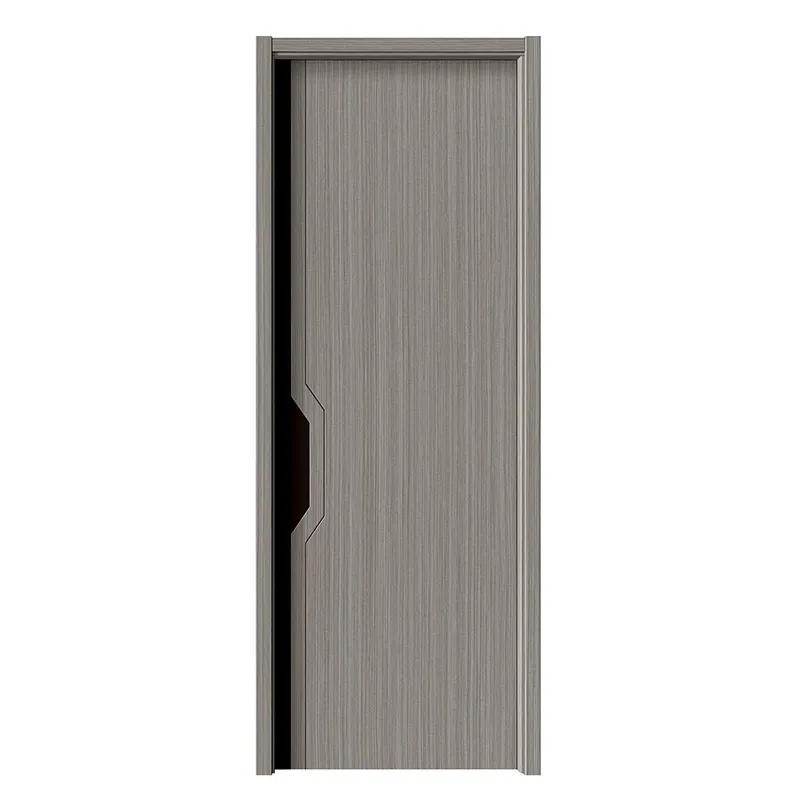 YST-1007 Technotree Door 2
 -
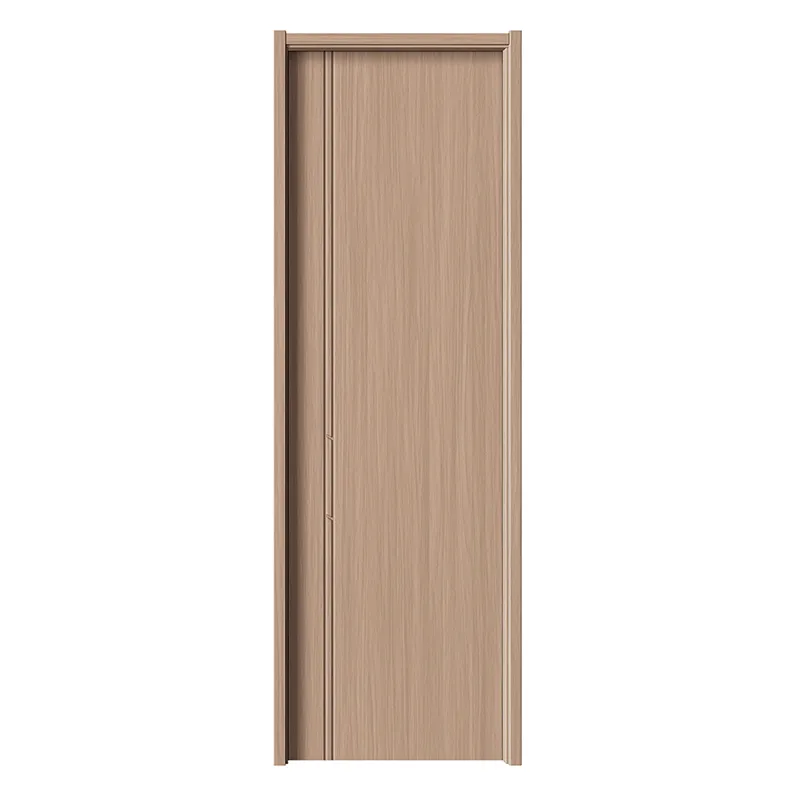 YST-1009 Door Translucent light shade 1
 -
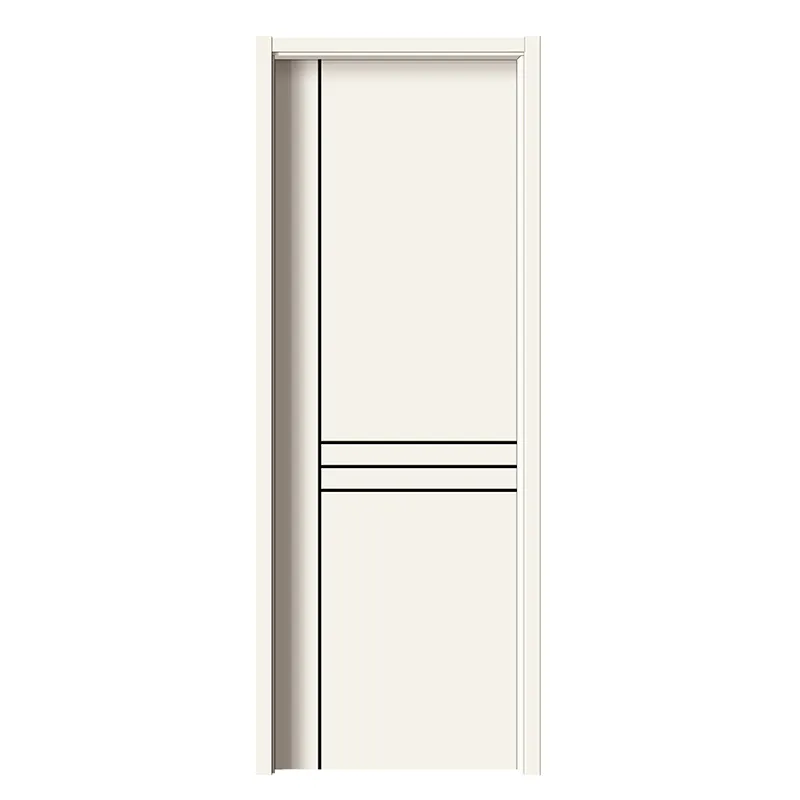 YST-220 Door Warm white
 -
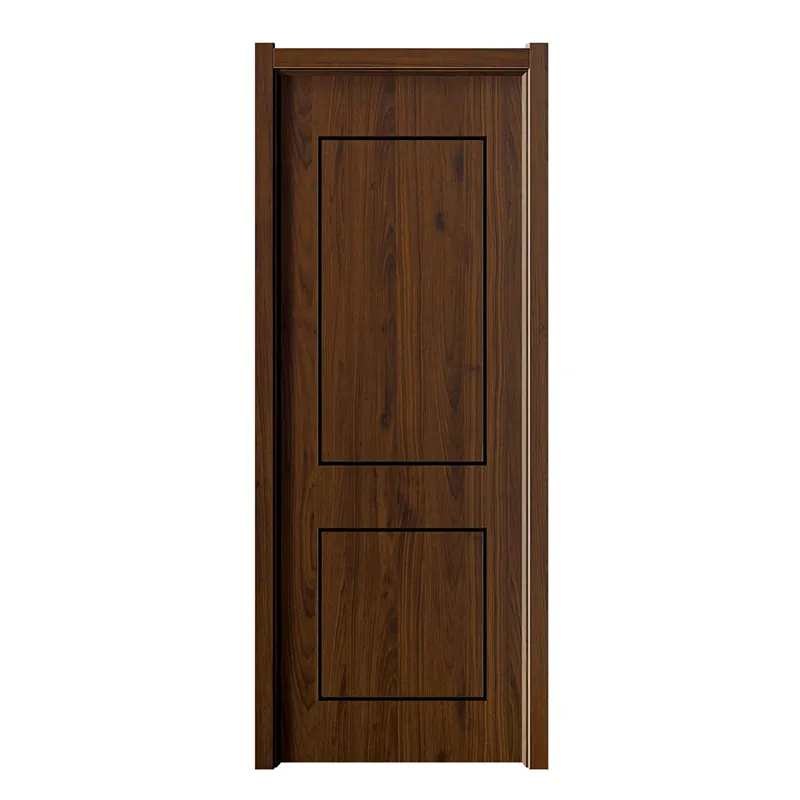 YST-WPC2 Door
 -
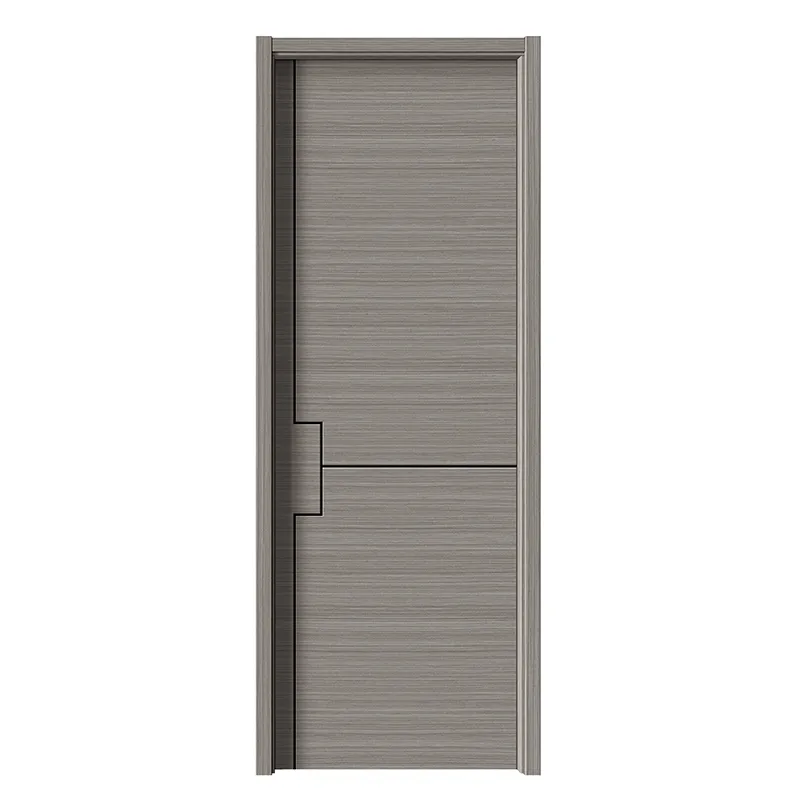 YST-1005 Technotree Door 2
 -
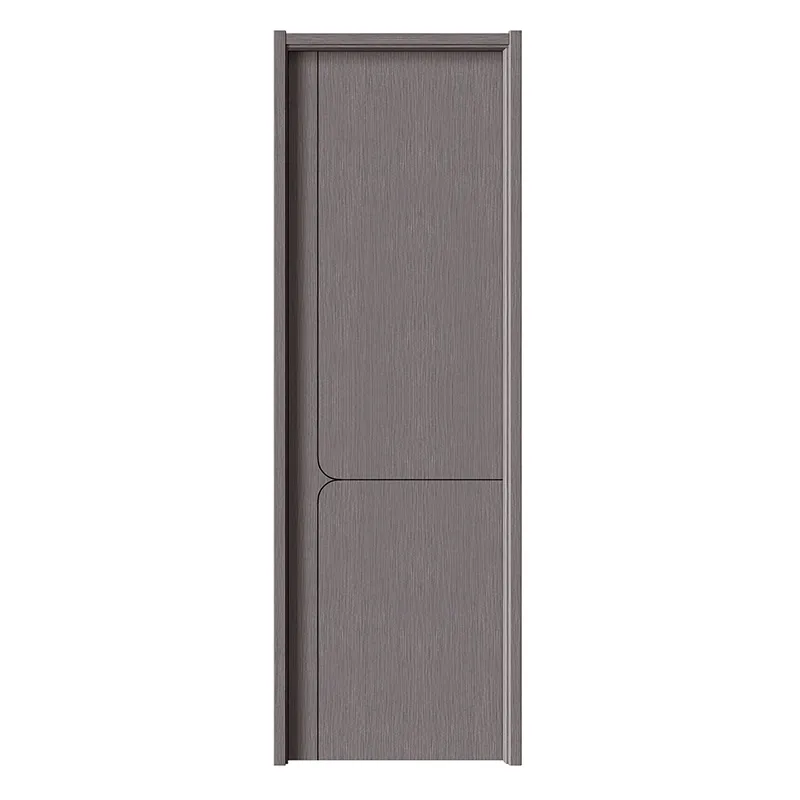 YST-1001 Door Chiaroscuro tree 2
 -
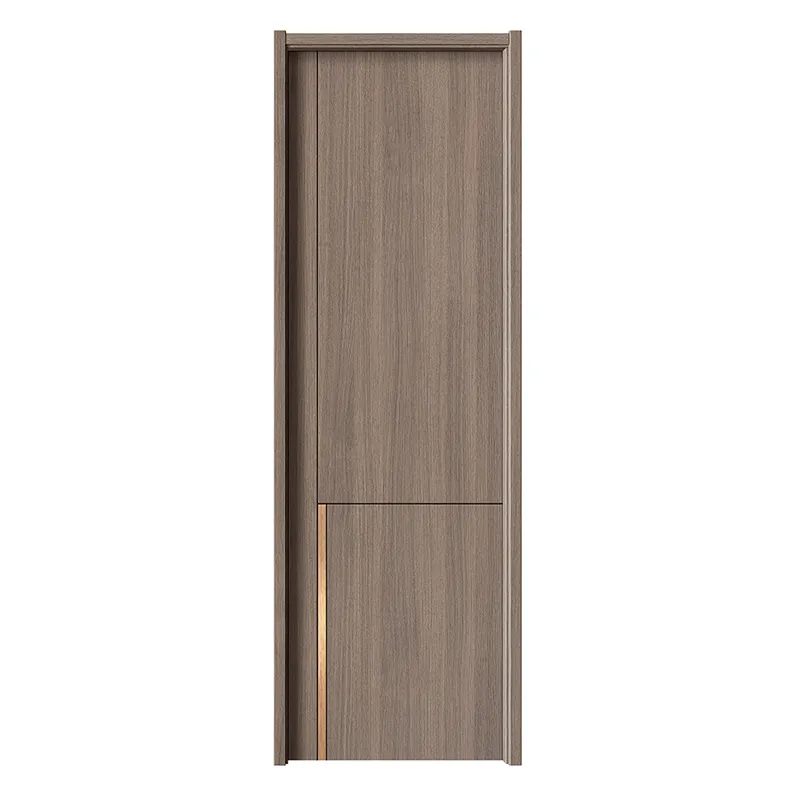 YST-1003 Door Oak gray
 -
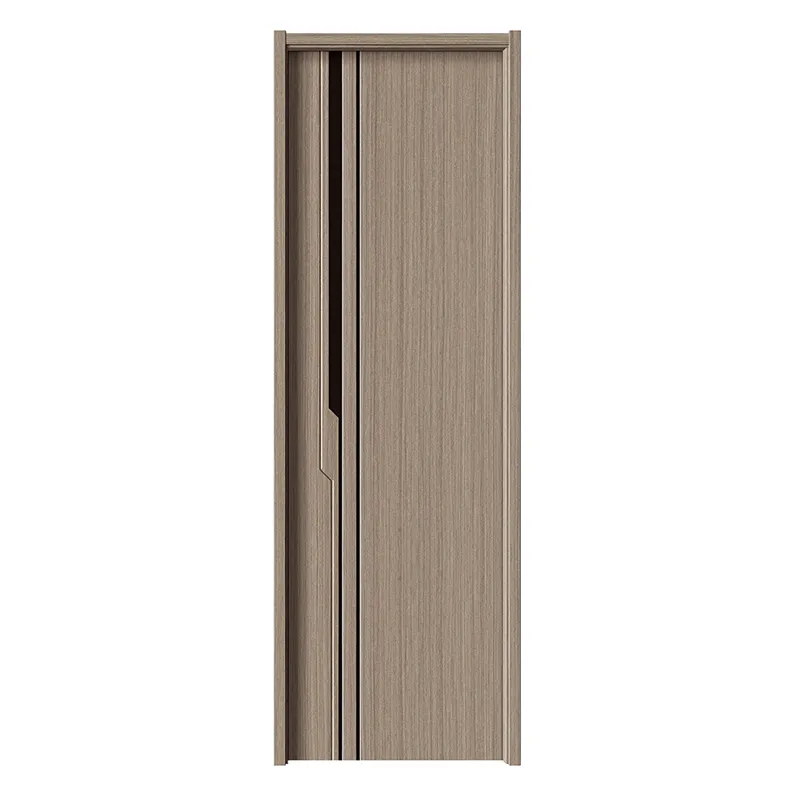 YST-1018 Technowood Door 1