




Plastic swing balcony door
When they talk aboutplastic swing balcony door, many people immediately imagine a standard block of a profile and a double-glazed window - they say, what’s so complicated about that? In practice, even in such a seemingly simple design, there are a lot of details that determine whether it will simply close the opening or become a reliable, durable and convenient element of housing. A common mistake is to consider all plastic doors the same, focusing only on price and appearance. In fact, the difference in the quality of the profile, fittings, assembly and, importantly, in understanding the very logic of the rotary mechanism is colossal.
What is hidden behind the term “rotary”?
Not everything here is as simple as it seems.Pivot balcony door- This is a basic, classic type of opening. But within this category there are already variations. It's not just about whether it opens inward or outward (which in itself is important from a safety and design point of view). The key is the type of fittings used and its settings. Cheap fittings on lightweight profiles quickly become loose, the sash begins to sag, and cracks appear. A high-quality one, with multi-point locking and adjustments along three axes, will serve for decades even with active use.
I remember an incident at one of the facilities: the customer bought an allegedly “European” one. door, but the installers were faced with the fact that the adjusting screws were made of a soft alloy - at the first attempt to tighten the clamp, the slots “licked off”. The door stopped closing tightly after the first winter. This is a prime example of saving on invisible but critical components. Therefore, now I always look not at the door brand in general, but specifically at the brand of built-in fittings - Roto, Siegenia Aubi, Maco. Their presence already speaks volumes.
Another nuance is the preparation of the opening. Often in old houses the balcony block was placed in a “weak”, not reinforced opening. Simply replacing a door with a heavier plastic structure without assessing the condition of the masonry or panel can lead to problems. Sometimes additional reinforcement is required, otherwise over time not only the door, but also the entire window group may become warped. This is the work that is not visible after finishing, but it is fundamental.
Plastic is different from plastic: profile and its filling
The basis of anyplastic door, of course, makes a profile. There is a lot of talk here about the number of chambers, but for a balcony door, especially in our climate, what is more important is not so much the number of air chambers in the profile itself (although a 5-chamber minimum is now standard), but rather its structural rigidity and the quality of the reinforcement. A good steel reinforcing liner around the entire perimeter provides a safety margin against deformation.
But there is also a less obvious point - the width of the profile. For a balcony block, which is a buffer between the apartment and the street, I often recommend considering systems with an installation width of 70 mm and above. This is not only better resistance to heat transfer, but also, as a rule, a more massive and stable impost (the pillar between the door and the window), as well as the possibility of installing a wider and more reliable double-glazed window.
Double-glazed windows are a different story. For a balcony door, the standard single-chamber package is a thing of the past. The minimum is a two-chamber one, and better yet, with energy-saving i-glass and argon in the chambers. Why? A door is a large glass area. In summer it can overheat the room, in winter it can be a source of cold. The right glass unit solves both problems. I have seen examples where replacing a conventional double-glazed window with an energy-saving one in such a door significantly changed the temperature in the loggia in winter and reduced condensation.
Installation: where the main risks lie
You can buy the most technologically advancedplastic balcony door, but ruin everything at the installation stage. The main principle that many people ignore is that the door should be installed not just in the opening, but on a supporting base using support blocks and fasteners with the correct spacing. The fasteners must fit into the reinforcement, but not interfere with its operation.
A common mistake is to blow it out. all with polyurethane foam, considering it both insulation and a structural element. Foam is only an auxiliary sealant. The load-bearing function is performed by anchor plates or dowels. And the gaps on the sides and top must be clearly maintained for subsequent expansion/constriction of the profile due to temperature changes. The gap is too small - the door will not fit? in the summer heat. Too big - it will be difficult to foam efficiently and lastingly.
Particular attention is paid to the lower part, the threshold. This is the most vulnerable place to water and cold. High-quality waterproofing on the outside is required, as well as proper installation of drainage. Sometimes, if the design allows, it is worth considering the option of an insulated threshold. Helps avoid drafts and freezing in severe frosts.
When plastic is not the only option: a look at alternatives
Working in the field, you constantly come across different materials. And althoughplastic rotatingthe door is a massive and practical solution; there are cases when clients consider other materials, for example, wood. It is important to objectively evaluate the tasks. Wood is aesthetics, naturalness, prestige, but also a different level of requirements for care and microclimate.
For example, a companyAnhui Wantai Woodworking Co.,Ltd (https://www.anhuiwantai.ru), as their description suggests, focuses on supplying wooden doors that combine design and practicality. Their approach is to “build a business on precision, win with quality?” - this is exactly the principle that is important for any material. If we talk about wooden balcony doors (although this is a rarer request), then the key becomes the quality of the wood itself, its drying, processing and protection from the external environment. Modern technologies make it possible to create stable wooden structures, but their cost and logistics are usually higher than their plastic counterparts.
For mass housing, for conditions of constant use, changes in humidity and temperature, plastic with its unpretentiousness often wins. But in projects where the interior design is built around natural materials, where a unique appearance is important, a wooden door manufactured to strict standards, like the oneAnhui Wantai Woodworking Co.,Ltd, can be a justified and beautiful choice. It’s just a solution from a different category of tasks and budget.
Final thoughts: what not to skimp on
Drawing a line under thoughts aboutplastic pivoting balcony door, I would like to highlight several points, savings on which are almost guaranteed to result in problems. The first is the fittings. This is the ?heart? doors. The second is the qualifications of the installers. It’s better to pay for the work of a professional with recommendations than to redo it later and deal with distortions. Third - double glazing. For a balcony door it must be above the average class for thermal insulation.
And lastly, you shouldn’t chase the maximum cheapness. The market is saturated, and a low price is almost always achieved by simplifying the design, lightening the profile, using the most basic fittings and questionable assembly. Such a door may look acceptable for the first year, but then creaking, blowing, and difficulty closing will begin.
Ultimately, the choice is always up to the consumer. But being familiar with how it works from the inside, I always advise considering the door not as a separate object, but as part of the “balcony block - opening - finishing” system. Only an integrated approach, taking into account all the nuances from the profile to the installation seam, gives the result when you simply forget about the door - because for years it has been regularly performing its function without requiring attention.
Correspondingproducts
Related Products
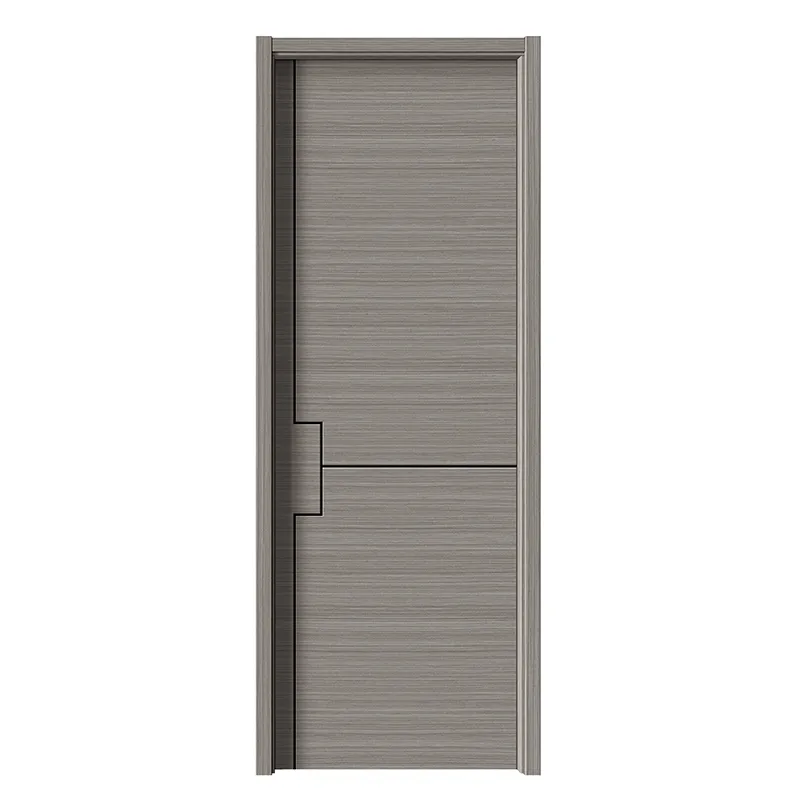
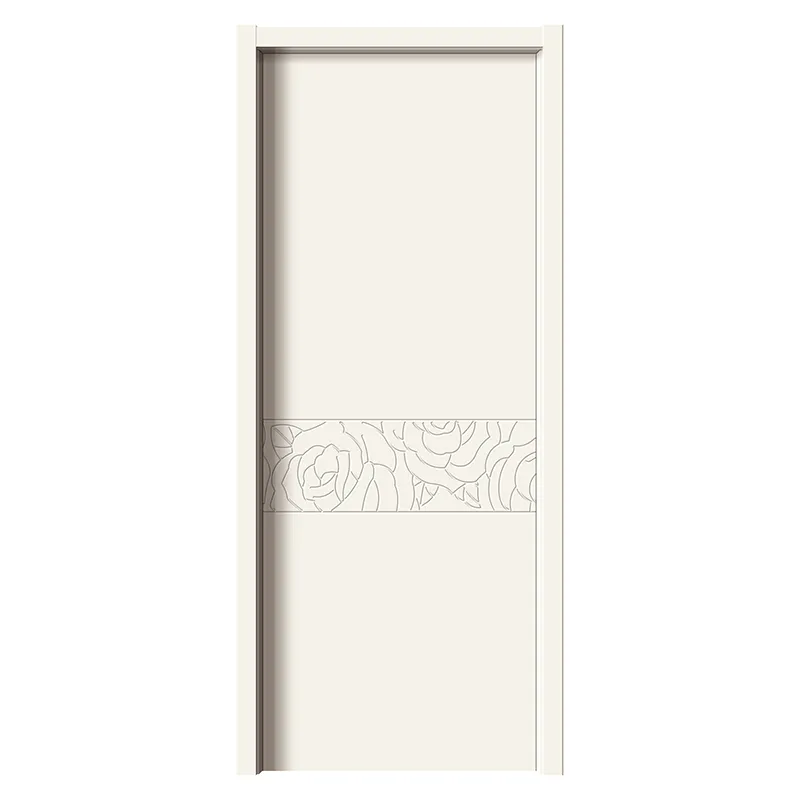

Best Sellingproducts
Best Selling Products-
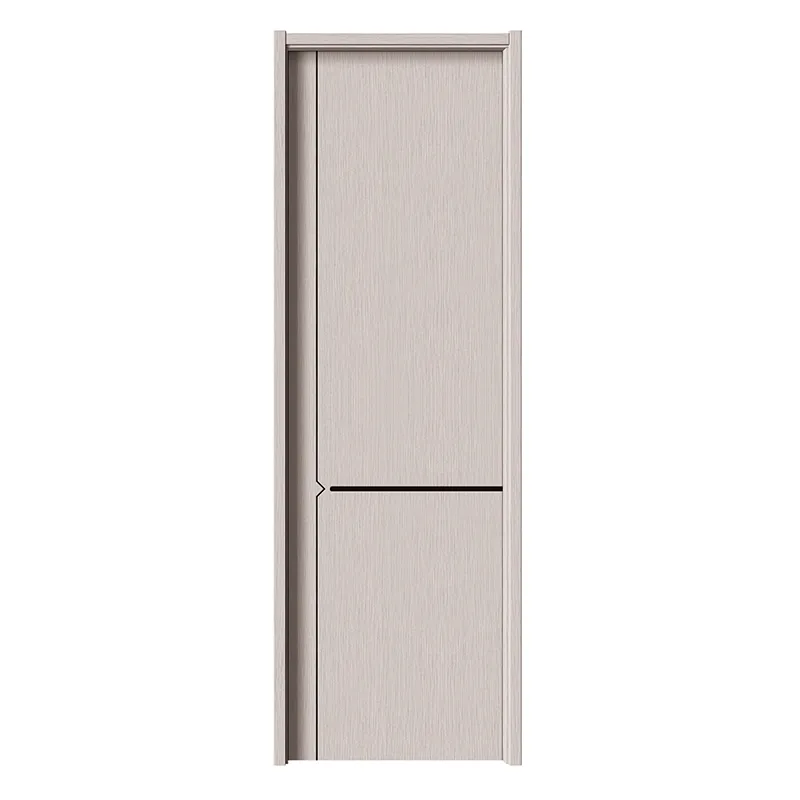 YST-1024 Door Chiaroscuro wood 1
 -
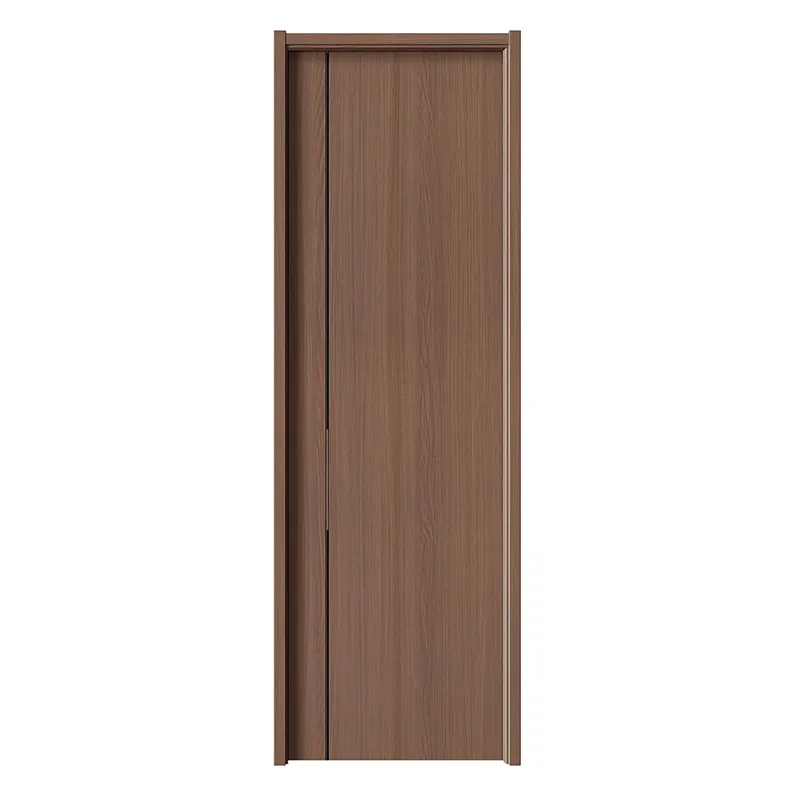 YST-1043 Door Techno-walnut 3
 -
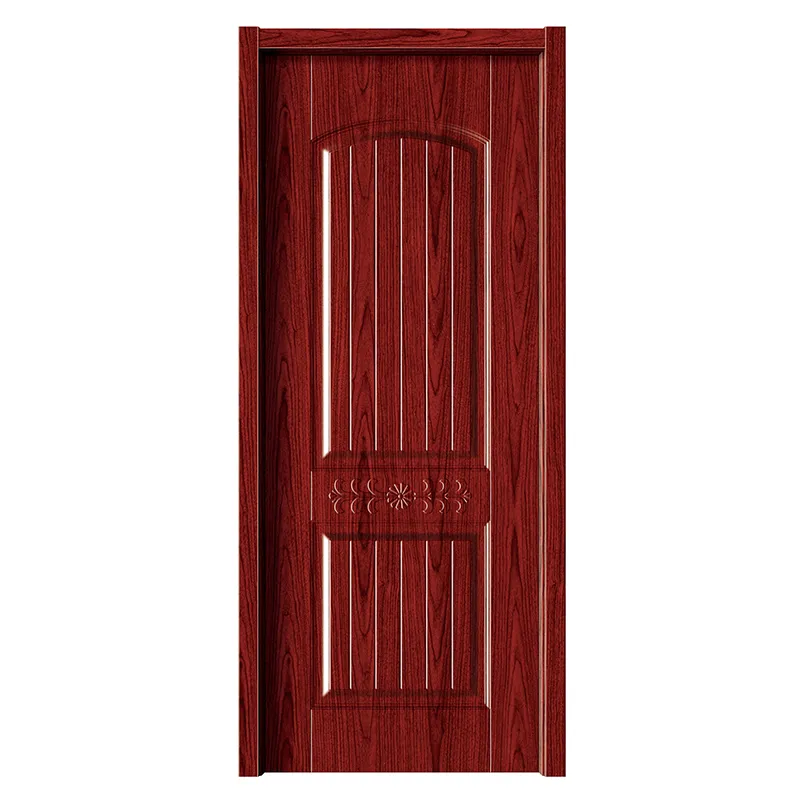 YST-233 Door Mahogany
 -
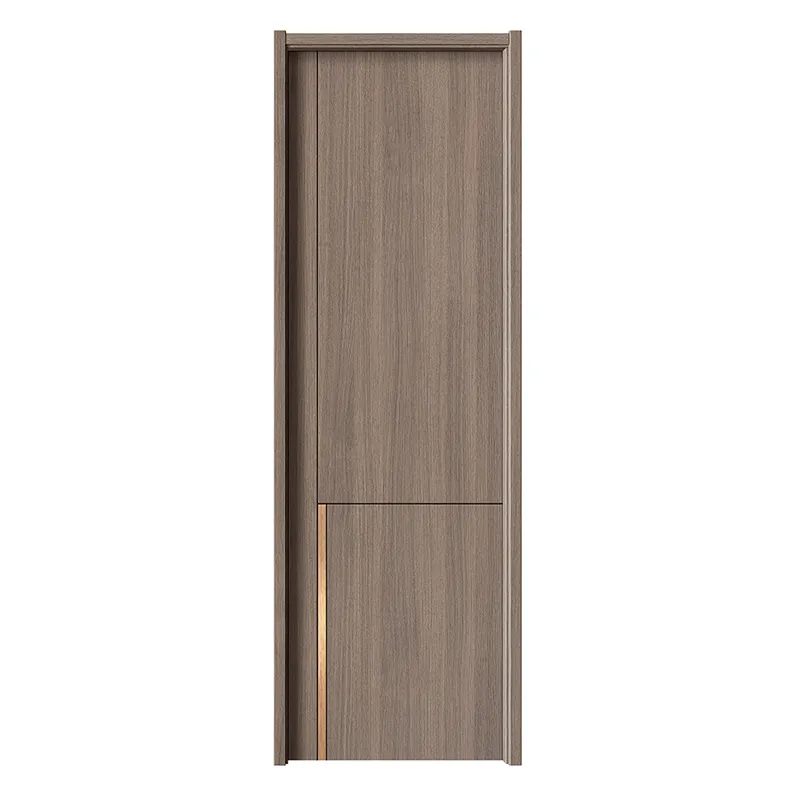 YST-1003 Door Oak gray
 -
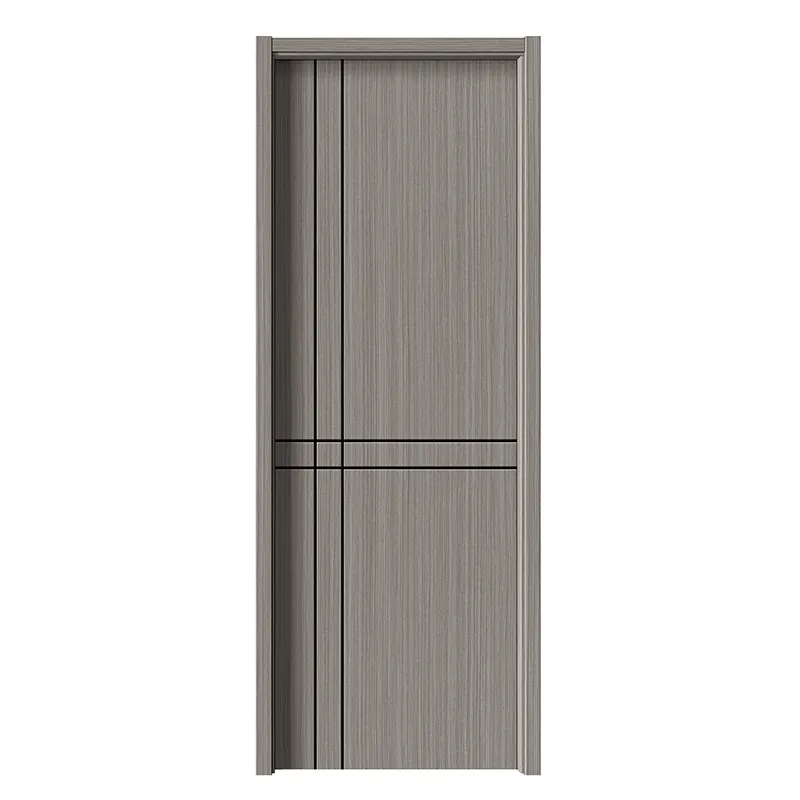 YST-1004 Door Technotree 2
 -
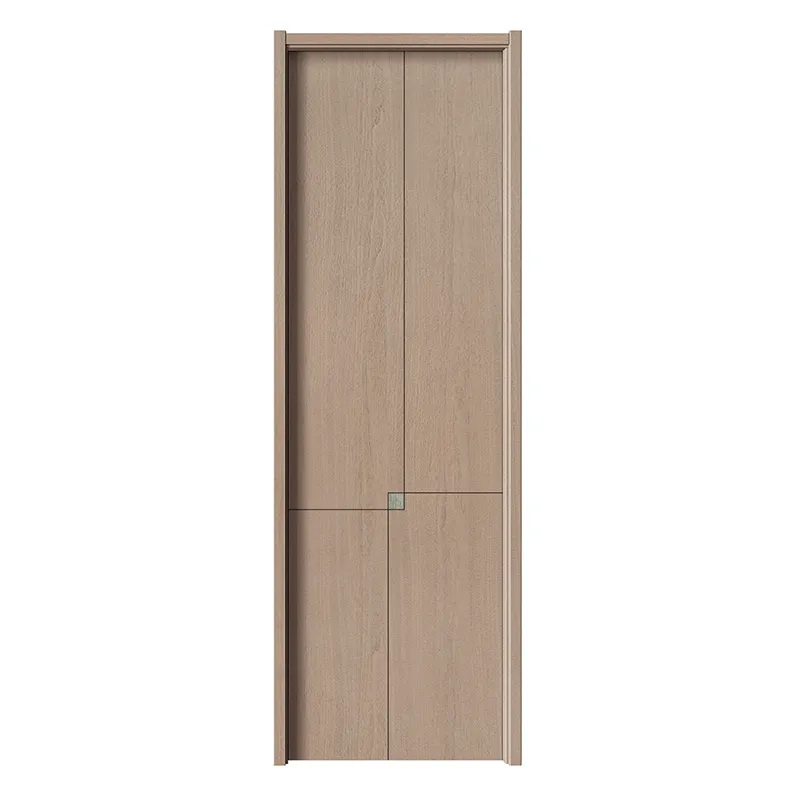 YST-1008 Door Natural walnut 2
 -
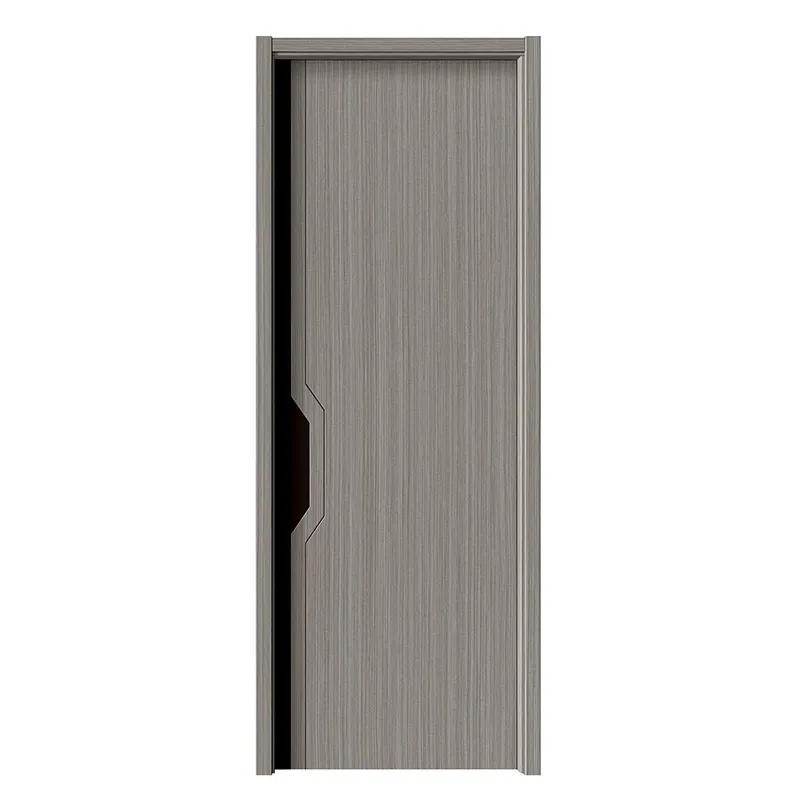 YST-1007 Technotree Door 2
 -
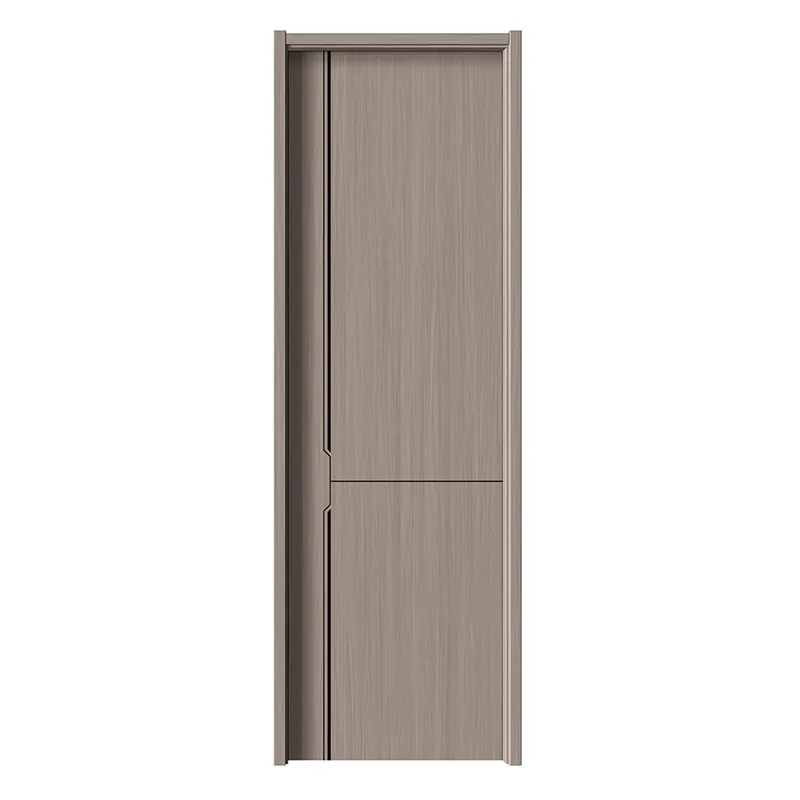 YST-1011 Door Translucent light shadow 3
 -
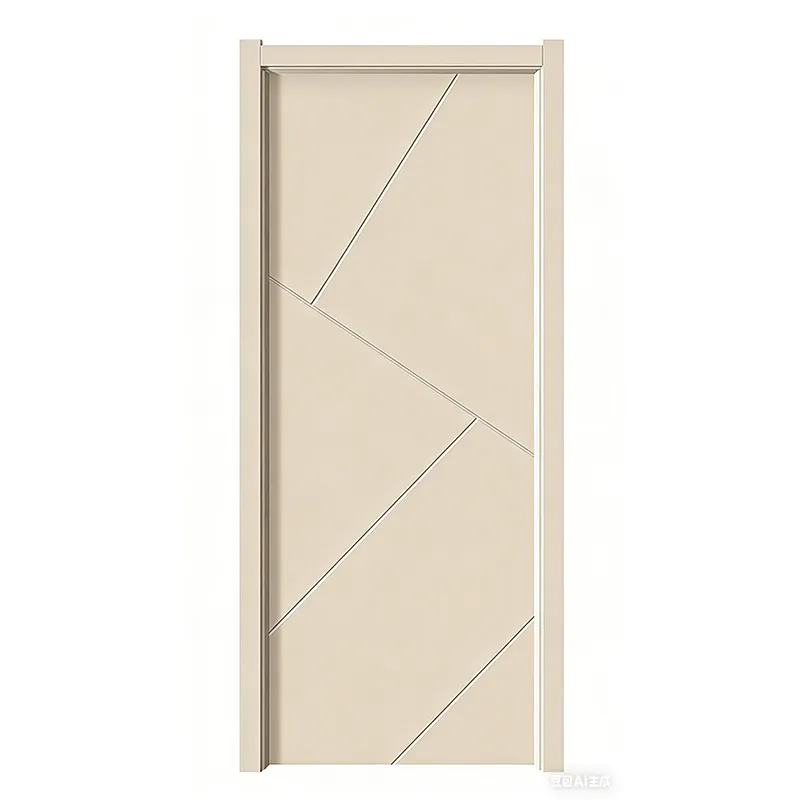 YST-WPC3 Door
 -
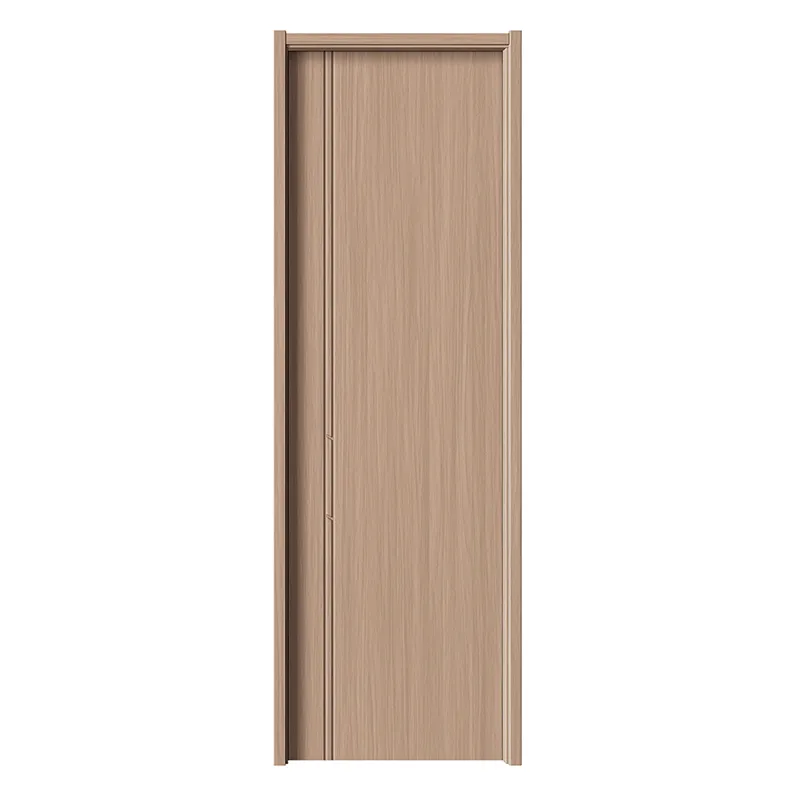 YST-1009 Door Translucent light shade 1
 -
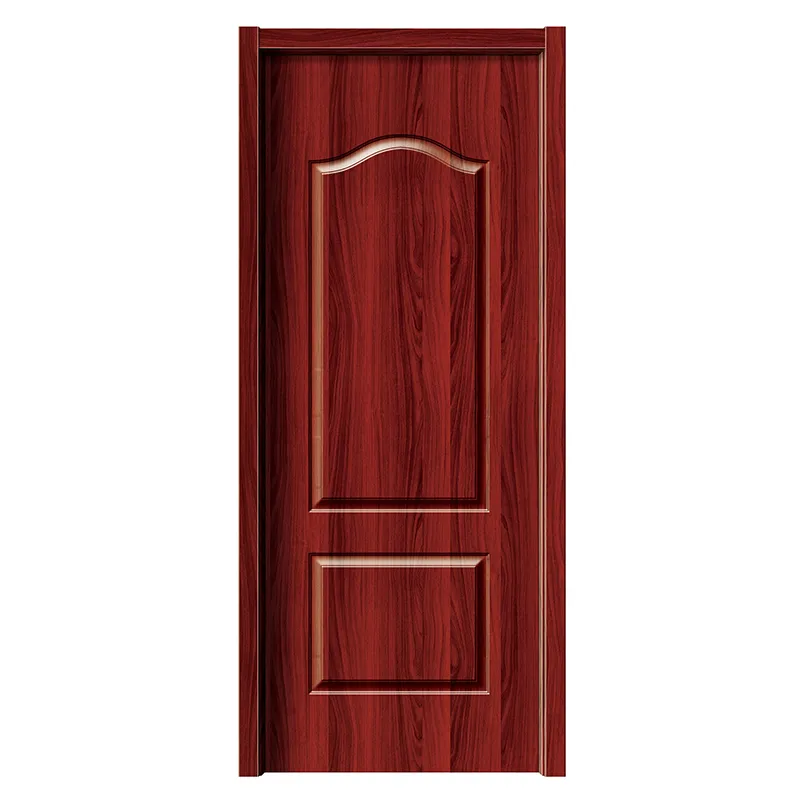 YST-207 Door Red team
 -
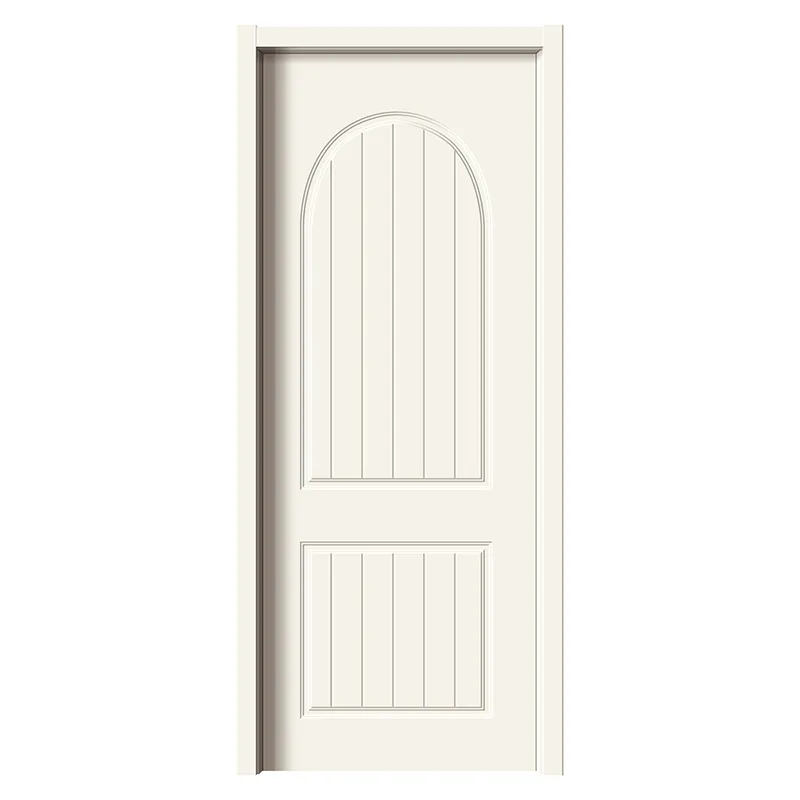 YST-236 Door White ivory