




Composite door
When you hear “composite door”, the first thing that comes to mind for most customers is something between metal and wood, a kind of “golden mean”. But in practice, this term contains a lot of nuances that even some experienced installers confuse. Often, simply reinforced frame structures with honeycomb filling are sold under this name, passing them off as a high-tech product. The real onecomposite door- this is a complex pie? from materials where each layer works for the overall result: strength, heat and noise insulation, geometry stability. And this is where the fun begins, and often the most problematic.
Debriefing: what the composite is made of
Marketing aside, the heart of the issue is in the word “composite” itself. It is not just a frame made of one material and a covering made of another. We are talking about a combination of heterogeneous layers that compensate for each other’s weaknesses. For example, an internal frame made of laminated veneer lumber or aluminum profile is responsible for rigidity. But if you leave it bare, the door will resonate like a drum. Therefore, the next layer is filler. And this is where many people save money by using regular cardboard honeycomb. It is light and cheap, but after a couple of years it shrinks and the door begins to rattle. More serious manufacturers, likeAnhui Wantai Woodworking Co.,Ltd, lay a mineral slab or high-density polyurethane foam. This is a different level of sound insulation and a feeling of solidity.
But that's not all. The outermost layer is the cladding. Most often these are MDF panels with a wood-look film, less often - veneer. And here lies the trap: MDF comes in different densities and moisture resistance. Cheap doors are equipped with a regular stove, which can cause problems in our humid conditions. already after the first winter. I had to see how, after installing a beautiful door on site, waves appeared on the panels after a season. The reason is savings on cladding material and incorrect calculation of the dew point in the “pie” itself. Therefore, when choosing, you should always ask not just “what is it made of?”, but “what brand of MDF, what thickness, what coating?” Information from the sitehttps://www.anhuiwantai.ruindicates strict control of raw materials, and these are not just words - in fact, this approach prevents a lot of problems on site.
For me personally, the turning point in understanding was one commercial order. It was necessary to install entrance groups to a small office center. The customer wanted “warm and solid” doors, but the budget was limited. They offered just the option of composite ones with oak veneer. Everything looked perfect until the heating season began. On one of the doors, which opens directly onto the street into the vestibule, the veneer has small cracks along the grain. It took a long time to figure it out. It turned out that the problem was in the adhesive layer between the veneer and the base - it could not withstand temperature changes and dry air from the batteries. The manufacturer, of course, replaced everything under warranty, but the delivery deadline was missed. After this incident, I always check with suppliers what kind of glue is used for lamination and whether it has passed climate tests. As can be seen from the philosophy of the Wantai company - “build a business on precision, win with quality?” - such little things are key.
Fittings and installation: where theory meets reality
You can assemble the perfect door block from the best materials, but ruin everything with hinges and a lock. Weightcomposite doorserious, especially if massive fillers are used. The standard three hinges on a canvas with a height of 2100 mm may not be able to be pulled out - over time, sagging appears and friction against the frame. You have to either install four hinges or use adjustable hidden systems, which is more expensive. But many installers, accustomed to working with lightweight interior structures, do not take this into account. The result is that six months later the customer calls with a complaint that the door does not close well.
Another sore point is preparing the opening. Composite doors, especially those with a thermal break for direct access to the street, require an almost perfectly level and reinforced opening. They are not as forgiving as steel ones, which can be slightly bent during installation. If the wall is “filled up”, the canvas will be under tension, which can lead to deformation of that same multi-layer canvas. There was a case when it was necessary to dismantle an already installed expensive door and re-plaster and strengthen the slopes with reinforcing mesh. Lesson learned: now I always take measurements of the opening at three points in height and width and insist on its preparation before the door block is delivered.
The castle part is a different story. Since the fabric is multi-layered, the insertion must be precise to the millimeter. Especially if a complex system with a lever and cylinder mechanism is used. An incorrectly milled seat for the lock box can weaken the entire frame in the most critical place. Once I saw how the ?master? if there was a lack of depth, I simply removed the excess with a chisel from the inner layer of MDF, almost reaching the filler. Naturally, after several months of active use, the lock simply became loose. Therefore, now we either cooperate with manufacturers who offer ready-made blocks with already installed fittings, as is often practiced in modern production, or we entrust the insertion only to proven specialists with precise tools.
Market and manufacturers: how not to get lost in the assortment
Today, the market offers everything: from handicraft workshops assembling doors in the garage to large factories with a full cycle. The difference is quality control at every stage. When a company such asAnhui Wantai Woodworking Co.,Ltd, declares compliance with international standards at all stages, from the selection of raw materials to process control, this implies, for example, preliminary acclimatization of wood components, control of humidity in the workshop, testing of finished samples on stands. In a small workshop they often don’t even think about it - they assembled it, painted it, shipped it.
But the big players also have their own gradation. Some rely on mass production and low price, simplifying the design. Others, targeting the premium segment and international market as stated in the Wantai description, focus on design and practical features. Their products must satisfy a variety of needs - from a private cottage in the Moscow region to commercial premises in Northern Europe. This means that the door must withstand our frosts, high humidity, and active use. Choosing a manufacturer often comes down to understanding what kind of object a door is needed for. For a warm vestibule in a high-rise building, one design is suitable, for direct access from the street to a country house - a completely different one, with a reinforced thermal break.
From personal experience: cooperation with suppliers who have clear technical documentation for each model saves a lot of nerves. When you don’t have to guess, but open the product passport and see the exact data there: heat transfer coefficient, sound insulation level in dB, type and thickness of all layers. This is a sign of a serious approach. On the websiteanhuiwantai.ruthe presence of an experienced team of designers and developers is emphasized - this is precisely about creating such thoughtful, and not just beautiful, products. Because the design in the doors is not only an external panel, but also hidden engineering that ensures long service.
Economics of the question: why it’s not always worth chasing the cheapest
Primary costcomposite door- this is just the tip of the iceberg. A cheap door almost always means a simplified design, less durable materials and, as a result, increased maintenance costs and early replacement. The customer begins to pay for the same savings on the adhesive composition or the thickness of the external panel after a couple of years, when problems appear. And such doors often cannot be repaired - it is easier to replace the entire leaf, which is comparable in price to a new middle-class door.
On the other hand, there is a reasonable ceiling. It doesn’t always make sense to overpay for exotic coatings or highly complex opening systems if the door is located in a secured entrance with moderate traffic. The task of a professional is to find this balance for a specific object. Sometimes a reinforced structure with high-quality MDF and reliable fittings is enough, without overpaying for the brand or unnecessary options. The main thing is that all components are of predictable quality, from a trusted supplier.
Here we return to the idea of precision. When a manufacturer builds his business on it, he, in essence, insures both the installer and the end client against hidden defects. Fewer complaints, fewer unscheduled visits, more satisfied customers who recommend you further. This is the same long-term savings that are ultimately more profitable than the lowest price in the catalog. It is this approach, apparently, that allows companies to successfully supply wooden and composite doors to the international market, where the requirements are especially high.
Looking to the Future: Where Technology is Heading
Apparently, the future lies in even greater hybridization. Already, solutions are emerging where hidden systems for heating the edges of the leaf to combat icing are integrated into the composite structure, or smart locks built into the door cavity at the production stage, rather than embedded later. This requires manufacturers to have not just carpentry, but also engineering competencies. Companies that invest in development, like Wantai and its team of designers and developers, will benefit.
Another trend is environmental friendliness. We are talking not only about wood certificates, but also about formaldehyde-free adhesives and recyclable fillers. This is gradually becoming a competitive advantage, especially in Europe. And this is logical - the door, as part of the living space, must be safe throughout its entire service life.
What will remain the same is the basic principle: goodcomposite dooris a balanced system. You cannot strengthen one property to the detriment of another with impunity. You can make a super-strong frame from steel, but then the thermal insulation will drop sharply. You can increase the thickness of the insulation, but without strengthening the hinges the door will not hold up. The art is precisely in finding the optimal point for specific operating conditions. And it is this search, full of trial, error and successful solutions, that makes working with composite doors so interesting, although not easy. In the end, it is practical experience, and not a glossy catalog, that helps distinguish a truly worthwhile product from just a fashionable sign.
Correspondingproducts
Related Products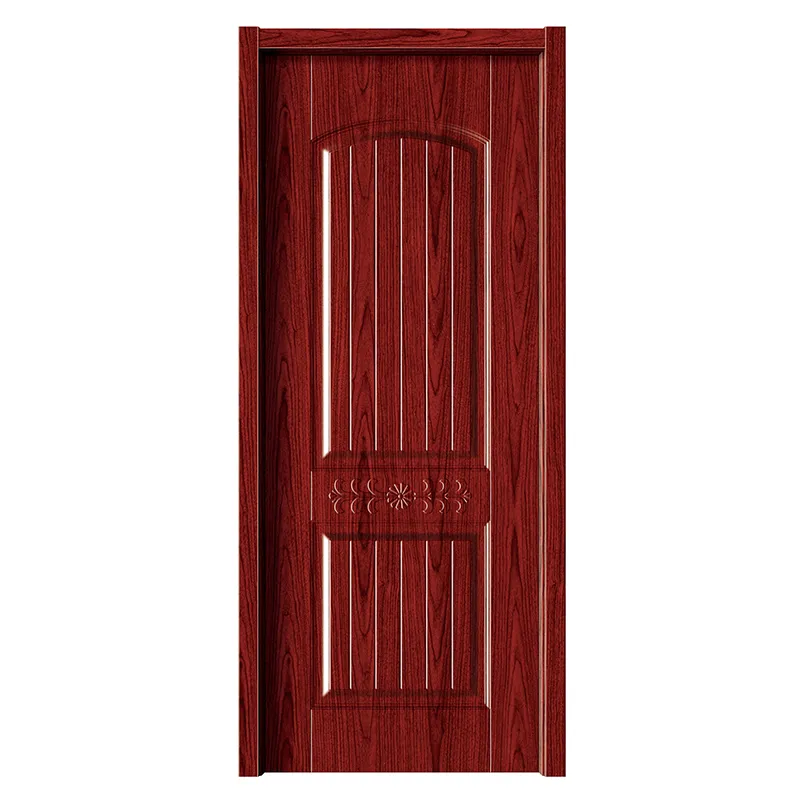
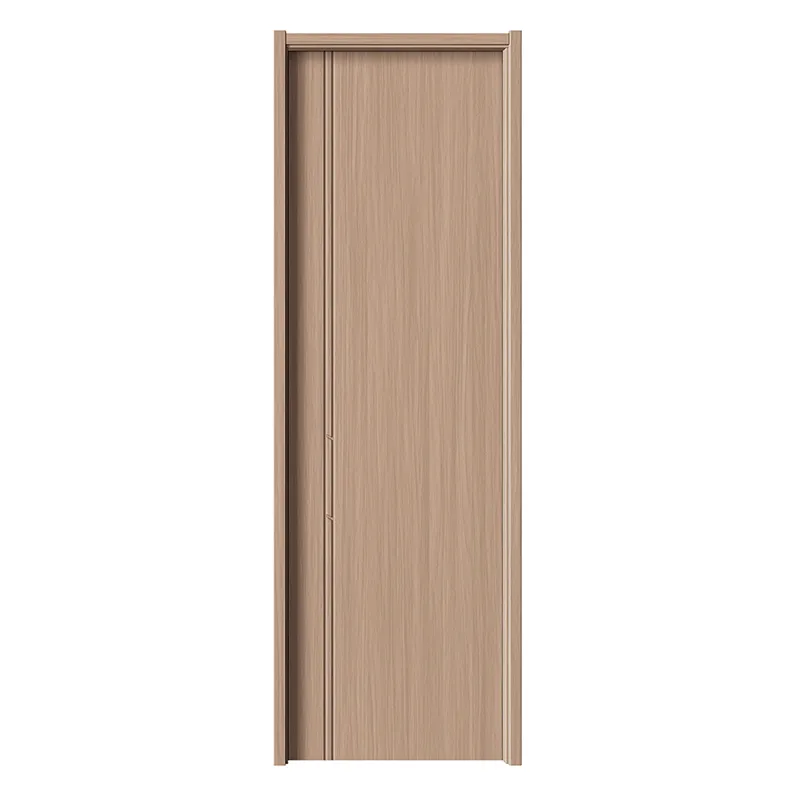
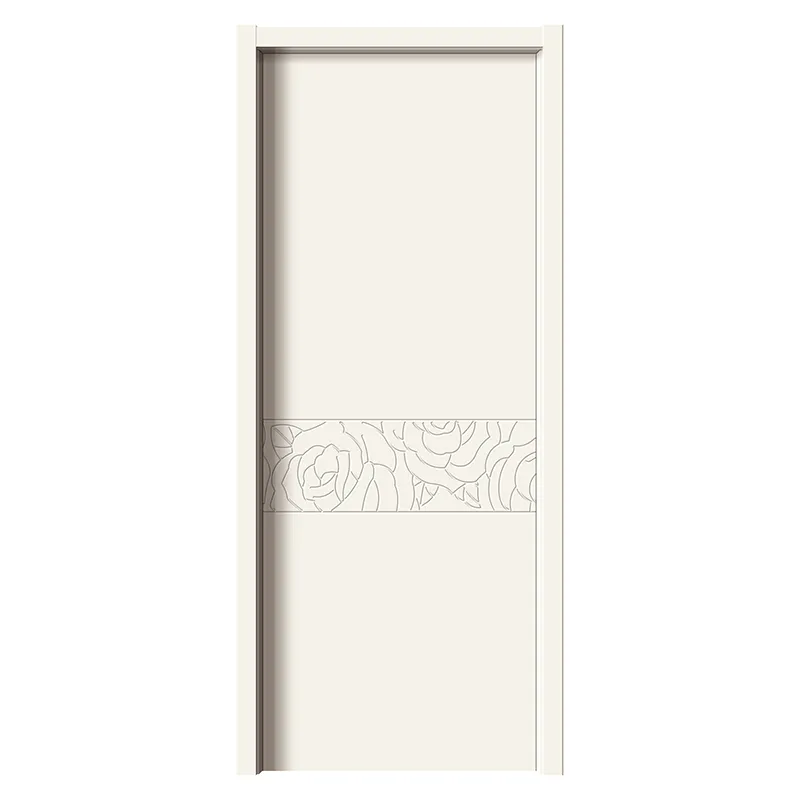
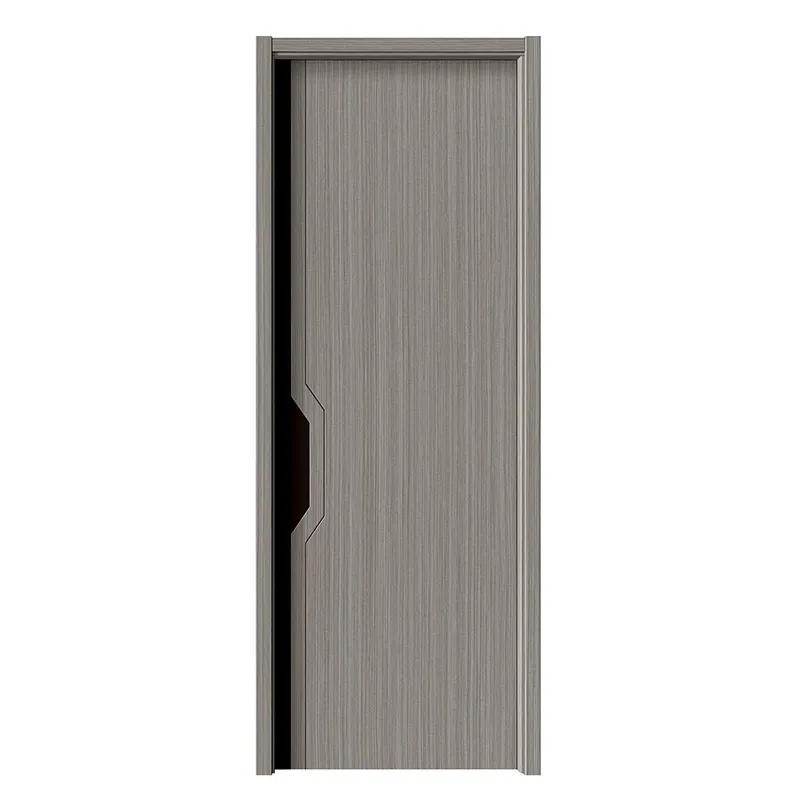

Best Sellingproducts
Best Selling Products-
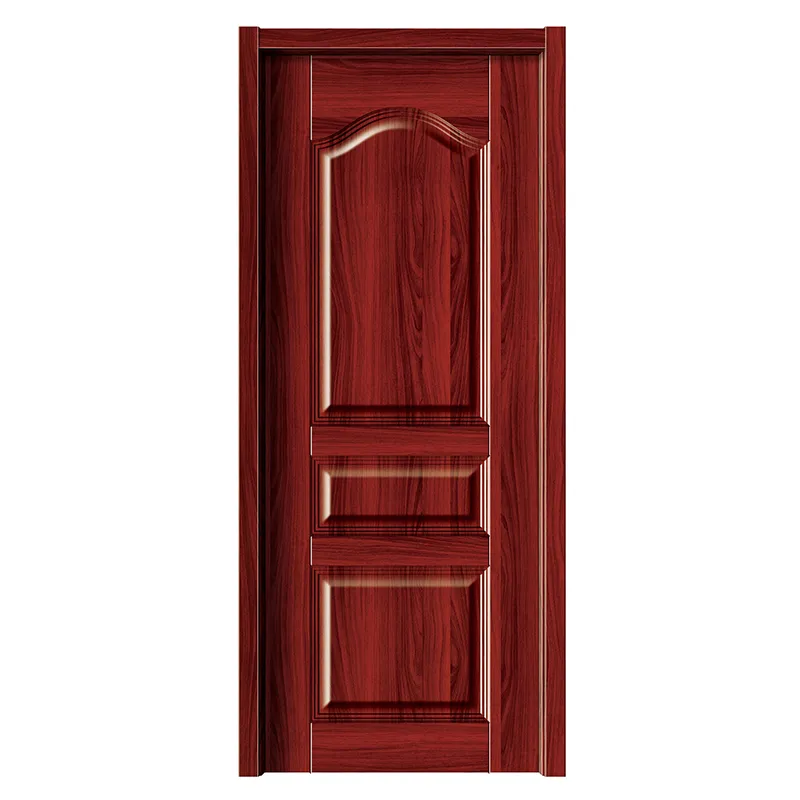 YST-203 Door Red team
 -
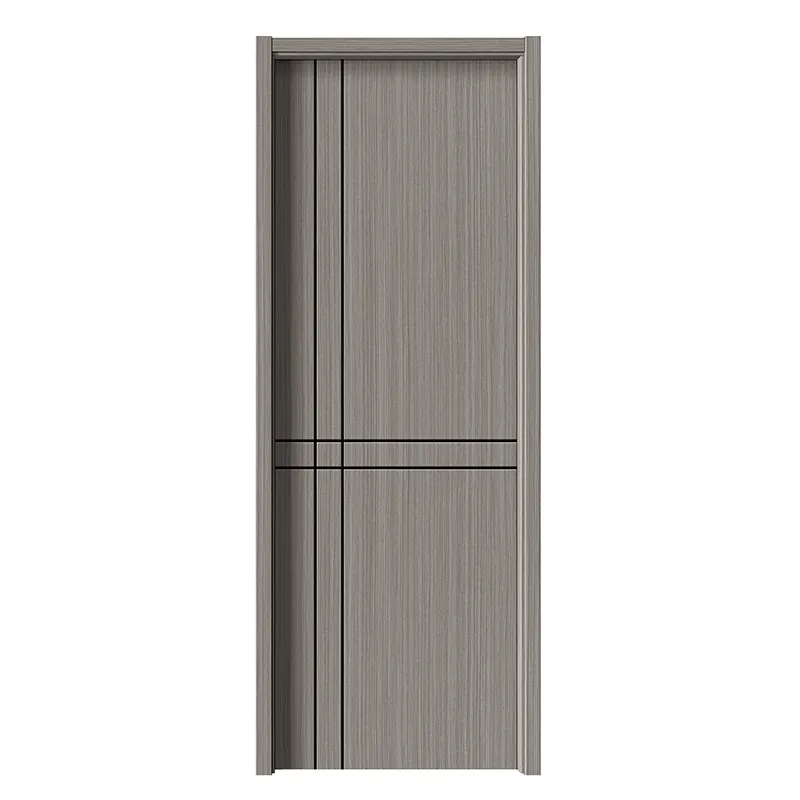 YST-1004 Door Technotree 2
 -
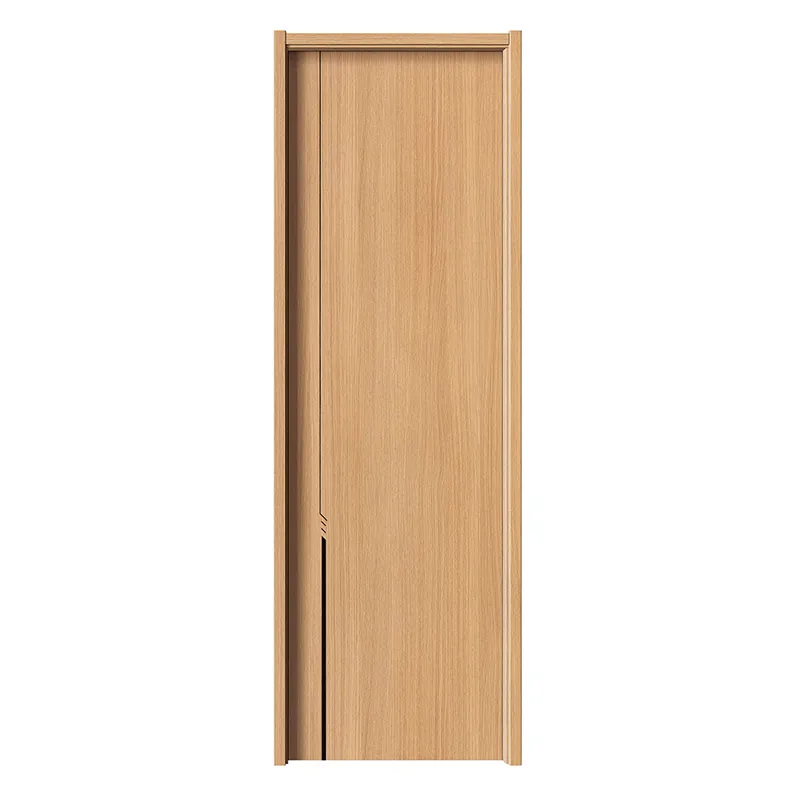 YST-1041 Door Oak Shutter
 -
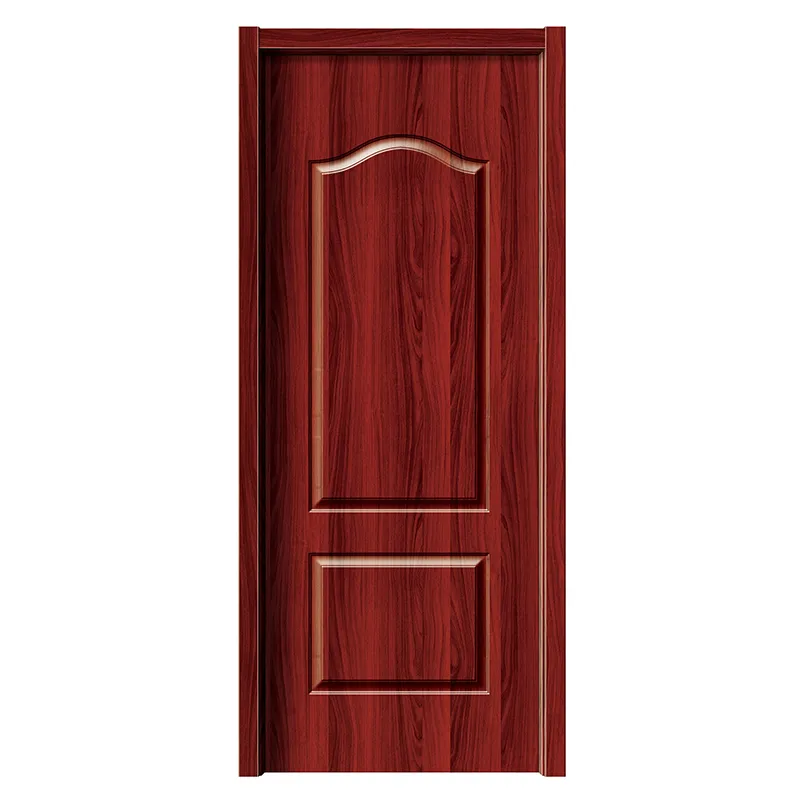 YST-207 Door Red team
 -
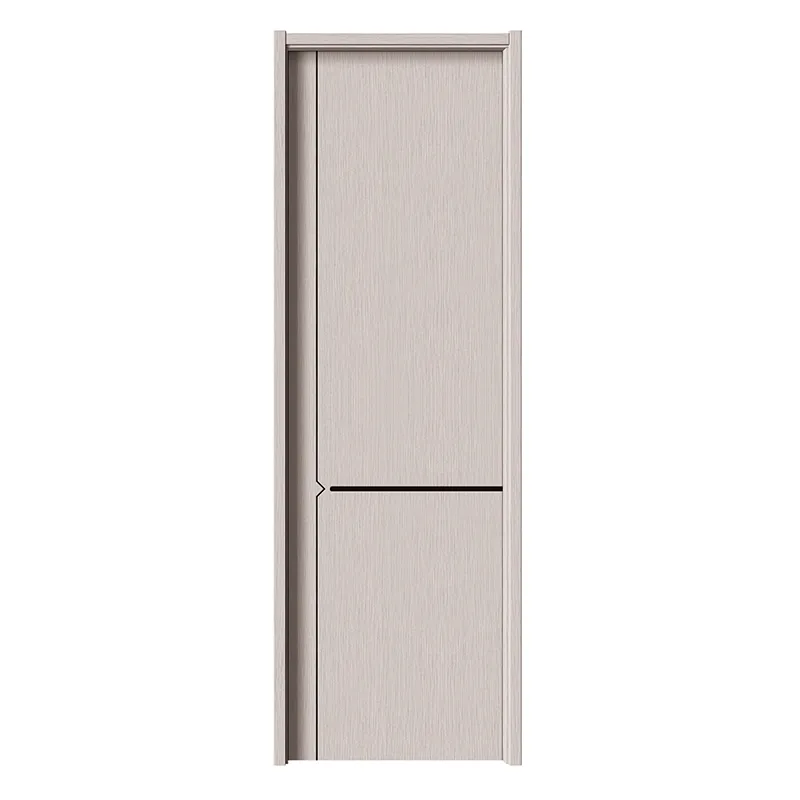 YST-1024 Door Chiaroscuro wood 1
 -
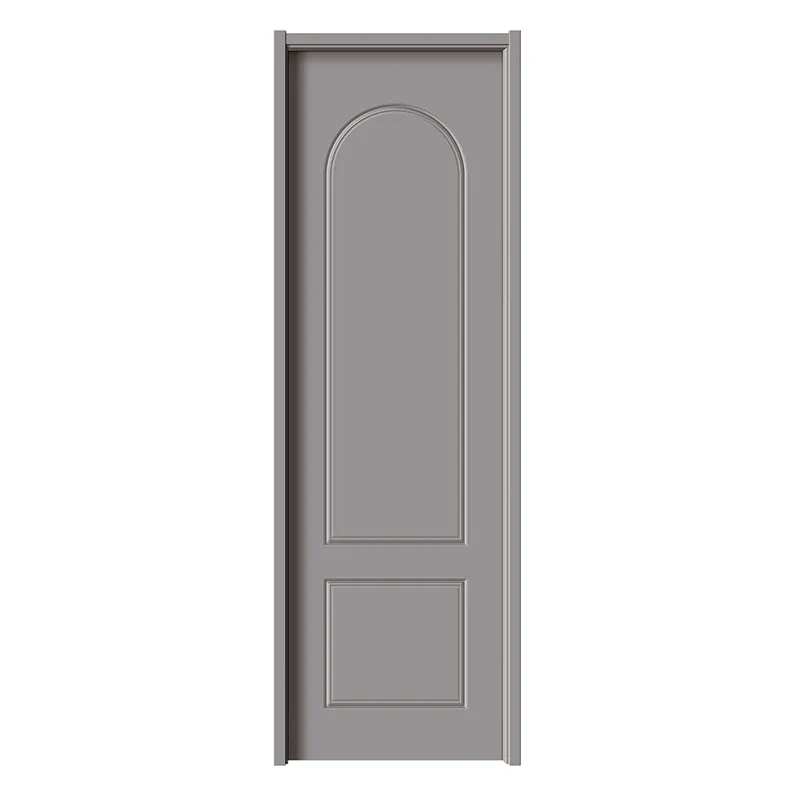 YST-241 French Door 1 soft stone gray
 -
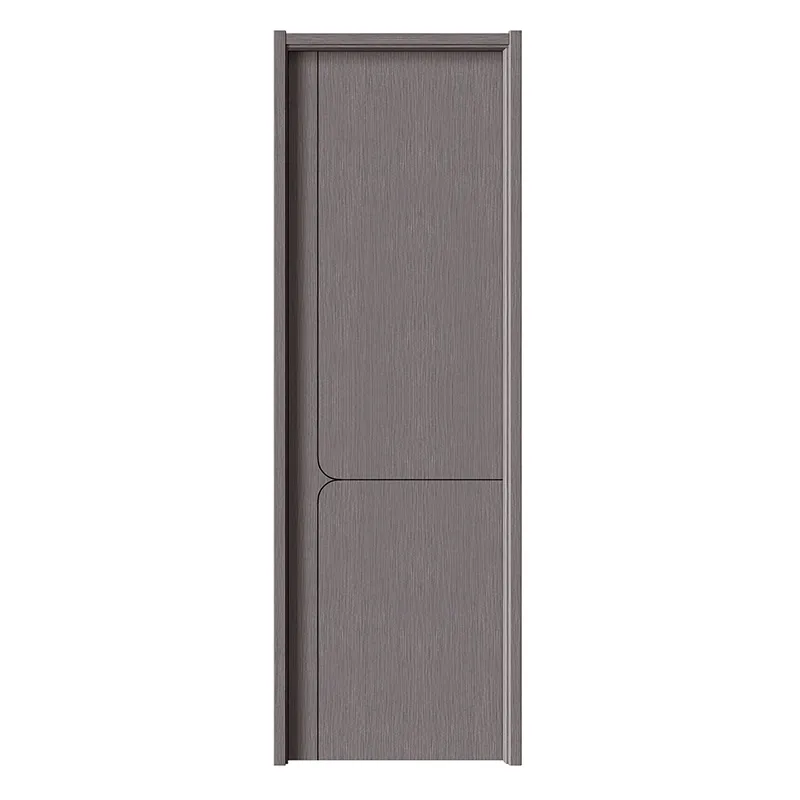 YST-1001 Door Chiaroscuro tree 2
 -
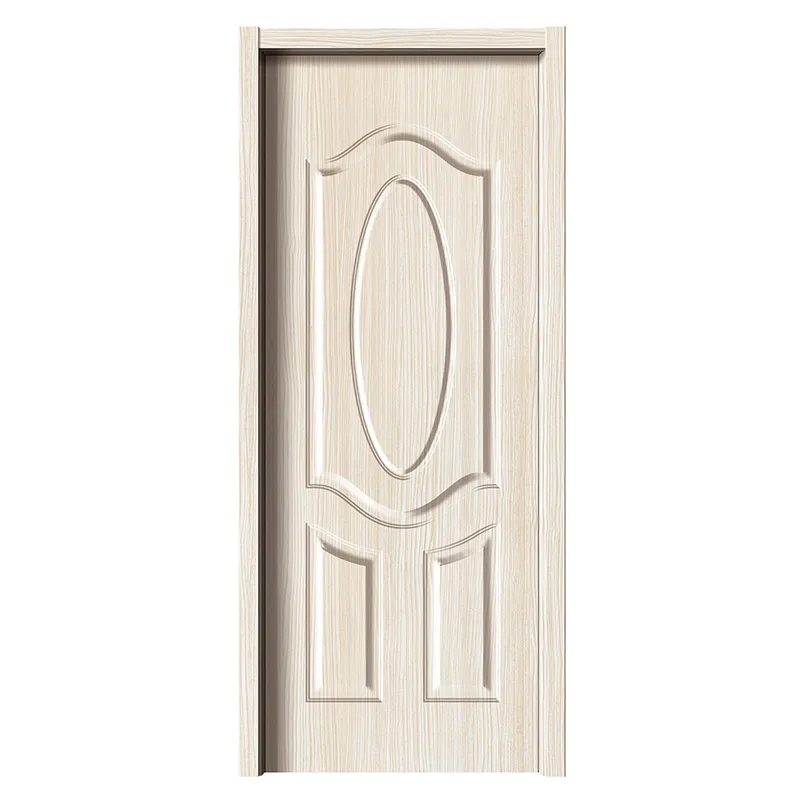 YST-216 Door White Maple
 -
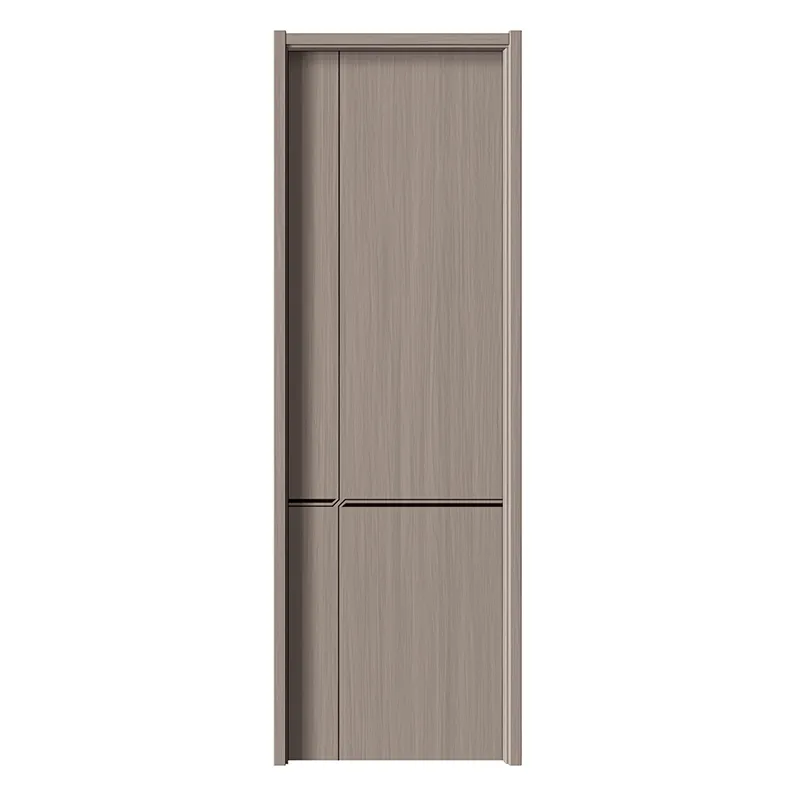 YST-1010 Door Translucent light shadow 3
 -
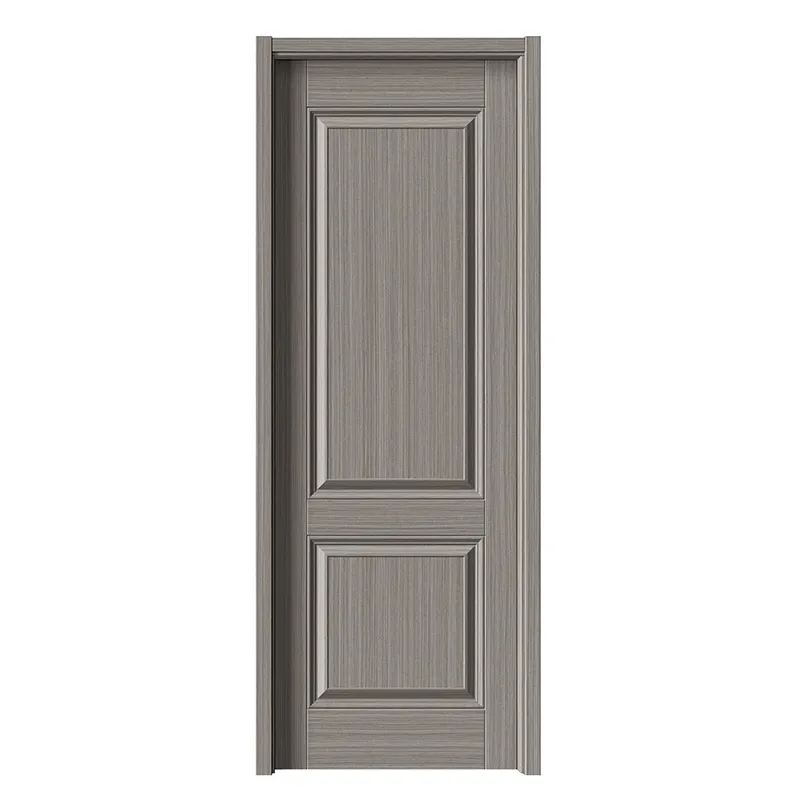 YST-214 Door Technowood 2
 -
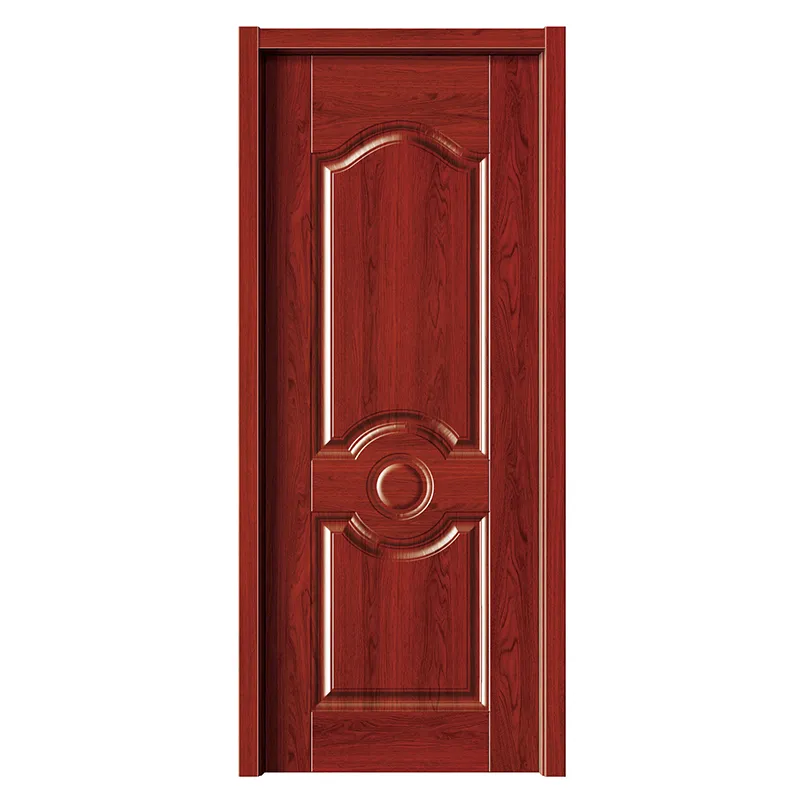 YST-208 Door Red Sandalwood
 -
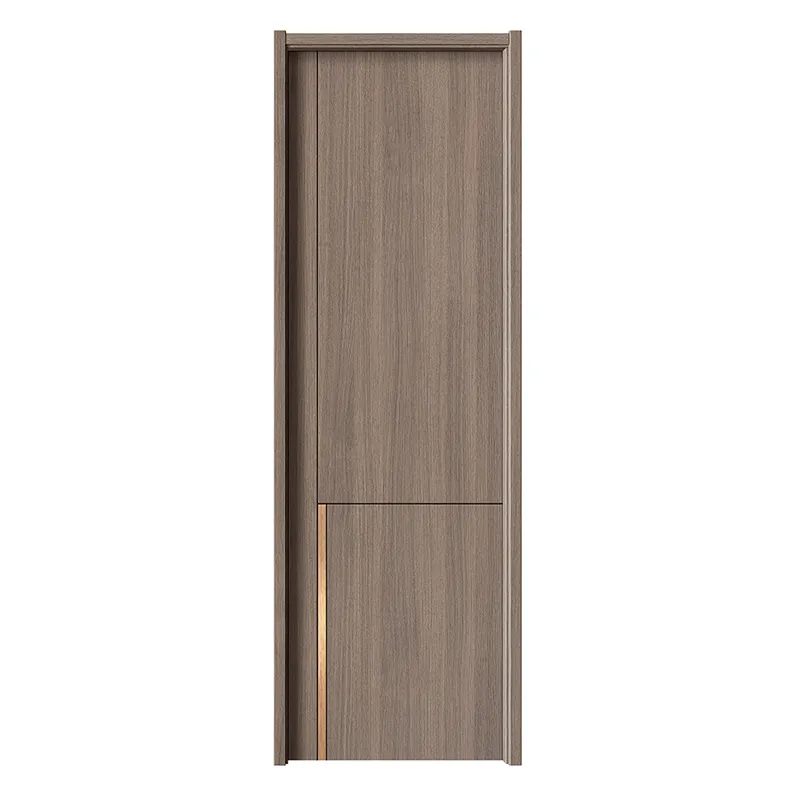 YST-1003 Door Oak gray