




Composite plastic door
When you hear “composite plastic door?”, many people immediately imagine something cheap, cold and for temporary buildings. This is perhaps the most enduring stereotype. In fact, if you dig deeper and work with the material, you understand that we are talking about a whole category of products with a huge range in quality and purpose. The term “composite” itself The key here is not just a sheet of plastic, but a layered structure, and everything depends on what’s inside and how it’s assembled.
What does the “composite” actually consist of?
It is based on a frame, most often made of aluminum or steel profile. This is a skeleton. But then the variations begin. The filling can be polyurethane foam, polystyrene foam, cardboard or plastic honeycomb. It is this layer that is responsible for the rigidity of the canvas and its heat and sound insulation. I've seen samples where they skimp on the filler - the door turns out to be light, but empty, literally ringing when struck.
On the outside there are plastic panels, usually PVC. But here, too, not everything is simple. Thickness, quality of raw materials, presence of UV protection against fading. Cheap plastic may turn yellow after a couple of years in the sun. The outer decorative layer can be a monochrome film, wood lamination, sometimes even veneer. It is at this stage that many manufacturers play, creating a product that is visually indistinguishable from a wooden door, but with different performance properties.
And the main unit is the fittings. Hinges, locks, seals. You can make a flawless door, but install weak hinges - and the door will sag in a year. This is a detail that you should not skimp on, but which is often overlooked when choosing.
Where they work and where they don’t. Practical cases
The ideal niche for a high-quality composite plastic door is balconies, loggias, exits to a winter garden or terrace. Where there is a temperature difference, humidity, direct sun. A good composite with an aluminum frame and foam filler will show itself here better than solid wood, which can “lead”.
I had experience in supplying a batch of such doors for an office center as internal partitions in technical areas. The customer wanted to save money. The solution seemed logical: inexpensive, neutral appearance. But they didn't take acoustics into account. The thin models that were chosen turned out to be absolutely “deaf?” in terms of sound insulation - in the corridor you could hear every conversation from the rooms. It was necessary to urgently supplement the structure with seals and change the filler to a denser one. Lesson: you always need to clearly understand what function, besides simple zoning, the door should perform.
But for the street entrance to a private house, I would think three times. It all depends on the region and design. A massive entrance door must withstand burglary attempts, constant opening-closing cycles, frost and heat. Top models of composite doors with a reinforced steel frame and armored linings do the job, but their price is already comparable to a good metal door. In most cases, something more traditional is chosen for entry.
Pitfalls of production and installation
Assembly. It would seem that everything is simple: assembled the frame, filled it with foam, covered it with panels. But if you do not maintain the polymerization technology of the filler or apply the glue unevenly, over time a “belly” may appear. - swelling on the surface. Or, worse, an inner emptiness that negates insulation.
Installation is a different story.Composite plastic doordoes not tolerate crooked openings. If a wooden one can still be sawed or adjusted on the spot, then the geometry should be ideal. An incorrectly installed block creates enormous stress on the frame, which leads to jamming and problems with closing. I often see how installers save time by not using professional mounting plates or anchors, but simply “foaming” them. box. After a season, such a door begins to shake.
Another nuance is linear expansion. Plastic and metal in the frame react differently to heating and cooling. If the design does not include technological gaps and compensators, in the summer the door may swell and stop closing. Check for thermal breaks in the profile - this is critical for outdoor use.
View from the market and manufacturers
The market is flooded with offers, and the price range is enormous. You can find a door for 10 thousand rubles and for 100. The difference is in the details: the origin of the raw materials, the thickness of the metal in the frame, the quality of the coating, the fittings (often a hidden brand that is not written about in catalogs).
It is interesting to see how major players who traditionally work with wood are exploring this niche. For example, a companyAnhui Wantai Woodworking Co.,Ltd (https://www.anhuiwantai.ru). They are known in the international market for their wooden doors, where they combine design and practicality. Their philosophy is to “build a business on precision, win with quality?” — strict control from raw materials to the workshop. If such a company with a modern production base and development team takes on composite solutions, it will be a completely different level of product. They understand precision fit and process control. Their experience in working with wood and lamination could give amazing results in the premium segmentcomposite plastic doors, where the “wood” appearance, which is not inferior to natural, is important.
The consumer has become smarter. They no longer look only at the price tag and the picture. They ask about the heat transfer coefficient, about the burglary resistance class, about the guarantee for the color fastness of the coating. This is a good trend, which washes outright junk from the market and forces manufacturers to invest in the engineering part, and not just in a beautiful catalog.
Final thoughts: is it worth choosing?
To summarize my experience:composite plastic door- this is not a universal answer to all questions. This is a tool for specific tasks. For a balcony, for a damp room, for a place where you need a weather-resistant and low-maintenance option - an excellent choice. But you need to choose thoughtfully, literally looking inside, asking for certificates for raw materials, clarifying design details.
Don't chase the lowest price. The 30% saved now may result in the need for a complete replacement in a couple of years. Look at the manufacturer, at its reputation, at the presence of its own design department, and not just an assembly shop. Like Wantai, it is the integrated approach from design to control on the assembly line that gives birth to a product that will last for decades.
And most importantly, realistically assess operating conditions. A correctly selected and correctly installed door made of high-quality composite will become a reliable and practical element, and not a headache. Everything else is just details that distinguish just a door from a good door.
Correspondingproducts
Related Products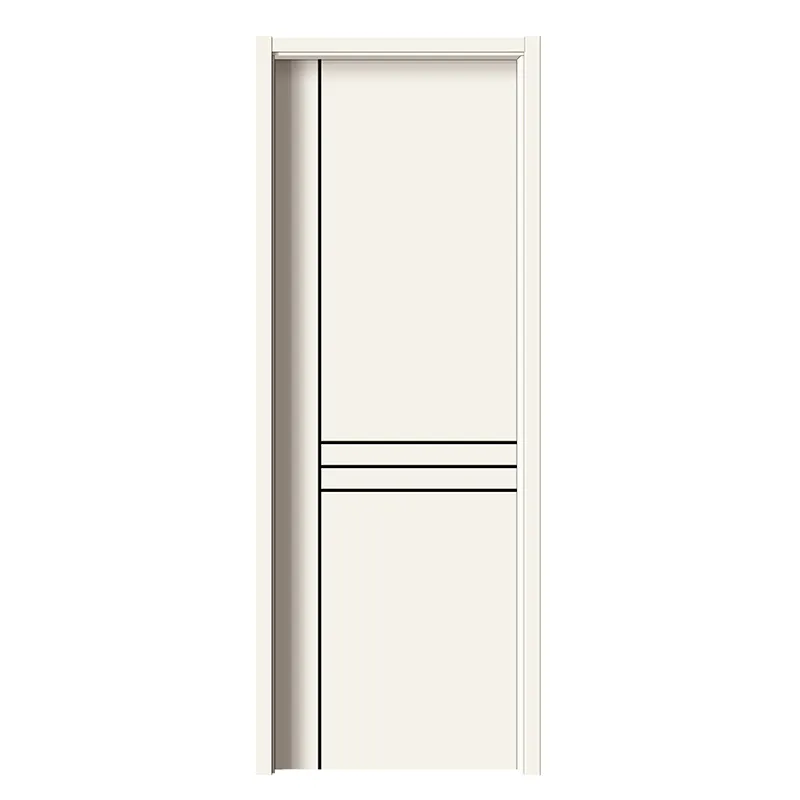
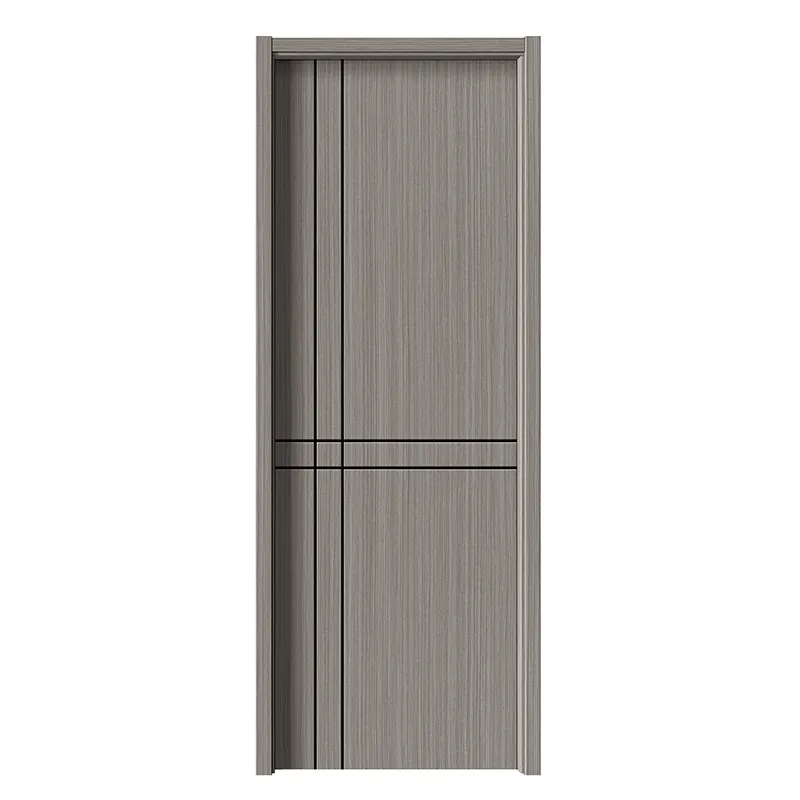
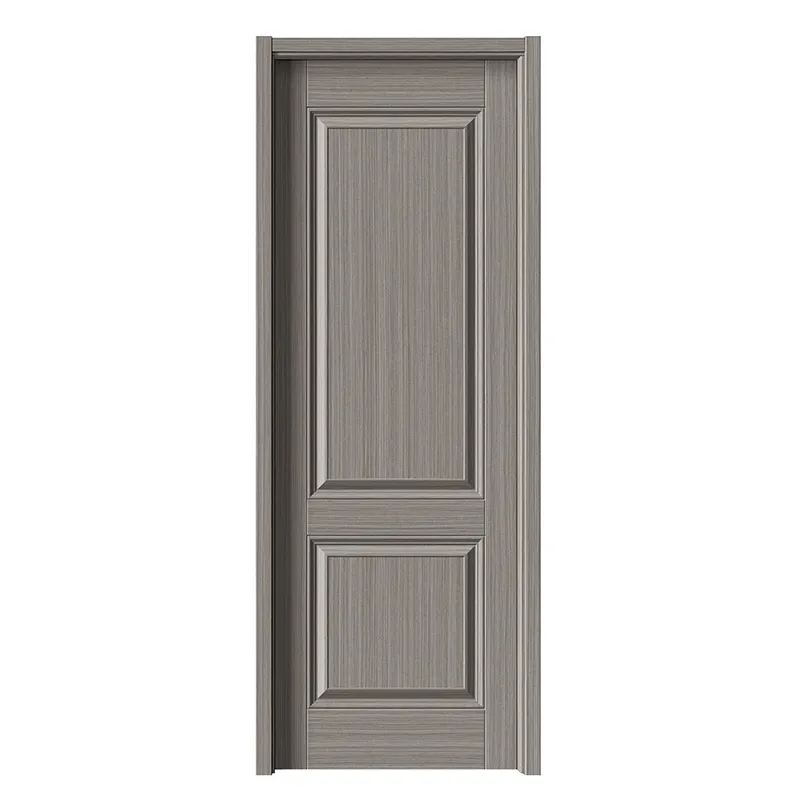
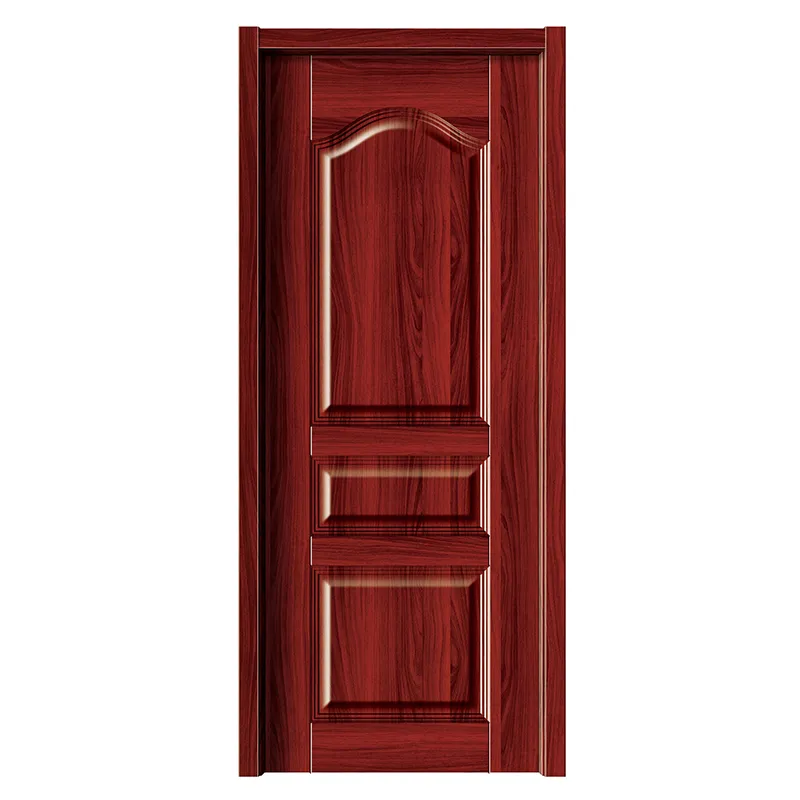

Best Sellingproducts
Best Selling Products-
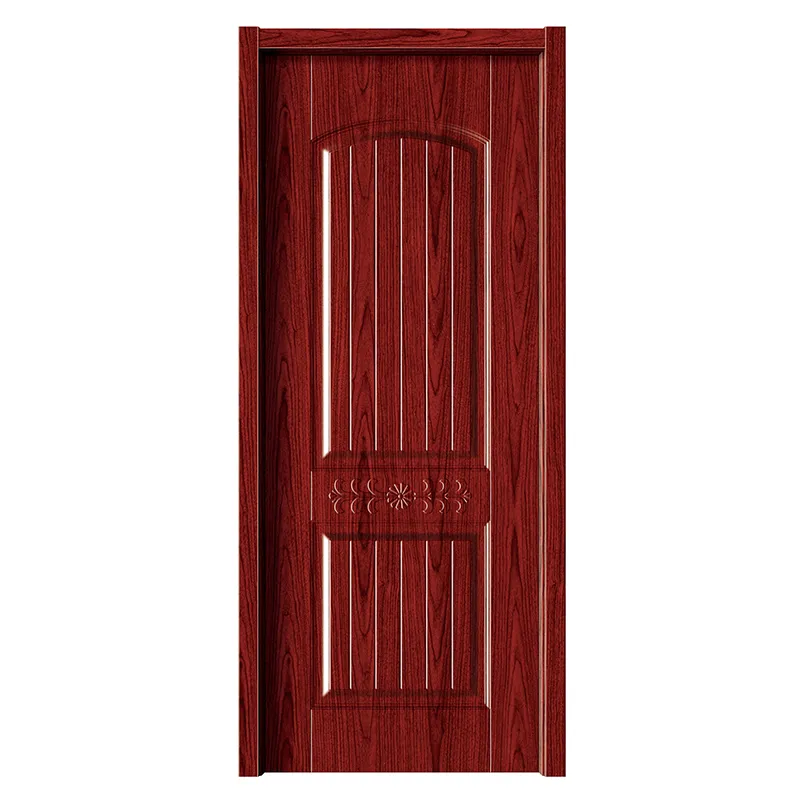 YST-233 Door Mahogany
 -
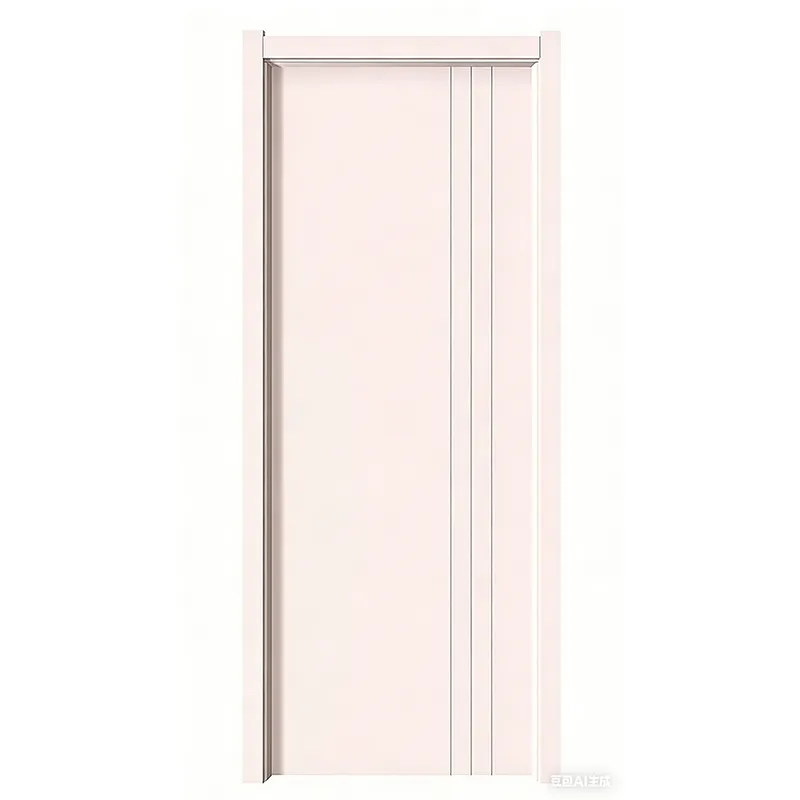 YST-WPC4 Door
 -
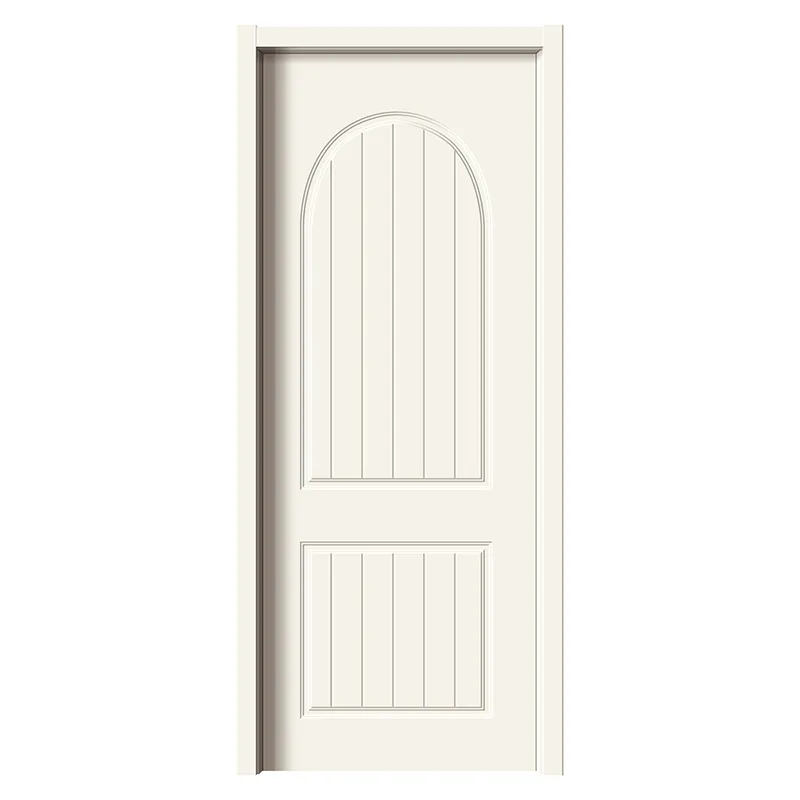 YST-236 Door White ivory
 -
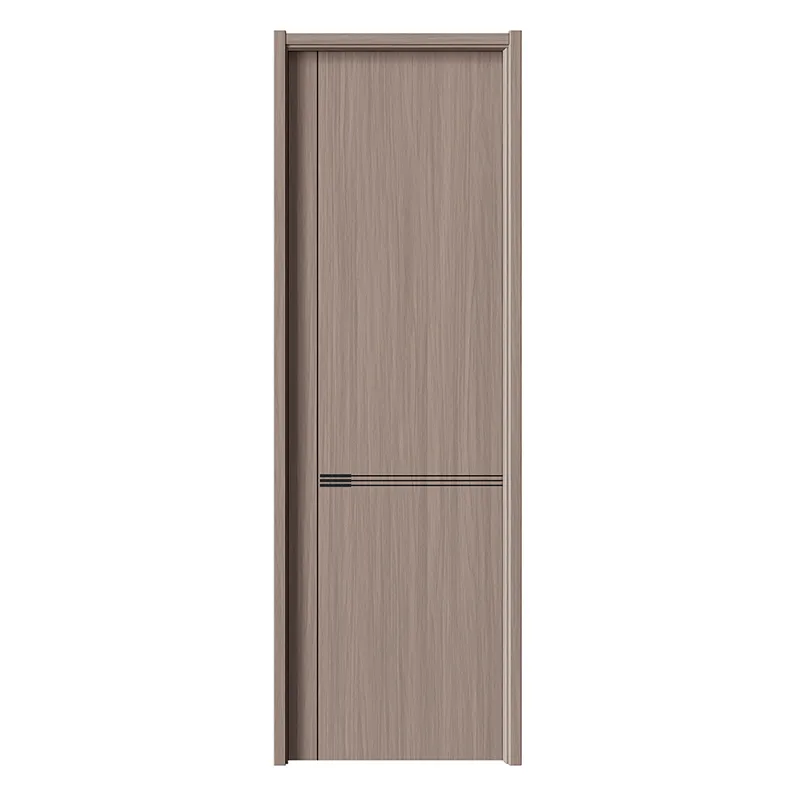 YST-1039 Door Translucent light shadow 3
 -
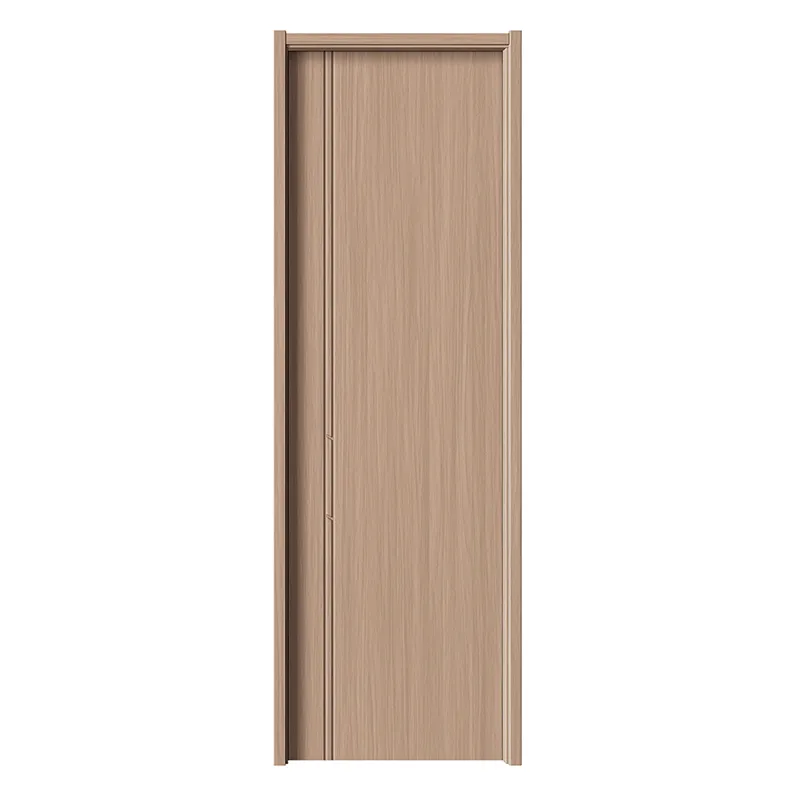 YST-1009 Door Translucent light shade 1
 -
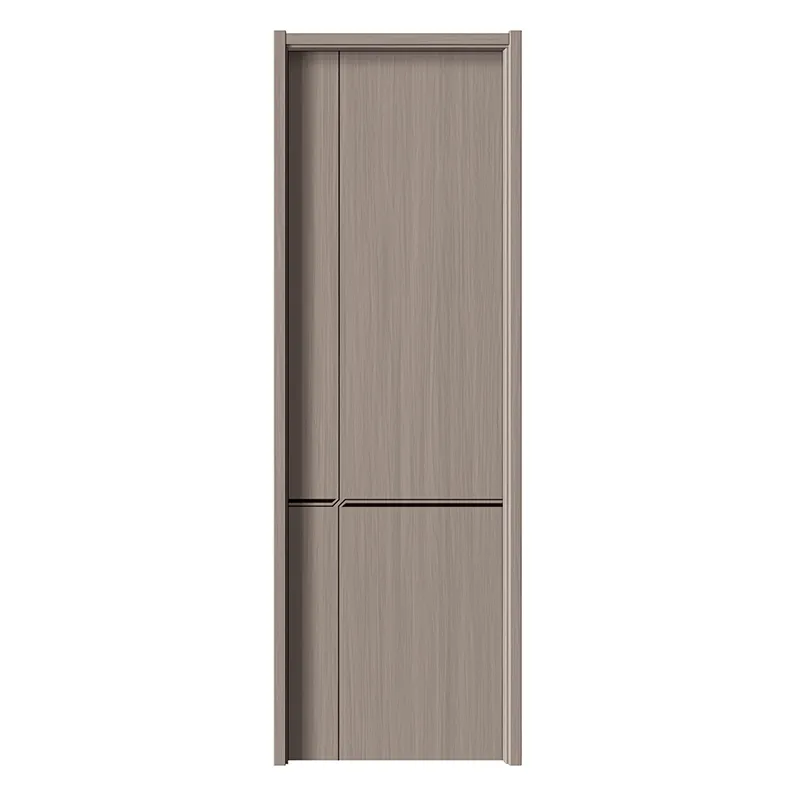 YST-1010 Door Translucent light shadow 3
 -
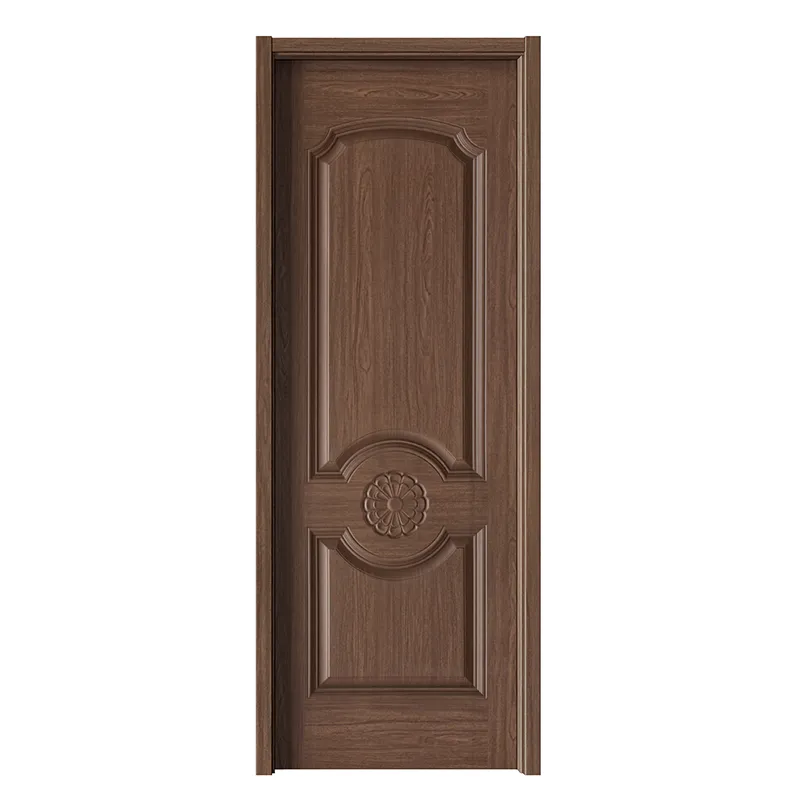 YST-212 Door North American Oak 2
 -
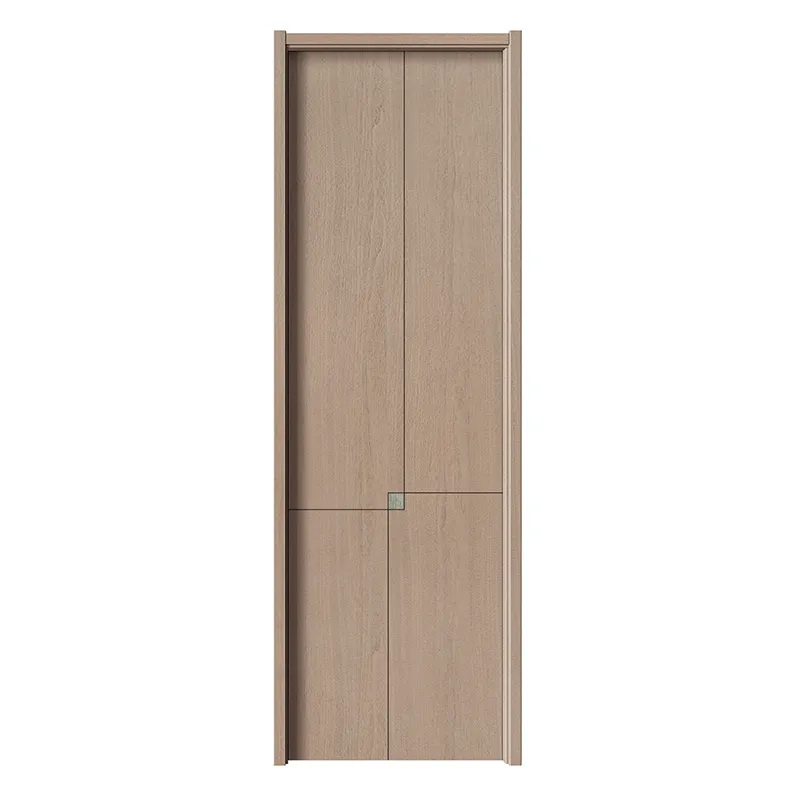 YST-1008 Door Natural walnut 2
 -
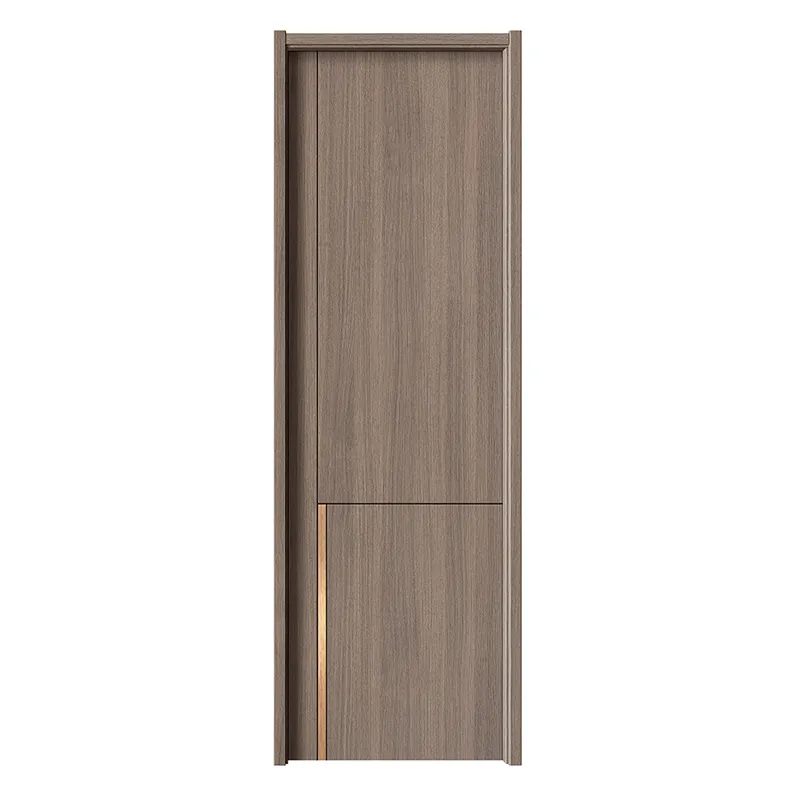 YST-1003 Door Oak gray
 -
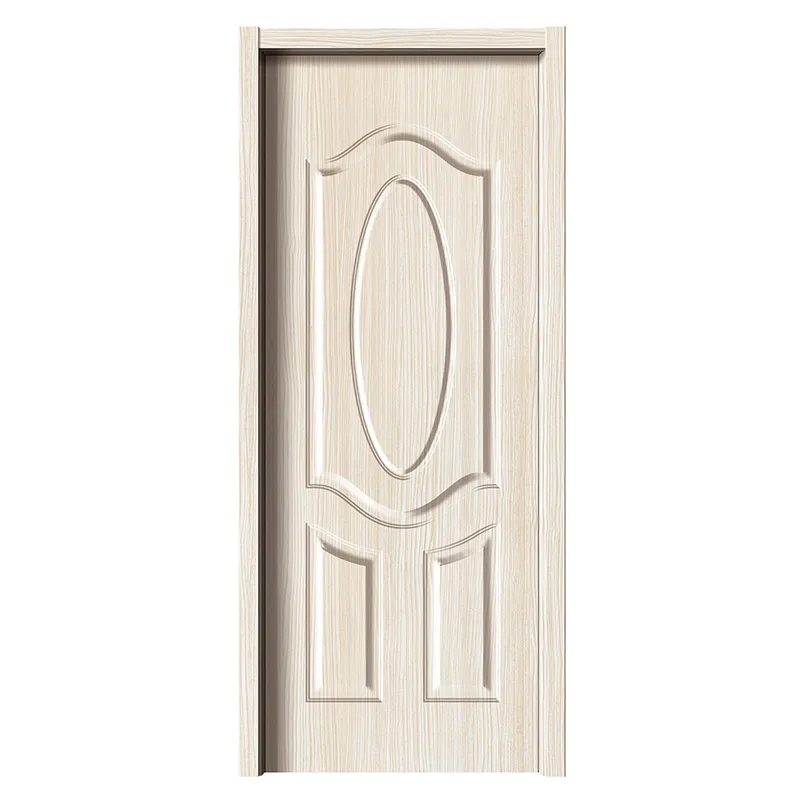 YST-216 Door White Maple
 -
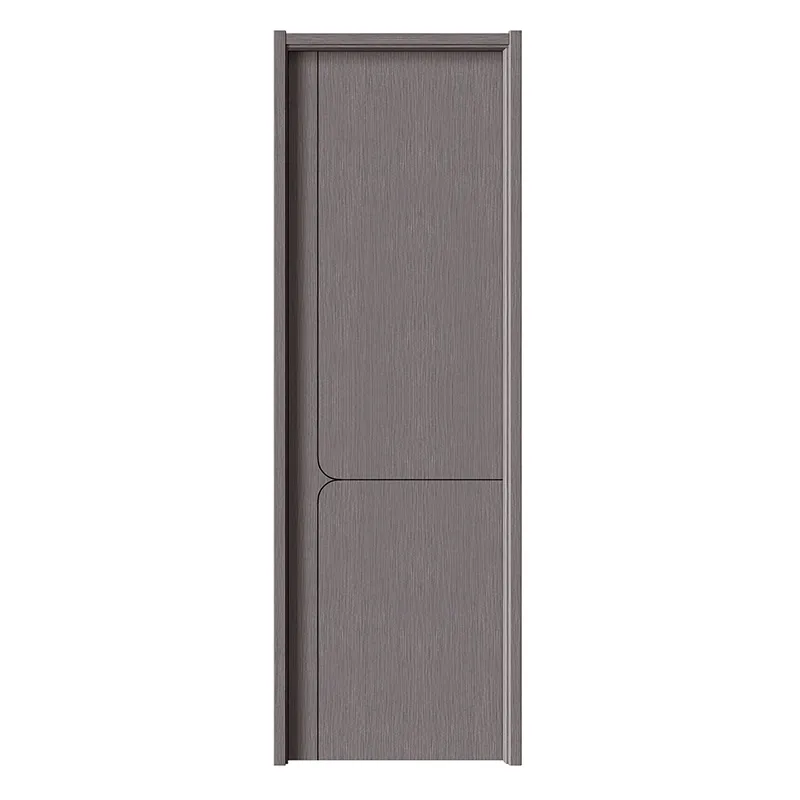 YST-1001 Door Chiaroscuro tree 2
 -
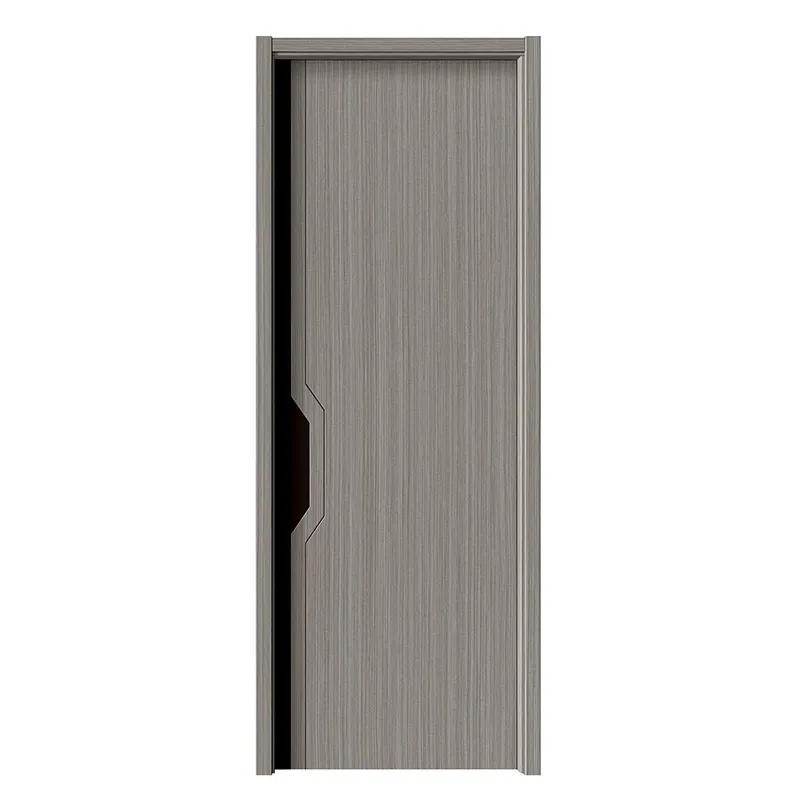 YST-1007 Technotree Door 2