




Solid wood door
When you hear “solid wood door”, many people imagine just a thick, heavy panel. In fact, this is a whole philosophy of material, where every detail - from the choice of block to the finishing coating - determines whether the product will become a living element of the interior for decades or just an expensive partition. The main mistake is to chase a perfectly smooth, knot-free canvas, forgetting that it is the natural pattern and texture of the solid that is its soul. On the other hand, blind passion for “naturalness” without understanding the behavior of wood leads to cracks and “helicopters?” - I have seen this in my practice more than once.
What is hidden behind the term “solid array”?
Here it is important to immediately separate the concepts.Solid wood door- this is not necessarily a door made of a single piece of wood, which is technically almost impossible for standard sizes. We are talking about a design where the canvas is made up of lamellas (bars) of the same type, glued together along the length or width. The key is the massiveness and uniformity of the material throughout the entire thickness. Unlike frame structures with honeycomb core or doors with veneer cladding, the mass and heat capacity are completely different.
Breed is the first and main choice. Oak, ash, walnut - time-tested classics. They are stable, durable, but also expensive. Clients often ask about pine as a budget option. Yes, it is softer and easier to process, but it is also more capricious to changes in humidity. I saw doors made of solid pine, which after two seasons of heating gave such cracks that a finger could fit through them. It's all about improper drying and the lack of compensation grooves on the back side.
This is where the approach of such manufacturers asAnhui Wantai Woodworking Co.,Ltd. Their website (https://www.anhuiwantai.ru) directly indicates the priority of control of raw materials and processes. These are not empty words. When a company claims strict adherence to standards at all stages, this is critical for the array. It is not enough to simply buy dry wood; each lamella needs to be subjected to the conditions of future use before gluing. Otherwise, internal stresses will tear the fabric.
Production nuances that decide everything
Gluing together an array is an art. You can’t just take the bars and glue them together. The fibers must be oriented in opposite directions - this way possible deformation is compensated. The glue is only moisture-resistant, most often based on PVA or polyurethane. I saw attempts to save money on glue - after a year or two, cracks appeared along the joints, and then the glue itself began to crumble.
Canvas design. Often, a massive canvas is not made solid, but with internal frames or panels from the same massif. This reduces overall weight and gives the wood ?wiggle room? during expansion and contraction. But the junction of the panel and the frame is a weak point. There must be a correct ?quarter? or a groove with a gap left for shrinkage, rather than a rigid fit with glue. There are many unsuccessful examples when a beautiful paneled door made of solid oak, after being installed in a dry room, literally split in the corners - the panels were compressed, and the frame held them in a death grip.
Processing and finishing. Sanding in several stages with different grain sizes is mandatory. Impregnation with primers that level out absorbency is a must. Without this, the varnish or oil will form stains. CompanyAnhui Wantai Woodworking Co.,Ltdin its concept: “build a business on precision, win with quality?” just about these stages, invisible to the eye. Because the end consumer sees only a smooth surface and deep tone, but does not know how many technological operations are behind this simplicity.
Installation and operation practice: where theory meets reality
The biggest problem with solid doors is a lack of understanding of their installation conditions. They cannot be placed close to the floor or ceiling. Technological clearances are needed. The hinges must be reinforced, with at least three bearings, otherwise the heavy fabric will simply loosen the fittings in six months. A common mistake is installation in a newly built house, where the walls are still actively drying and there is high residual humidity. The door will absorb this power, swell, and then, when the heating turns on, it will begin to dry out with all the ensuing consequences.
Care. The array requires attention. Every few years, the coating (oil, varnish) needs to be renewed, especially in areas with active touch. Dry air from batteries is the enemy. I recommend humidifiers. But, on the other hand, it is precisely this “liveness?” material and is appreciated. Over time, a door made of solid wood darkens, a patina and small everyday traces appear on it - it does not age, but acquires character and becomes part of the history of the house.
In the context of international deliveries referred toAnhui Wantai Woodworking Co.,Ltd, there is another subtle point - acclimatization. A door produced, for example, under conditions of one humidity and sent to a country with a different climate, should be packed not just in film, but with moisture-regulating materials and instructions for gradual unpacking. Otherwise, the client will receive a “surprise” in the form of deformation immediately after installation. This is the same “practical characteristic” that is no less important than aesthetic design.
Aesthetics vs. Practicality: Finding Balance
The design of a solid door is often dictated by the wood itself. The designer’s task is not to interrupt the natural beauty, but to emphasize it. A deep patina on oak looks different than a clear oil on brightly textured ash. The design team mentioned in the company description probably faces this all the time: how to meet a variety of global needs, from strict Scandinavian style to rich classic interiors, without sacrificing the structural integrity of the product.
Modern trends are minimalism, hidden loops, large, almost solid canvases. For an array this is a challenge. To create a large, wide canvas that won’t move is aerobatics. Here, it is impossible to do without modern equipment for pressing and drying, without precise control of humidity at all stages. The production base that the company has is not just machines, but a guarantee of repeatability of such quality.
In the end, perfectsolid wood door- this is not the product that is searched for at the lowest price in the catalog. This is a conscious choice in favor of a material that will change with the house, which has a unique warmth and solidity. This is an investment. And when a manufacturer, be it a large enterprise or a workshop, understands this responsibility and puts it into every stage - from selecting the block to packaging the finished product - only then does it turn out that very door that closes with a dull, velvety, “expensive” sound. sound and serves generations. This is precisely the approach that, apparently, theAnhui Wantai Woodworking Co.,Ltd, positioning itself on the international market as a supplier of complete solutions, and not just beautiful panels.
Correspondingproducts
Related Products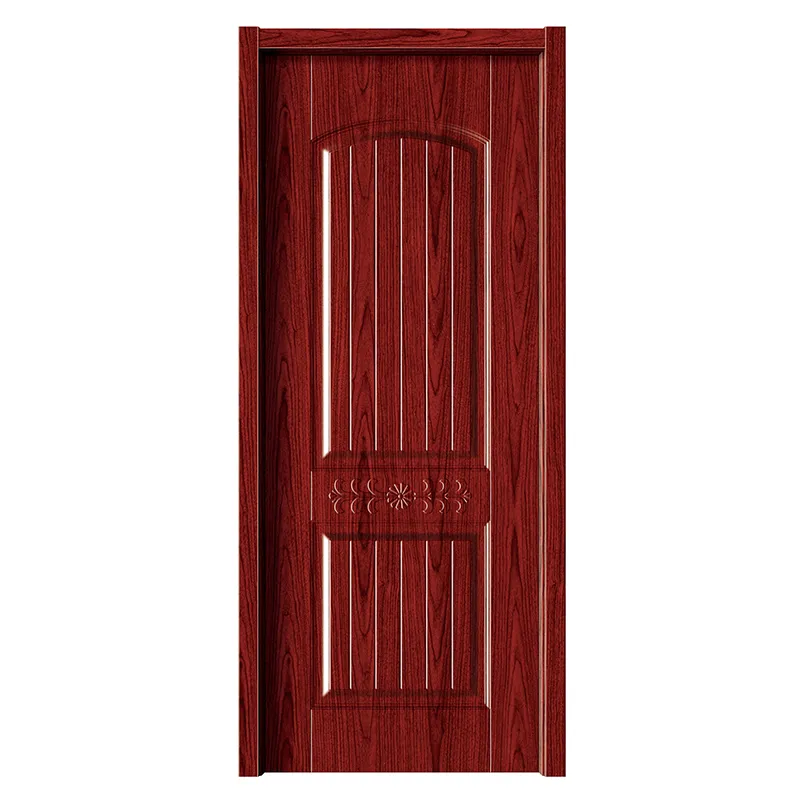
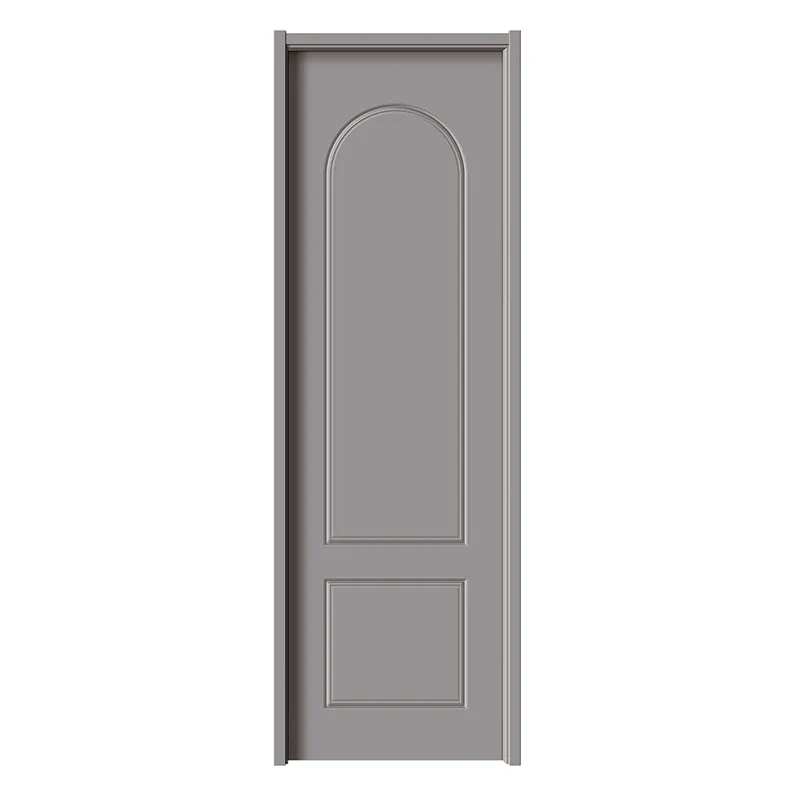
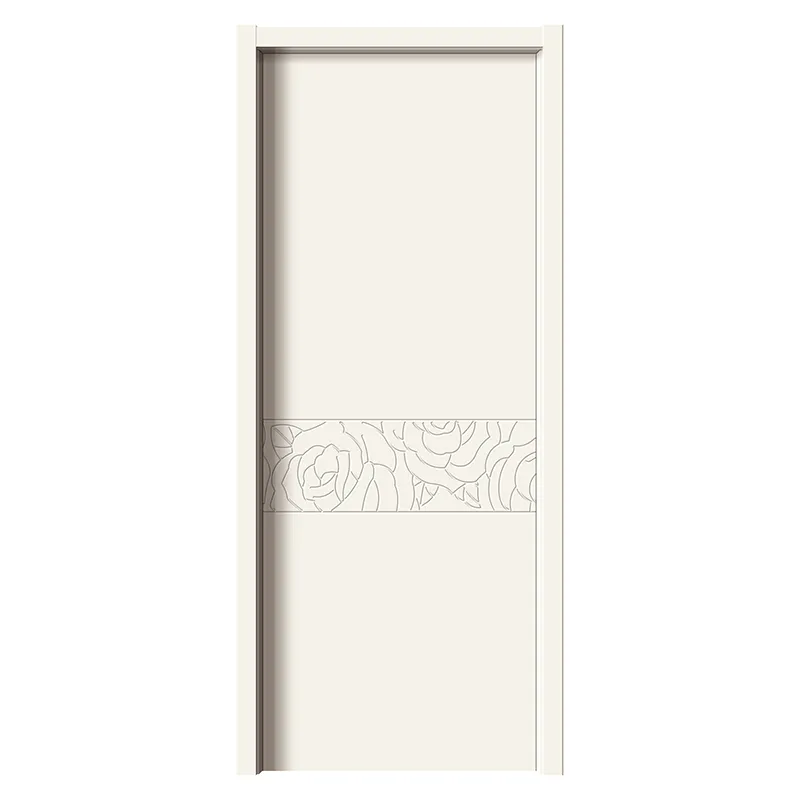
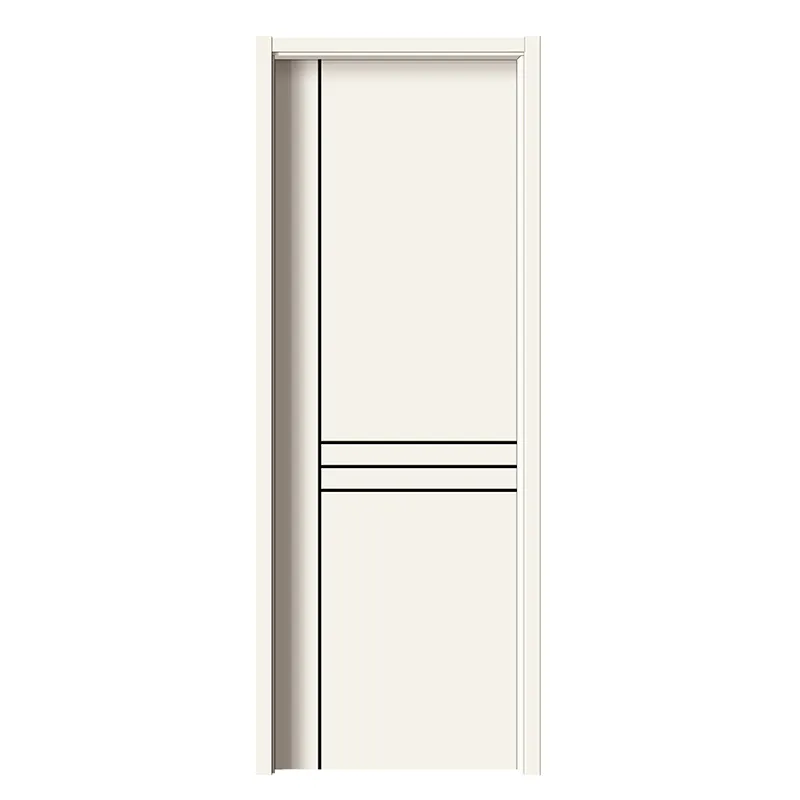
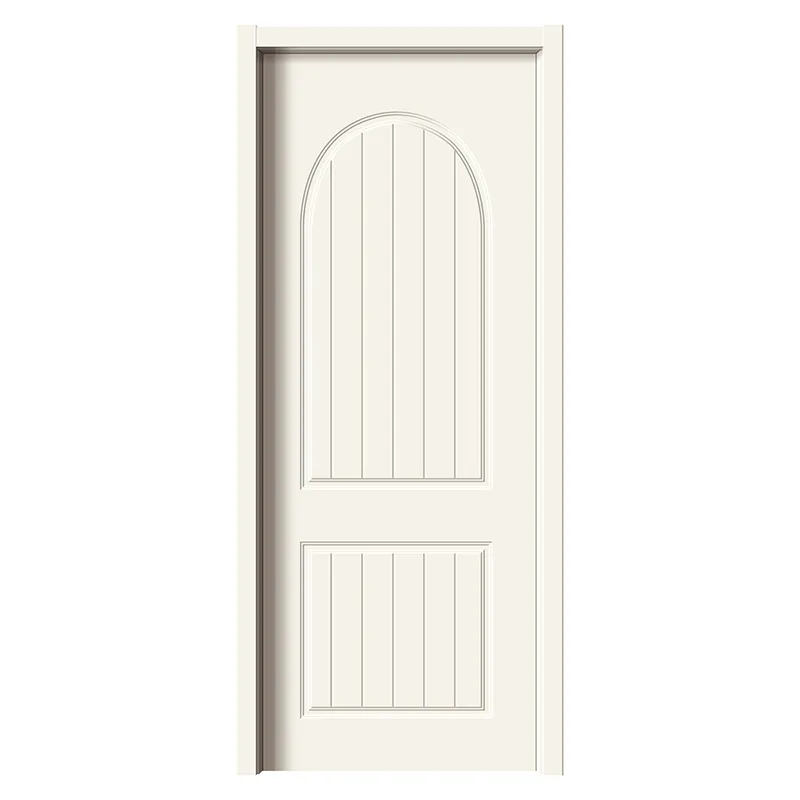

Best Sellingproducts
Best Selling Products-
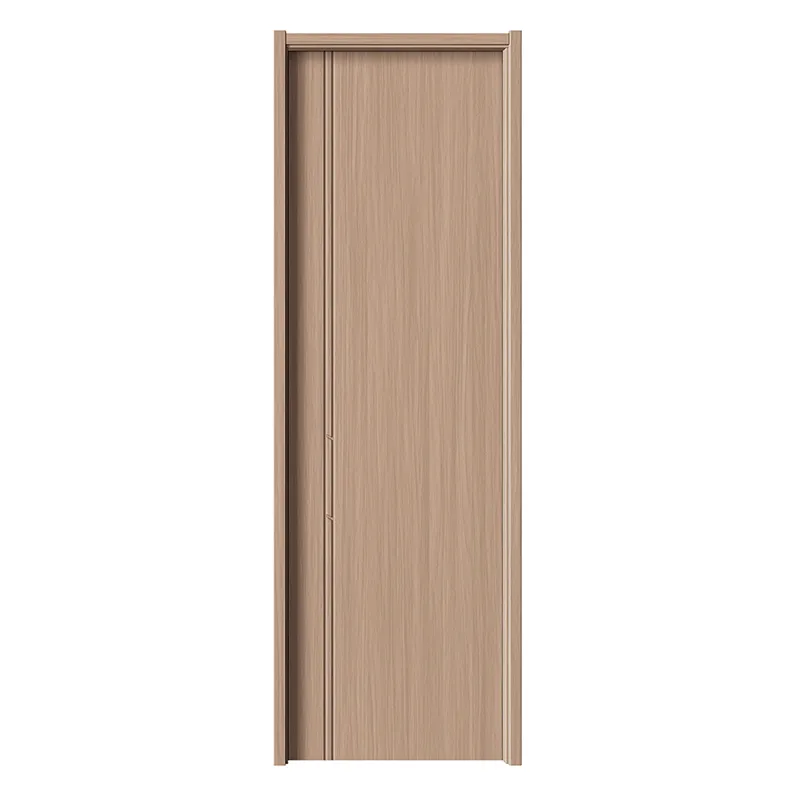 YST-1009 Door Translucent light shade 1
 -
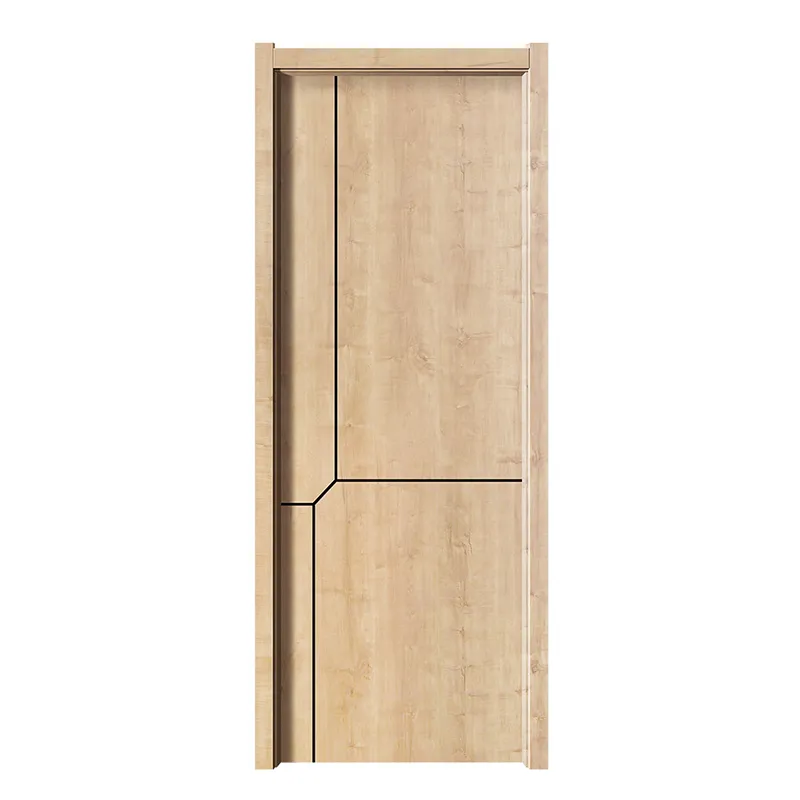 YST-WPC1 Door
 -
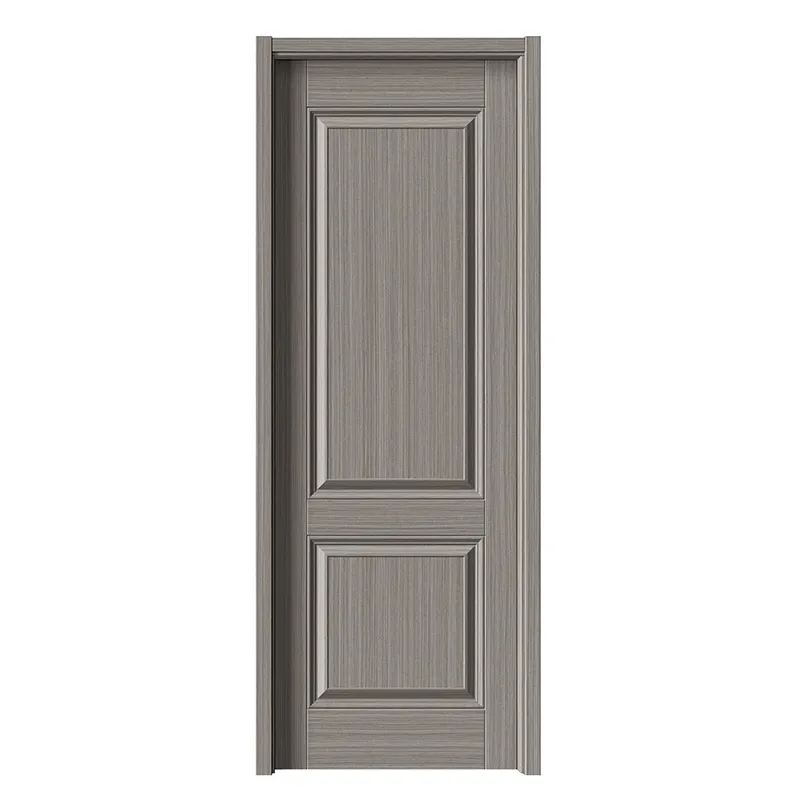 YST-214 Door Technowood 2
 -
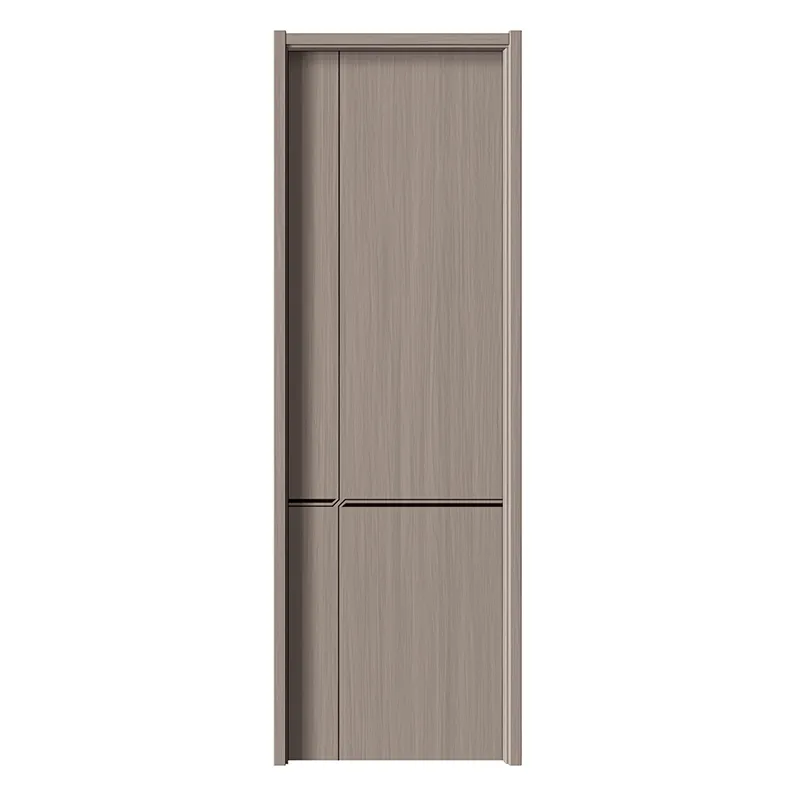 YST-1010 Door Translucent light shadow 3
 -
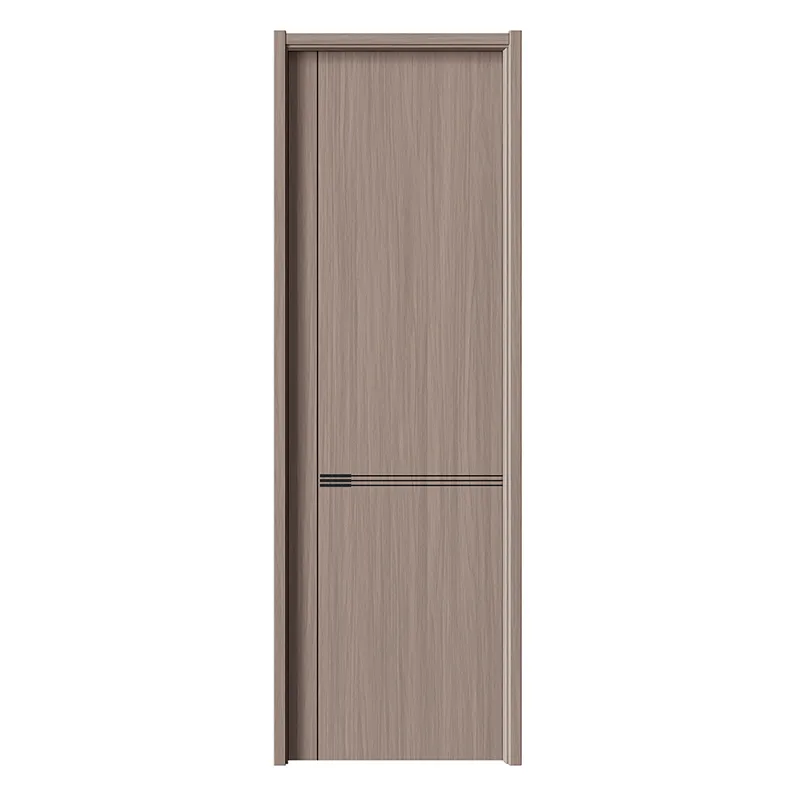 YST-1039 Door Translucent light shadow 3
 -
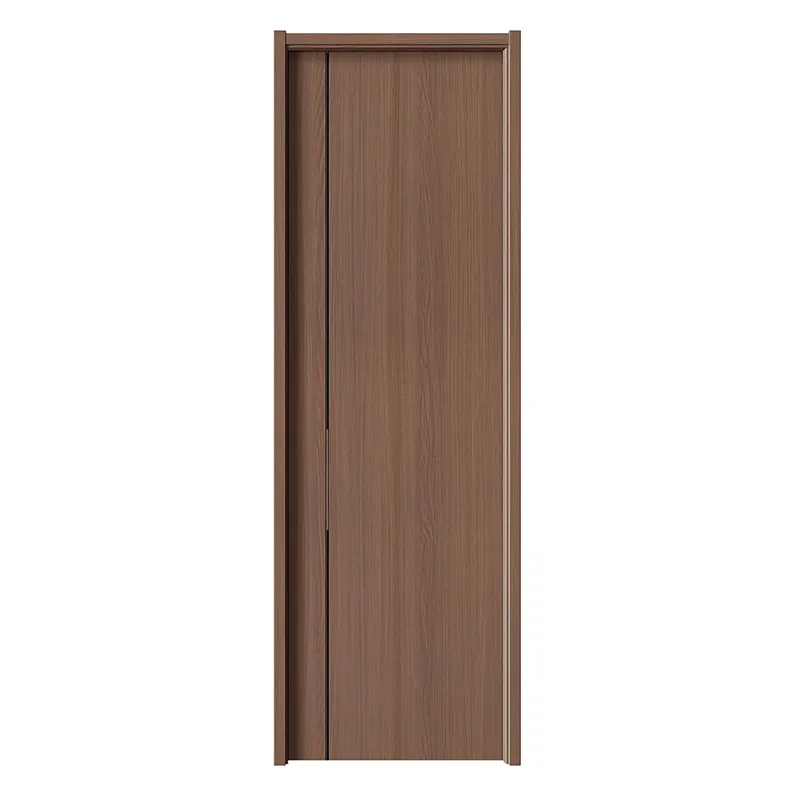 YST-1043 Door Techno-walnut 3
 -
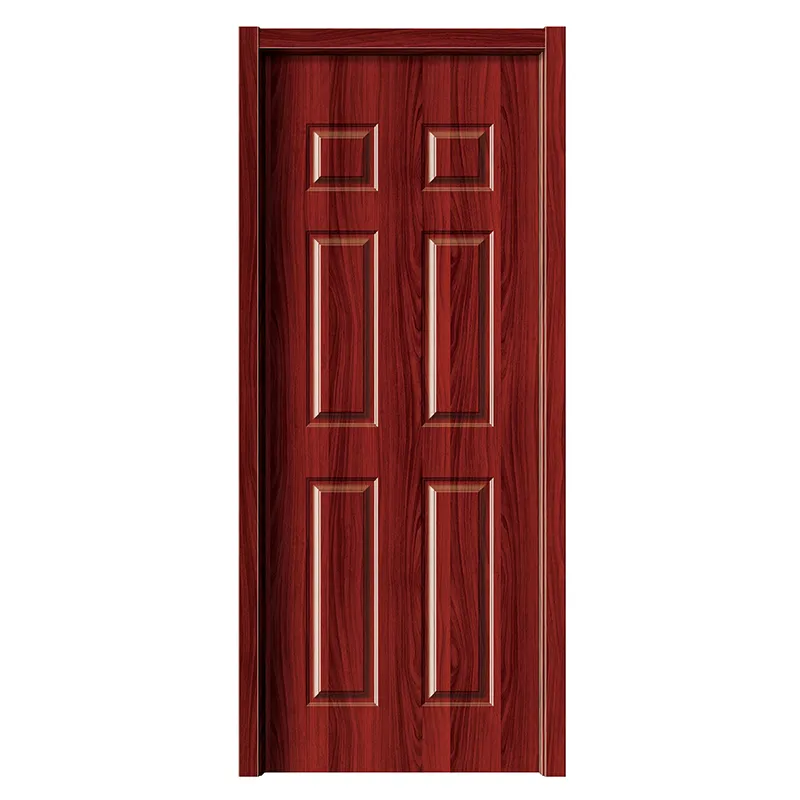 YST-201 Door Red team
 -
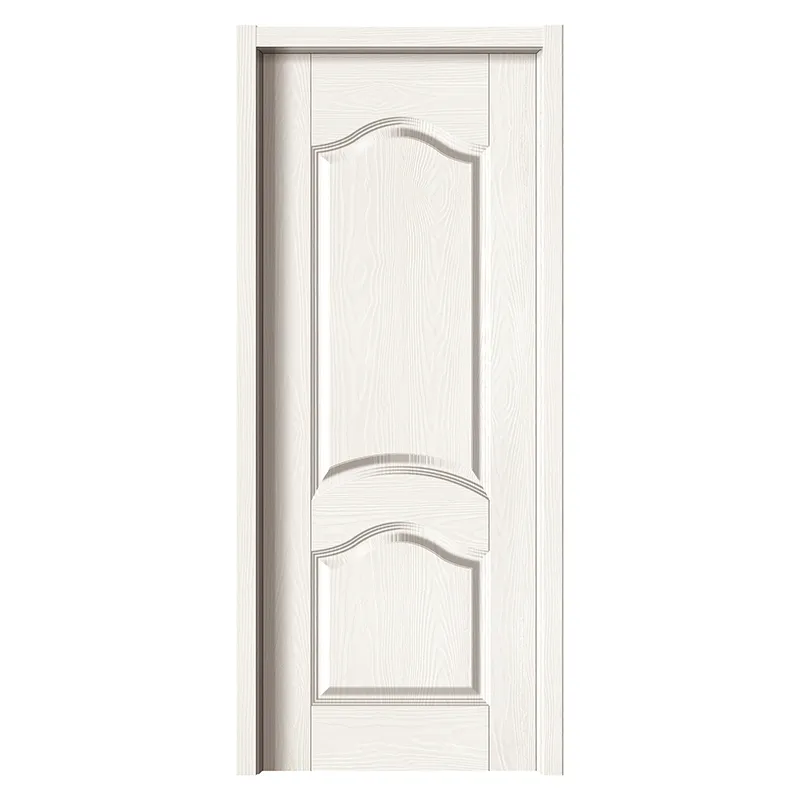 YST-224 Door Warm white with relief
 -
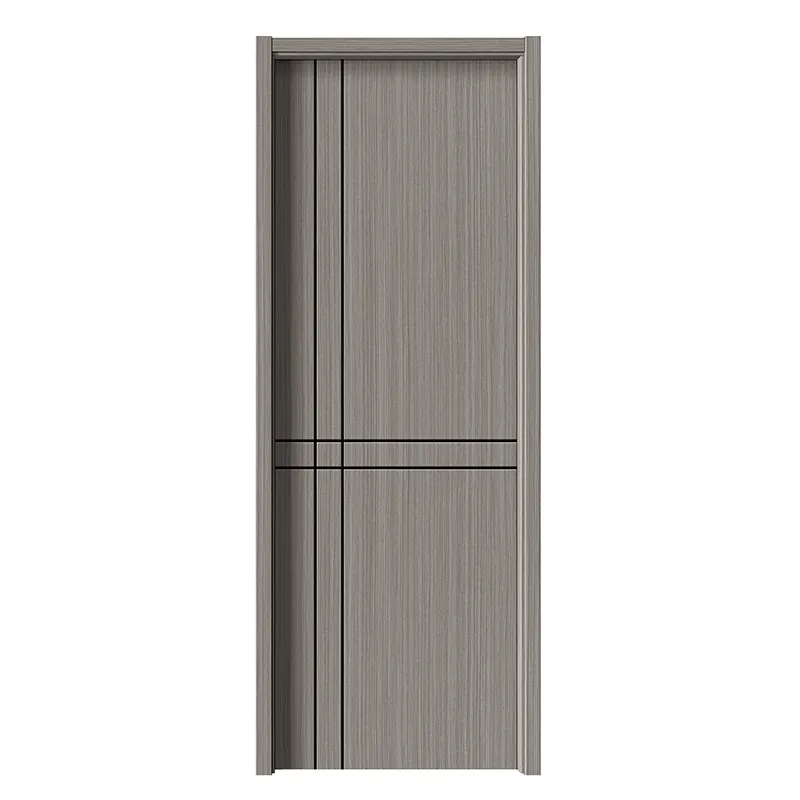 YST-1004 Door Technotree 2
 -
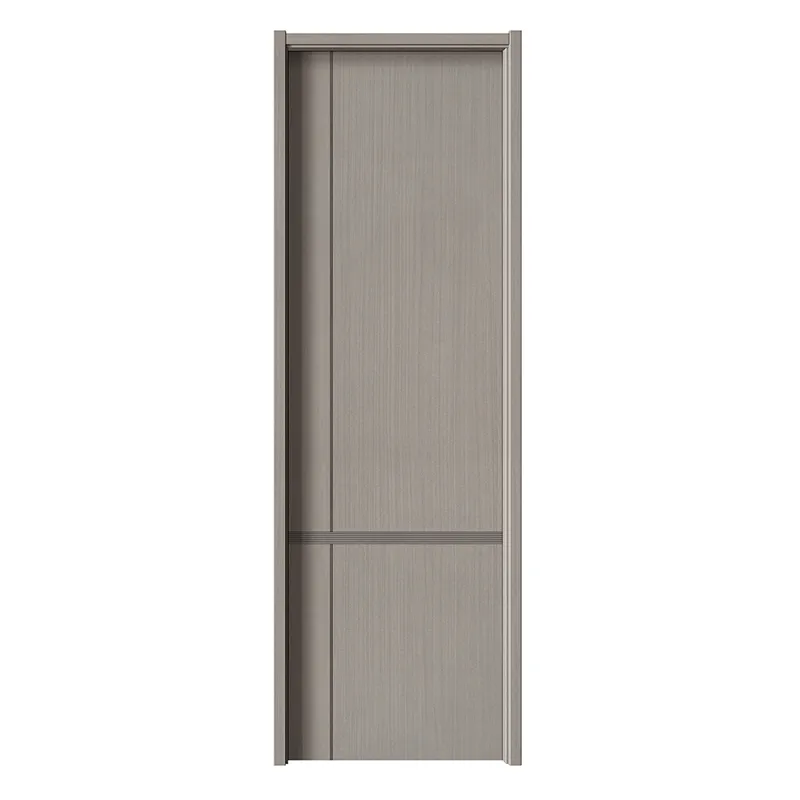 YST-1013 Door Cloud Walnut 1
 -
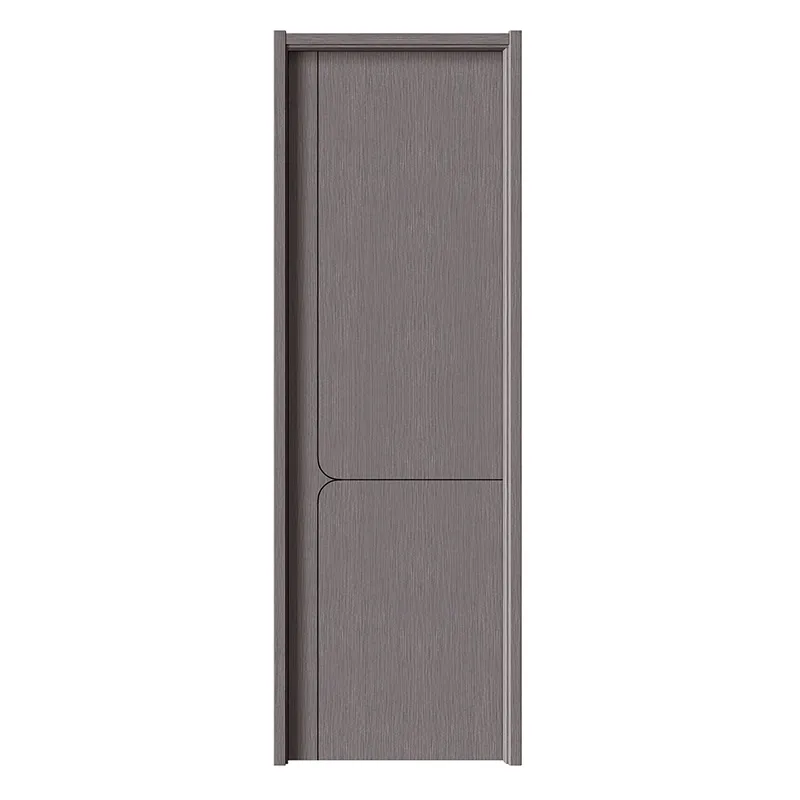 YST-1001 Door Chiaroscuro tree 2
 -
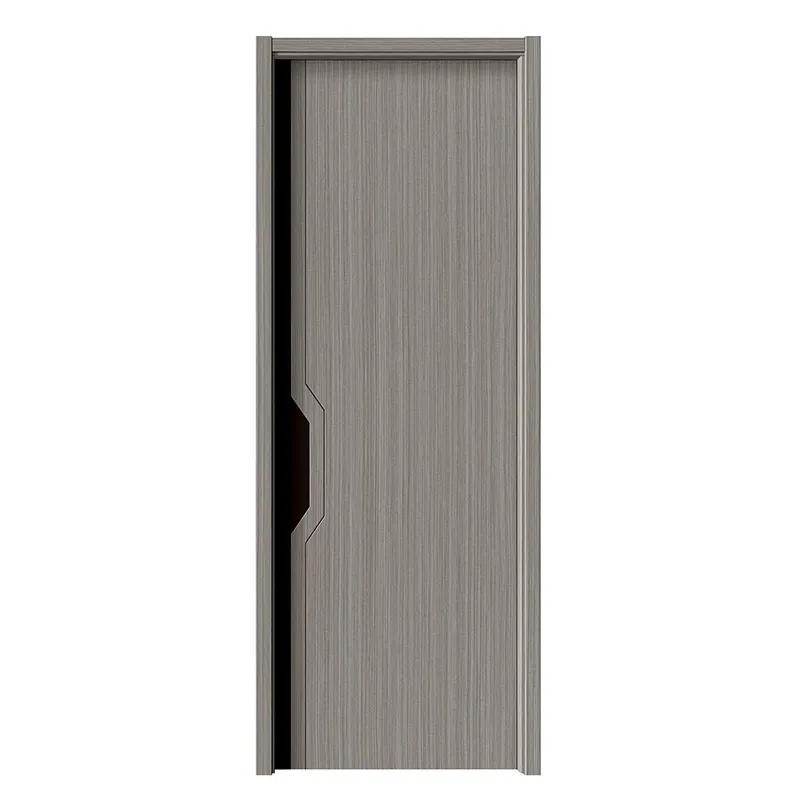 YST-1007 Technotree Door 2