



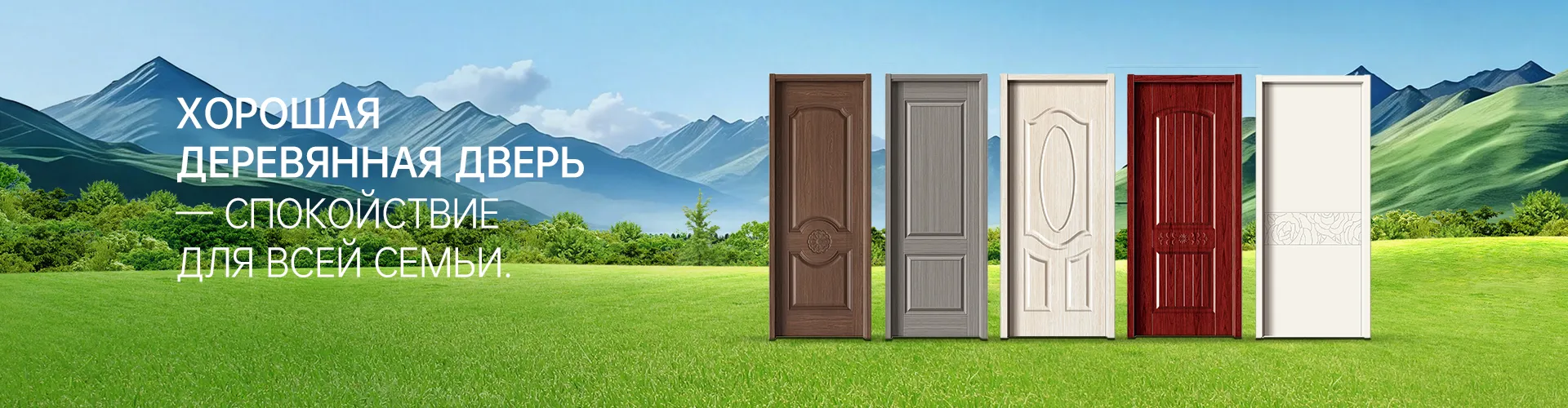
Plastic door options
When clients look for “plastic door options,” many immediately imagine a standard white design for a balcony. But this is just the tip of the iceberg. In fact, there are dozens of options, and the choice depends on a bunch of nuances that even some installers often forget about. For example, many do not take into account that a plastic door to a private house and a panel high-rise building are almost different products in terms of loads and installation requirements. Or that colored laminations from different manufacturers behave completely differently under the sun - some fade in a couple of seasons, others last for years. Now I’ll try to sort it out, based on what I saw at sites and in working with suppliers.
Main types of structures: not only “deaf” or ?with glass?
If we talk about the basic classification, then it all starts with the purpose. Sliding plastic doors for terraces or balconies are one world. They require particularly durable fittings, especially the roller mechanism. I have seen cases when they installed a lightweight profile on a wide opening - after a year or two it began to “walk” and cracks appeared. What is important here is not so much the plastic itself as the reinforcement and the mounting system for the guides.
Hinged doors are a more common option. But there are pitfalls here too. For example, opening options: outward, inward, double-leaf with active and passive leaf. Often customers ask to make a double door for a wide exit to the garden, but do not take into account the wind load. If the passive sash does not have proper pressure, over time it may begin to bend. The solution is either an additional reinforcement in the profile or a transition to a system with wider reinforcement. But this immediately increases the cost of the project.
Another interesting option is plastic doors with a hidden frame. They look modern, minimalistic. But their installation is a different story. A perfectly even opening is required, plus a special approach to foaming. If the installers are used to working the old fashioned way, they can foam it so much that the box will move. I myself came across this at one site - I had to redo it. But when everything is done correctly, it looks and works great.
Profile, glass unit, fittings: where you can save money and where you can’t
With the profile, everything seems to be simple: the more cameras, the warmer. But in practice, for most regions of Russia, 4-5 cameras in a profile are more than enough. Much more important is the quality of the PVC itself and the thickness of the walls. Some inexpensive systems have good “filling”, but the outer walls are thin - microcracks may appear in the sun, and overall rigidity suffers. I advise you to pay attention to the markings and class of the profile. For example,plastic doorfrom a class A profile it will behave predictably, but with class B surprises are already possible due to temperature changes.
Double-glazed windows are a separate issue. For the entrance group to the house, two-chamber packages (three glasses) are often installed. This is correct from a heat point of view. But if the door faces the sunny side, you should think about multifunctional or energy-saving glass. It not only retains heat in winter, but also reflects part of the solar energy in summer. I remember there was an order for glazing the veranda - they installed ordinary double-glazed windows, in the summer it was like being in a greenhouse. I then had to order solar control film, which turned out to be more expensive than if the correct glass had been installed right away.
The fittings are, one might say, the “engine?” doors. Saving on it means planning your repairs in advance. This is especially true for ventilation mechanisms (microlift, step opening) and anti-burglary elements. Good hardware from Roto or Siegenia can cost as much as half the entire door, but it's worth every penny. At one site in a cottage community, doors with budget fittings were installed - two years later problems began with closing, the doors sagged. The entire system was overhauled. So my conclusion:optionsfittings should be selected not by price, but by load and intensity of use.
Design and finishing: lamination, painting, non-standard solutions
White plastic is a classic, but it is not suitable for all interiors. Wood lamination film is now popular. It is important to understand the difference here: there are films based on PVC, and others based on acrylic. Acrylic ones are more expensive, but more resistant to scratches and ultraviolet radiation. I saw doors laminated with cheap film on the south side - after three years the color faded and blisters appeared along the edges. High-quality lamination, for example, from Rehau or Deceuninck, will not allow this, but the cost will be appropriate.
There is also the option of coloring in the mass - when the color pigment is added directly to the raw material for the profile. The door turns out to be a uniform color throughout its entire thickness. This is an excellent solution for bright colors (anthracite, dark brown), as scratches are less noticeable. But there is a nuance here: not all plastic manufacturers make such color profiles; often these are exclusive lines, and you have to wait longer for them.
Sometimes clients ask for combinedplastic door options- for example, the lower part is solid, a sandwich panel, and the upper part is glass. Or with figured imposts. Technically this is feasible, but requires precise calculation of weight and attachment points. Once they made a door with a large arched glass on top. The load on the hinges was not calculated quite correctly - over time, the sash began to touch the threshold. This was corrected by installing additional adjusting plates. Conclusion: Custom design always requires more careful engineering.
Installation: on which 70% of success depends
You can buy the most expensive door from the best manufacturer, but if it is installed crookedly, all the advantages will come to naught. The main installation errors that I encountered were: incorrect foaming of the installation seam (without spacers, which leads to deformation of the frame), incorrect leveling (the door “plays” after installation) and negligence in waterproofing the outer seam. This is especially critical for private houses where the door is in direct contact with the street.
An important point is the preparation of the opening. In panel houses, openings are often relatively straight, but in brick or log houses there can be significant distortions. Sometimes the opening has to be reinforced with a metal frame or even rebuilt. There was a case in an old country house: they installed a plastic door in a wooden opening without taking into account the shrinkage of the frame. A year later, the top corner was jammed. I had to remove it, make a casing (pipe) and reinstall it. Taking such nuances into account is the task of a professional at the measurement stage.
More from practice: after installation, it is imperative to adjust the fittings. Seasonal fluctuations in temperature and humidity affect the geometry, so in spring and autumn it is recommended to check the sash pressure and the operation of the locks. Many installers don't tell customers about this, and then people complain about drafts, thinking that the problem is in the door. In fact, it is often enough to turn a few screws with a hexagon.
Market and manufacturers: what to look at besides price
When you lookplastic door optionsat the market, my eyes widen. There are large European brands (Veka, Rehau, KBE), there are Turkish ones, and there are Russian manufacturers with a German or Austrian profile. The difference is not only in price. European systems, as a rule, have more stringent internal standards and stable quality of raw materials. But local manufacturers also have decent products, especially if they work with a good profile and high-quality fittings.
An interesting trend in recent years is the emergence on the market of companies that specialize in integrated solutions. They offer not just a door, but the entire entrance group, including canopies, slope finishing and even smart home systems. This is convenient for the customer, but requires broad competence from the manufacturer. When choosing this approach, you should look at completed projects and reviews.
As for niche solutions, it is worth mentioning manufacturers working with other materials. For example, a companyAnhui Wantai Woodworking Co.,Ltd (https://www.anhuiwantai.ru), which supplies the international market with wooden doors that combine aesthetics and practicality. Their approach is to build a business on precision and win with quality - this is the same principle that is important in the world of plastic doors. Although their profile is wood, the very philosophy of strict adherence to standards at all stages, from raw materials to process control, is universal. Sometimes clients, when choosing between plastic and wood, consider such companies for other parts of the project, which emphasizes the importance of a comprehensive view of the design of space.
Results: how not to make a mistake with your choice
So, to sum it up. Choosing a plastic door is always a compromise between budget, heat and sound insulation requirements, design and durability. There is no one ideal option for all occasions. For a cold region, the priority is a multi-chamber profile and a warm double-glazed window. For a frequently used door in a country house - reliable fittings and easy maintenance. For a representative office - design and status appearance.
The main advice is not to rush into a decision. Request from the supplier not only a catalog, but also technical specifications for the profile and fittings. If possible, look at finished objects or samples. And be sure to invite a competent measurer who will ask you questions about operating conditions, and not just take measurements. His questions are the first sign of professionalism.
And remember that a door is not only a utilitarian object, but also an element of the interior and exterior. Well chosenoptionA plastic door will perform its functions for years without attracting unnecessary attention to problems. And an unsuccessful one will become a source of constant irritation. Trust the technical specifications and experience of the installers, and not just the pretty pictures in the advertisement. As practice shows, this is the surest way.
Correspondingproducts
Related Products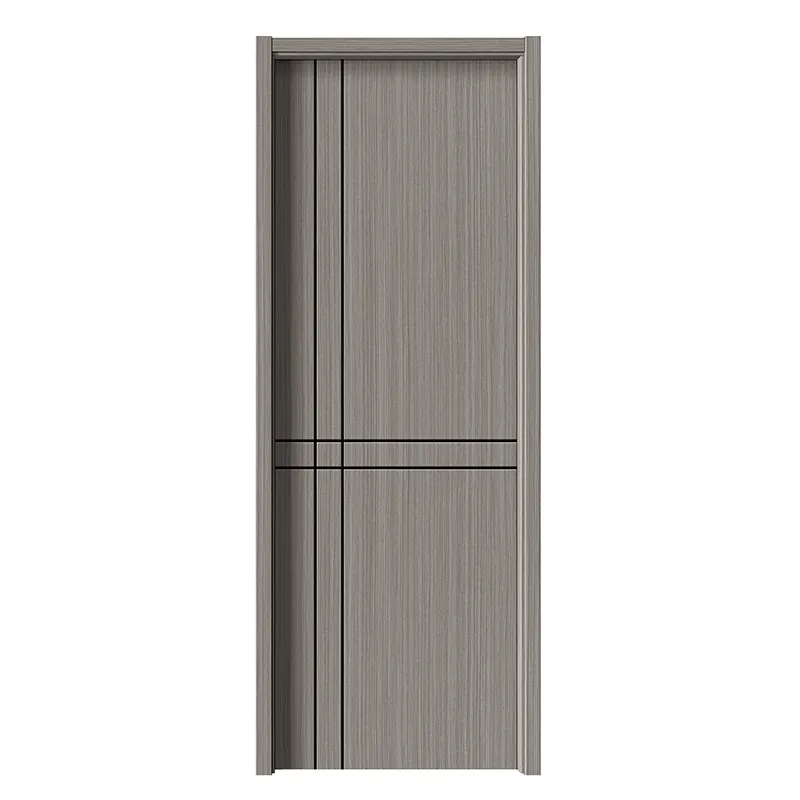
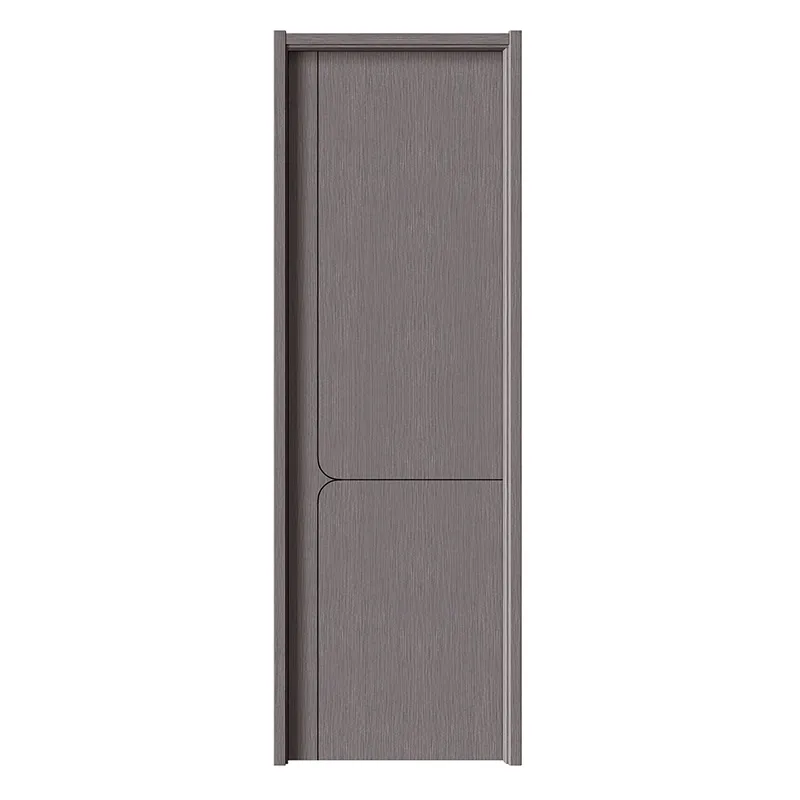
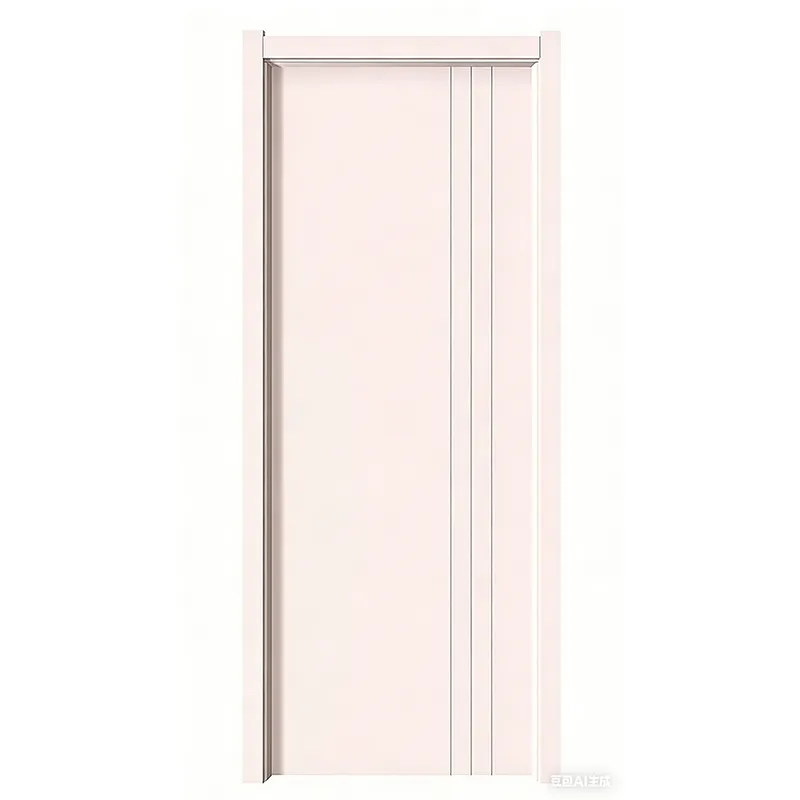
Best Sellingproducts
Best Selling Products-
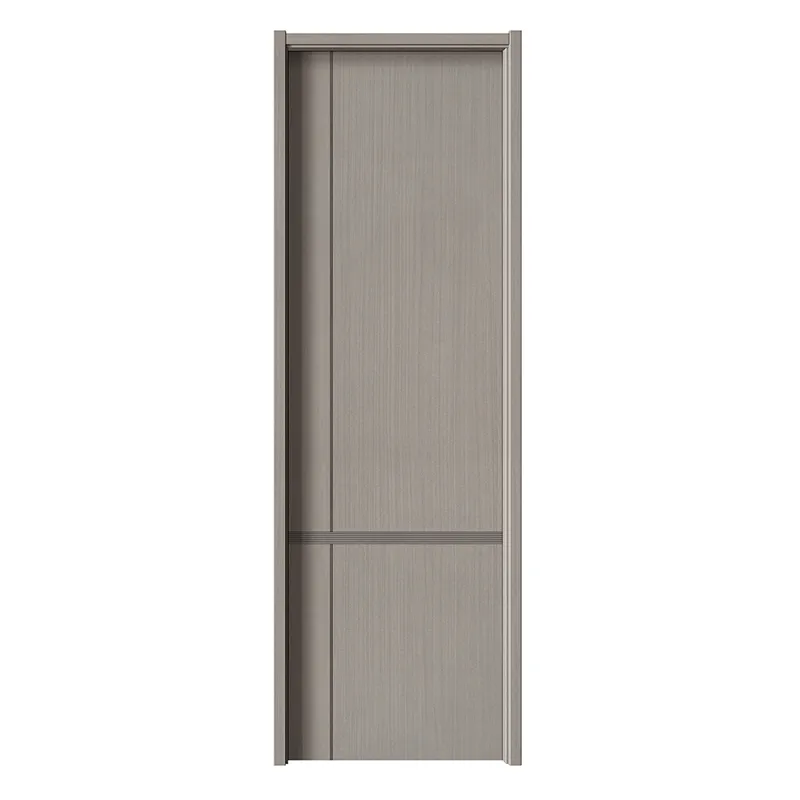 YST-1013 Door Cloud Walnut 1
 -
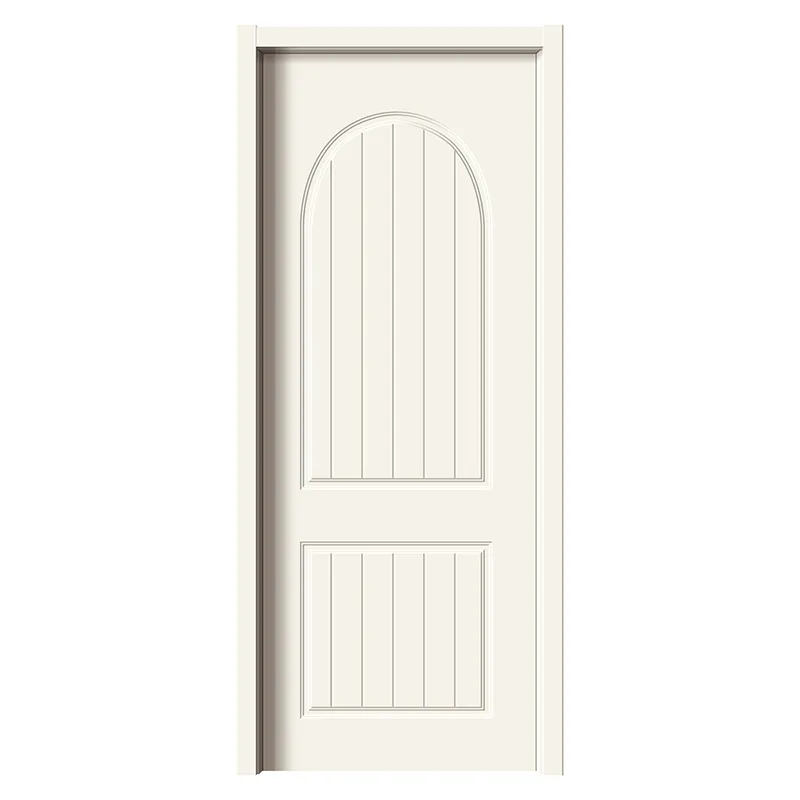 YST-236 Door White ivory
 -
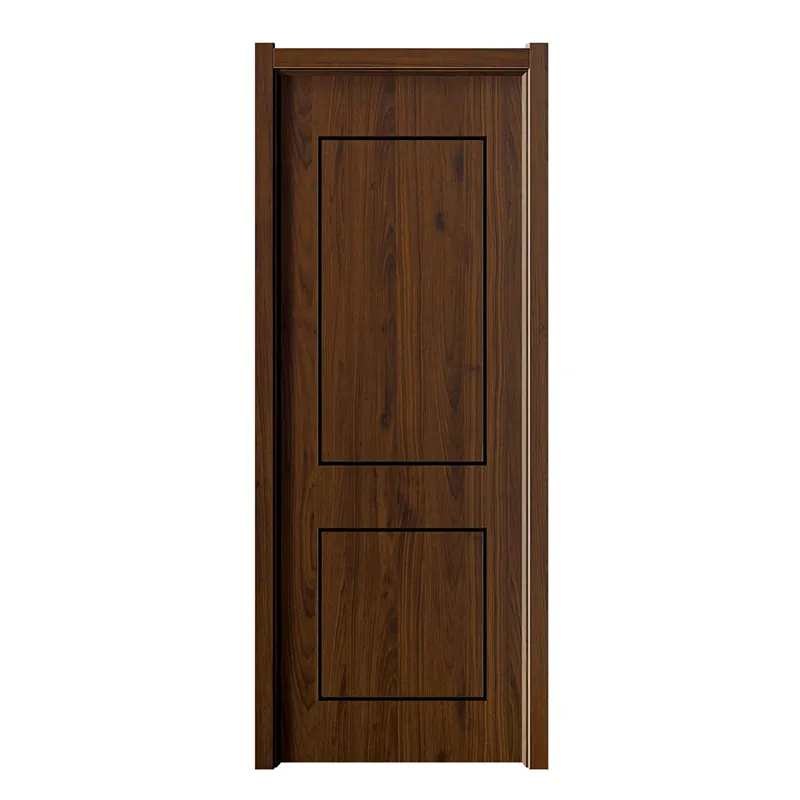 YST-WPC2 Door
 -
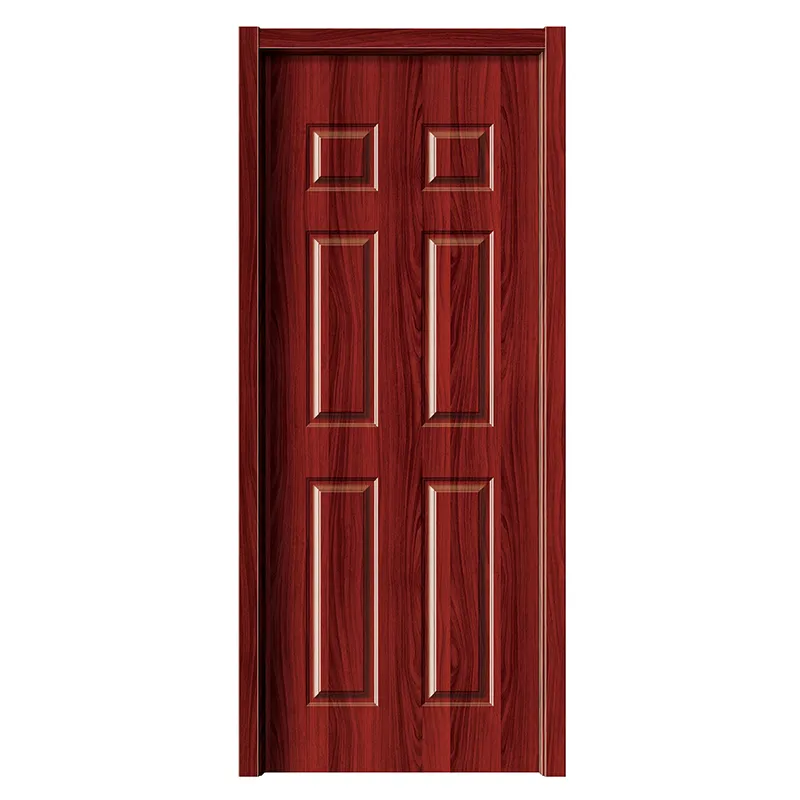 YST-201 Door Red team
 -
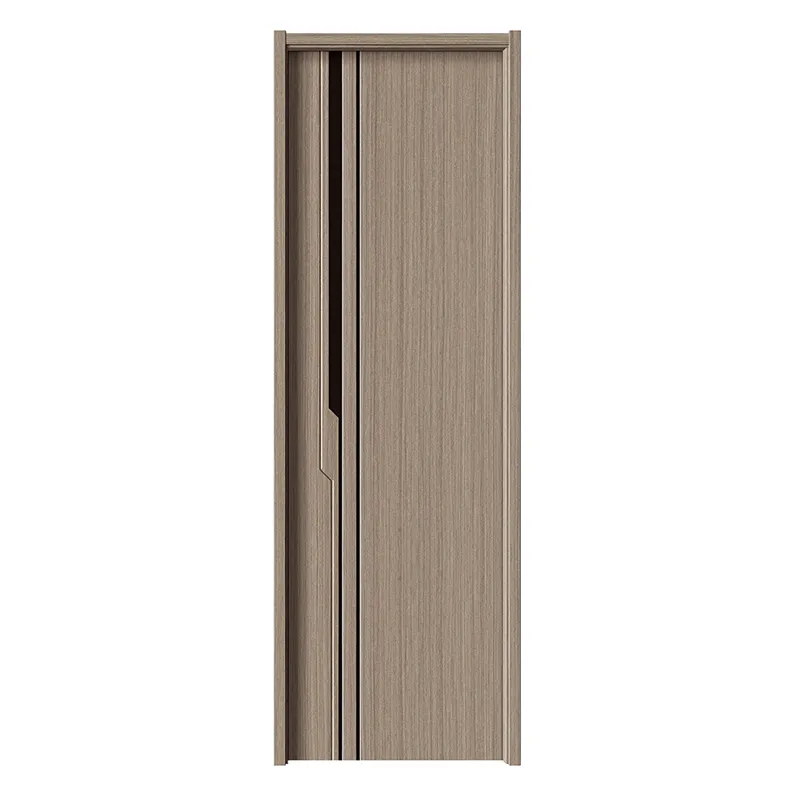 YST-1018 Technowood Door 1
 -
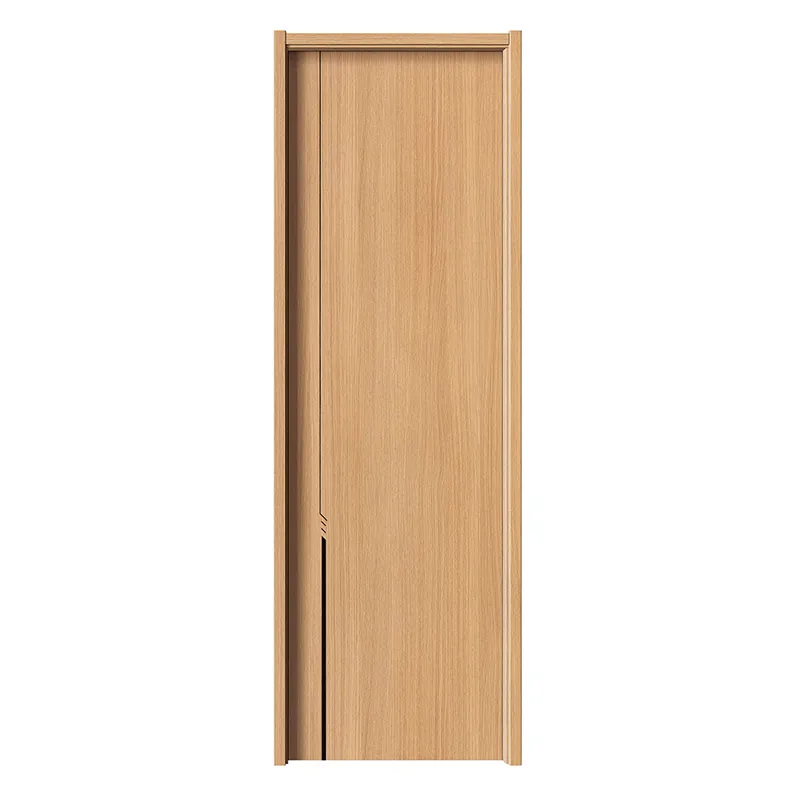 YST-1041 Door Oak Shutter
 -
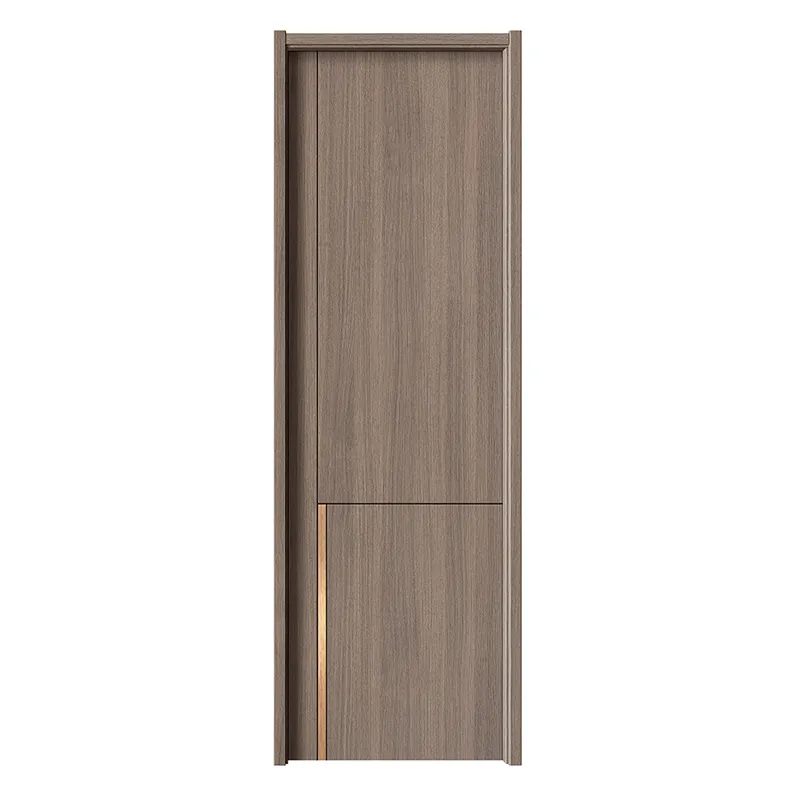 YST-1003 Door Oak gray
 -
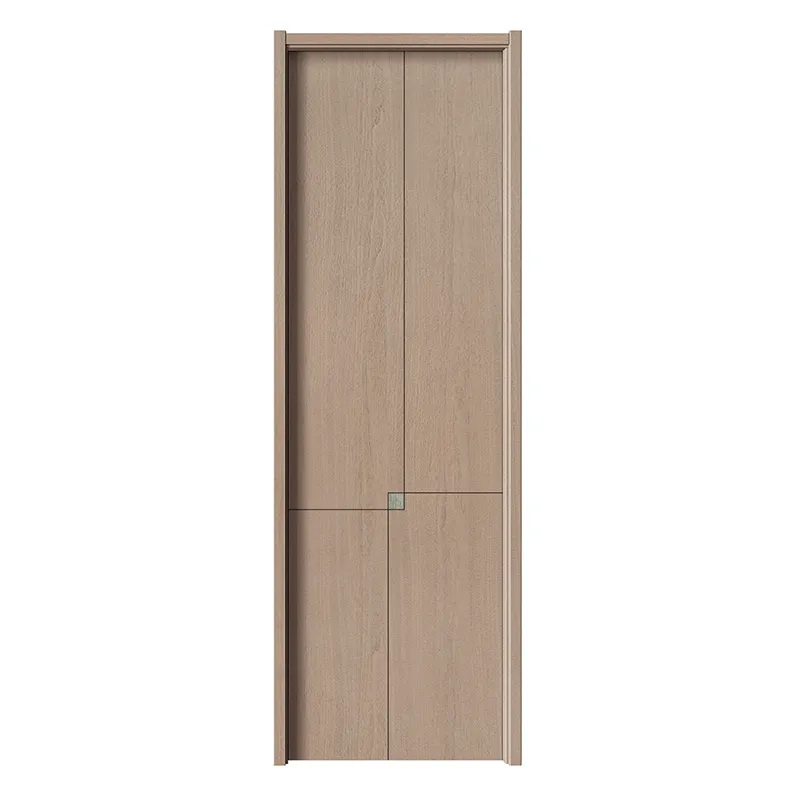 YST-1008 Door Natural walnut 2
 -
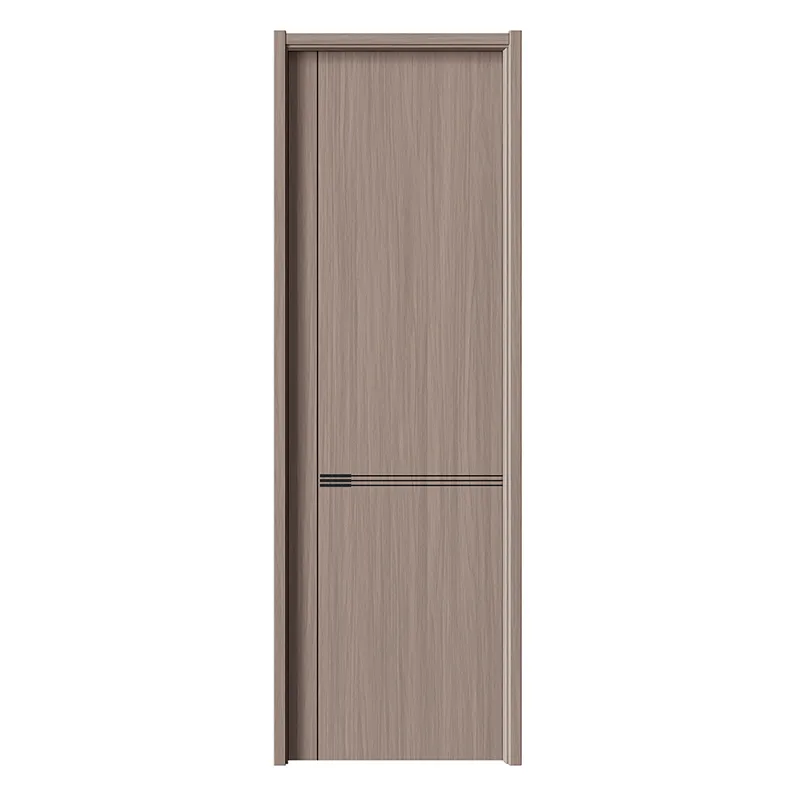 YST-1039 Door Translucent light shadow 3
 -
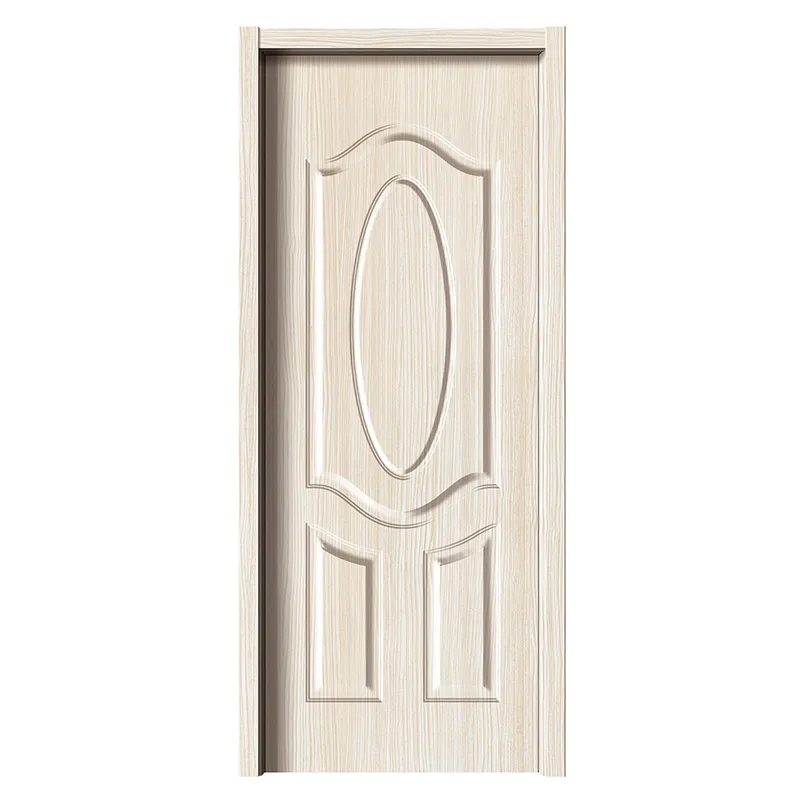 YST-216 Door White Maple
 -
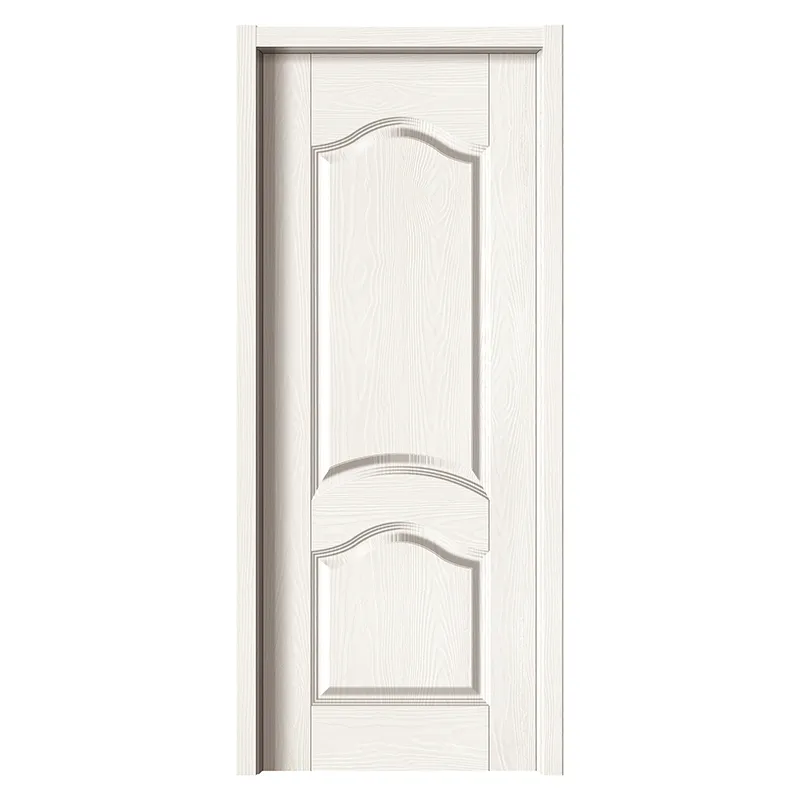 YST-224 Door Warm white with relief
 -
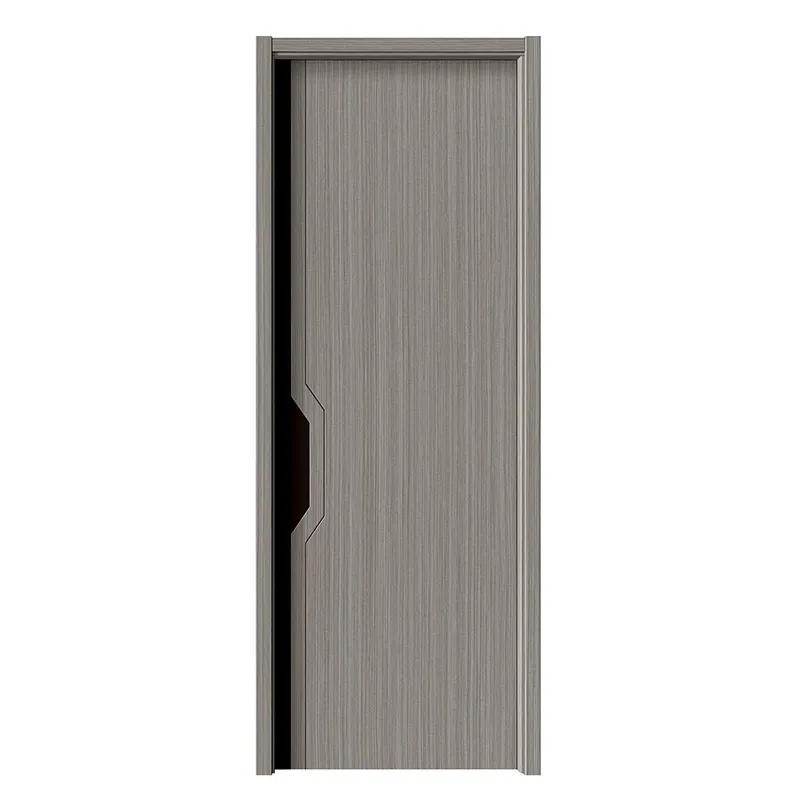 YST-1007 Technotree Door 2