




Plastic door without window
When they say “a plastic door without a window?”, many people immediately think of something utilitarian and boring - such as technical rooms or entrances. But in practice, this is one of the most popular options for balconies, loggias and even some internal partitions in residential buildings. The main misconception is to think that since there is no glass, there is nothing to think about. In fact, there are more nuances here than it seems: from the profile and filling to fittings and installation gaps.
Profile and design: not all ?plastic door? is the same
Let's take, for example, a classic balcony block.Plastic door without windowin it it is often a sash with a solid sandwich panel or foam filler. But here's what's important: the profile. If for translucent structures they sometimes save on the thickness of the walls, then here, where the entire load goes on the frame, you cannot save. A good indicator is that the system is not narrower than 60 mm, with reinforcement with a steel liner along the entire perimeter. I’ve seen cases where a lightweight profile was installed, and after a couple of seasons the sash began to “weak.” - the vestibule is loose, drafty.
Filling is a separate issue. Solid PVC panel - cheap, but can "walk" from temperature changes. A sandwich (two sheets of plastic with insulation between) is better in terms of thermal insulation, but check the quality of gluing of the layers. It happened that doors were delivered to projects where the filler peeled off over time and began to rattle. The optimal option, in my opinion, is the one with polyurethane foam. Tough, quiet, warm.
And the fittings are a point. Since the sash is solid and often heavier than double-glazed windows, the hinges and locking mechanism must be reinforced. Especially the bottom loop. I recommend immediately installing adjustable hinges and a multi-locking system with at least three pressure points. This is not only for safety, but also to evenly distribute the load and avoid sagging. I remember that at one site in a new building, the developer installed standard window fittings - after six months, for half of the residents, the lower corner of the door was moving away from the frame.
Editing: where mistakes are most often made
The most common mistake is treating the installation of such a door as something secondary. Like, put the box in the opening, foam it - and you're done. But if the opening is uneven (and in panel houses this is almost the rule), then proper leveling and additional fasteners cannot be avoided. I use anchor plates and wedges to firmly fix the frame until the foam completely hardens. And I make sure to leave a technological gap - at least 15-20 mm around the perimeter for the mounting foam. Less - the foam will not expand as it should, and there will be a cold bridge. More - the design can “play”.
Another subtle point is the threshold. Bplastic door without windowTo access the balcony, a threshold of increased rigidity is often made, sometimes aluminum. It must be especially carefully sealed to the frame and to the floor. I saw the consequences when the installers only put foam on top, but there was a gap left at the bottom - in winter, snow blew in there and ice froze. Now I always seal the bottom joint with silicone sealant for exterior work; the slope is already finished on top.
And about the slopes. After installing the box, they often forget about high-quality insulation of the slopes from the outside. Especially if the house is old. I install foam or extrusion, then plaster or panel. Otherwise, the whole point of a warm solid door is lost - the cold will come through the concrete opening. Once I remade such work after the “shabashnyh” — they simply blew out the cracks with foam and covered them with plaster. In the first winter, mold appeared in the corners of the opening.
Where and why is it a rational choice?
The main areas are, of course, balconies in apartment buildings. Especially on the first and last floors, where heat and sound insulation are more important than the view. They are also often installed as technical doors in boiler rooms, on common loggias, and in unheated passages. In private houses there are exits to a cold vestibule or garage from the house.
The advantage is that such a door, when properly executed, often turns out even warmer than with a double-glazed window - there are no cold bridges through the aluminum glass spacer. And the issue of condensation on the glass disappears. But there are also limitations. For example, you shouldn’t install it in very dark rooms (a vestibule without light) - it will feel like a deep basement. Here it is better to consider an option with a sliding panel or at least a small transom window on top.
An interesting case was at a customer’s site who wanted to soundproof a home studio. They put it exactlyplastic door without windowwith a reinforced profile and a massive sandwich filler, with an additional seal along the contour. The measurement result was better than that of many specialized wooden doors. But we had to tinker with the vestibule so that it was perfectly level, otherwise the acoustics would suffer.
What can be combined with and alternatives
Often such a door is installed complete with windows. It is important here that the profile system and color are from the same line, otherwise there will be visual inconsistency. Now many manufacturers, even those who mainly work with wood, offer plastic systems. For example, a companyAnhui Wantai Woodworking Co.,Ltd (https://www.anhuiwantai.ru), which is known for its wooden doors, also works with modern materials. By the way, in their philosophy they focus on accuracy and quality at all stages - this is exactly what is critical for a solid plastic door: that the geometry is flawless, and that all technological stages from raw materials to assembly are controlled. This is important, because a defect in the form of a skewed frame or a poor-quality weld on a blind sash is almost impossible to fix - just change it.
The alternative is, of course, a solid wooden door. But for damp or unheated rooms, plastic is more practical - it will not swell. Metal is too heavy and cold. So plastic here is often the golden mean in terms of price, weight and performance properties.
You can combine them inside the door itself. For example, make the lower part a blank sandwich panel, and the upper part with a cellular polycarbonate insert for diffused light. But this is no longer completely “windowless”, although the idea for the same technical rooms can be useful.
Final thoughts and what to look for when ordering
As a result, choosingplastic door without window, you need to look not at the price tag in the first place, but at: 1) the thickness and profile system (at least 3-chamber, reinforcement), 2) the type and quality of the filler (better foam or dense sandwich), 3) the fittings (reinforced, with adjustments), 4) the quality of the welds on the frame (must be smooth, without sag).
And, of course, the terms of warranty and installation. It is better when the manufacturer or supplier gives a guarantee specifically for the installed product, and not just for the material. Like the same oneAnhui Wantai Woodworking Co.,Ltd— their approach to international standards at all stages inspires confidence. After all, even a perfect door, if placed crookedly, will be a problem.
Personal conclusion from experience: such a door is an excellent solution when you need reliability, warmth and simplicity. But she does not forgive hackwork - neither in production nor in editing. If everything is done thoughtfully, taking into account the nuances of the opening and operation, it will serve for decades without problems. But if you save money and put in just anything, you will suffer every season. Verified.
Correspondingproducts
Related Products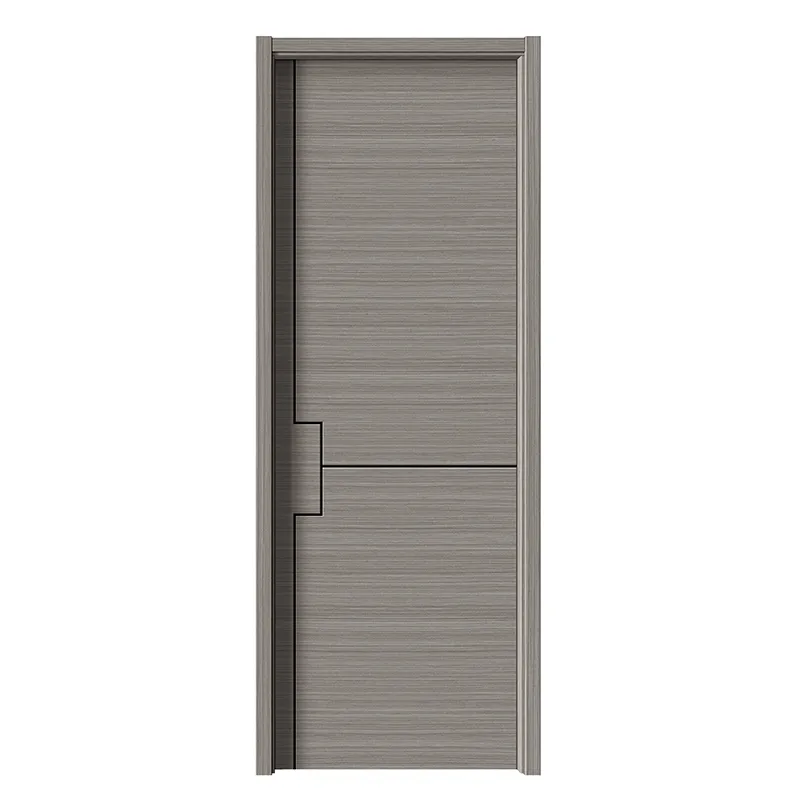
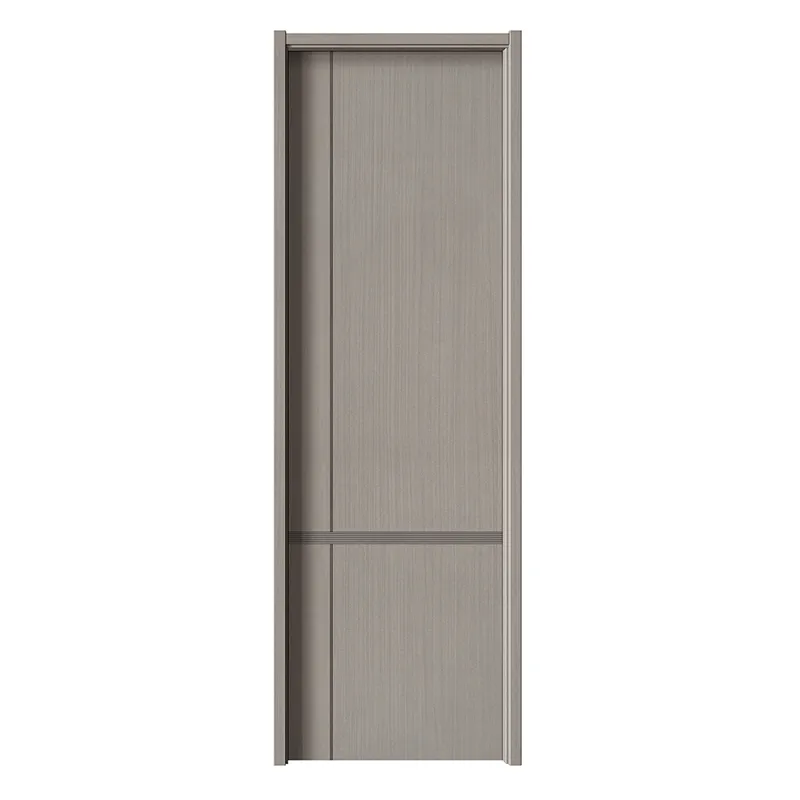
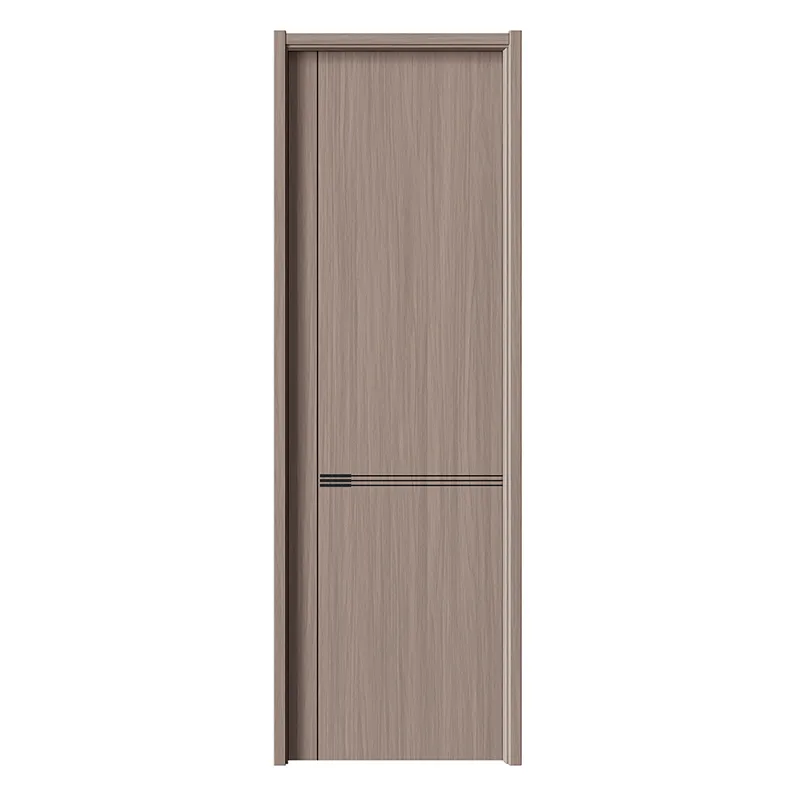

Best Sellingproducts
Best Selling Products-
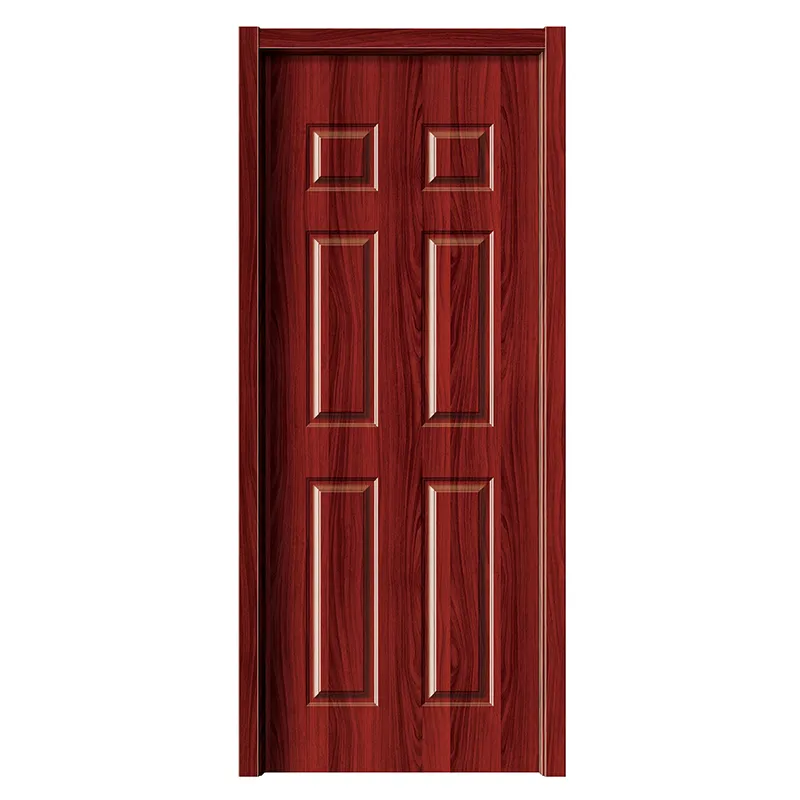 YST-201 Door Red team
 -
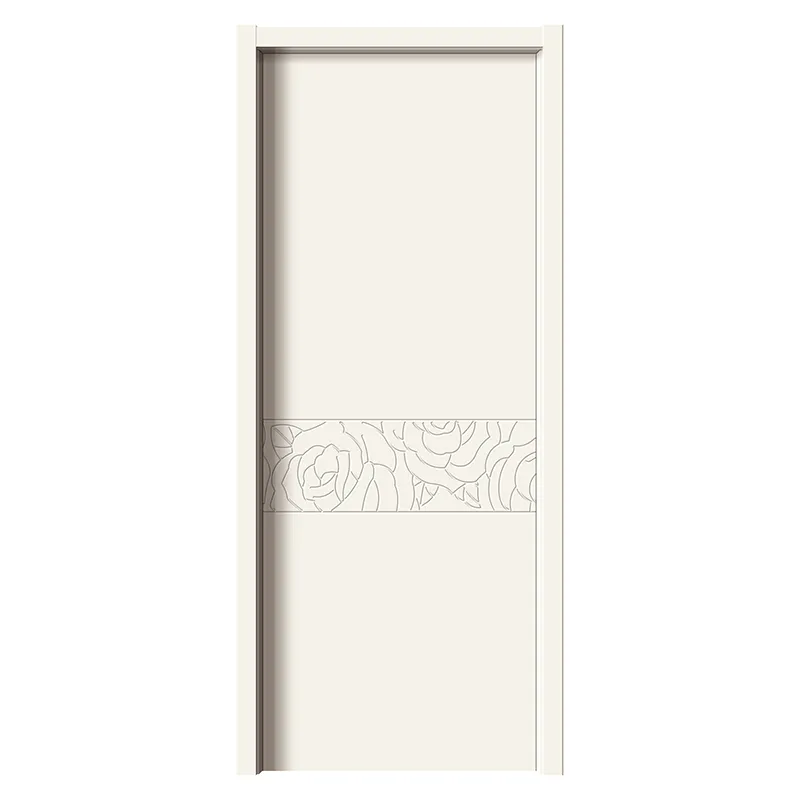 YST-238 Door White ivory
 -
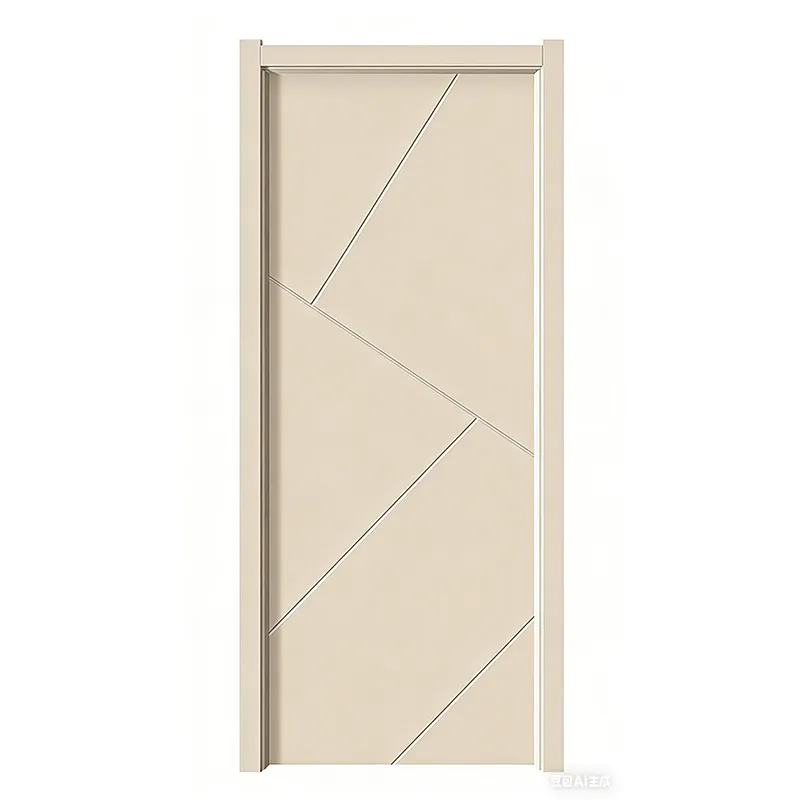 YST-WPC3 Door
 -
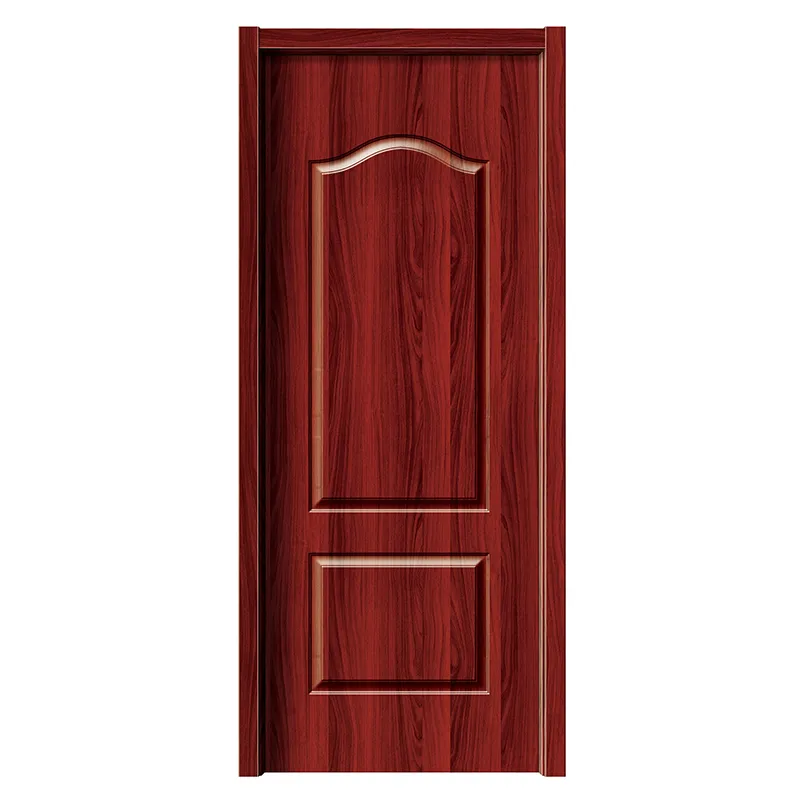 YST-207 Door Red team
 -
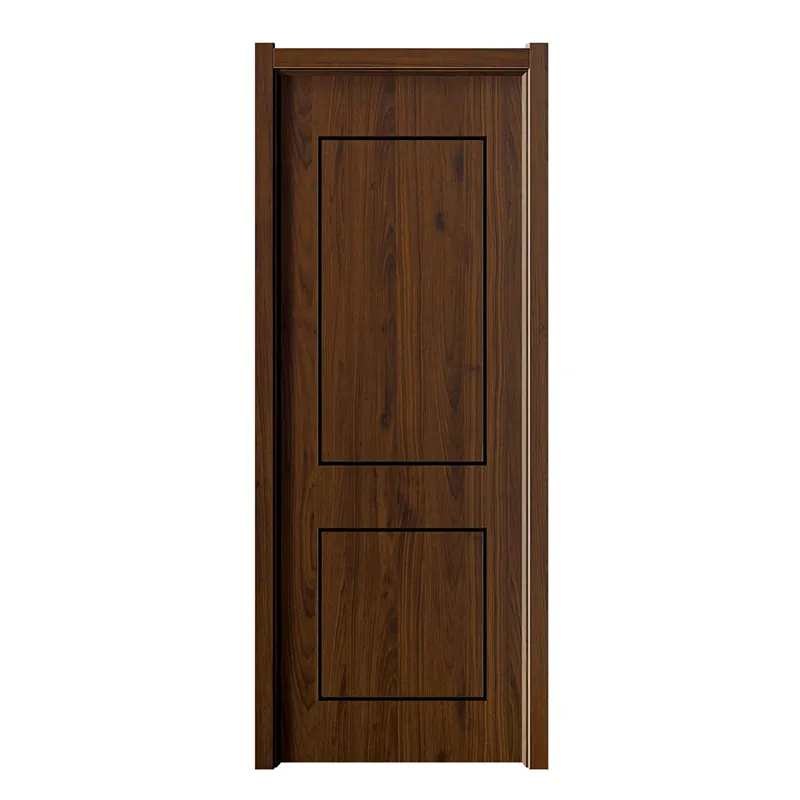 YST-WPC2 Door
 -
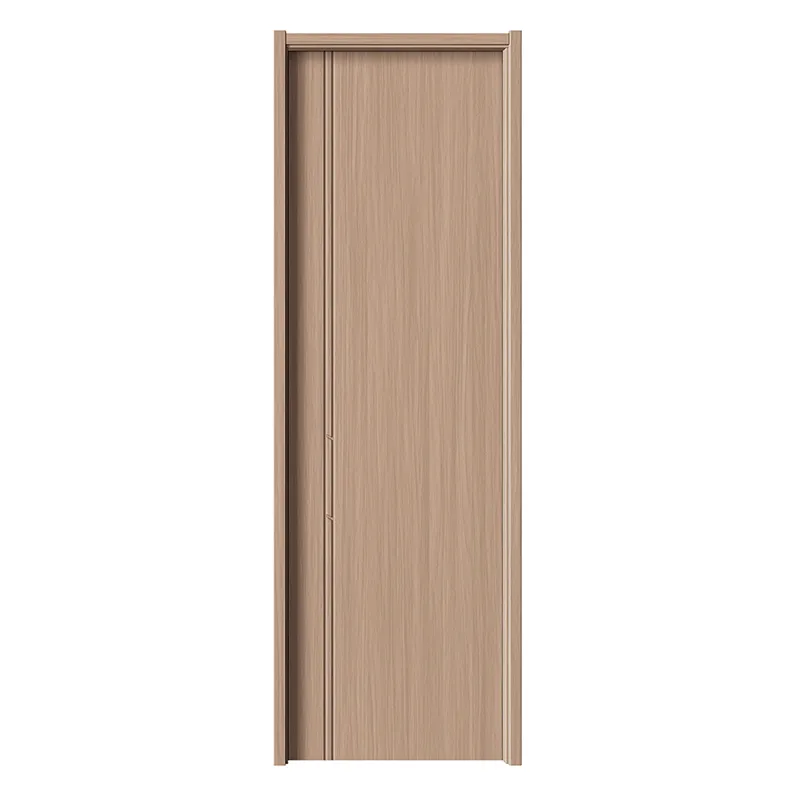 YST-1009 Door Translucent light shade 1
 -
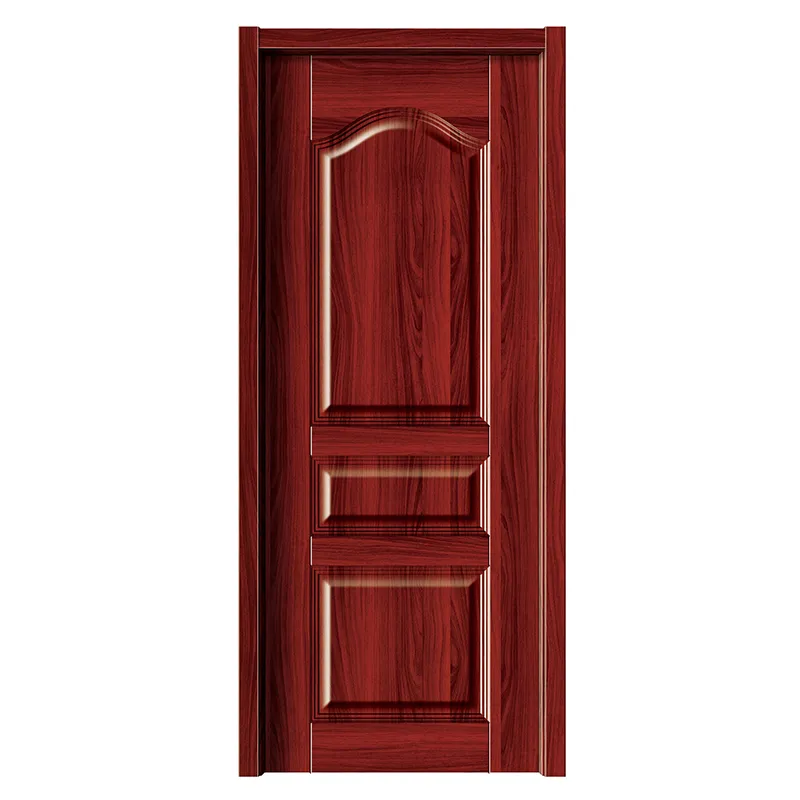 YST-203 Door Red team
 -
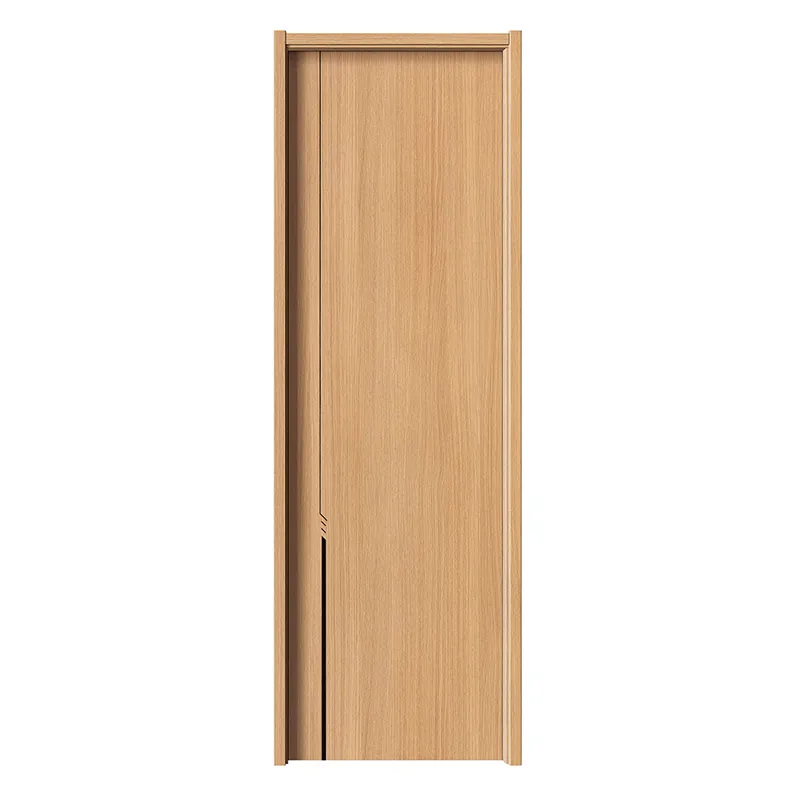 YST-1041 Door Oak Shutter
 -
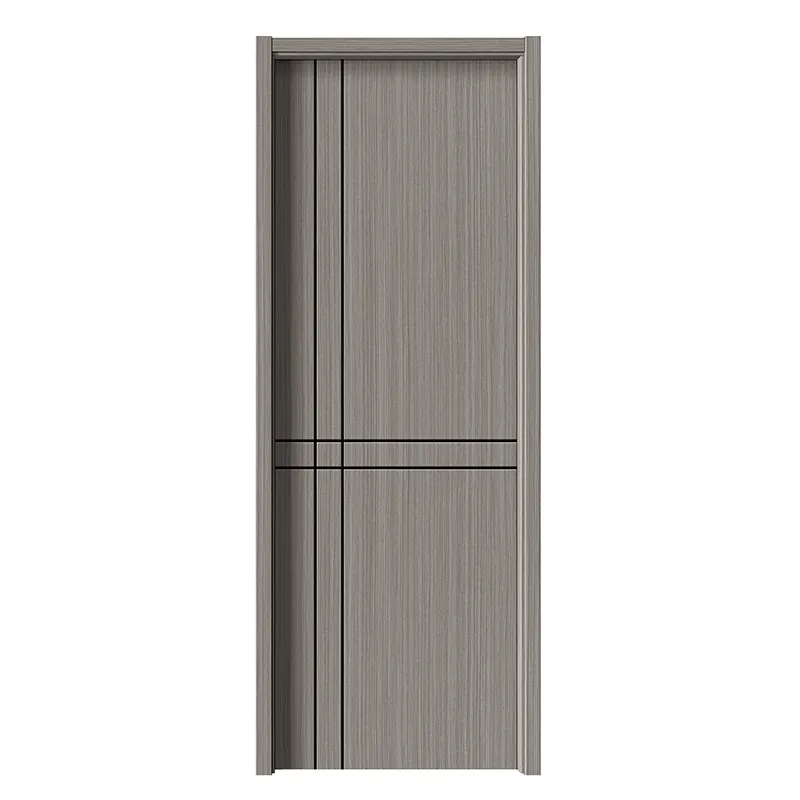 YST-1004 Door Technotree 2
 -
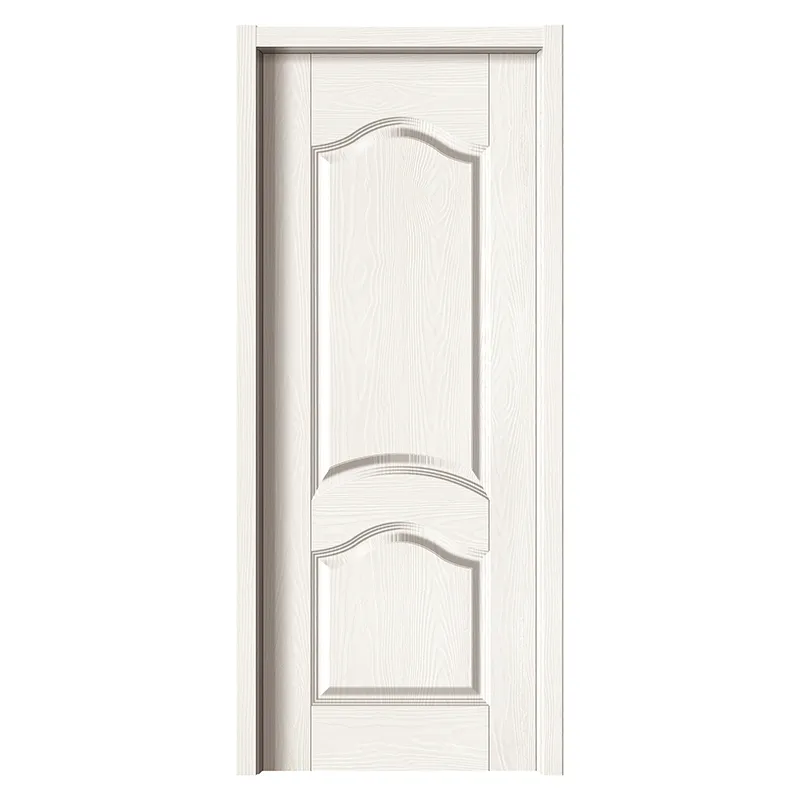 YST-224 Door Warm white with relief
 -
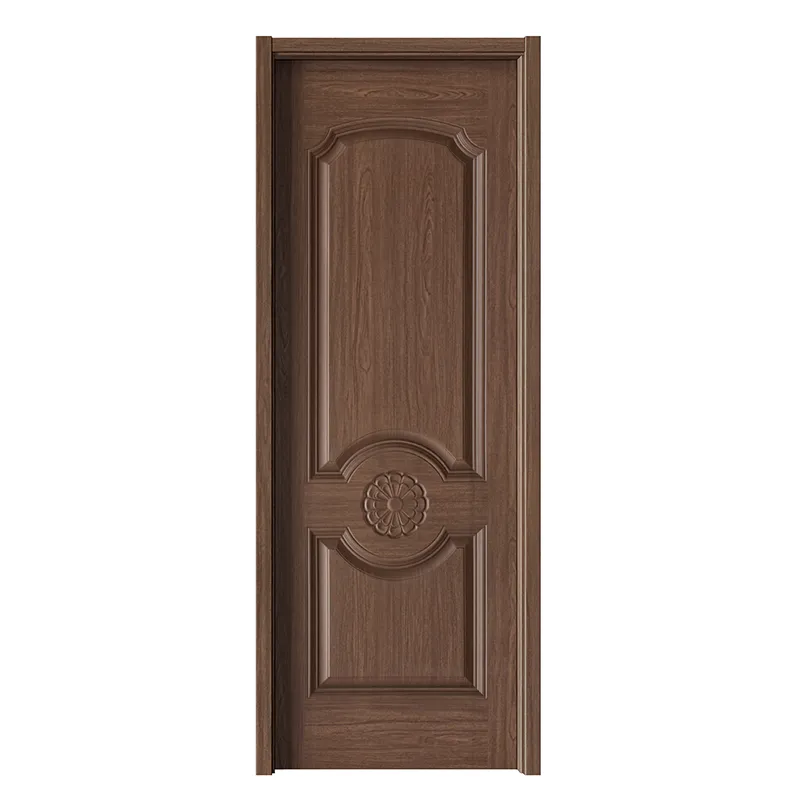 YST-212 Door North American Oak 2
 -
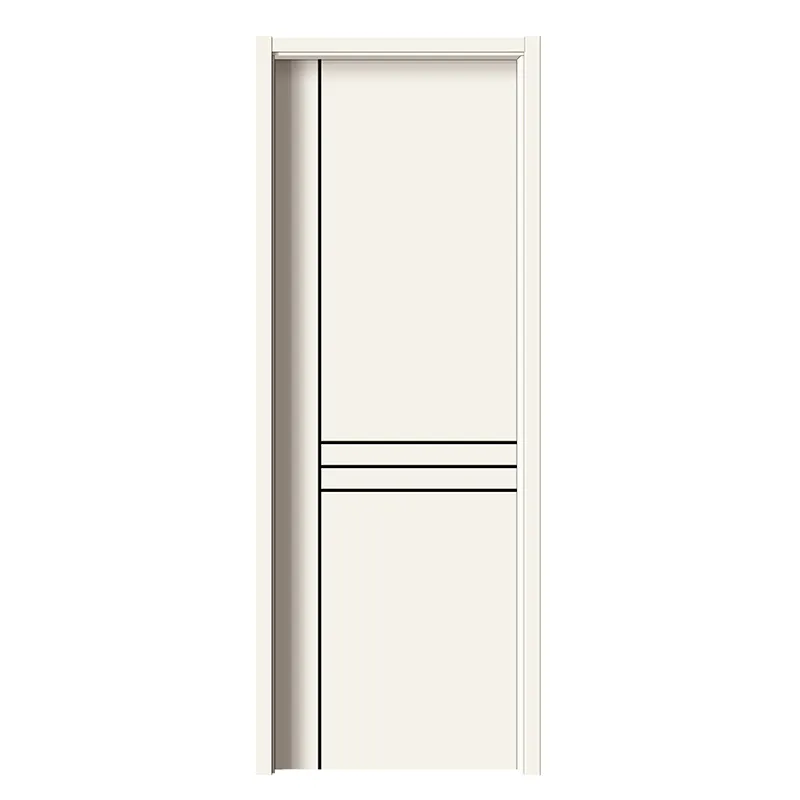 YST-220 Door Warm white