




Repair the entrance plastic door
When they say “repair the plastic entrance door,” many people immediately think about replacing the seal or adjusting the hinges. But this is just the tip of the iceberg. A common mistake is to try to treat symptoms without understanding the root of the problem: it could be sagging of the frame, wear of the reinforcing profile, or simply incorrect initial installation. For years I myself have been faced with the fact that clients call a specialist to “tweak” them, but in the end they have to explain that a door that has served for 10-15 years no longer requires repair, but a competent assessment regarding the feasibility of restoration. This is especially true for inexpensive models, where the profile is thin and the fittings are entry-level - here repairs often become 'wasted money'.
Diagnostics: where the real repair begins
The first thing I do is not pick up the instrument. I look at the general geometry. Often the door “hangs” on its hinges, but the lower corner touches the threshold, or, conversely, a gap has appeared at the top. I check the pressure along the entire perimeter by pressing the sash in the closed state. If there is a 'game', deflection is already a signal. Then I examineplastic doorfor cracks in the corners of welds. It is there, especially on the hinge side, that microcracks can develop over time due to load - this is almost a death sentence for a PVC profile; it cannot be repaired, only replacing the entire sash.
I definitely check the condition of the reinforcement. It happens that you remove the glazing bead to get to the glass unit, and there is rust inside. Humidity, condensation, poor waterproofing of the installation seam do their job. If the reinforcing steel profile begins to corrode, it loses its rigidity. The door is warping, and no amount of adjustment of the fittings will help for long. In such cases, it is often proposed to strengthen the structure, but this is a complex and not always reliable procedure.
And of course, accessories. It’s not just “creaking” or “hard to turn”, but wear and tear on specific elements: rollers, trunnions, strikers. Sometimes simple cleaning and lubrication helps, but if the mechanism is “loose”, then the adjusting screws no longer hold. This is especially true for cheap fittings that come with budget doors. Here you should think about replacing the entire set with something more serious, for example, from Roto or Siegenia. But that's a different story and a different budget.
Typical problems and their unobvious causes
Blowing. The most common complaint. They change the seal, but six months later history repeats itself. And the reason is often not in the seal itself, but in the fact that due to sagging of the sash, it does not press tightly. Or the wrong type was initially chosen - for example, for sliding systems they installed a seal for swing systems. The seal is a consumable, it needs to be changed, but without eliminating the cause of the blowing, this is a half-measure. By the way, a good silicone seal lasts longer than a rubber one, but also costs accordingly.
Difficult to close/open. Everyone is screwed right away. But often the problem is the sagging of the box or the swelling of the sash itself from moisture (yes, this also happens with plastic if it is of low quality). Another point is wear or displacement of the lock mate. Sometimes it is enough to move the striker a couple of millimeters, and the door works like a clock again. But to do this, you need to understand exactly where and why the sash has moved.
Condensation and ice in winter. Customers think the problem is in the door. But in reality - in the 'cold bridge', which is formed at the junction of the box with the wall, if the installation seam is made with errors: there is no continuous insulation contour, inappropriate mounting foam is used without subsequent protection from moisture and UV rays. Repair here does not consist of replacementplastic entrance door, and reworking the junction unit is dirty, time-consuming, but necessary work.
When repairs don’t make sense: the limit of economic feasibility
This is the most difficult conversation with the customer. It happens that you arrive at a site, look at the door - the profile has turned yellow, cracked, the geometry has gone so far that the adjustment ranges of the fittings have already been exhausted. You explain that investing in replacing double-glazed windows (which can also cause leaks), fittings and seals is 60-70% of the cost of a new good-quality door. And a new door will last another 20 years, and a repaired one - a maximum of 3-4, and then with reservations.
This is especially true for doors installed in the early 2000s, when the market was flooded with low-quality Turkish and Chinese profiles. Thin walls, weak reinforcement, primitive fittings. Repairing them is just pain. The best solution is to dismantle and install a new system. By the way, sometimes clients ask: is it possible to simply replace the sash, leaving the old frame? Technically, it is possible. But if the box is already deformed, then the new sash will not fit properly to it. It will be the same story with blowing.
It's worth looking at the alternatives here. For example, if you need reliability and durability, but the client is tired of problems with plastic, you can consider the option of a modern wooden entrance door. Yes, this is a different price category and different maintenance requirements, but maintainability and service life are at the same level. I know the companyAnhui Wantai Woodworking Co.,Ltd (https://www.anhuiwantai.ru), they just offer wooden doors to the market, where design and practicality are combined. They have their own production base, quality control from raw materials to the finished product. This is not an advertisement, but by the way, when you see how doors are made where “they build a business on precision, they win with quality,” you understand the difference with consumer goods. For commercial properties or private homes, where both appearance and reliability are important, this can be an excellent solution, eliminating the annual hassle of adjusting and replacing seals on plastic.
Tools and materials: what you can’t skimp on
Repairing a plastic entrance door is not only a skill, but also the right consumables. Seal. I never take the cheapest, black one, which gets tanned in the cold. Either high-quality rubber from a trusted manufacturer (the same Rehau, KBE), or, as I already said, silicone. It is more elastic and durable.
Adjustment tool. A set of hexagons (imbus keys) - of course. But you often need a powerful Phillips screwdriver (or a screwdriver bit) TORX T15/T20 to attach strikers and some fittings. There's nowhere without her. And a good screwdriver - because turning the adjusting screws by hand, especially on soured old doors, is still a pleasure.
Lubrication. Not WD-40! This is a cleaner, not a long-term lubricant. Plastic door fittings require a special lubricant for window and door fittings, often silicone-based. It does not thicken in the cold and does not attract dust. I apply it in a thin layer to all rubbing elements after thorough cleaning with a brush and vacuum cleaner.
Polyurethane foam and sealants. If you have to interfere with the installation seam, then only professional foam with a low coefficient of secondary expansion. And definitely - PSUL vapor-waterproofing tape for the outside and vapor barrier tape for the inside. Without this, any seam repair will be temporary.
From personal experience: an incident that taught everyone
There was a call to an apartment in a panel building. Complaint: it's blowing a lot, we changed the seal, but it didn't help. I'm coming. The door looks normal, not old. I'm starting to check. The pressure is uneven, there is a gap at the top. I adjust the hinges - it doesn't help. I remove the decorative covers from the hinges and see: the top hinge is literally “hanging” on one screw, the other two have been torn out along with the plastic dowels. It turned out that the installers initially hit a void in the concrete and did not redo anything. The door was kept 'on word of honor' for several years, gradually becoming loose.
We had to drill new holes, hammer in chemical anchors, and reattach the hinge group. Only after this did it become possible to adjust it. And then also have to redo the mounting seam around the box, because due to the movements it was cracked. Work for the whole day instead of the planned two hours. Moral: you always need to look at the root, literally. The strangest problems often have simple but well-hidden causes. And when the client asksrepair plastic entrance door, he rarely imagines that almost a reinstallation may actually be required. But this is the only way to do it for real, and not for show.
In general, repairs are always a story about finding a compromise between “can be repaired” and “cheaper to replace.” And the main tool here is not the hexagon, but the ability to explain and justify this difference. So that in a year you don’t have to return to the same door with the same problems.
Correspondingproducts
Related Products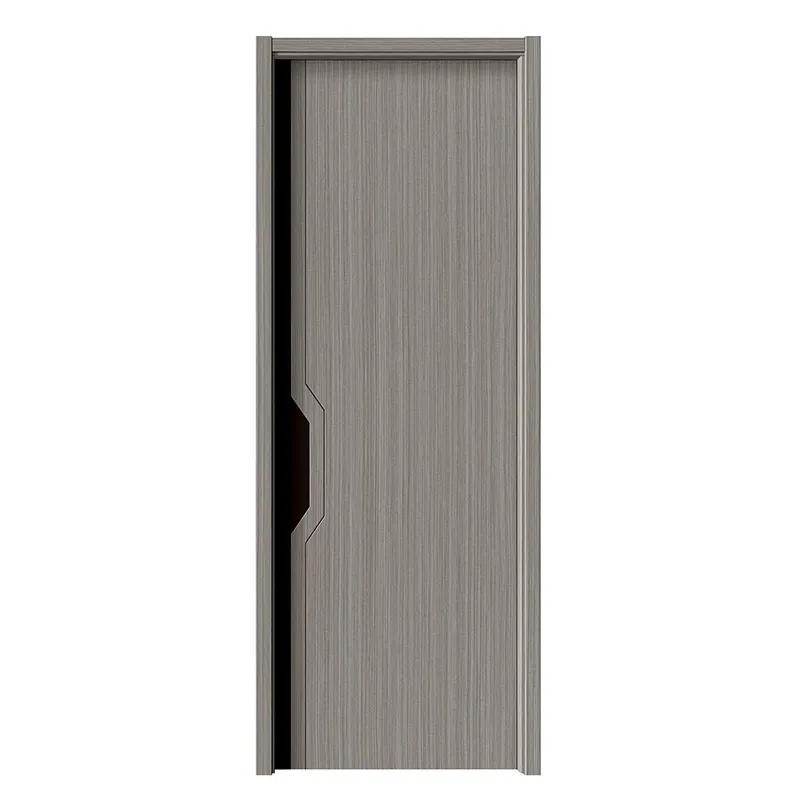
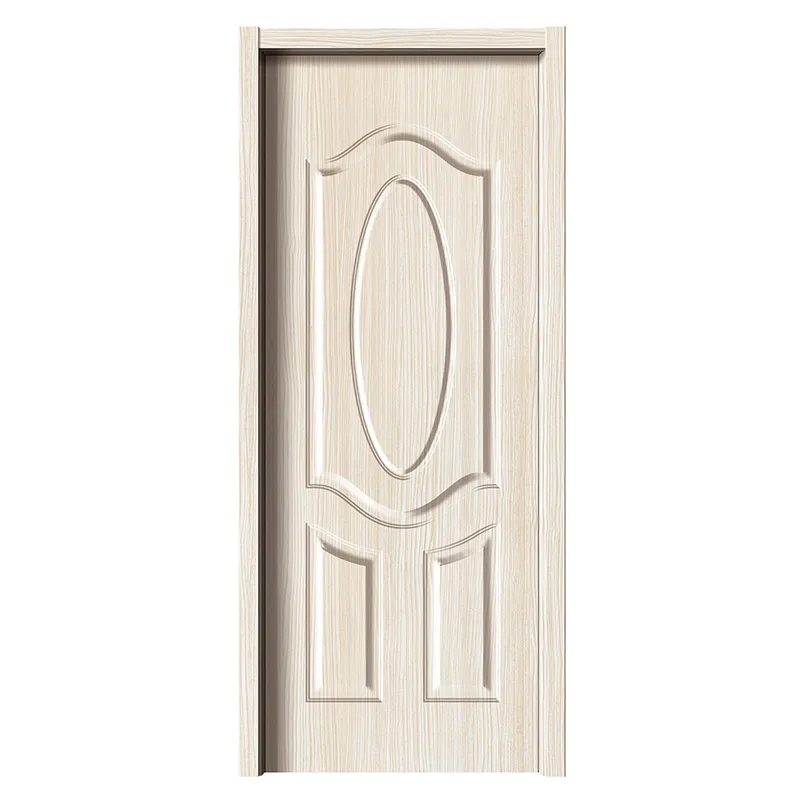
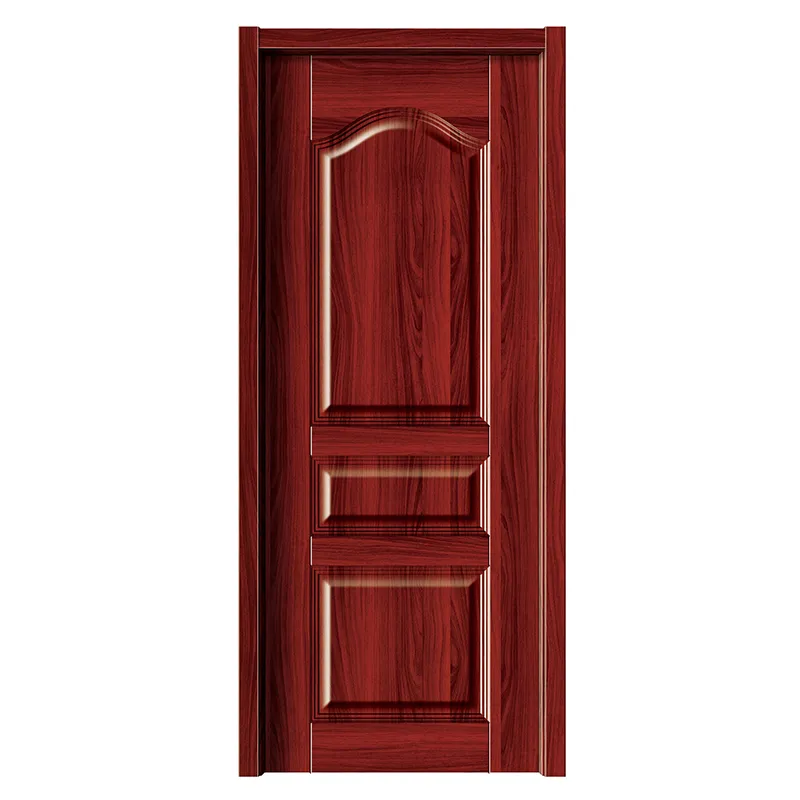
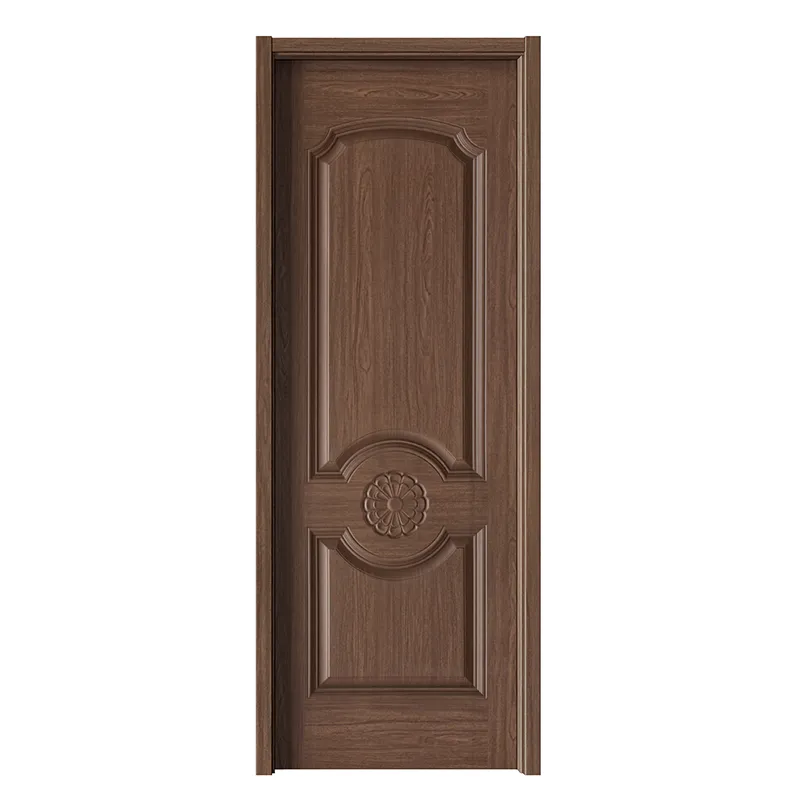

Best Sellingproducts
Best Selling Products-
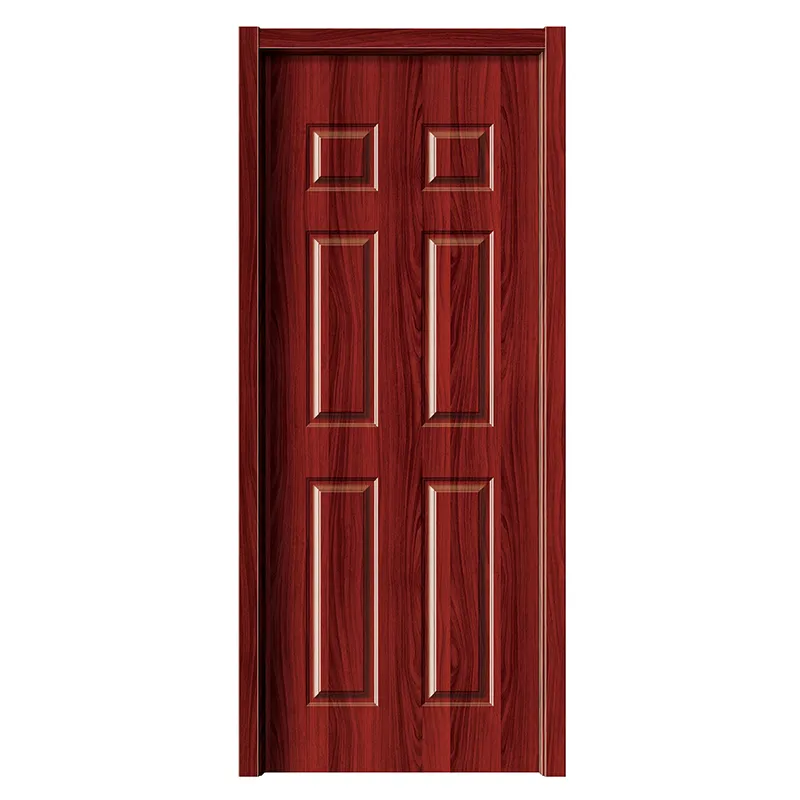 YST-201 Door Red team
 -
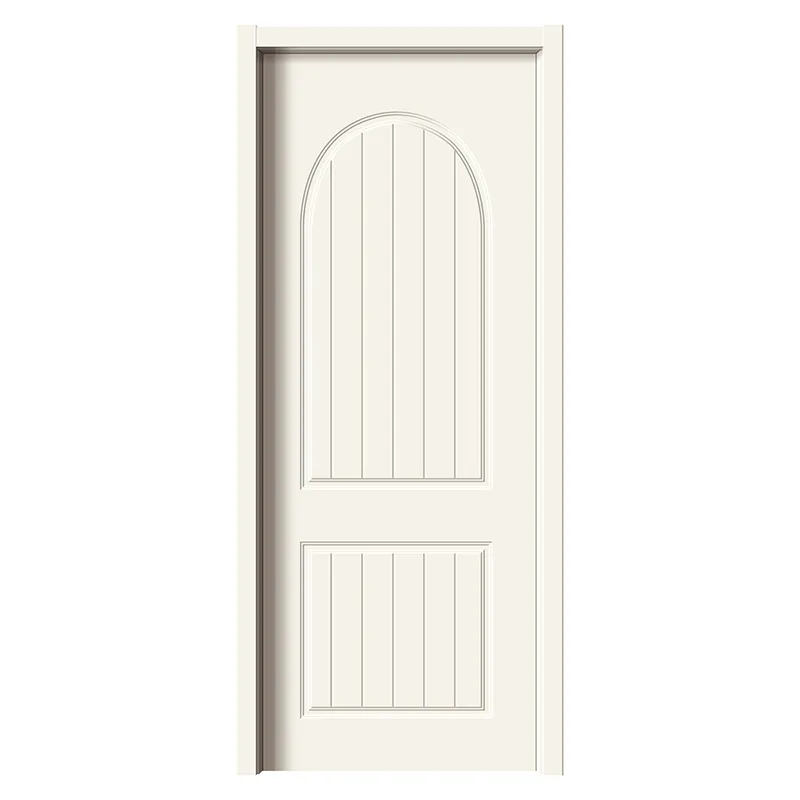 YST-236 Door White ivory
 -
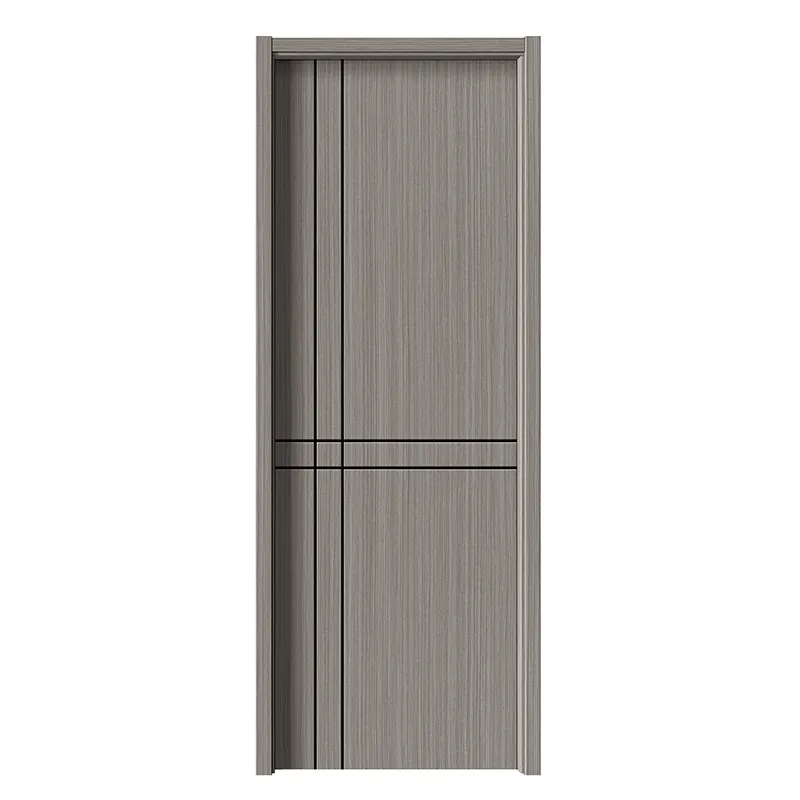 YST-1004 Door Technotree 2
 -
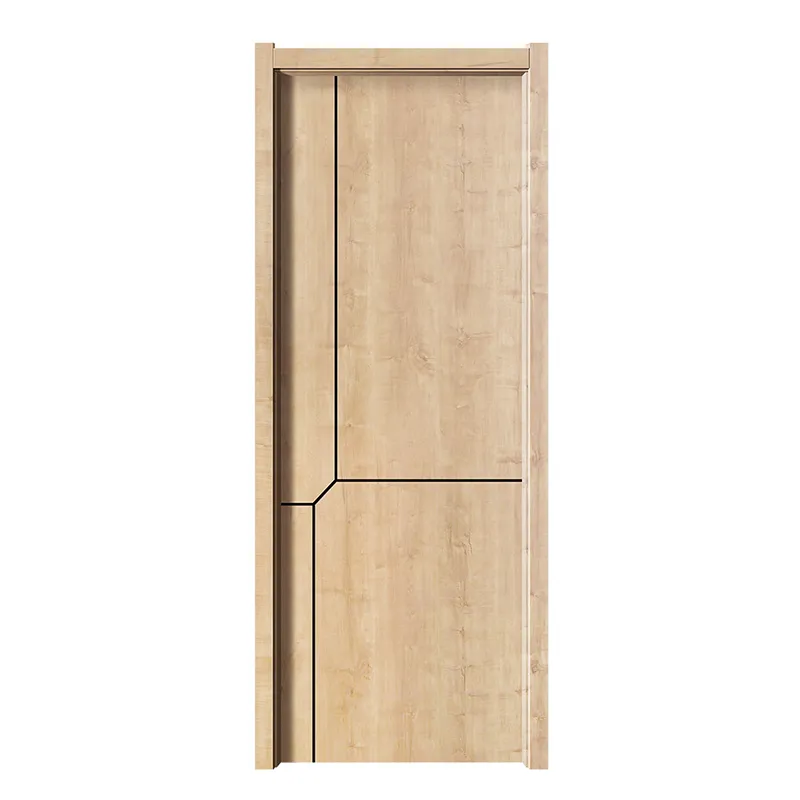 YST-WPC1 Door
 -
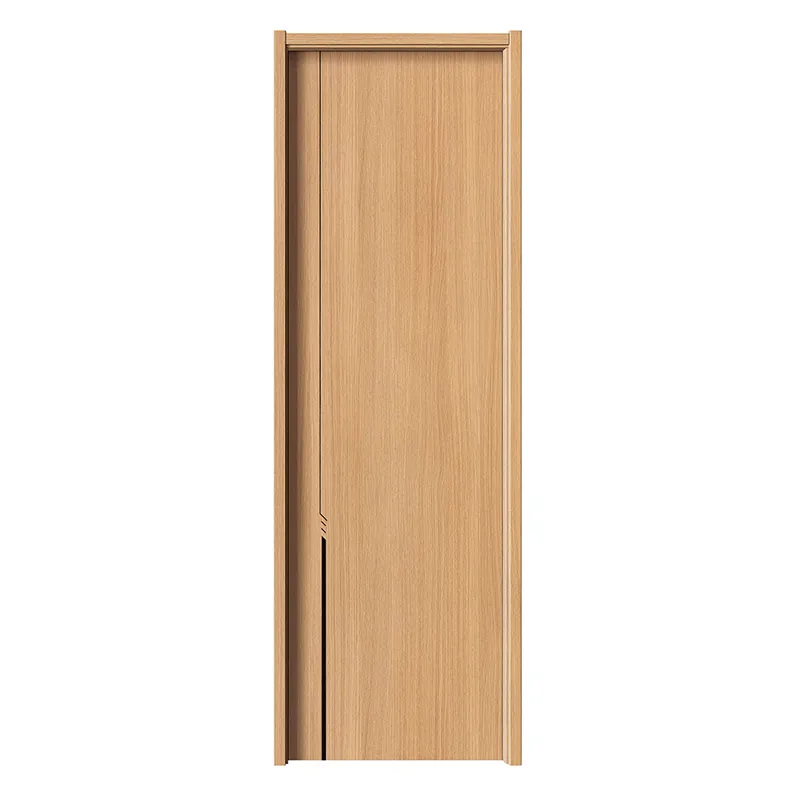 YST-1041 Door Oak Shutter
 -
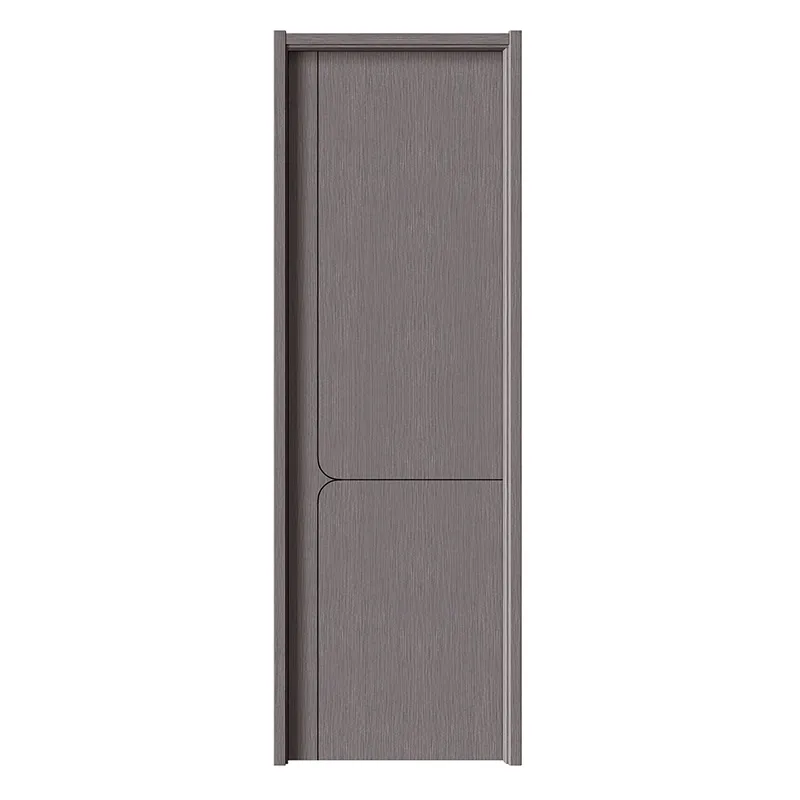 YST-1001 Door Chiaroscuro tree 2
 -
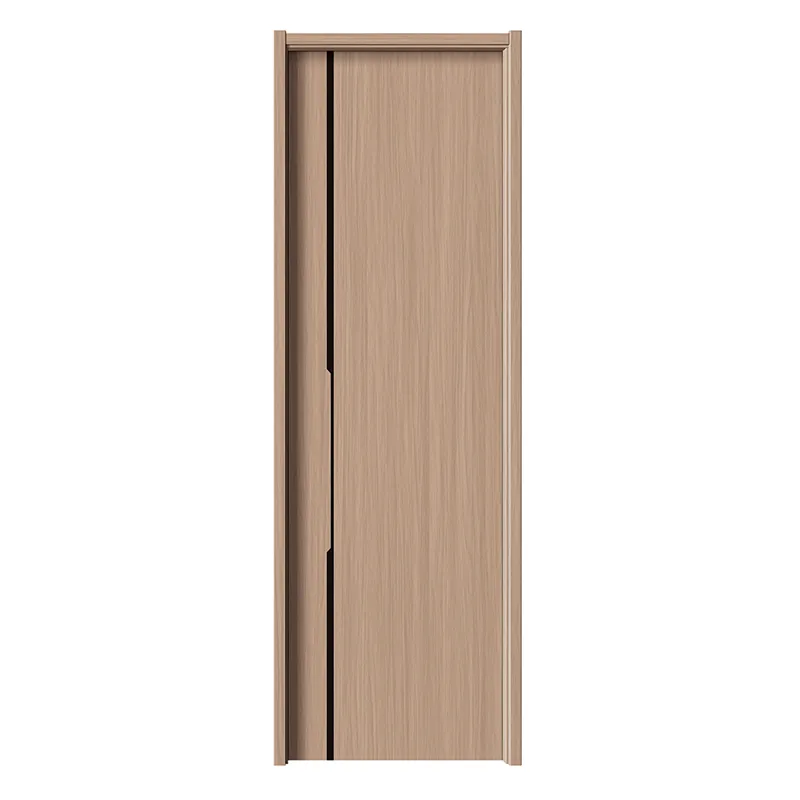 YST-1029 Door Translucent light shade 1
 -
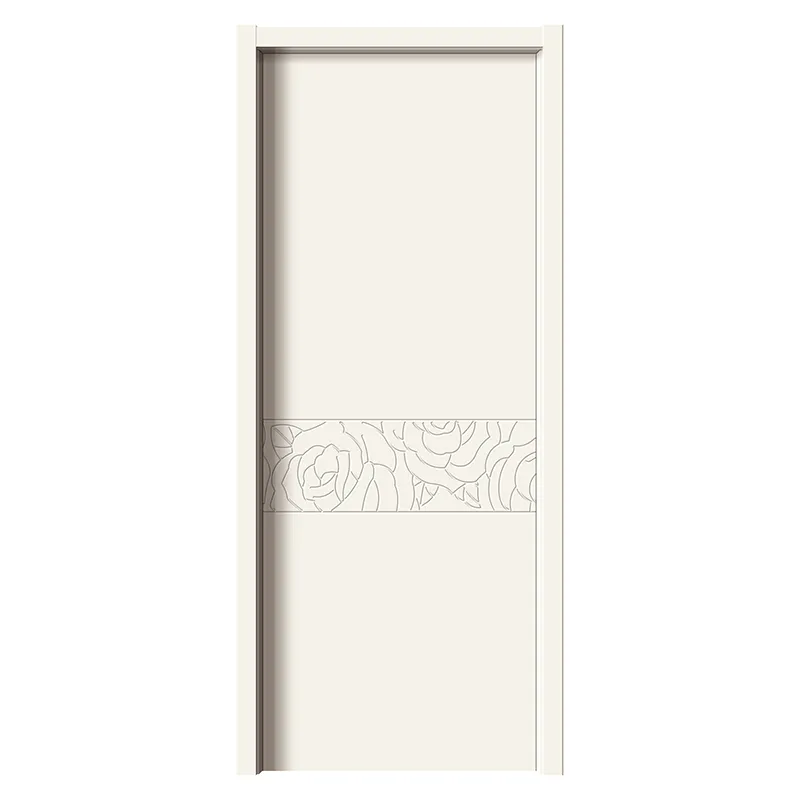 YST-238 Door White ivory
 -
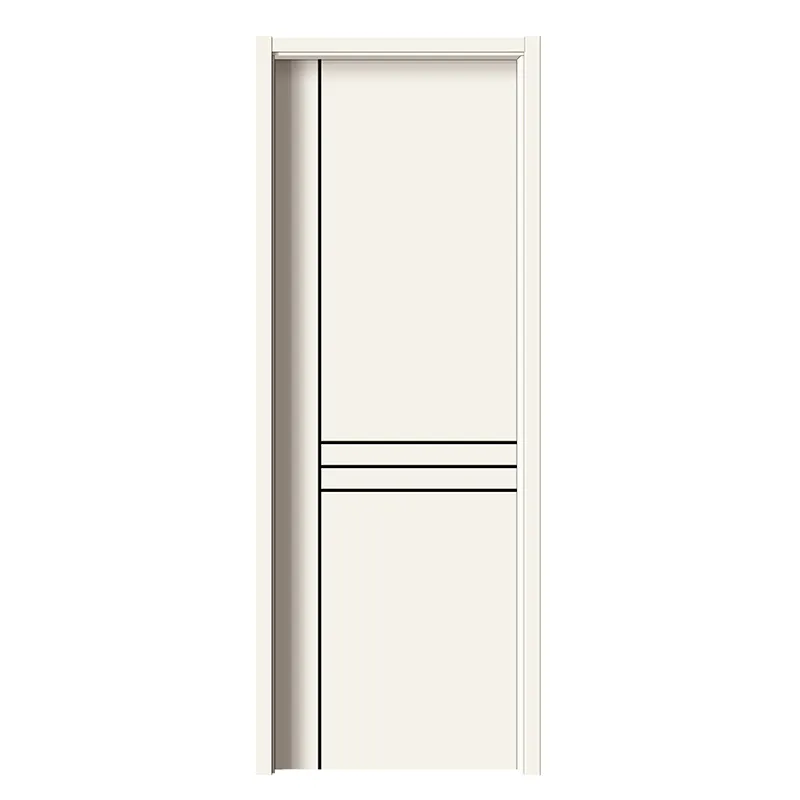 YST-220 Door Warm white
 -
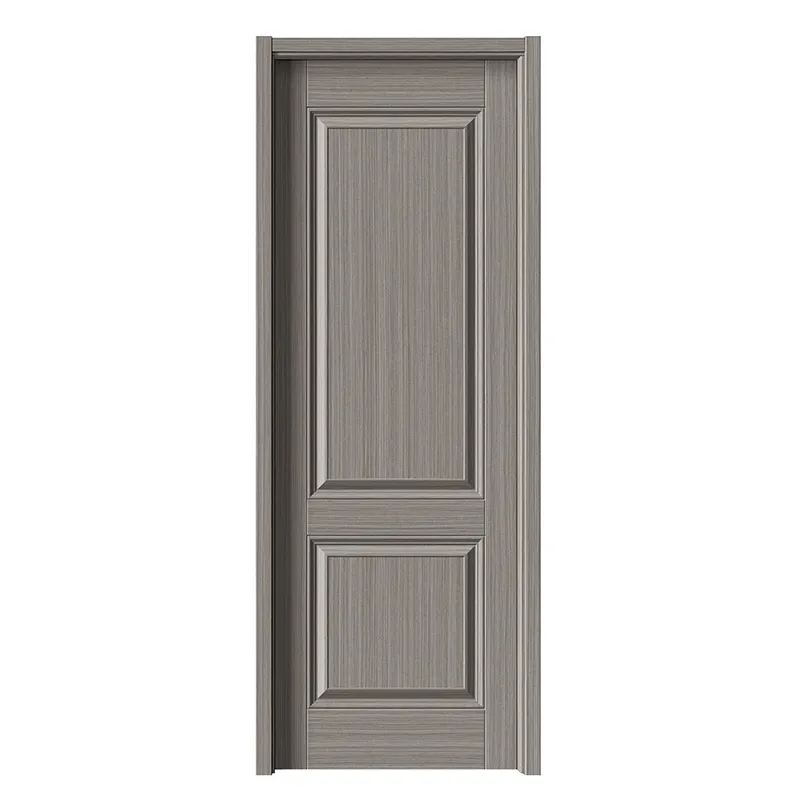 YST-214 Door Technowood 2
 -
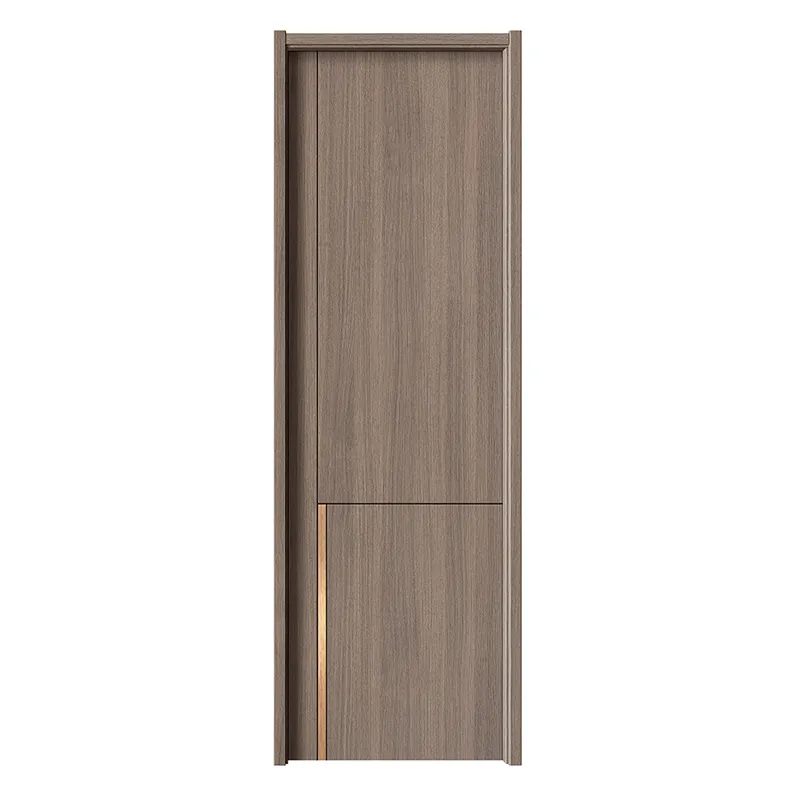 YST-1003 Door Oak gray
 -
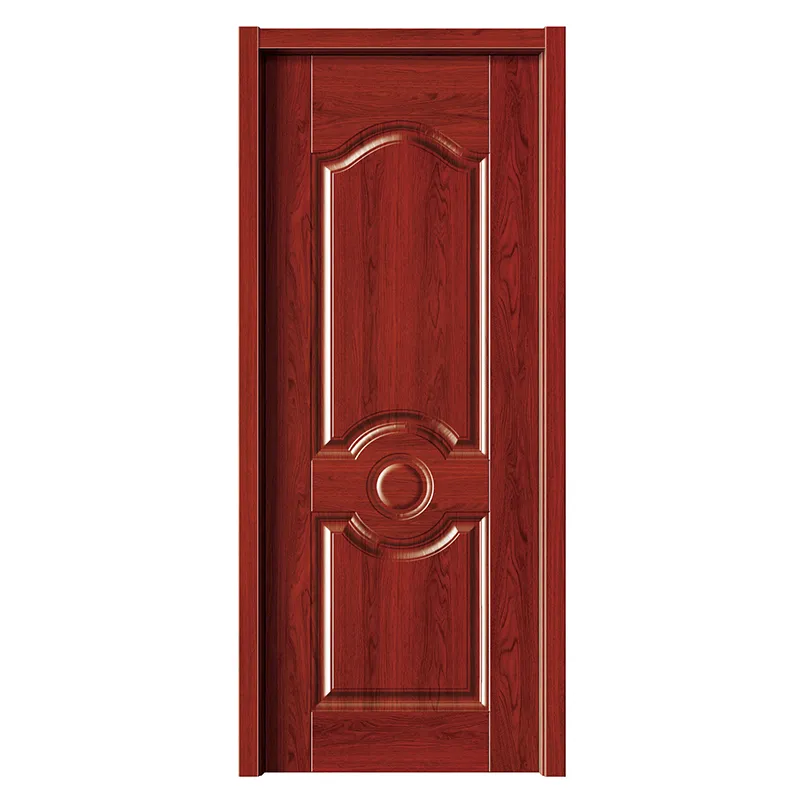 YST-208 Door Red Sandalwood