




Vintage wooden door
When you hear “antique wooden doors?”, you immediately imagine something monumental, centuries-old, maybe from a manor’s estate. But in practice, these are often just old doors, and their value is determined not by age, but by the condition of the wood, design and authenticity of the parts. Many people are mistaken in thinking that any shabby door is a find. The main thing is to understand what we are saving: a historical artifact or just an atmosphere.
What really hides under the “antique”?
In my work, I constantly come across the fact that clients bring or describe “antique” ones. copies. Often these are doors from the Soviet period, sometimes pre-war, rarely pre-revolutionary. And this is where the fun begins. Realantique wooden dooris not just an array. These are traces of hand-working: ax or plane marks typical of the joining era - mostly tenon, often with wooden dowels rather than nails. The fittings are forged hinges, often “butterflies”, and massive handles-brackets. If this is not the case, but there are traces of a milling machine, this is already the 20th century, and the value is different.
There was a case when I was contacted by a restoration project. They brought a door, supposedly from the house of a 19th century merchant. Externally - patina, solid oak. But when examining the joints, I saw traces of a circular saw - characteristic parallel marks. There were no such things in the 19th century. It turned out that the door was assembled in the 50s from old, perhaps even more ancient oak, but the design itself is not historical. This is an important point: the age of the wood and the age of the product are two different things. We had to explain to the customer that we would not preserve the “antique”, but the stylization of the middle of the last century, which also has its value, but the price and approach are different.
Another nuance is the type of wood. In central Russia, pine and spruce were often used for internal doors, oak for front or external doors. There may have been fruit breeds in the south. When you see an ?antique? a larch door in a region where it has not historically been used is a red flag. Perhaps the canvas was collected later or even brought in. This is not bad, but you need to clearly call a spade a spade, and not create legends.
Refurbishment or replacement: a fine line
A dilemma often arises: try to restore the original, which is 70% rotten, or make an exact replica, preserving the surviving fragments. My principle is that if a historical structure, frame, or at least one intact panel with original carvings has been preserved, we need to fight for restoration. But it happens that they just bring a set of boards with nails and call it a door. Here we are talking about creating a new product in the old style.
For such cases, when what is needed is not restoration, but high-quality antique stylization, it is important to find a manufacturer who understands the essence. It will not just mill “antique”, but will be able to reproduce the design, proportions, and characteristic profiles of the panels. For example, lately, for commercial projects where the task of preserving genuine antiques is not the goal, but atmosphere and quality are needed, I have been paying attention to the products of companies that specialize in wooden doors for the international market. It is important that they combine design with practicality. Here, for example,Anhui Wantai Woodworking Co.,Ltd (https://www.anhuiwantai.ru). They position themselves as a company committed to providing the international market with wooden doors that combine aesthetic design and practical performance. For projects where reliability and a certain aesthetic level are needed, but not a museum piece, such cooperation may be justified. Judging by the description, they have a modern base and team, which is important for accuracy of execution.
But I’ll make a reservation right away: their products are a remake, albeit a high-quality one. This is not an alternative to real restoration.antique wooden door. This is a solution for a different segment. I once ordered a door for a cafe in the Art Nouveau style from a similar manufacturer. It was necessary to repeat the complex paneled pattern. It turned out well, but it took a long time to coordinate the details, send drawings, because the “standard old one” there is no style. Their strength lies in precision and control of processes, which, incidentally, is what is declared in their principle “build a business on precision, win with quality?”.
The main enemies of old doors and how to deal with them
Time is not the main enemy. The main enemies are humidity, temperature changes and... previous “restorations”. Most often, it is not years that kill, but improper operating conditions or inept repairs. I saw doors filled with stain in the 90s to “refresh” them. Underneath is the original paint and patina that can never be returned. Or cracks filled with acrylic that should “breathe”.
The most common problem is the lower parts of the canvas and the box, where moisture accumulates. Sometimes it seems that everything has rotted. But often the rot is local. You can cut into a new piece of wood, observing the direction of the grain, using the “dovetail” method. This is labor intensive, but retains the bulk of the original. It is much worse when the door is infested with a borer beetle. If the tunnels are alive (fresh drill flour is visible), urgent fumigation is needed. Sometimes it is easier to replace individual elements than to try to cure the entire door, especially if it is in a residential building.
Another point is shrinkage. Old wood, it would seem, has already “settled”. But when moving the door to other conditions (from a damp basement to a heated house), it may begin to move again. Therefore, you should never immediately firmly fix a restored door. You need to give it time, sometimes several months, to stand in new conditions, and only then make the final adjustment and installation. This is a rule that is often violated in pursuit of deadlines, and then they wonder why the door is warped or cracks appear.
Fittings: soul doors
You can perfectly restore the canvas, but put in a modern Chinese loop and the whole spirit will disappear. Accessories forantique wooden door- this is 50% of the image. Original hinges, handles, locks - if they exist, they need to be cleaned, preserved, and repaired. Often the lock mechanism wears out, but the body - cast iron or brass - is fine. It is better to find a master who will restore the mechanism than to replace the entire lock with a new one.
If the original fittings are lost, searching for analogues is a separate hunt. Sometimes junk markets help, sometimes ordering from blacksmiths helps. But it’s important not to overdo it here. I saw how elaborate wrought iron hinges in the Baroque style of the 19th century were hung on a simple peasant door of the 17th century - this is already a fake. It is necessary to study analogues for a specific period and region. Sometimes it is easier to make fittings “in the spirit of the times”, but not claiming to be authentic, by honestly warning the customer about this, than to create a crude historical fake.
Locks are a different story. Older mechanisms are often unsafe by modern standards. The compromise is to keep the original outer plate and key, and replace the internal mechanism with a modern secret one, cutting it inside the old case. This is delicate work, but it allows you to preserve the appearance and ensure safety. I did this for several projects where doors were part of the hotel interior and security requirements were high.
Ethics and economics of restoration
In the end, working with antique doors is always a balance between the desire to preserve maximum authenticity and economic feasibility. Complete scientific restoration with dendrochronological analysis and preservation of each layer of paint is the lot of museums and very expensive private projects. In most cases, we are talking about “adaptation?” old thing to new life.
You need to honestly evaluate your budget and goals. Sometimes a client just wants a “door with a story?” for your restaurant. And this is where the approach offered by companies likeAnhui Wantai Woodworking Co.,Ltd. Their philosophy as stated is to cater to the diverse needs of global clients in residential and commercial spaces. That is, they satisfy the need for design and quality, but without the pretense of antique value. This is a fair market approach. For them, an antique door is more a source of aesthetic inspiration, rather than an object of conservation.
My final advice as a practitioner: before taking on a job or order, ask yourself the question - what do we want to get in the end? A unique artifact that will tell a story through its scars and later layers? Or just a warm, good-quality, atmospheric thing made of wood that will last? Everything depends on the answer: methodology, cost, time and final result. Both have the right to exist, the main thing is not to confuse one with the other and not to wishful thinking, especially when it comes to such material witnesses of the past asantique wooden doors.
Correspondingproducts
Related Products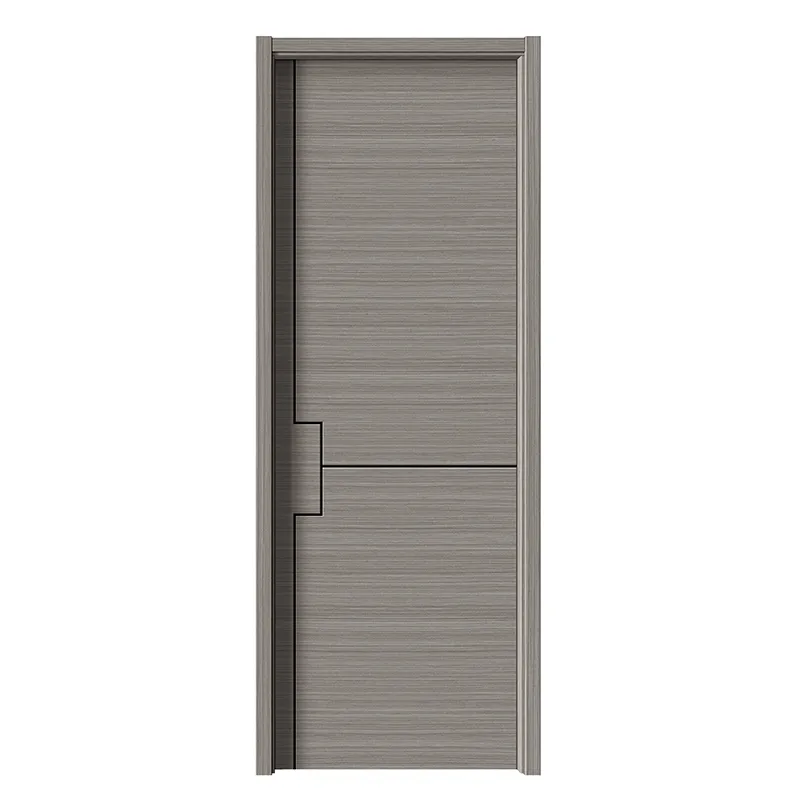
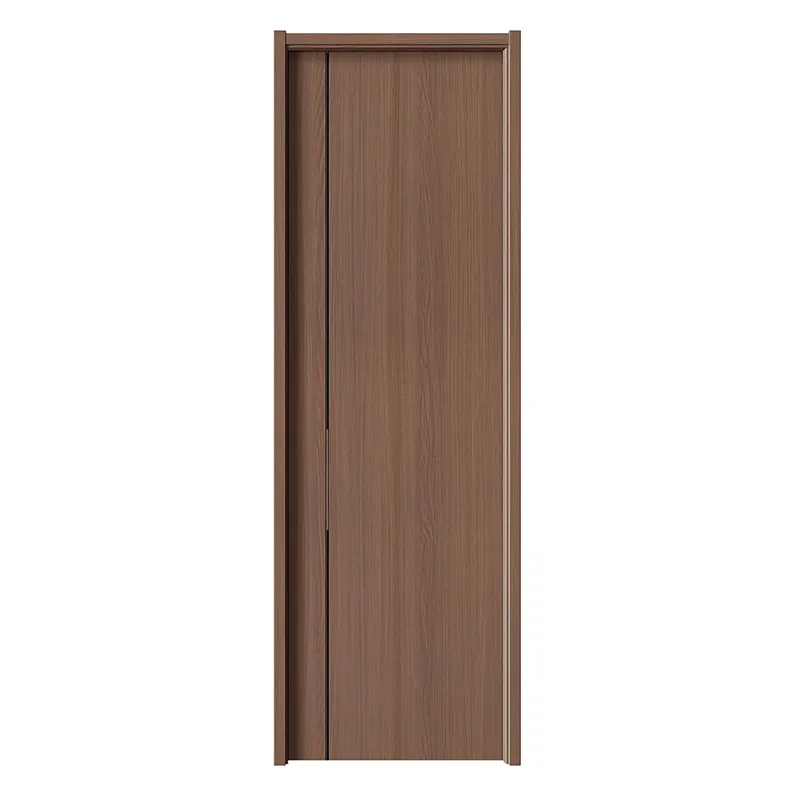
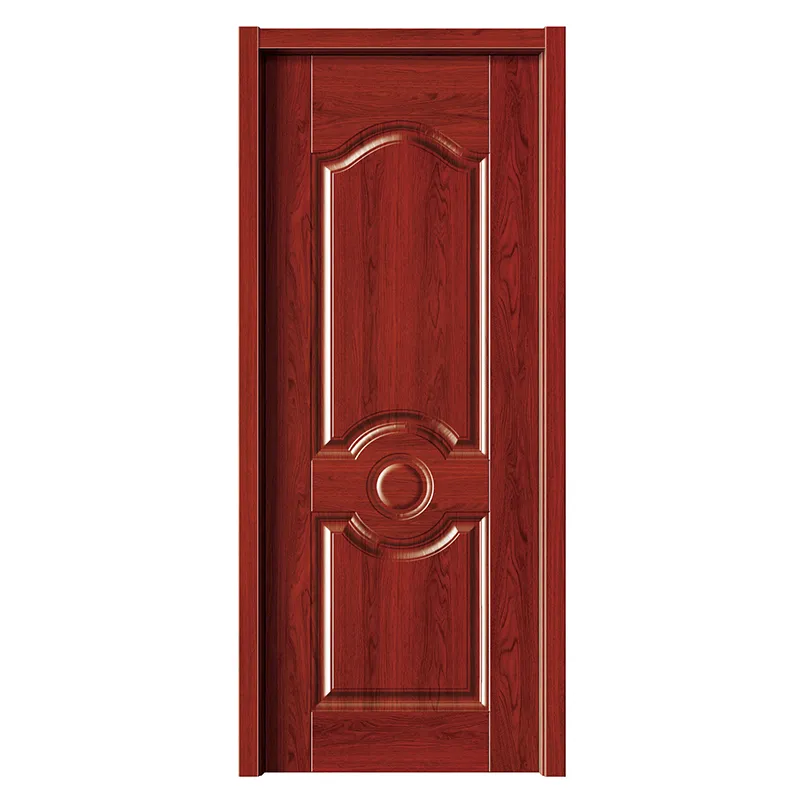
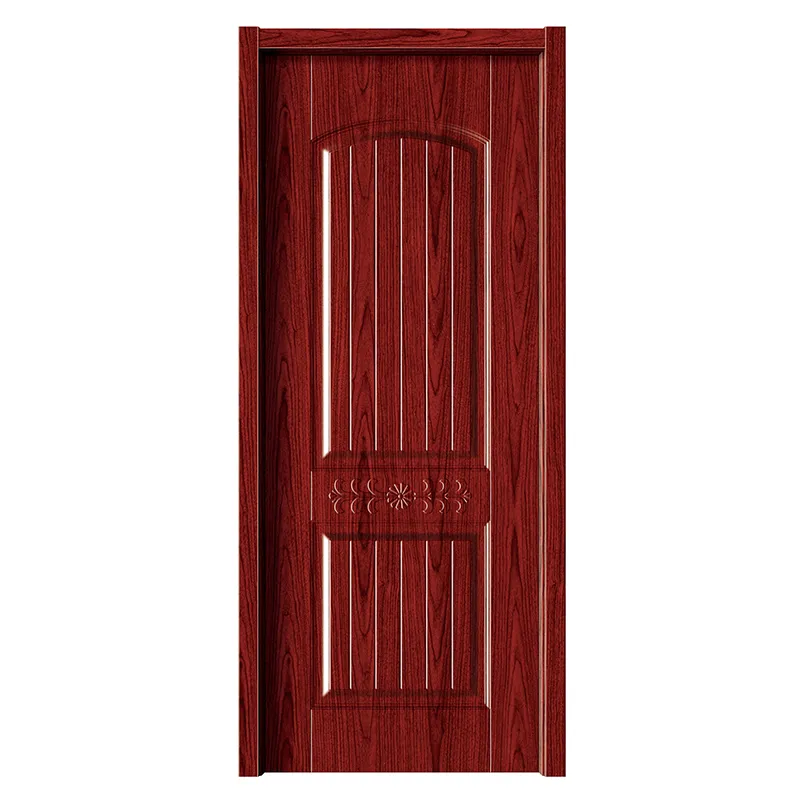
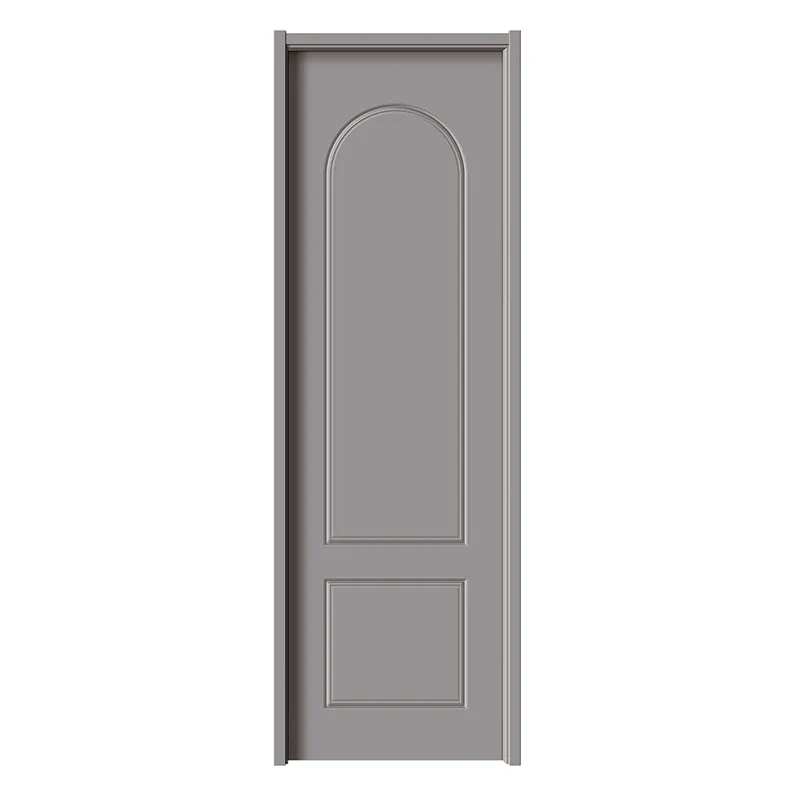

Best Sellingproducts
Best Selling Products-
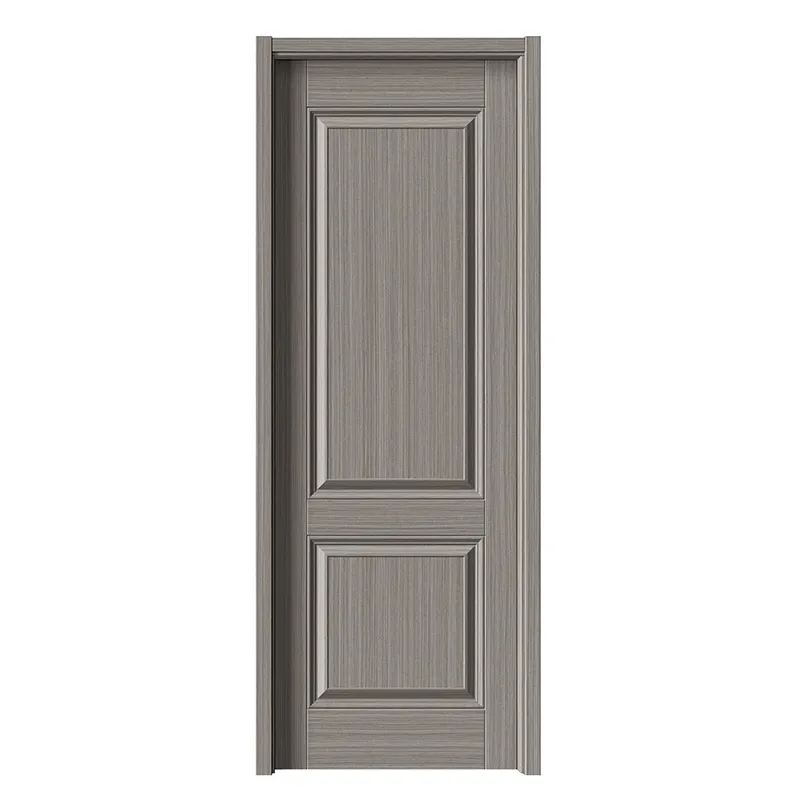 YST-214 Door Technowood 2
 -
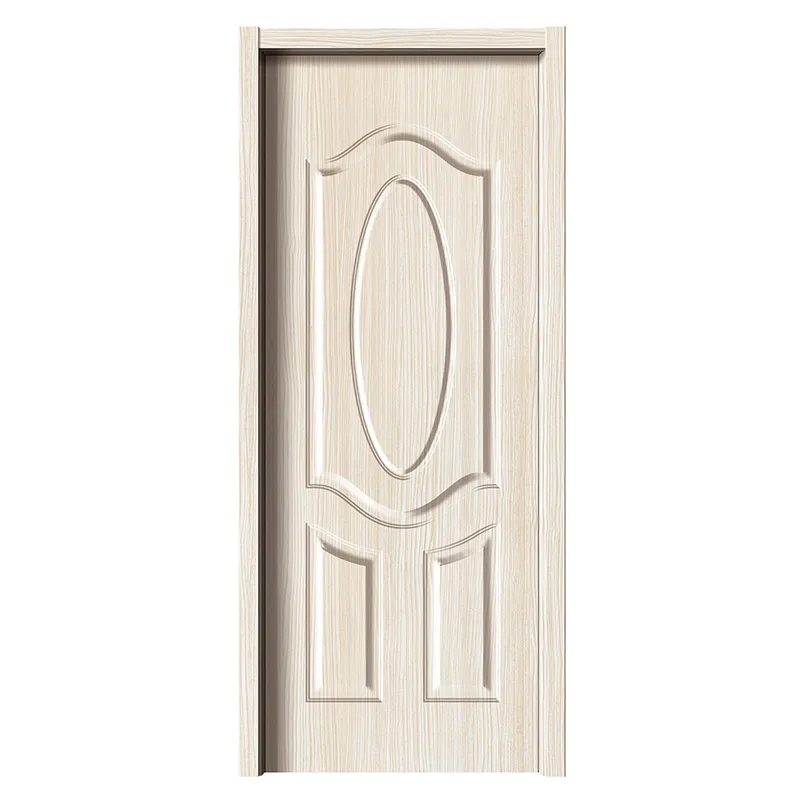 YST-216 Door White Maple
 -
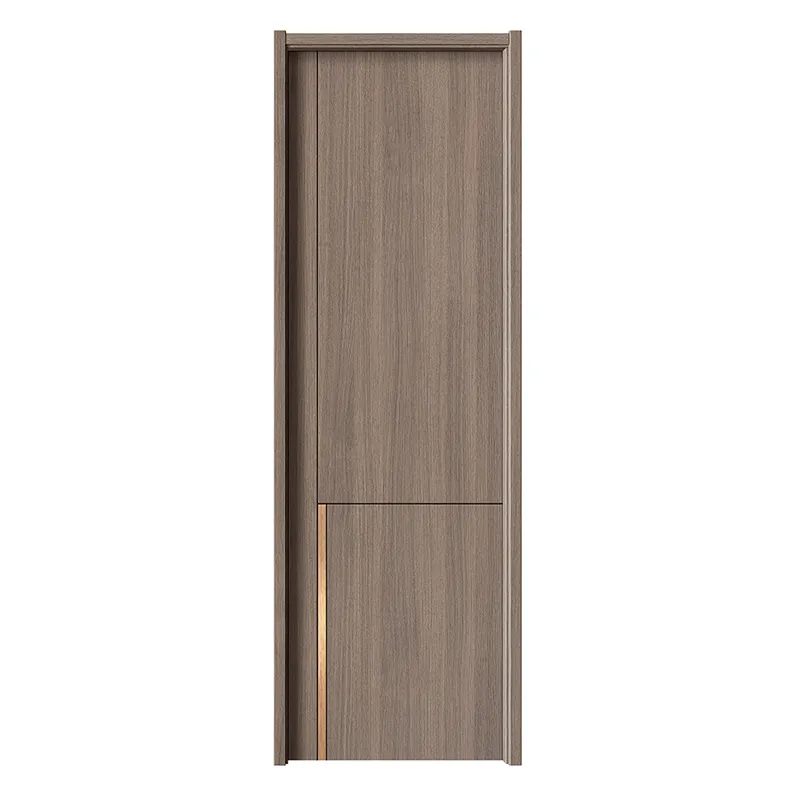 YST-1003 Door Oak gray
 -
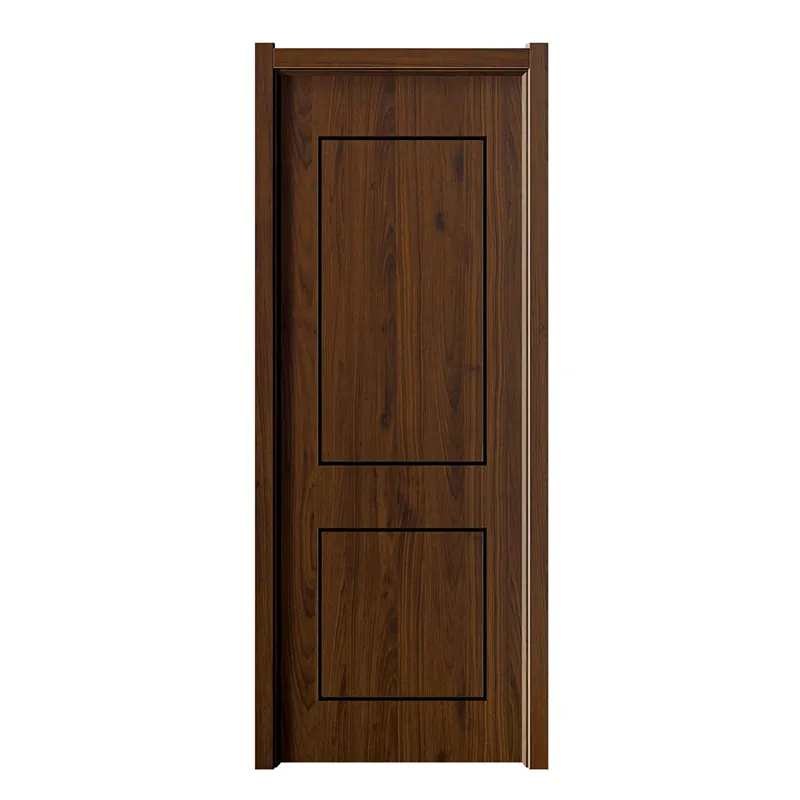 YST-WPC2 Door
 -
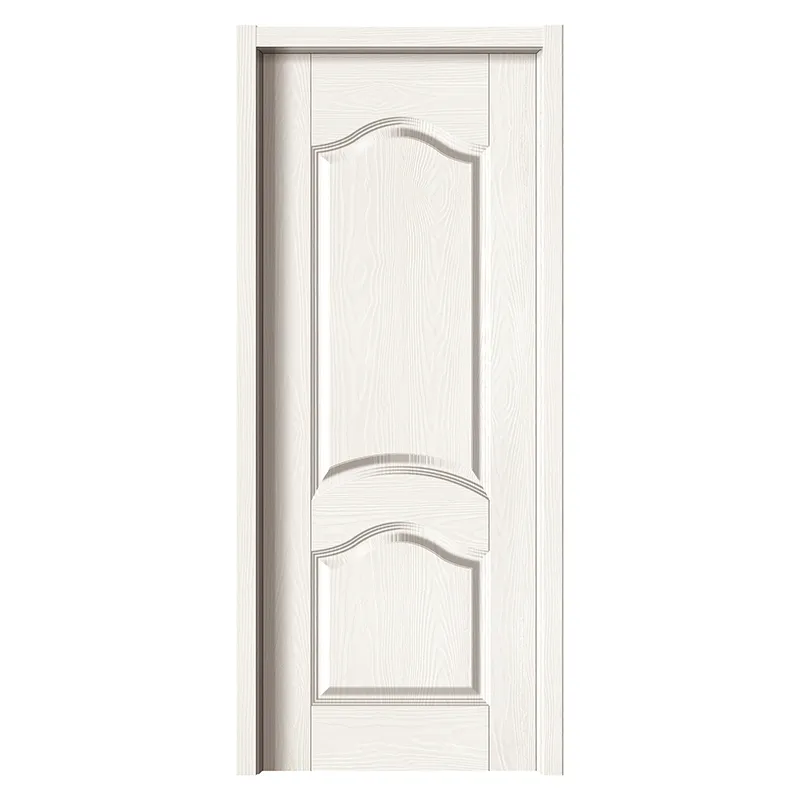 YST-224 Door Warm white with relief
 -
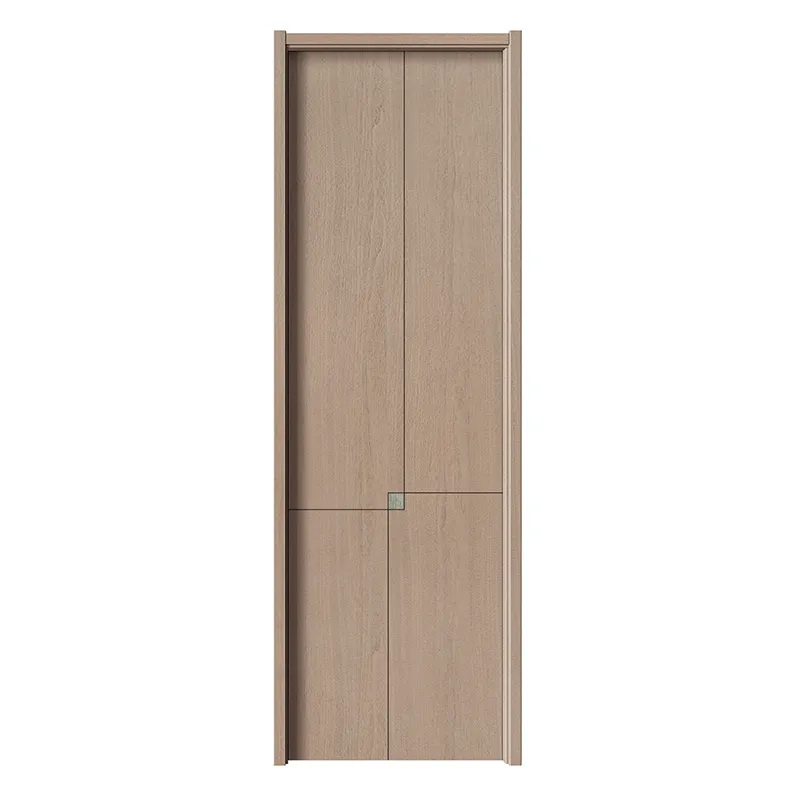 YST-1008 Door Natural walnut 2
 -
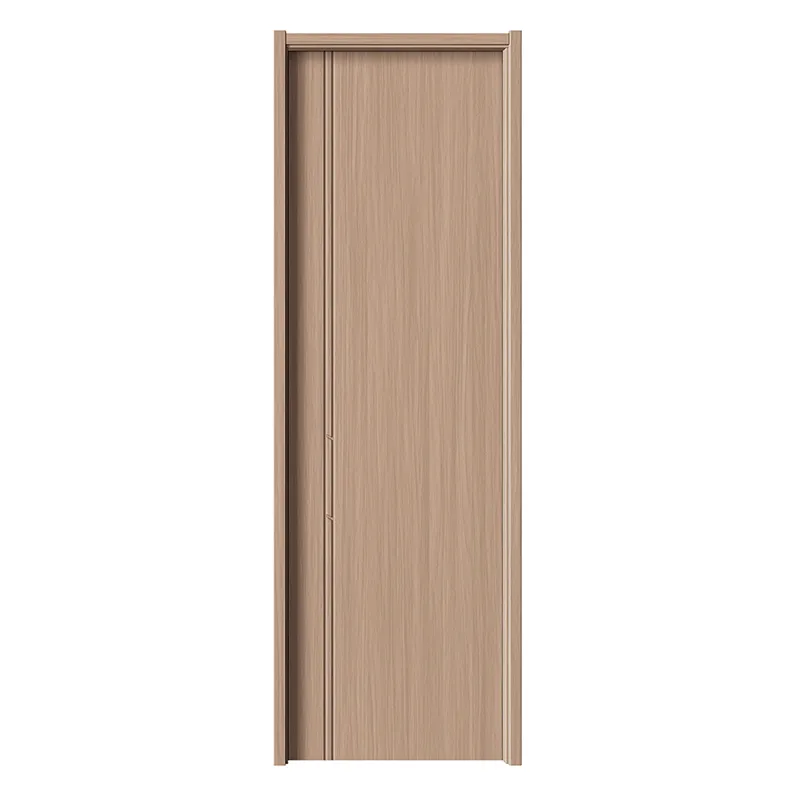 YST-1009 Door Translucent light shade 1
 -
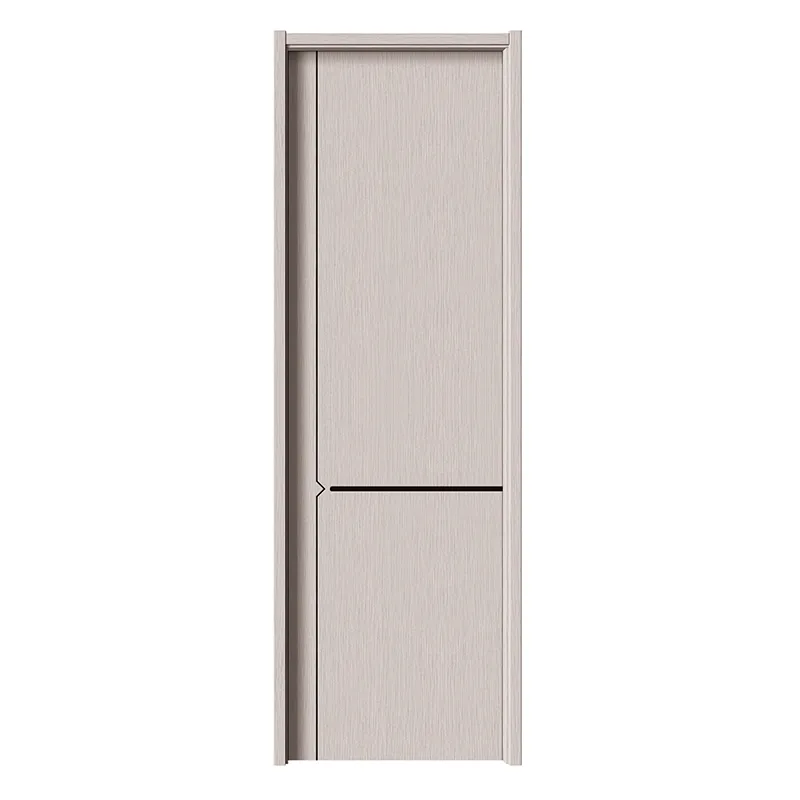 YST-1024 Door Chiaroscuro wood 1
 -
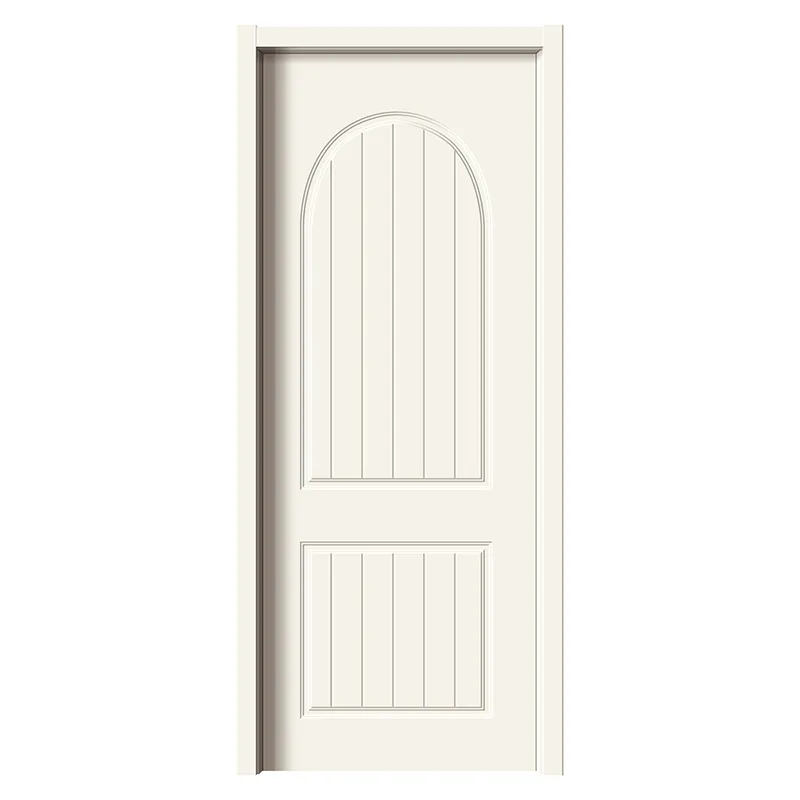 YST-236 Door White ivory
 -
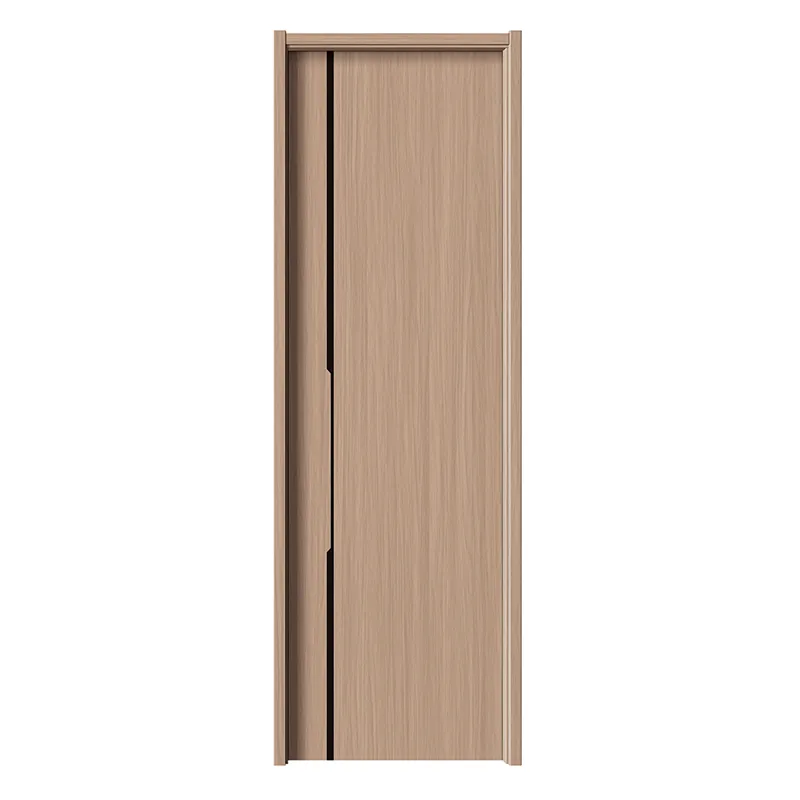 YST-1029 Door Translucent light shade 1
 -
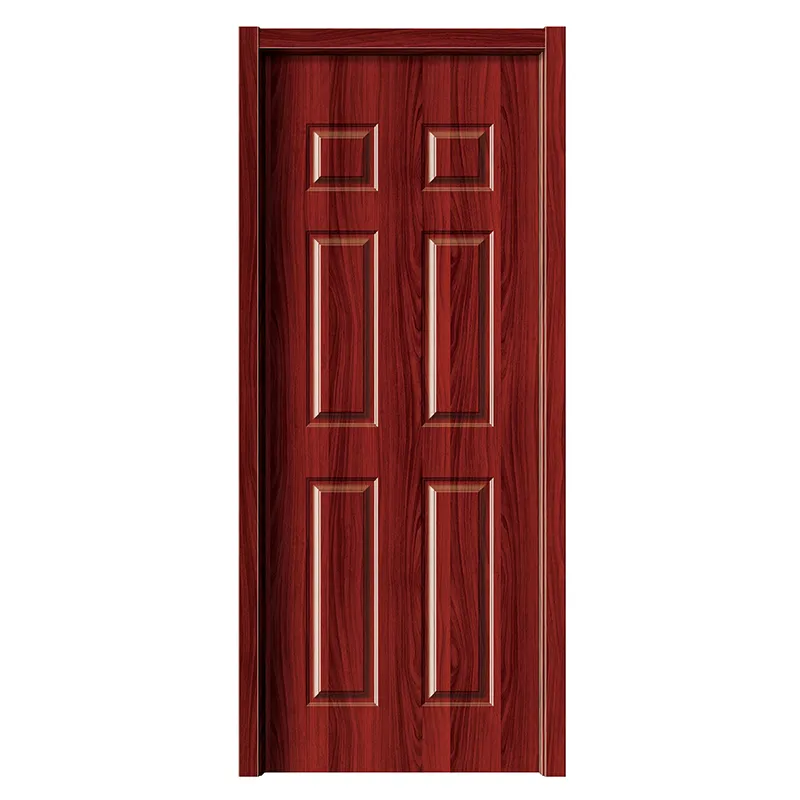 YST-201 Door Red team
 -
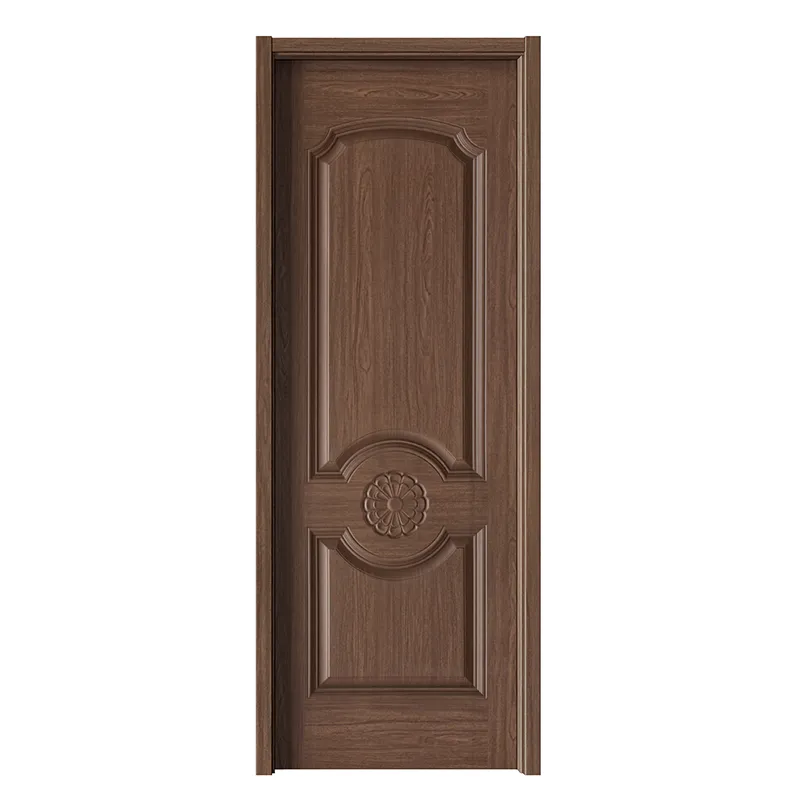 YST-212 Door North American Oak 2