




door
When they say 'door', most people immediately imagine a rectangular panel on hinges. But in real work - be it installation, design or, as in my case, selection and control of production for objects - this understanding quickly breaks down into reality.dooris, first of all, a system. A system that should work for decades, answering not only the question “how does it close,” but also “how does it breathe,” “how does it behave during changes in humidity,” “how does it interact with the frame and trim under load.” A common mistake made by customers and even some colleagues is to chase the thickness of the canvas or exotic finishes, losing sight of the geometry of the box, the type of seals, and the preparation of the opening. It is on these seemingly little things that everything rests. Or it doesn't hold up.
From the drawing to the workshop: where the problem is born
Take, for example, the story with one of our objects - the reconstruction of a historical building into apartments in St. Petersburg. The architects ordered massive paneleddoorsmade of oak, with a beautiful profile. The drawings were perfect. But when the first samples arrived from production, it turned out that at a relative humidity above 85% (and in that entrance this is exactly what happens) the platbands begin to “weak.” Not much, by 2-3 millimeters, but for a dense vestibule - a disaster. Guilt? Not production, but our design defect. We did not take into account that a historical building with its microclimate requires not just dry wood, but material that has undergone acclimatization and a certain chamber drying adjusted for final operating conditions. The standard cycle for 'central Russia' did not work.
This incident forced us to completely reconsider the acceptance protocol and technical specifications for such objects. Now we always request from the supplier not just a moisture certificate (8-12%), but a full report on the drying process for a specific batch. And here I must note the work of some partners who approach the issue systematically. For example,Anhui Wantai Woodworking Co.,Ltd (https://www.anhuiwantai.ru). In their practice, I saw how, for a critical order, they prepared trial 'control' lamellas, which were kept in conditions as close as possible to future ones, and only then the entire array was put into operation. This is the same level of 'precision' they claim in their concept. Not marketing, but necessity.
By the way, about the production base. Modern equipment is, of course, good. CNC machines produce ideal geometry. But the key is the people who operate this equipment and who understand the material. A designer can draw a beautiful bevel, but the technologist must calculate how the fiber will behave when milled, and whether a chip will appear. The development team that Vantai has is not just artists, but material engineers. They can, looking at the sketch, immediately say: “This requires additional bracing of the frame” or “It is better to make this profile prefabricated to relieve internal stress.” Such nuances cannot be written in a catalog; they are born only on the shop floor, in a dialogue between the customer and the manufacturer.
Seal and fittings: invisible heroes
Let's return to the system. The weakest element in anydoors- not the canvas, but the outline of the vestibule. You can install a 50 mm thick sheet made of solid wood, but if the seal around the perimeter is chosen incorrectly or installed incorrectly, everything loses its meaning. Sound insulation, heat conservation, odor protection - all this rests on this very circuit. A common mistake installers make is to install the seal “pull-in”, believing that this will be more airtight. In fact, this leads to the fact that after six months or a year the rubber loses its elasticity, becomes deformed, and cracks appear. The seal must lie freely, but without gaps, and its type (magnetic, sponge, brush) must correspond to the typedoorsand its purpose.
It's the same story with accessories. Loops. It would seem that what is so difficult here? But I have seen dozens of cases where standard three-hinged systems were installed for heavy fabric without taking into account the shift in the center of gravity (for example, if there is a massive panel or glass insert on top). The result is that after a year the hinges become loose, the canvas sags and begins to touch the threshold. Correct calculation is a separate science. Sometimes it is better to put four loops of lesser load than three 'ultimate' ones. Or use adjustable hidden hinges that allow you to adjust the position of the canvas in all axes after installation. It is more expensive, but in the long run it saves on service.
Locks and handles are a separate topic for discussion. But in short: the miser pays twice. A cheap cylinder mechanism in the Russian climate (temperature changes, dust) can jam at the most inopportune moment. And a pen with a thin front coating will begin to wear off and lose its appearance after a few months of active use. You can't save money here. It is better to choose less 'designer', but more reliable fittings from a trusted European or Russian manufacturer, which is initially designed for intensive use.
Between market and niche: choosing a supplier
The market today is overflowing with offers. From handicraft workshops to large factories. How to choose? My criterion is simple: transparency of processes. If the supplier is ready to show not only an exhibition sample, but also a workshop, a lumber warehouse, and the control process at intermediate stages, this is a serious sign. If all conversations come down only to price and deadlines, and questions about humidity, adhesive compositions, and methods for processing ends are answered evasively, this is a wake-up call.
That's why for commercial and premium residential projects we often consider options like products fromAnhui Wantai Woodworking Co.,Ltd. Their website (https://www.anhuiwantai.ru) is not just a directory. It shows that the company is positioning itself as a player in the international market, and this is an obligation. Compliance not only with Russian GOST standards, but also with, say, European standards for formaldehyde emissions (E1) and coating stability. Their focus on combining aesthetics and practical performance is not just empty words. For example, they are one of the few who immediately offer finishing options not just 'solid oak', but indicating the type of coating: oil, varnish, wax impregnation - and clearly describe for which type of room (corridor, bedroom, bathroom) each option is better suited. This saves time on approvals.
But even such suppliers have their own difficulties. Logistics from China, even with established channels, adds risks. Damage during transportation, customs delays. Therefore, it is critically important to schedule not only the production cycle (which for high-qualitydoorsfrom an array - from 45 days), but also a sufficient buffer for delivery and possible rework. No one is immune from defects, even in the best industries. It is important how the supplier responds to complaints. Is he ready to promptly send a replacement or a technician to fix the defect on the spot? From experience, with large companies that value their reputation in the international market, such issues are resolved faster and more clearly.
Montage: moment of truth
You can make the perfect canvas, but ruin everything during installation. Installation is 50% of success. The most serious and common mistake is installationdoorsinto an unprepared opening. Old crooked walls, remnants of old mortar, lack of waterproofing along the contour - all this is deadly. The opening needs to be leveled, strengthened, and often a load-bearing frame made from a steel profile must be installed, especially in new buildings with plasterboard partitions. Many installers neglect this by installing the box on polyurethane foam. A year later like thisdoorit begins to creak, warp, and the lock no longer fits into the strike plate.
The second point is the gaps. Between the box and the canvas, between the box and the wall. They cannot simply be filled with foam 'from the heart'. Foam has expansion and can deform the box if there is too much of it. It is necessary to use wedges and spacers to firmly fix the geometry of the box in the opening until the foam is completely dry. And only then foam the technological gap no more than 3-5 cm, in layers, allowing each layer to set. It's long, tedious, but necessary.
And the final touch is adjustment. After installation and complete drying of the foam (at least 24 hours), you need to check and adjust all the hinges, the narthex, and the operation of the lock. Often this stage is neglected, removing the protective film and handing over the object. And a month later a call comes from a client: “The door doesn’t close well.” You have to go, tighten the hinges, adjust the mate of the lock. It is better to do this immediately, on the spot, when handing over the work.
Bottom line: the door as an indicator
In the enddoorin any room - it is not just a functional element. This is an indicator. An indicator of how seriously all participants took the project: from the designer who thought through the ergonomics of opening, to the production technologist who chose the correct drying mode, and the installer who leveled the box. If there is a hack here, it will definitely show up - as a crack, a creak, a distortion.
Therefore, my advice, based on many, including unsuccessful attempts to save money: do not considerdooras a separate item in the estimate. This is always a system that requires a systematic approach. From the choice of raw materials and a supplier who understands what they are doing (like the same guys from Vantai with their focus on precision and quality), to competent installation and subsequent maintenance. Only then will it work out its decades in silence, as a good thing should. Without unnecessary attention to yourself. Just opening and closing. Day after day.
And if something goes wrong somewhere in the process, don’t rush to blame the canvas. Most often the reason lies in something else. Insufficient acclimatization of the material before installation. In incorrectly calculated loops. In an opening that 'breathes' along with the building. Finding this reason is already half the solution to the problem. The other half is not making the same mistake next time.
Correspondingproducts
Related Products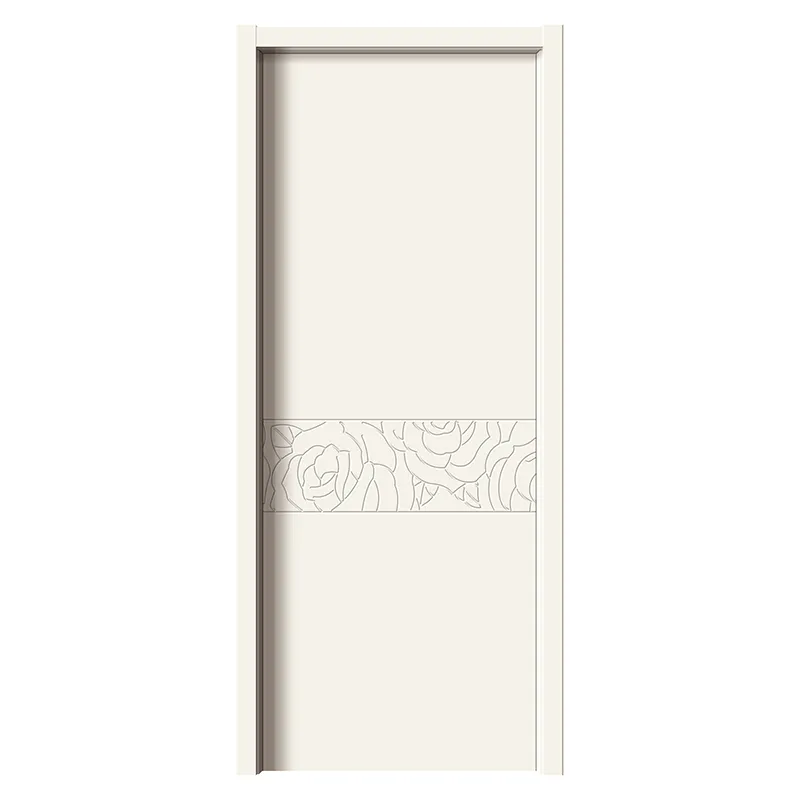
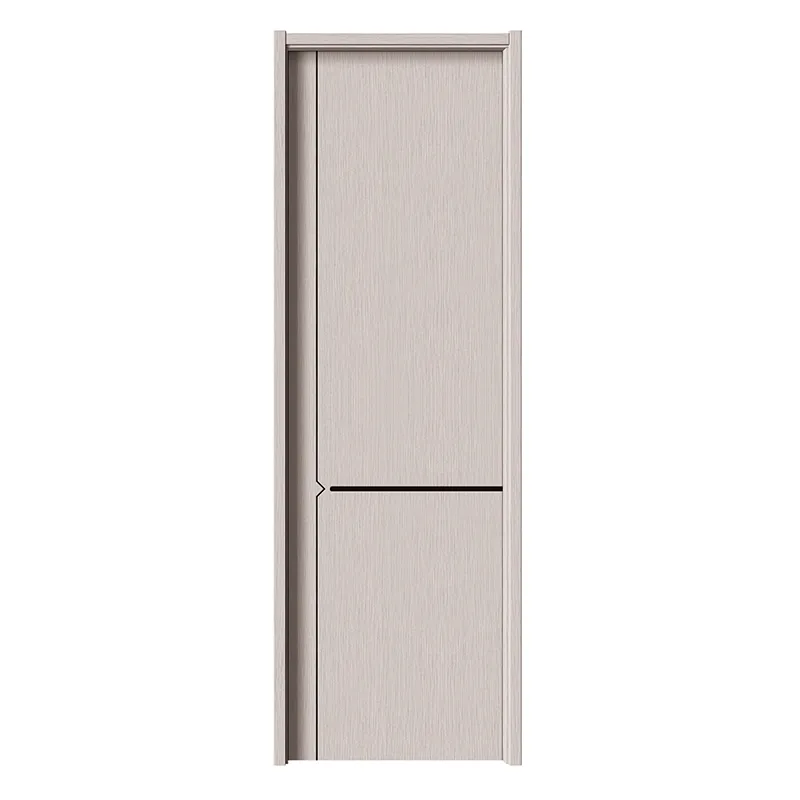
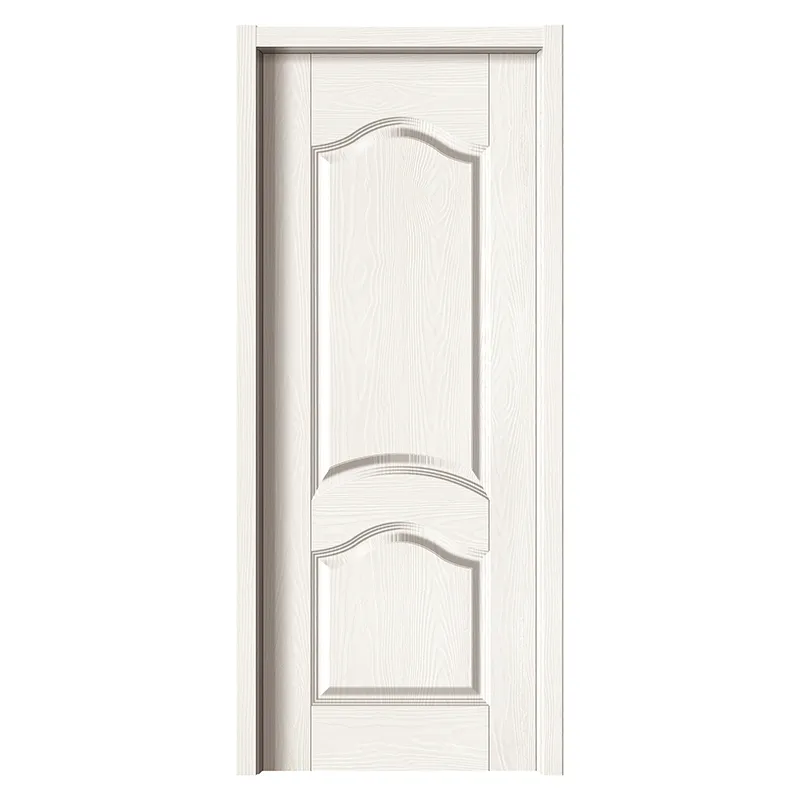
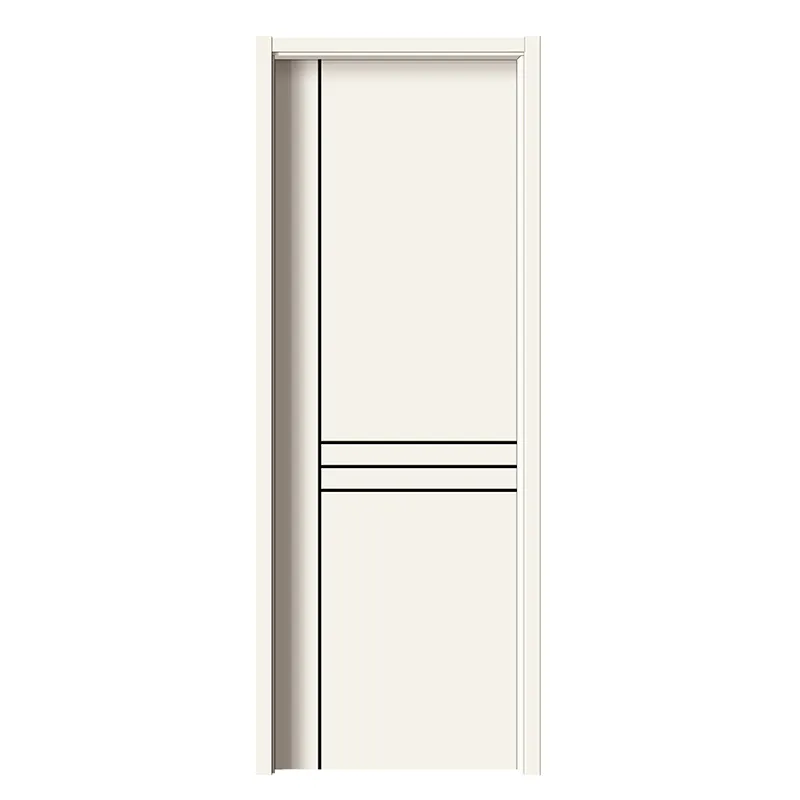
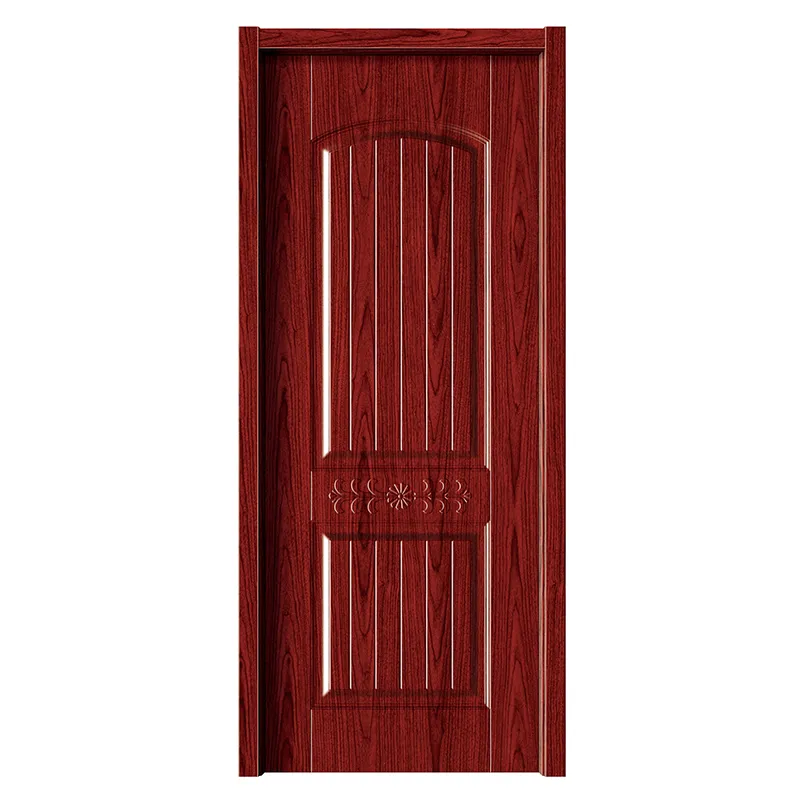

Best Sellingproducts
Best Selling Products-
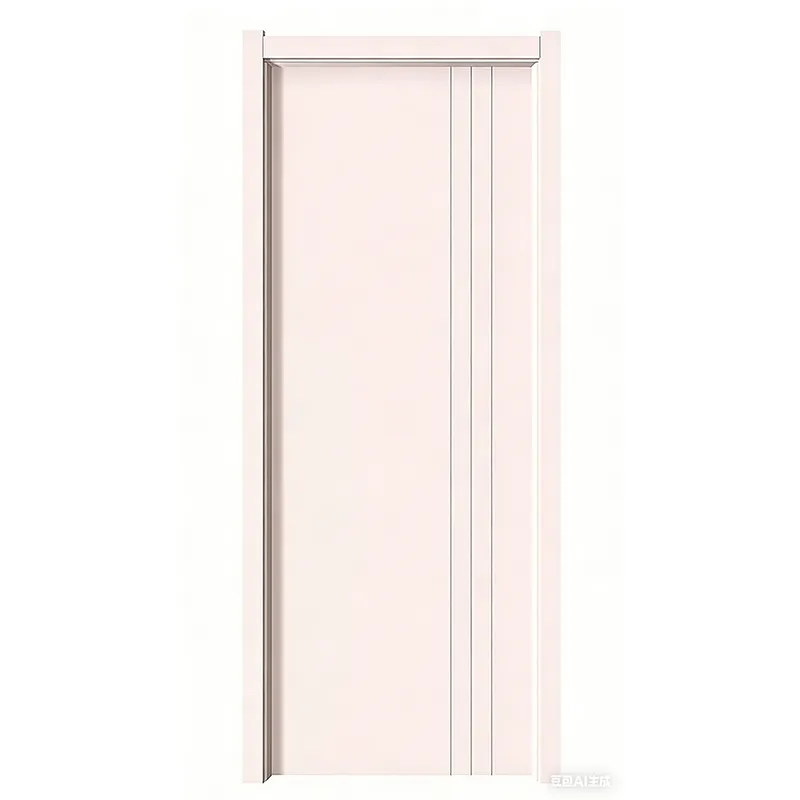 YST-WPC4 Door
 -
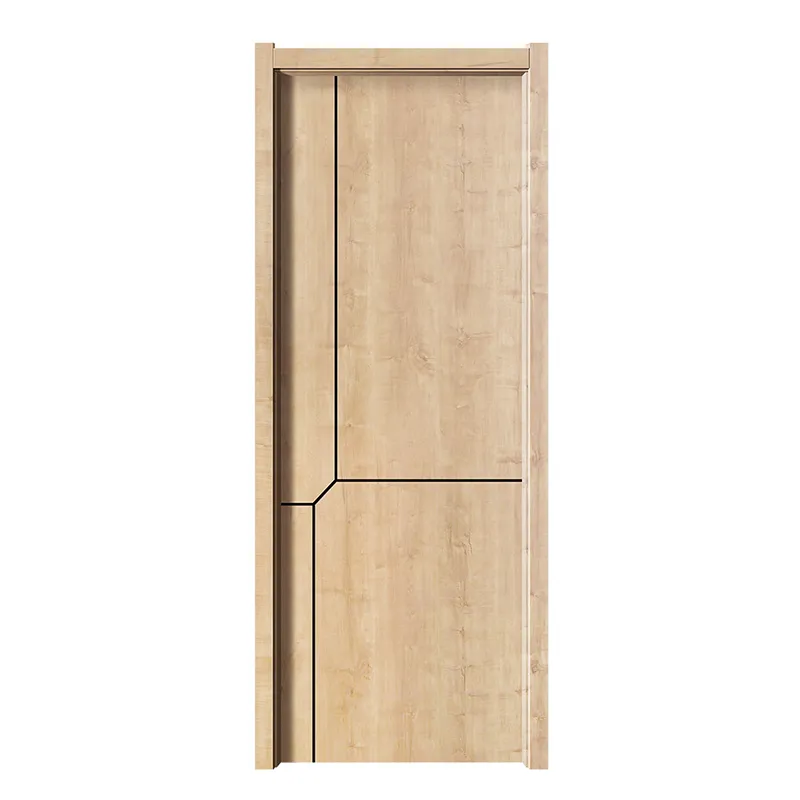 YST-WPC1 Door
 -
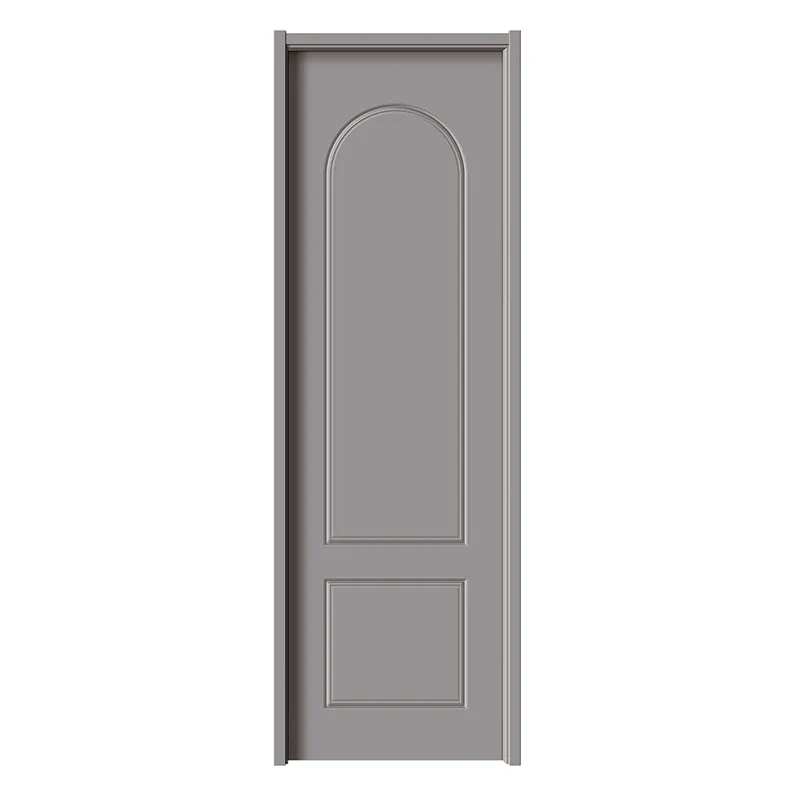 YST-241 French Door 1 soft stone gray
 -
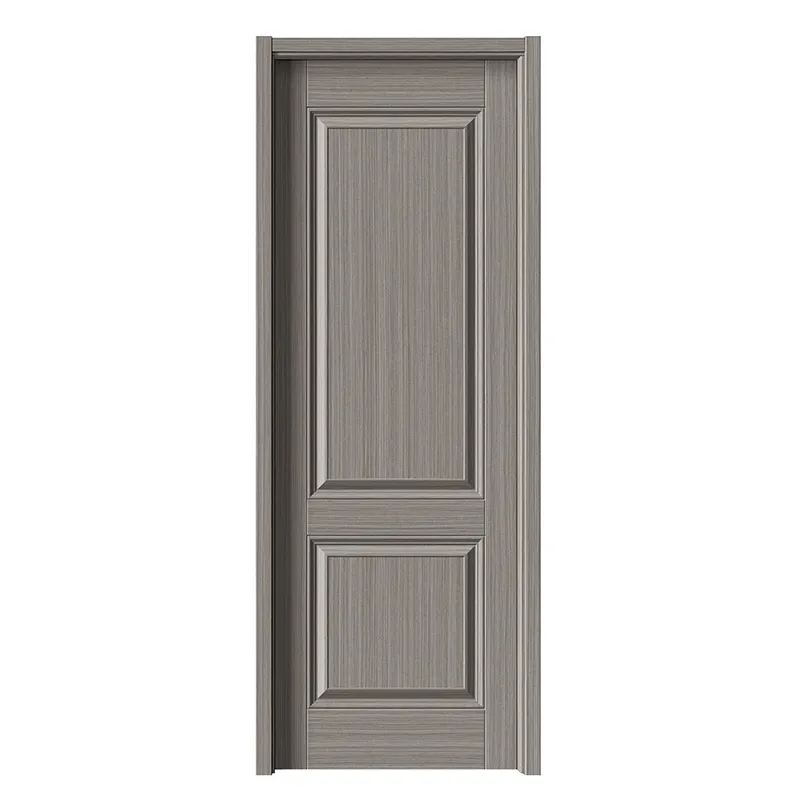 YST-214 Door Technowood 2
 -
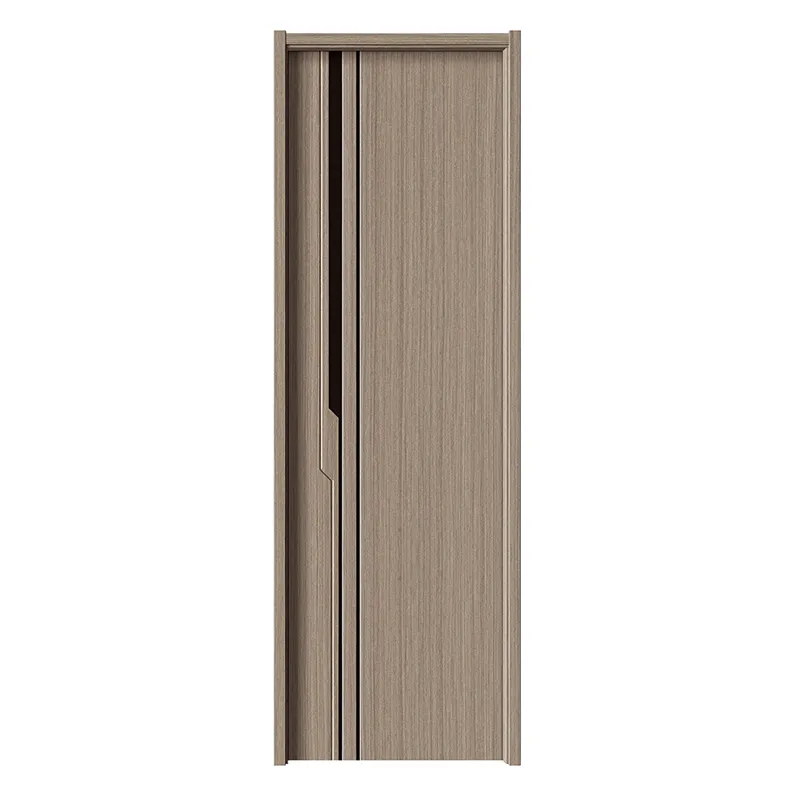 YST-1018 Technowood Door 1
 -
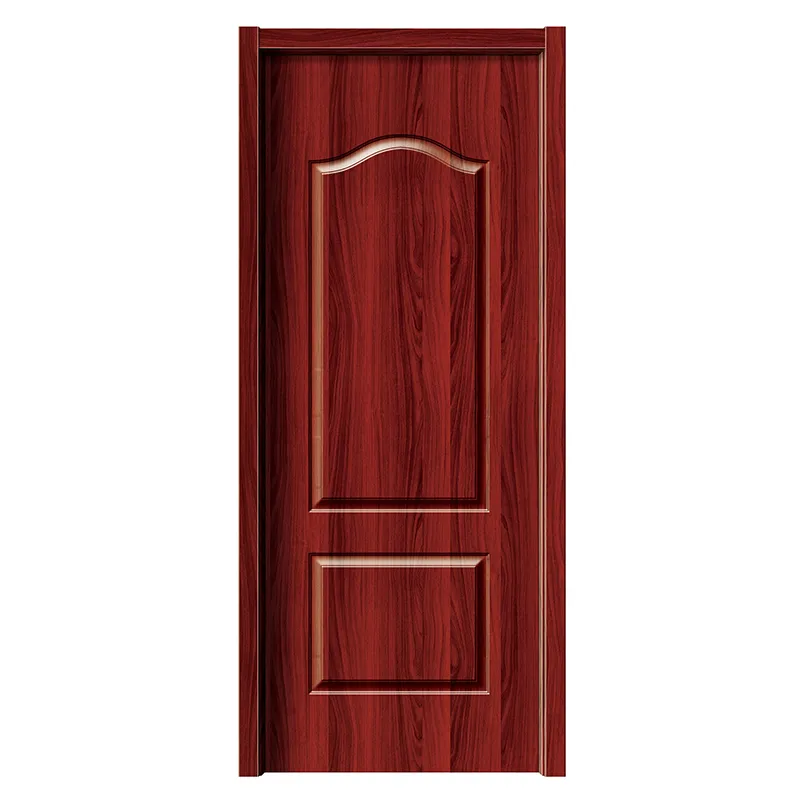 YST-207 Door Red team
 -
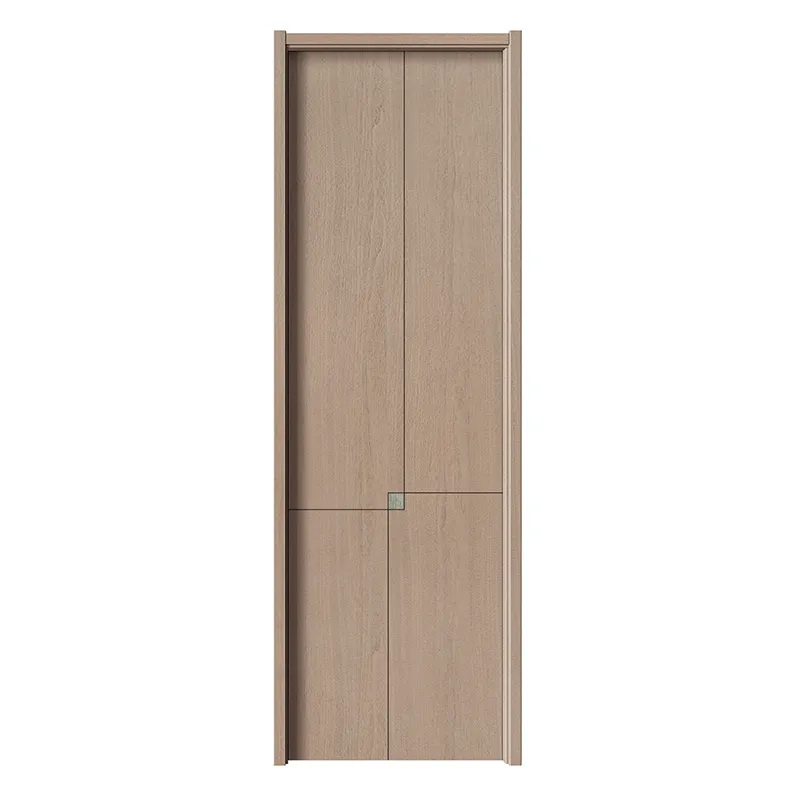 YST-1008 Door Natural walnut 2
 -
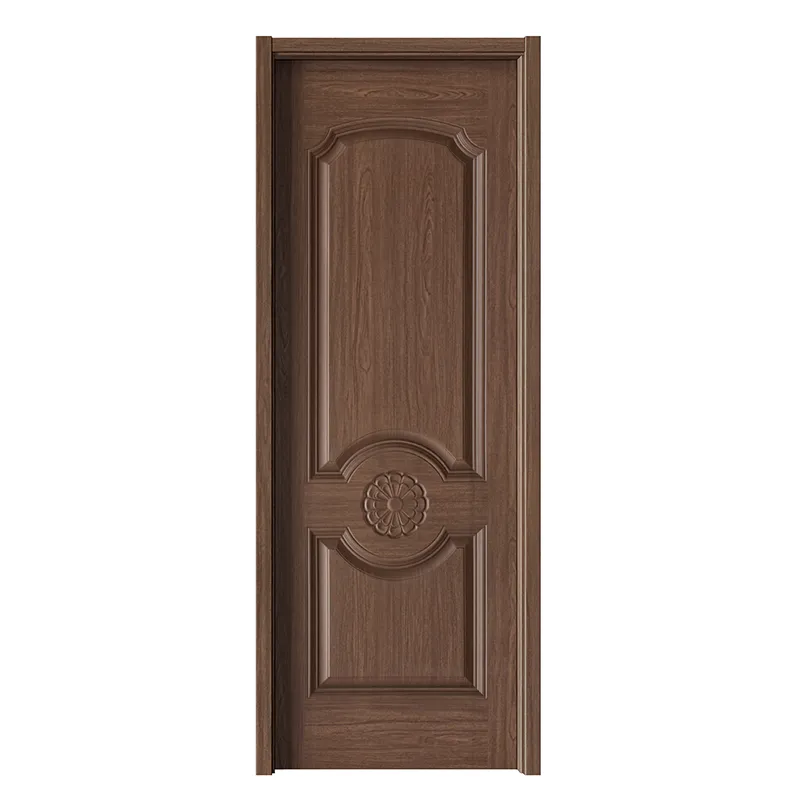 YST-212 Door North American Oak 2
 -
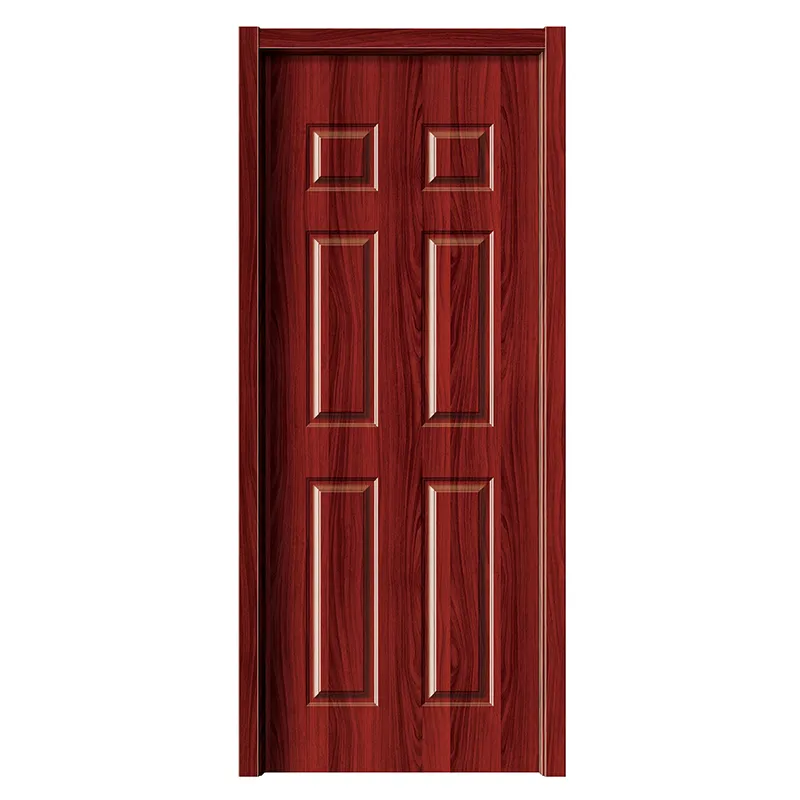 YST-201 Door Red team
 -
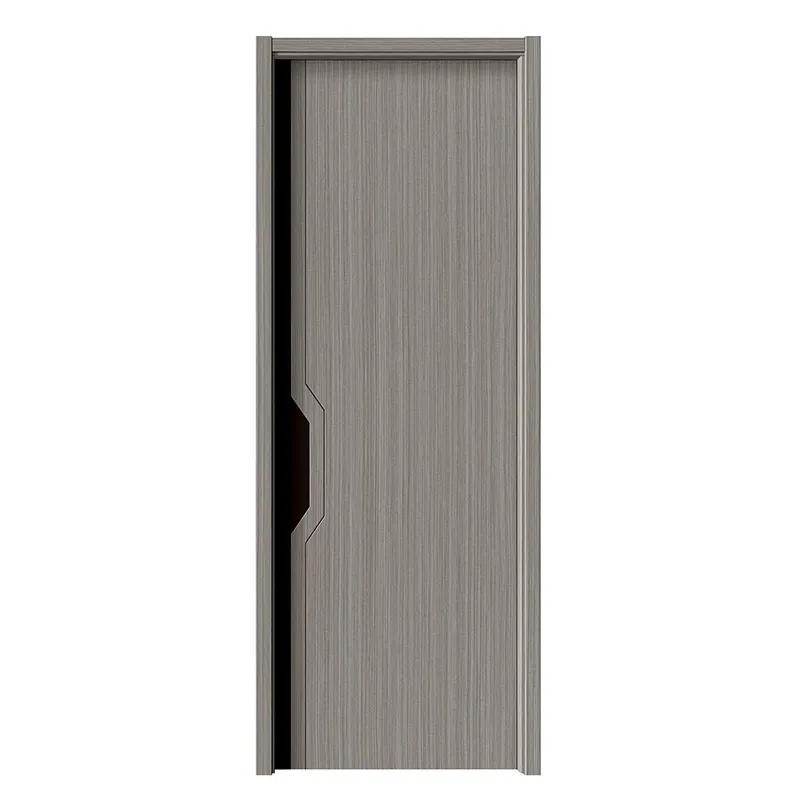 YST-1007 Technotree Door 2
 -
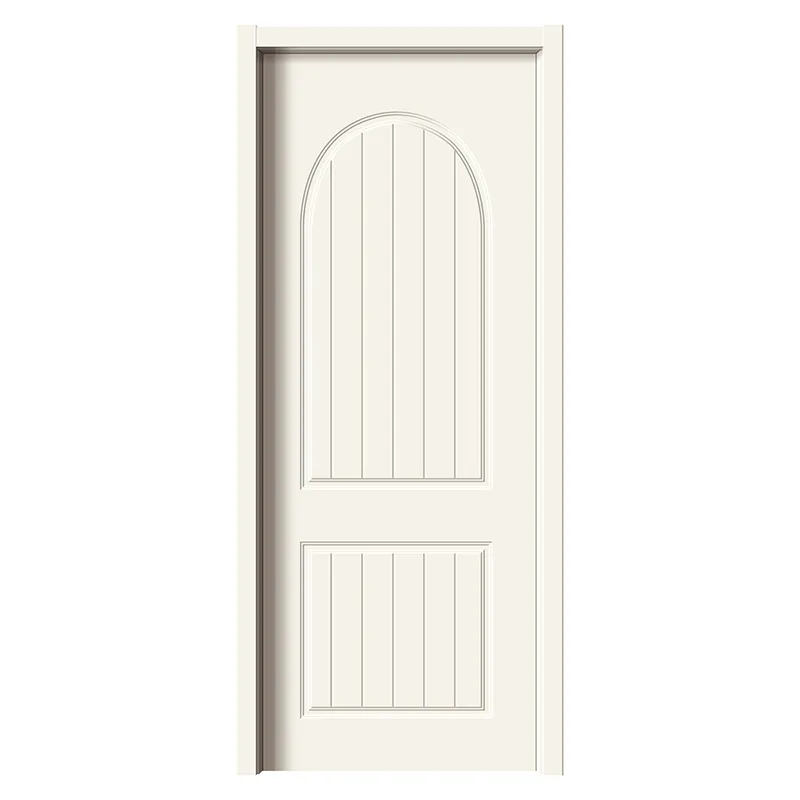 YST-236 Door White ivory
 -
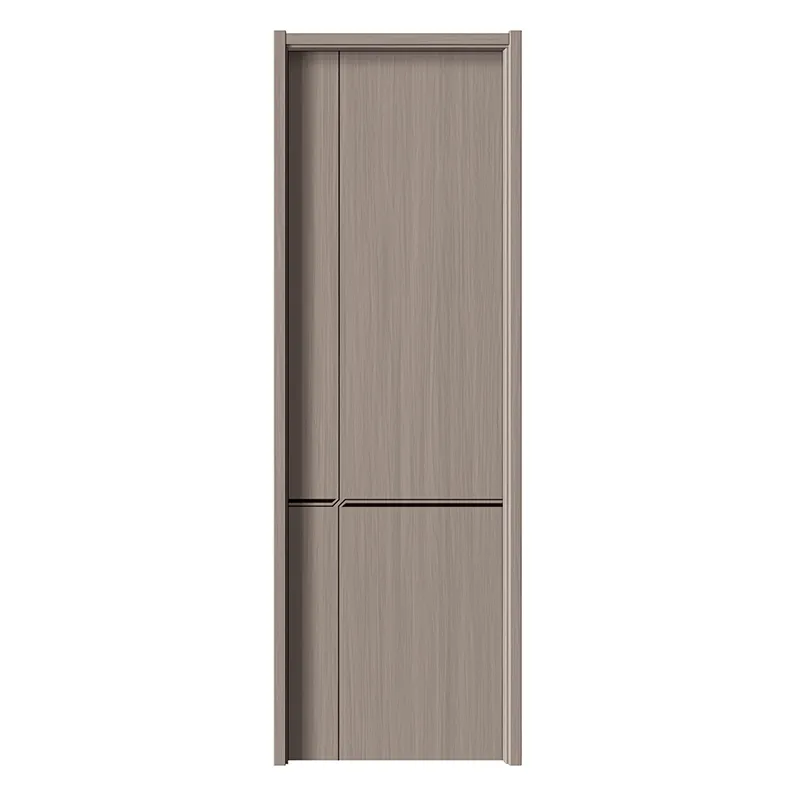 YST-1010 Door Translucent light shadow 3