




Hidden swing doors
I’ll say this right away: most customers, when they say “hidden swing doors?”, imagine a perfectly flat wall with a magical, unmarked opening. A beautiful picture from a magazine. In practice, this is almost always a compromise between desired aesthetics and constructive realities. The main mistake is to assume that such a door completely disappears. No, it only camouflages itself, and the quality of this camouflage depends on three things: the box, the awnings and the decoration of the adjacent wall. If at least one element is shoddy, the result will not be “hidden”, but “crookedly fixed?” door, and all efforts are in vain.
Construction: what is hidden behind the plane
I'll start with the box. The classic version is the so-called “telescopic” box, when the door leaf, when closed, is recessed deep into the opening, and there is a quarter along the perimeter. The gap between the canvas and the wall is then minimal, the joint line is almost unreadable. But! This requires a perfectly designed opening. The slightest distortion of the wall, and either the door will rub or the gap will become too wide, killing the entire effect. In our panel houses, to be honest, it’s difficult to count on this.
Therefore, we often go the other way - we use a box with overhead decorative panels, which are installed after the door and plaster are installed. They hide installation gaps. Here it’s easier to fit everything in place, but a new nuance appears - the thickness of these panels. If they are too massive, the result will not be hidden, but simply a flat casing, which is also not the same. The ideal option is a panel 8-12 mm thick, which visually merges with the wall, being covered with the same material.
And of course, loops. Ordinary canopies are absolutely not suitable. We need hidden hinges that cut into both the end of the canvas and the box. There are many types of them now - with a closer, without it, with adjustment along three axes. Personally, I prefer German models, for example from Simonswerk or Sphinx. Yes, they are more expensive, but they provide the very precise fit for which everything is started. Chinese analogues often become loose after just six months, and the door begins to sag, disrupting the plane.
Material and finish: where the devil lies
Here the story is directly related to the quality of the canvas itself. If the door is made of low-density MDF, then even with ideal installation it can fail. from changes in humidity. The bar will bend, and instead of a plane you will get a wave. Therefore, for hidden installation, I always insist on either solid wood or high-quality, stabilized MDF. By the way, here you can remember aboutAnhui Wantai Woodworking Co.,Ltd. I came across their products in one project - a hotel near St. Petersburg. The customer needed deaf peoplehidden swing doorsin the corridors, painted in the color of the walls. We used their engineered wood canvases. What I noted was the stability of the geometry. After installation and finishing, after the heating season, there were practically no gaps. This is exactly the case when the quality of the workpiece determines the outcome.
Finishing is a separate matter. The most common request is painting the walls in color. Ideally, the door is painted in a workshop, along with the overlay panels, with the same composition as the walls on site. But often you have to paint on site. And here the main problem is the different texture. The wall is plastered, the door is smooth MDF. Even with the same RAL, the color will differ from different angles. The solution is either to use paint with a certain effect (for example, matte structural), or to cover the door with the same veneer or film as the walls, if we are talking about panels. But this, again, increases the cost.
I had a bad experience with covering walls and doors with thin non-woven wallpaper. The customer wanted a seamless look. They installed it, covered it up, and it looked perfect. But after a year, the wallpaper on the doors, near the hinges, began to bubble from vibration. I had to redo it, replacing the finish with more flexible paint. Conclusion: the finishing material should have expansion parameters and resistance to microvibrations similar to those of the door leaf.
Installation: theory and harsh practice on site
Everything that is written in manufacturers’ technological data sheets is usually designed for ideal conditions. In fact, the installationhidden swing doorsIt starts not with the door, but with preparing the opening. It needs to be strengthened if the wall is plasterboard, laser aligned with a margin for the thickness of the box and finishing. A common mistake installers make is to assemble a box with a canvas on the floor, and then try to squeeze this structure into the opening. It is almost guaranteed that something will not work out somewhere.
The correct sequence, which I developed through bitter experience: first we install and check the level of the box, fix it with anchors. Then we hang the canvas on the loops and adjust the fit. And only after this, when the door opens and closes effortlessly, do we begin to install decorative overlay elements or putty the junctions if a seamless option is chosen. Any finishing work before adjusting the hinges is money down the drain.
Installation in bathrooms or kitchens where there is high humidity is special. Here it is critical to leave technological gaps at the bottom to ventilate the cavity inside the box, otherwise condensation will occur. Once I had to dismantle such a door in the bathroom because the installers were “tight?” They foamed everything around the perimeter. Six months later, deformation began inside due to dampness. We had to make hidden ventilation grilles at the bottom of the overhead panel, which, of course, slightly spoiled the concept.
Cases and subjective conclusions
Let's go back to that hotel project andAnhui Wantai Woodworking Co.,Ltd. Their websitehttps://www.anhuiwantai.ru, positions the company as a supplier of wooden doors that combine design and practicality for the global market. In that case, this was confirmed: the canvases were prepared for hidden installation - with already selected grooves for specific hinges and a prepared end surface for painting. This greatly simplified work on site. Their approach is to “build a business on precision?” in this case it was not just a slogan. For hidden doors, geometric accuracy is not an advantage, but a basic requirement.
However, you should not think that good components alone solve everything. It’s easy to ruin the most expensive array with crooked installation. Therefore, my main conclusion is perhaps banal: the success of a hidden door is 40% the quality of the product (leaf, fittings), and 60% the qualifications of the installer and finisher. These systems are very demanding in terms of “cleanliness”. work.
And one last thing. How often do I recommendhidden swing doors? Not always. In a typical apartment with imperfect walls, it is easier and cheaper to install a good-quality door with a thin frame. But where a design project requires clean lines, where the budget allows you to work with high-quality materials and invite smart craftsmen, this is an excellent solution. The main thing is to honestly warn the customer about all the pitfalls and not sell him air from a glossy magazine, but a real, complex, but feasible task.
Correspondingproducts
Related Products

Best Sellingproducts
Best Selling Products-
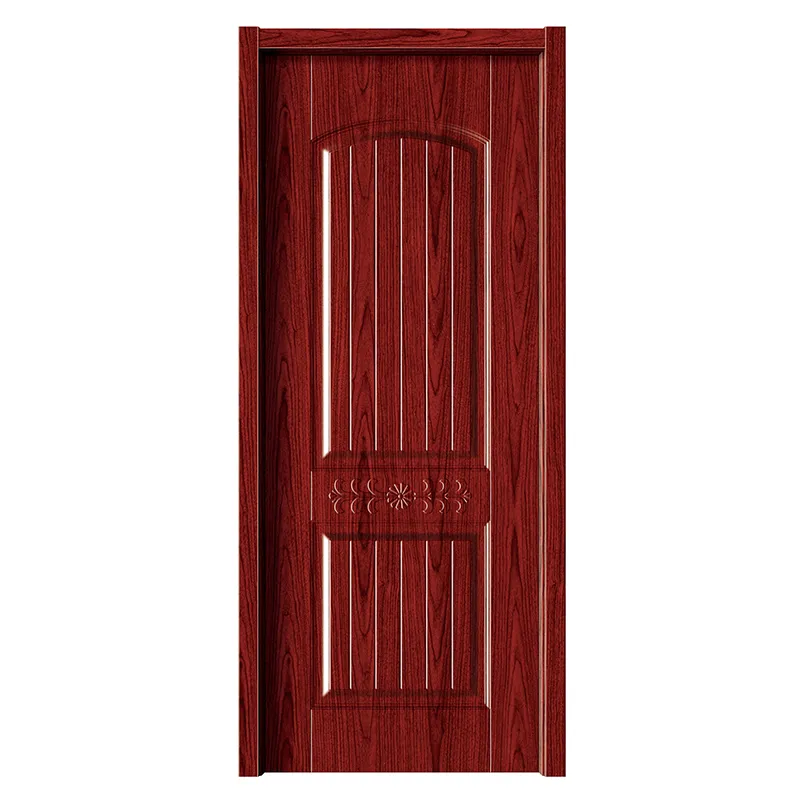 YST-233 Door Mahogany
 -
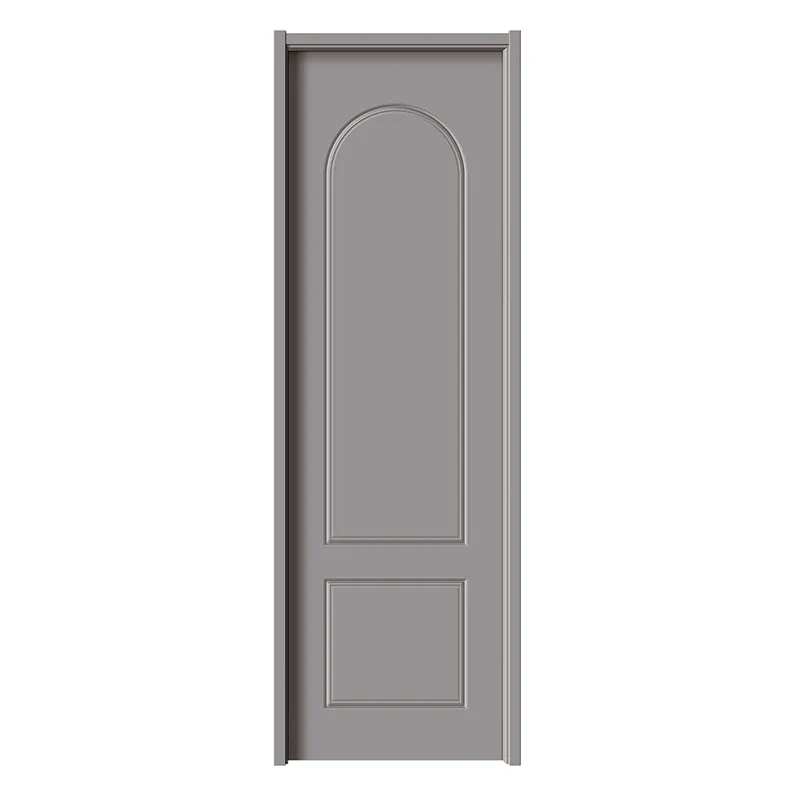 YST-241 French Door 1 soft stone gray
 -
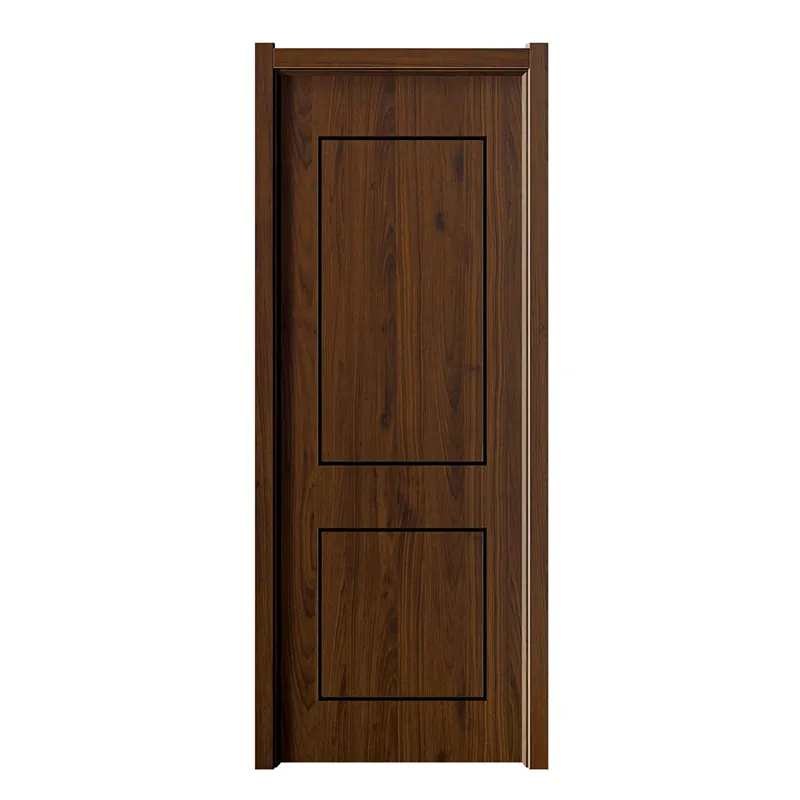 YST-WPC2 Door
 -
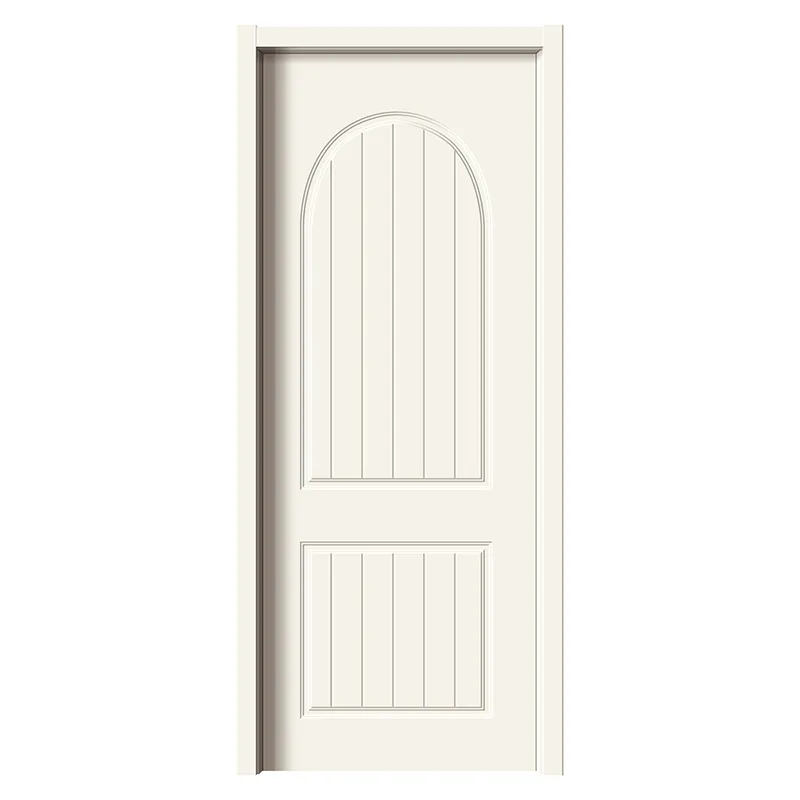 YST-236 Door White ivory
 -
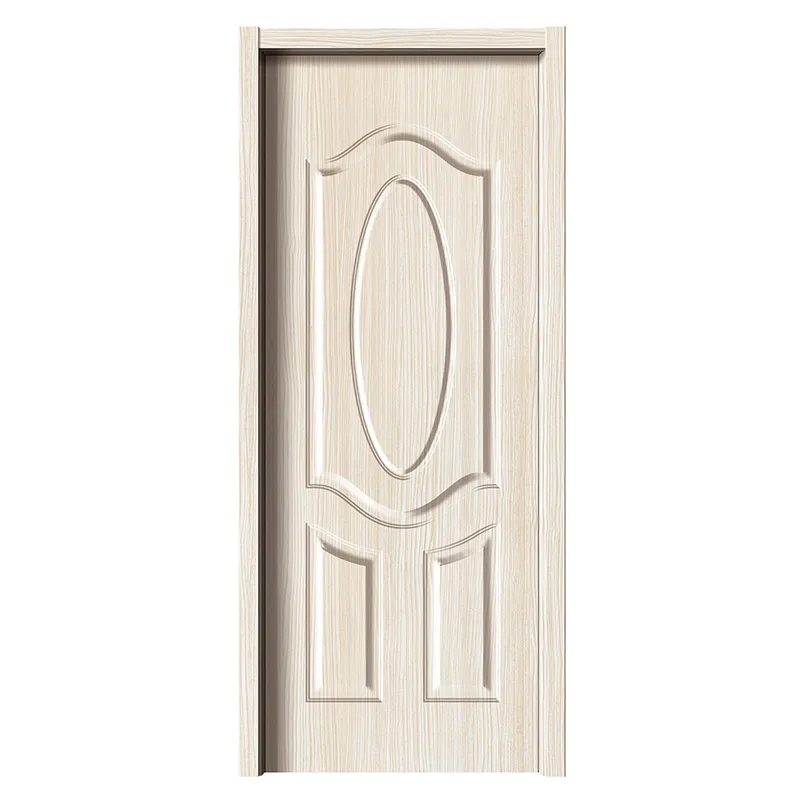 YST-216 Door White Maple
 -
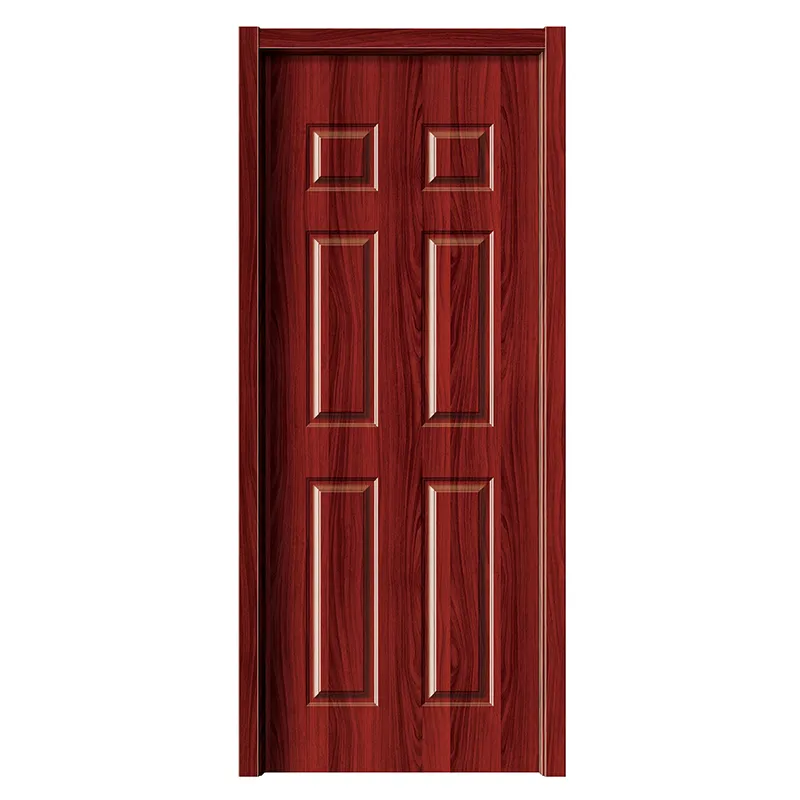 YST-201 Door Red team
 -
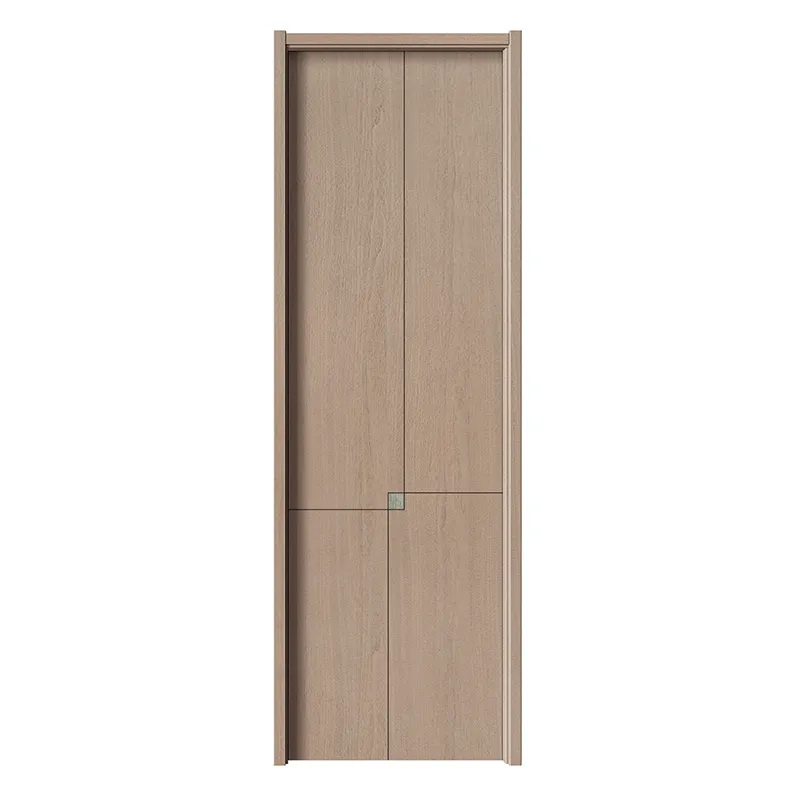 YST-1008 Door Natural walnut 2
 -
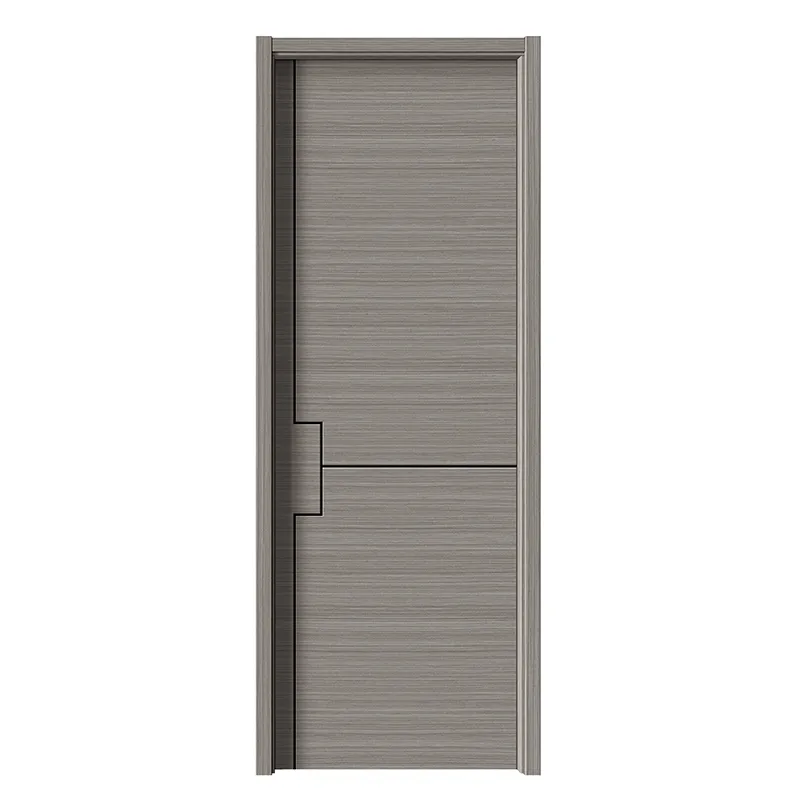 YST-1005 Technotree Door 2
 -
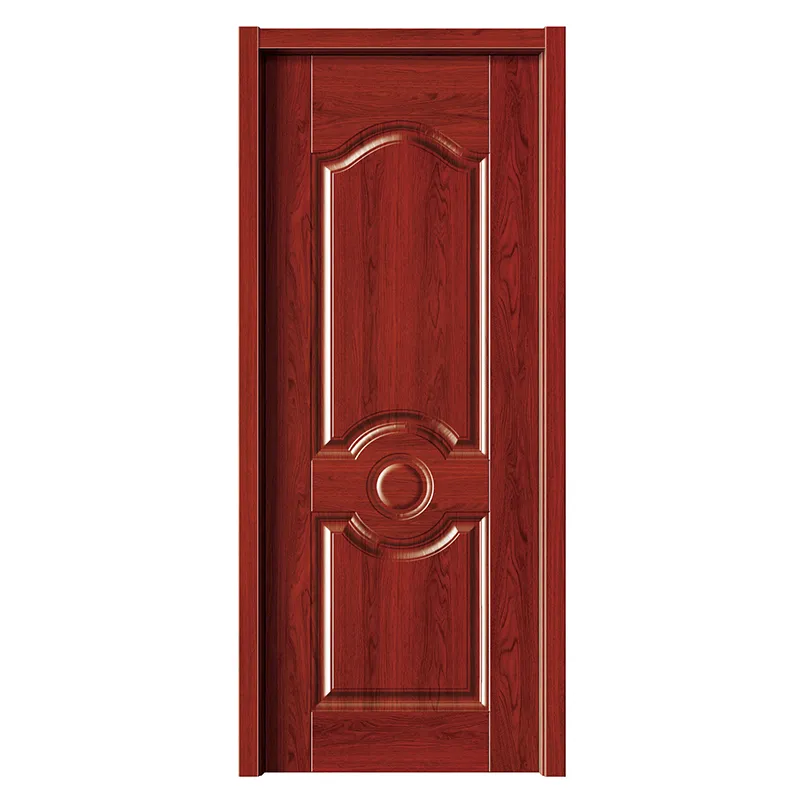 YST-208 Door Red Sandalwood
 -
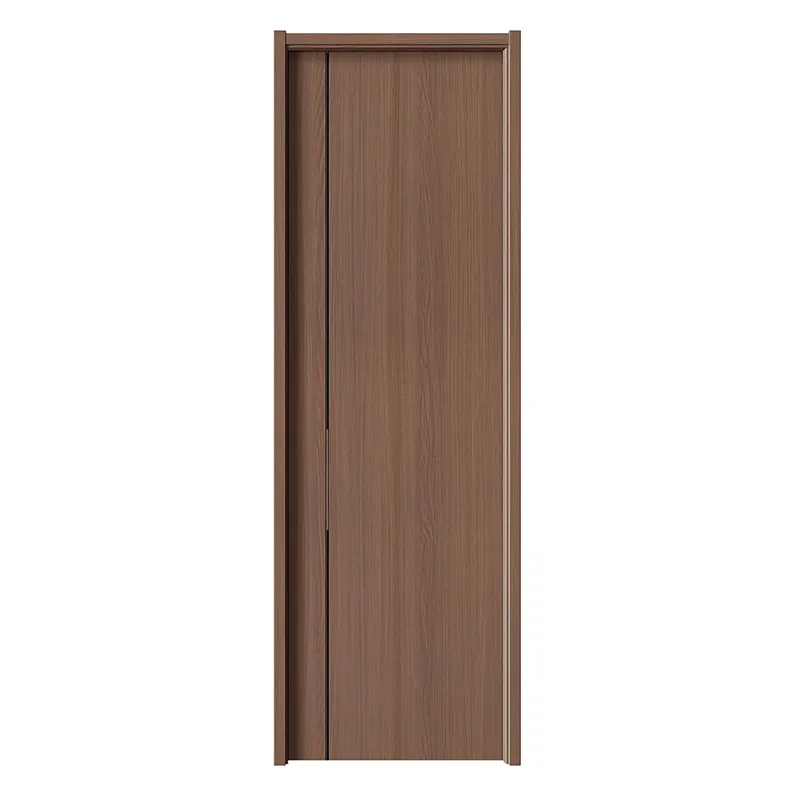 YST-1043 Door Techno-walnut 3
 -
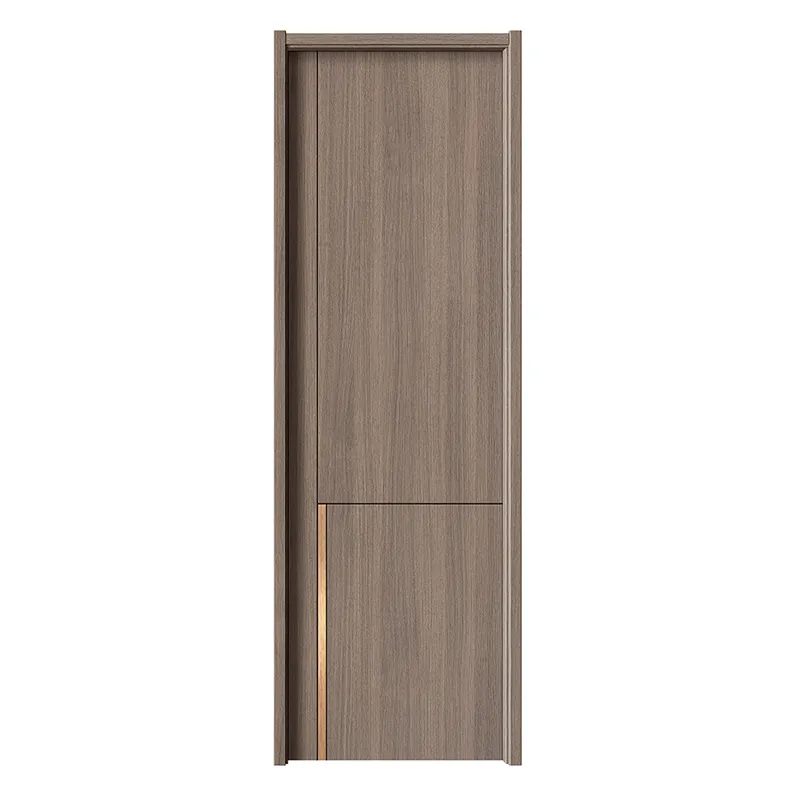 YST-1003 Door Oak gray
 -
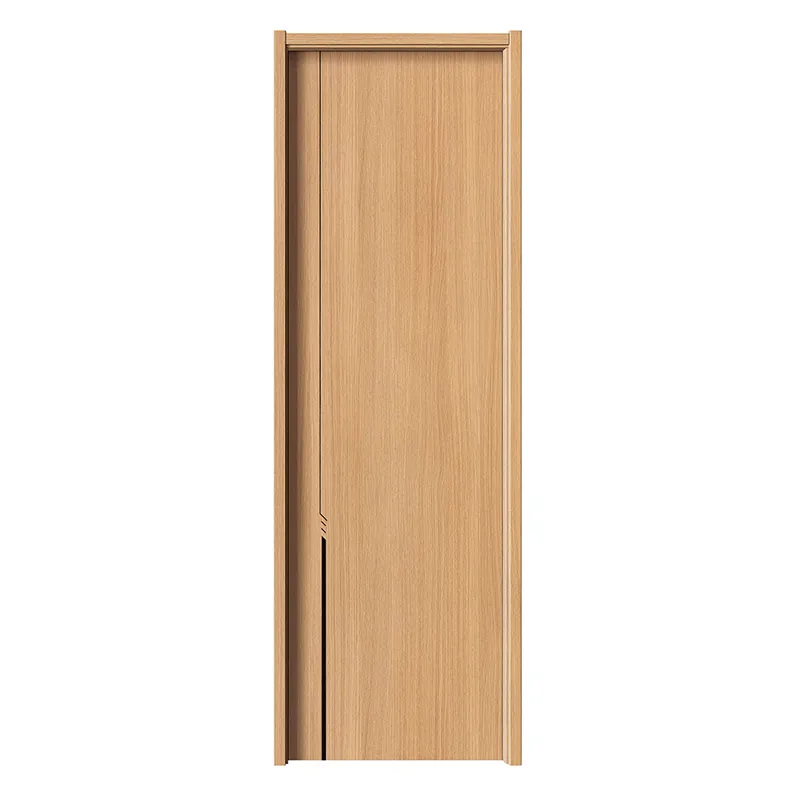 YST-1041 Door Oak Shutter