




Red wooden door
When they say “red wooden door?”, many people immediately imagine something bright, flashy, maybe even cheap. This is the first misconception that you constantly encounter. In fact, the right red door is a complex dialogue between the type of wood, the composition of the coating and the operating conditions. The color is secondary here, the primary thing is how it will behave in five years.
What is hidden behind the shade: from ?cherry? to ?terracotta?
The client comes and says: “I want a red door?”. The first question we ask is: which one? Because ?red? - there are dozens of options. There is a classic "cherry" — warm, with a brown undertone, it looks great in interiors with dark parquet. Is there a more daring ?scarlet? or ?cinnabar? - they are often requested for commercial properties, restaurants, boutiques to create an accent. But here you need special surface preparation and durable pigments, otherwise it will fade.
The most capricious, in my opinion, is the deep “ruby” color. or ?burgundy? shade. In order for it to lie smoothly and without stains, especially on oak with its pronounced texture, you need an ideal primer. I remember one project where we made an entrance group for a private club. The customer insisted on a rich Bordeaux. It didn’t work the first time - light stripes appeared on the panels. I had to completely remove the layer, sand it again and use a special insulating impregnation primer before applying the finishing layer. This added almost a week to the deadline.
But "terracotta" or ?mahogany? (mahogany) - more predictable and appreciative shades. They mask minor irregularities better and are less demanding on the base. But here you can’t just take any stain. If the door will be on the sunny side, you need UV filters in the varnish, otherwise in a couple of years ?terracotta? will turn into pale pink.
The basics: which wood is best? with red
Not every tree is equally well painted in red tones. Soft woods, like pine, actively absorb pigment, but can produce an uneven tone due to different densities of the fibers. Very careful preparation is required - degumming, smoothing out the pores. Hardwoods, such as oak or ash, hold color more consistently, but their pronounced texture can be “eaten away.” shade, make it deeper, but less uniform visually.
The best option for a rich and even red color is often alder or linden. Their finely porous, homogeneous structure is an ideal canvas. But here the question of strength arises, especially for entrance doors. Therefore, in production they often make a compromise: the frame and panels are made of durable solid oak, and for smooth surfaces they use veneer panels from the same alder, which provides an excellent base for painting.
By the way, about veneer. Many people think that a painted door is always solid. This is not the case now. High-quality engineered wood or even MDF, lined with valuable wood veneer, after professional painting, gives an amazing result. And they are less susceptible to deformation due to changes in humidity. On the company websiteAnhui Wantai Woodworking Co.,Ltd (https://www.anhuiwantai.ru) you can see how they combine materials - this is about a rational approach, and not about blindly following stereotypes.
Varnish or paint? Technological cross
This is where 90% of all future problems lie. You can paint the door with covering enamel (paint) or a glazing compound (stain + varnish). The first option completely hides the wood texture and gives a dense, even, matte or glossy color. It's reliable, but it kills. natural beauty of the material. The second option is to emphasize the texture, leaving it visible under a layer of tinted varnish. It looks aristocratic, but requires flawless work with the base: any knots or differences in fiber density will be noticeable.
For commercial properties where durability and ease of maintenance are important, I often lean toward polyurethane-based covering systems. They are better resistant to scratches and frequent wet cleaning. For private interiors, where charm and depth are important, use glazing. But! The key point is interlayer sanding. Without it, even the most expensive varnish will be shagreened or peel off on the edges.
One day we received a batch for revisionred wooden doorsfrom another supplier. The customer complained about the stickiness of the surface and chipping. An autopsy showed that the varnish was applied in one thick layer, without intermediate drying or sanding. The film did not cure properly. I had to remove everything and redo it from scratch. Lesson: Saving on time and technology in a paint shop always backfires.
Practice and logistics: when idea meets reality
Let's say the door is made and painted perfectly. But it still needs to be delivered and installed. Here forred wooden doorspecial risks begin. Any, even microscopic, dent or chip on the edge will be incredibly noticeable against a bright background. The packaging should not just be cardboard, but with rigid corner inserts and a front film that does not leave traces of glue on the varnish.
Installation also has its own nuances. Hinges need to be selected especially carefully - if the door is massive, ordinary card hinges may sag over time, and the canvas will begin to cling to the frame. And a friction mark on red varnish is a disaster. It is better to immediately include adjustable hidden hinges or reinforced canopies into the project. This is the detail that professionals don’t skimp on.
CompanyAnhui Wantai Woodworking Co.,LtdIn its work, it focuses on precision and quality at all stages - from raw materials to process control. These are not just words from the description on the site. When you see how the packaging of finished products is organized at their production (you can see from the photos and descriptions), with protective corners and stretch film, you understand that they know about these risks. Their philosophy is to “build a business on precision, win with quality?” just about moments like this.
Bottom line: a red door as an indicator of professionalism
So ultimately the orderred wooden door- this is always a bit of a challenge for the manufacturer. A simple white door will forgive some flaws, a gray oak door will forgive some mistakes. will hide them. Red - will put everything on display. It shows the level of surface preparation, the culture of painting work, attention to detail during assembly and fittings.
Therefore, when a client asks for such a door, I always ask in detail about the conditions: entrance or interior, sunny side, traffic. And I immediately expect that this will be somewhat more expensive and longer than the standard solution. Not because we are wasting money, but because the stages of priming, drying, and interlayer polishing cannot be shortened.
It is precisely such projects that ultimately become the best business card. Not the one that blends into the wall, but the one that attracts the eye and looks like new after years. Achieving this is the real work. This is exactly what companies focused on the international market with its high demands are doing, trying to offer doors that combine aesthetics and practicality. Everything else is just painting the wood.
Correspondingproducts
Related Products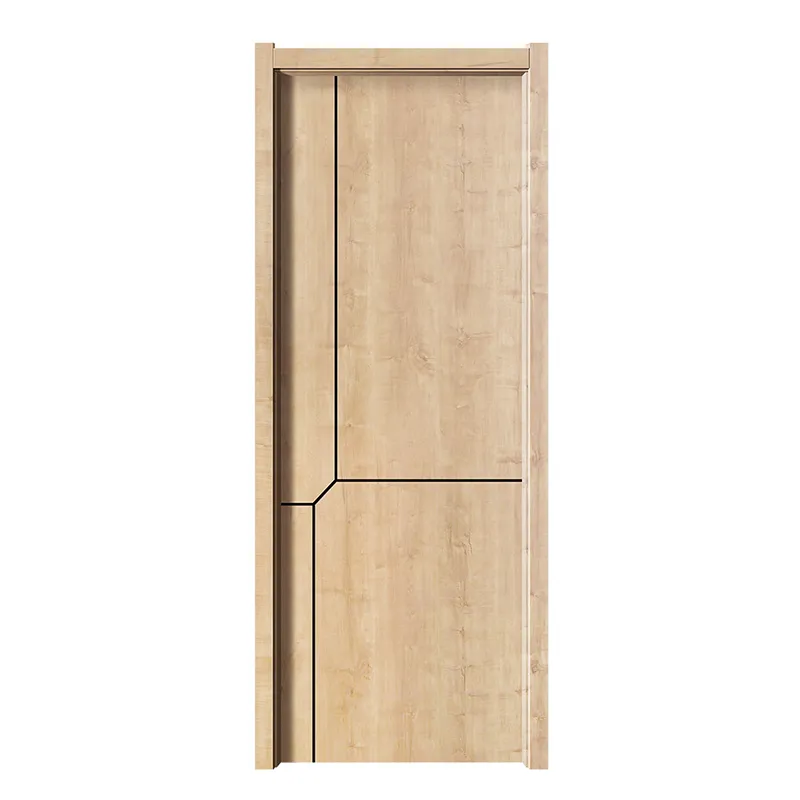
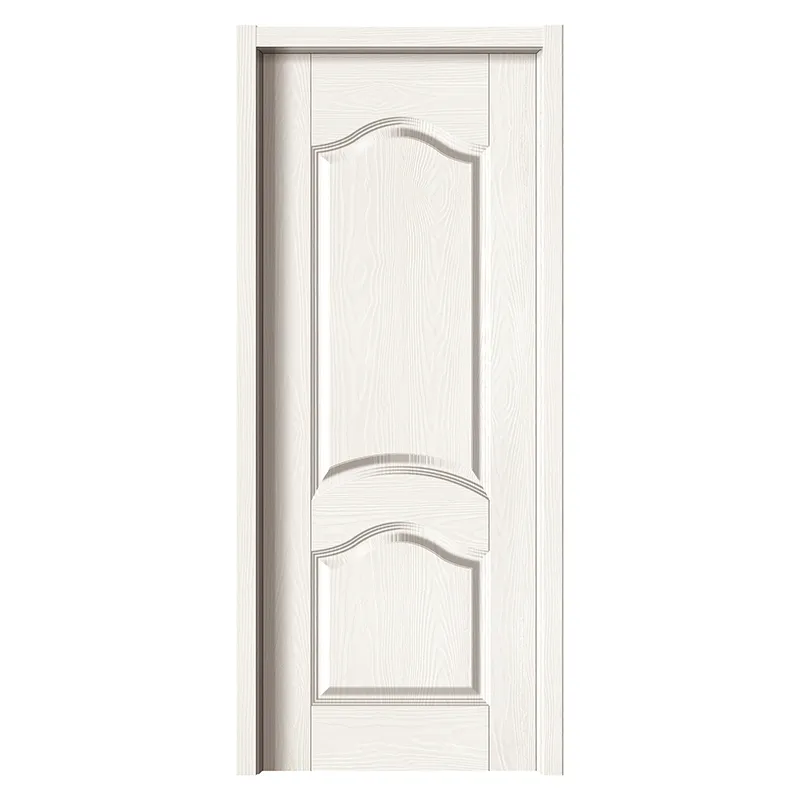
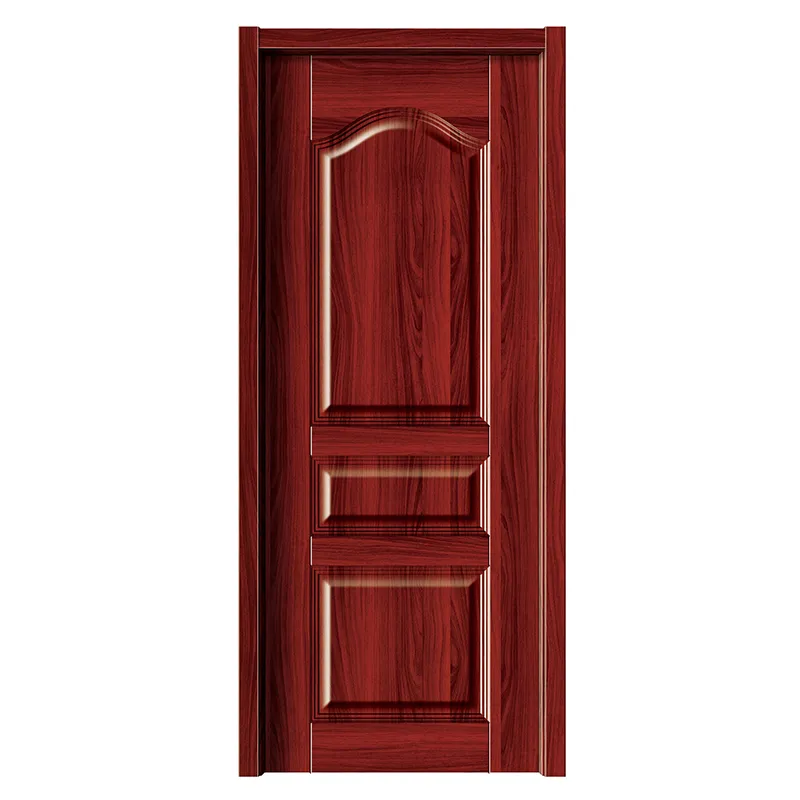
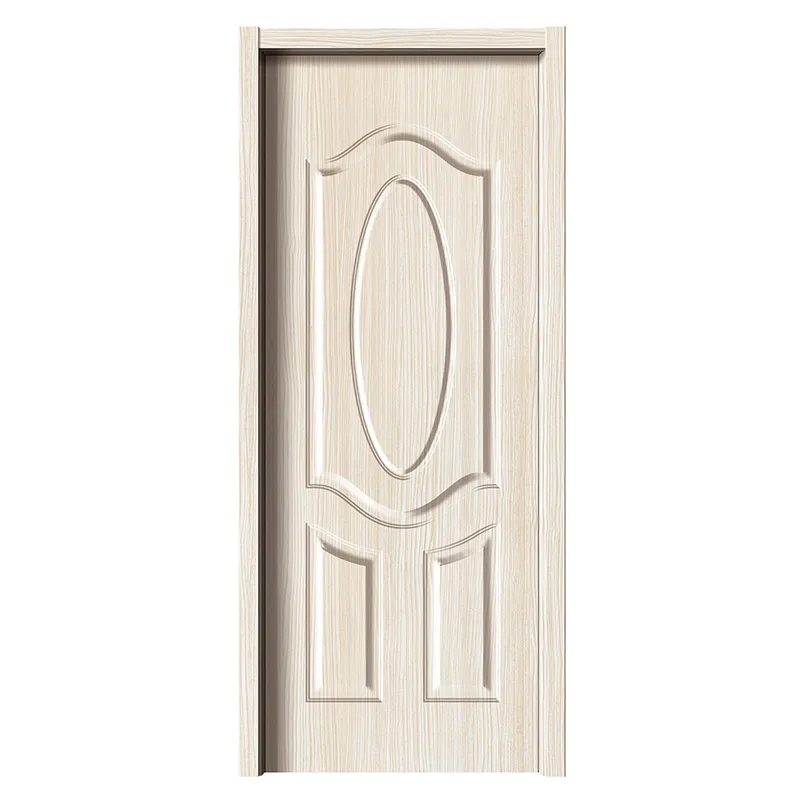

Best Sellingproducts
Best Selling Products-
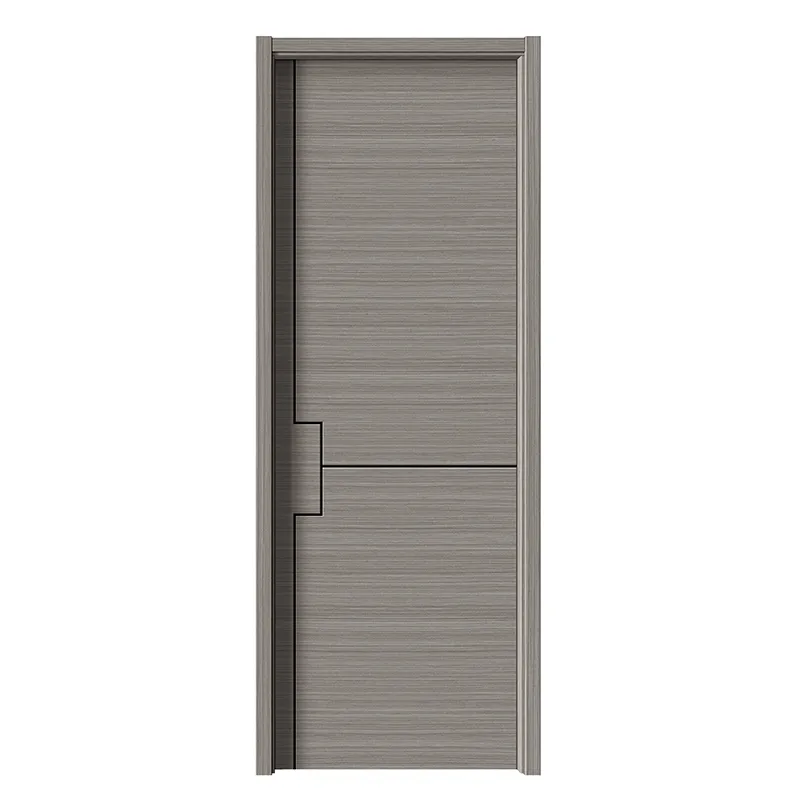 YST-1005 Technotree Door 2
 -
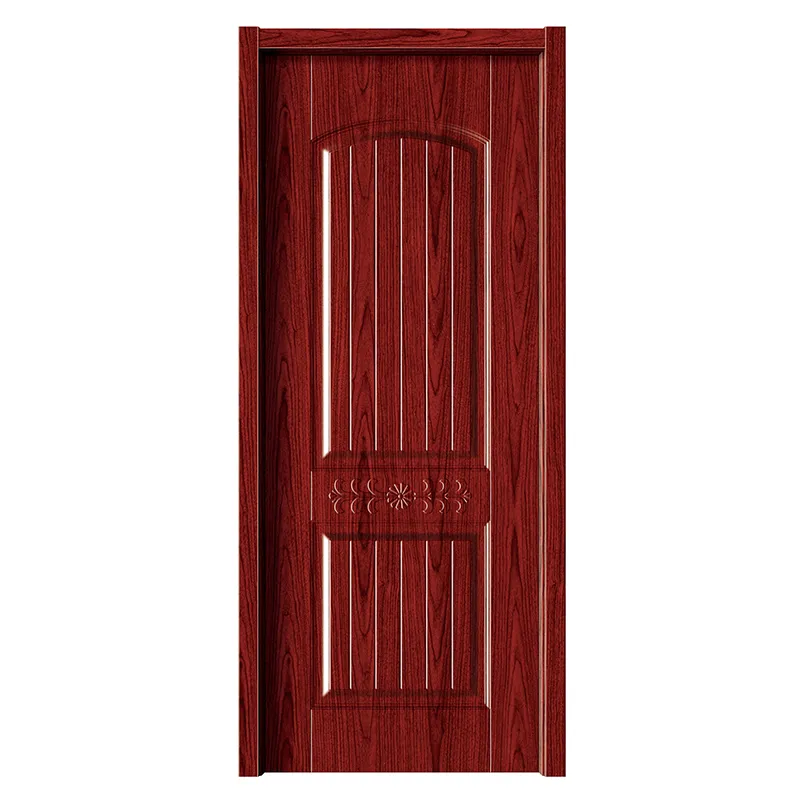 YST-233 Door Mahogany
 -
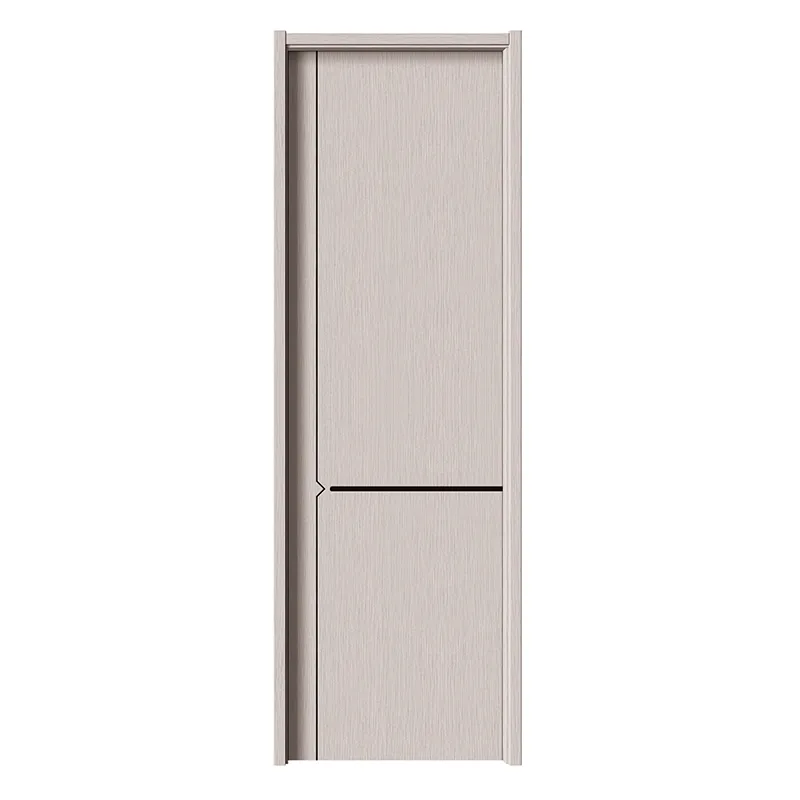 YST-1024 Door Chiaroscuro wood 1
 -
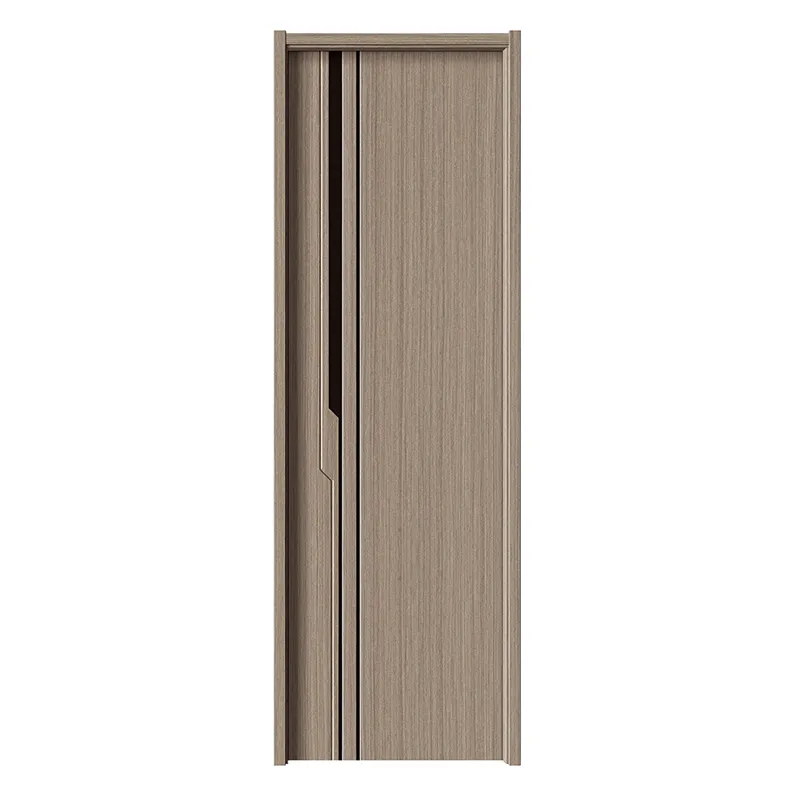 YST-1018 Technowood Door 1
 -
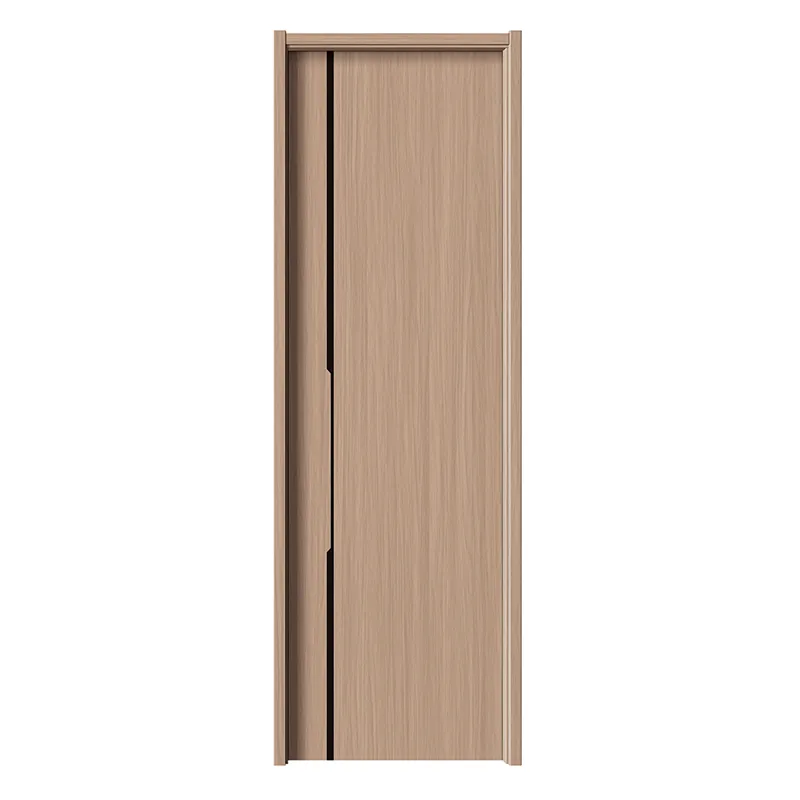 YST-1029 Door Translucent light shade 1
 -
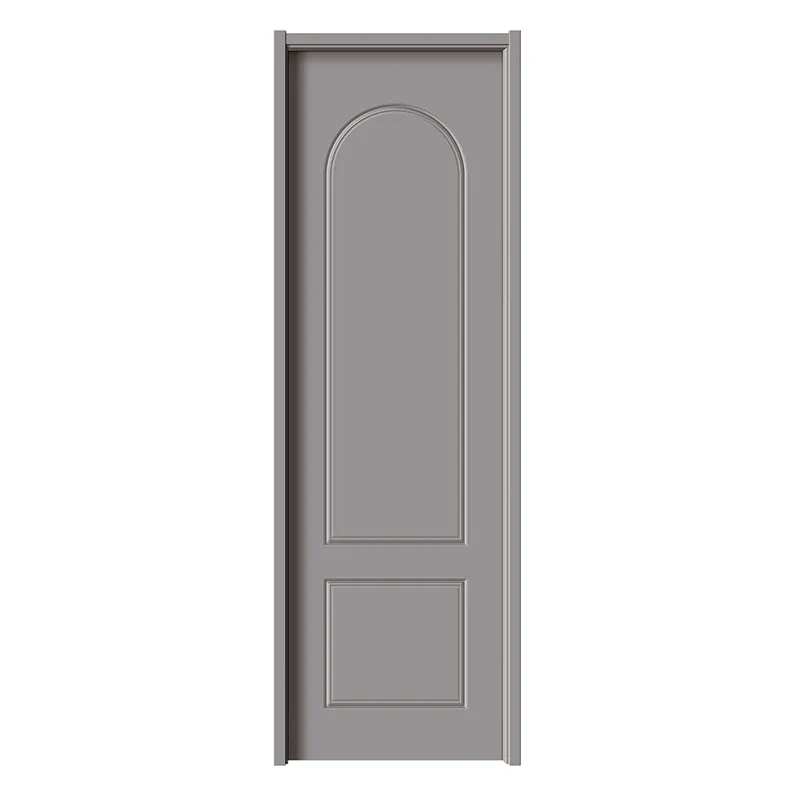 YST-241 French Door 1 soft stone gray
 -
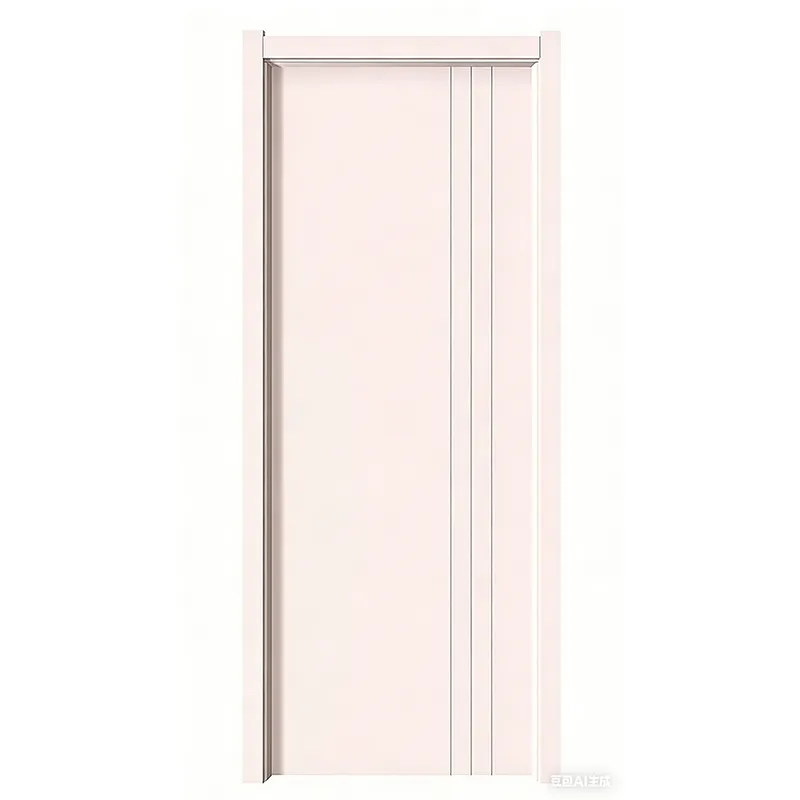 YST-WPC4 Door
 -
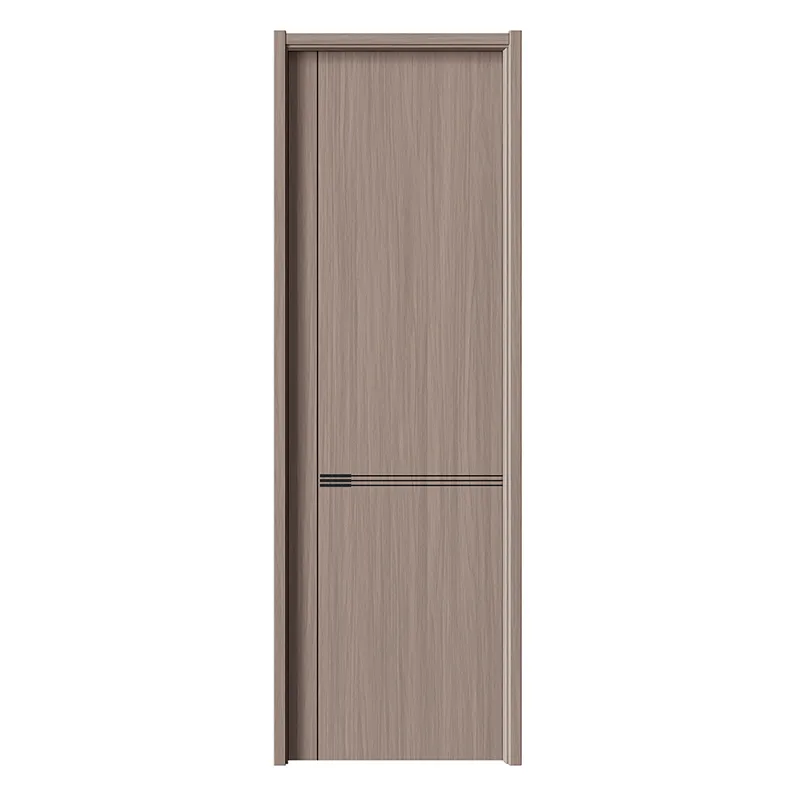 YST-1039 Door Translucent light shadow 3
 -
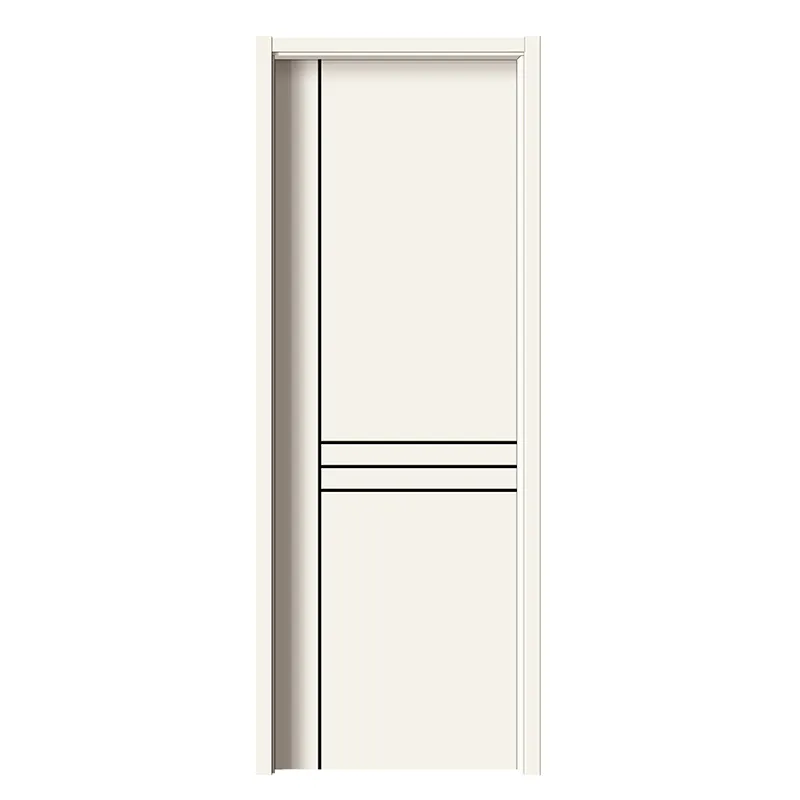 YST-220 Door Warm white
 -
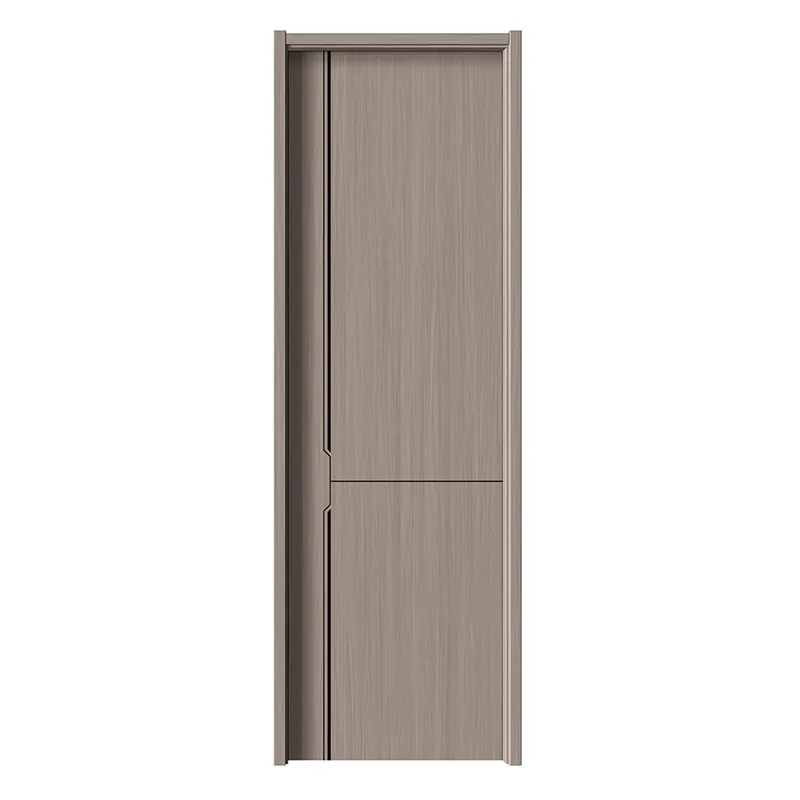 YST-1011 Door Translucent light shadow 3
 -
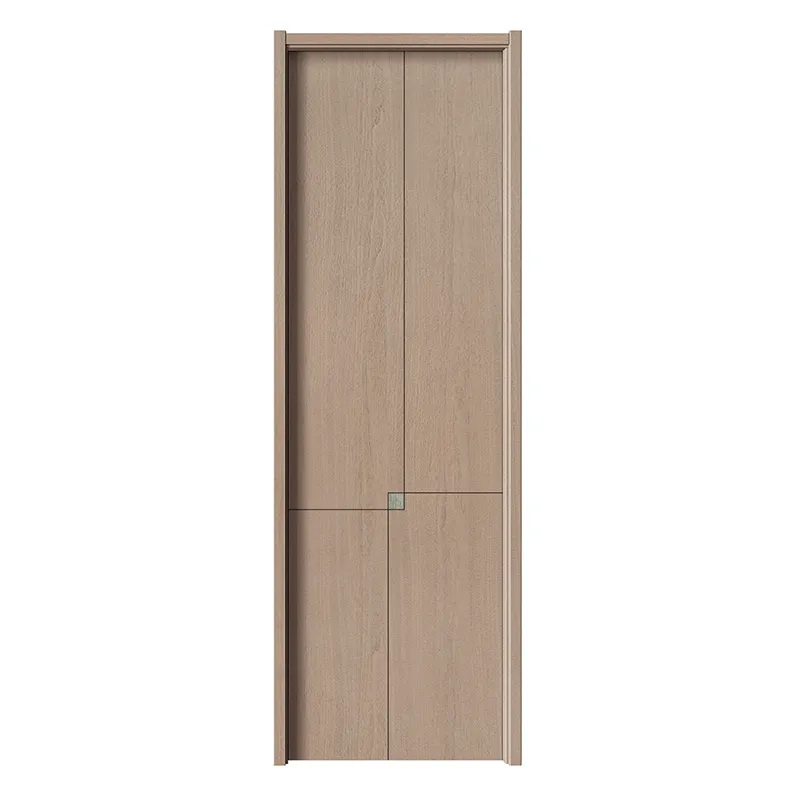 YST-1008 Door Natural walnut 2
 -
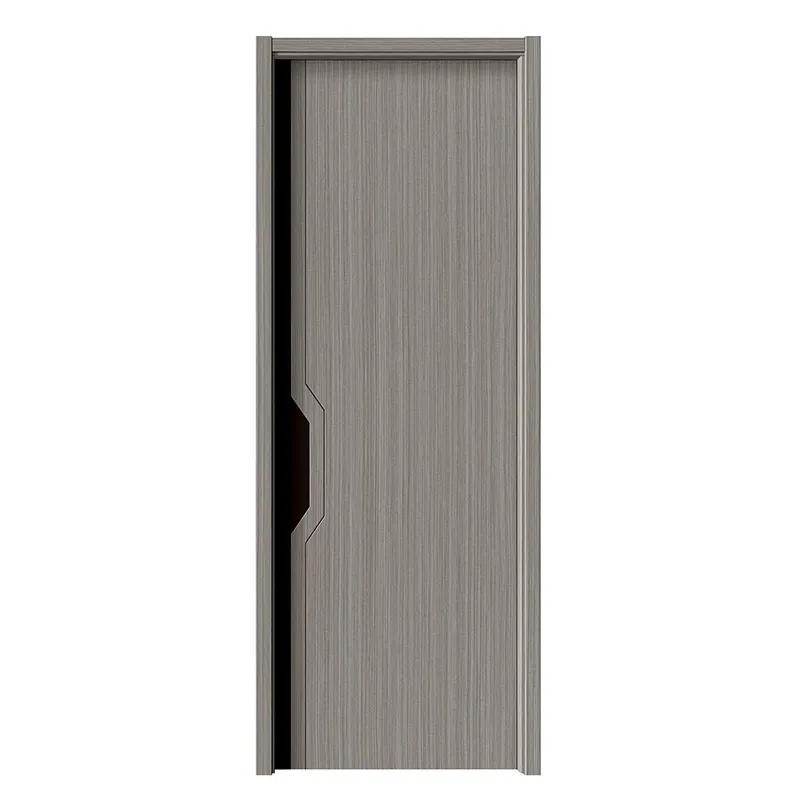 YST-1007 Technotree Door 2