



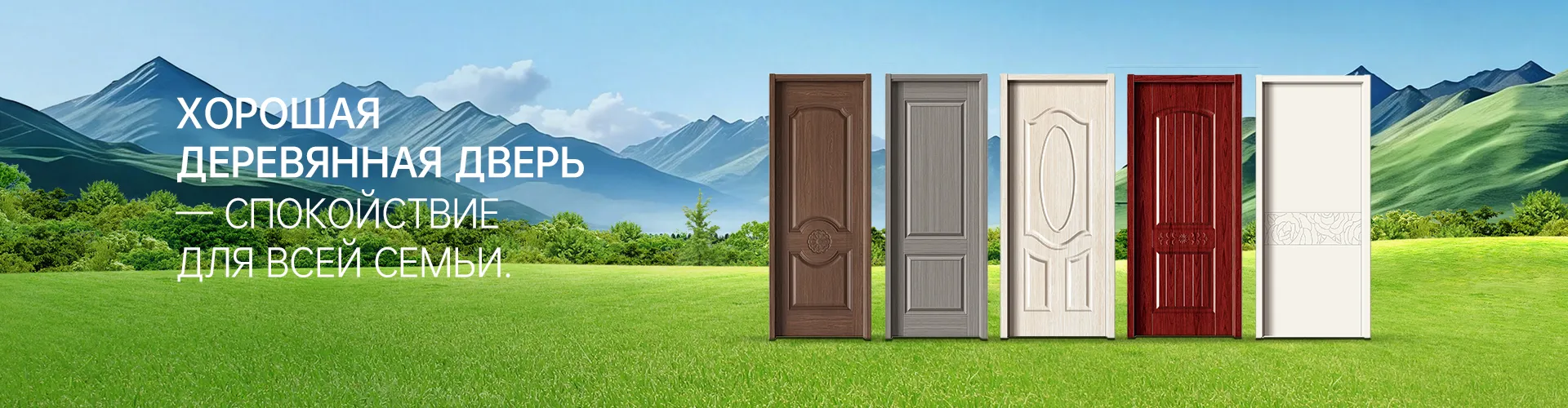
Standard wooden doors
When you hear “standard wooden doors”, the first thing that comes to mind is something simple, typical, maybe even boring. But is this true? In my practice, I often encounter the fact that clients, and some colleagues, confuse the “standard” with the “simplified” or “cheap” option. This is fundamentally wrong. The standard is, first of all, predictability. Predictability of dimensions, characteristics, behavior of the material. I have been working with doors for many years, including working closely with manufacturers who focus on well-functioning, proven solutions. For example, a companyAnhui Wantai Woodworking Co.,Ltd— their approach to standardization is close to me. They do not stamp 'boxes', but check every detail so that a door from a batch of a thousand pieces behaves the same way as the first. Their websitehttps://www.anhuiwantai.rureflects this philosophy well: aesthetics and practicality within clear parameters. But first things first.
The myth of the 'boring' standard
I remember I had a customer who wanted “something special” for an office, and immediately rejected all options for standard doors. Like, this is for standard apartments, but he has a design project. I had to explain it on my fingers. A standard door is not about a lack of design. This means that the geometry of the canvas, box, platbands obeys generally accepted standards. This avoids 90% of installation problems. At the sameWantaiThere are models in their assortment that they position as standard, but in fact they are full-fledged designer products with panels, relief, and high-quality painting. It’s just that their sizes, loop groups, and locking grooves are unified. The client eventually agreed, and after installation he admitted that the door fit perfectly, without adjustments, which he was so afraid of in the case of an 'individual' order.
A common mistake is to assume that a standard means a limited selection of wood species. Nothing of the kind. The base is pine, oak, ash, beech. But within each category there are a lot of options for texture, cutting method, and tinting. It’s just that these options have already been worked out and are technologically advanced. When in a production facility like the one he describesAnhui Wantai Woodworking Co.,Ltd, they talk about 'strict adherence to standards at all stages', this is exactly what it is about. They take, roughly speaking, oak from a certain region, with a certain humidity, and know how it will behave after milling and varnishing. This is a quality born of precision, not improvisation.
Another standard is maintainability. Imagine, after five years the glass panel or hinge needs to be replaced. With a standard door, you can easily find compatible fittings or elements. With a unique product - only return to the manufacturer, if it still exists. This is a practical point that is often forgotten in the pursuit of exclusivity.
Where Standard Meets Reality: Installation Pitfalls
This is where the fun begins. An ideal standard door can be damaged by improper installation. The main problem is, of course, the openings. In Soviet-built panel houses there is a real lottery with them. Nominally, the door opening is 800x2000 mm, but in fact it can be 790 or 810, with a diagonal skew. And here the master is faced with a choice: widen/narrow the opening (dusty, time-consuming, expensive) or select a door with a margin for the size of the frame.
Working with products that go to the international market, like the company from the description, I noticed one important detail. Good manufacturers often include a so-called additional system or box with an adjustable groove in the kit. This is not advertised as an 'innovation', but for the installer it is a lifesaver. Allows you to level out small deviations in the opening without rough intervention. This is the very practical nature that is stated in their concept.
Another stumbling block is humidity. It would seem that the tree was dried according to GOST. But they brought the batch to a warehouse where there is no climate control, then loaded it into a car, then unloaded it at a facility with damp walls. The material begins to 'breathe'. It is ideal if the door is acclimatized in the room for at least 48 hours between production and installation. This is often written about in instructions, but almost no one follows it. The result is that after six months a small gap may appear in the narthex or, conversely, the canvas will begin to move “tightly.” This is not a door defect, this is ignoring the physics of the material.
Price question: savings or investment?
Many people come for a standard door with one thought: to save money. And this is logical. But saving must be smart. The range of prices on the market is huge. You can buy a canvas for pennies, but it will turn out to be made of raw, unsorted wood, assembled with “bare” screws without glue, with the thinnest layer of varnish. Such a door will last at most for a couple of years in a corridor with stable humidity.
A real standard door from a trusted supplier is an investment. Let's take the same company as an example.Anhui Wantai Woodworking Co.,Ltd. Their philosophy of “building a business on precision, winning with quality” is not just empty words for the site. In fact, this means that the price of the product already includes the costs of selecting raw materials, multi-stage control, and using high-quality fittings (hinges, locks). You pay not for the brand, but for the absence of headaches in the future. Their commitment to meeting the diverse needs of global clients means that their standards are being tightened to ensure that the door works equally well in a Moscow apartment with central heating or in a country house somewhere in a more humid climate.
I always advise clients to look at the weight of the canvas and how the ends and invisible planes are processed. A cheap door is often lightweight (using low-density wood or voids inside) and the ends are either roughly sanded or not coated at all. A high-quality standard door has a significant weight, and its ends and internal milling grooves are treated with primer or varnish no worse than the front surface. This is protection against moisture and a guarantee of geometry stability.
Experience of failure: when the standard did not work
There was one instructive case in my practice. We ordered a batch of standard blind doors made of ash for a facility - a small hotel. The doors arrived flawless according to all measurements. But when installed in rooms facing the sunny side, after a few months, barely noticeable shadows appeared on some canvases - areas with a slightly darker tone. The client, naturally, was unhappy.
They began to figure it out. It turned out that on these particular doors a varnish with good protective properties was used, but with not the highest UV filter. And the sun shone through those windows almost all day. The manufacturer we worked with used this varnish as standard on interior doors, and 99% of the time there were no problems. But here two factors came together: intense direct sun and dark tinting (which absorbs heat more strongly). This was a rare case where the standard specification did not take into account the nuances of a specific application.
The solution was found in dialogue with the manufacturer. By the way, they reacted professionally - they did not attribute everything to 'exploitation'. For subsequent batches and to replace problematic paintings, a varnish with enhanced ultraviolet protection was selected. Now I always use this case as an example: a standard is great, but the final choice (especially coatings) needs to be checked against operating conditions. Even large companies with modern manufacturing facilities, like the one mentioned earlier, have basic product lines, and it is the specialist's job to match them correctly to the task.
The future of the standard: where the industry is heading
Standard wooden doors do not stand still. If previously the standard was mainly about size and design, now it is increasingly about environmental friendliness and 'smart' solutions. By environmental friendliness I mean not only wood certificates, but also the full cycle: from renewable sources of raw materials to safe water-based varnishes and adhesives. Companies that operate on the international market are forced to follow this first.
Another trend is prefabrication. The door arrives at the site not in the form of a set of disparate elements (leaf, frame, trim), but in the form of an almost finished block, where the frame is already assembled into a tongue and groove and glued, the hinges can already be hung. All that remains is to insert the block into the opening, level it and foam it. This reduces installation time and reduces dependence on the qualifications of the installer. I think that in the coming years this will become a new de facto standard for the mass segment.
And, of course, integration. We're not even talking about smart locks, but about something more mundane. For example, standardization of the narthex and frame for the subsequent installation of a magnetic or silicone seal to improve sound insulation. Or unification of seats for hidden hinges of certain brands. This makes the standard door a more flexible platform for upgrades. This, in my opinion, is where evolution lies: standard wooden doors are no longer just an element of closing an opening, but become part of the engineering system of a residential or commercial space, while remaining predictable, reliable and technologically advanced in production.
Correspondingproducts
Related Products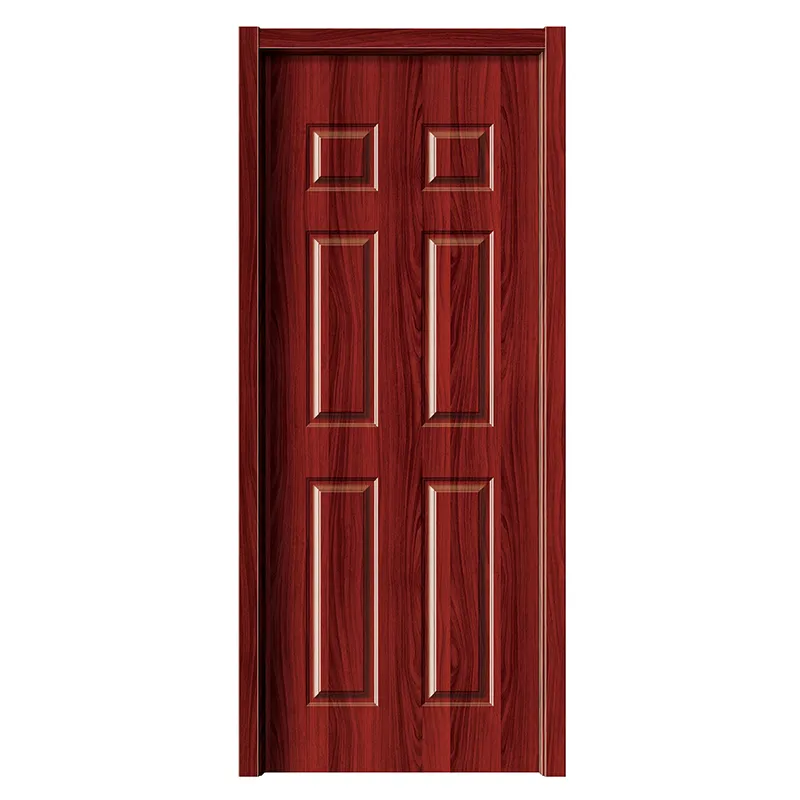
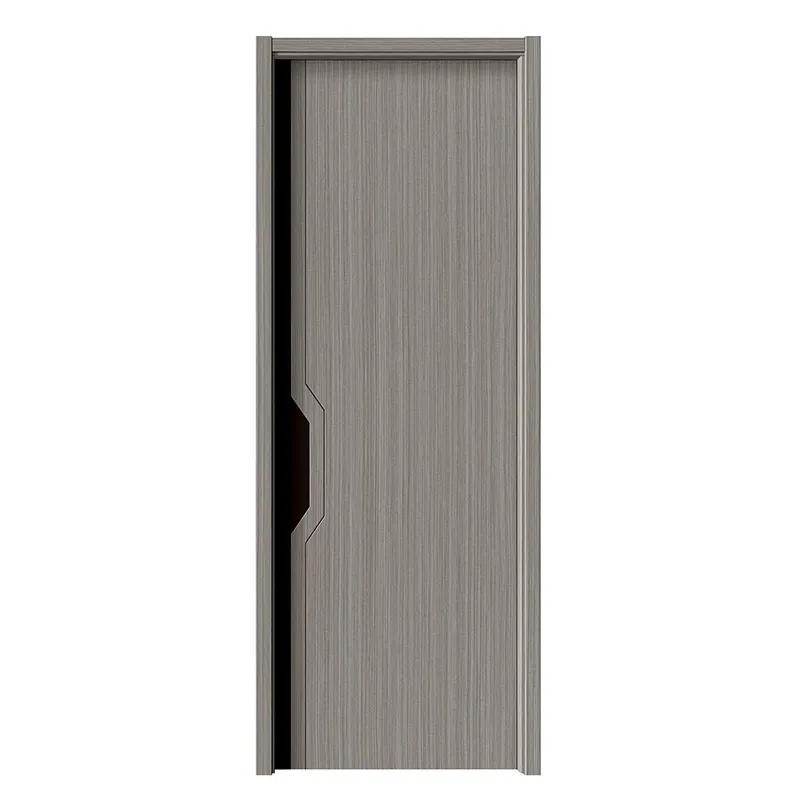
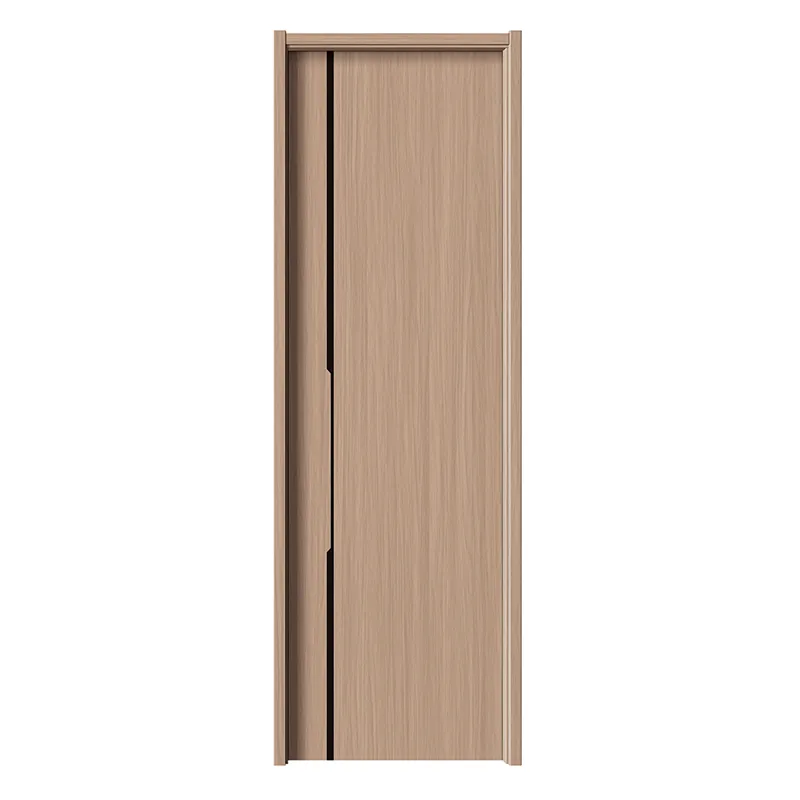
Best Sellingproducts
Best Selling Products-
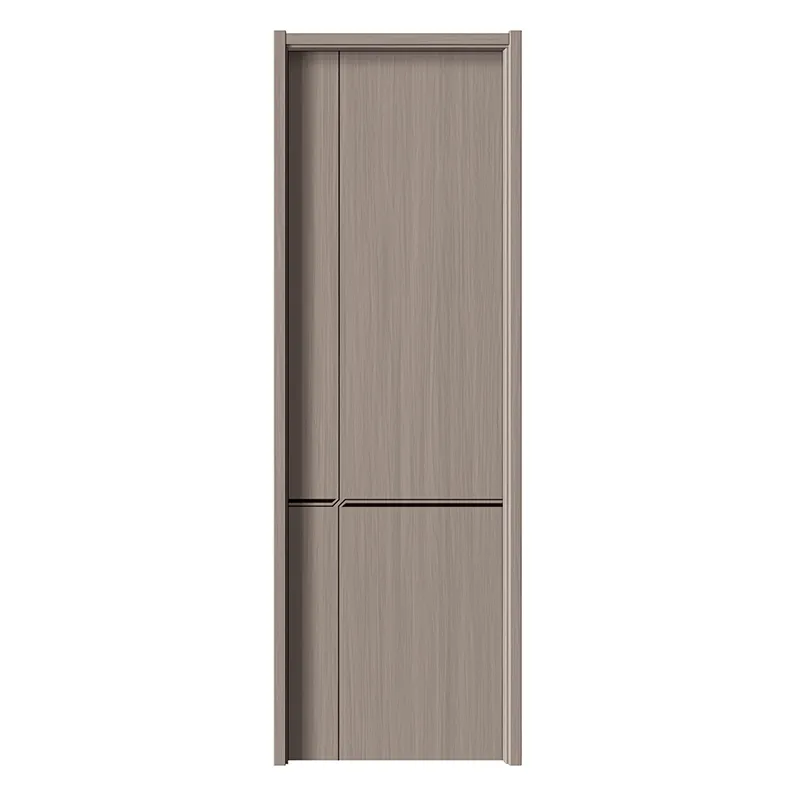 YST-1010 Door Translucent light shadow 3
 -
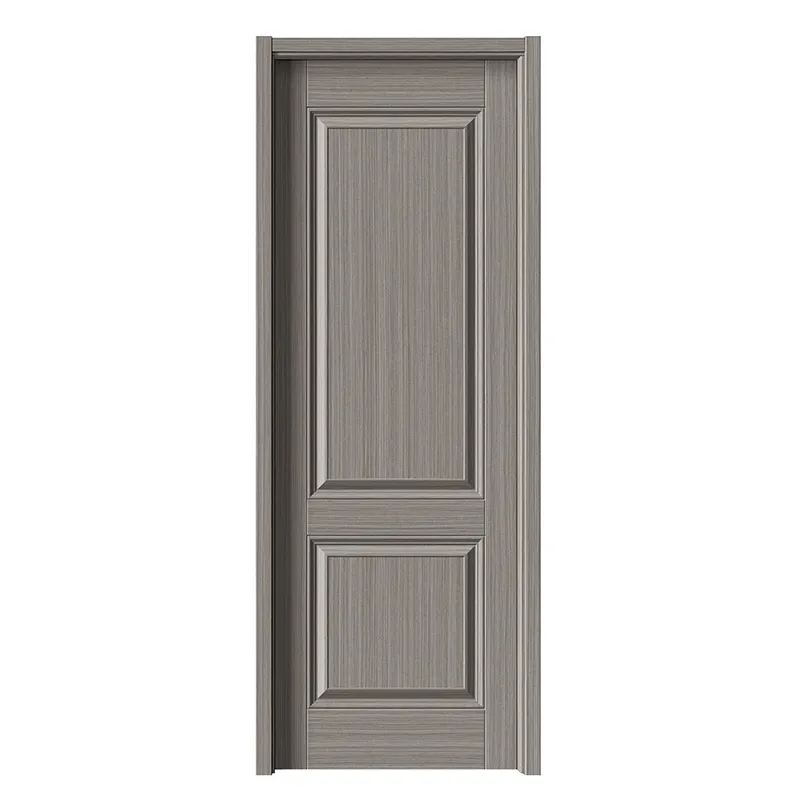 YST-214 Door Technowood 2
 -
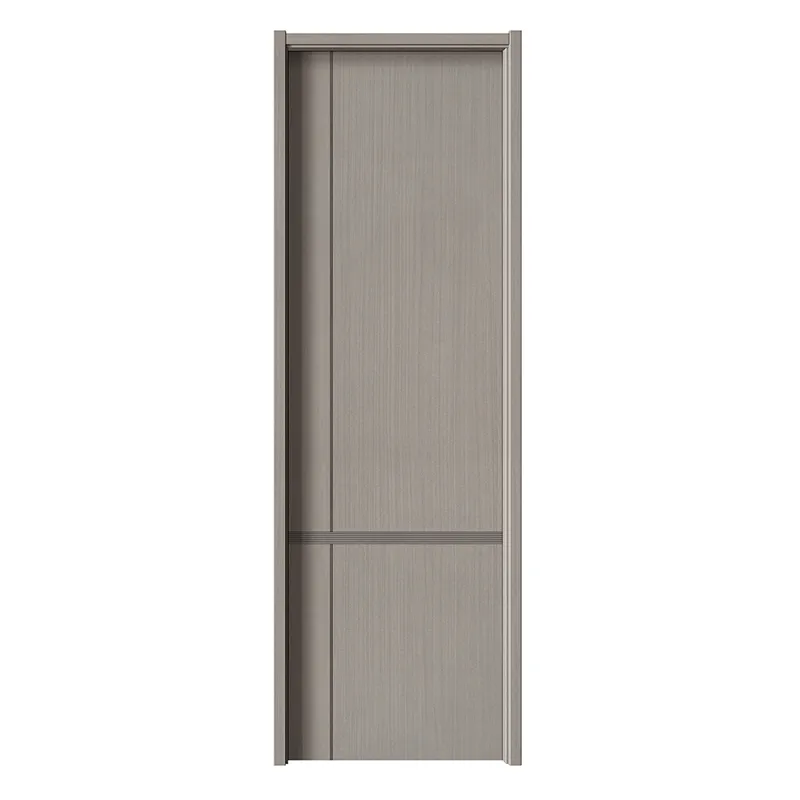 YST-1013 Door Cloud Walnut 1
 -
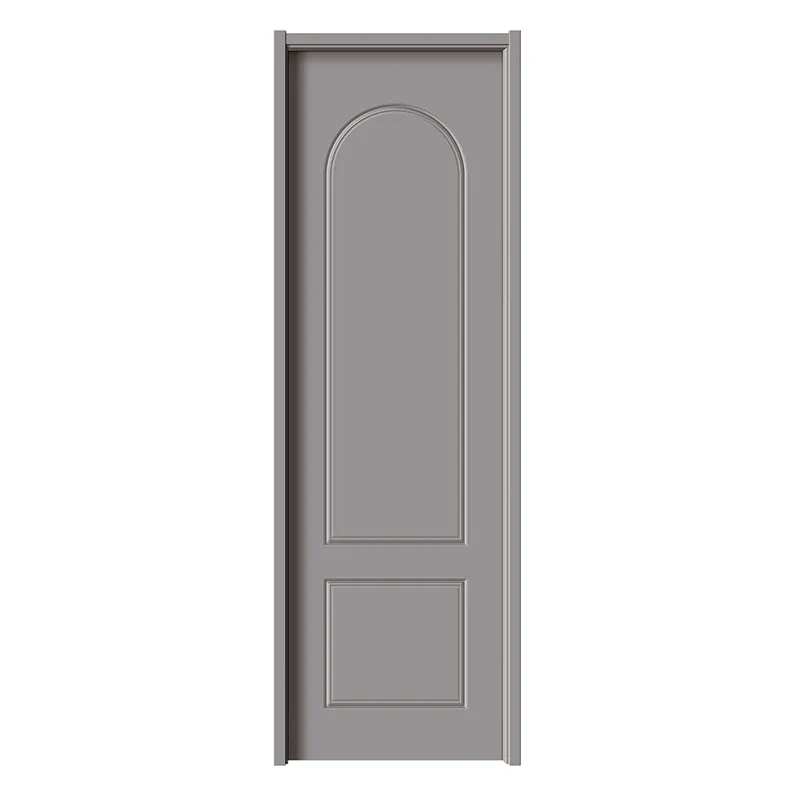 YST-241 French Door 1 soft stone gray
 -
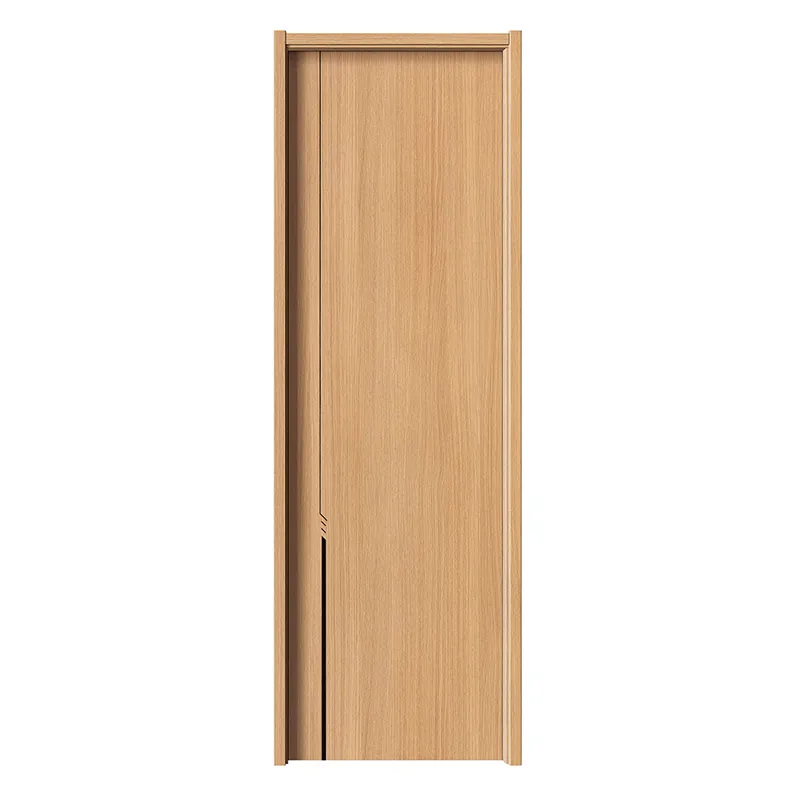 YST-1041 Door Oak Shutter
 -
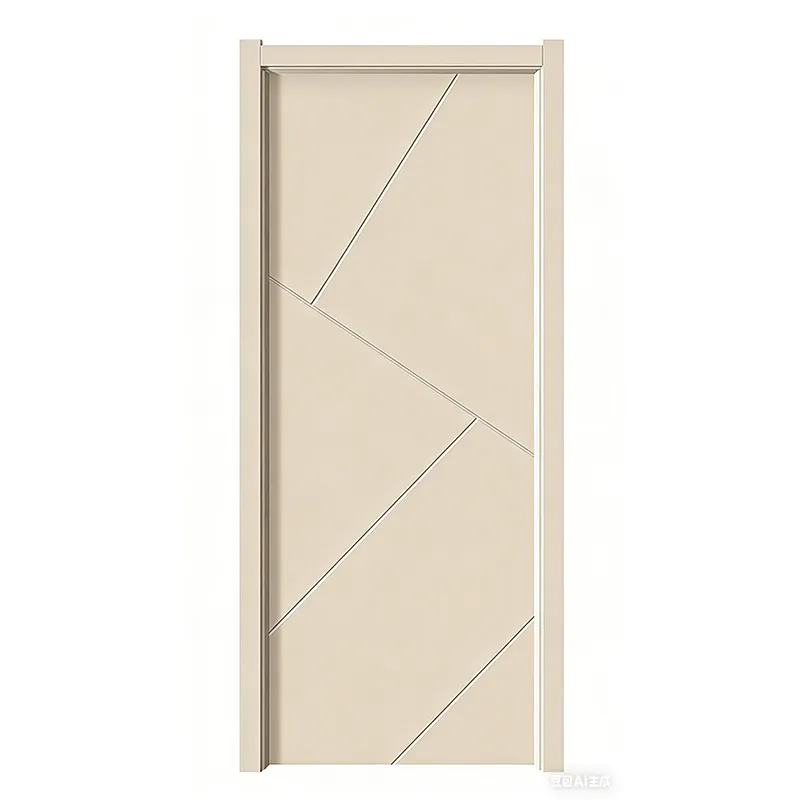 YST-WPC3 Door
 -
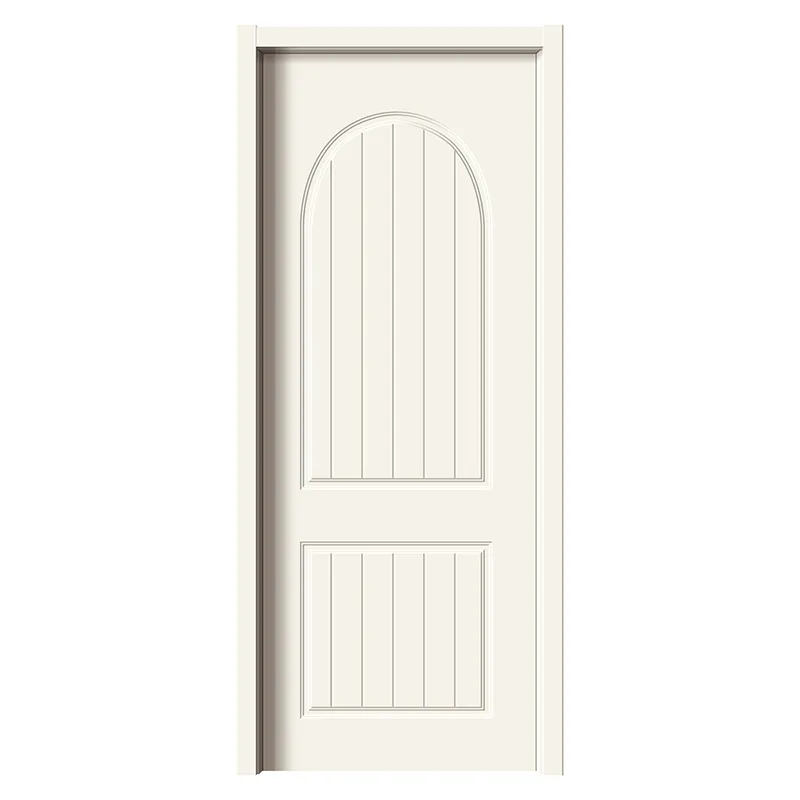 YST-236 Door White ivory
 -
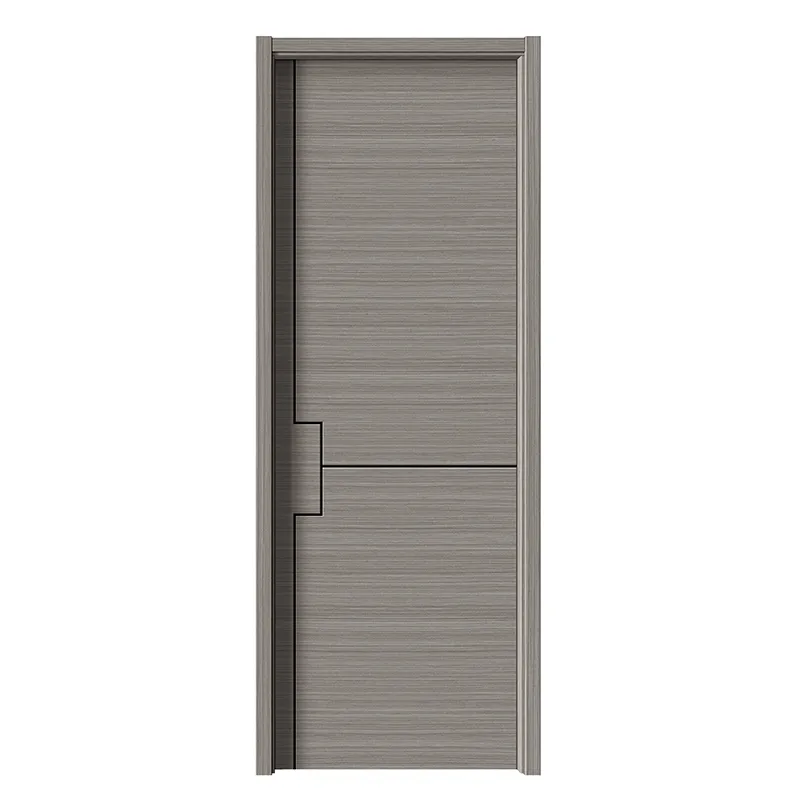 YST-1005 Technotree Door 2
 -
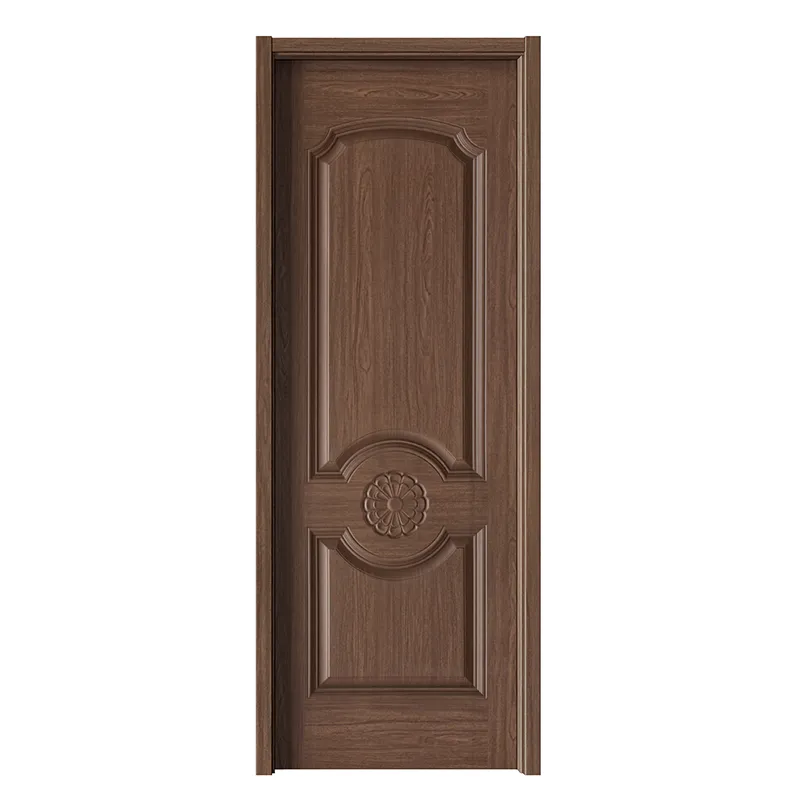 YST-212 Door North American Oak 2
 -
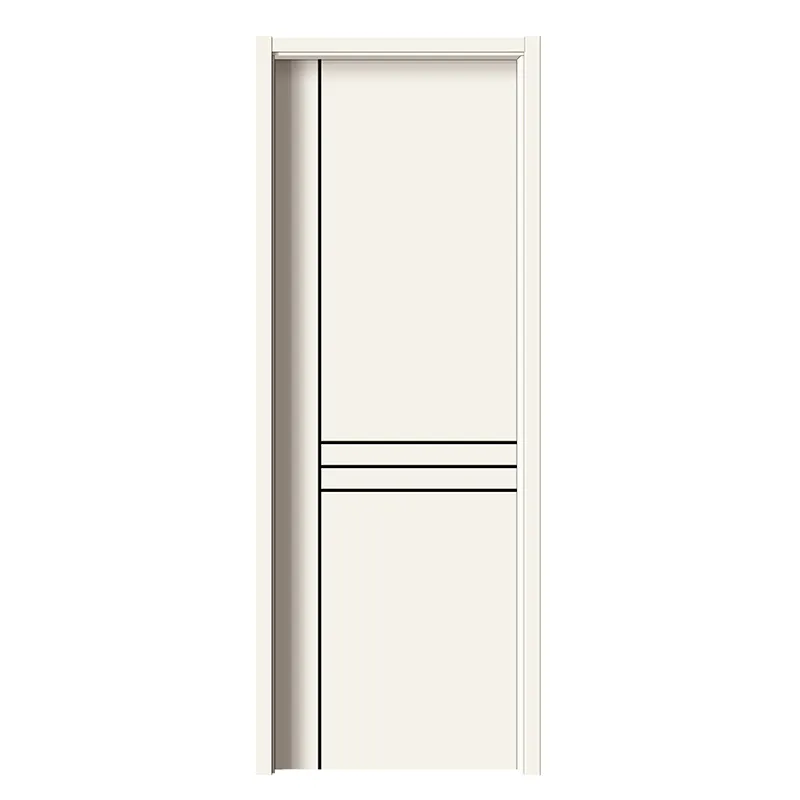 YST-220 Door Warm white
 -
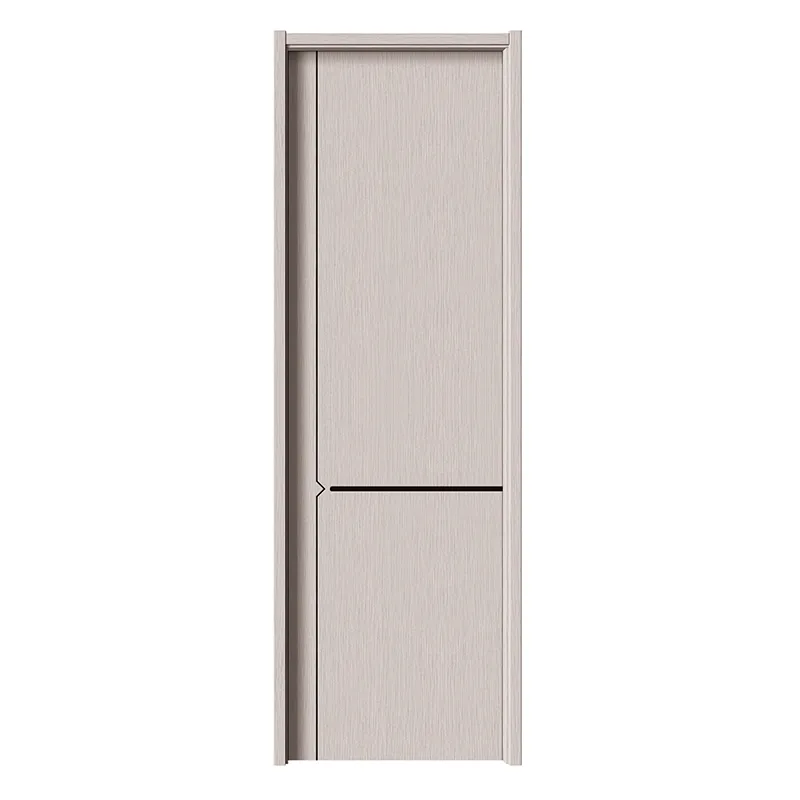 YST-1024 Door Chiaroscuro wood 1
 -
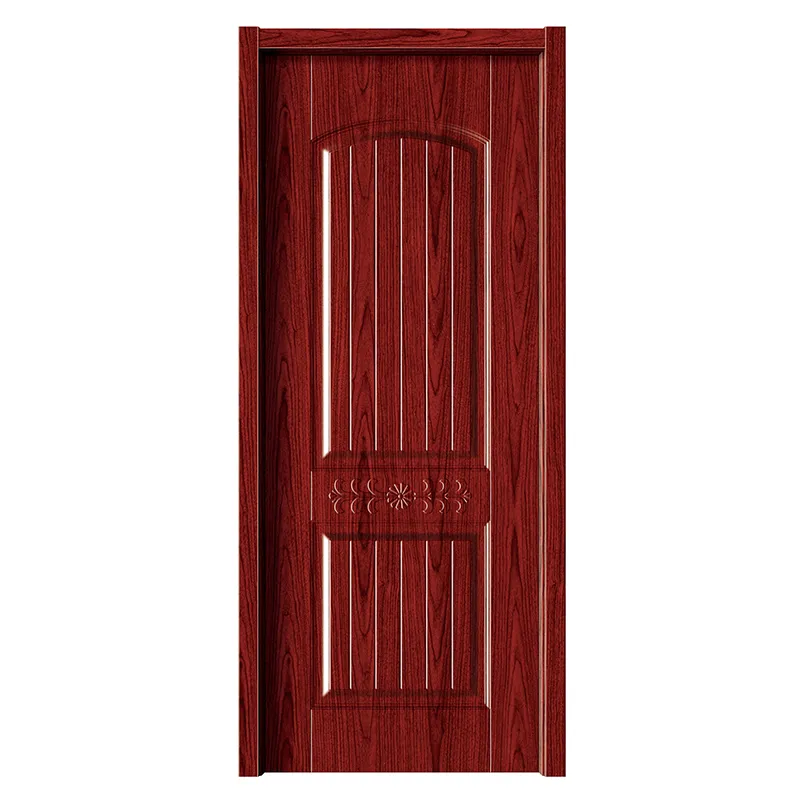 YST-233 Door Mahogany