




Wooden sanitary doors
When they talk aboutwooden sanitary doors, many immediately imagine something impractical that will swell from moisture in six months. And you know, ten years ago I might have agreed. Now the situation is different - processing technologies, coatings, and the design itself have changed. But the key point, which even some colleagues often miss, is not just a “bathroom door”, but a complex solution, where the material is only one of the variables. It is a mistake to think that it is enough to take any wooden door and hang it in a damp room. The result will be disastrous.
Where the main problem lies: not the tree, but the preparation
I’ll start with a trivial observation: most failures are not due to the fact that the door is wooden, but to how it is prepared for use in specific conditions. A bathroom is not just about high humidity. These are temperature changes, direct exposure to steam, condensation, and possible splashes. An ordinary furniture or interior door, even one made of good solid wood, will not survive here. A special design of the canvas and, critically, processing are required.
Previously, we tried to work with local workshops that took standard panel boards and simply covered them with parquet varnish in several layers. It looked solid, the clients were happy at the time of installation. And after a year and a half - calls: “the door won’t close?”, “the edges are sagging?”, “the varnish is bubbling in places?”. The reason is the lack of full factory impregnation and pressure drying, which protects the wood from the inside. The surface coating, no matter how thick, will sooner or later develop a microcrack, and moisture will get into the fibers. Further, the process is irreversible.
Now we primarily work with manufacturers who have an impregnation stage in their technological chain. This is when an antiseptic and a water repellent are driven deep into the pores of the wood under pressure. After this, a finishing coating is applied - often polyurethane or acrylic compounds, which are elastic and do not crack from minor deformations. By the way, one of the suppliers whose approach I like isAnhui Wantai Woodworking Co.,Ltd. On their websitehttps://www.anhuiwantai.ruIt is clear that the emphasis is on the combination of design and practical characteristics for the international market. They have their own production base, which allows them to control the process from raw materials to finish. This is important because for plumbing doors, control at all stages is not a wish, but a necessity.
Design features: clearances, ventilation and fittings
Let's say we have decided on the material and impregnation. The next layer of problems is the design. Solid solid wood is not the best choice. Even well processed, it has a lot of weight and, more importantly, works as a single element, highly susceptible to thermal expansion. More stable structures are those with panels, where there are expansion gaps, or the use of engineered wood - for example, spliced timber, which is less prone to warping.
The gap between the canvas and the box is a separate issue. In dry rooms it is made 3-4 mm. For a bathroom or toilet, I strongly recommend increasing it to 5-6 mm around the entire perimeter. Yes, this may disrupt the aesthetics a little, but this is insurance against swelling. A little more clearance is better than a door that jams at the most inopportune moment. And this gap must be uniform!
We must not forget about ventilation. If there is no hood in the bathroom or it is weak, even an ideal door will be exposed to extreme conditions. Sometimes it makes sense to provide a decorative grille at the bottom of the canvas or an increased gap above the floor for air circulation. This removes some of the load from the canvas, preventing stagnation of moist air.
Fittings - hinges and handles - must be made exclusively of stainless steel or with a high-quality anti-corrosion coating. Chromed steel - minimum. Cheap silumin or poorly coated steel will be covered with rust spots in a year, which will ruin the whole look. It is better to take detachable hinges with a bearing - this will facilitate possible dismantling, if necessary.
Case study: when theory met reality
We had a project - renovation of a fairly large country house. The customer wanted identical dark oak doors in all the bathrooms (and there were five of them). We found, as it seemed to us, the ideal solution: paneled oak panels with a multi-layer protective coating from a European brand. Installed. Eight months later, in one of the bathrooms combined with a steam room (guest floor), the door began to become “hard” close. It didn't jam, but some effort was required.
They began to figure it out. It turned out that the problem was not with the door itself. In this room there was a hidden leak in the cold water riser - microscopic, but constant. The increased humidity came not only from the steam, but also from this hidden dampness in the wall. The door next to it absorbed this moisture from the end, from the hinges. Conclusion: even the most securewooden sanitary dooris not a magic shield. She is part of the system. If there are hidden problems in the room (poor waterproofing, poor ventilation, leaks), they will appear sooner or later. Now we always emphasize this when discussing with the client.
By the way, after that incident we began to more often pay attention to the products of companies with a full cycle of control, such as the one mentionedAnhui Wantai Woodworking Co.,Ltd. Their approach, judging by the description of the principle “build a business on precision, win with quality?”, contains the same understanding of consistency. When standards are met at all stages, there is a risk of a ?surprise? due to a hidden brother in the material or impregnation - minimal.
Choice of coating: varnish, paint or oil?
This issue causes a lot of controversy. Classic - glossy or matte varnish. It provides a durable film, protects well from splashes, and is easy to clean. But there is a nuance: if the film is damaged (scratches, chips), water will quickly find a loophole. Matte varnishes are a little more forgiving in this regard; scratches on them are less noticeable.
Paint (coating enamel) is an excellent option, especially for modern interiors. It completely covers the wood grain, but creates a very uniform and dense barrier. The main thing is that the paint is suitable for wet rooms and flexible. Underneath it, I repeat, there should be a high-quality impregnation primer.
Recently, oil-wax for wet rooms has been gaining popularity. It does not create a film, but is absorbed, emphasizing the texture. Its advantage is local repairs. If it's scratched, you can rub the area with a fresh portion of oil, without leaving any traces. But care is required more often than varnish: renew every few years. For frequently used guest bathrooms, this may not be the most practical choice, but for a private bedroom, it is perfectly fine.
There is no universal answer here. The choice depends on the intensity of use, interior design and the client's willingness to care. I always show samples with different finishes and honestly talk about the pros and cons of each.
Bottom line: what to look for when ordering
Summarizing my experience, I created a checklist for myself and my colleagues. When choosingwooden sanitary doorsFirst of all, I ask the supplier not about the price and terms (that comes later), but about: 1) Technology of wood impregnation/drying. 2) Type of fabric construction (solid wood, panel, spliced timber). 3) Composition and type of finishing coating, its elasticity. 4) Recommended installation clearances. 5) Material of fittings.
If the supplier is like a companyAnhui Wantai Woodworking Co.,Ltd, speaks openly about modern production, process control and international standards - this is a good sign. This means they understand the demands of the market, where aesthetics must go hand in hand with functionality.
A wooden door to a bathroom is not an anachronism. This is a completely workable solution if you approach it without illusions, with an understanding of the technology and taking into account all the conditions of a particular object. It gives warmth, comfort and natural aesthetics that are difficult to achieve with plastic or glass. The main thing is not to skimp on preparation and installation. The stingy one, as you know, pays twice, and in our case, he also waits for craftsmen to reinstall or, worse, repair the entire slope opening.
Correspondingproducts
Related Products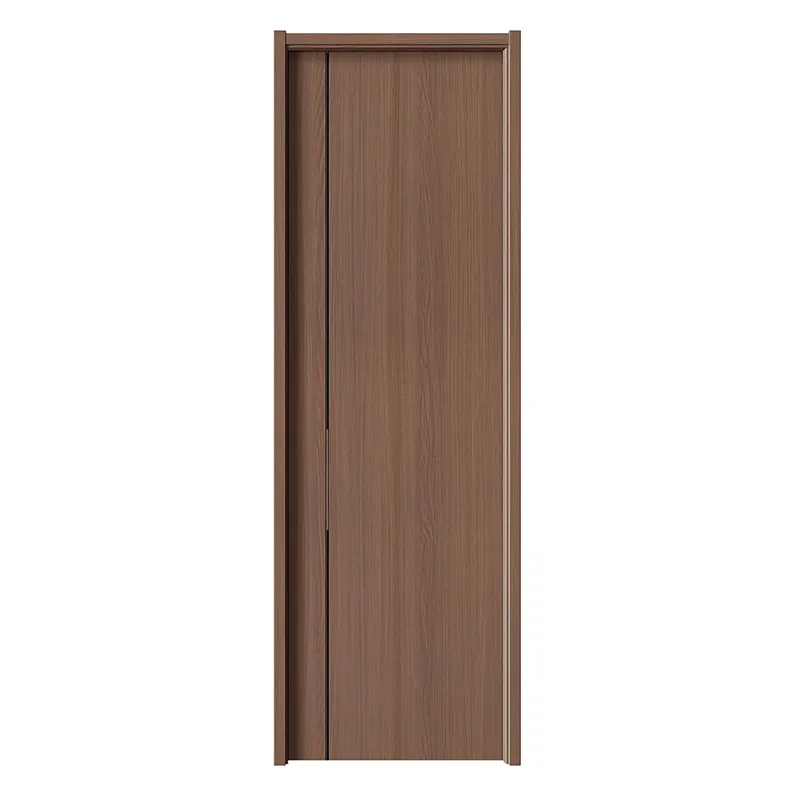
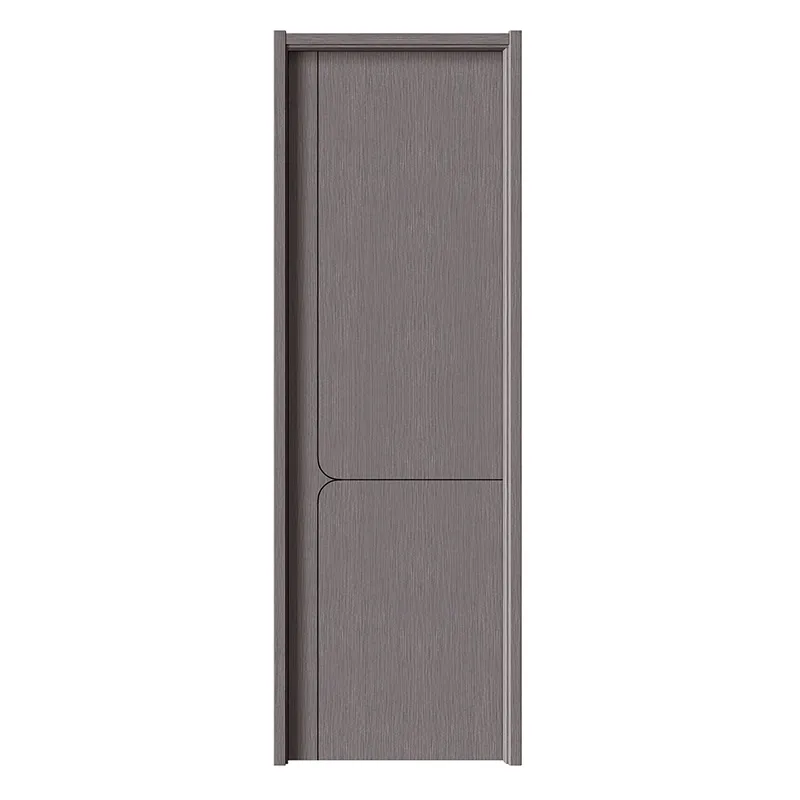
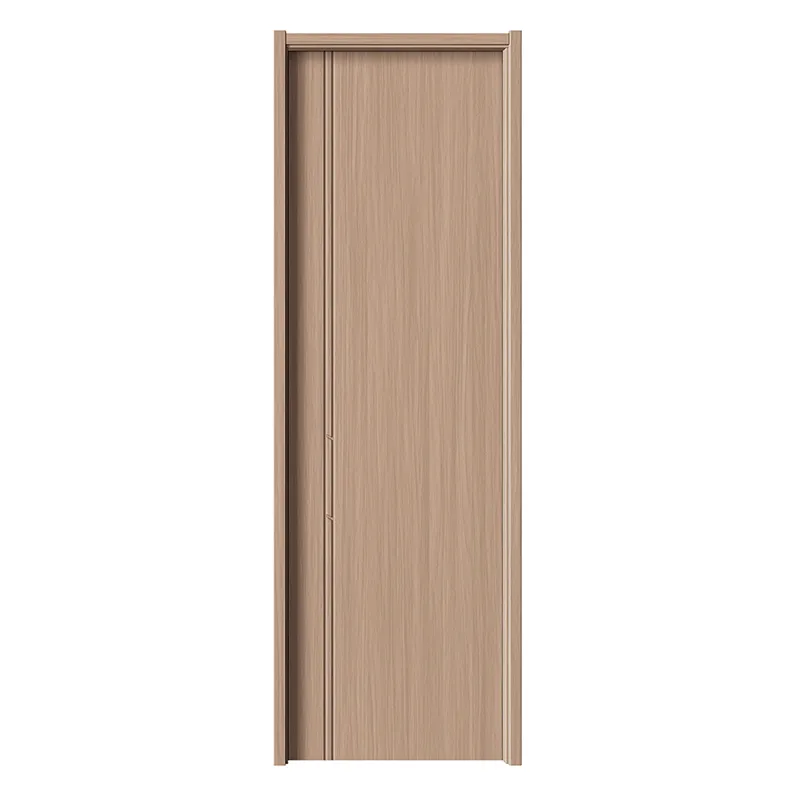
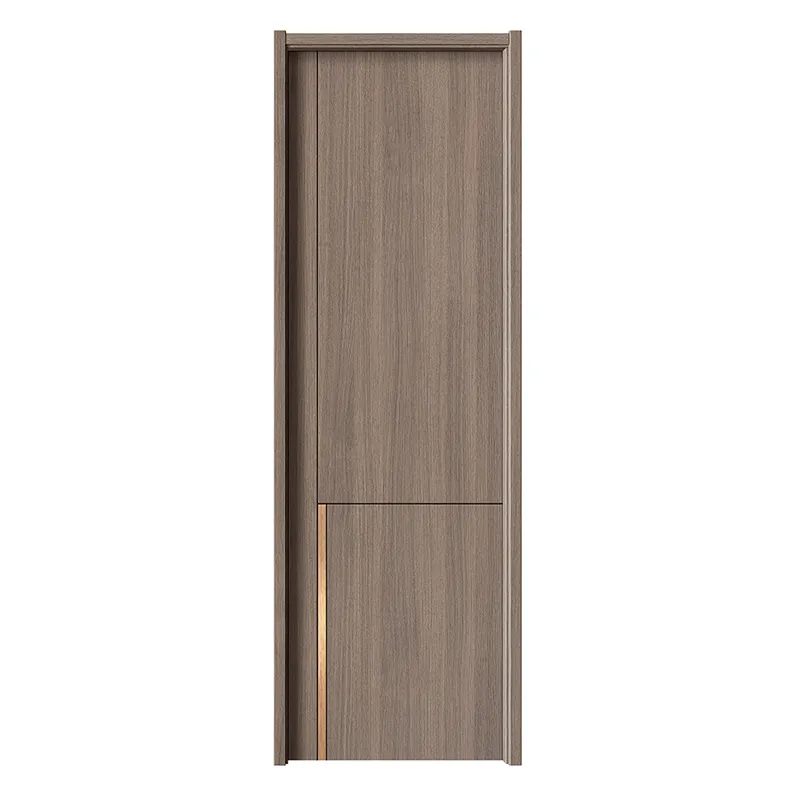

Best Sellingproducts
Best Selling Products-
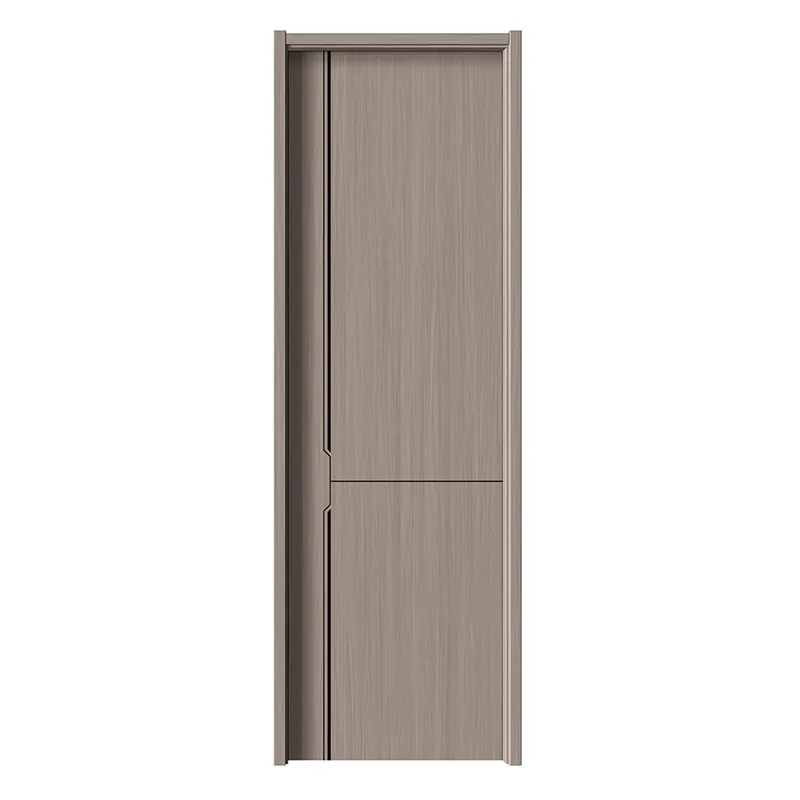 YST-1011 Door Translucent light shadow 3
 -
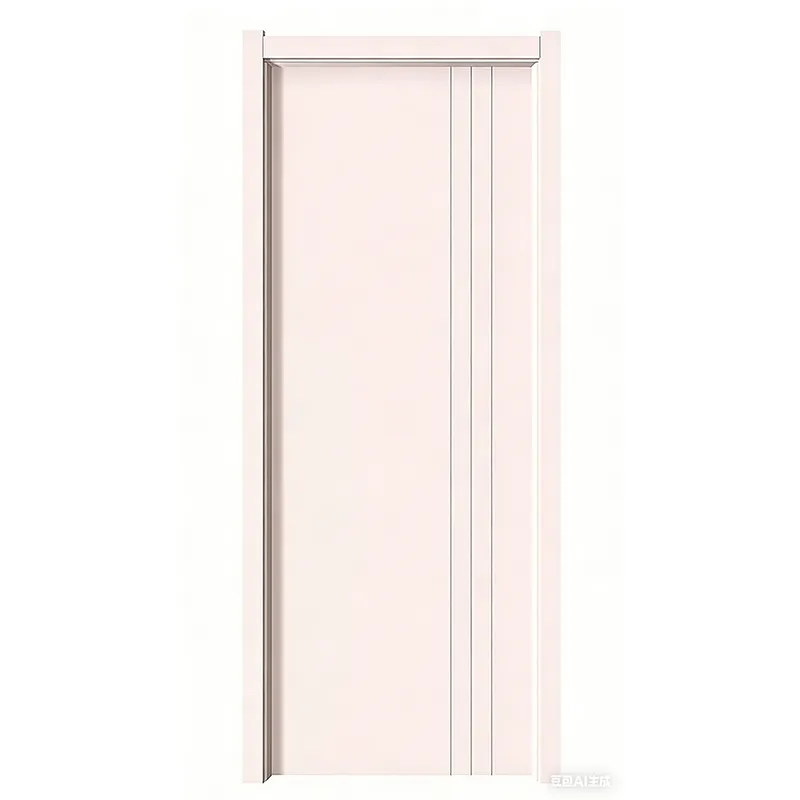 YST-WPC4 Door
 -
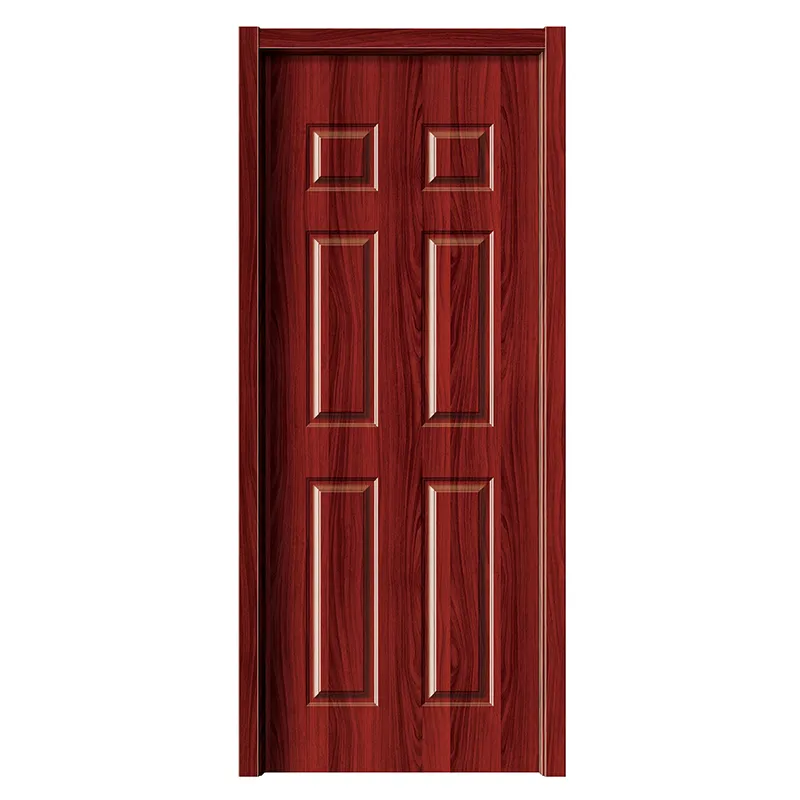 YST-201 Door Red team
 -
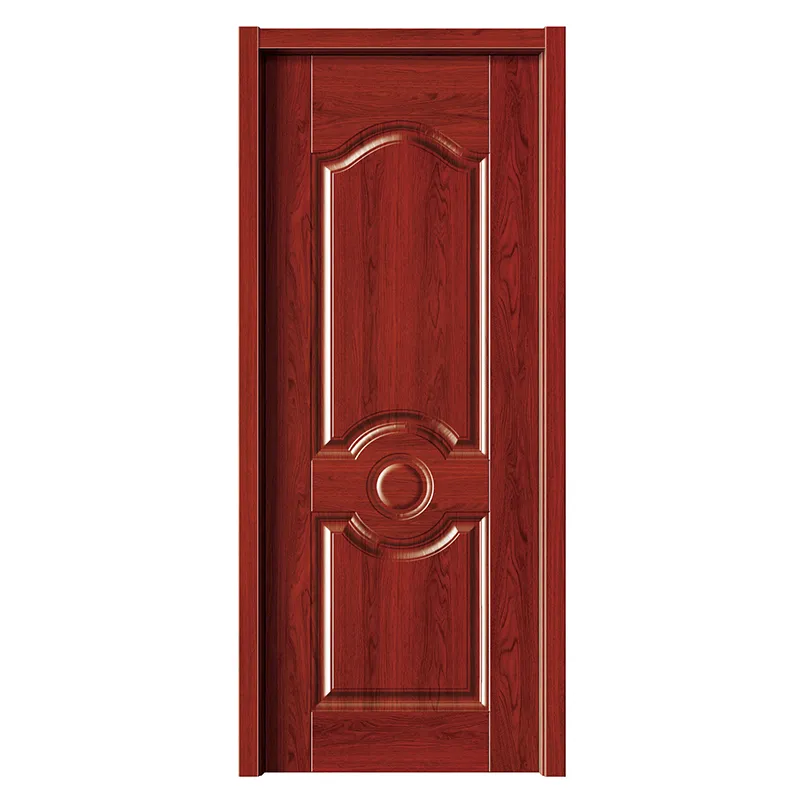 YST-208 Door Red Sandalwood
 -
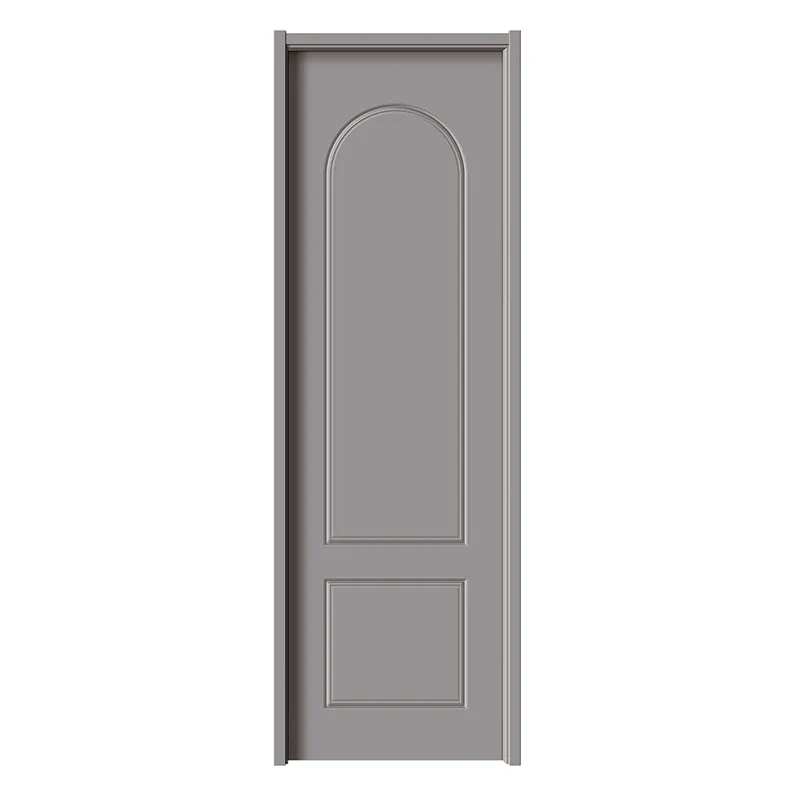 YST-241 French Door 1 soft stone gray
 -
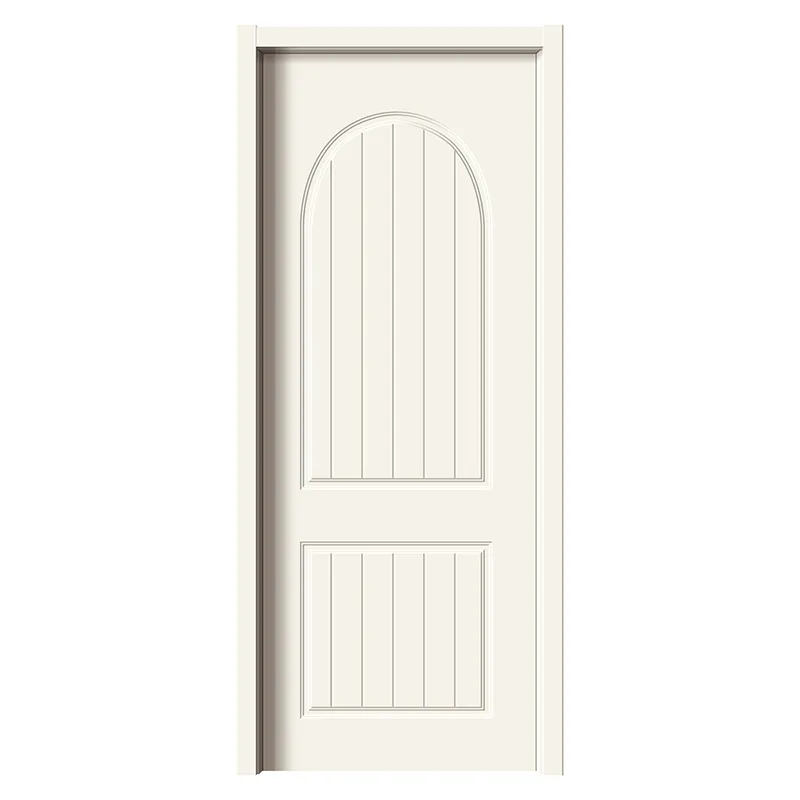 YST-236 Door White ivory
 -
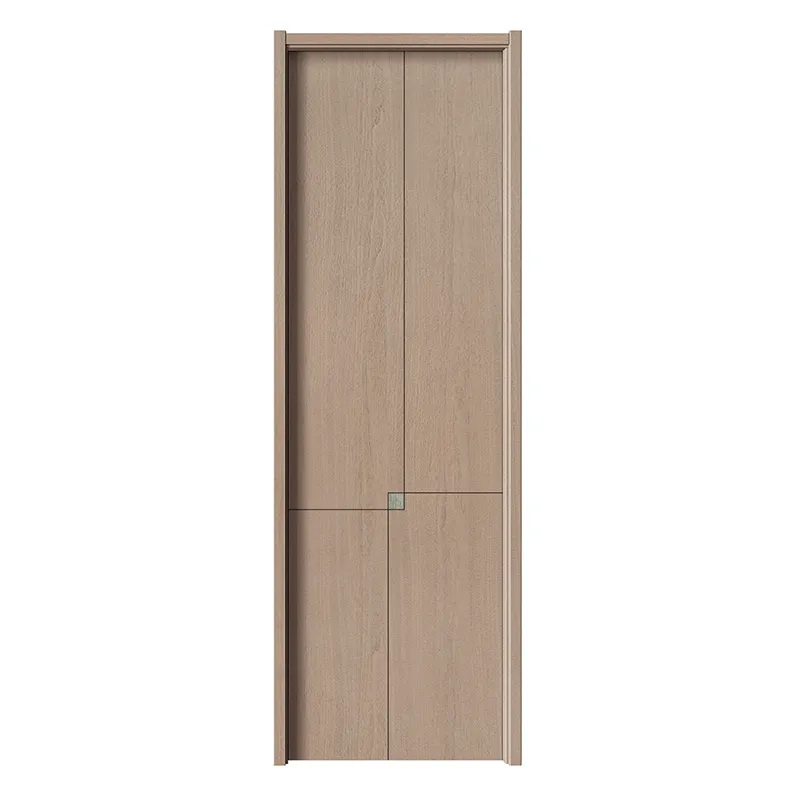 YST-1008 Door Natural walnut 2
 -
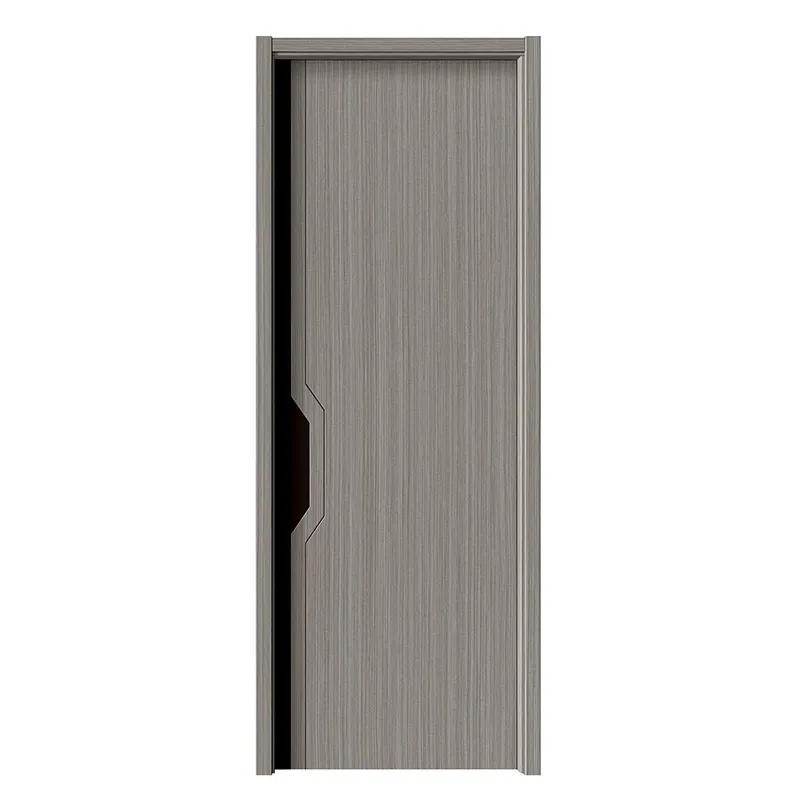 YST-1007 Technotree Door 2
 -
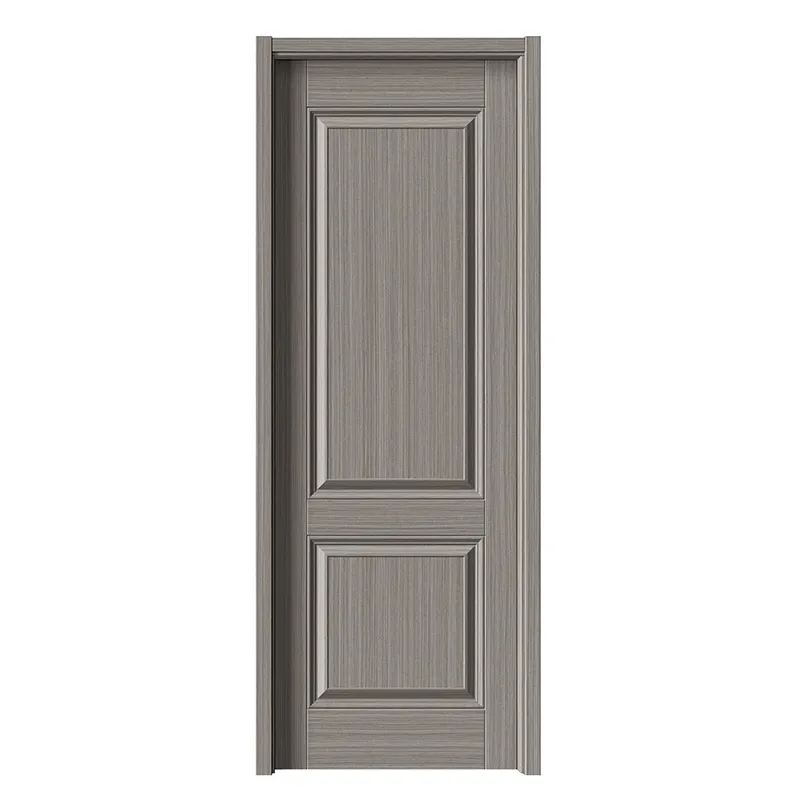 YST-214 Door Technowood 2
 -
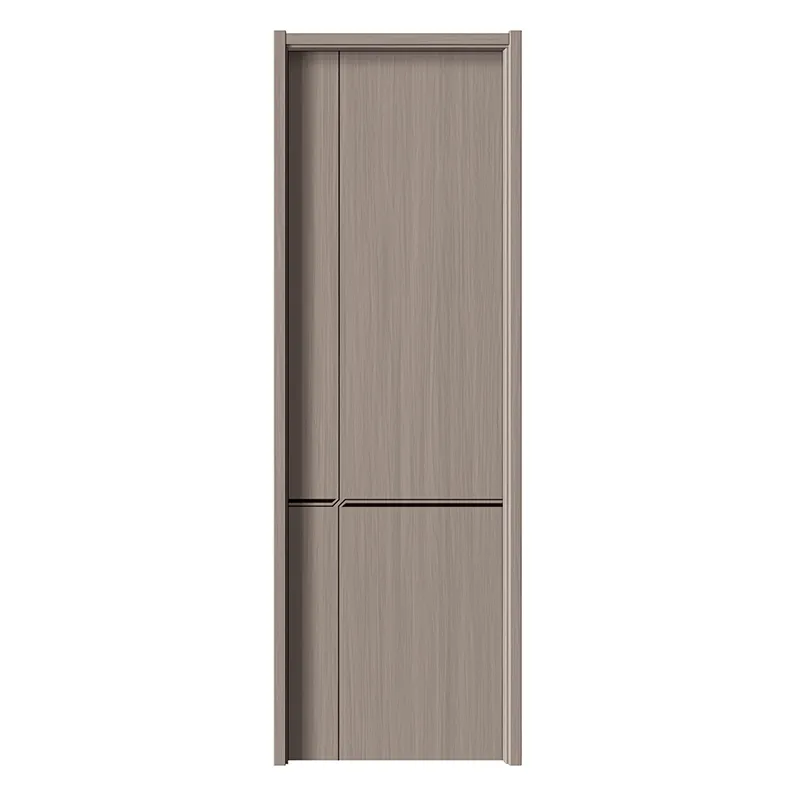 YST-1010 Door Translucent light shadow 3
 -
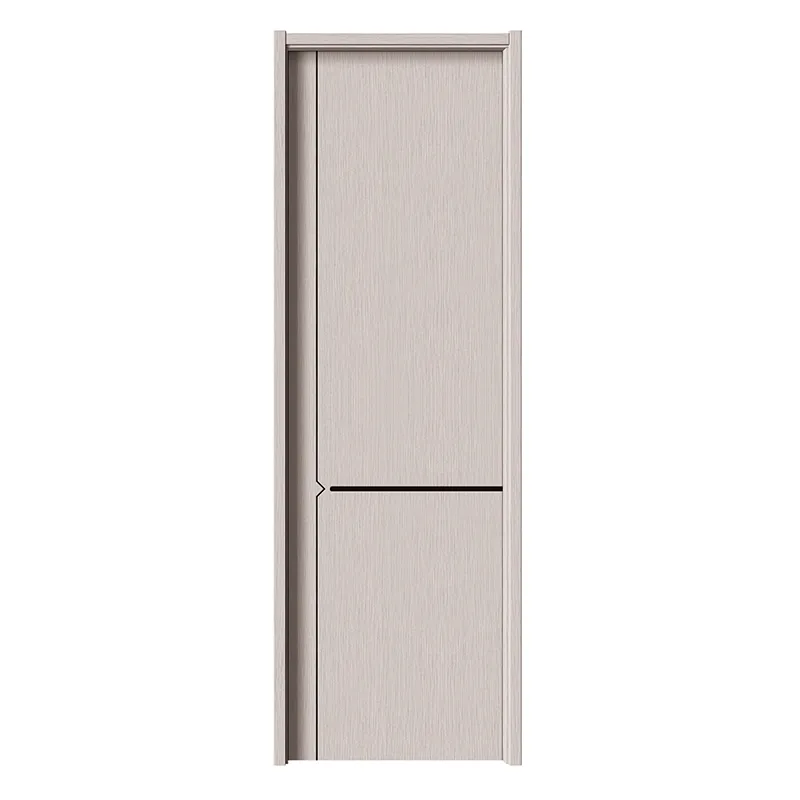 YST-1024 Door Chiaroscuro wood 1
 -
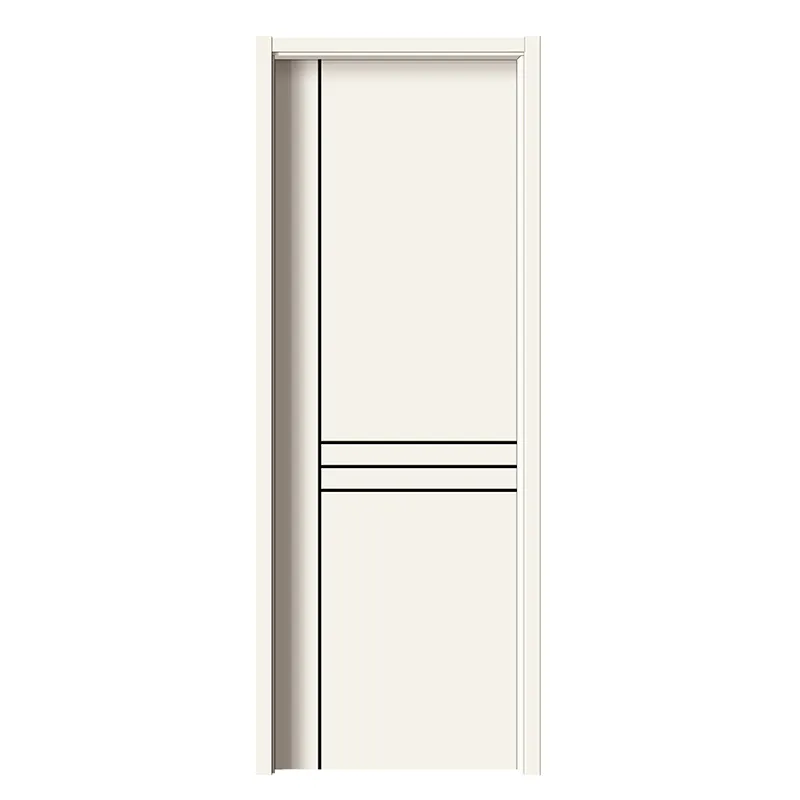 YST-220 Door Warm white