



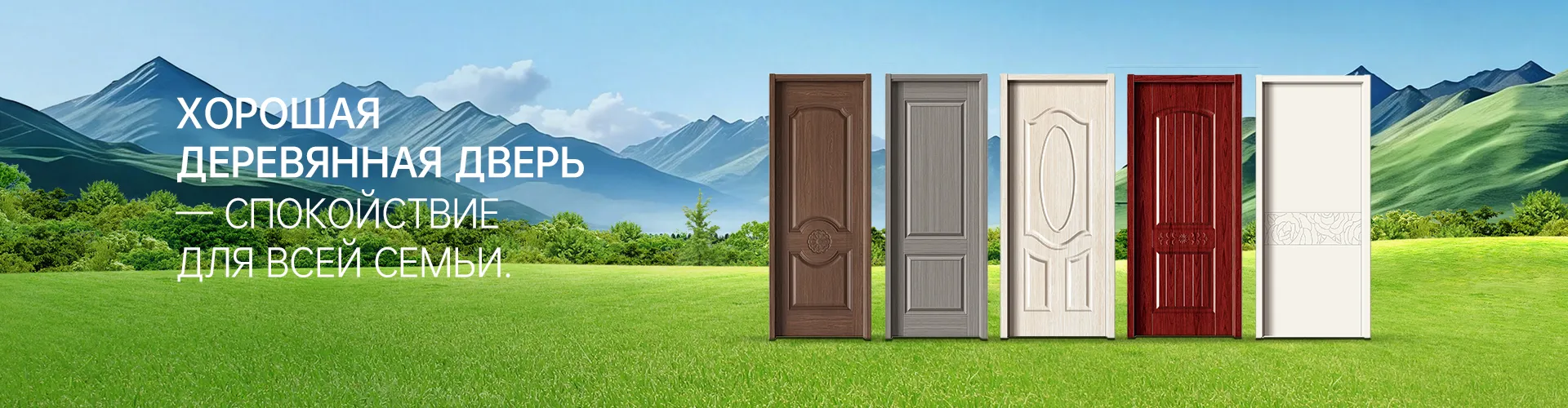
Wooden veneer doors
To be honest, when you hear “wooden veneer doors?”, the first thing that comes to mind is some kind of compromise between solid wood and MDF. But in practice, especially when working with international supplies, everything turns out to be much more subtle. Many, especially customers from the residential sector, are still confident that veneer is “almost like solid wood, but cheaper?”, and they base their expectations on this. And then - disappointment: either the color “floats”, or the geometry fails. I went through this myself when I first started working with complex projects. Now, looking at the products that come from, for example,Anhui Wantai Woodworking Co.,Ltd(their website isanhuiwantai.ru), you understand where illusions end and real engineering begins. The company, by the way, positions itself precisely as a supplier for the international market, relying on a combination of design and practicality. And these are not just words in the description - the same “precision” that they write about is visible in their approach.
Veneer is not just a “top layer”. About structure and misconceptions
Look here. The main mistake is to assume that the quality of a veneered door is determined only by the beauty of the veneer itself. In fact, 70 percent of success is the base, the very slab or frame on which this veneer is glued. If the basis "plays" Due to humidity or poor pressing, even the most expensive walnut or oak veneer will not save you - waves and swelling will appear. We had a project in the Moscow region, a country house, where the customer insisted on thin Italian veneer, but saved on the base. Six months later - a call: “the door is warped?”. I had to disassemble it, and it turned out that the MDF base was low density, from an unknown manufacturer. Since then, I always look first at foundation certificates.
By the way, about density. For residential premises with a relatively stable climate, everything goes well, but for commercial spaces - offices, hotels - this already requires calculation. There are temperature changes, air conditioning, frequent opening and closing. The base must be stable, often multi-layer engineered wood or high-density MDF.Anhui Wantai Woodworking Co.,LtdIn its work, it focuses on process control from raw materials to the finish, and this is exactly the case when such a philosophy is justified. You can't take a bad slab and make a good door on it - it won't work.
And one more thing - the veneer itself. Sometimes sawn, sometimes planed. Sawn - thicker, more expensive, more often used as an exclusive product. Planed is what we most often see in the mass segment. But here there is a nuance: the direction of the cut, the selection of sheets according to texture and color. This is already a job for an experienced technologist who sits in production and literally assembles the “canvas?” for each sash. If this is not the case, you end up with a door with stains and sharp transitions - it looks cheap, even if the materials are expensive.
Glue and pressing: where do people most often stumble? manufacturers
Gluing technology is, one might say, the heart of the process. You can have perfect veneer and an excellent base, but if the glue is chosen incorrectly or the press is not pressed, everything is in vain. I used to think that the main thing was to avoid bubbles. It turned out that this was just one of the problems. It's worse when the glue shrinks over time. unevenly or loses elasticity. In the conditions of the Russian winter, with its dryness from radiators and summer humidity, this is critical. The glue must be specifically made for wood, with a certain coefficient of elasticity after polymerization.
At one of the production facilities with which we collaborated five years ago, we tried to save money on the adhesive system. We took something cheaper, “similar?”. The party went to a new residential complex. A year later, complaints began to arrive: small cracks and peeling appeared on parts of the doors along the edges. I had to conduct an examination. It turned out that the glue could not withstand the cyclic bending loads created by the massive sash. The lesson is expensive, but useful. Now I always wonder what kind of compounds are used and whether the manufacturer has test reports for the durability of the adhesive.
Pressing is not just “press and hold”. Temperature, pressure, and holding time are important. And here you can see the difference between a handicraft workshop and a serious factory. On the sameanhuiwantai.ruthe description mentions a modern production base. In practice, this usually means calibrated hydraulic presses with precise control of parameters, rather than hand-operated homemade presses. The difference in the result is like between a finished pie from the oven and a semi-finished product.
What about finishing? Varnish vs oil
After the door is glued, the question of finishing arises. Varnish or oil? The debate is endless. From a practical point of view: varnish gives a more durable and glossy film, better protects against scratches and moisture. But there is a minus - if damage does occur, it is difficult to repair locally; you will have to sand and repaint the entire surface. Oil (or wax) is easier to repair, gives a matte, pleasant-to-touch surface, but requires more frequent updating - once every few years in active zones.
For commercial properties where traffic is high, varnish is often chosen, with an ultraviolet filter so that the color of the veneer does not yellow over time. In residential interiors, especially in Scandinavian or eco-style, matte oil is now often requested - it emphasizes the texture and looks more natural. But here it is important to warn the client about leaving. There was a case when they installed oil-coated doors in the kitchen of a studio apartment. The client did not know that it was necessary to protect it from greasy splashes - difficult to remove stains appeared.
And one more technical point: before applying any coating, the veneer must be primed. The primer evens out the absorbency, prevents stains and allows the varnish to lay down in an even layer. If you skip this step, the finish will be “striped,” especially on porous veneer, such as oak.
Geometry and fittings: without which a door is not a door
The most beautiful veneered door will turn into a headache if it is hung crookedly or if it touches the frame. Geometric stability is again a credit to the base and build quality. The frame must be rigid, all connections must be micro-spike or at least high-quality glue and pins. They often save on internal stiffeners, especially in high doors (from 2100 mm and above). The result is sagging of the loop edge over time.
Fittings are a separate issue. Loops must be designed for the weight of a particular fabric. For a heavy veneered door with a massive base, reinforced hinges are needed, at least three per leaf, and not two, as is often installed out of habit. Otherwise, over time, the upper hinge will break and the door will sag. Locks and handles - it is better to take them with metal applied plates, and not just screw them into the end. The load on the mechanism during daily use is enormous; the attachment points must be reinforced.
In the context of international deliveries, such asAnhui Wantai Woodworking Co.,Ltd, there is another aspect - climate adaptation. A door assembled in one climate zone may slightly change its geometry when delivered to another. A good manufacturer takes this into account by pre-conditioning the wood and base for average conditions or giving clear recommendations for acclimatization on site before installation. In their description there is a phrase about compliance with international standards - I think it’s just about such details.
Market and choice: what should the customer look at?
When people now come to me for advice on choosing veneer doors, I always say: don’t just look at the catalog and the picture. Request a cross-section or cross-sectional sample from the supplier to see the design. Pay attention to the end: how the edges are processed, how the veneer is glued to the ends (this is a weak point for many). Ask about the warranty specifically for delamination and geometry.
For large projects, especially commercial ones, it makes sense to request a production visit or at least a video report on key stages. If the manufacturer, howAnhui Wantai, openly talks about the modern base and development team, he usually doesn't mind showing the process. This gives much more confidence than any paper certificates.
And lastly: do not chase exotic veneer if your budget is limited. Often a beautiful, stable door made from good oak or ash veneer on a quality base will last for decades, while a door with sparse veneer but weak construction will cause problems. The essencewooden veneer doors- in balance. A balance between the beauty of natural materials and rational, thoughtful engineering. When this is combined, as in the approach of companies focused on precision and international standards, the result is a product that actually works in real life, not just in a portfolio.
Correspondingproducts
Related Products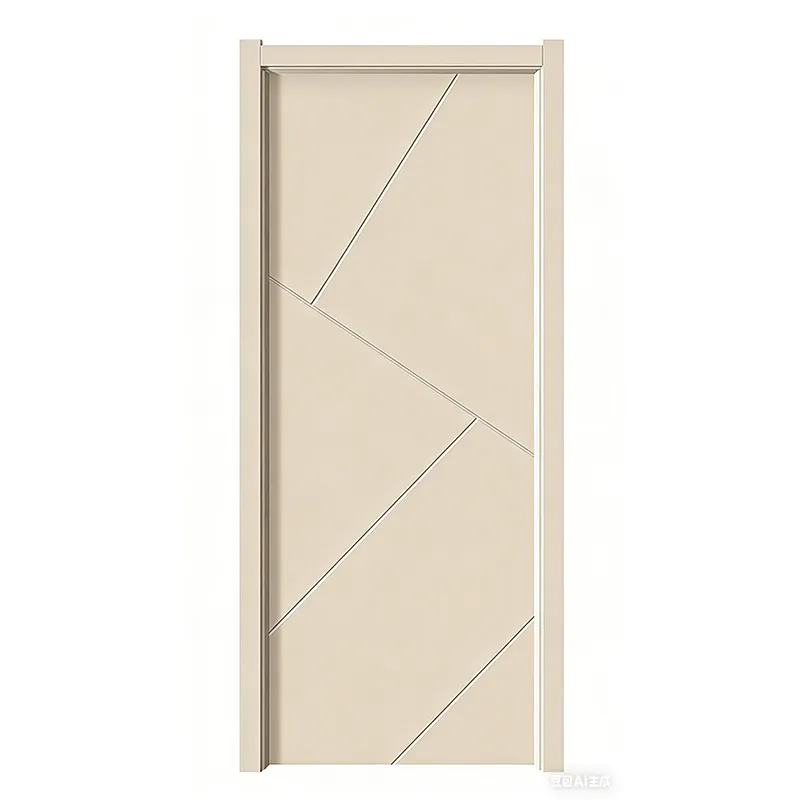
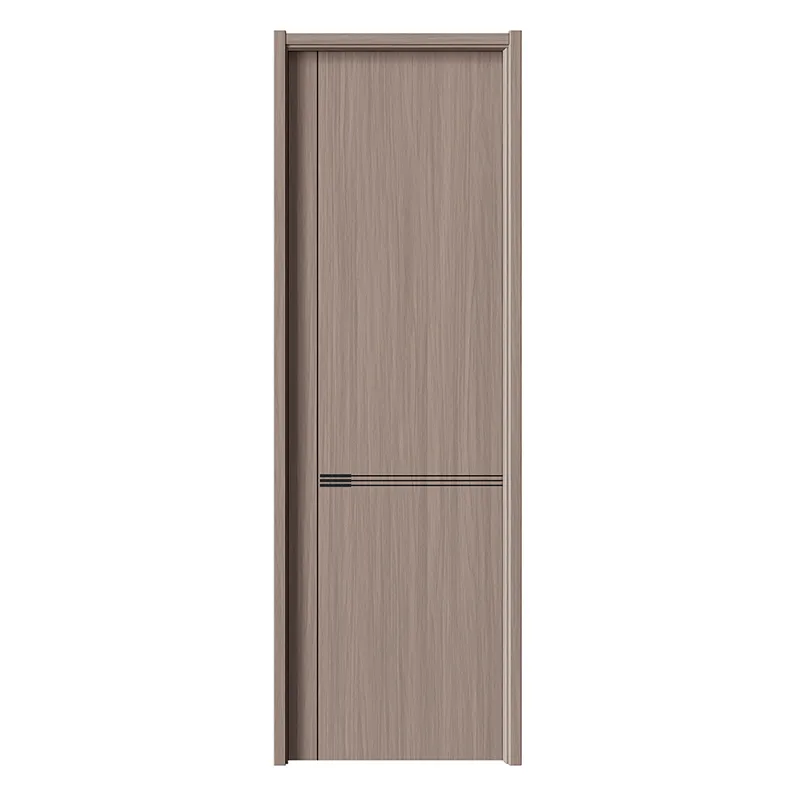
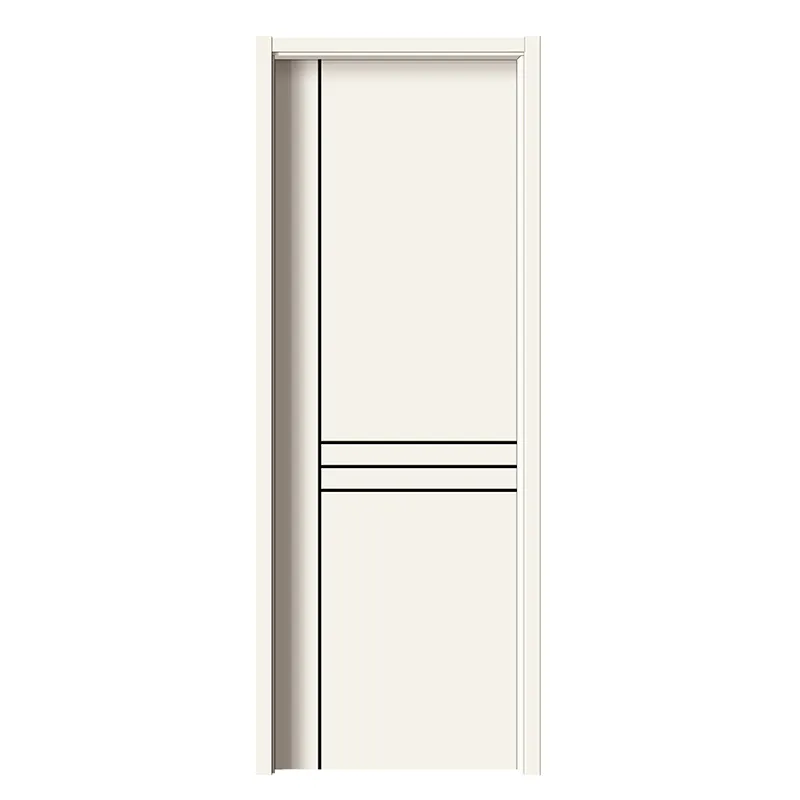
Best Sellingproducts
Best Selling Products-
 YST-1013 Door Cloud Walnut 1
 -
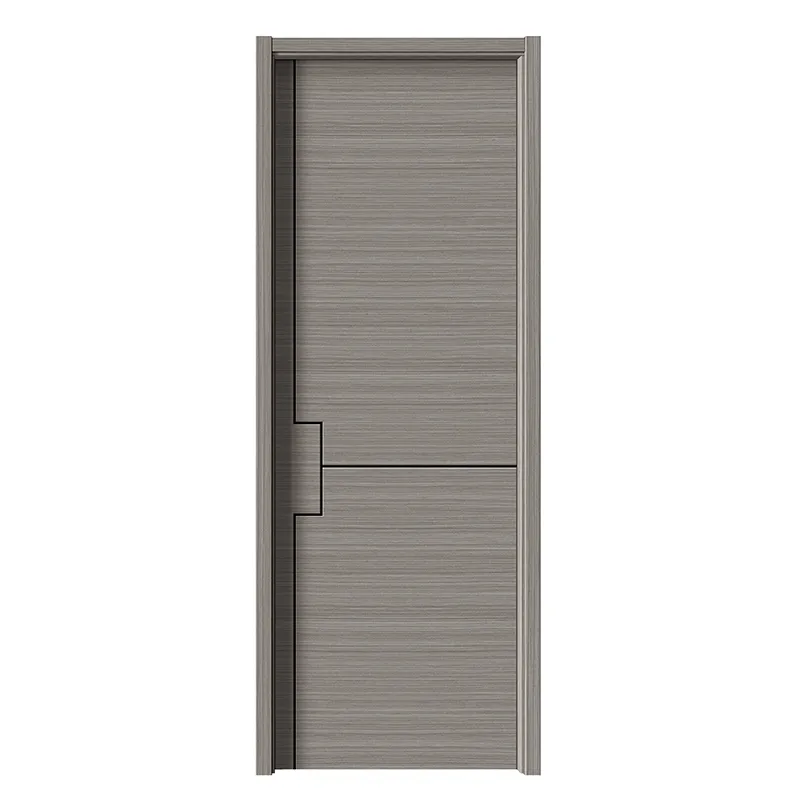 YST-1005 Technotree Door 2
 -
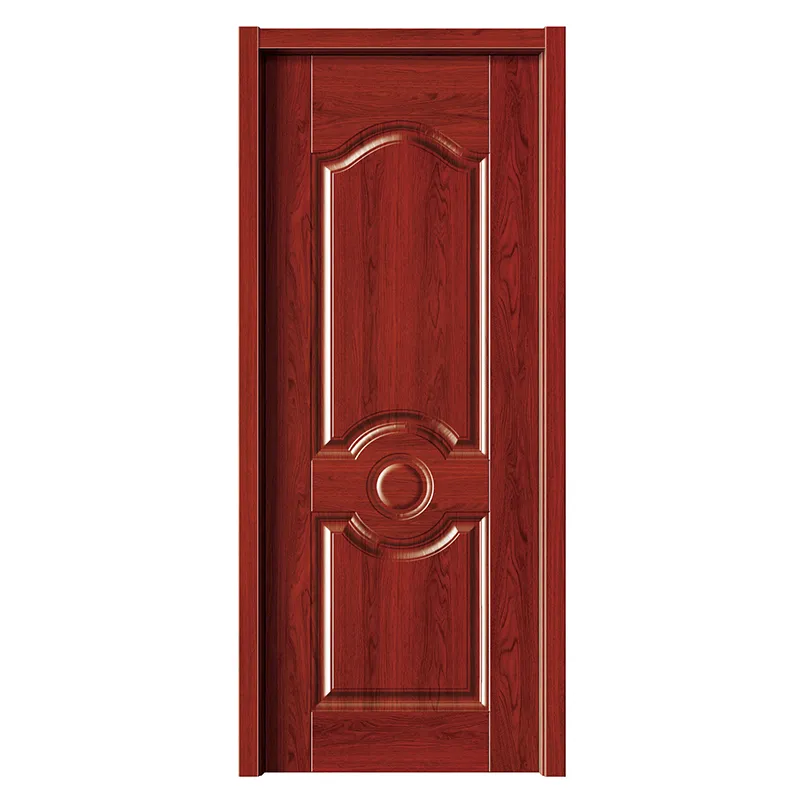 YST-208 Door Red Sandalwood
 -
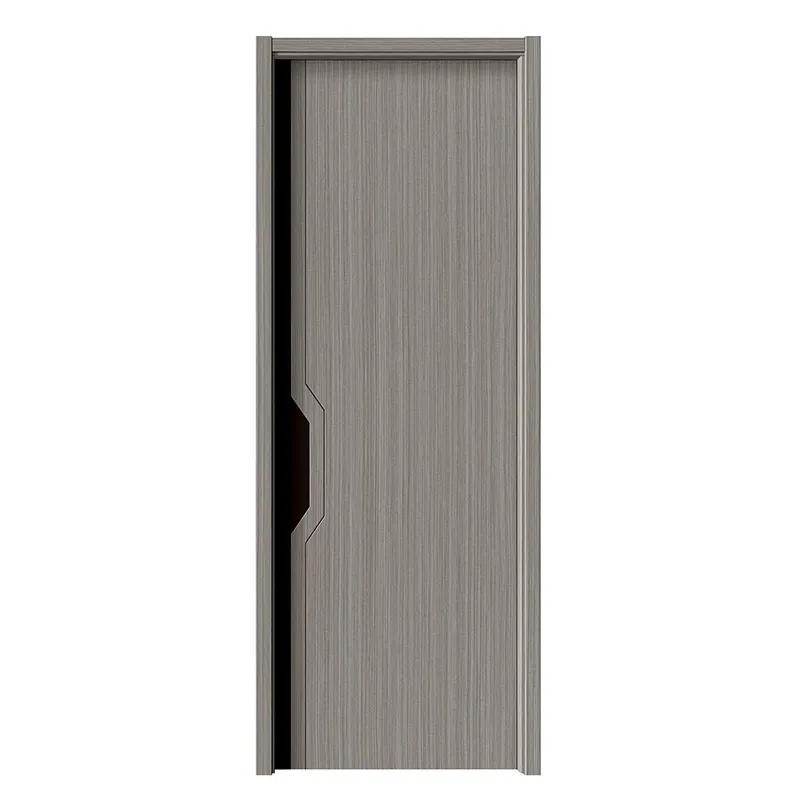 YST-1007 Technotree Door 2
 -
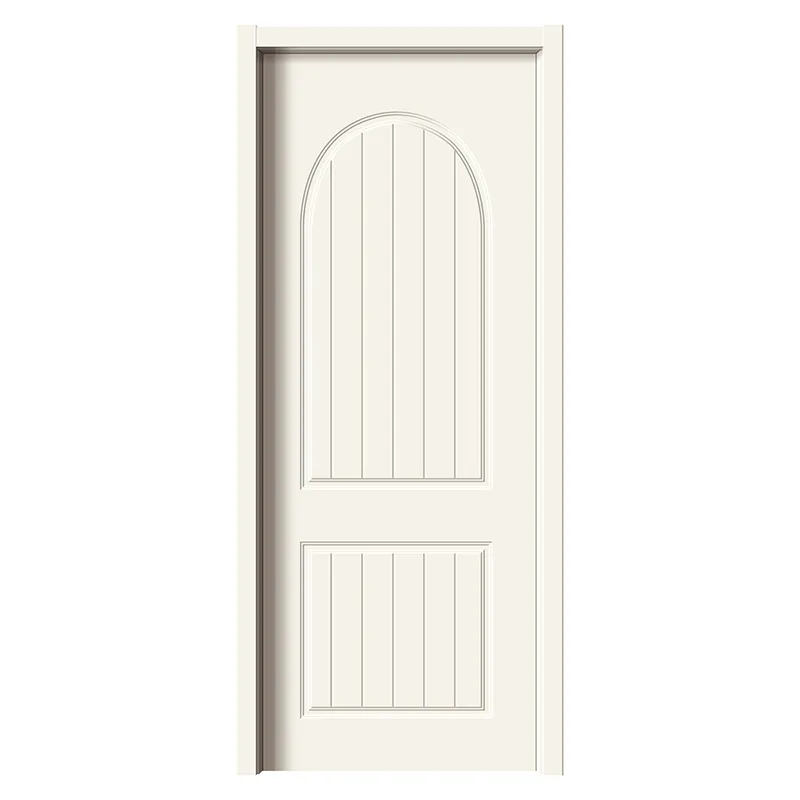 YST-236 Door White ivory
 -
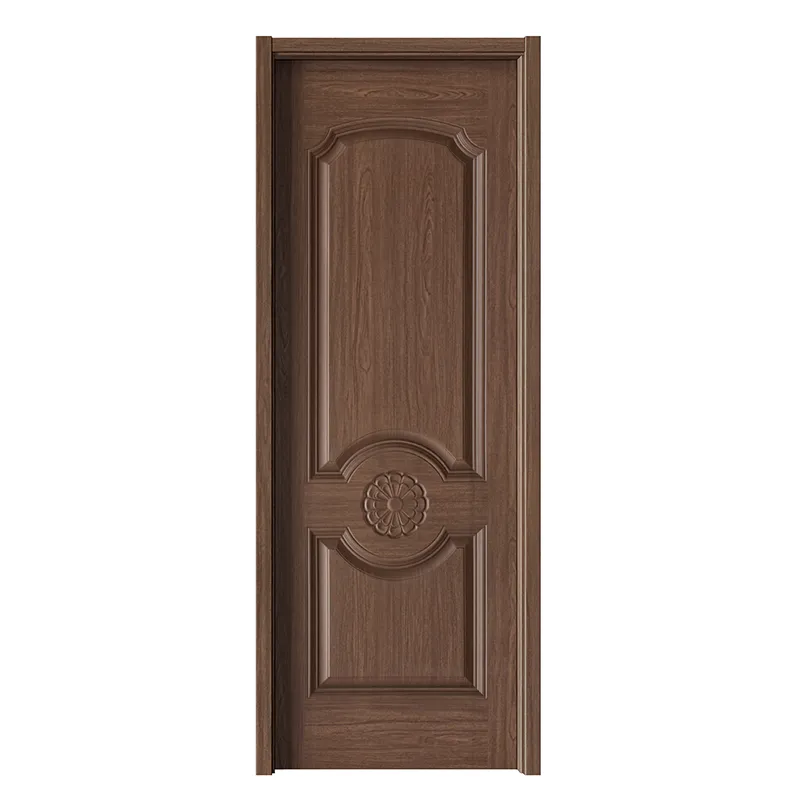 YST-212 Door North American Oak 2
 -
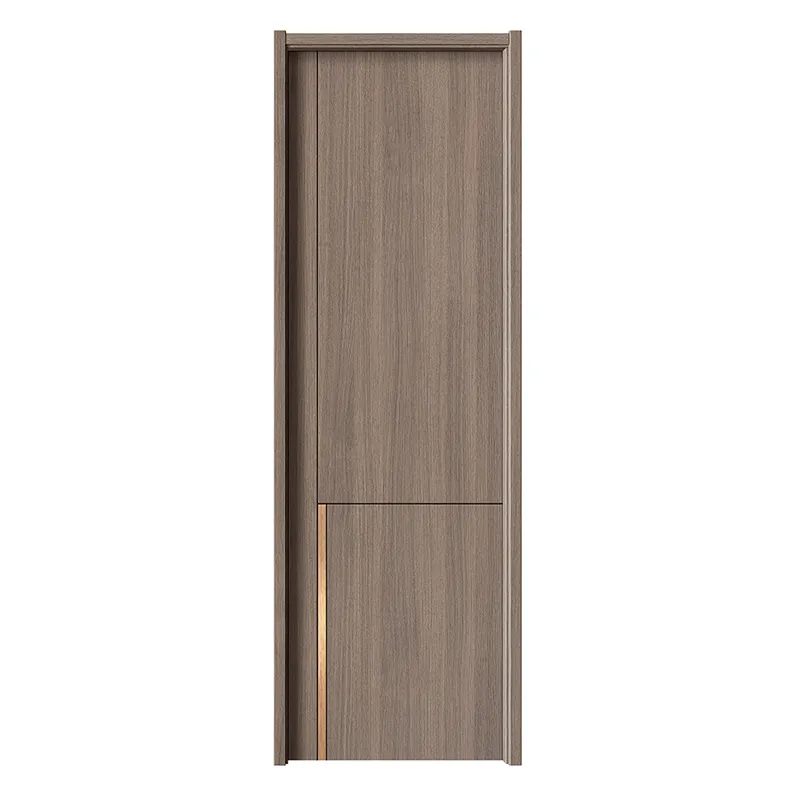 YST-1003 Door Oak gray
 -
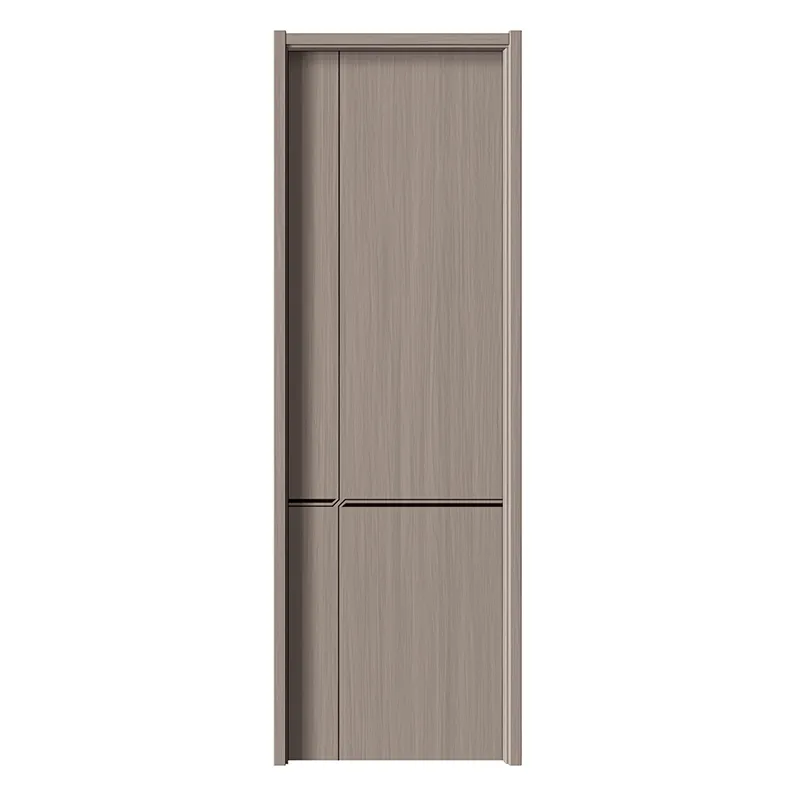 YST-1010 Door Translucent light shadow 3
 -
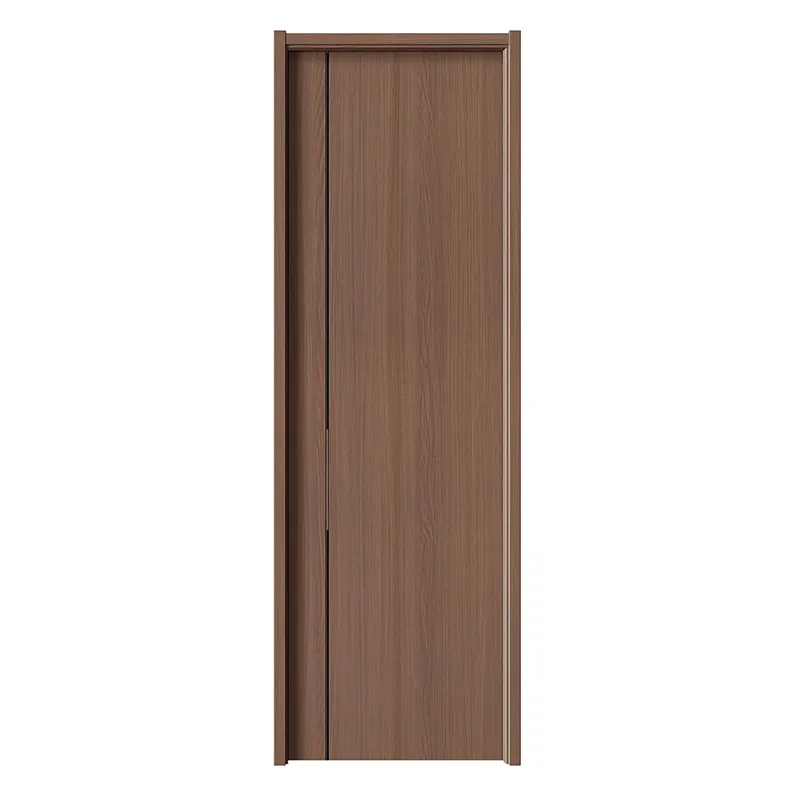 YST-1043 Door Techno-walnut 3
 -
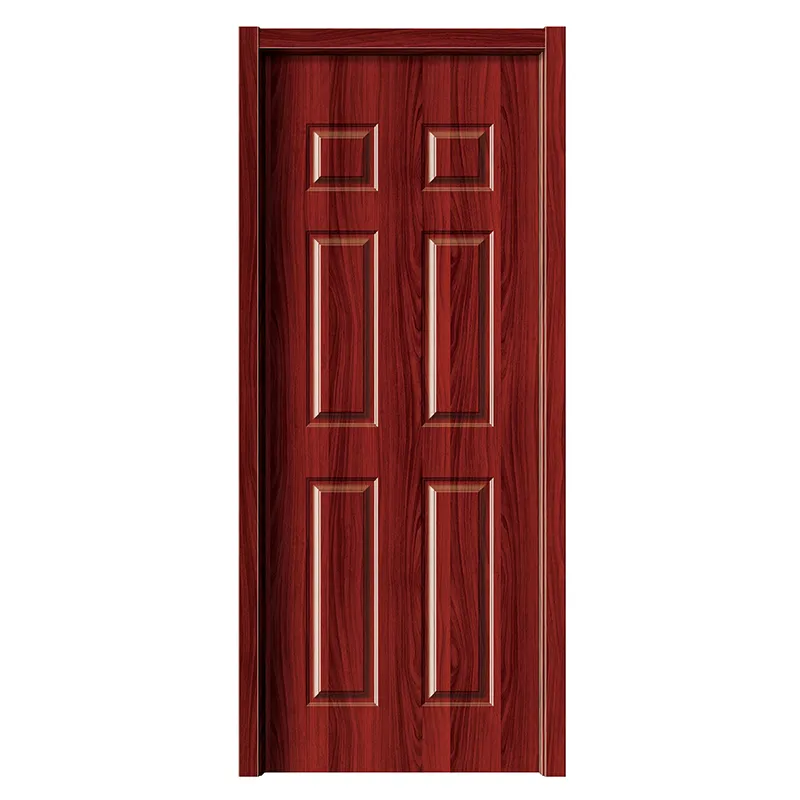 YST-201 Door Red team
 -
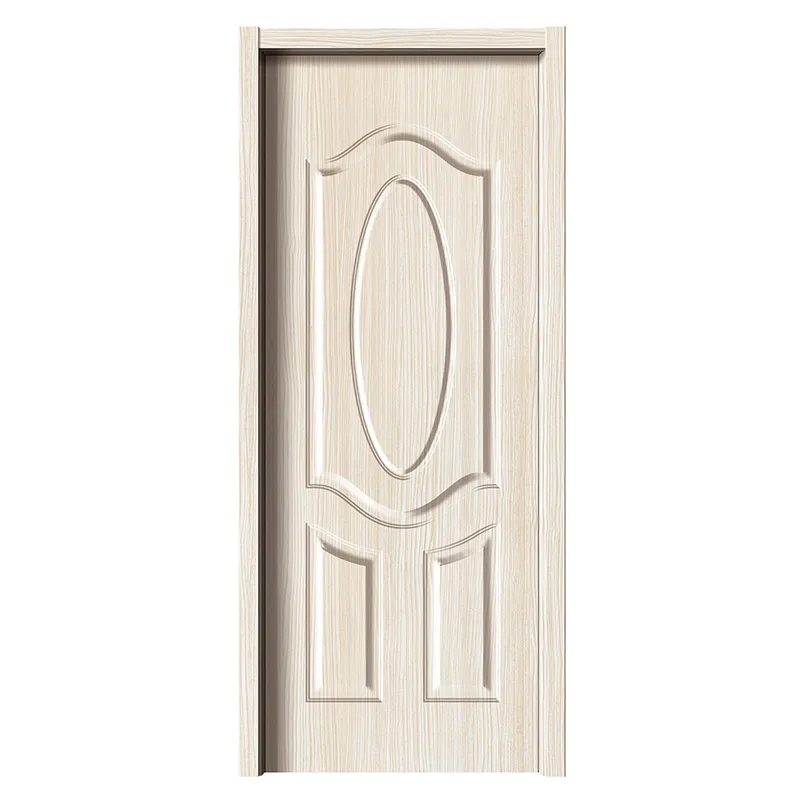 YST-216 Door White Maple
 -
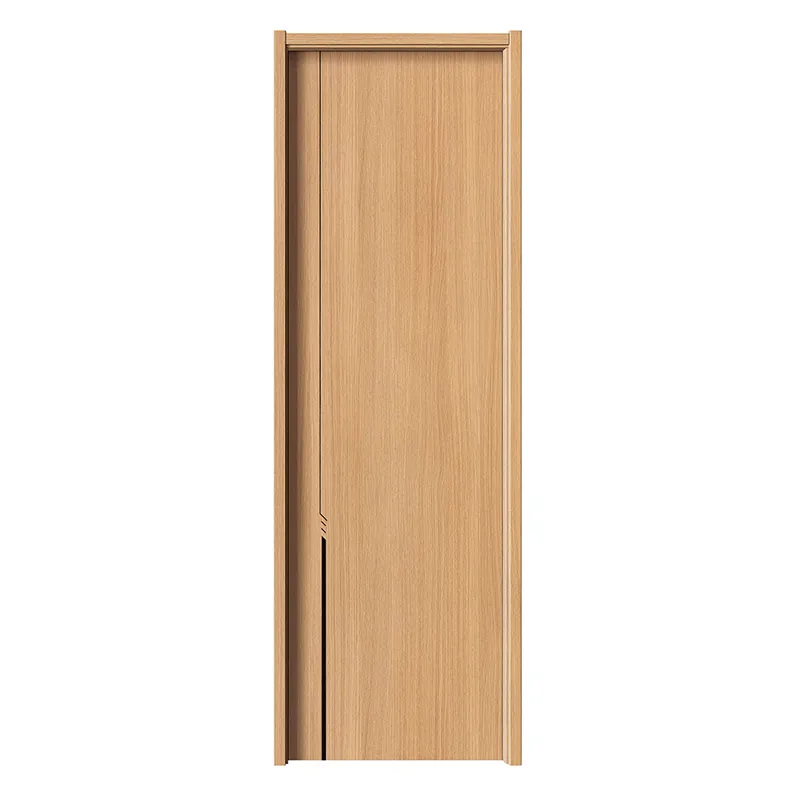 YST-1041 Door Oak Shutter