



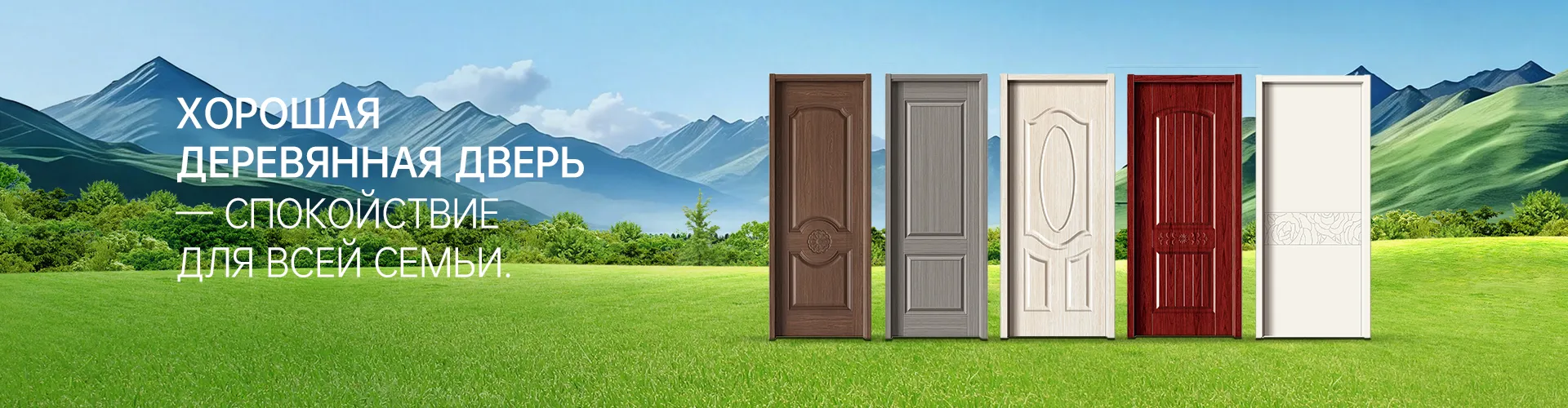
Carbon door
When you hear “carbon door?”, the first thing that comes to mind is something super-light, sporty, like parts for racing cars. And this is where the main misconception begins. In our business, in the production of doors, carbon is not about weight, but about the structure and behavior of the material. Many customers, especially those who have heard about carbon in other industries, are waiting for the miracle of lightness. But in reality, a carbon fiber composite for a door leaf is primarily a matter of rigidity and stability. Fiberglass, carbon for example - they are not a panacea for all problems, but a tool. They need to be able to use it. For example, for a long time I thought that the main feature was the appearance, this “carbon fiber” texture. Until I encountered real objects where a door with carbon reinforcement was placed in an opening with a strong difference in humidity. That's when the fun begins.
From raw materials to defects: where the pitfalls lie
It all starts with the matrix and the fiber itself. You can buy cheap prepreg, make a beautiful surface, and at first glance the door will look great. But if you don’t maintain the temperature regime of polymerization, and don’t calculate the layers correctly, you will get not a monolith, but a layer cake, which will begin to “play” over time. In our production, at the baseAnhui Wantai Woodworking Co.,Ltd, there was a case with a trial batch. We decided to experiment with a hybrid design: carbon lamellas inside an aluminum honeycomb core. The idea was to achieve maximum torsion resistance for tall, panoramic versions. In theory - great. In practice, when milling the edges for the hinges, the carbon began to delaminate. It turned out that the binder was not quite suitable for adhesion with the adhesive for the aluminum filler. I had to roll back and change the resin supplier. Such things are not written in catalogs; this is purely practical experience, which is worth a lot.
That's why on our websiteanhuiwantai.ruWe focus not on the buzzword “carbon”, but on the process. The concept of “building a business on precision” - this is not a slogan, but a daily reality. Selecting that same carbon fiber and controlling its placement in the mold is a manual, almost jewelry-like job. It cannot be automated completely; you need the eye of a master. Otherwise, instead of strengthening, you will get internal stresses, which sooner or later will come out, for example, through microcracks in the paintwork. Many colleagues in the shop have the sin of using carbon as a purely decorative layer, laminating the MDF base with it. This, of course, reduces the cost, but kills the whole point. Such a door will not receive those advantages in strength, for the sake of which, in fact, the whole story is started.
Another nuance is finishing. The carbon surface, if we are talking about the real thing and not about the film, requires a special approach to grinding and painting. Regular soils may not adhere well. We tried a dozen options until we found a system that provides an ideal surface for high-gloss or, conversely, matte varnish. And yes, this affects the final price. When a client asks why a carbon door is one and a half times more expensive than a good solid wood one, I always show him a cut and samples of materials. Seeing this layered structure, understanding comes immediately.
A case from practice: when theory collided with the Russian winter
I would like to share one not very successful, but very illustrative case. A customer from the Moscow region wanted an entrance group with carbon inserts in the panels. Beautiful, technologically advanced, high-status. We did everything wisely: we calculated the thickness, took high-quality material, and assembled it. Installed in the fall - everything is fine. But after the first winter, we received a call: on the surface, especially on the south side of the house, barely noticeable wave-like defects appeared, not cracks, but a change in the geometry of the surface.
They began to figure it out. It turned out that the problem was the difference in thermal expansion coefficients. Carbon panels were rigidly glued into a frame made of thermally modified wood. And when carbon heated up more strongly in the sun and expanded a little differently than wood, internal tension arose. This would not have happened indoors, but outdoors, at -20 and direct winter sun, yes. It was a valuable lesson. Now for outdoor use we are making a fundamentally different design - a floating carbon sheet mount, with compensation gaps and silicone sealants of special elasticity. As they say, we learn from our mistakes. And this is a direct consequence of our principle - to win with quality, even if this means revising seemingly already proven technologies.
By the way, we later used this experience in commercial projects - to design reception areas in offices. There is a stable microclimate, and such doors or wall panels with carbon fiber work perfectly, creating the desired technological accent. It is precisely the diverse needs of our global clients that our company profile describes that requires a flexible approach. You can’t take one technology and apply it the same way everywhere.
Aesthetics versus practice: what really matters to the client
Often designers come with the request: “Do you need a door with a carbon texture?” And then the dialogue begins. Is it important that it be real carbon, or is the visual effect enough? If the door is in the bedroom, then perhaps the film will be enough. But if we are talking about a pass-through place, a restaurant, a club, where the canvas can receive an accidental blow, then real strength is needed. Our team of designers and developers works precisely at the intersection of these requests. We can offer different options: full carbon fiber, a combination with solid wood, and even inlay with carbon elements.
The important thing here is not to sell the most expensive, but to find the optimal solution. There was a story when, for a loft project, they wanted a solid carbon door to a technical room. We looked at the loads and the budget - and suggested an option with carbon stiffeners inside a canvas made of painted plywood. On the outside there is a smooth matte surface, on the inside there is the necessary margin of safety. The client was satisfied, saved money, and the essence of the technology was used for its intended purpose. This is the combination of aesthetic design and practical performance that we strive for.
Sometimes the very fact of using carbon becomes part of the design. For example, when the edges of layers are left untreated so that this very layered structure is visible. Technically, this is more difficult than covering the end with an edge, but it looks extremely honest and technologically advanced. It’s little things like this that create that “wow” effect for which a purchase is often made.carbon door.
Looking to the Future: Where Technology is Heading
Nowadays there is a lot of talk about “smart” people. materials. I wouldn’t be surprised if in a couple of years we’ll be talking about carbon doors with integrated sensors or lighting. Carbon fiber conducts electricity well, which opens up interesting possibilities. But, again, with an eye to practice. Incorporating electronics into a supporting structure carries additional risks. Our production is still looking towards more mundane, but no less important things: improving the environmental friendliness of binding resins, finding ways to recycle scraps, creating even more UV-resistant coatings.
Still, the main task of the door is to be reliable, safe and fulfill its function. Carbon is an excellent tool in the hands of an engineer, which allows you to solve specific problems: make a very wide, but deflection-resistant canvas; create a non-standard shape with high rigidity; reduce weight while maintaining strength (although, I repeat, this is not the main parameter for interior doors).
To summarize my experience:carbon door- this is not a magic wand, but the result of complex engineering calculations and painstaking manual work. It is justified to use it where conventional materials cannot cope with the technical specifications or where its aesthetics become a key element of the interior. The main thing is to work with those who understand the material from the inside, and do not just paste a beautiful picture on the surface. As, for example, in ourAnhui Wantai Co.,Ltd, where behind each such product there is a history of trials, errors and solutions found, and not just a line in the catalog.
Correspondingproducts
Related Products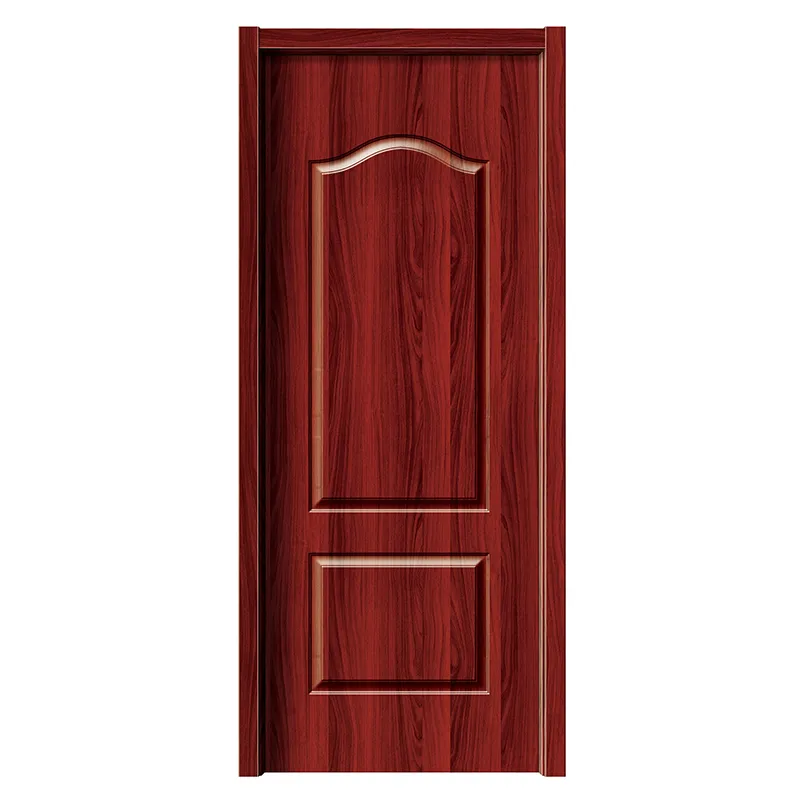
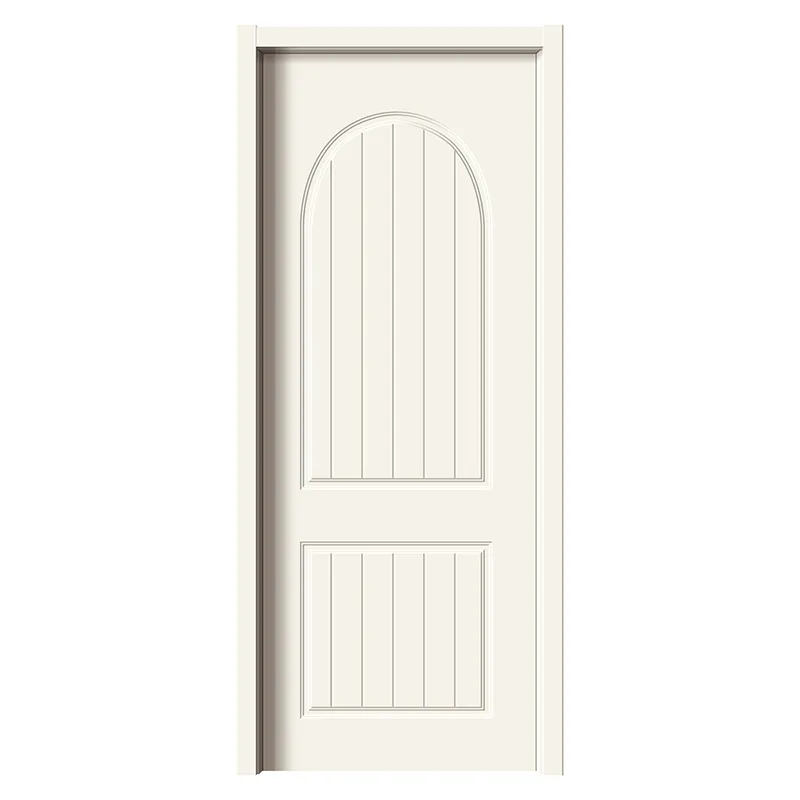
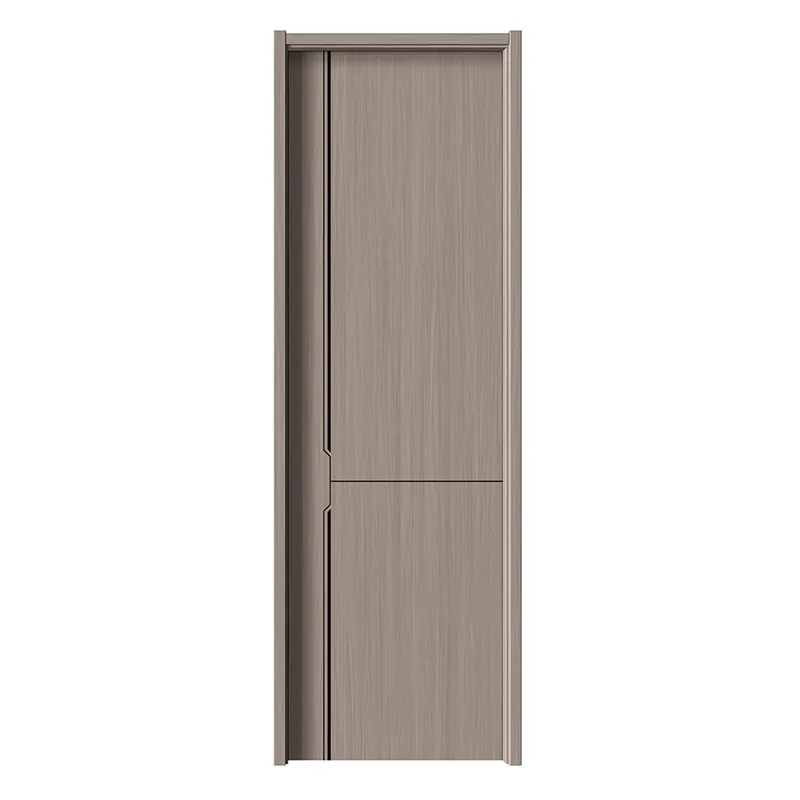
Best Sellingproducts
Best Selling Products-
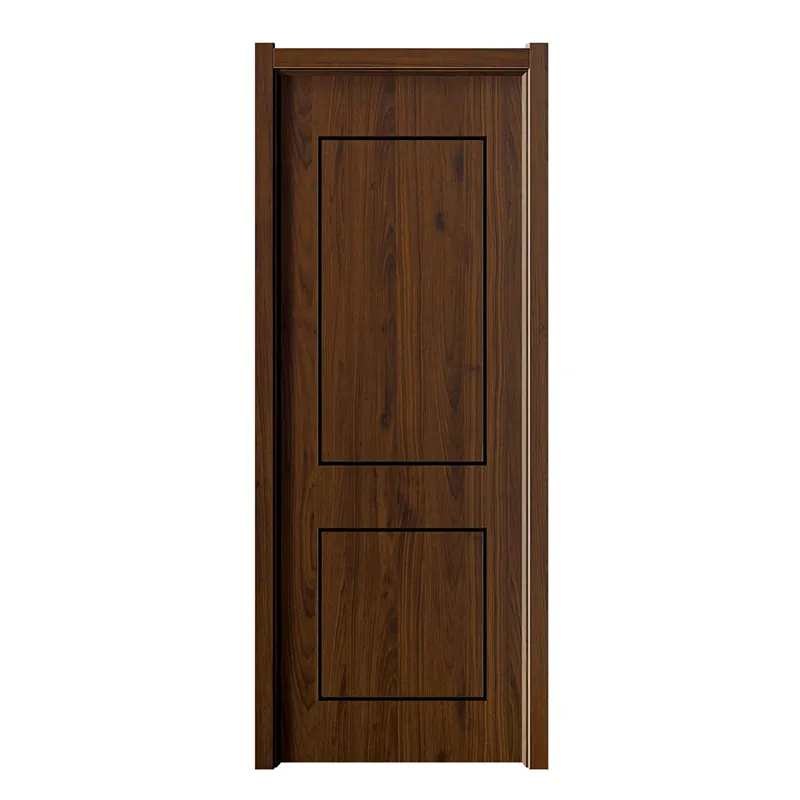 YST-WPC2 Door
 -
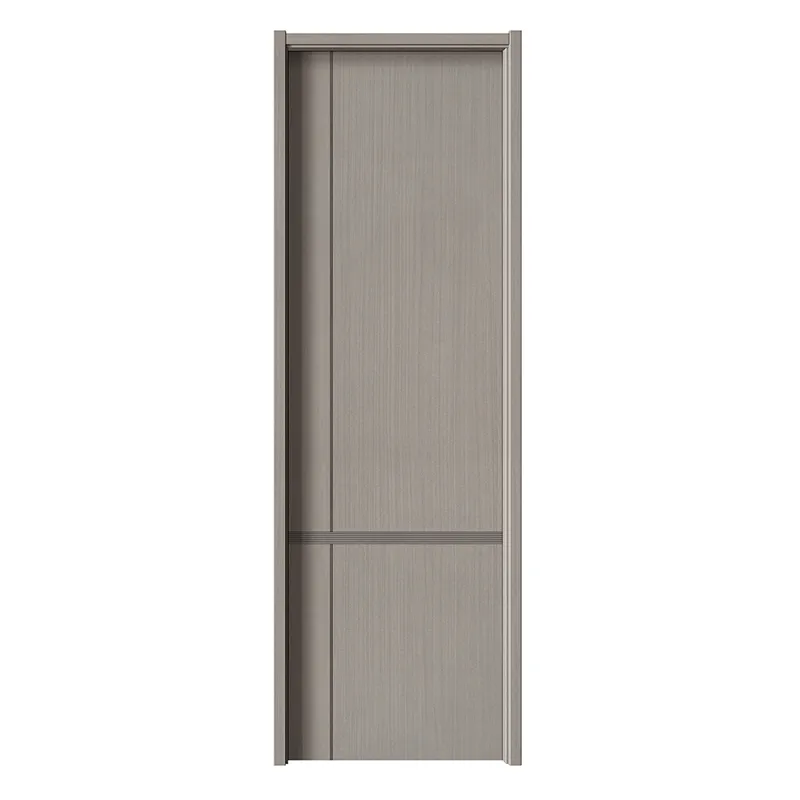 YST-1013 Door Cloud Walnut 1
 -
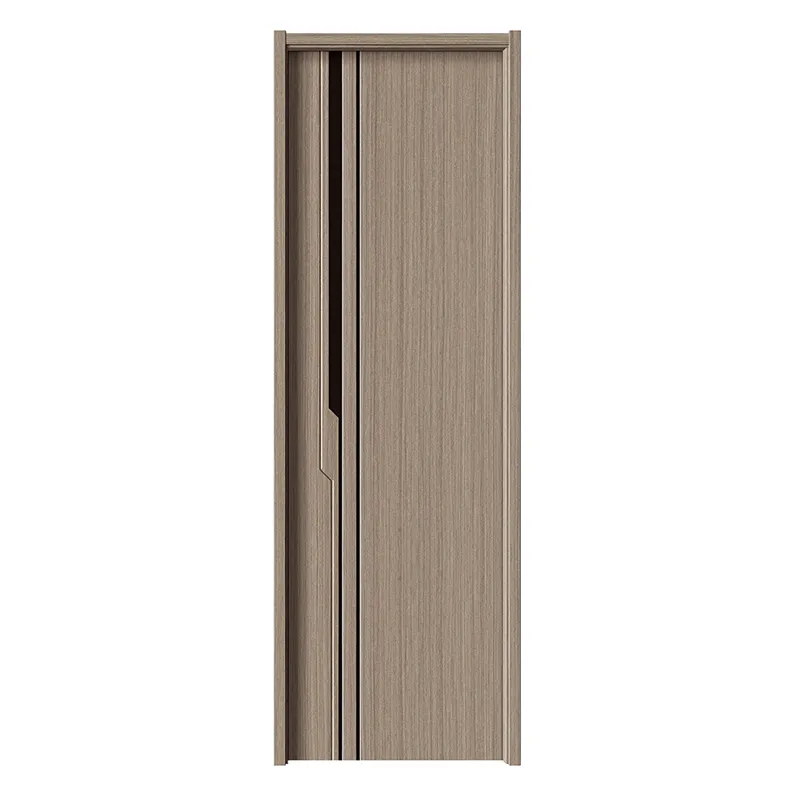 YST-1018 Technowood Door 1
 -
 YST-WPC4 Door
 -
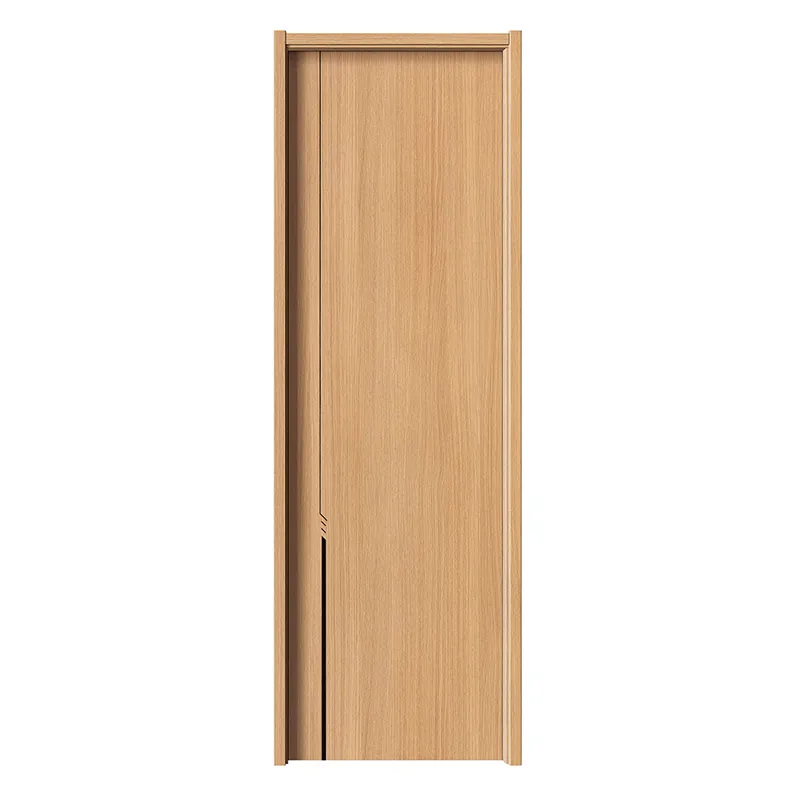 YST-1041 Door Oak Shutter
 -
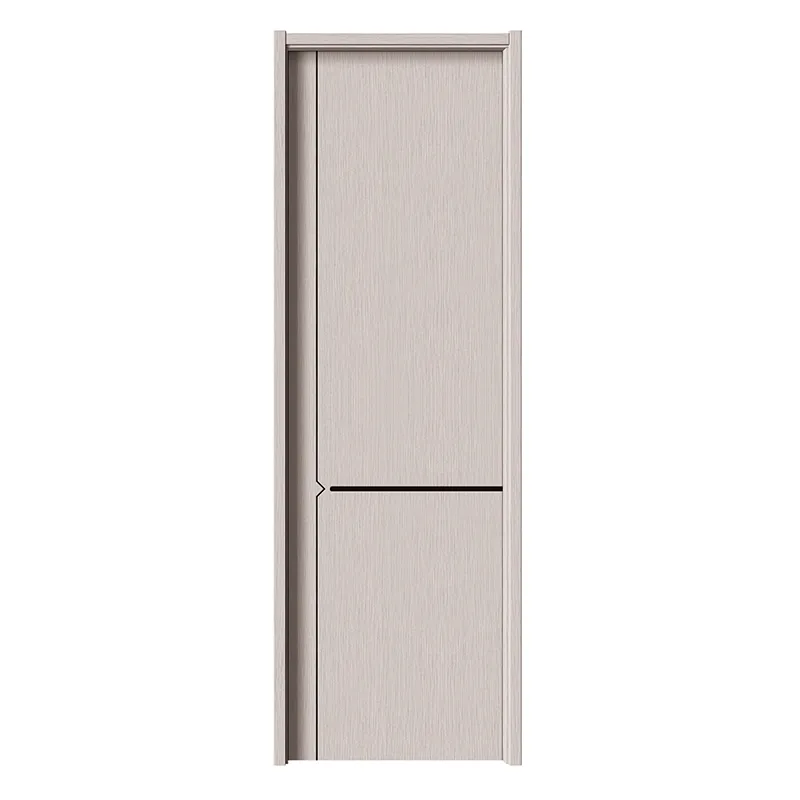 YST-1024 Door Chiaroscuro wood 1
 -
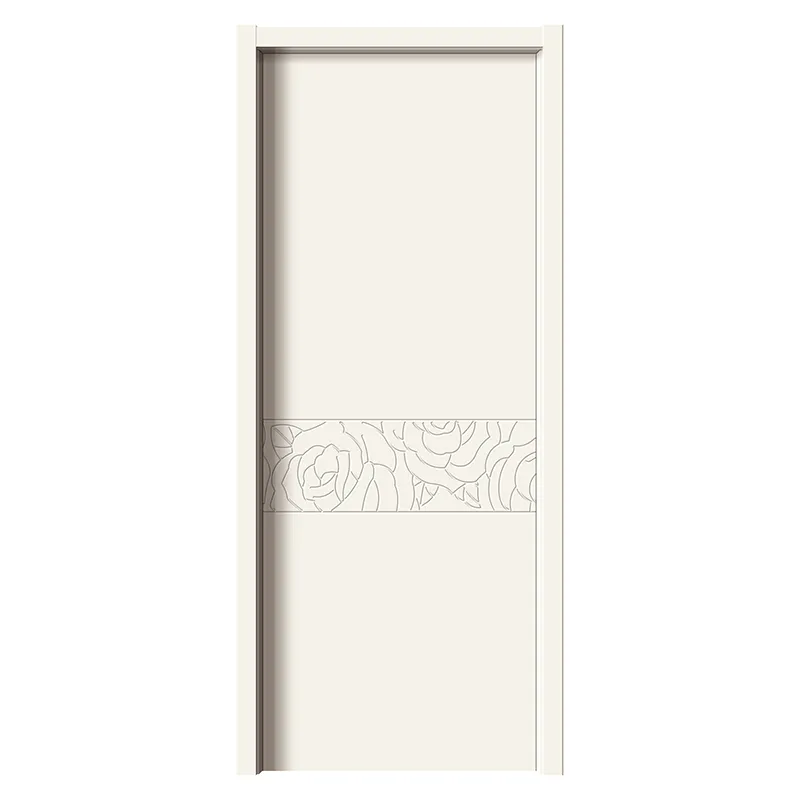 YST-238 Door White ivory
 -
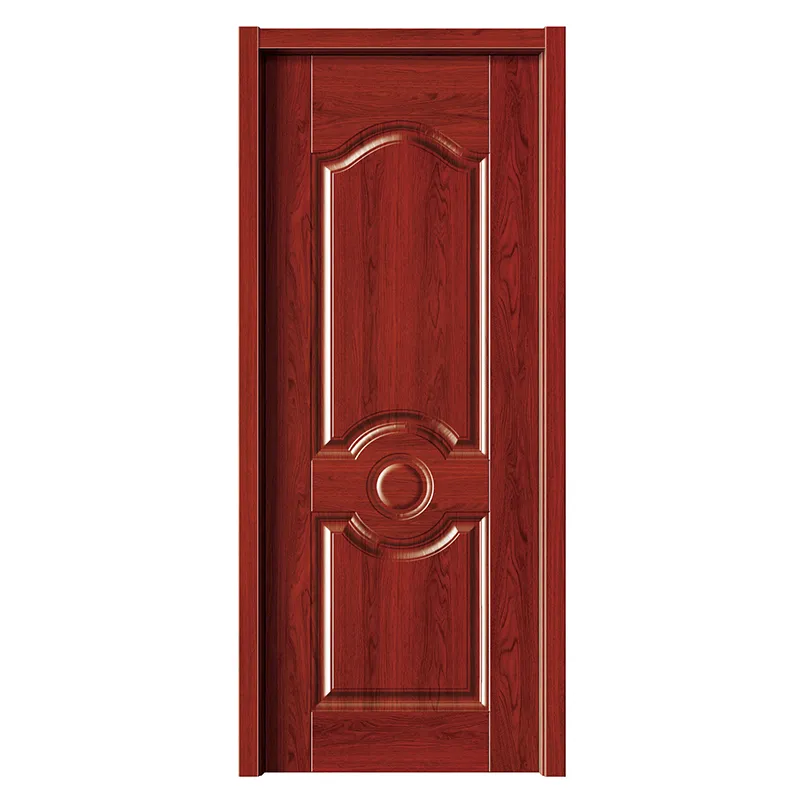 YST-208 Door Red Sandalwood
 -
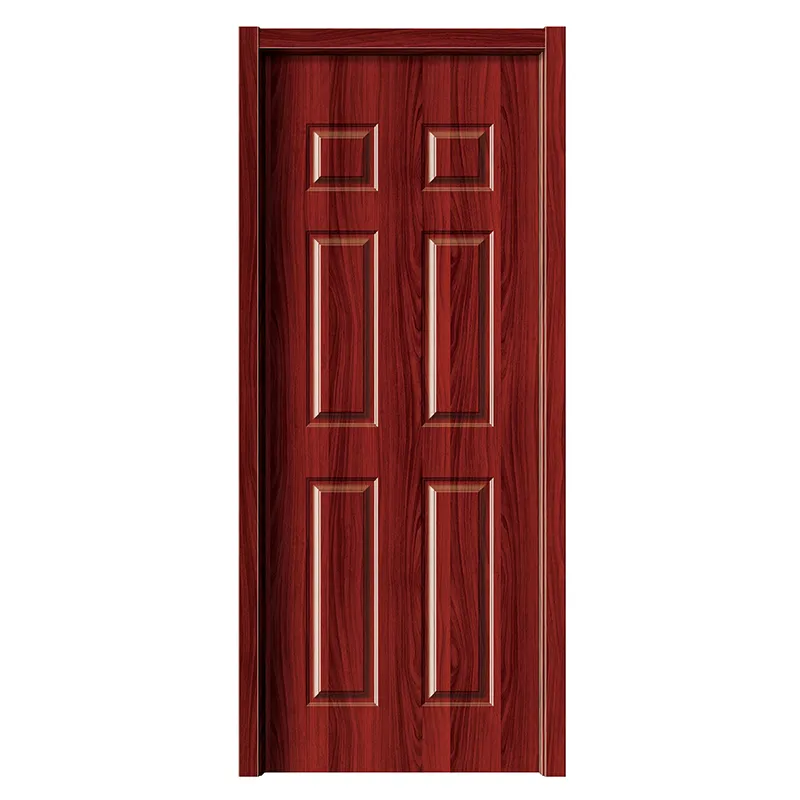 YST-201 Door Red team
 -
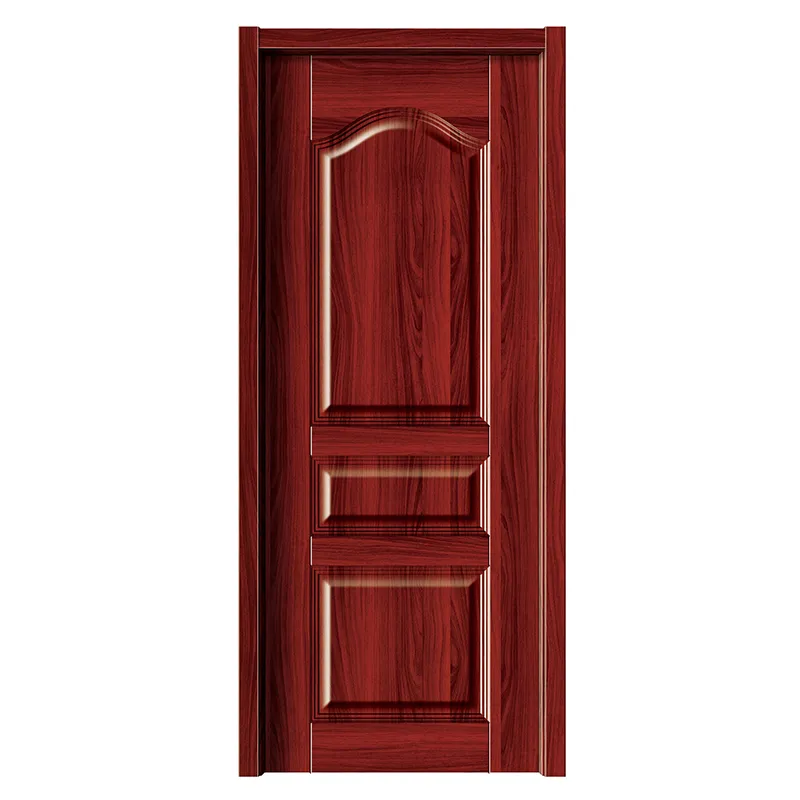 YST-203 Door Red team
 -
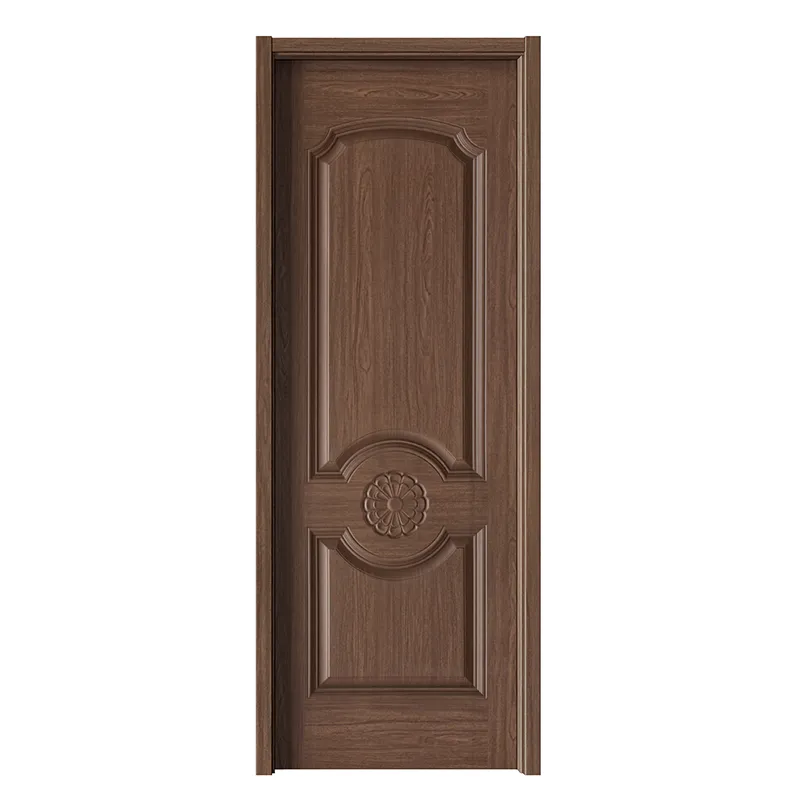 YST-212 Door North American Oak 2
 -
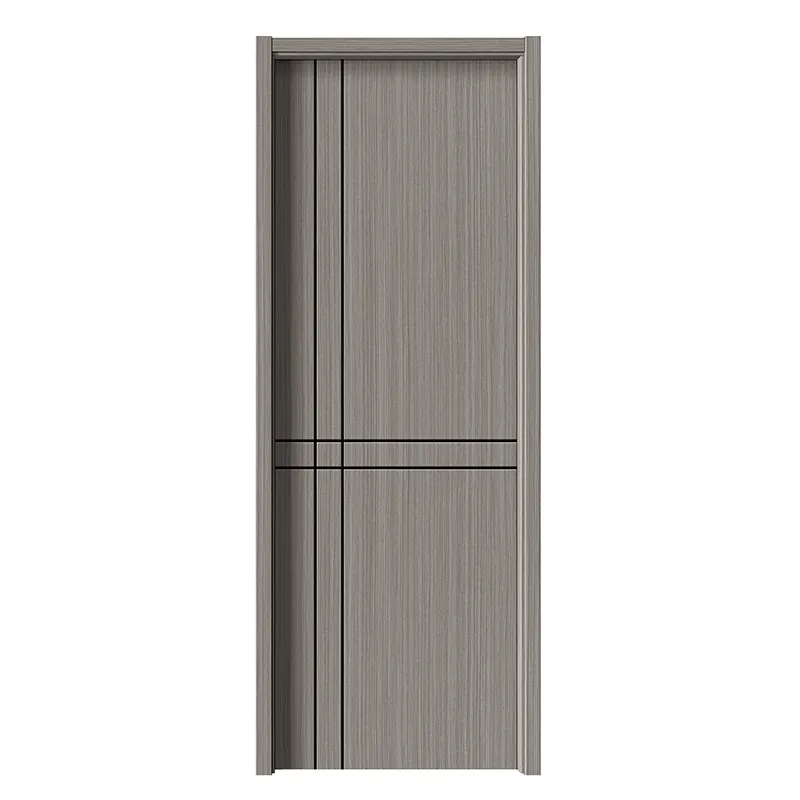 YST-1004 Door Technotree 2