




Wooden door with honeycomb filling
When you hear “honeycomb fill?”, many people immediately think of something light, hollow and, frankly speaking, not very reliable. This is a common misconception, especially among those who are choosing doors for their home for the first time. In fact,wooden door with honeycomb fillingis a complex engineering system, where a frame made of solid wood or laminated veneer lumber forms the strength skeleton, and the internal structure of cardboard or fiberboard, folded in the form of hexagonal cells (honeycombs), acts as a stabilizer. It doesn't just fill a void - it distributes the load, dampens vibrations and prevents drooping. canvases. The key point that is often overlooked is the quality of the frame itself and the adhesion of the glue that attaches the honeycombs to the internal planes. If the frame is weak or the glue has floated? with changes in humidity, the entire structure loses its rigidity. We had a case in our production when a batch of doors, after being delivered to a region with high humidity, gave a slight “wave?” on the surface - precisely because of the unaccounted for hygroscopicity of the adhesive composition in combination with a specific species of frame pine. I had to revise the technological map.
From raw materials to frame: where strength is built
It all starts with choosing wood for the frame. You can’t just take any pine or spruce. The wood should be chamber dried, with a moisture content of no more than 8-12%, and without “live” substances. knots that can fall out over time and create a stress point. For example, at our production site inAnhui Wantai Woodworking Co.,LtdWe always focus on this stage. On the company websitehttps://www.anhuiwantai.ruIt is indicated that they adhere to the concept of “building a business on precision”, and this is precisely about the selection of raw materials. If the frame “leads”, then even perfectly glued honeycombs will not save the door from warping.
The frame itself is usually a rectangle made of timber, reinforced with additional crossbars in the areas where the hinges and lock are attached. They often save money here by making the frame too “openwork”. But thenwooden door with honeycomb fillingloses its main function - to be a strong barrier. A good practice is to use laminated veneer lumber where the fibers are multi-directional. This minimizes deformation. In our workshop, we experimented for a long time with the thickness of the timber for interior and entrance (internal) models. For interiors, sometimes 30x40 mm is enough, but for more massive structures that must withstand frequent loads, 40x60 mm is better, even if this increases the weight.
Here's the honeycomb filler. Most often it is corrugated cardboard, less often - fiberboard. What is important is not so much the material as the geometry of the cell and the density of its placement. Large cells distribute the load worse than small ones. But even too small ones are more difficult to glue evenly. In manufacturing, it is a balance between assembly speed and final performance. We once tried to use cellular polypropylene - in theory it is not afraid of moisture. But in practice, problems arose with adhesion to a wooden frame with standard wood glue. We had to look for a special composition, which increased the cost of the process without a clear gain for most orders. We saved this idea for special projects.
Assembly and pitfalls technological process
Assembling a frame, gluing filler inside, covering it with veneer or MDF panels sounds simple. In fact, every stage is critical. For example, applying glue. If you apply it unevenly or in too thin a layer on cardboard honeycombs, “emptiness” will appear in some cells. - they will not work to distribute the load. When closing such a door, an unpleasant dull sound or a feeling of “pushing” may appear. at a specific point.
Cladding is the next key step. Most often these are MDF panels. They must be perfectly smooth and have a certain thickness (usually 6-8 mm) in order to hide the relief of the honeycomb structure. It happens that they save money and install 4 mm panels, especially on cheap models. Then, after a couple of years, after many cycles of humidity changes, barely noticeable “shadows” may appear on the surface. — contours of internal cells. This is not a marriage, but it looks unprofessional. CompanyAnhui Wantai Woodworking Co.,Ltdin his work, as noted in the description, he strictly adheres to standards at all stages. For a global market where customers come from different climate zones, such scrupulousness is a necessity. Control at this stage is not only measurements, but also selective opening of already assembled doors from the batch.
A problem that almost everyone faces is the joints between the cladding and the frame. They need to be glued especially carefully. If even a microscopic gap remains, moisture from the air will get there. For a massive door this is not a problem, but in a structure with honeycomb filling it can trigger the process: the cardboard will begin to absorb it, swell and put pressure on the lining from the inside. The result is swelling along the edge of the canvas. Therefore, in good workshops, after gluing, the canvas must be kept under pressure in a climate-controlled room for a certain time, and not immediately sent for milling and painting.
Where are such doors really appropriate and where are they not?
Main nichewooden doors with honeycomb filling- these are interior partitions in residential and commercial premises where high sound insulation or protective function is not required. They are lighter than solid ones, which reduces the load on the hinges and box, and are often cheaper. Ideal for bedrooms, living rooms, office rooms. Their aesthetics, as noted in their visionAnhui Wantai Woodworking Co.,Ltd, combines design and practicality - you can make paneled, smooth, painted surfaces of any color, imitating solid wood.
But there are also limitations. Never place such a door as the entrance door to an apartment or bathroom with high humidity. Even with the best impregnation of the cardboard core and processing of the ends, this is a risk. They are also not suitable for rooms where silence is important - their sound insulation, in fact, is only due to the mass of the facing panels, which is very little. For an executive office or home theater, other solutions are needed - with mineral wool or cork filling.
An interesting case was with one customer who wanted to install such doors in a country house that was heated periodically in winter. We dissuaded him by explaining the risks of humidity changes for the internal structure. In the end, we settled on doors filled with mini-timber (slatted filler) - they are also not solid, but more stable in such conditions. This is the case when understanding the design protects against future complaints.
Market and choice: what to look for as a buyer
When you choose a door like this in a store, knock on the door. The difference between high-quality and cheap construction is often heard. A good door will have a smooth, muffled sound over the entire area. The bad one may give off an “emptiness” feel. in the center and a harder sound at the edges, where the frame is. This is an indirect sign of poor sizing of the aggregate.
Be sure to look at the ends of the canvas, especially the top and bottom. They must be carefully sealed - painted over or covered with end tape. This is the main barrier against moisture. Ask about the frame - what it is made of, what section of the timber it is. A self-respecting manufacturer likeAnhui Wantai Woodworking Co.,Ltd, which operates on the international market, will always provide this data. Their team of designers and developers, as stated in the description, understands that global customers ask more questions.
And one last thing. Don't chase too much ease. If the door is unnaturally light for its dimensions, it is possible that there are not only honeycombs inside, but also large voids, or the frame is made of too thin a lath. The optimal weight of a standard interior door 700x2000 mm with honeycomb filling is 15-25 kg. Significantly less is a reason to think about it. In the end, even the most elegantwooden door with honeycomb fillingis, first and foremost, a functional item, and its durability is determined by attention to those very “boring” things. manufacturing details that are never visible after installation.
Correspondingproducts
Related Products

Best Sellingproducts
Best Selling Products-
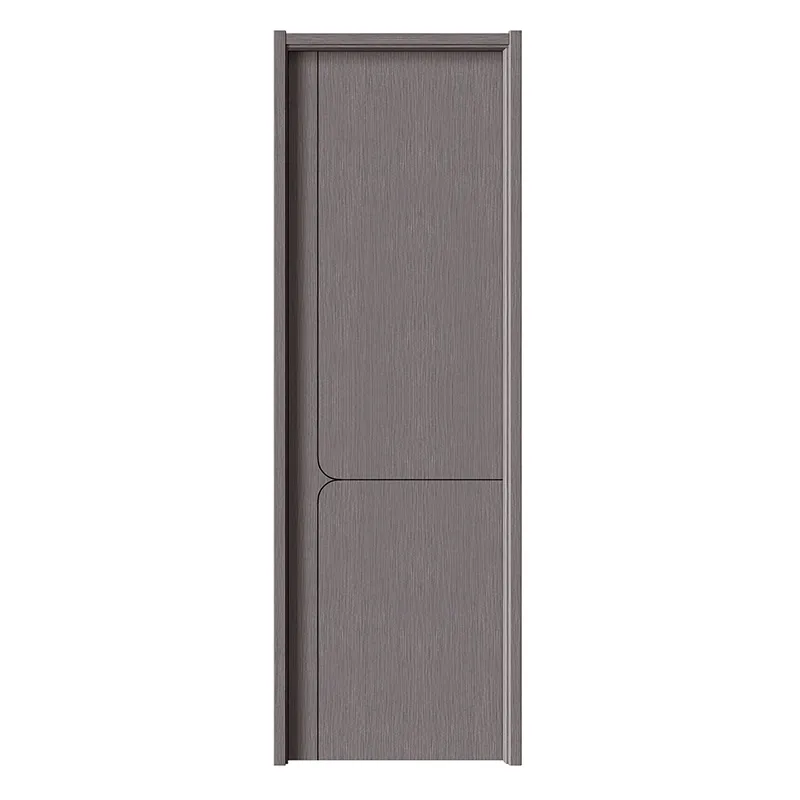 YST-1001 Door Chiaroscuro tree 2
 -
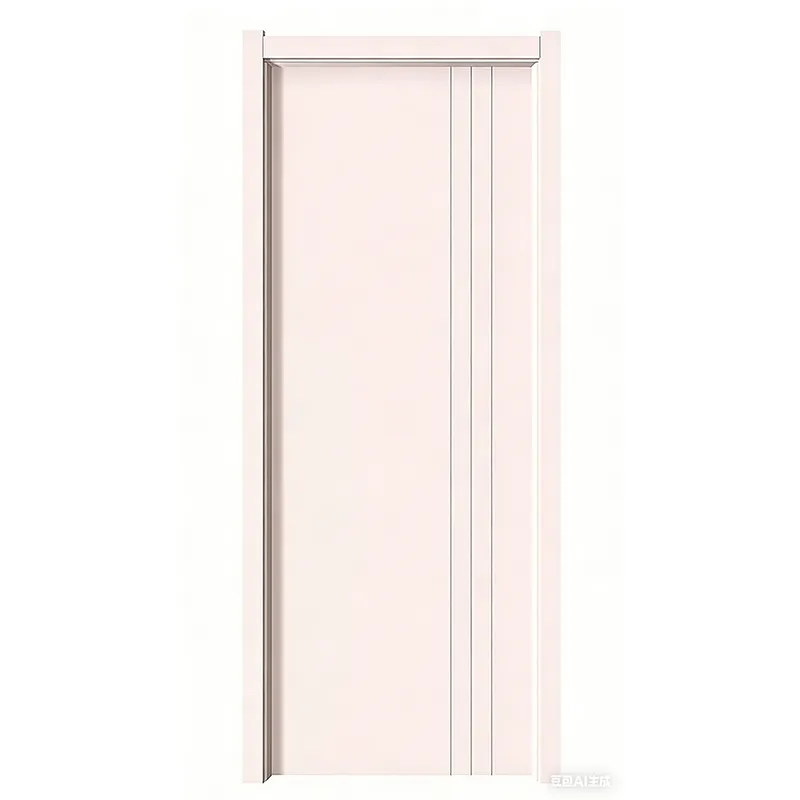 YST-WPC4 Door
 -
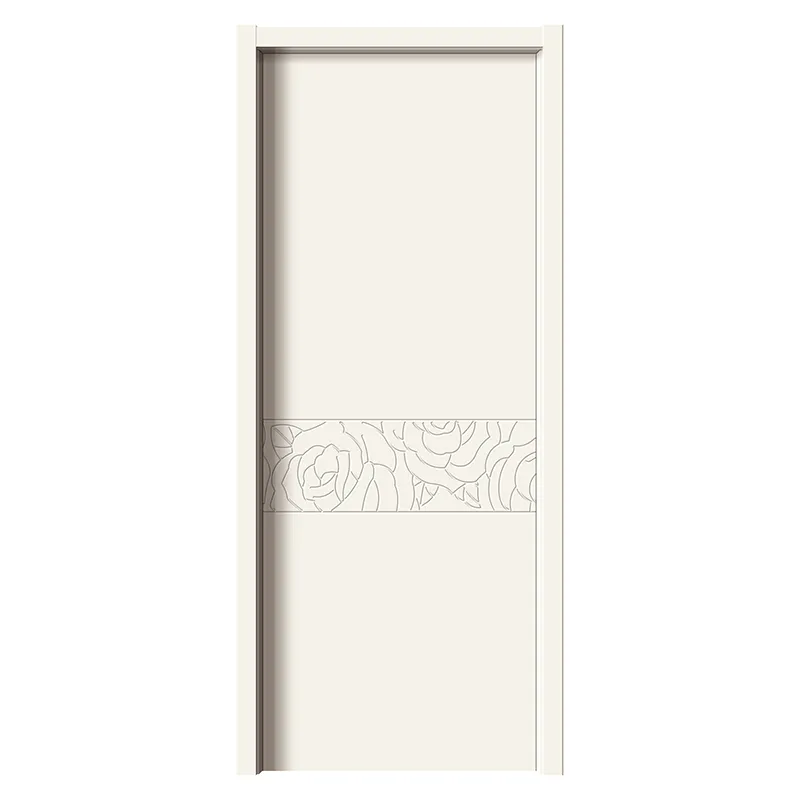 YST-238 Door White ivory
 -
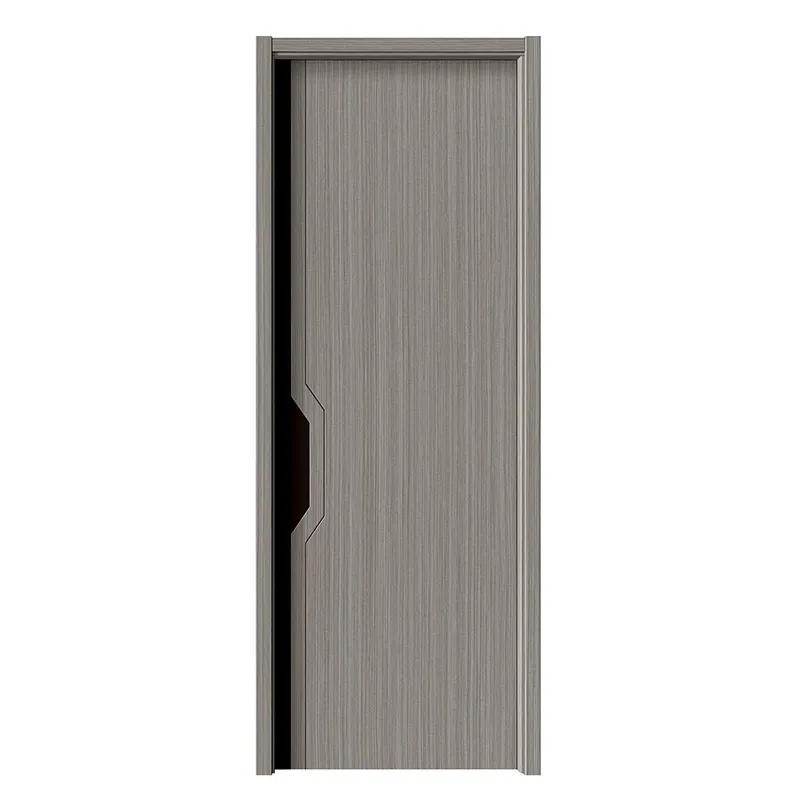 YST-1007 Technotree Door 2
 -
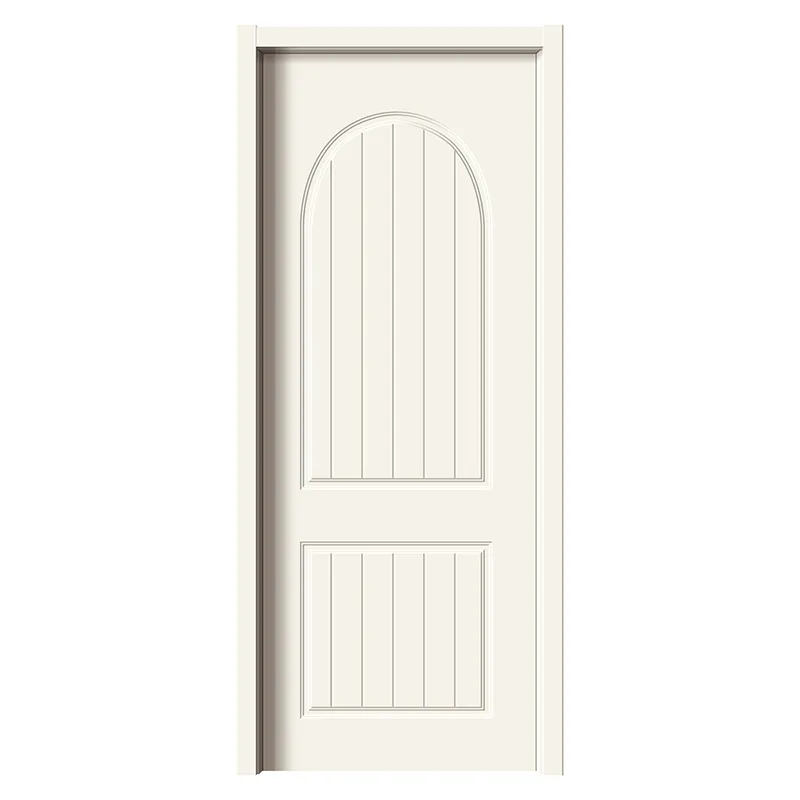 YST-236 Door White ivory
 -
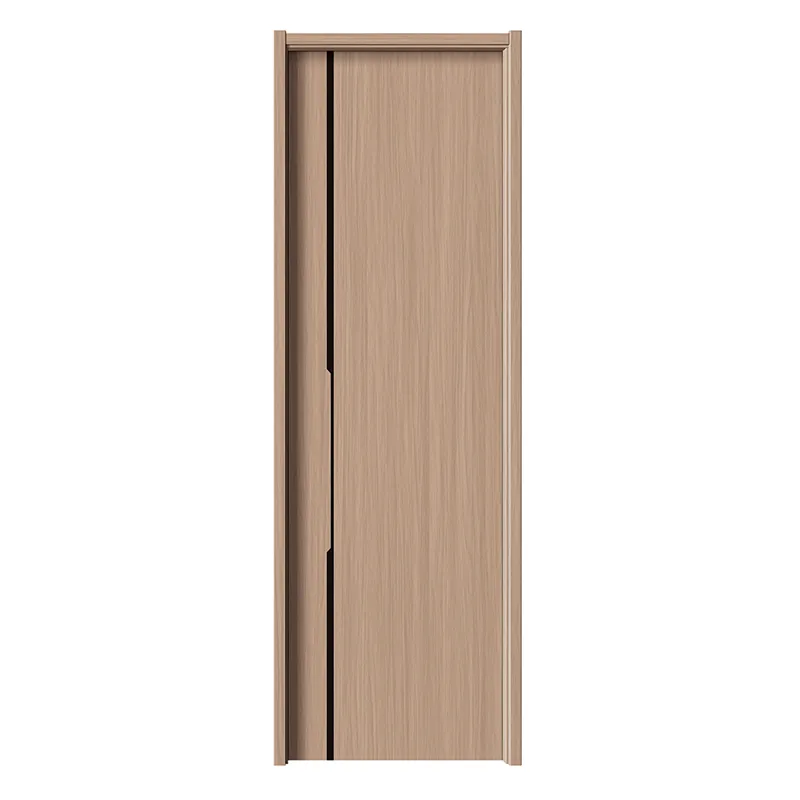 YST-1029 Door Translucent light shade 1
 -
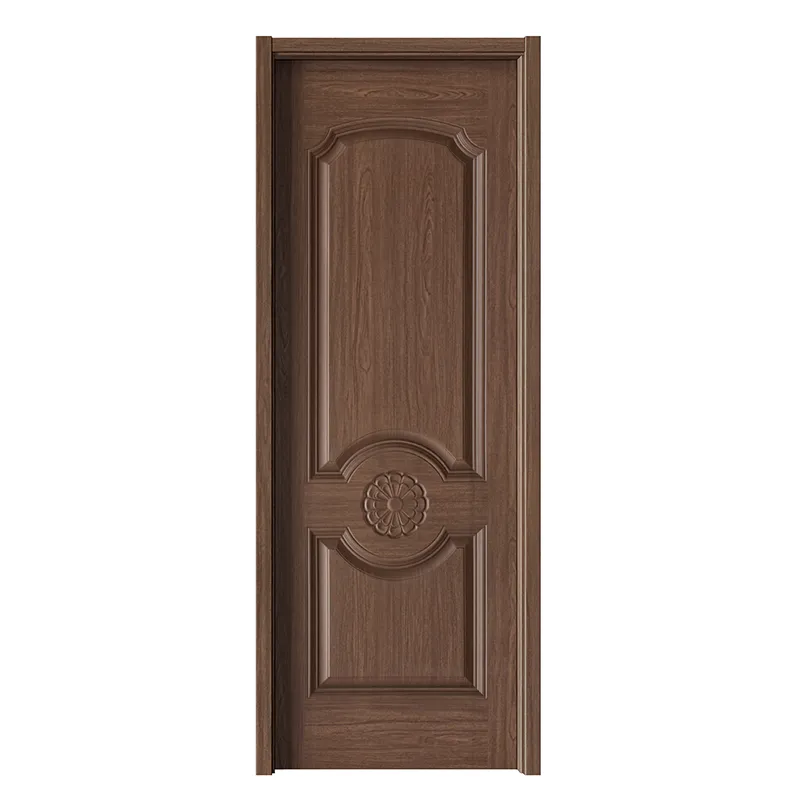 YST-212 Door North American Oak 2
 -
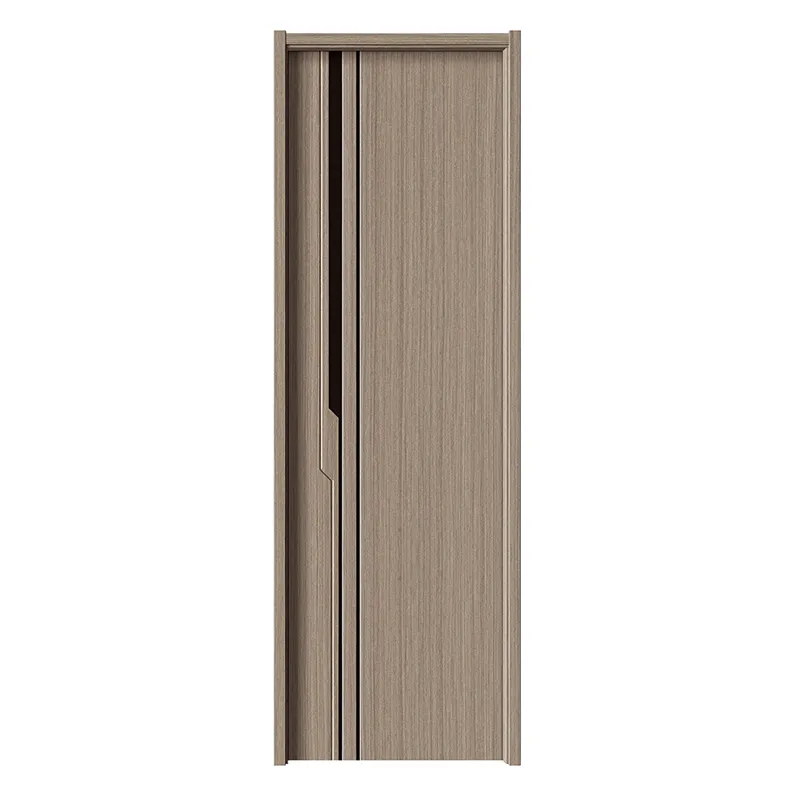 YST-1018 Technowood Door 1
 -
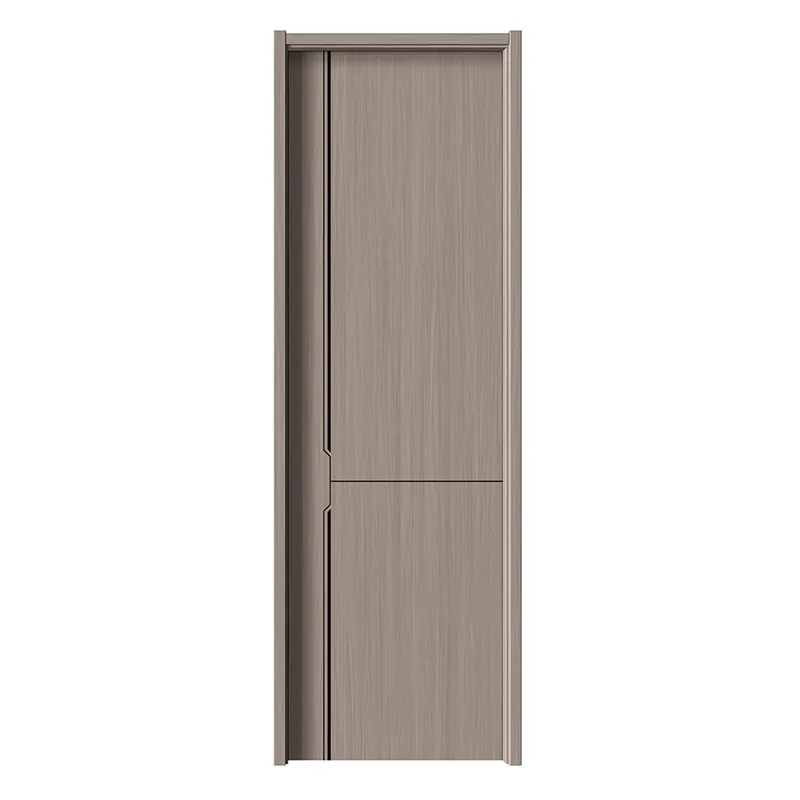 YST-1011 Door Translucent light shadow 3
 -
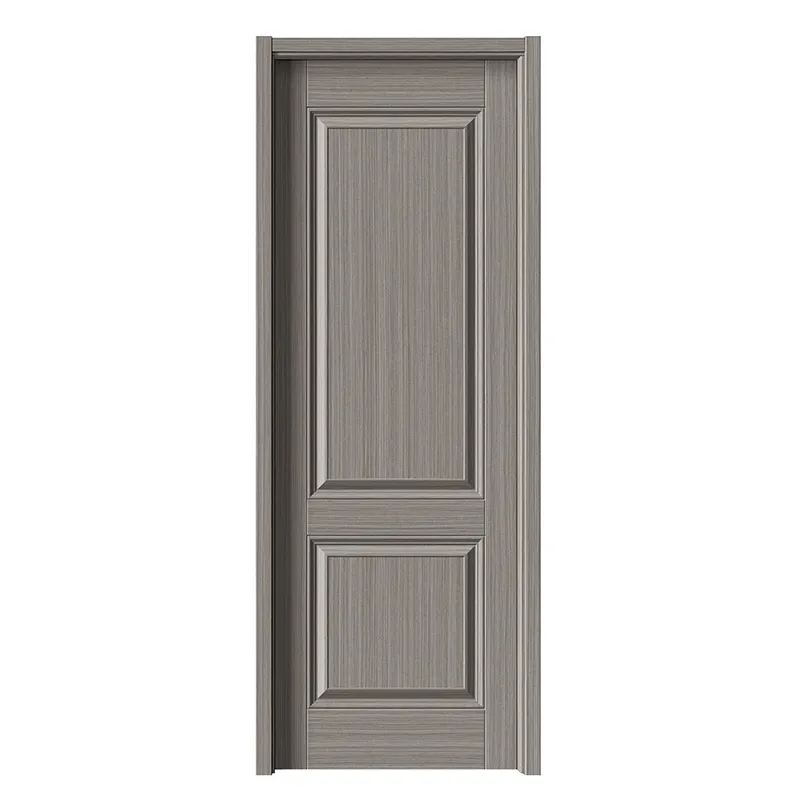 YST-214 Door Technowood 2
 -
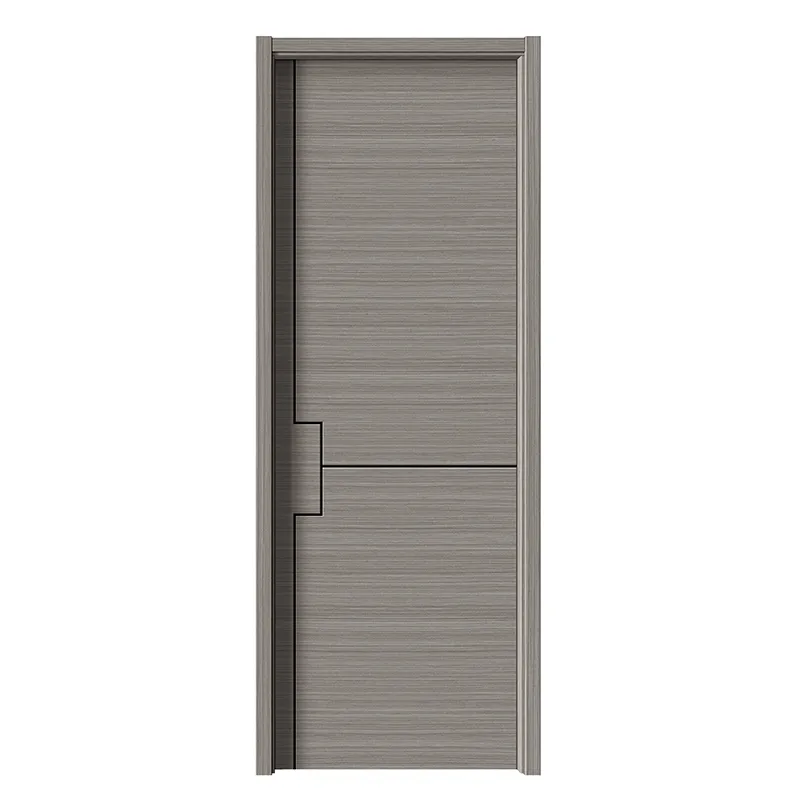 YST-1005 Technotree Door 2
 -
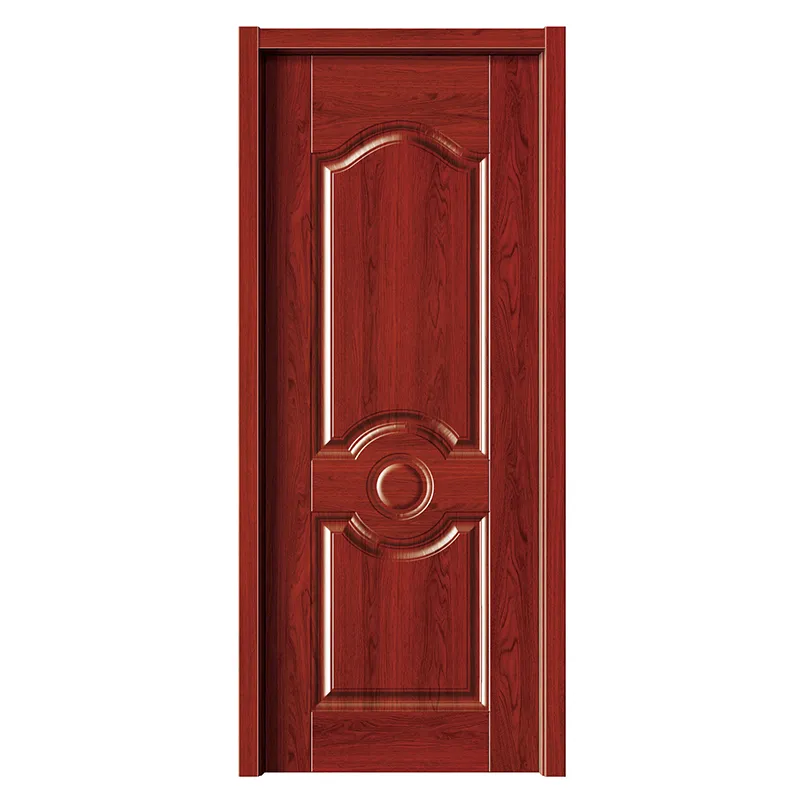 YST-208 Door Red Sandalwood