




Warm wooden door with your own hands
When you hear “warm wooden door with your own hands?”, many people immediately imagine a couple of boards knocked together into a shield and a seal around the perimeter. This is where the main mistake lies. Warmth is not only about the absence of cracks. This is a complex story about the types of wood, the design of the canvas, the right ?pie? insulation and, what is often overlooked, about proper installation in the opening. I did it myself, I made mistakes myself - I know where the pitfalls are.
Why ?just an array? - it's not always warm
Let's start with the base - the tree. Oak or ash, of course, are dense and solid, but if you make a solid piece of them, it can wear out over time, and the thermal conductivity of a massive piece is high. Real thermal protection requires design. For example, in one of my first projects I overdid it with solid larch - I thought the thicker the better. The door turned out to be too heavy to lift, and in winter condensation still formed on it along the edges. It turned out that the problem was cold bridges along the edges and the lack of an internal insulating layer.
Now I'm leaning towards combined solutions. The frame is made of hardwood, and the inside is not just empty space, but a honeycomb filling or inserts made of light but stable wood, such as chamber-dried pine. This breaks the direct path for the cold. By the way, some manufacturers, likeAnhui Wantai Woodworking Co.,Ltd, have been using similar technologies in their production models for a long time, as can be seen from their catalog onhttps://www.anhuiwantai.ru. They just claim a combination of design and practical characteristics, and these are not just words - in their products you often see an engineering approach to heat, and not just decoration.
An important nuance is humidity. If you take even a good board, but with a humidity of 12%, there may be surprises after a season. I always remind you: drying must be correct, chamber. Otherwise, all the cracks that you so carefully foamed will open again in six months.
Fabric design: where to hide the insulation
The most effective scheme, in my opinion, is the sandwich type. Two outer layers of decorative wood, and between them there is a layer of technical cork or foamed polypropylene. But there is a difficulty here: how to hold it all together so that it doesn’t go wrong? Simple PVA glue is not suitable - materials have different expansion coefficients. An elastic adhesive composition is needed, and pressing must be long, under constant pressure.
I remember trying to use polystyrene foam as a middle layer. The idea seemed logical - the material was warm and light. But when milling the edges for the hinges, it crumbled, so we had to reinforce the fastening areas with metal plates. It turned out to be cumbersome. Now I understand why in production it’s like the same thingAnhui WantaiThey use special equipment for precise insertion and gluing of layers. Their philosophy is to “build a business on precision?” This is where it comes in handy - without precise cutting and control at all stages, such a “pie?” it will just fall apart.
Another point is weight. A heavy door means a load on the hinges and frame. Therefore, the internal filler should not only be warm, but also as light as possible. Sometimes it is better to make a multi-layer structure with air gaps than a monolithic block of heavy insulation.
Sealing and rebate: the magic of continuous contour
You can make the perfect canvas, but if you insert it into the opening haphazardly, everything will go down the drain. Heat escapes around the perimeter. The most critical node is the porch. The quarter must be selected accurately, taking into account the thickness of the seal. I experimented for a long time with the profiles of sealing tapes - silicone, rubber, with a foam base.
In practice, magnetic seals or double-circuit rubber profiles have proven to work best for our winters. But their installation is a piece of jewelry work. If you glue it crookedly or with tension, it will come off after a cycle of opening and closing. Need to give a little ?suck? after the sticker, before you start using it.
The bottom end is often forgotten. Installing a threshold with a seal is not always convenient. There are options with automatic retractable slats that lower when closed. But making such a system reliably with your own hands is quite a task. It’s easier to make a good cover at the bottom with a brush or soft seal, but it’s important that snow and water don’t clog it.
Paintwork: not just for beauty
Protection against moisture is a direct protection against loss of thermal properties. Swollen wood retains heat less well. Therefore, the choice of coating is critical. Oil with hard wax is good, but for a street door, especially on the sunny side, it may not be enough. Need a UV filter.
I prefer a multi-layer coating: a primer that penetrates deeply and protects against blue staining, then several layers of exterior varnish with good elasticity. Sanding with fine abrasive is required between layers. Yes, it's long. But when you see how a door made five years ago still has no cracks in the coating and looks great, you realize that time was not wasted.
By the way, looking at the products of companies that operate on the international market, like the one mentionedAnhui Wantai Woodworking Co.,Ltd, you see that they pay great attention to this. Their doors undergo a full processing cycle, which allows them to satisfy various needs in different climatic conditions. This is not a job that can be done in a garage over a weekend.
Editing - the moment of truth
All the work can be undone by a bad installation. The box must be perfectly level and plane. The gaps are uniform. Polyurethane foam is not a panacea. It should only be for fixation and additional insulation, but not for leveling the structure. I always use wedges and spacers, leaving the door secured to them until the foam has completely cured.
The most common mistake home craftsmen make is rigidly attaching the box to the opening without a thermal break. An anchor or self-tapping screw becomes a bridge of cold. You need either special fastening plates with a slight backlash, or insulated spacers for fastening. A trifle, but then a bright dot is visible on the thermal imager.
As a result,warm wooden door with your own handsit can be done. But this is not about saving, but rather about the desire to get exactly what you need and go the whole way yourself. It takes time, the right materials, and a willingness to accept that it may not turn out perfect the first time. Sometimes, frankly, it’s easier and more reliable to study the proposals of professionals who have both a modern base and a team of developers, so as not to reinvent the wheel, but to take an already proven solution. The main thing is to understand what you are paying for or what you are spending your energy on: for real, thoughtful thermal protection, and not just for a beautiful piece of wood in the opening.
Correspondingproducts
Related Products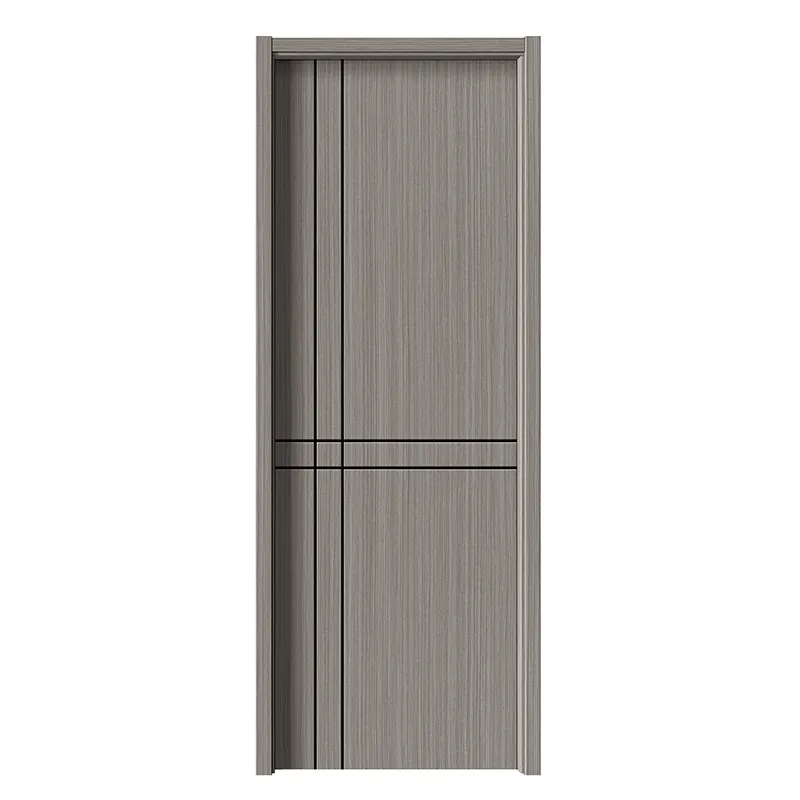
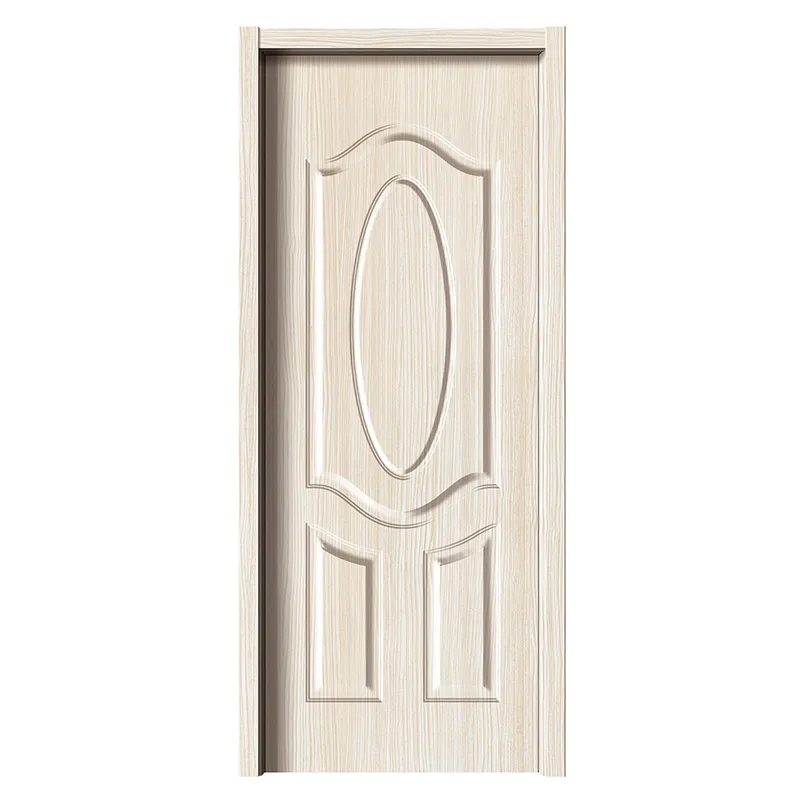
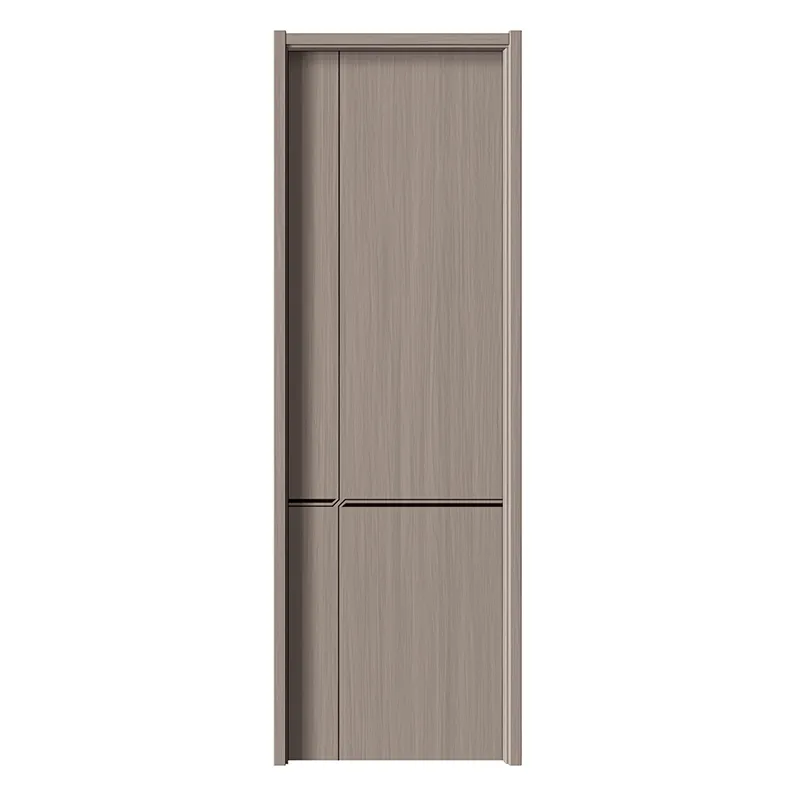
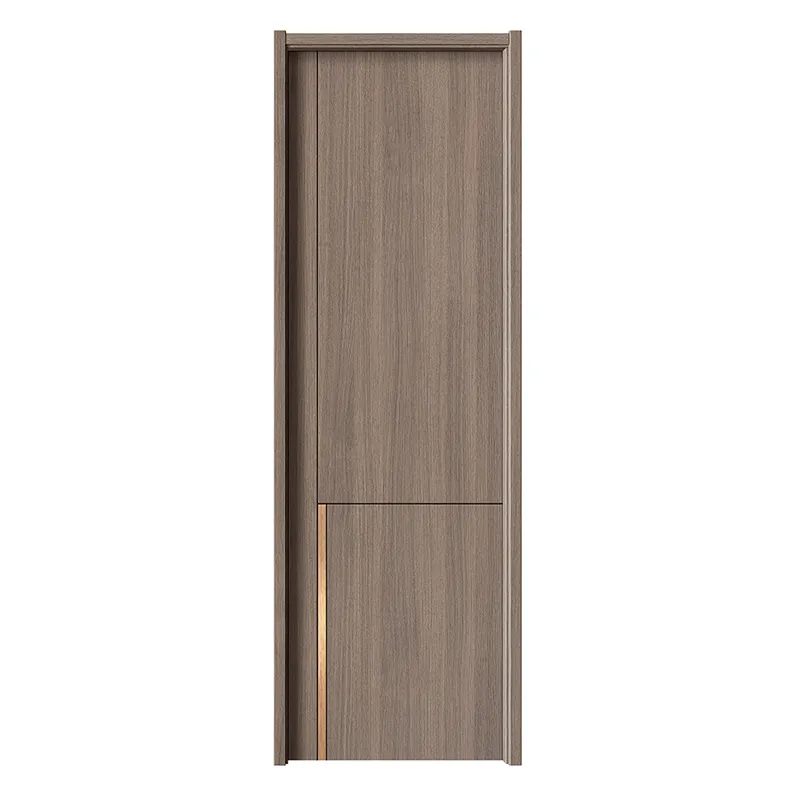

Best Sellingproducts
Best Selling Products-
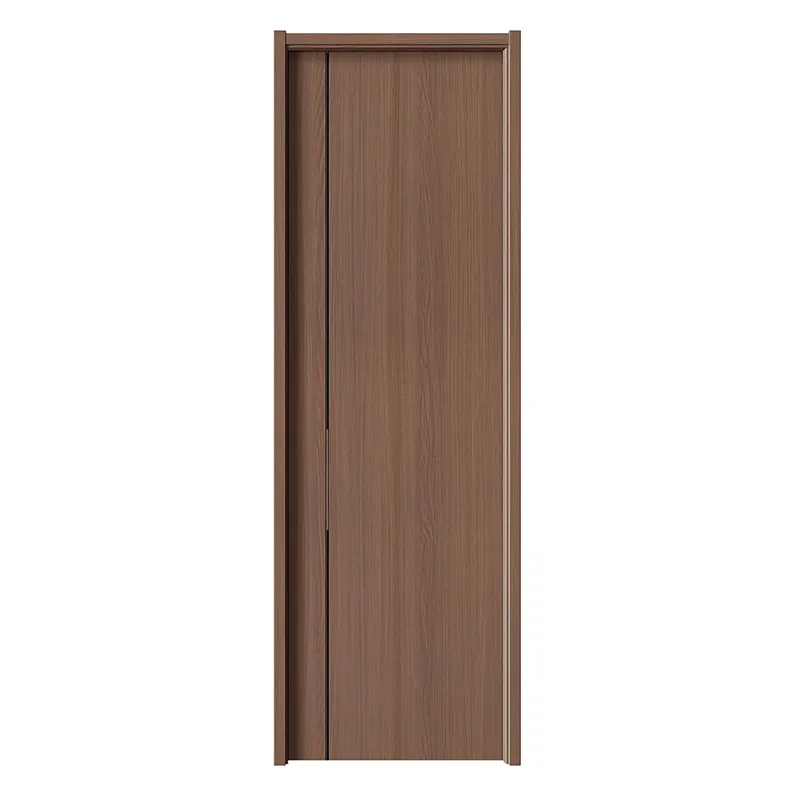 YST-1043 Door Techno-walnut 3
 -
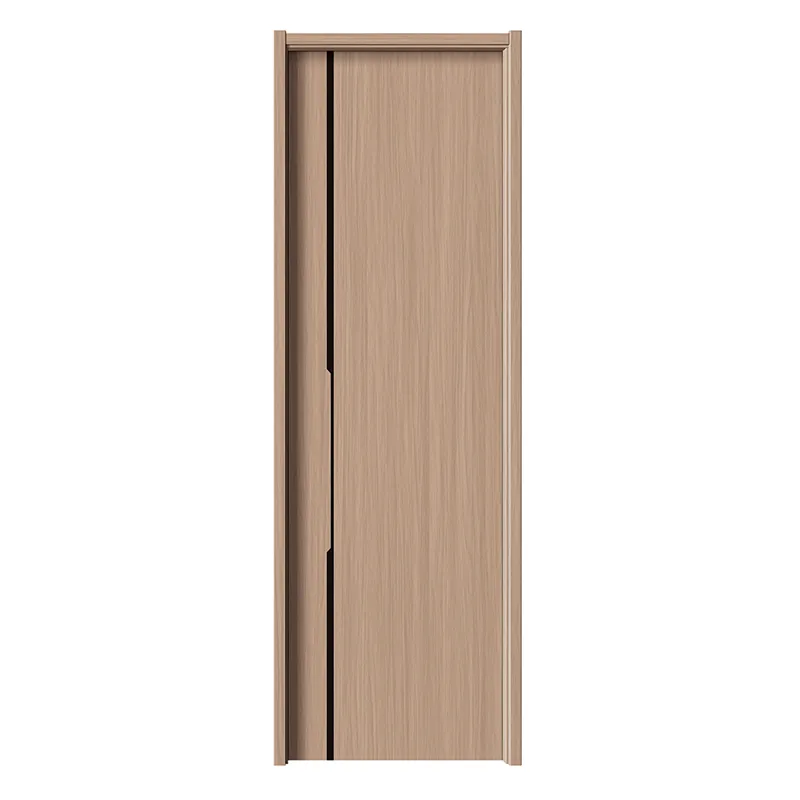 YST-1029 Door Translucent light shade 1
 -
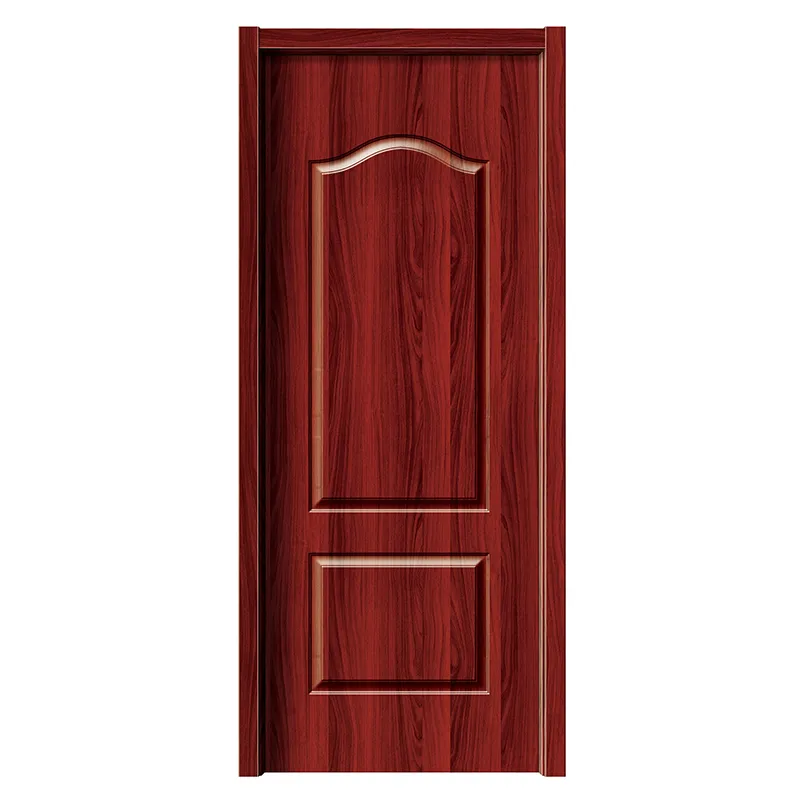 YST-207 Door Red team
 -
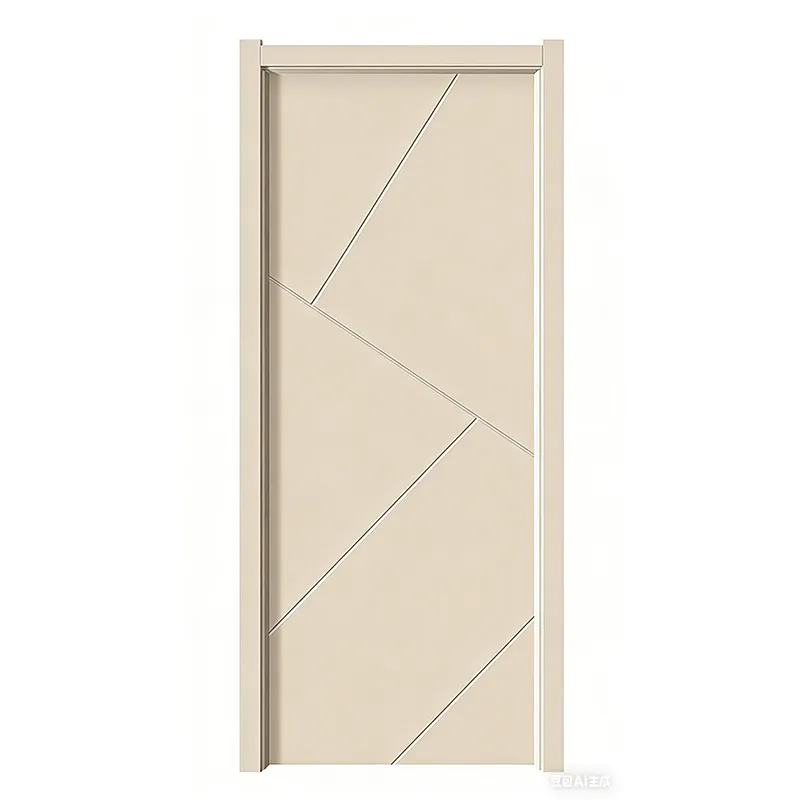 YST-WPC3 Door
 -
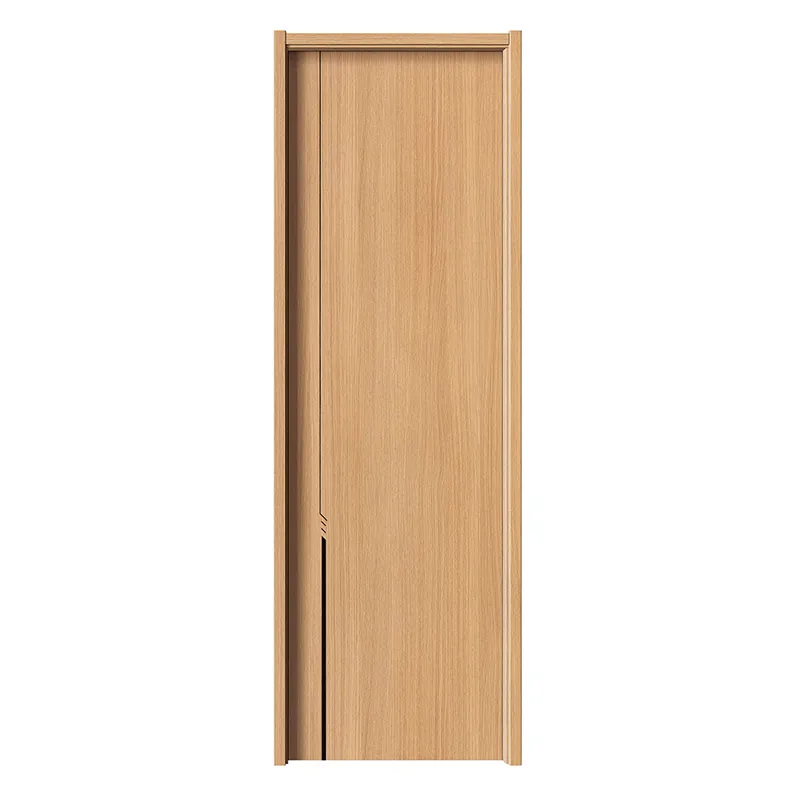 YST-1041 Door Oak Shutter
 -
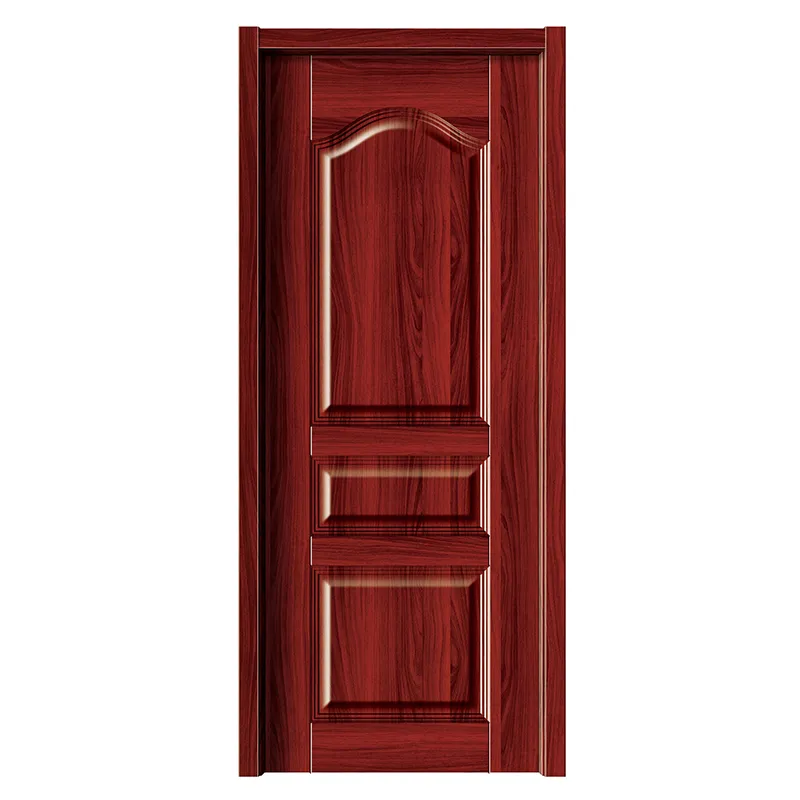 YST-203 Door Red team
 -
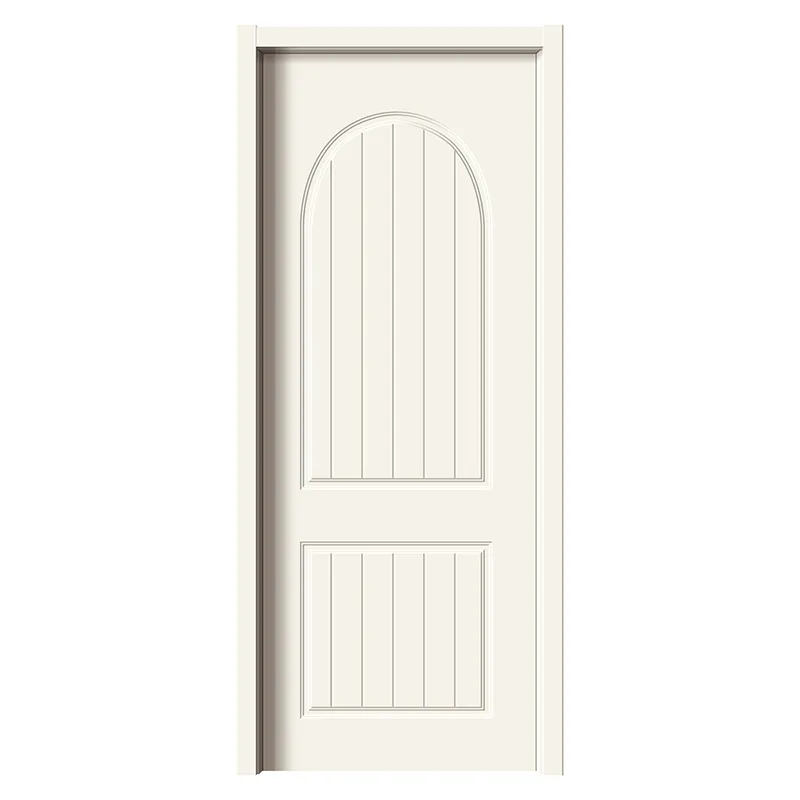 YST-236 Door White ivory
 -
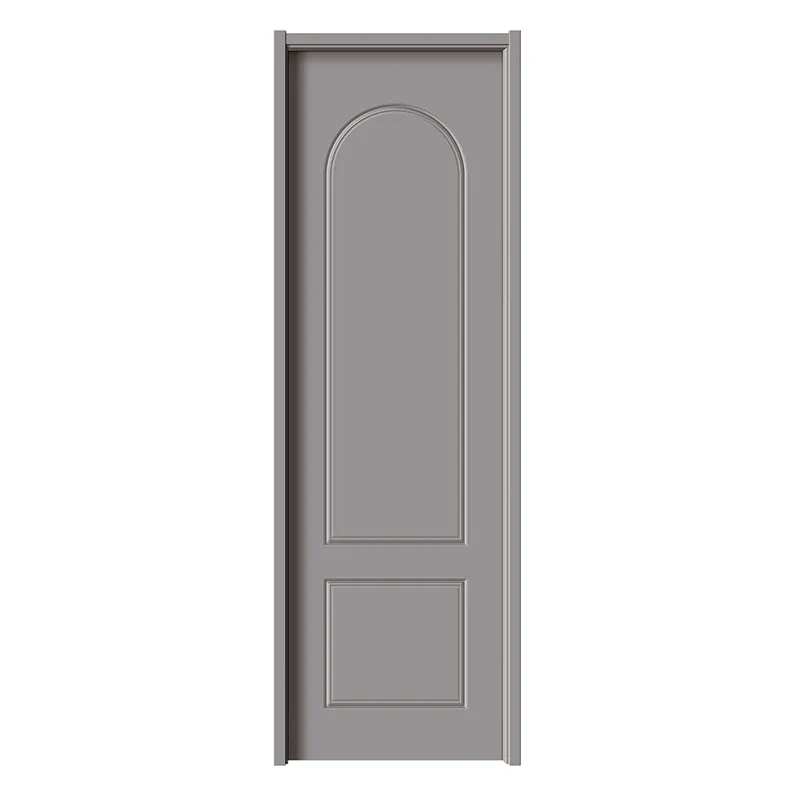 YST-241 French Door 1 soft stone gray
 -
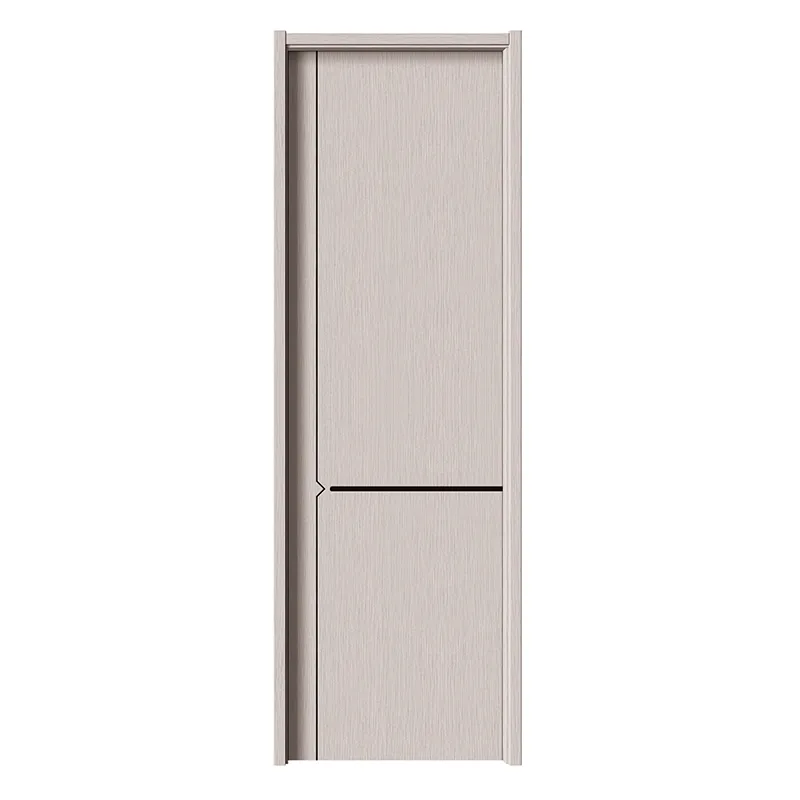 YST-1024 Door Chiaroscuro wood 1
 -
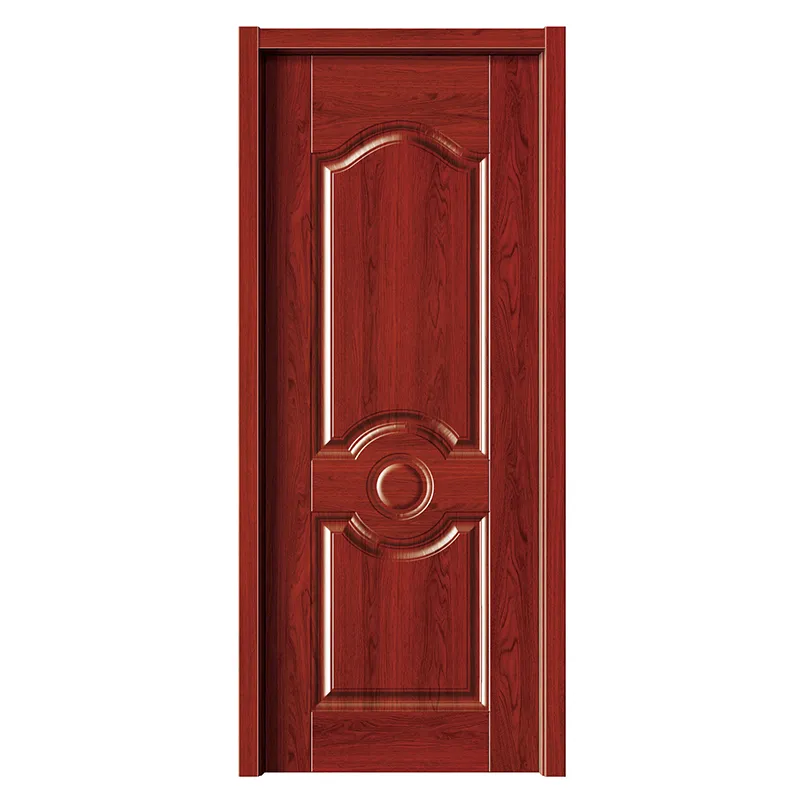 YST-208 Door Red Sandalwood
 -
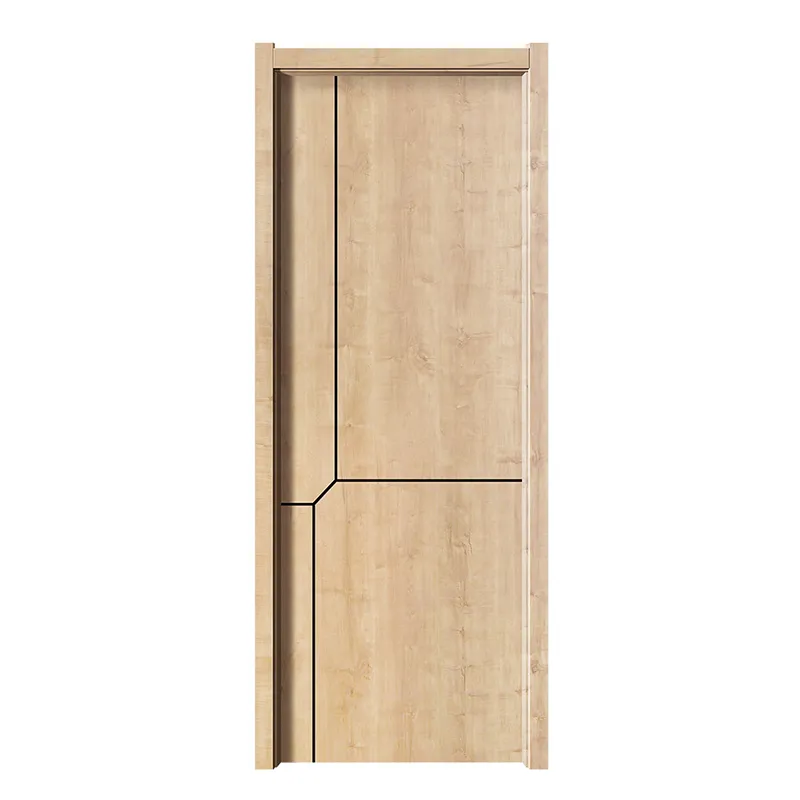 YST-WPC1 Door
 -
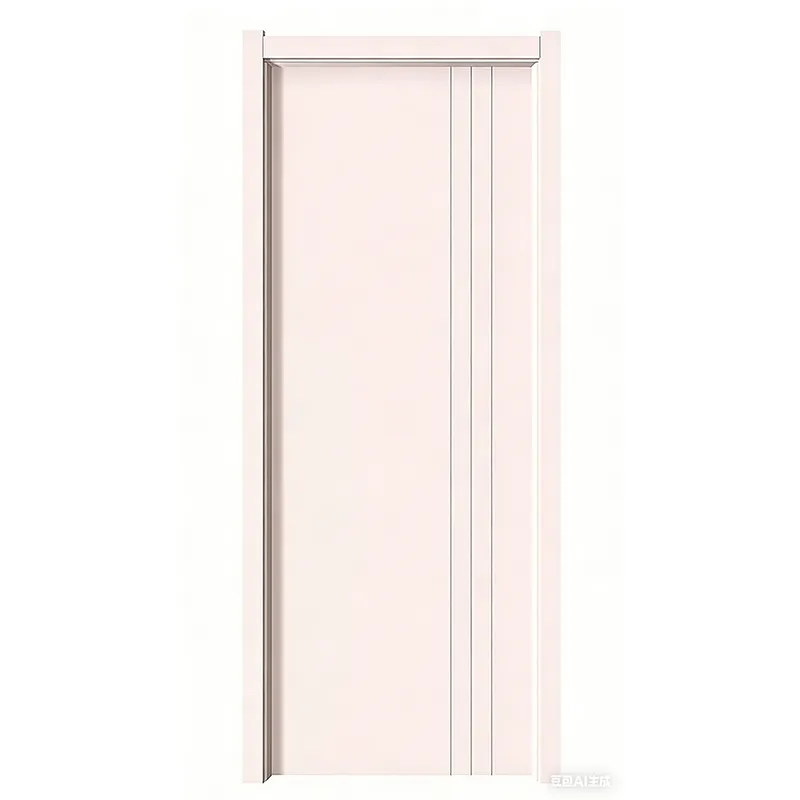 YST-WPC4 Door