




Carbon fiber door
When you hear “carbon fiber door,” the first thing that comes to mind is something from the world of supercars or aerospace, armored, incredibly light and expensive. Many clients think so, and this is the root of frequent disappointment. In practice, you will not find pure carbon fiber in the door leaf - it is almost always a composite. And the main question is not whether it can be pierced by a bullet, but how this same composite behaves in the box, how you mill it for hinges and what happens to the finishing coat after a couple of seasons. I’ll say right away: the material is promising, but with character. And this character manifests itself only in work.
What's really behind the name?
So, “carbon fiber door?”. 99% of the time it's a sandwich. Inside there is a honeycomb core, maybe an aluminum profile for rigidity. On the outside there are several layers of carbon fiber fabric impregnated with epoxy or polyester resin. This is where the first fork begins. Epoxy provides better stability and adhesion, but is sensitive to temperature during curing. Polyester is easier to produce, but may shrink more noticeably over time. Visually, especially in a matte version, it is difficult to distinguish, but in processing the difference is felt immediately - the epoxy composite “rings” and dusts with smaller, sharper shavings.
We are often asked for “the most durable and modern door”, and in the context of modern materials it is logical to think of products that combine innovation with proven reliability. For example, a companyAnhui Wantai Woodworking Co.,Ltd (https://www.anhuiwantai.ru), which supplies the international market with wooden doors that meet high standards of design and functionality. Their precision and quality approach is a good benchmark for any high-tech product, including composites. After all, regardless of the material, be it wood or carbon fiber, process control and raw material selection remain key.
And one more nuance - weight. They expect her to be weightless. In fact, a standard 860*2050 mm blade with carbon layers and reasonable filler pulls 25-30 kg. Lighter than full-fledged steel, but noticeably heavier than many wooden ones. This is important for calculating loops, especially hidden ones. They must have reinforced bearings, otherwise subsidence is inevitable.
Editing practice: where theory comes apart at the seams
The most striking example from practice is an order for the entrance to a private house. The customer wanted a panoramiccarbon fiber doorwith double glazing. Beautiful, technologically advanced. They brought the canvas - impeccable glossy "supercarbon" with 3D effect. The problems started when marking for fittings. A standard carbide cutter for wood or MDF here burns out in a minute. A tool with diamond or special tungsten carbide coating was needed. The first loop sinus was damaged - the edges became fringed, the carbon fiber layer began to delaminate. I had to urgently look for another equipment.
The second headache is the fasteners. The self-tapping screws from the standard installation kit that come with the box often do not hold up. When tightening, the head may rotate, tearing off the slot, or, worse, fail to create sufficient clamping force, and the blade will begin to “play.” We switched to special self-tapping screws with an anti-friction washer and a fine thread pitch. And yes, pre-drilling is a must, and the drill must be razor sharp.
And the third point, which few people think about in advance, is thermal expansion. Carbon fiber and aluminum profile (if it is inside) have different coefficients. On the sunny side, especially with a black coating, the canvas can heat up to 70+ degrees. I once saw how, at the junction with an incorrectly selected seal, a barely noticeable wave appeared on the edge of the canvas. Not critical, but for the premium segment it’s a waste. Now I always advise clients of a rebate system with a silicone or EPDM seal, designed for a wide range.
Coverage and durability: more than just beauty
Gloss or matte? It's not just a question of aesthetics. A glossy finish, especially a dark one, serves as a marker for all minor scratches and fingerprints. The front door is not the body of a car; it is constantly touched. Matte (satin) coating is much more practical, but it also has a catch. To reduce the cost, some manufacturers do not use high-quality UV varnish, but simply a matte gelcoat. It is less resistant to abrasives. You can check it approximately: hold it with a coin with moderate pressure. Gel coat will leave a visible mark, but good varnish will not, or it will be easily polished.
UV resistance is a separate issue. Cheap resins can yellow, especially on clear laminates where the charcoal texture is visible. Ask your supplier if the resin contains UV stabilizers. If they answer evasively, this is a red flag. In our region, one such door, installed on the south side, after two years acquired an unpleasant reddish tint around the edges. I had to change the canvas.
And about maintainability. Scratched deeply? Sanding and repainting like wood will not work. A repair kit is usually a set of special two-component compounds selected by color and texture. It is almost impossible to combine unnoticed. Therefore, the emphasis is on protection: immediately install bumpers and warn customers to be careful when carrying furniture.
Economics of the project: where it is possible and where it is not worth it
Is the game worth the candle? For a standard apartment in a high-rise building - doubtful. The advantages in tensile strength and lightness are offset by complex installation and price. But for objects with special requirements - somewhere in a cottage with a high wind load, for technical rooms where chemical resistance is important, or for design projects where this particular aesthetics is needed - yes, it is justified.
I often see a bias towards “space” characteristics. But for a living space, what is more important is not abstract strength, but sound insulation, heat conservation and reliability of fittings. Carbon fiber itself is not insulation. It all depends on the filler. If the inside is cheap polystyrene foam, the sound insulation will be mediocre. The best option is a mineral wool board or polyurethane foam. But this is immediately + 30% to the cost.
Here again a parallel can be drawn with the philosophy of responsible production. Take the same oneAnhui Wantai Woodworking Co.,Ltd. Their strength lies not in the race for the most exotic material, but in a deep understanding of how to combine aesthetics, functionality and durability within the confines of their material - wood. When working with carbon fiber, this principle is even more important: the “wow effect” cannot be allowed. appearance outshines engineering calculations. Otherwise, the project risks becoming an expensive failure.
Conclusions born not in the catalog, but on the object
So what's the bottom line?Carbon fiber door- this is not a magic wand. This is a tool for specific tasks. Its advantages are high specific strength, corrosion resistance, and modern appearance. Disadvantages: high price, demanding qualifications of installers, complexity of repairs and unobvious nuances of behavior in different conditions.
If you take on such a project, ask the supplier not only for certificates, but also for processing data sheets: recommended cutting speeds, types of cutters, fastener parameters. It is better if the kit includes accessories from the manufacturer. And be sure to do a test drill in an inconspicuous place to understand the behavior of the material.
Personally, I treat such doors with respect, but without fanaticism. This is an excellent choice when all factors are taken into account, and the budget allows you not to skimp on small things. In other cases, it may be worth looking towards high-quality modern solutions made from thermally modified wood or aluminum-wood combinations, where the technologies have been proven for decades. The main thing is that the door performs its function for many years, and not just serves as a reason for conversation in the first weeks after installation.
Correspondingproducts
Related Products
Best Sellingproducts
Best Selling Products-
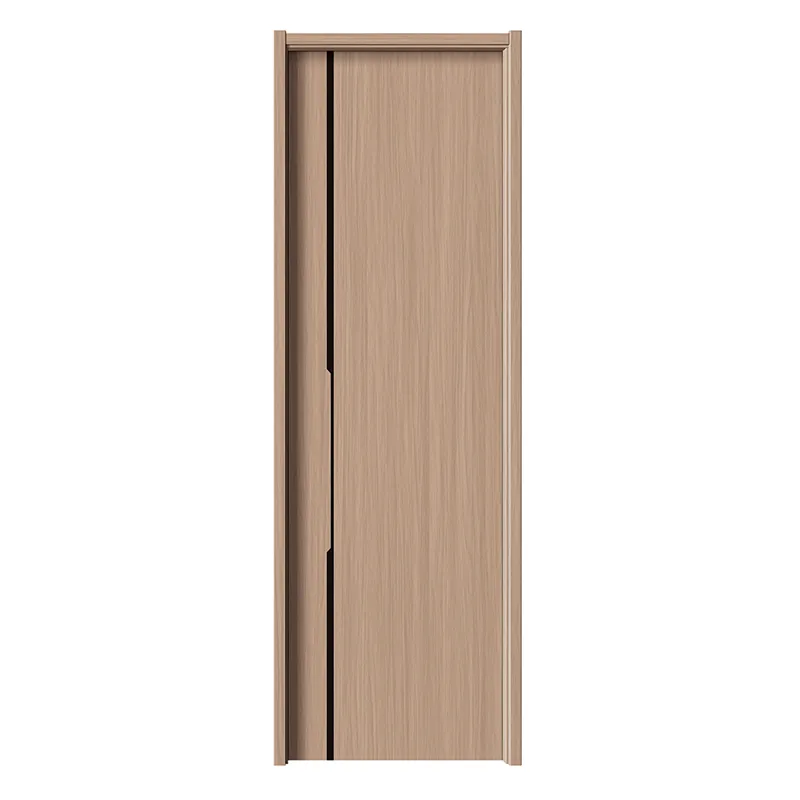 YST-1029 Door Translucent light shade 1
 -
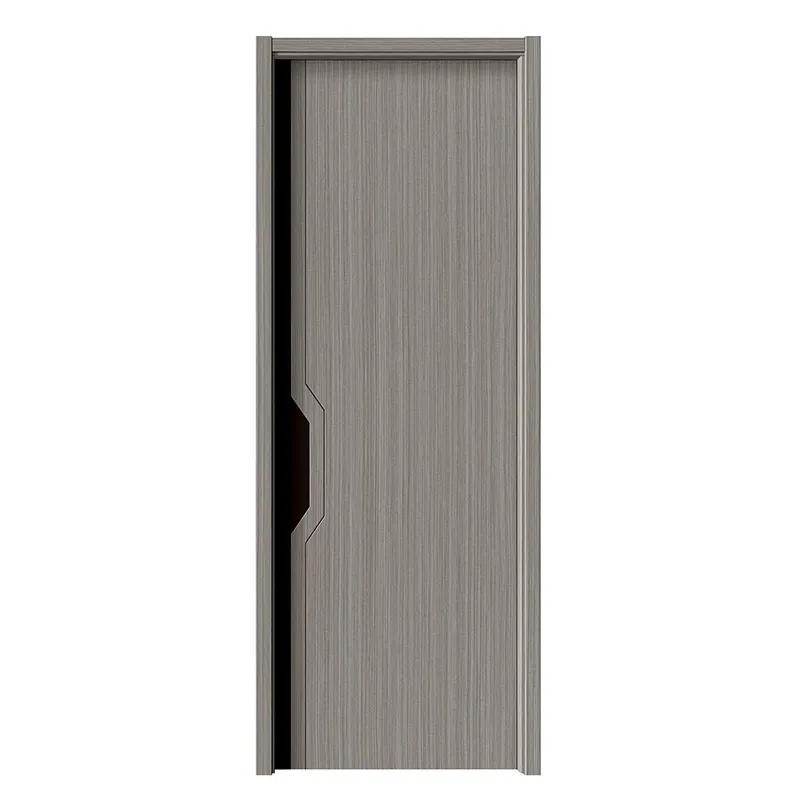 YST-1007 Technotree Door 2
 -
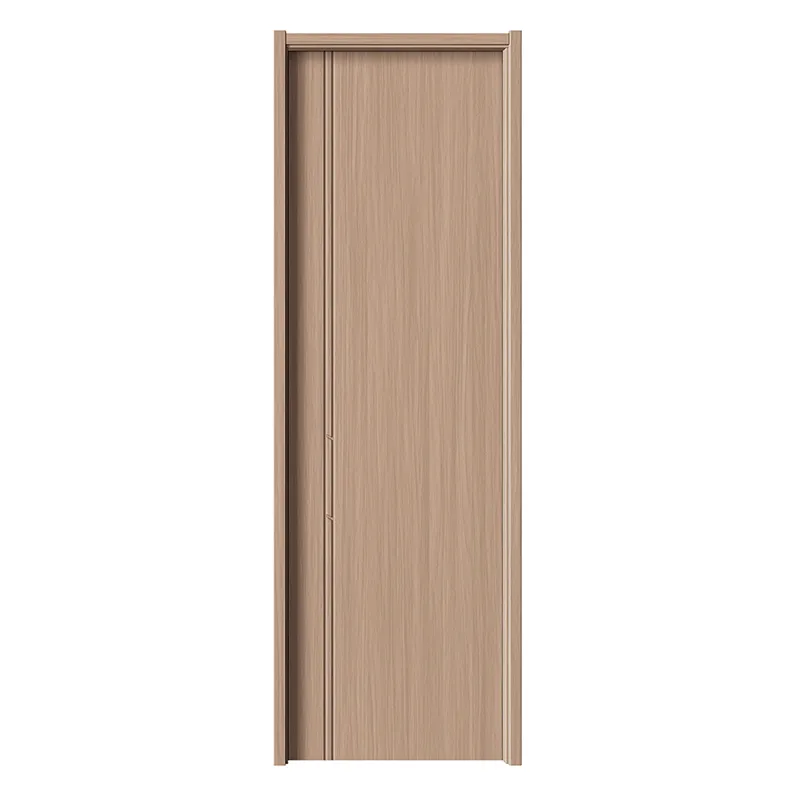 YST-1009 Door Translucent light shade 1
 -
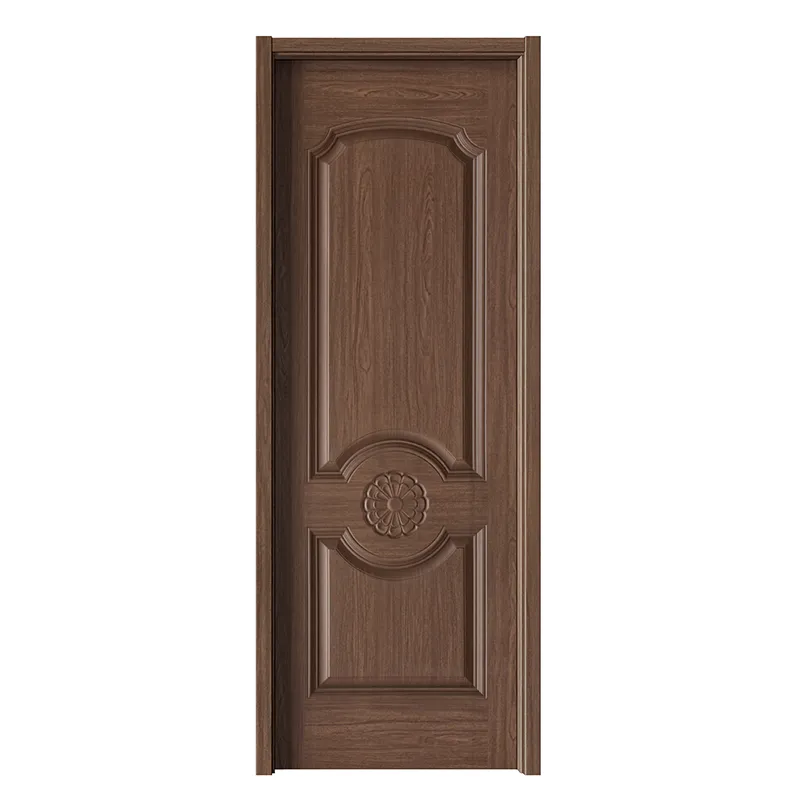 YST-212 Door North American Oak 2
 -
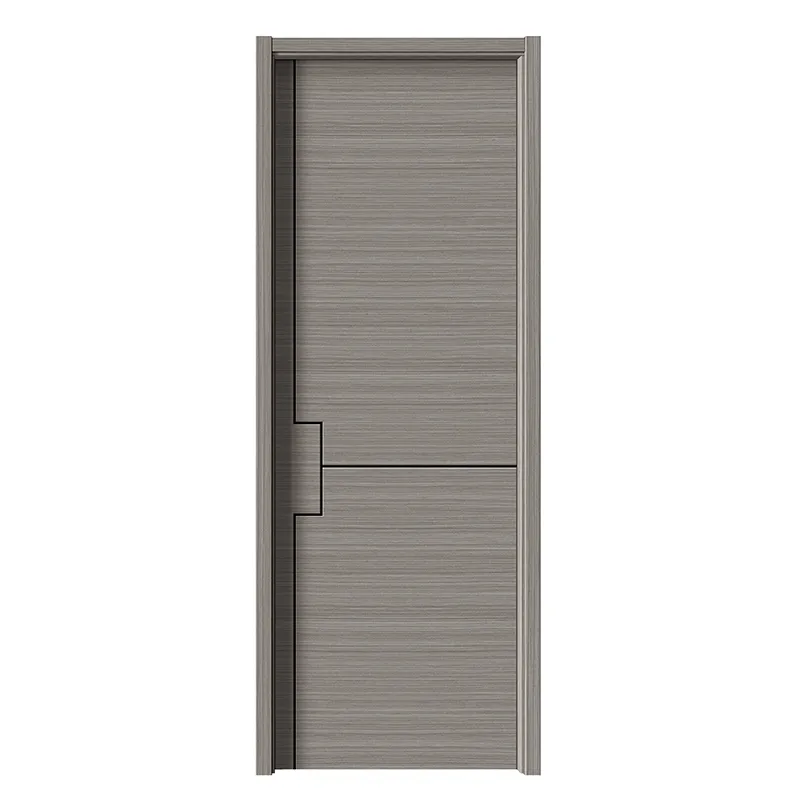 YST-1005 Technotree Door 2
 -
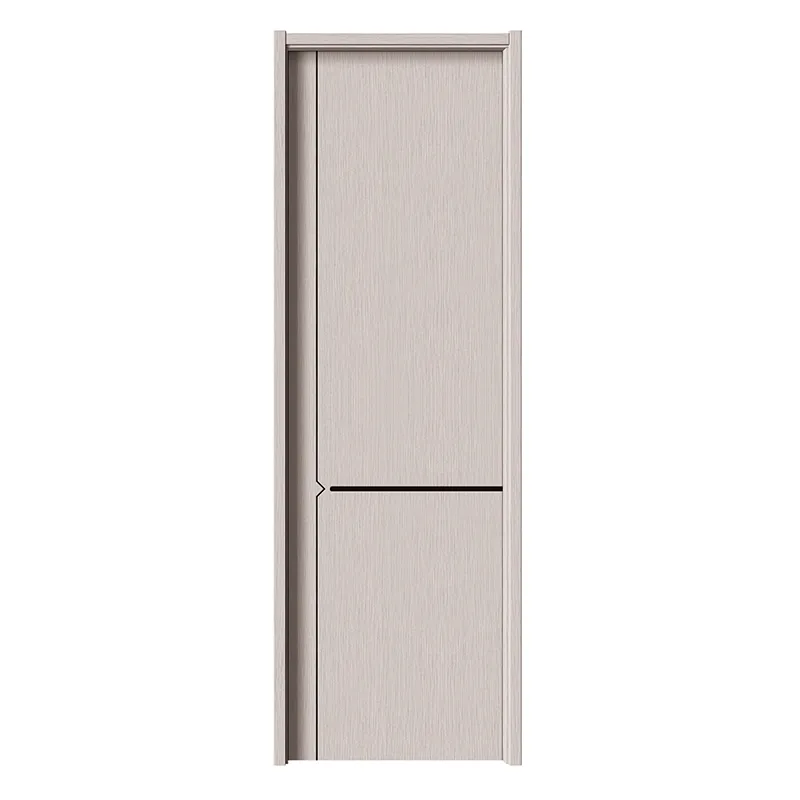 YST-1024 Door Chiaroscuro wood 1
 -
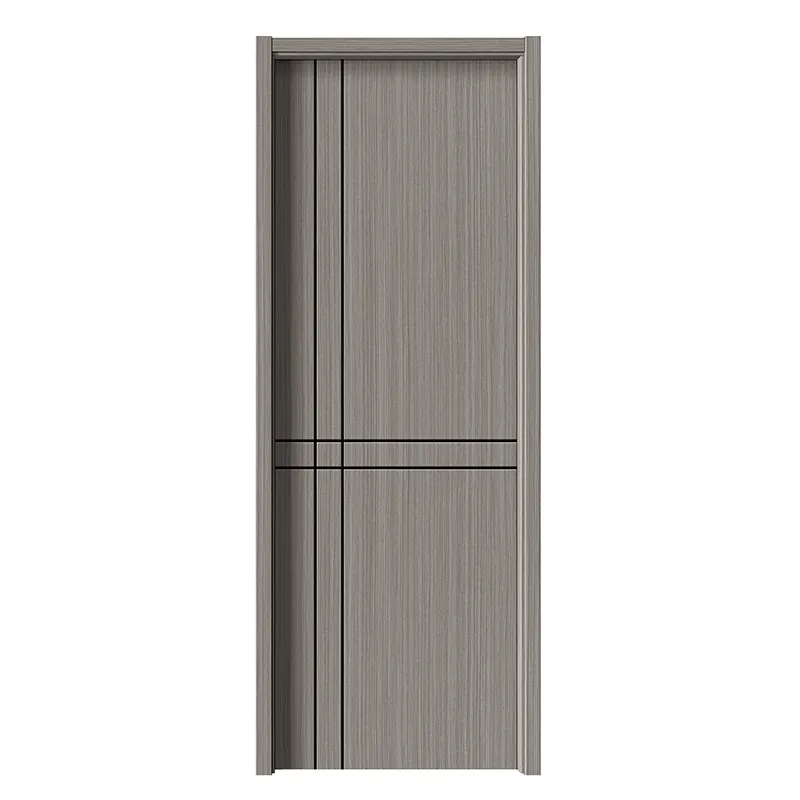 YST-1004 Door Technotree 2
 -
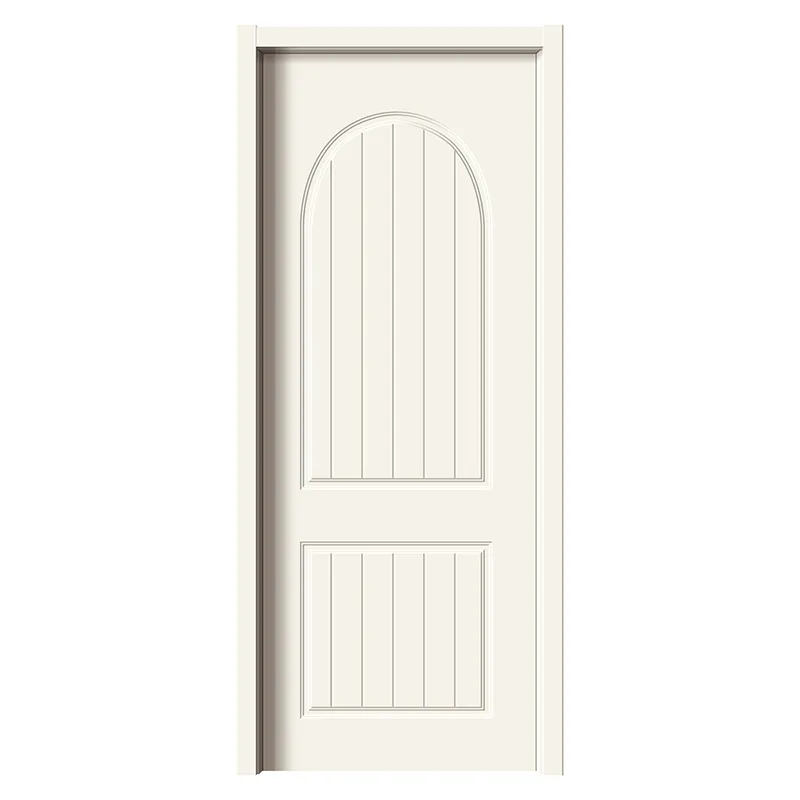 YST-236 Door White ivory
 -
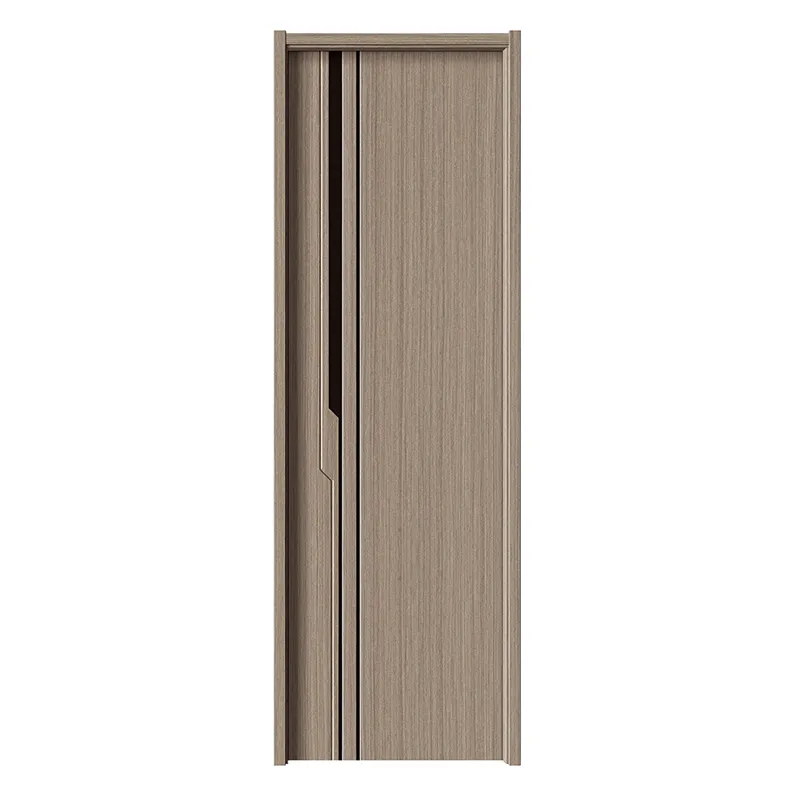 YST-1018 Technowood Door 1
 -
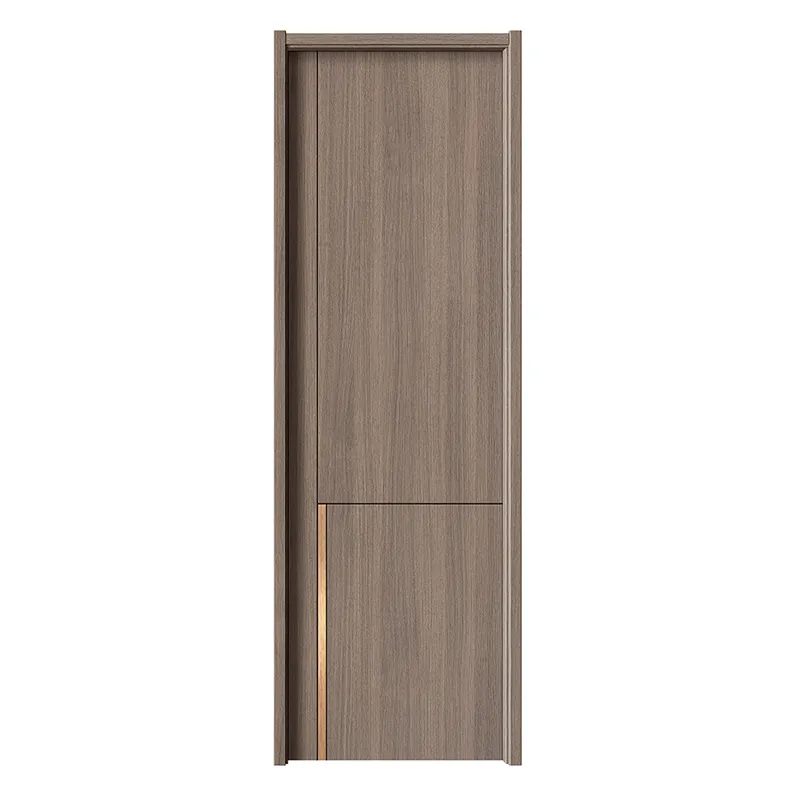 YST-1003 Door Oak gray
 -
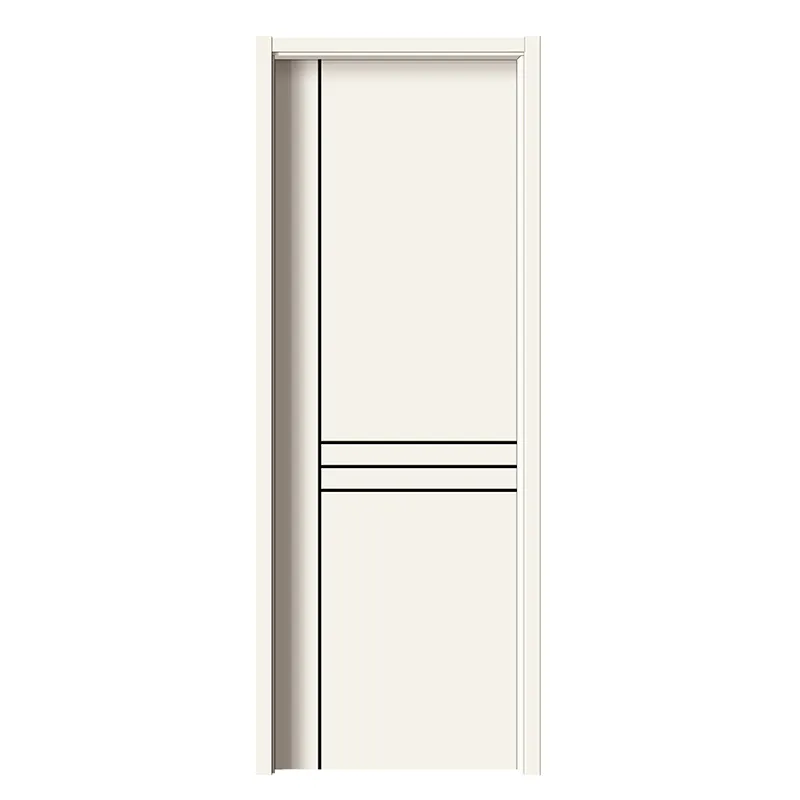 YST-220 Door Warm white
 -
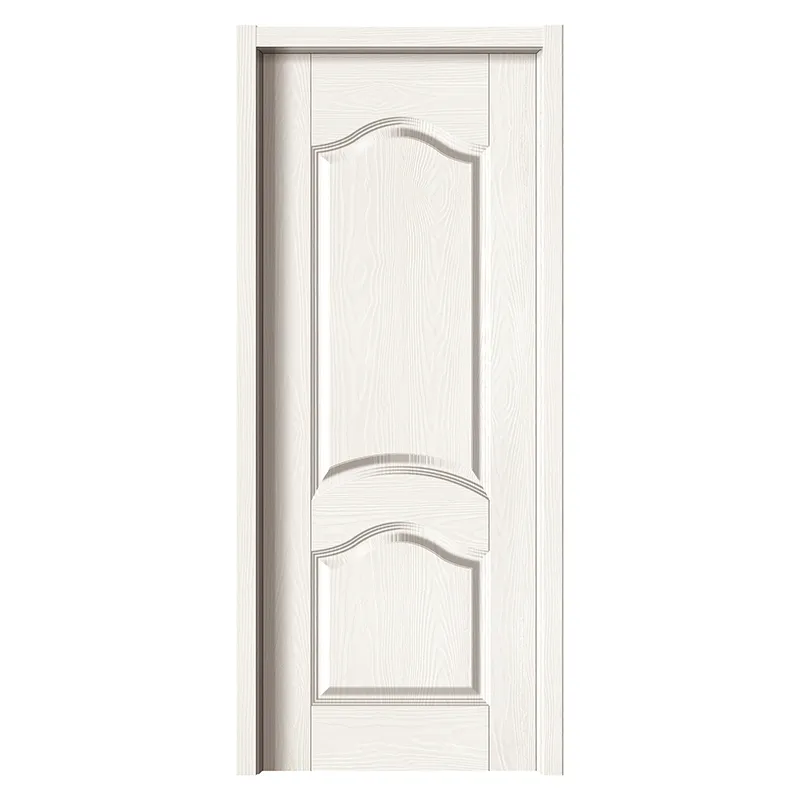 YST-224 Door Warm white with relief