




Wooden houses and doors
When they talk about wooden houses and doors, they often think only about the appearance - “log house”, “country”, “ecologically friendly”. But in reality, if you have worked with this material for years, you understand that the main thing here is the behavior of wood in different conditions. Many customers, and some colleagues, underestimate how much a door in such a house is not just an element of the interior, but part of a single structure that “breathes,” moves, and reacts to humidity. It is a mistake to install a door in a log house made according to the same principles as for a brick wall. It will either jam after the first winter, or cracks will appear such that there will be a draft. We had a case in our practice - a client brought supposedly “premium” money. a door made of solid oak from Europe was installed in a new house made of laminated veneer lumber near Tver. Six months later he calls: “It’s not closing?” We arrived and looked - the box was moving, the canvas was intact, but the geometry was broken. And all because that door was designed for a stable microclimate, and our timber was still shrinking, plus seasonal fluctuations in humidity. I had to redo the fastening unit and make a floating casing. This is the difference between a simply beautiful product and something that really works in tandem with the house.
Why a door in a wooden house is a different story
Here you can’t just take and cut the canvas into the opening. A wall made of timber or logs is alive. It doesn’t just settle in the first year or two, it constantly, albeit slightly, moves with temperature and humidity. Therefore, a casing (jamb) is required - an independent frame that takes on these movements without transmitting them to the door frame. Many construction teams, especially those who are accustomed to stone houses, save on this or do it somehow. And then they wonder why the door creaks or doesn’t close well. I always explain to customers: saving on the correct casing means guaranteed problems and, as a result, rework is more expensive.
Another point is the choice of breed and processing. For the entrance door to a wooden house, they often want something massive, made of oak or ash. This is logical, strength. But if the house is located, say, in a damp region, near water, then without very careful multi-layer impregnation and varnishing, the same oak can begin to “decay”. Sometimes it makes more sense to consider more stable species or modern engineering solutions - for example, a frame made of laminated pine with decorative hardwood overlays. This is both more stable and often cheaper. But it can be difficult to convince a client - many people have it firmly in their heads that “mass = quality?”
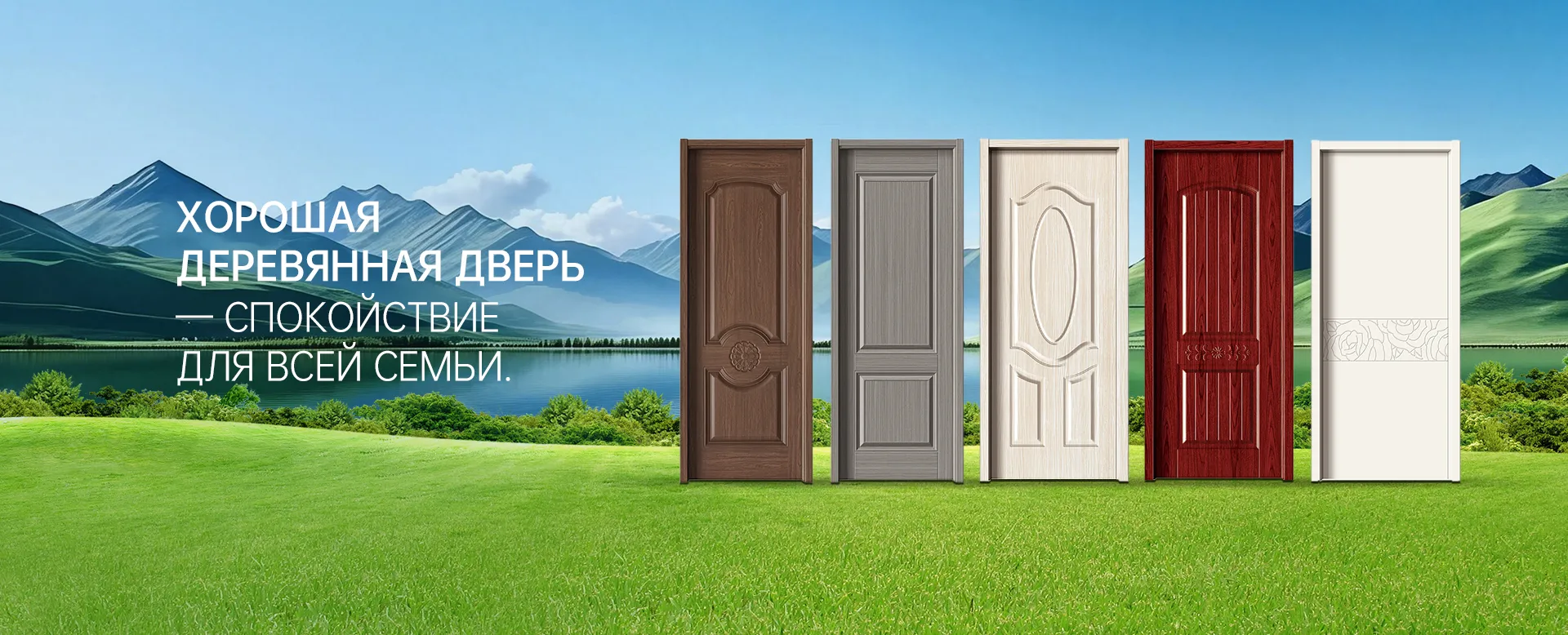
Here, by the way, is an example from practice. We worked with the companyAnhui Wantai Woodworking Co.,Ltd- they offer solutions for the international market, where this approach - a combination of design and practical characteristics - is key. I looked at their catalog athttps://www.anhuiwantai.ru. They have door models where the base is a stable laminated board, and the outer layer is valuable veneer. For many wooden house projects, especially those with modern glazing, this is ideal. The result is both a “massive” appearance and geometric stability, which is difficult to achieve from a solid slab. Their philosophy is to “build a business on precision?” This is very appropriate here - because there are no small details when working with wood for structures.
Details that make all the difference: fittings, seals, clearances
You can make the perfect door from the best wood, but ruin everything with hinges or a lock. In a wooden house, again due to micro-movements, there are special requirements for fittings. The hinges must be adjustable, with a margin of safety. The lock is better with a lever mechanism; it is less sensitive to distortions than a cylinder one. People often forget about this, install a beautiful European handle with a cylinder, and then suffer.
Seals are a separate issue. A rubber seal along the contour is standard for metal doors. In wooden ones, felt or brush tapes are often used. They compensate for unevenness better and are quieter, but their service life is shorter, especially on the front door. You need to look at the location: for interior doors in a heated house, please use felt. For an entrance facing the street, look for modern elastic polymer profiles that do not harden in the cold. We once installed a door with the wrong seal at our dacha - by spring it simply fell apart.
Gaps. The rule here is simple: too small a gap - there is a risk of jamming during swelling, too large - drafts and an untidy appearance. For interior doors in stable conditions, 2-3 mm is usually left around the perimeter. For the entrance, especially in regions with high humidity, 3-4 mm is possible, taking into account seasonal swelling. All this seems like a trifle, but it is precisely these little things that form the impression of the quality of work. When the door closes with a quiet, soft click, without effort, this is the result of the correct calculation of all these gaps and the selection of fittings.
Interior doors: where you can relax and where you can’t
It would seem that conditions inside the house are more stable. But there are nuances here too. If the house has unheated rooms - say, a storage room or technical room on the ground floor, then the door there should be considered almost like an entrance. There will be changes in temperature and humidity. It is better to put there a canvas made of the same type as the main ones, but with more careful finishing of the ends and, again, with the correct gaps.
Stylistics. In a wooden house, you often want to maintain a single language. But installing massive paneled doors everywhere is both expensive and can create a feeling of heaviness. A good solution is to use lighter, panel structures with a simple design for secondary rooms, and leave the mass for the living room or office. Or play on the contrast of textures - a smooth painted canvas in a modern kitchen and a rough-cut oak door in the living room. The main thing is that all this is linked to the overall plan. Companies that specialize in exports like the sameAnhui Wantai Woodworking Co.,Ltd, this is well understood. Their range, judging by the description, is precisely designed to satisfy a variety of needs - from classic to more modern projects. This is important because the market is different now: some are building a traditional Russian hut, while others are building a minimalist house made of laminated veneer lumber with panoramic windows. And the doors need matching ones.
More about interior doors: sound insulation. In a stone house, the wall itself is heavy and dampens sound well. In wood, the walls are lighter, and the role of the door in soundproofing between rooms increases. The cavities inside the canvas, special seals along the contour, even the weight of the canvas - all this matters. Sometimes it’s worth paying extra for a model with a reinforced frame structure and filling if you need silence in the bedroom.
Production and control: why ?international standards? - not just words
When you read about modern production bases and process control, as in the descriptionAnhui Wantai Woodworking Co.,Ltd, to an outsider this may sound like an advertisement. But in fact, in woodworking this is critically important. Selection of raw materials is not just “take pine?”. This includes monitoring the moisture content of lumber before processing, rejecting knots, and checking for the presence of internal stresses. If you skip this stage, the finished product may already be in the warehouse.
Drying. The most important operation. Insufficiently dried wood is guaranteed to become deformed. Overdried - it becomes fragile. We need modern cameras with precise temperature and humidity control. And after drying, the material should “rest” and stabilize. This time is needed, which means large warehouse areas are needed. Small workshops often neglect this and work “on wheels”, hence the problems for the end consumer.
Assembly and finishing. Here the principle of ?accuracy? comes to the fore. The groove must fit perfectly under the tenon, the adhesive joint must be free of voids. Impregnations and varnishes must be applied in a certain sequence, with exposure between layers. If you violate the technology, in a year the varnish will begin to peel off on the sunny side. When a company declares strict adherence to standards at all stages, this, in theory, is protection against such scenarios. For wooden house projects, where everything is visible and any flaw is noticeable, working with such a supplier is safer.
Bottom line: don’t fight the tree, but be friends with it
So, back to the beginning.Wooden houses and doors- this is not a story about blindly following traditions or trends. This is about a deep understanding of the material. You can make a very beautiful door that will be an eternal source of headaches. Or you can make one that looks simple, but will serve for decades, quietly and efficiently doing its job.
The key is an integrated approach. You cannot design a house and then select doors separately. They need to be considered as part of the system. And choose a manufacturer or contractor who thinks in the same categories - not just as a seller of products, but as a partner who understands the physics of the process. Those who work for the international market are often forced to keep this high bar, because competition is tough and clients are demanding. Their experience, their expertise in combining design and practicality, is a valuable resource for anyone who wants to build or renovate using wood.
In general, working with wood is always a dialogue. You offer something, and the material responds to you. And you need to be able to hear this answer at the project stage, so that you don’t have to redo it later. It is this dialogue that makes the result truly high-quality and lively.
Correspondingproducts
Related Products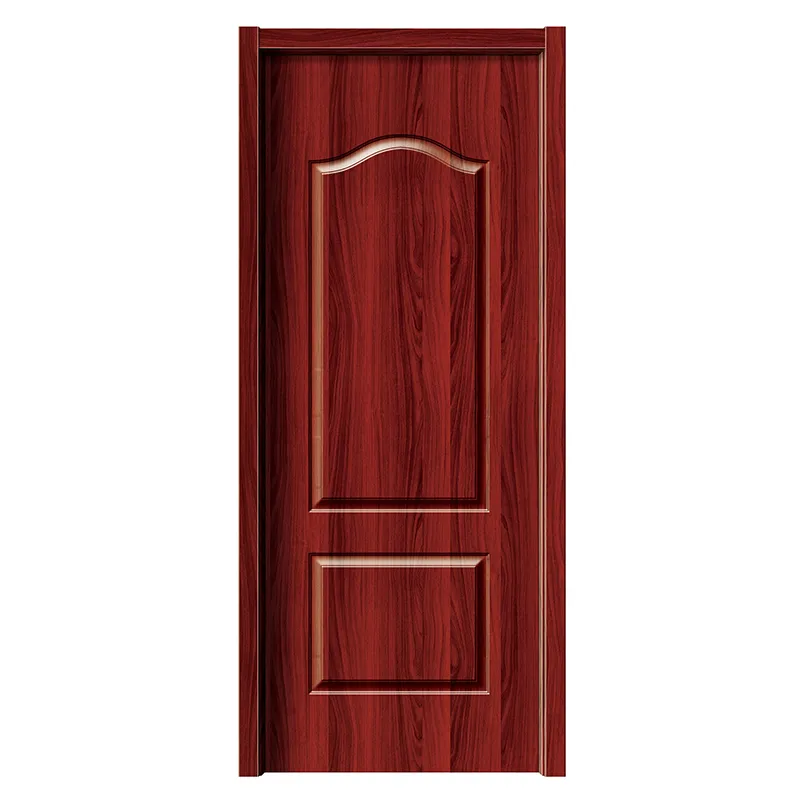
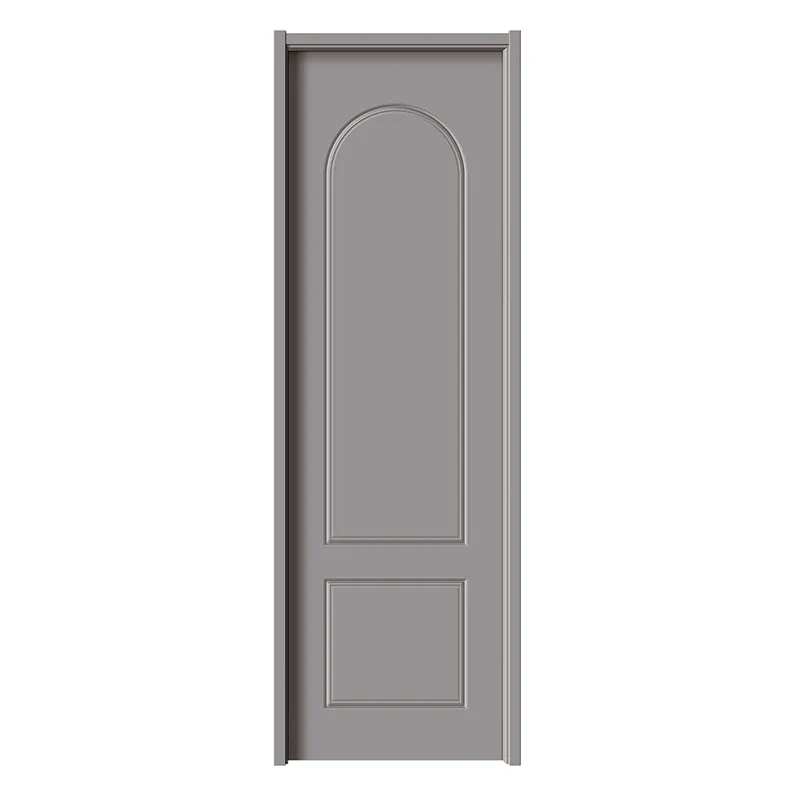
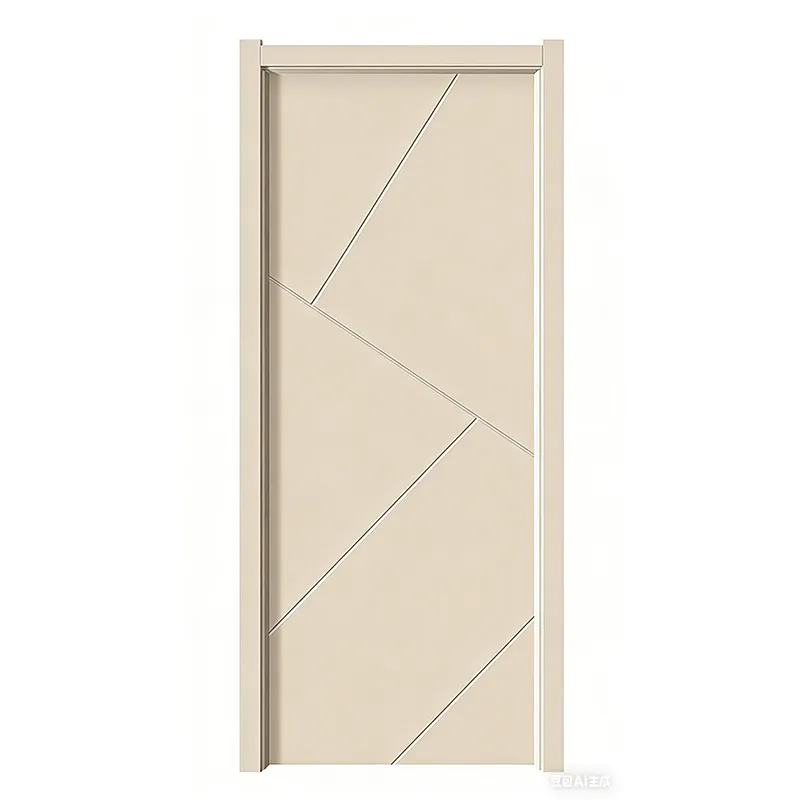
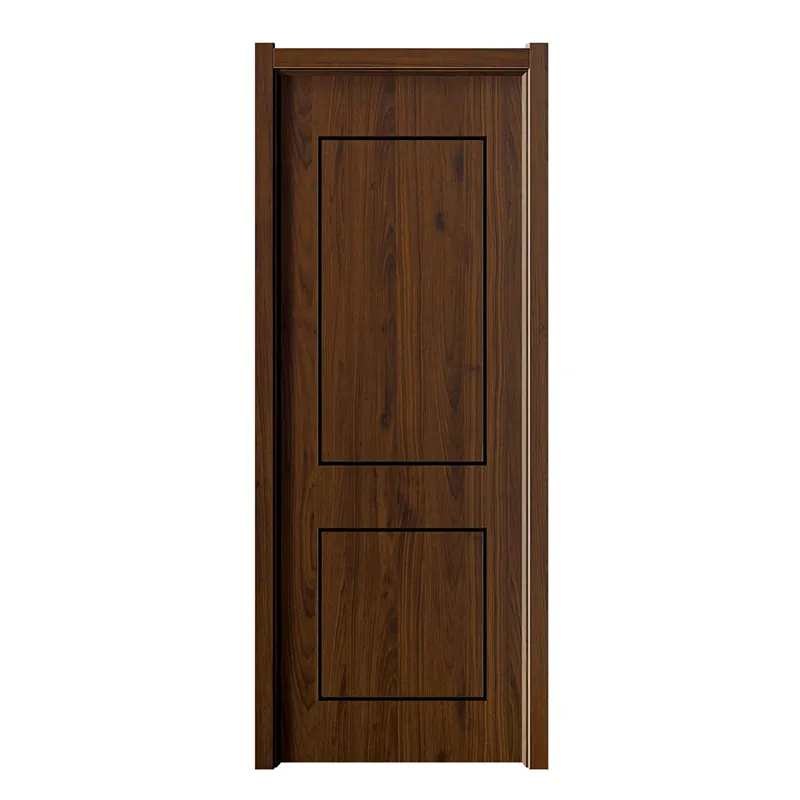
Best Sellingproducts
Best Selling Products-
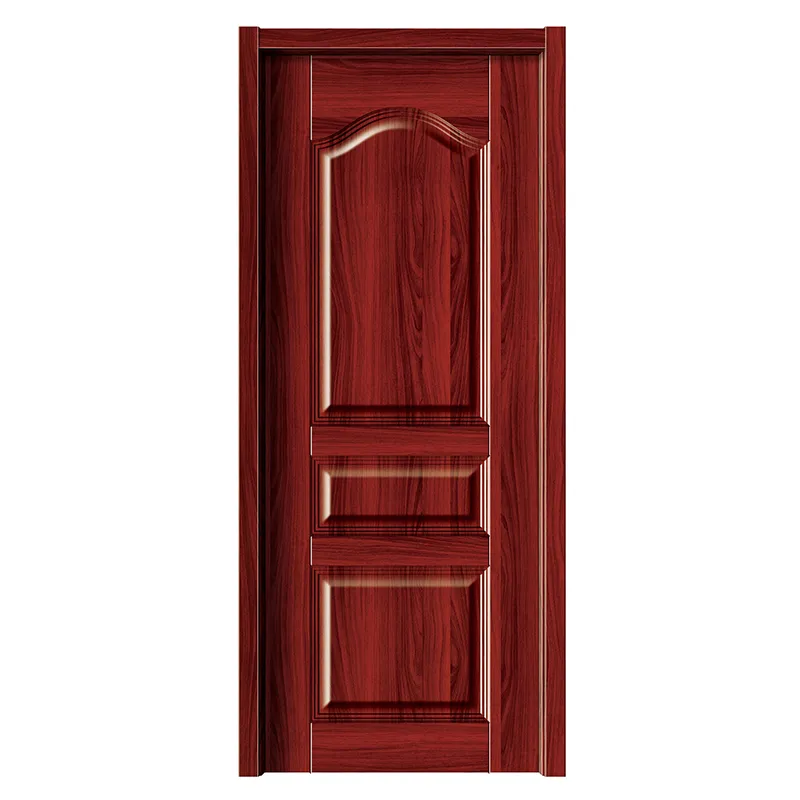 YST-203 Door Red team
 -
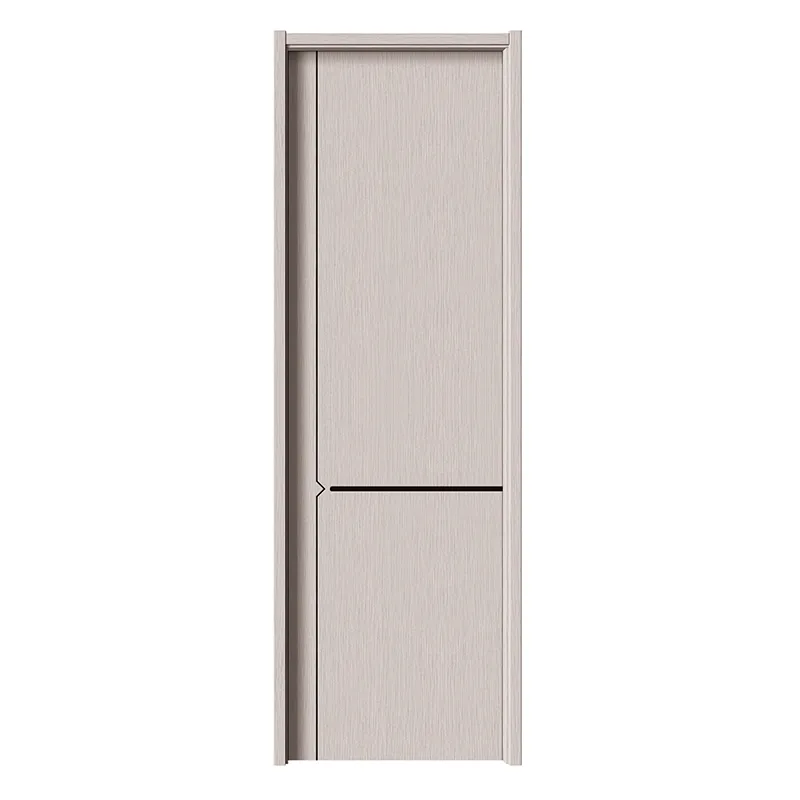 YST-1024 Door Chiaroscuro wood 1
 -
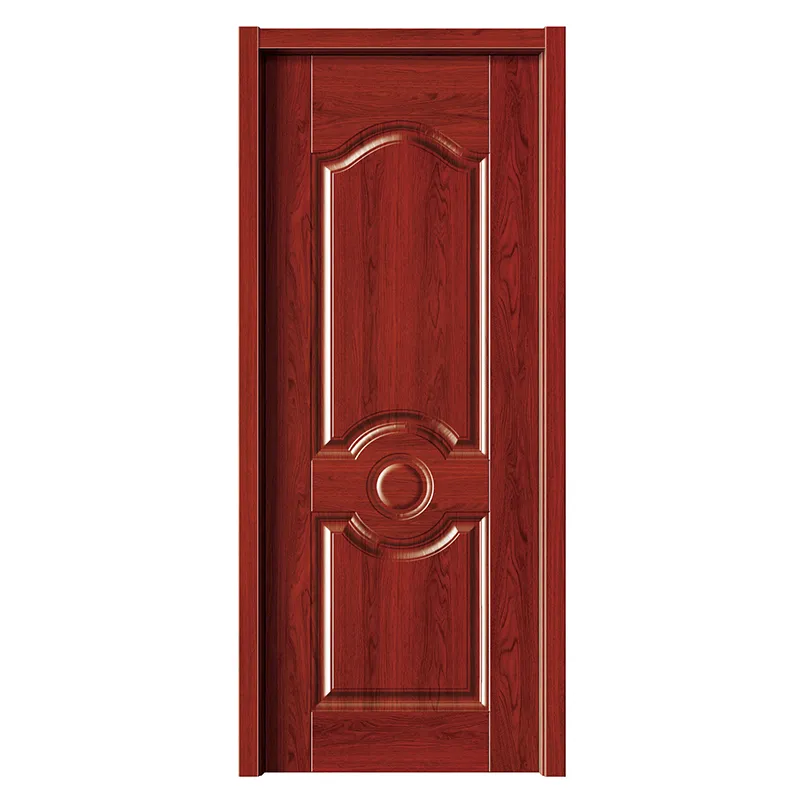 YST-208 Door Red Sandalwood
 -
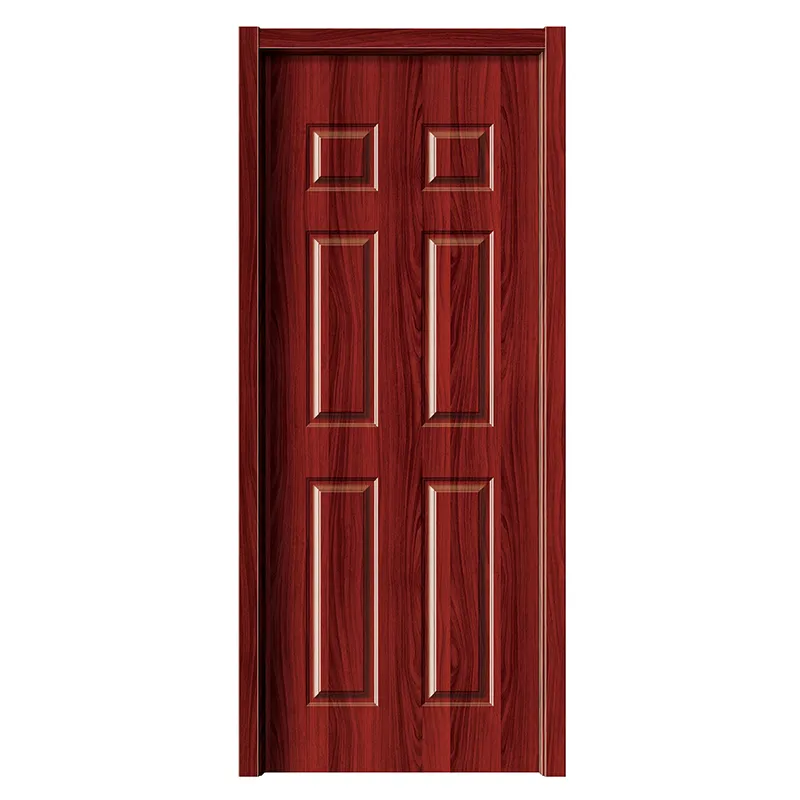 YST-201 Door Red team
 -
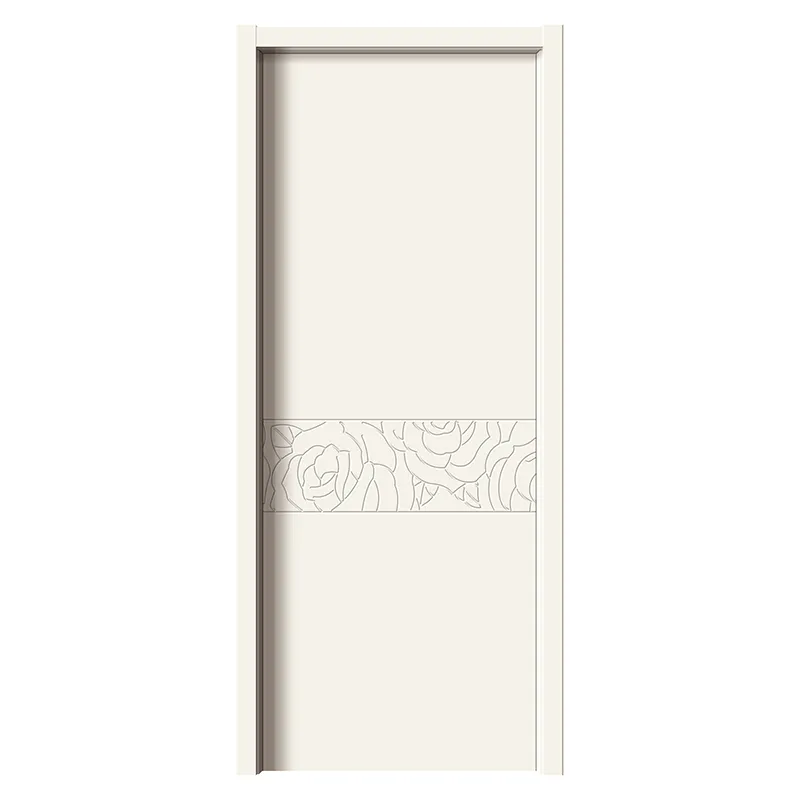 YST-238 Door White ivory
 -
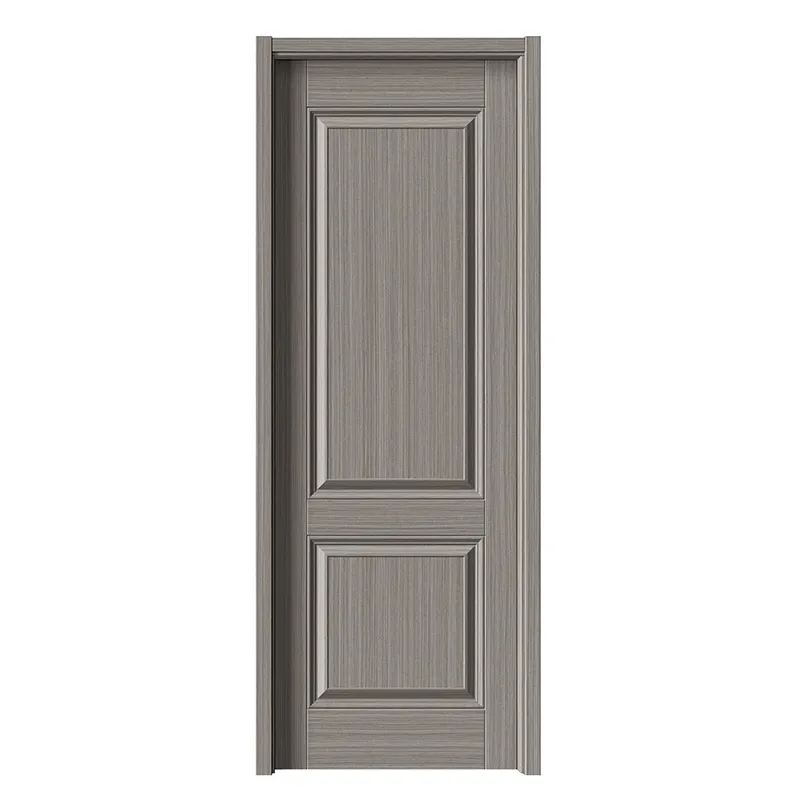 YST-214 Door Technowood 2
 -
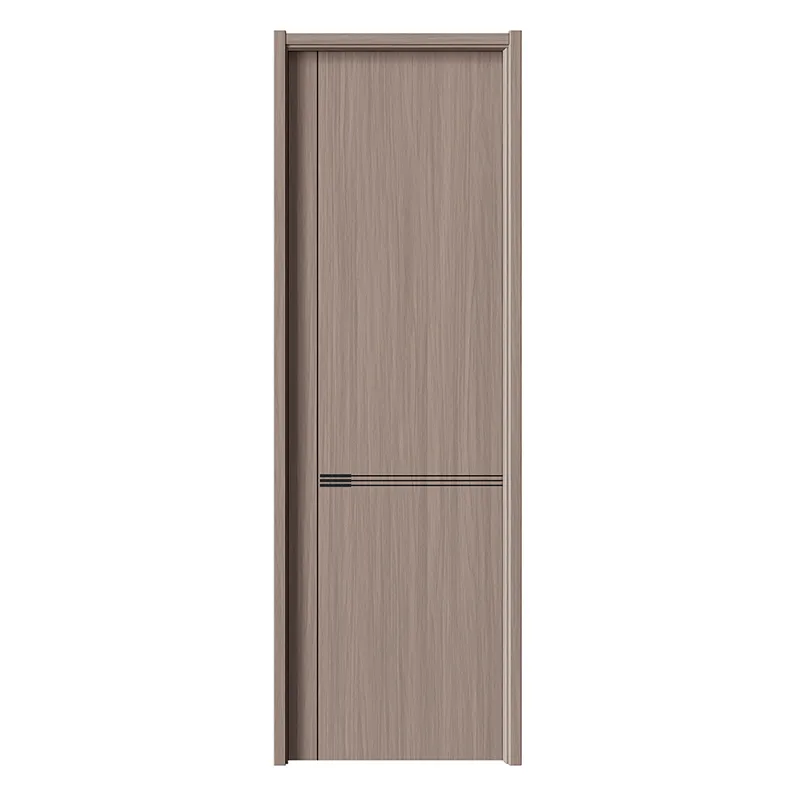 YST-1039 Door Translucent light shadow 3
 -
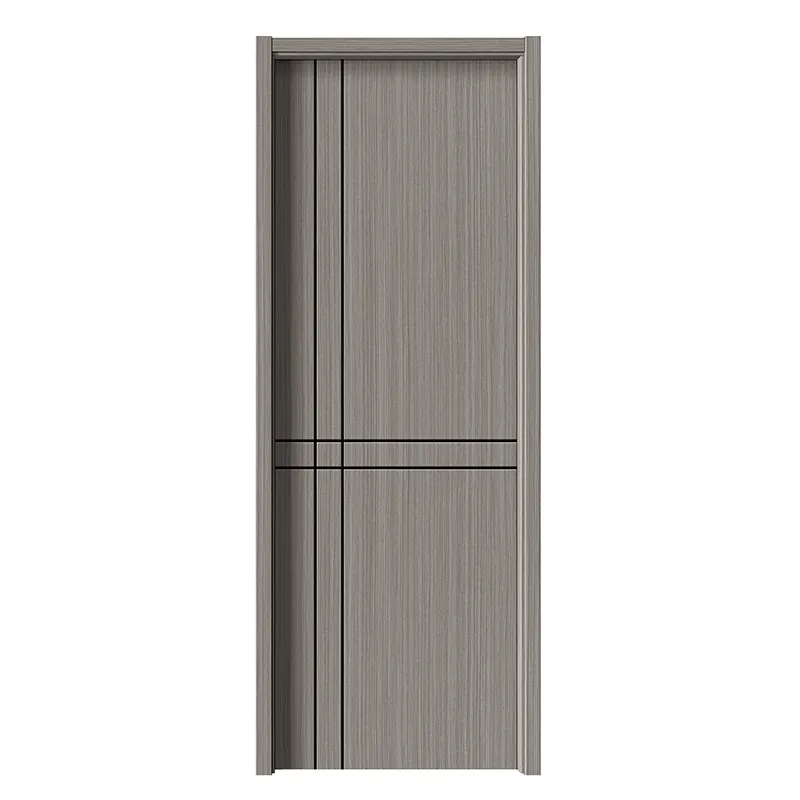 YST-1004 Door Technotree 2
 -
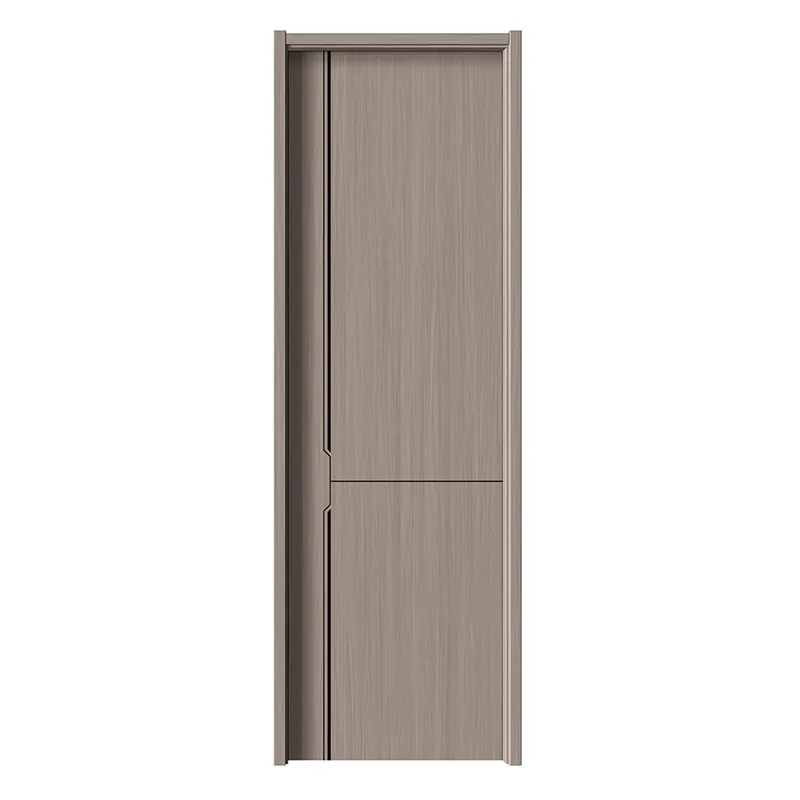 YST-1011 Door Translucent light shadow 3
 -
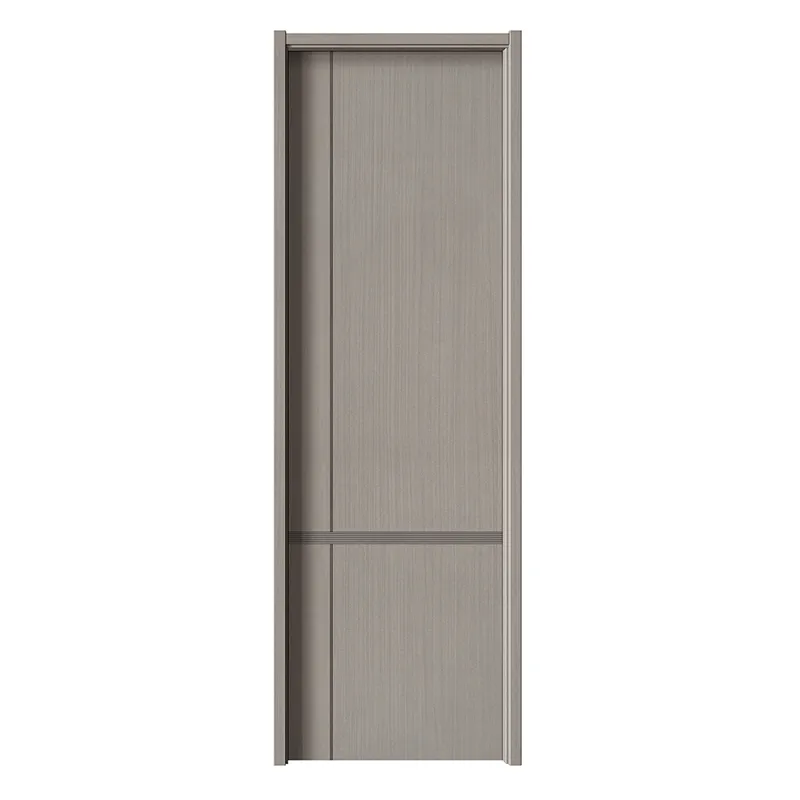 YST-1013 Door Cloud Walnut 1
 -
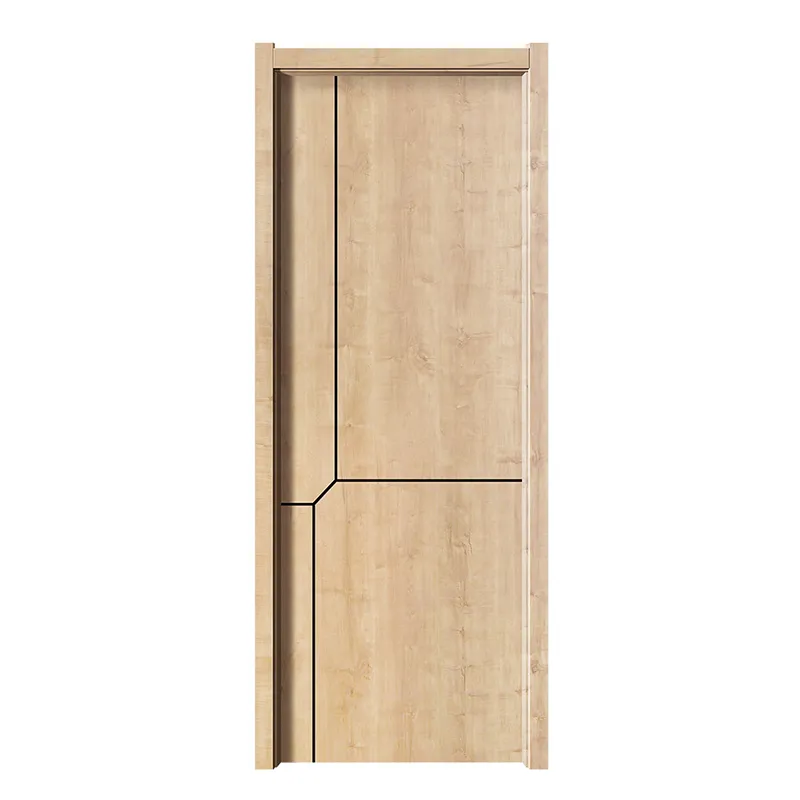 YST-WPC1 Door
 -
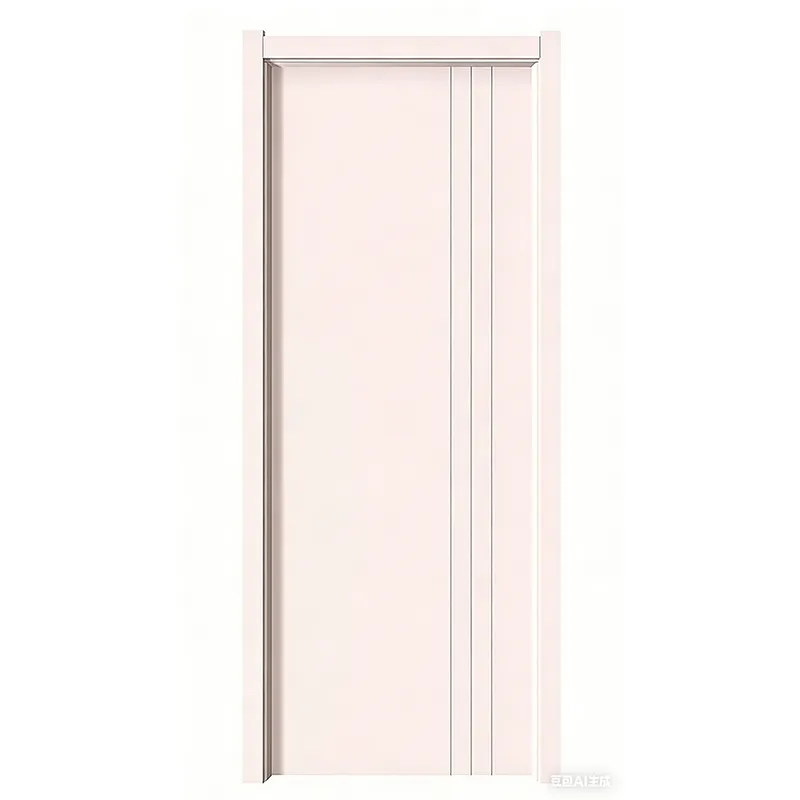 YST-WPC4 Door