




Hidden door matte chrome
Here's what's interesting: when a customer says "hidden door", he often imagines just a flat panel in the wall. But matte chrome is a different story, it’s about tactility and light. Many people think that the main thing is to hide the hinges and the lock, and the finish is a secondary matter. Error. Matte chrome is not just a coating, it is a way of controlling light in a space. It doesn't glare like a polished finish or pick up fingerprints like a black matte, but it gives a cool, precise depth. And it is in combination with hidden installation that this material is fully revealed - the door ceases to be just an opening, it becomes part of the architectural plane. But to achieve this ?merger? - a whole science.
Why matte chrome and not something else?
I’ll tell you from practice: choosing matte chrome for a hidden door is often a compromise between design and the physics of the room. Gloss, even the highest quality, always reveals the joint line and plays with reflections. And, for example, the now popular powder paint may look too “industrial?” or, on the contrary, rather simple. Brushed chrome is metal, but subdued. It does not dominate, but attracts the eye with its texture. In projects where minimalism is important, but without sterility, it works perfectly. I remember an object in a Moscow apartment where the walls were decorated with concrete-effect plaster. Glossy handles and moldings would look foreign there, and the matte chrome on the hidden door in the niche for media equipment literally disappeared into the overall scheme, but at the same time it was easy to find by touch.
But here is the first pitfall - the quality of the coating itself. Cheap ?matt chrome? - This is often just paint with aluminum powder. It fades over time and may become covered with microcracks. Real matte chrome plating is a more complex process, with preparation of the base (usually steel or aluminum), etching, nickel plating and only then chrome plating in a special mode, which gives a matte finish. The difference to the eye and to the touch is colossal. A high-quality coating has a deep, slightly “whispering” quality. shine and an absolutely smooth, but not slippery surface.
That is why in our work we always request from suppliers not just color samples, but technological maps for coating. How, for example, does the companyAnhui Wantai Woodworking Co.,Ltd. This consistency is visible in their approach: they do not just offer a door with a “matte chrome” finish, but can justify the choice of a specific finishing technology for metal elements, which directly affects the durability and visual result. This is important when it comes to hidden structures, the repair or replacement of which is associated with high costs.
Design: what is hidden behind the ideal plane
The most difficult thing about a hidden door with a matte chrome surface is not even the door itself, but the preparation of the opening and the hidden fittings. The canvas should be perfectly smooth, without the slightest “belly”. or failure, otherwise the matte surface, which does not play with light, will mercilessly highlight it. The frame, the harness - everything must be designed for rigidity. A common mistake is an attempt to save on the thickness of the canvas or on the system of stiffeners. It seems to hang evenly, but after six months of use a barely noticeable deflection appears, and the door is no longer “invisible”, but looks like a crookedly installed panel.
Accessories are a different matter. Hinges with vertical and horizontal adjustment are a must have. And here matte chrome imposes its limitations. If, for example, on a black matte door a small scratch from installation can be retouched with a marker, then with chrome this trick will not work. Any damage to the coating during installation is fatal. Therefore, installers must wear clean gloves, use protective films and special, non-metallic tools for final adjustments. Once I observed how a “specialist” straightened the door with a pry bar wrapped in electrical tape. The result is a dent on the edge. I had to remove the canvas and take it to the factory for recoating, missing the deadline.
Another nuance is the joint between the canvas and the wall. The ideal option is when the door is designed together with the wall decoration, and the joint is covered with a plasterboard structure or decorative trim to match the wall. But if the door is installed in a finished renovation, the gap should be minimized to 1-2 mm. And here, matte chrome is good because its end edge, if it is also processed well, does not create a sharp contrast line, but softly “fades” in the doorway.
Application scenarios: where it works and where it doesn’t
Matte chrome is not a one-size-fits-all solution. He is cold, technological, a little distant. Fits perfectly into loft, industrial, hi-tech, Scandinavian minimalism styles. Works great in commercial spaces: meeting rooms, rest areas in offices, entrances to technical rooms. In residential interiors, these are often doors to offices, dressing rooms, laundry rooms, and home theaters. Where you need to visually separate a functional area, but don’t want to use classic wooden panels.
But in a classic interior, in Provence or country, such a door will appear as an alien element. Other materials are needed here. You also need to be careful with bedrooms and children's rooms. A cold metal surface, even matte, can psychologically create a feeling of some sterility. Although I saw a successful project where such a door led to a bathroom decorated with large matte graphite-colored tiles - it turned out very solid and stylish.
An interesting case was about a project for a small design studio. They wanted to zone the open-space, separating the client reception area. The goal is to do this as easily as possible, without bulky partitions. The solution is slidinghidden door matte chrome, which, when open, completely disappeared into the wall lined with dark gray MDF panels. The matte chrome of the door and the matte surface of the panels were close in tone, but differed in texture. The result is an elegant and functional transition. The customers were satisfied, noting that the door “doesn’t make noise.” visually in a common space.
Practical difficulties and failures
Not all projects were successful. I remember one of the failures well. The customer insisted on the thinnest possible profile for the sliding system and a lightweight sandwich panel to reduce the load. But the matte chrome finish we ordered from an outside shop turned out to be too heavy for this design. Plus, the workshop itself did not take into account that a thin aluminum sheet requires special preparation. After three months, the coating on the ends began to peel off in microscopic bubbles. The door worked, but the view was not the same. I had to go for compensation and a complete replacement. Conclusion: you cannot save on the supporting frame and you must carefully select a contractor for finishing work who understands the specifics of working with specific materials.
Another common problem is interaction with other contractors. Installing a hidden door is an early stage of rough finishing. But matte chrome requires careful handling at all subsequent stages. Once, the plasterers, while sealing the opening, splashed the canvas with mortar. They washed it off, of course, but microparticles of cement left almost invisible, but noticeable scratches on the matte surface. Now in the contract we always include a clause on mandatory protection of the canvas after installation with thick cardboard and film until the delivery of the object.
And, of course, logistics. A door with such a coating cannot simply be loaded into a common machine with other materials. Requires individual packaging, soft holders, preferably transported in an upright position. We cooperate with those who understand this. For example, global export producers such asAnhui Wantai Woodworking Co.,Ltd(https://www.anhuiwantai.ru), usually have well-established packaging and delivery protocols for their premium products, which minimizes the risk of damage during transportation. Their philosophy is to “build a business on precision?” It shows up very clearly here.
Supplier selection and quality control
What do I look for when I evaluate a product or supplier for such projects? Firstly, at the joints and edges. Ideal matte chrome plating should be uniform on all planes and, what is critically important, on all ends and corners. If a burr is visible on the corner, the transition or color is different - this is a technology defect. Secondly, on the back side and milling for fittings. Yes, it is not visible, but by the processing of hidden grooves one can judge the general production culture.
Requesting coverage certificates is not just a formality. This is data on resistance to corrosion, abrasion, and UV radiation. Matte chrome in the hallway, where sunlight falls, and in a dark dressing room - these are different operating conditions. A good manufacturer always provides such information. Exploring the siteAnhui Wantai Woodworking Co.,Ltd, it is clear that the company is positioning itself as a supplier for the international market, focusing on a combination of design and practical characteristics. For hidden doors with a metal coating, this is exactly the key point: the design is the appearance of matte chrome, and the practical characteristic is precisely the durability of the coating and the accuracy of the geometry, ensuring that very “invisibility”.
As a result,hidden door matte chromeis not a product, but rather a project. Success depends on the triad: a competent design project that takes into account the specifics of the material, high-quality production of fabric and accessories in compliance with all technological subtleties, and jewelry installation. If one link fails, the idea of ?invisible? technological door breaks into reality. But when everything comes together, you get that same magic when the door is there, but you don’t notice it until you need it - and this is perhaps the best compliment for such work.
Correspondingproducts
Related Products

Best Sellingproducts
Best Selling Products-
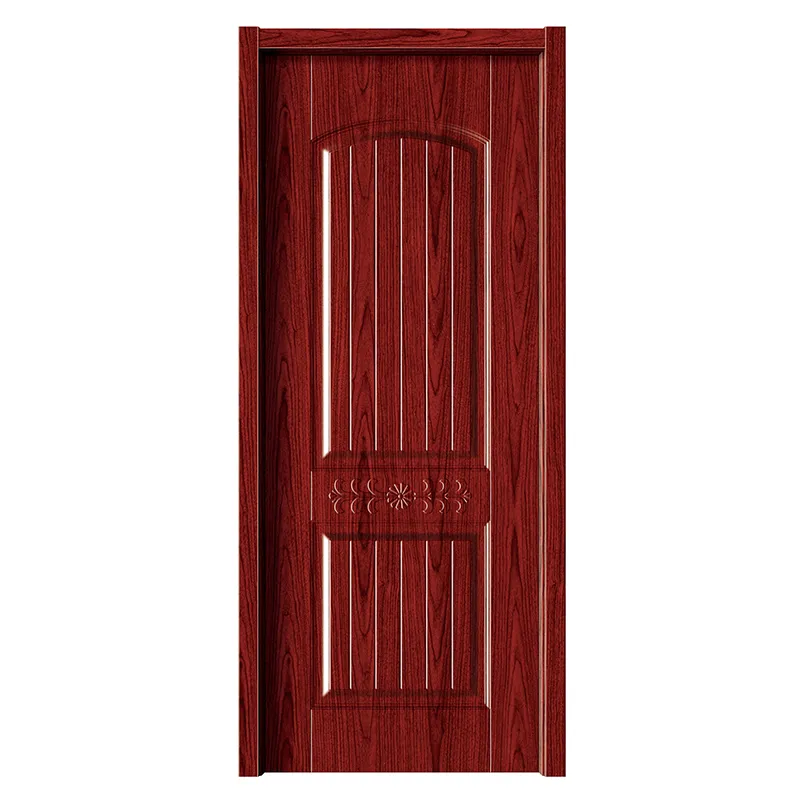 YST-233 Door Mahogany
 -
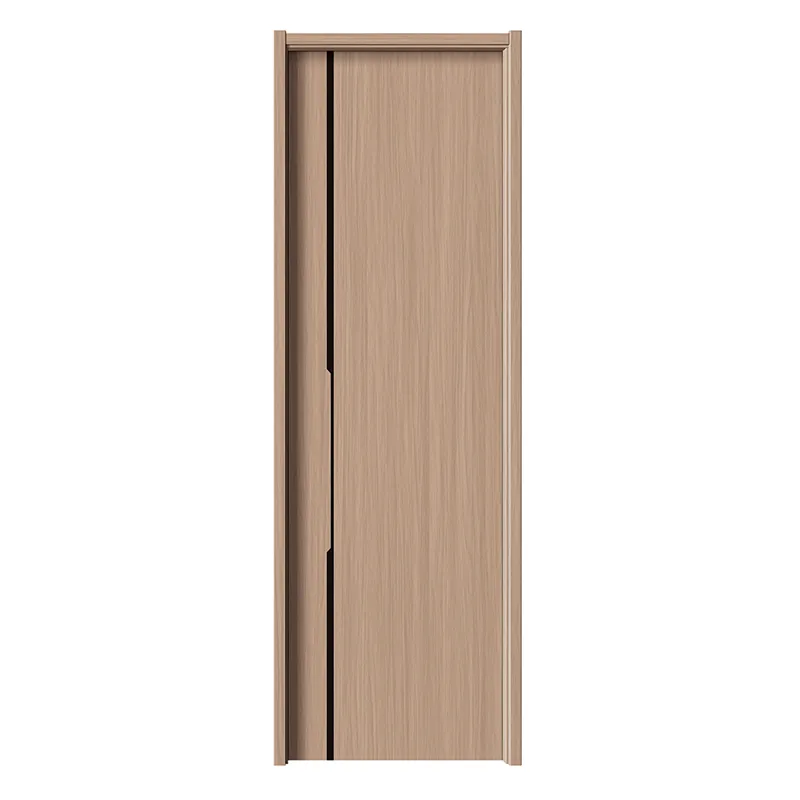 YST-1029 Door Translucent light shade 1
 -
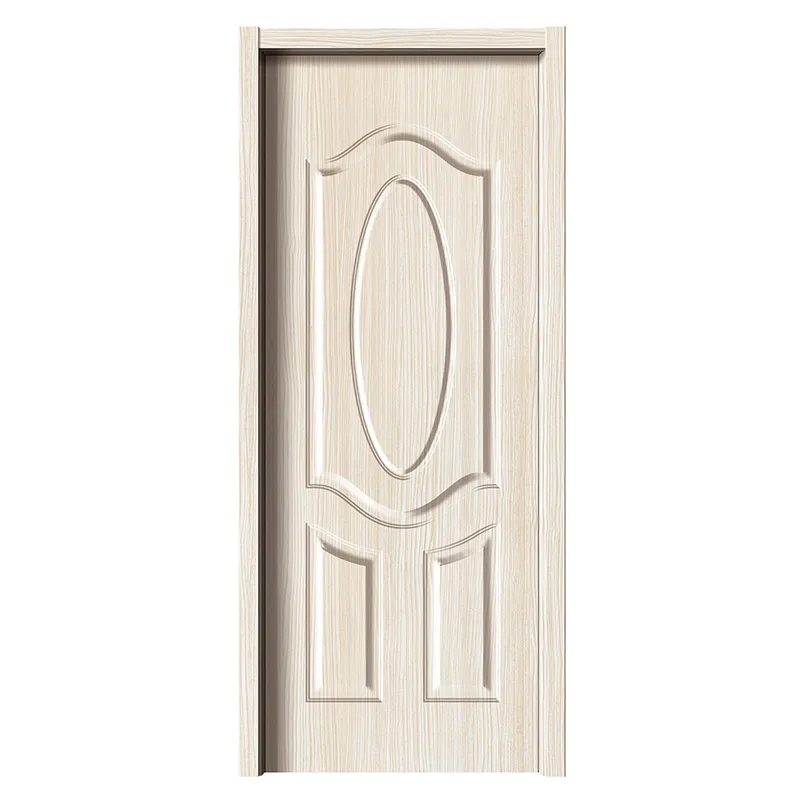 YST-216 Door White Maple
 -
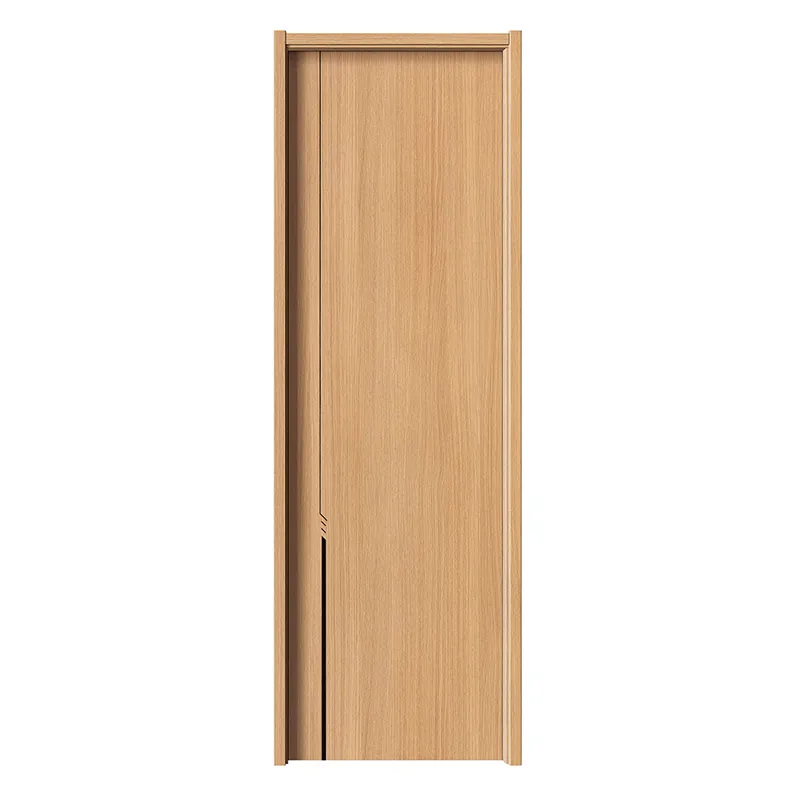 YST-1041 Door Oak Shutter
 -
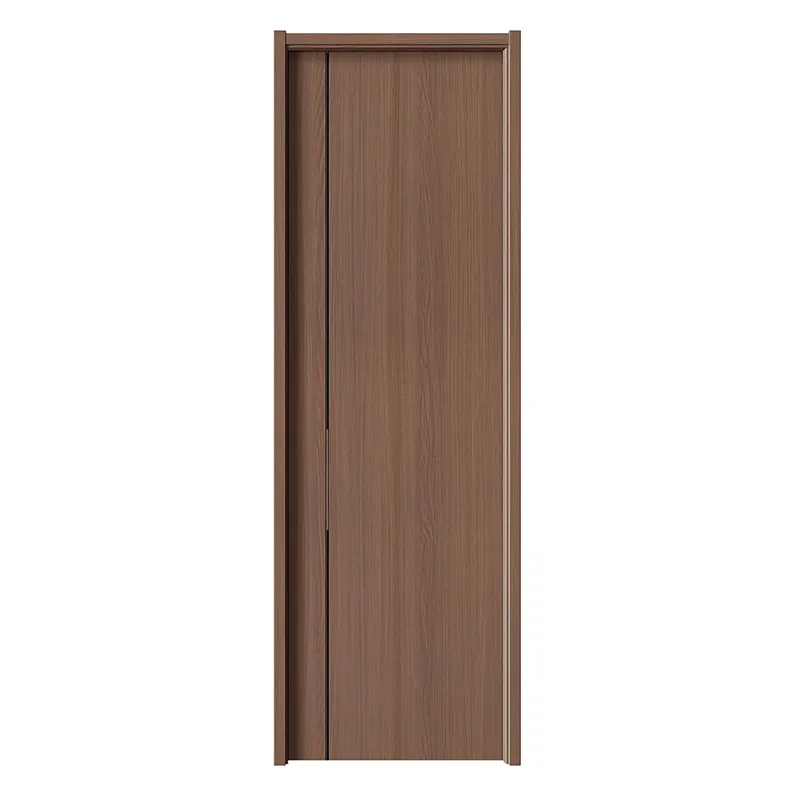 YST-1043 Door Techno-walnut 3
 -
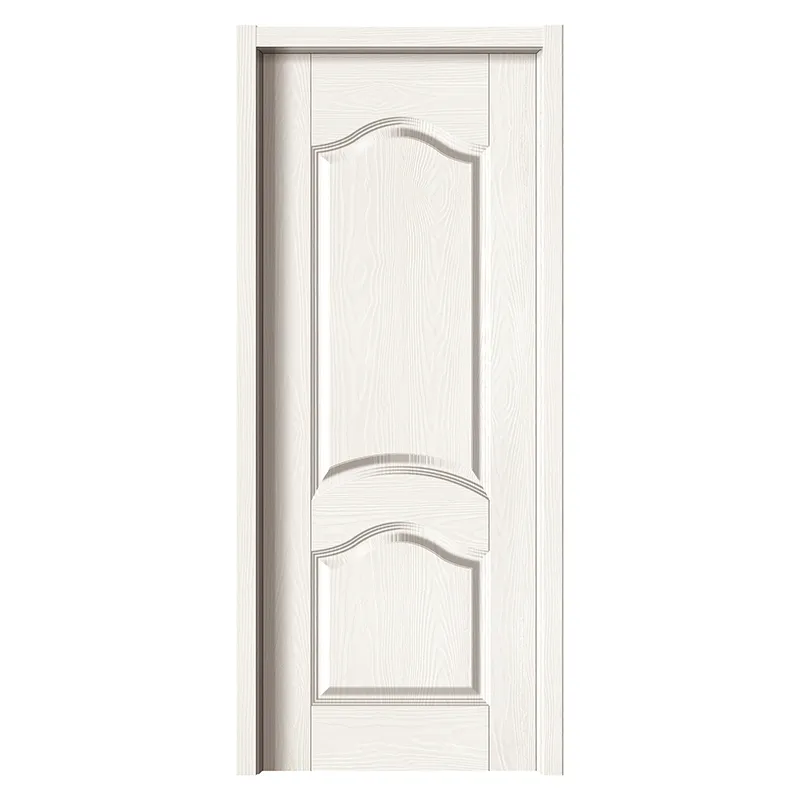 YST-224 Door Warm white with relief
 -
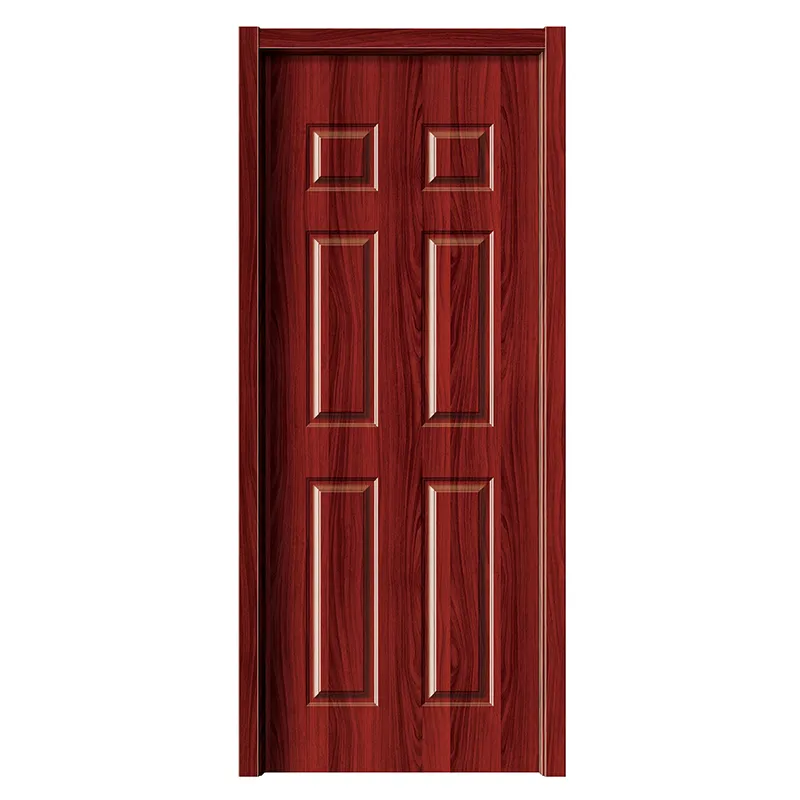 YST-201 Door Red team
 -
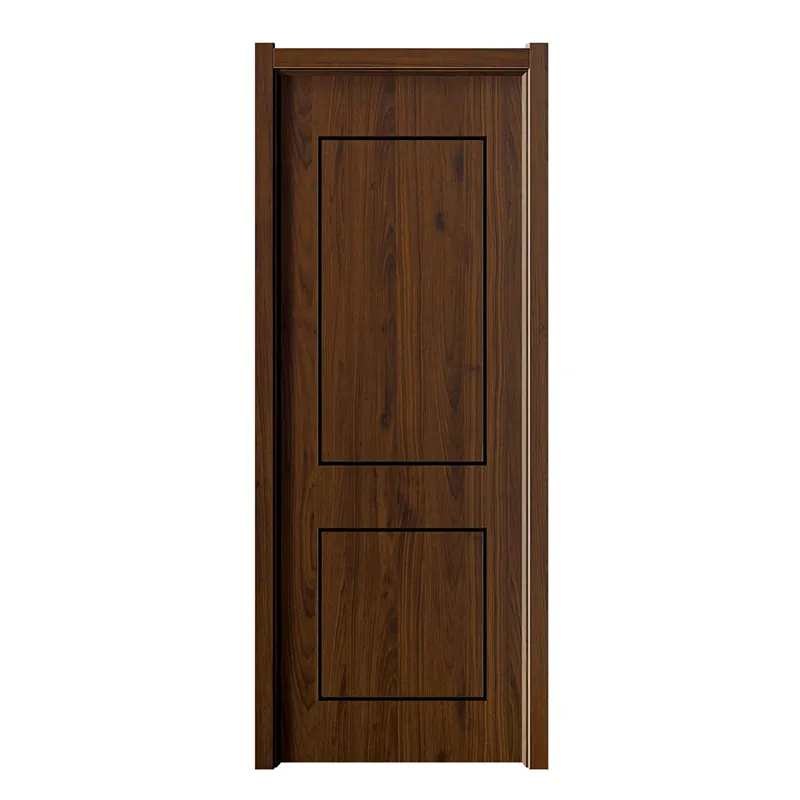 YST-WPC2 Door
 -
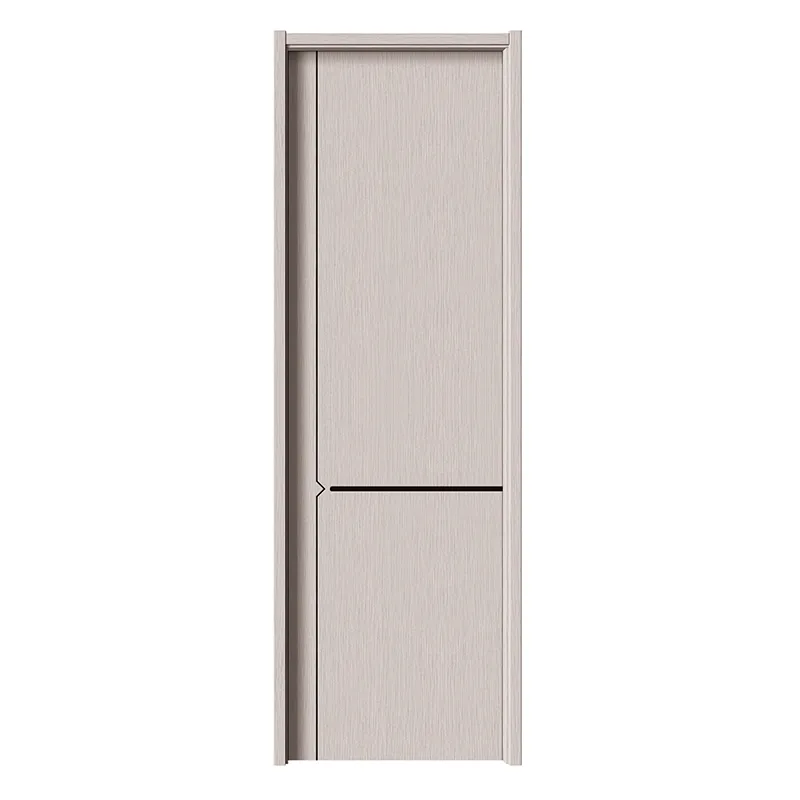 YST-1024 Door Chiaroscuro wood 1
 -
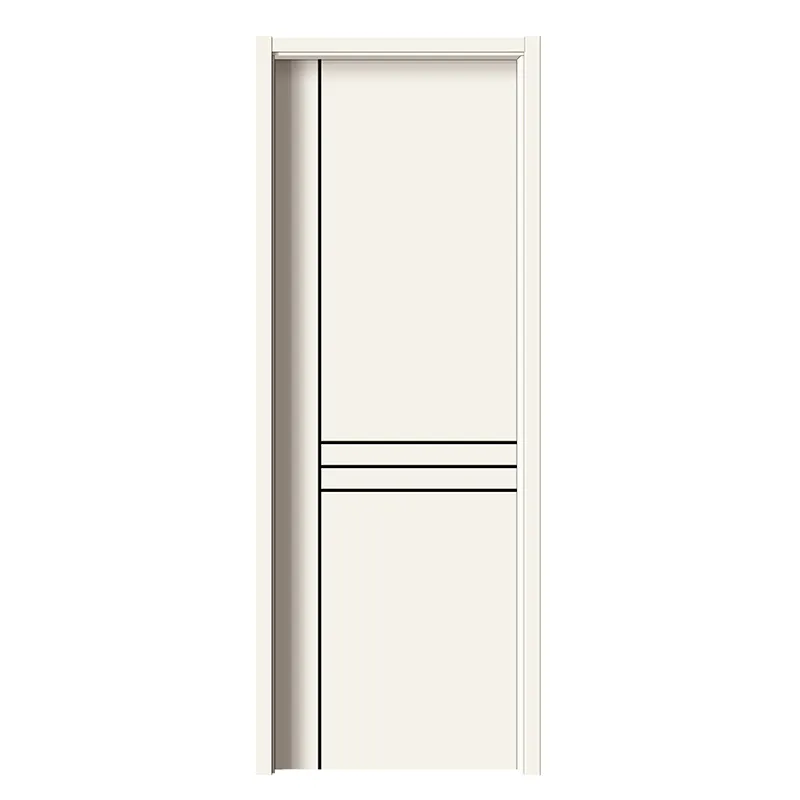 YST-220 Door Warm white
 -
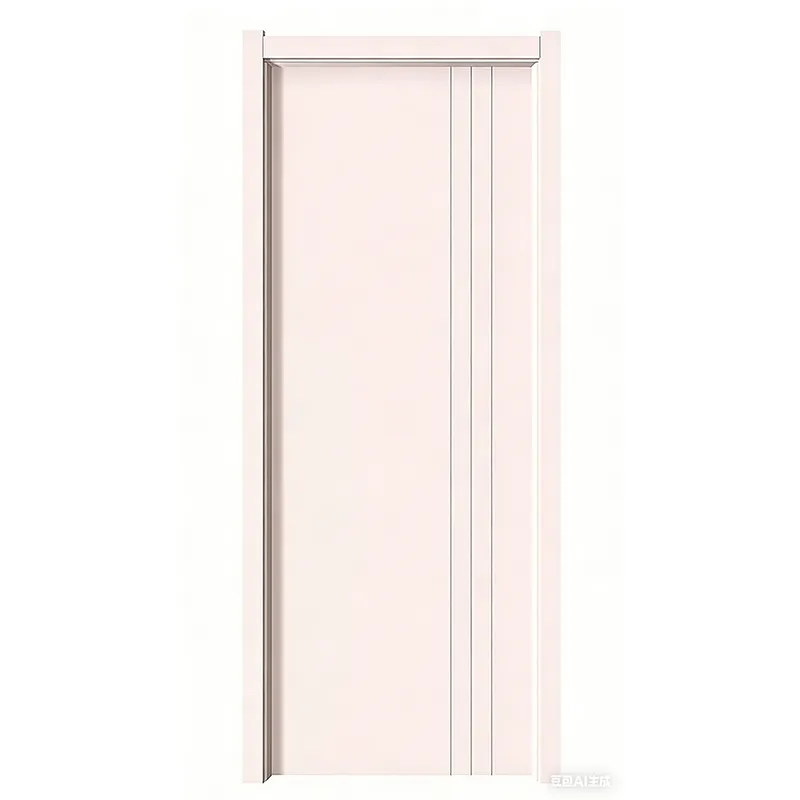 YST-WPC4 Door
 -
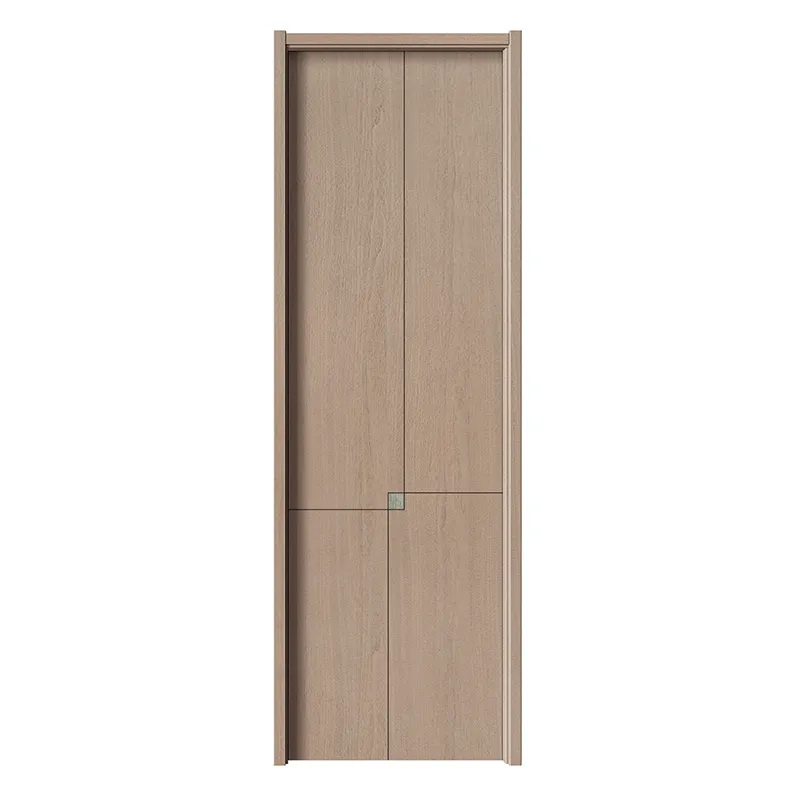 YST-1008 Door Natural walnut 2