



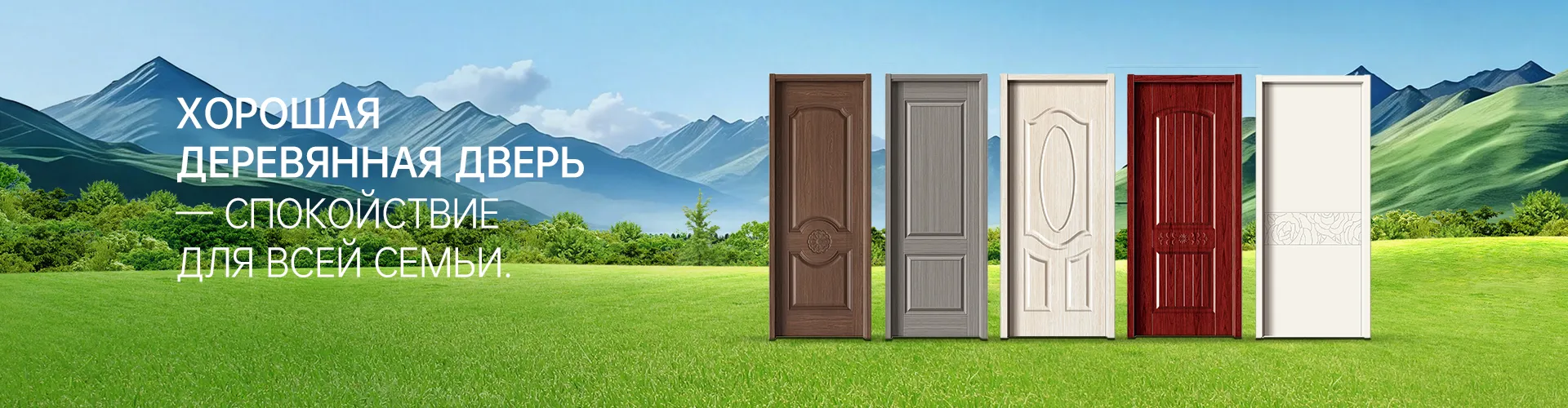
Wooden door, unpainted
When you hear “wooden, unpainted door?”, many people imagine just a rough plank structure - a raw material, a semi-finished product. This is perhaps the most common myth. In fact, this is an entire category of products where finishing is a conscious choice, rather than a lack thereof. And here lies a lot of nuances, from the type of wood and its cutting to the final polishing, which determine whether the door will simply become a “blank piece for painting?” or an independent element of the interior with character.
Raw materials: the basis of everything that the end buyer will not see
It all starts with an array. Forunpainted doorsthe choice of breed is critical. You can’t take just anything and just polish it - all the defects, changes in tone, and knots will be visible. We worked with different materials, and, let's say, pine is treacherous. Seemingly simple, it often has a sharp difference in color between early and late wood, which after varnishing can give a streaky effect that not everyone likes. Denser woods, such as oak or ash, are more stable, but also more expensive. The key point is humidity. Even a perfectly dried board can lead to trouble. already after milling, if the microclimate in the workshop is unsuitable.
It is worth noting here the approach of some suppliers who rely on control of raw materials. Here, for example,Anhui Wantai Woodworking Co.,Ltd(their website isanhuiwantai.ru) in its philosophy directly points to the principle of “building a business on precision, winning with quality?”, starting with the selection of materials. For an unpainted product, this approach is not marketing, but a necessity. Their development team, judging by the description, understands that the aesthetics of natural wood is primarily about working with its natural, rather than painted, beauty.
A practical case: we once ordered a batch of walnut doors. The array seemed to be of high quality, but after calibration and the first rough grinding, small but numerous wormholes appeared on some of the canvases, invisible initially. I had to remove more layers than planned, which affected the final thickness and, accordingly, the feeling of massiveness. The client, however, accepted it and said that it adds “naturalness”, but for us it was a lesson: a visual inspection of a pack of boards is not a guarantee. Selective cutting and more careful incoming inspection are needed.
Processing technology: where woodwork ends and art begins
Profile milling, selection for fittings - this is standard. Turning point forwooden unpaintedmodels - polishing. It's not easy to remove roughness. This brings out the texture. Incorrectly selected abrasive grain size at the final stages can “ignite” the end of the fibers, make the surface matte and inexpressive. A common mistake is to rush. We go through the sandpaper with a large grain, then immediately with a medium one, and it seems that it’s already smooth. But after applying the first layer of varnish or oil, the pile rises, and all the work is in vain. Do you need an intermediate hood? pile with water or special compounds and repeated fine sanding.
Another subtle point is the adhesive seams. There are none in a solid mass, but doors made from a spliced mass or panel are a different matter. The glue should be as close as possible to the color of the wood and, most importantly, not darken over time. I saw doors where, after a couple of years, dark lines appeared at the joints, killing the whole look. Therefore, gluing technology, pressure, exposure are not just technical parameters, but direct investments in the durability of the appearance.
In a production facility that is equipped with modern equipment, as stated by the sameAnhui Wantai Co.,Ltd, these processes can be brought to a high degree of repeatability. But even there, final inspection and, if required, manual finishing are mandatory. The robot will not always distinguish a natural texture feature from a minor defect.
Exploitation and misconceptions: “it’s natural, which means it’s simple?”
The biggest misconception of the customer is that such a door does not require maintenance. Everything is exactly the opposite. Unpainted wood, but protected with varnish or oil, requires more careful attention than wood coated with covering enamel. Any water stain, if not wiped off in time, can leave a mark. Direct sunlight changes color over time, unevenly, if one part of the canvas is in the sun and the other is not.
There was an incident at the site: they installed a beautifulunpainted wooden doormade of ash in the hallway. The owners admired it for the first six months, and then began to complain about “clouding.” at the bottom, near the floor. It turned out that when cleaning with a mop, a little water and detergent regularly got on it. The protective layer of oil became thinner, and moisture began to penetrate into the pores. I had to locally sand and re-impregnate. Now I always instruct: natural oil or wax, unlike polyurethane varnish, needs to be renewed once every year or two in areas of active use.
And yes, about the design. They often think that unpainted means only country or loft. This is wrong. A clear, geometric profile, made of solid oak carefully selected in tone, with a matte varnish finish, will fit perfectly into modern minimalism. It's all about context and detail.
Market and choice: what to look for besides price
When you choose a door, the first thing you do is run your hand over the surface, especially along the ends and corners of the milling. Roughness, transitions - they are immediately felt. Then you look at the end of the canvas: is the thickness uniform, are there any waves. This is the basis. Next - into the light, at an angle. This way you can see all the polishing flaws, dents, and differences in gloss.
Now many companies focused on the international market, such asAnhui Wantai Woodworking Co.,Ltd, offer solutions that combine design and practicality. In their case, judging by the description, this is an attempt to meet various global needs. This is good for the end buyer: it means that there is a possibility that the design was thought about not only from the point of view of production, but also from the point of view of installation and the further life of the product in different climatic conditions. For example, a properly designed system for connecting the box and the canvas compensates for seasonal fluctuations in humidity, preventing cracks or, conversely, scuffs from appearing.
The price often depends not so much on the breed, but on the labor costs for processing. A door made of spliced pine board, but perfectly sanded and assembled, may cost more than a door made of a solid, but roughly processed “simpler” solid wood. It is not always wise to pursue integrity. The main thing is the manufacturer’s honesty in describing the material.
Bottom line: why is this not a “semi-finished product”, but a conscious product
As a result,unpainted wooden dooris a product for those who appreciate the naturalness of the material and are ready to take care of it. This is not a saving on the finish, but often additional costs for better surface preparation, because there is nothing to hide. Her choice is a dialogue with the material, acceptance of its natural features: knots, changes in pattern, soft plays of light on the texture.
When working with such products, you understand that the main thing is not to overdo it. Don't turn wood into plastic with glossy varnish, don't kill its soul with over-processing. The task is to emphasize, preserve, protect. It's a balance between craft and respect for the material.
So when you see a portfolio of companies like this one focusing on aesthetic design coupled with practical performance, it hints at an understanding of this philosophy. After all, the ultimate goal is not just to sell a rectangle made of wood, but to provide an element that will delight for years with its warmth and lively texture, becoming not just a partition, but an important detail of the space. And in this sense, simple, at first glance,unpainted wooden doorturns out to be one of the most complex and sincere products in carpentry.
Correspondingproducts
Related Products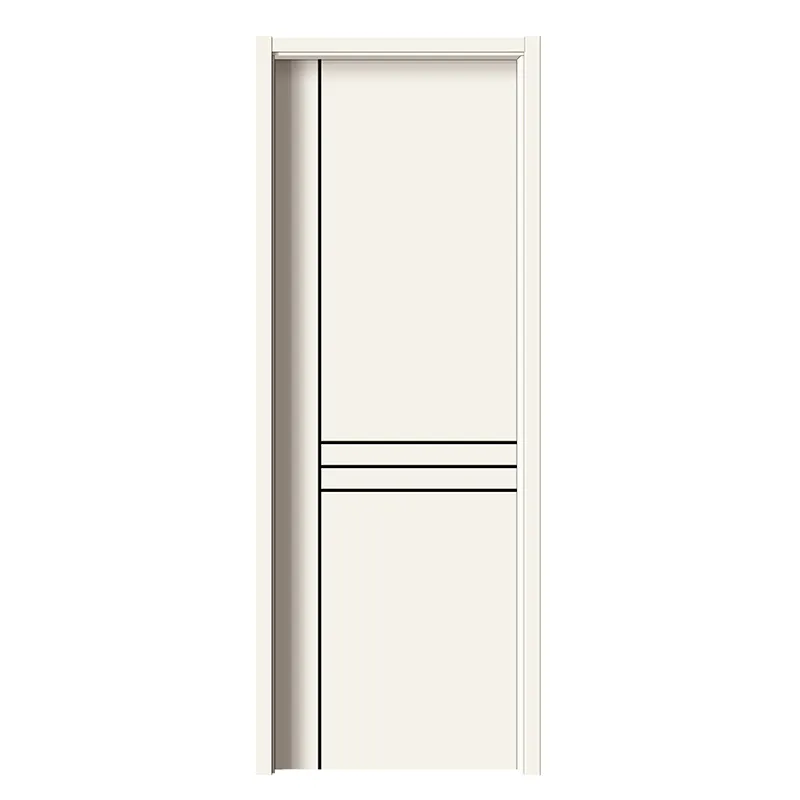
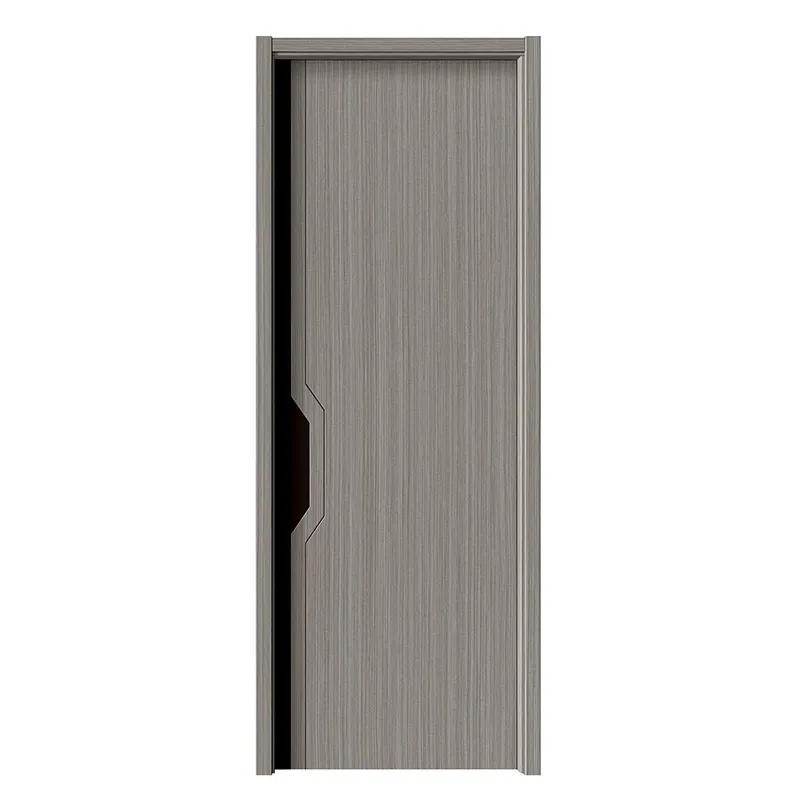
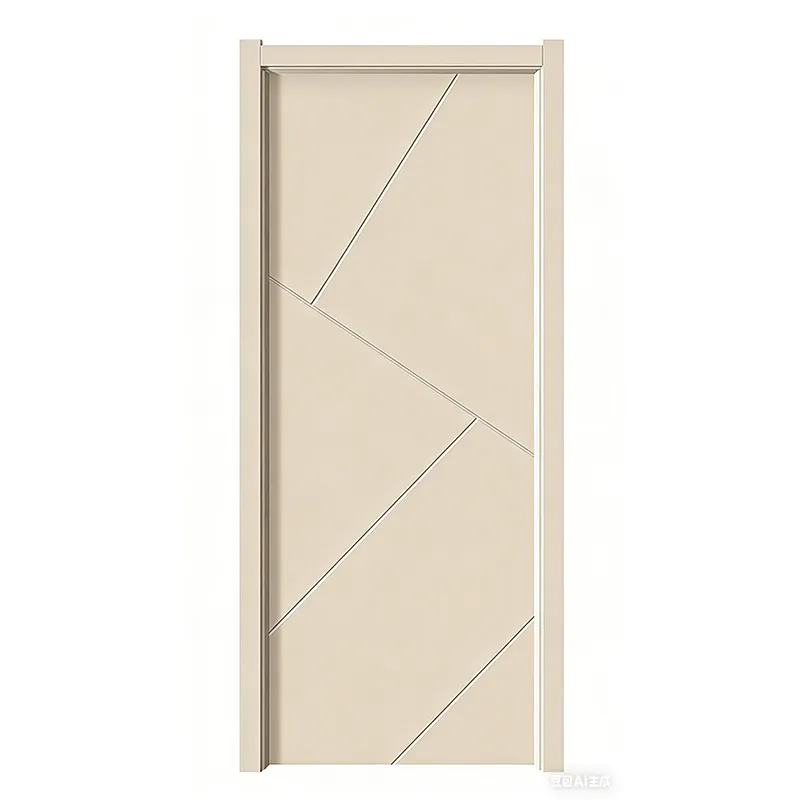
Best Sellingproducts
Best Selling Products-
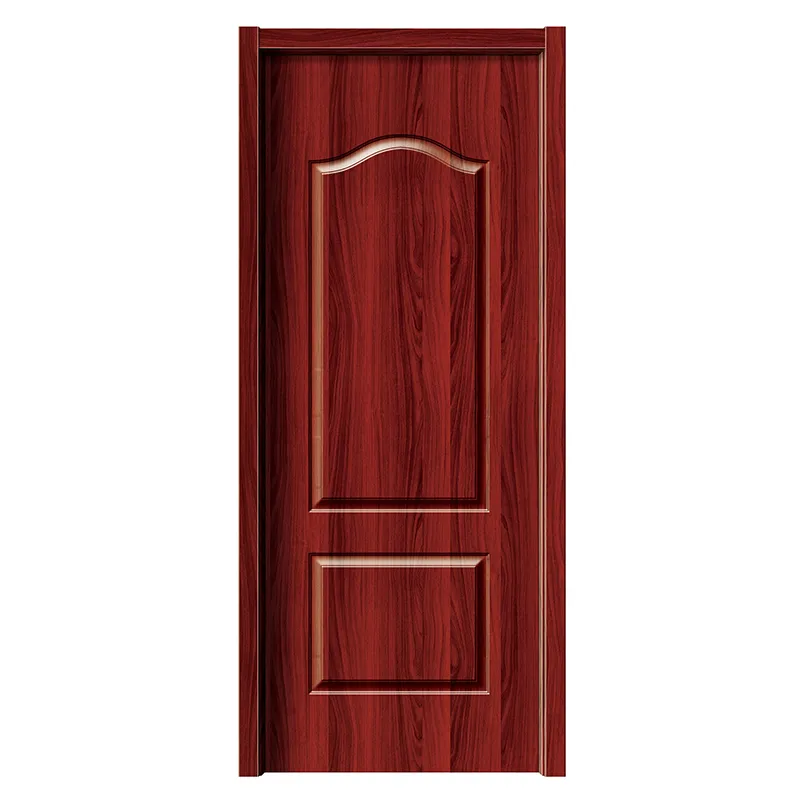 YST-207 Door Red team
 -
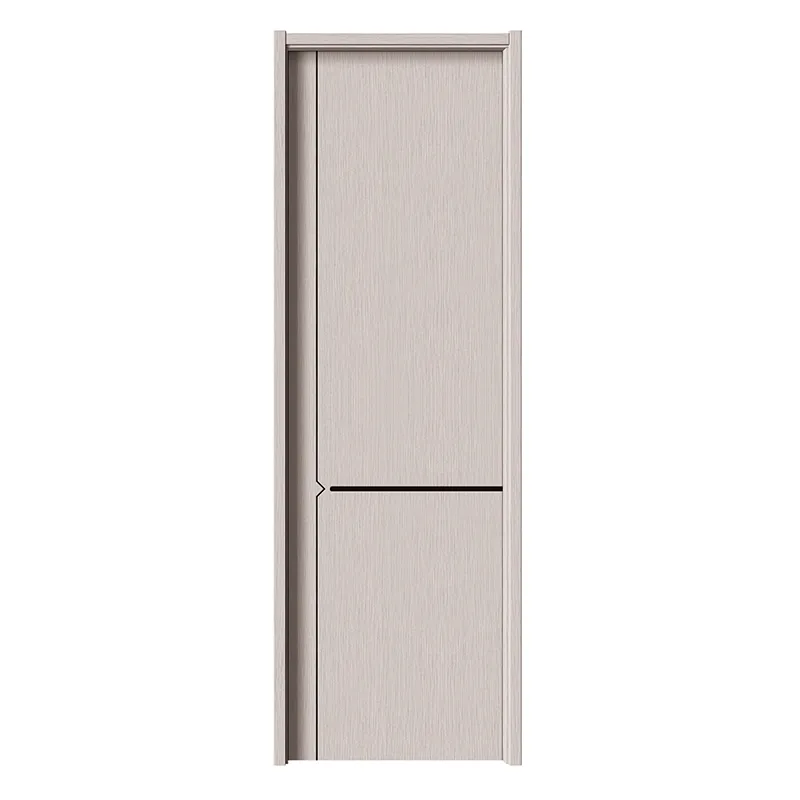 YST-1024 Door Chiaroscuro wood 1
 -
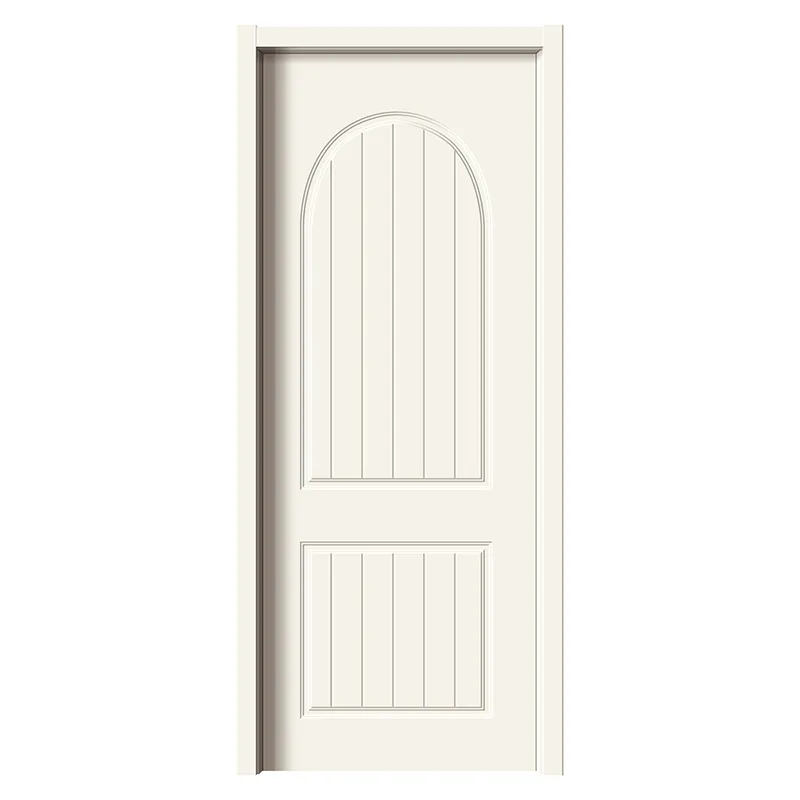 YST-236 Door White ivory
 -
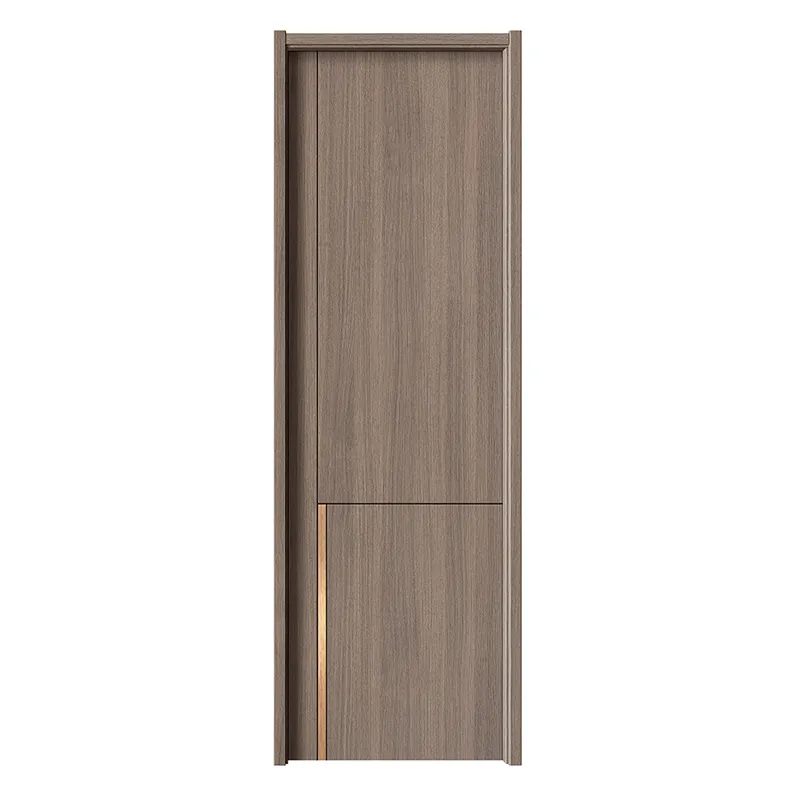 YST-1003 Door Oak gray
 -
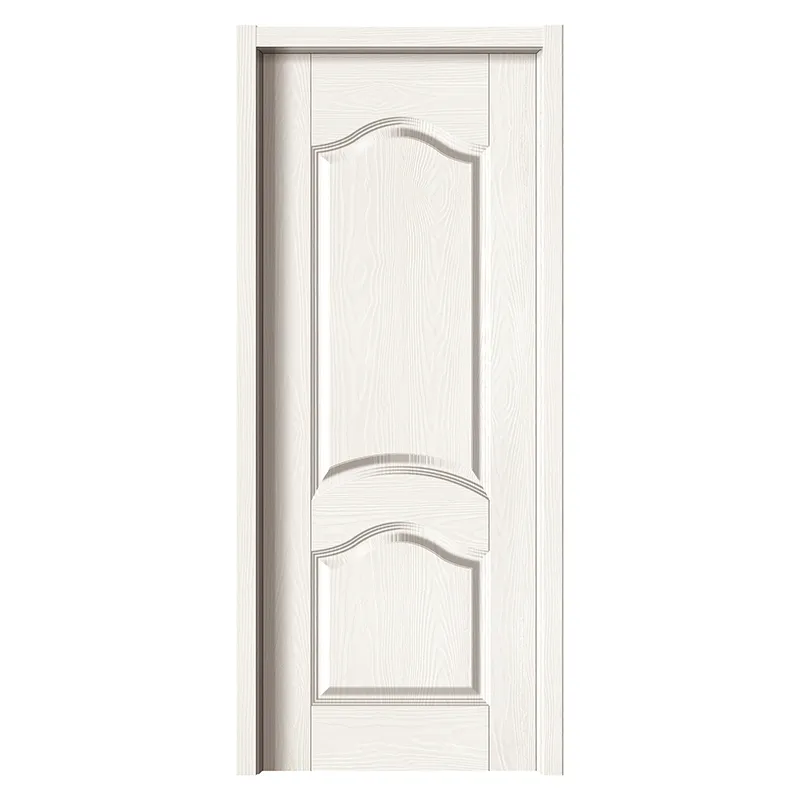 YST-224 Door Warm white with relief
 -
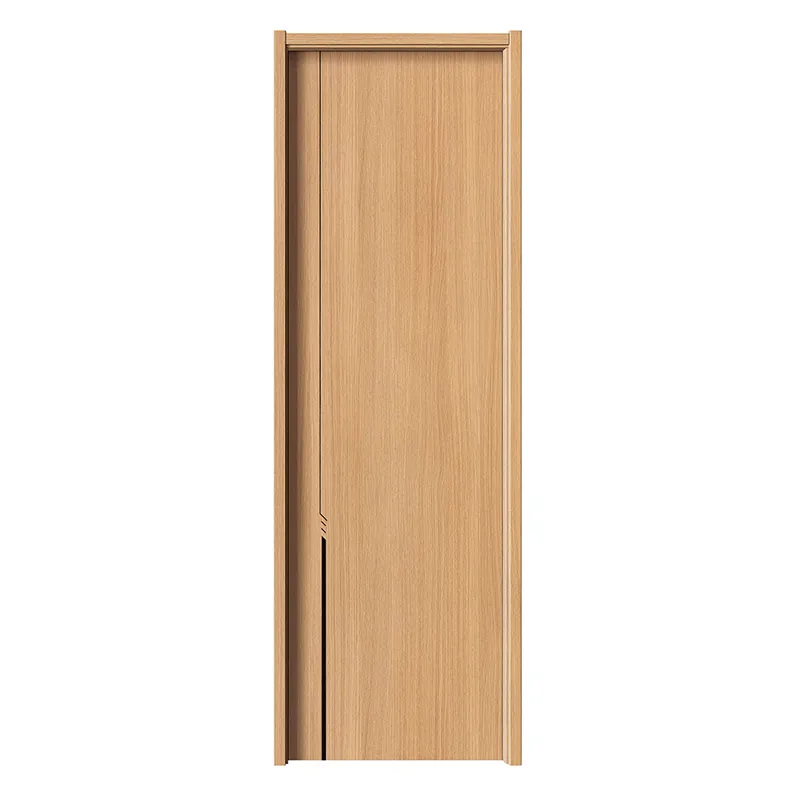 YST-1041 Door Oak Shutter
 -
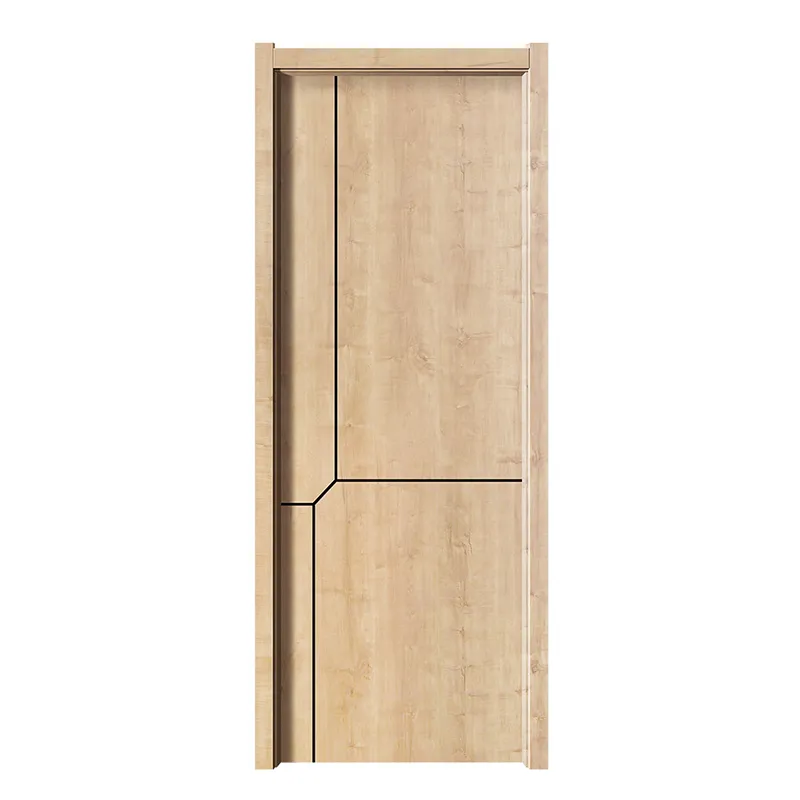 YST-WPC1 Door
 -
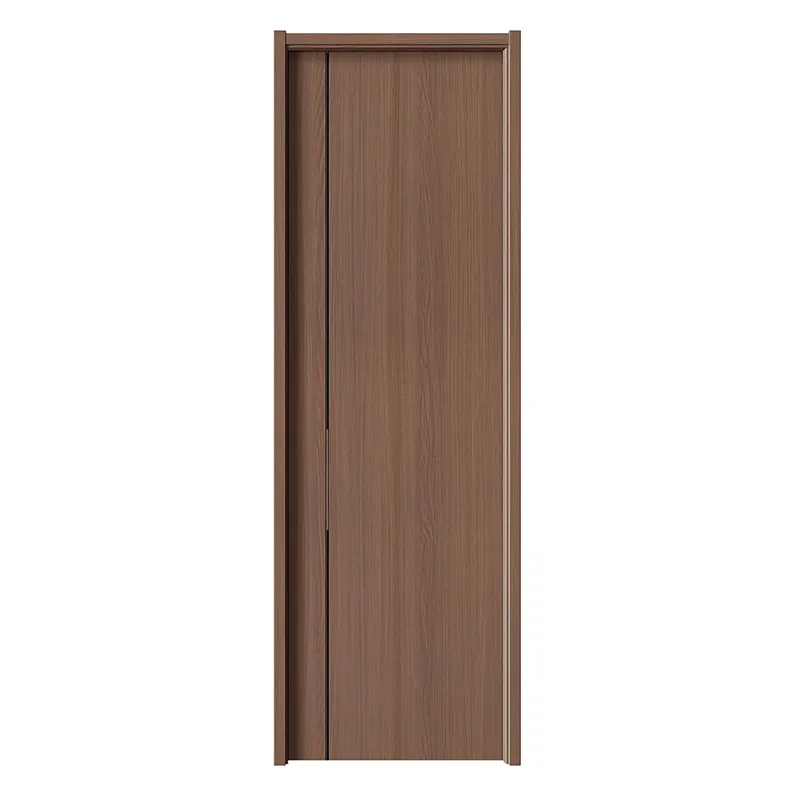 YST-1043 Door Techno-walnut 3
 -
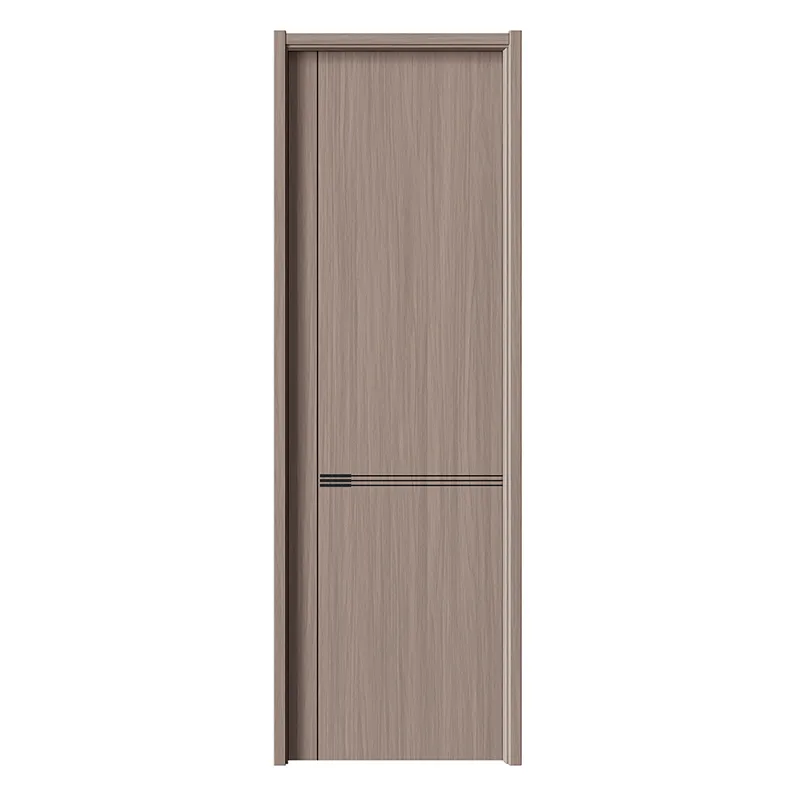 YST-1039 Door Translucent light shadow 3
 -
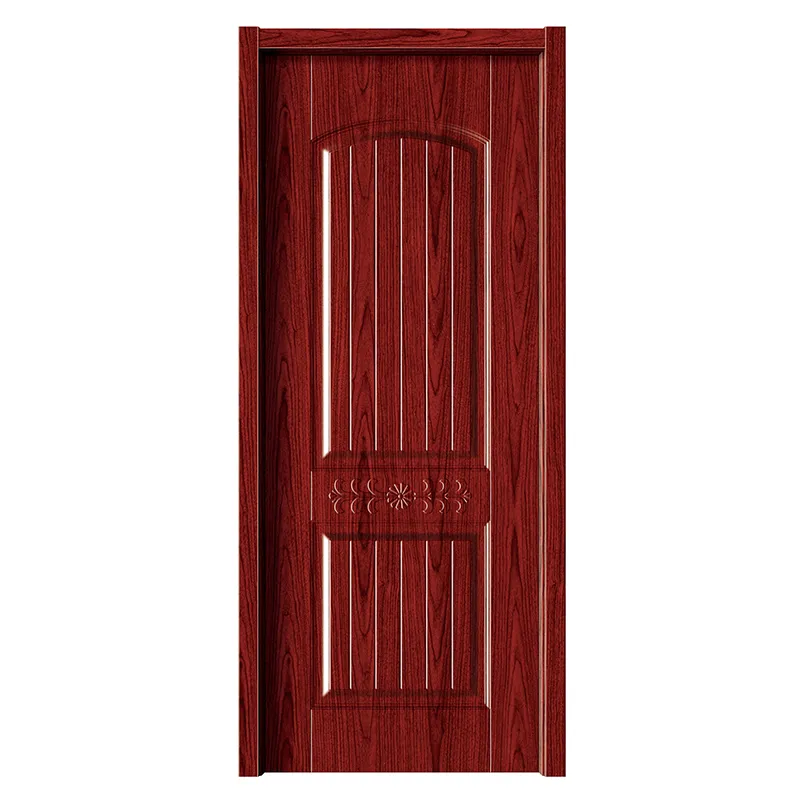 YST-233 Door Mahogany
 -
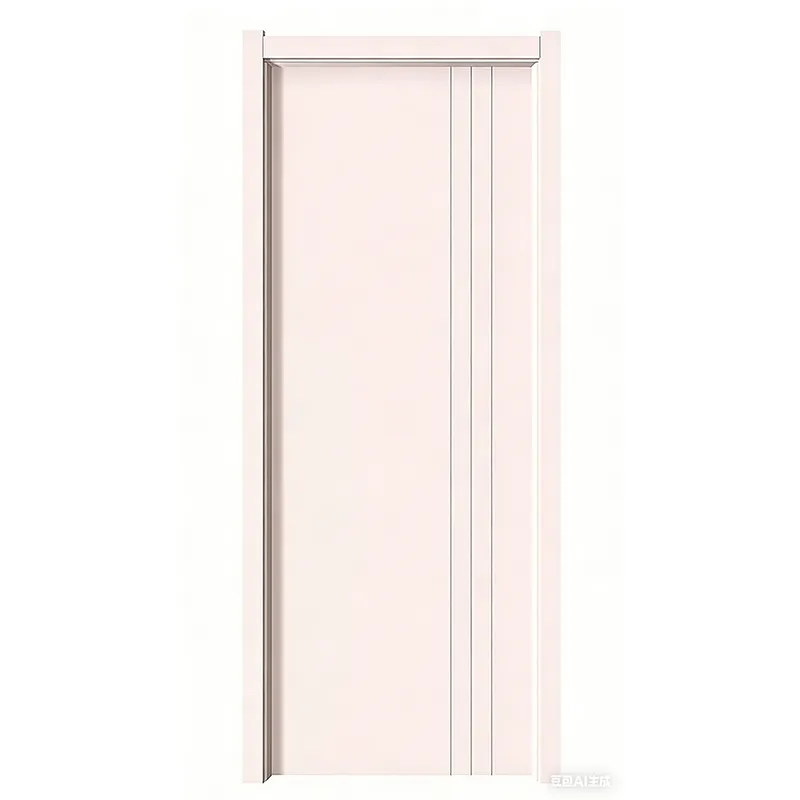 YST-WPC4 Door
 -
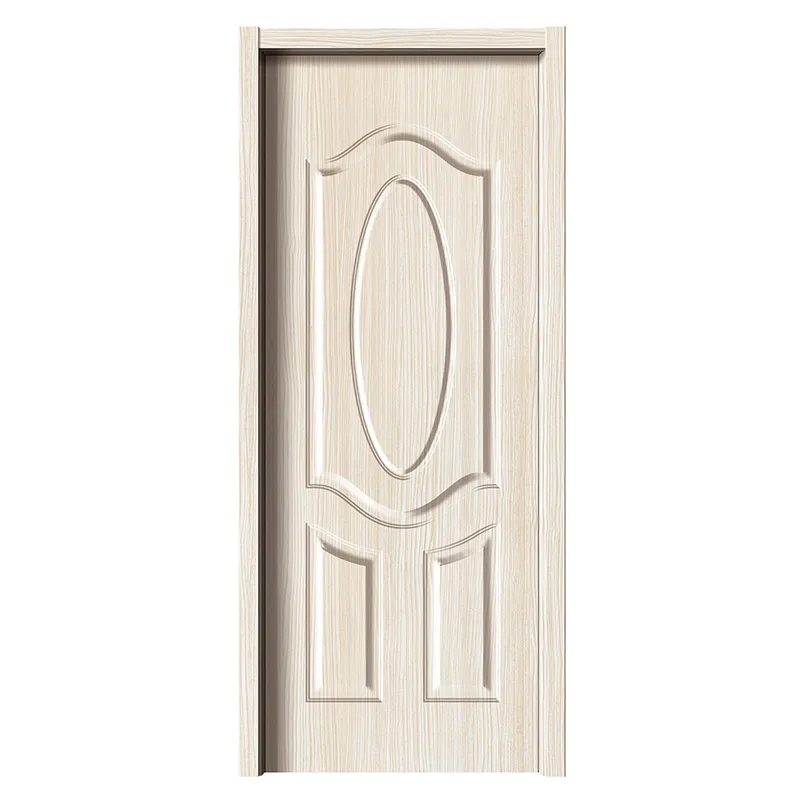 YST-216 Door White Maple