




Lined wood-plastic door
When you hear “wood-plastic-lined door?”, the first thing that comes to mind is probably something between MDF and solid wood, covered with veneer. But this is too simple, almost amateurish. In fact, if you dig deep, this is a whole technological philosophy, where each layer works not just for “beauty”, but for durability and stability. Many, especially in the private sector, still confuse it with ordinary laminated doors or cheap combined options - and then wonder why, after a couple of years in a damp corridor, the canvas began to warp or the coating peeled off. It’s these nuances that are not written in large letters in catalogs that are worth talking about.
Design: not just a ?sandwich?
If you look at the layers, the base is usually a frame made of dry planed pine or, less commonly, LVL timber. But all the salt is in the lining. This is not the veneer that is glued onto fiberboard. Here we are talking about real wood, often valuable species - oak, ash, walnut, but processed in a special way and combined with a plastic composite. This composite is not just PVC film. It works as a stabilizing and protective barrier. I remember how at one of the projects the customer insisted on “all natural”? doors for a cottage by the sea. They persuaded us to try a trial version with cladding - after a year, in comparison with a massive door in the same room, the difference was obvious: where did the solid begin to “breathe?” and slightly change the geometry, ourlined wood-plastic doorstood rooted to the spot.
A key point that is often missed is layer adhesion. Not every glue and not every pressing technology provides solidity for the entire service life. I have seen samples where, due to savings on the adhesive composition or violation of the temperature regime during gluing, after a couple of seasons a barely noticeable but true “fringe” appeared along the edges of the canvas. detachment. This can't be fixed. Therefore, when choosing a manufacturer, you should look not only at the type of wood used in the cladding, but also at how the company approaches the lamination process. For example,Anhui Wantai Woodworking Co.,Ltdin its materials it emphasizes control at all stages - from raw materials to finish. On their websitehttps://www.anhuiwantai.ruyou can find details, but you really understand the difference only when you hold a cross section in your hands or see how the door behaves in an unheated room.
Another practical nuance is the thickness of the facing layer. It happens that to reduce the price it is made minimal, almost decorative. But then the whole point is lost: such a door will not withstand even a slight blow, a scratch will reach the base instantly. It is optimal for the layer to be sufficient for local repairs - say, light sanding and tinting minor damage. This is not always possible with thin veneers.
Where is it really needed, and where is it an overpayment?
Not every opening requires such a door. In a dry living room with a constant microclimate, you can get by with both a high-quality solid wood and a good MDF model. But high-risk points are the entrance to an apartment with an unheated entrance, access to a loggia, rooms with changes in humidity (vestibule, some kitchens, veranda). This is where the advantage of the combined design manifests itself: the plastic component inlined wood-plastic doordampens deformation stresses that arise in wood when humidity changes.
I had experience with an office center, where the customer decided to save money and installed ordinary laminated doors on the technical exits in the server rooms. Six months later - gaps, problems with closing. I had to change it. We switched to the lined version, although it was more expensive initially, but we forgot about the problem. A company that positions itself as a supplier for the international market, like the sameAnhui Wantai Woodworking Co.,Ltd, usually immediately focuses on such diverse use cases - from residential to commercial spaces. Their philosophy is to “build a business on precision?” - this is not just a slogan, but a necessity when working with the climate of different countries.
However, there is a downside. Sometimes designers or clients themselves require this technology “just in case?”, even for interior openings in perfectly dry conditions. This is a waste of money. It can be difficult to explain, but it is necessary: it makes no sense to overpay for sustainability that will not be in demand. It is better to invest these funds in higher quality fittings or a vestibule system.
Installation: what to watch so as not to spoil it
The most common mistake is installing such a door as an ordinary one. It would seem like a box, hinges, canvas. But its weight often differs from a solid mass, and the attachment points can be specific. If the installer is used to working with lightweight frame doors and uses the same anchors or leveling technique, the end part of the door may be skewed or even damaged. This is especially critical for doors with a thin frame profile.
Another point is the gaps. Due to the multilayer nature and specificity of materials, thermal expansion may be different. If you leave too small a gap (based on the standards for solid doors), during the wet season the door leaf may begin to rub against the threshold or frame. It is necessary to immediately discuss these nuances at the stage of measuring and discussing the technical specifications. Ideally, the manufacturer should provide clear installation recommendations for a specific model. Not everyone does this, unfortunately.
Personal experience: at one site we had to redo the installation of three identical doors precisely because of the gaps. The installers, unfamiliar with the products, did “as always?”. The result is that in winter the doors close tightly. I had to take it off, grind down the end of the fabric, and hang it up again. Waste of time and nerves. Now I always insist on the presence of my technical supervision or at least a detailed briefing for the team, especially when it comes to non-standard sizes or conditions.
Price and perception: why buyers are sometimes afraid of it
Price tag for a good onelined wood-plastic dooroften found between premium solid wood and an average veneered MDF door. This creates a psychological barrier: why pay “for an incomprehensible composite?”, if you can either add and take “real wood”, or save money and take laminate. The specialist’s task is to explain that it is not the material that is purchased, but the behavior of the door in specific conditions and its service life without problems.
Demonstration often helps. Not just a sample in the showroom, but, if possible, photos or videos from objects with similar conditions. Or comparison of sections. When a person sees the structure and understands that inside is not emptiness or pressed shavings, but an engineering structure, trust grows. Companies that operate on the international market, like the one mentionedAnhui Wantai Woodworking Co.,Ltd, usually have such cases. Their websitehttps://www.anhuiwantai.ruIt should be used not only to select a model, but also as a source of arguments for the client - information about technology and quality control is often posted there, which indicates a serious approach.
Another fear is environmental friendliness. ?Plastic? in the title many are alarmed. It is important to clarify here that we are talking about stabilized, often certified materials that do not emit harmful substances during operation. The issue of certificates (for example, according to European standards) should be discussed with the manufacturer. If not, that's a red flag.
Future and alternatives: where technology is heading
Now I see a trend towards even greater integration of properties. For example, some manufacturers are experimenting with smart glass integrated into the cladding layer or hidden opening systems. Forlined wood-plastic doorThis is a challenge because you need to maintain the integrity of the structure and not upset the balance of the layers. Not all experiments are successful - I have seen samples where an attempt to install a heavy system led to sagging of the canvas after a few months.
An alternative that is gaining momentum is doors with an aluminum core and wood cladding. They are even more stable in terms of geometry, but also more expensive and more difficult to manufacture. For mass market segmentlined wood-plastic doors, I think, will remain the main one for projects where a balance of price, aesthetics of natural wood and practicality is needed.
As a result, the choice always comes down to three questions: operating conditions, budget and aesthetic requirements. If all three factors converge on the need for stability, a natural look and a willingness to invest in a long-term solution, this technology is justified. The main thing is to choose a manufacturer who does not skimp on layers and glue, and installers who understand what they are working with. As they say, the devil is in the details, and this product has more than enough details.
Correspondingproducts
Related Products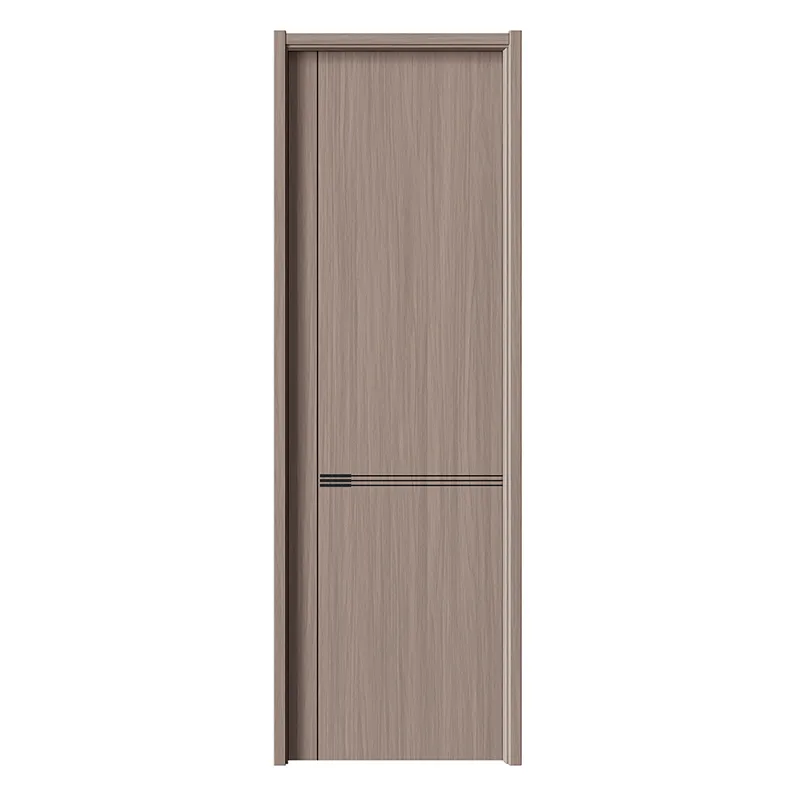
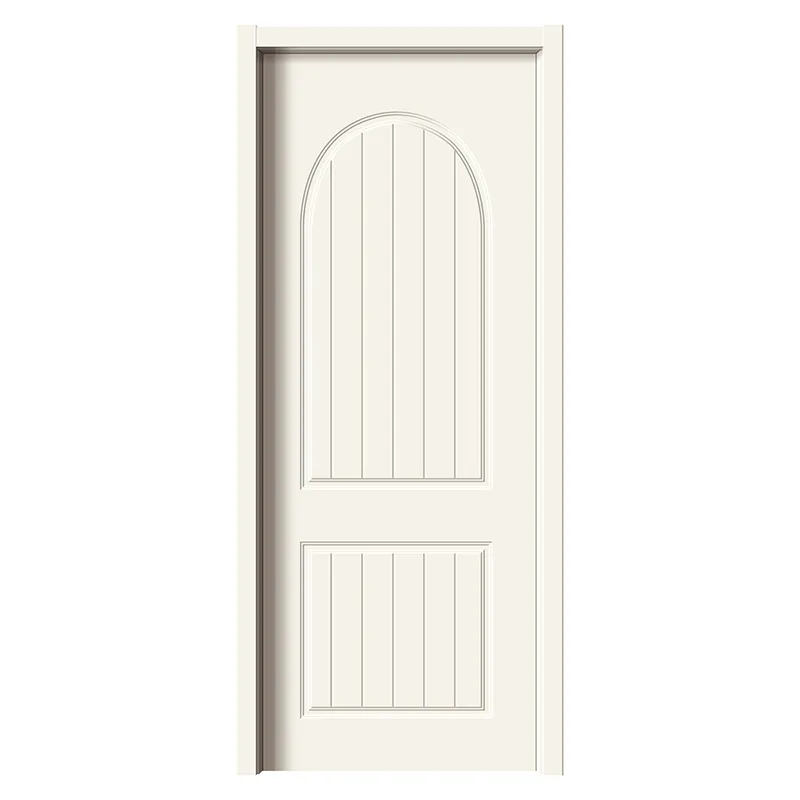
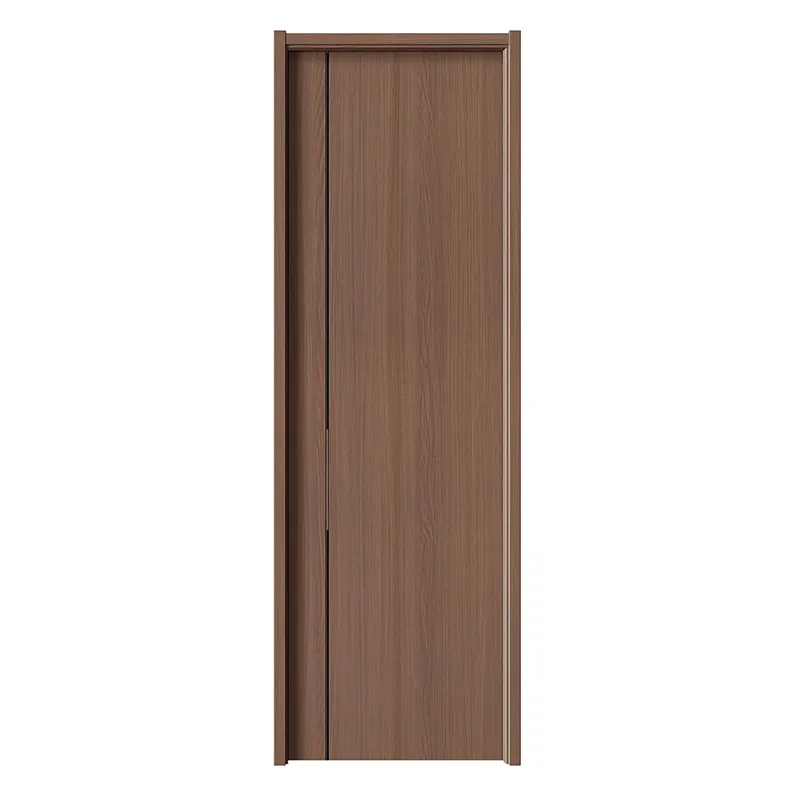
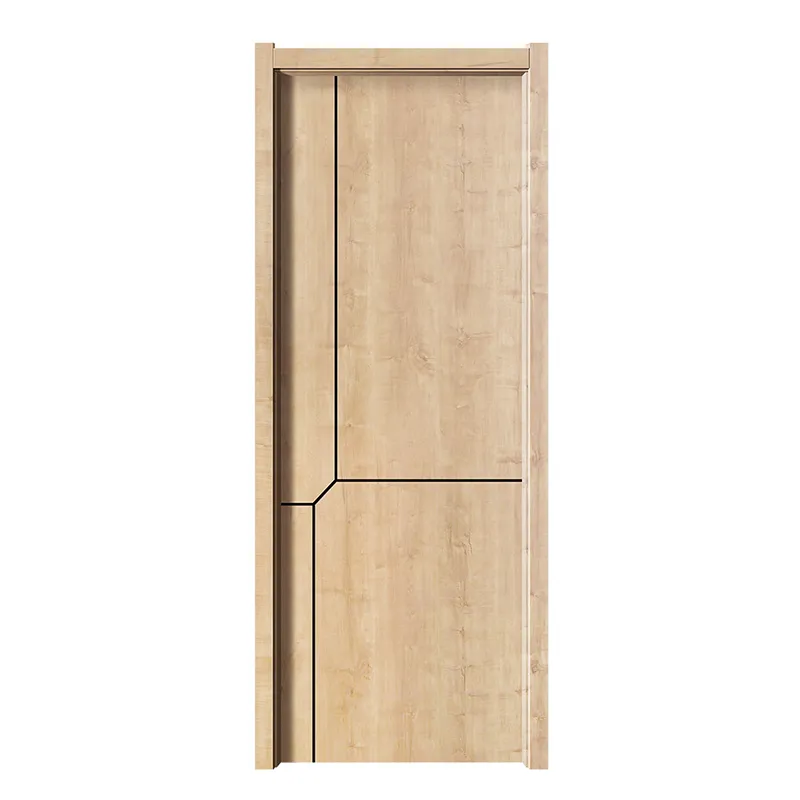

Best Sellingproducts
Best Selling Products-
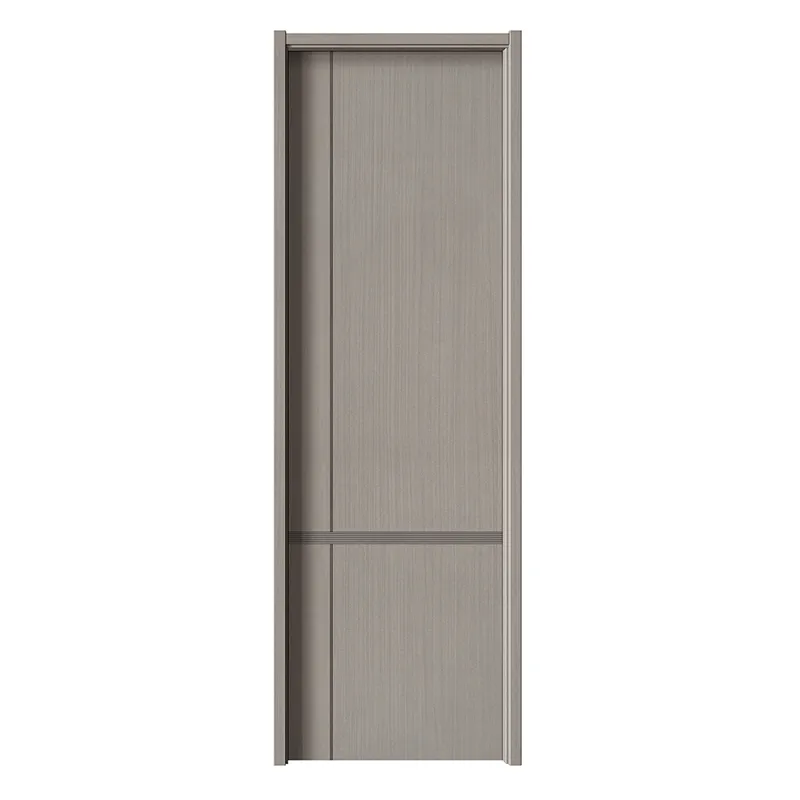 YST-1013 Door Cloud Walnut 1
 -
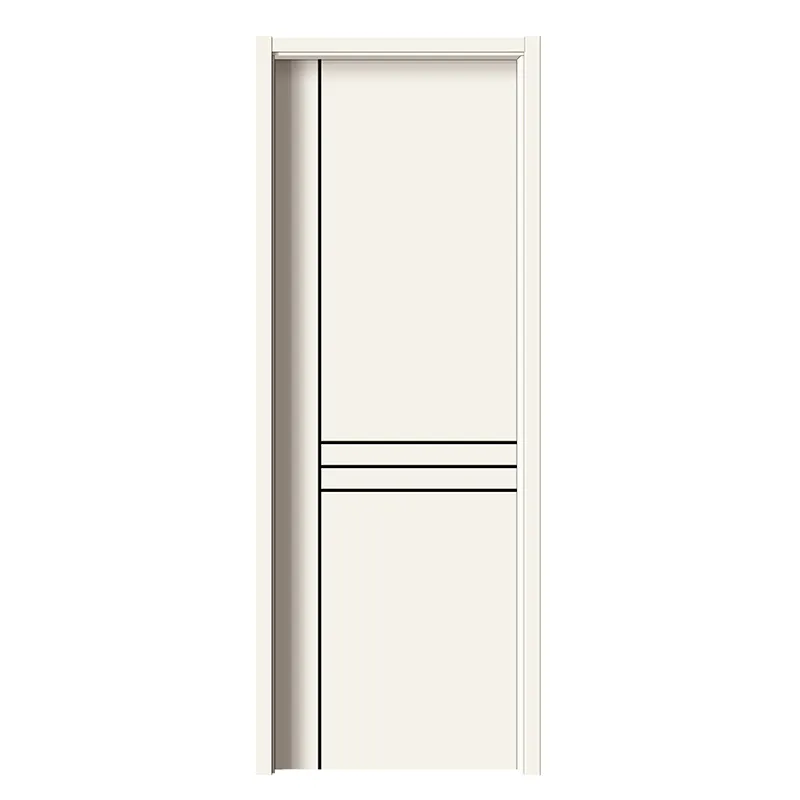 YST-220 Door Warm white
 -
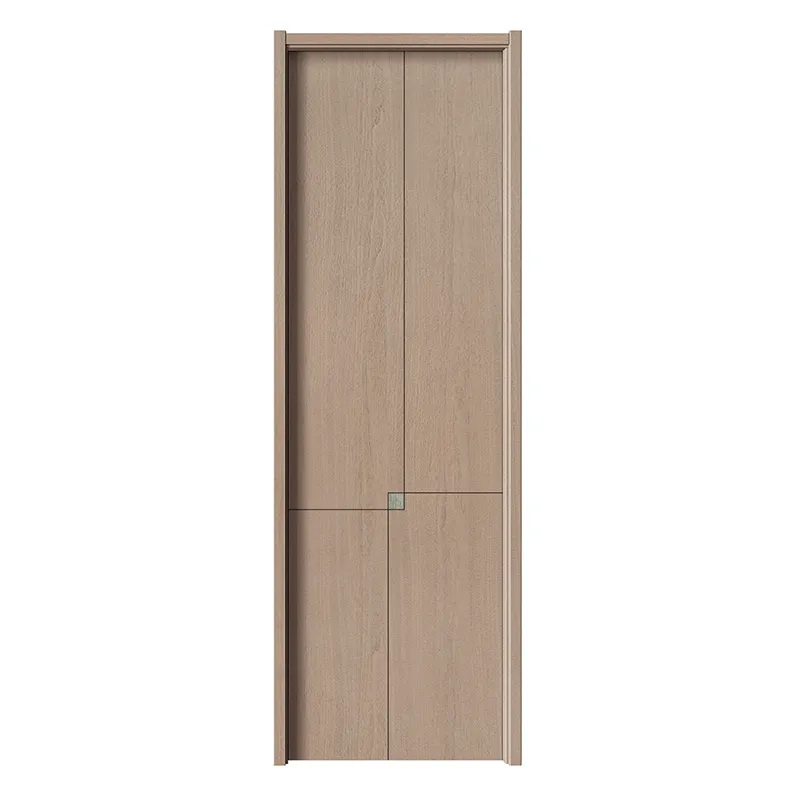 YST-1008 Door Natural walnut 2
 -
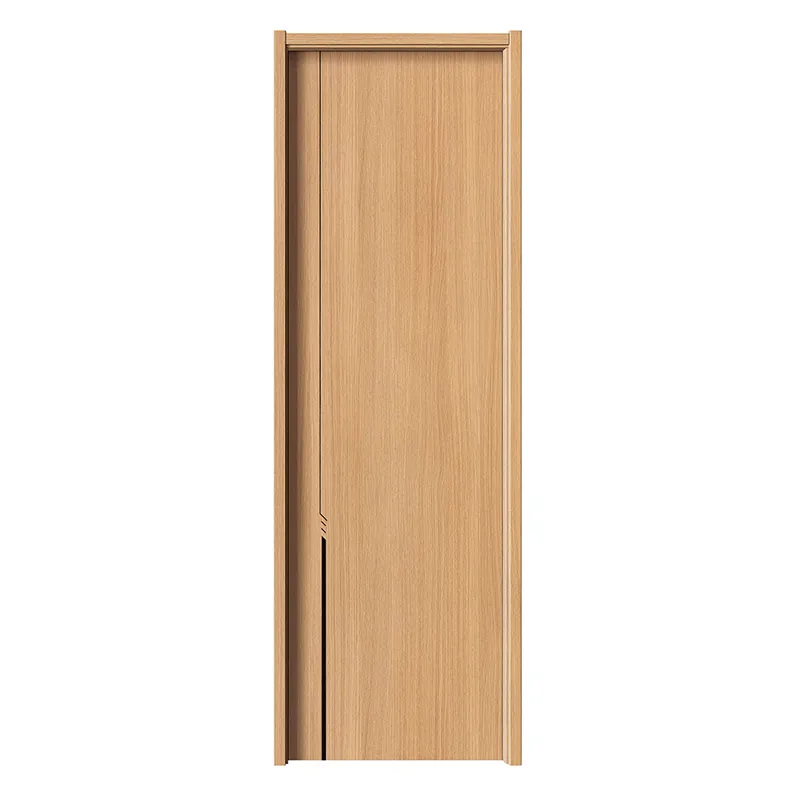 YST-1041 Door Oak Shutter
 -
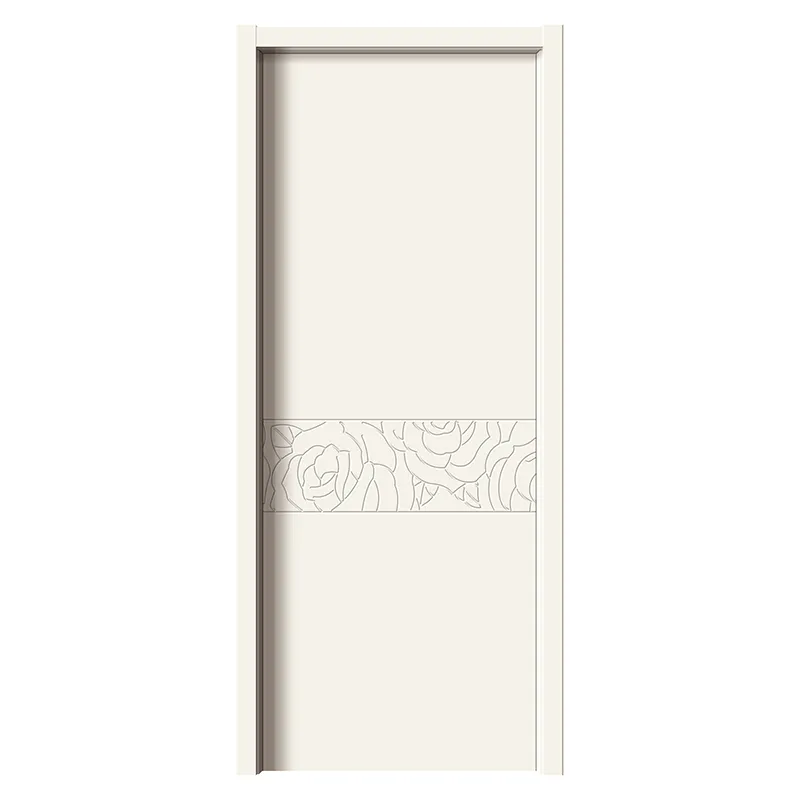 YST-238 Door White ivory
 -
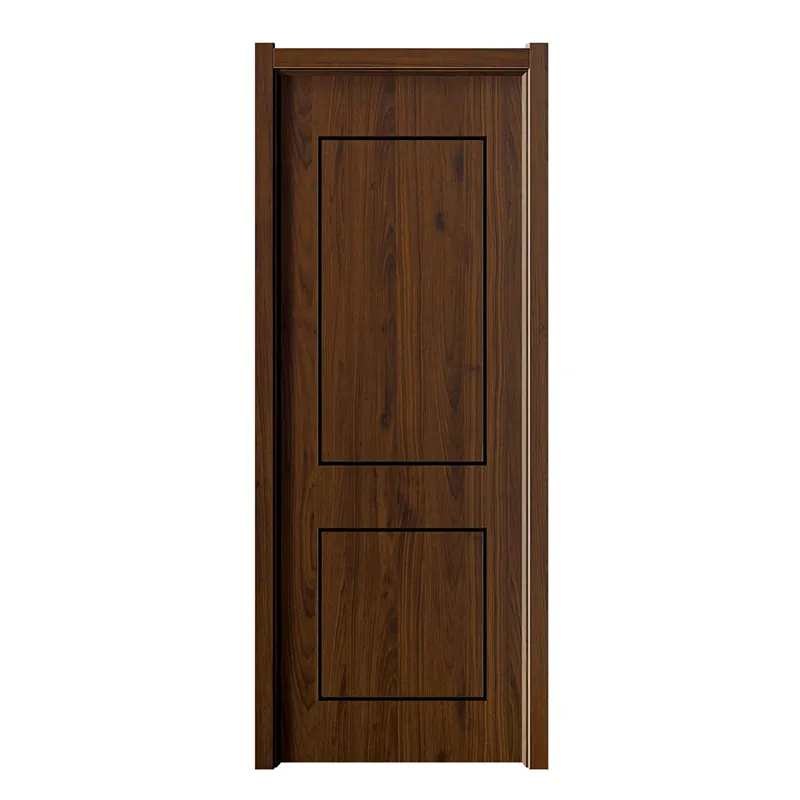 YST-WPC2 Door
 -
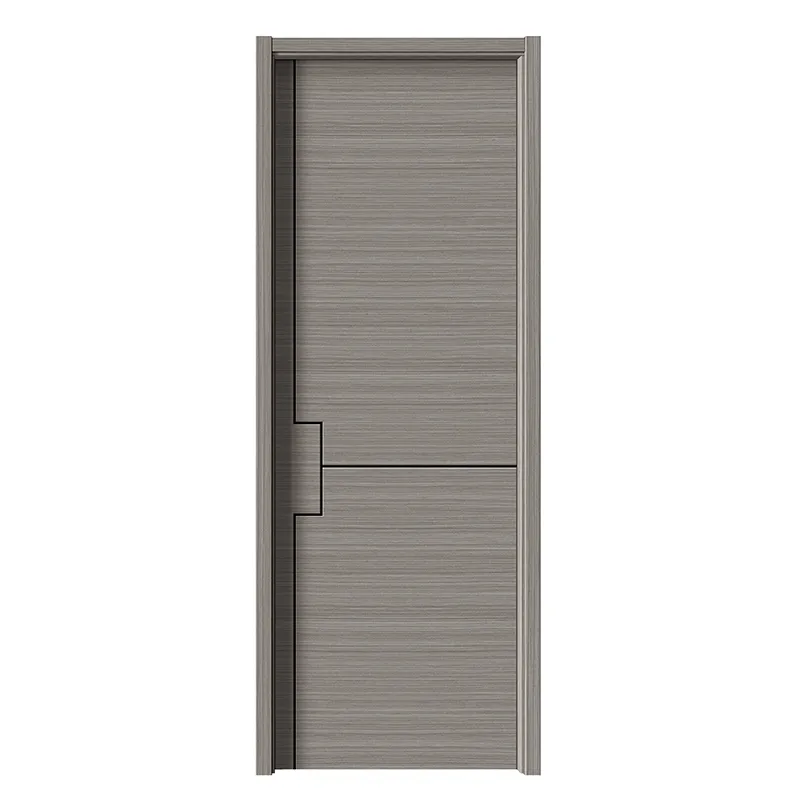 YST-1005 Technotree Door 2
 -
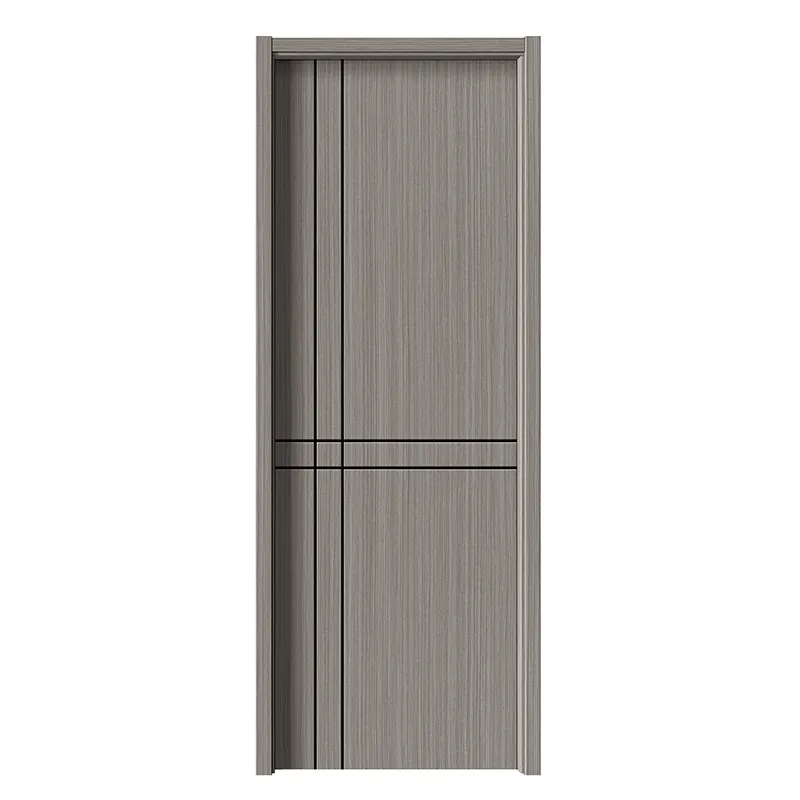 YST-1004 Door Technotree 2
 -
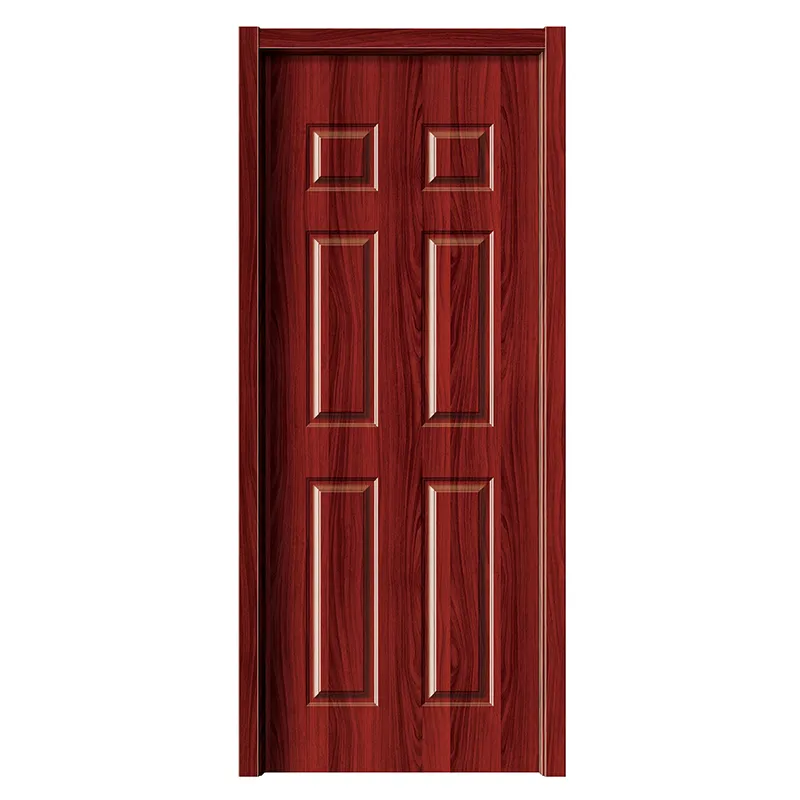 YST-201 Door Red team
 -
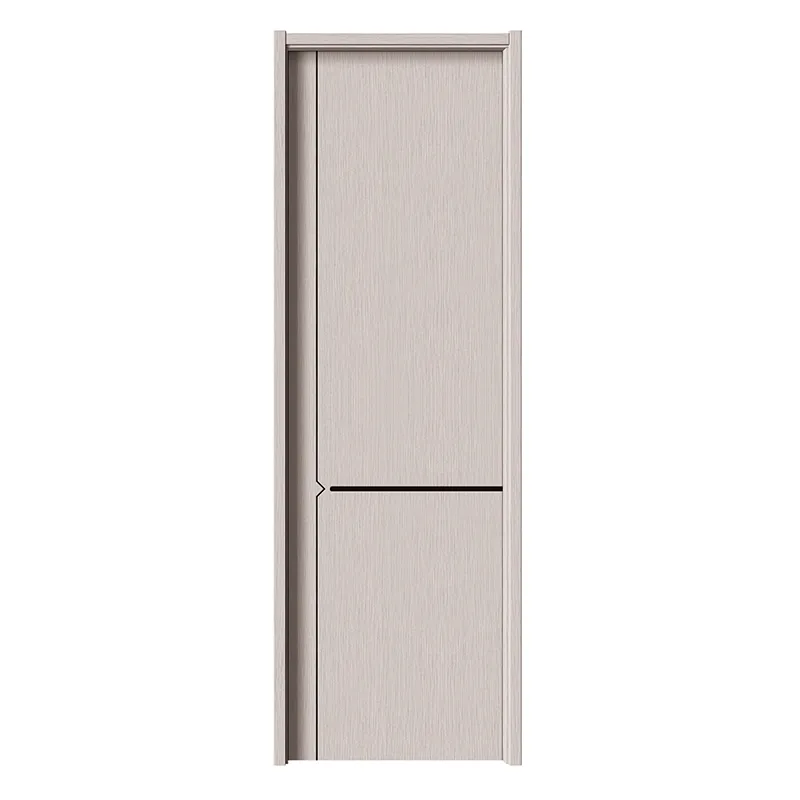 YST-1024 Door Chiaroscuro wood 1
 -
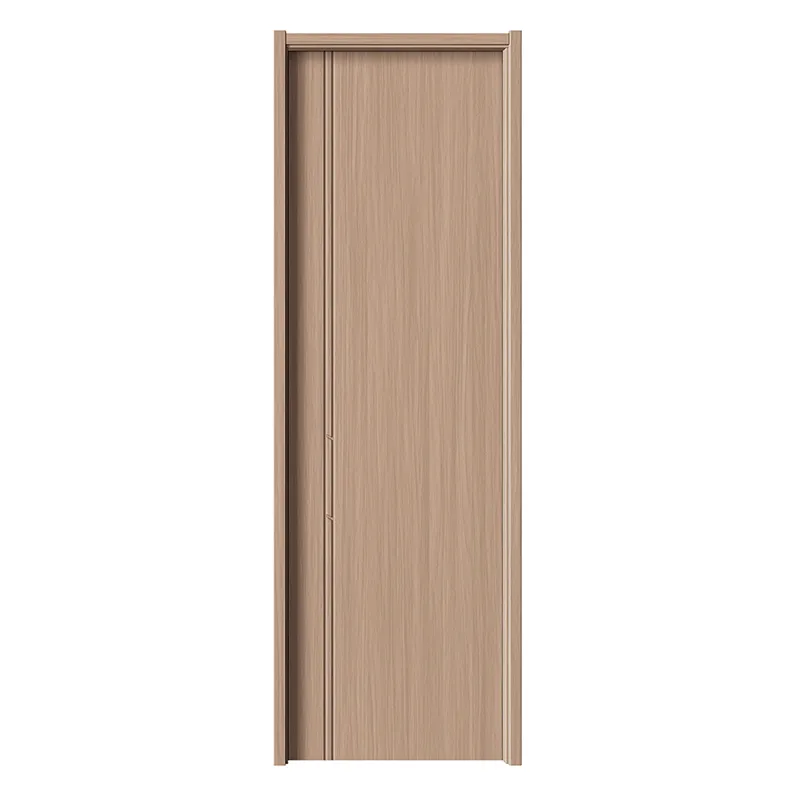 YST-1009 Door Translucent light shade 1
 -
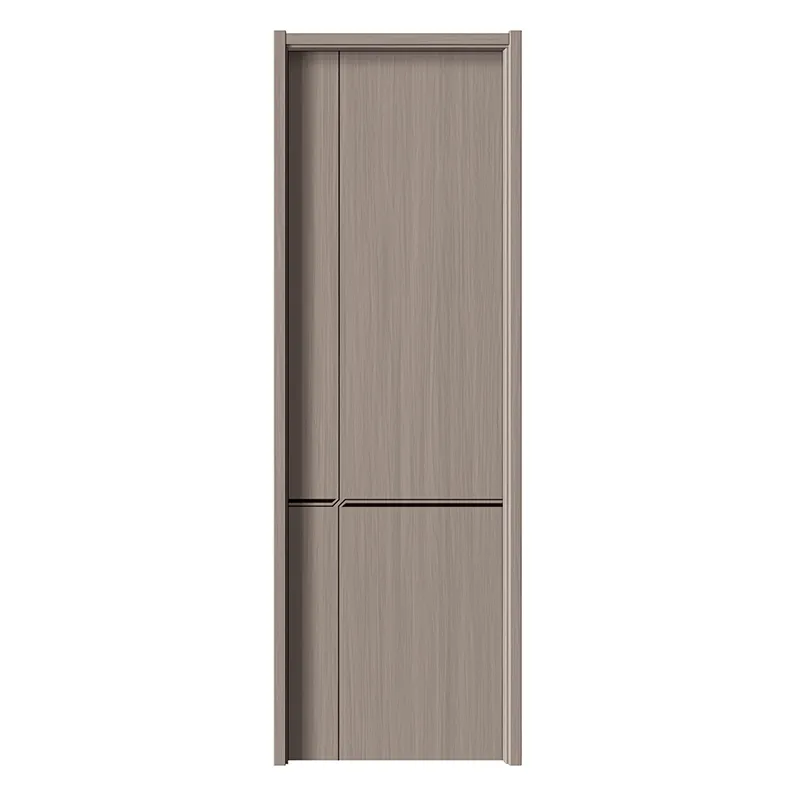 YST-1010 Door Translucent light shadow 3