



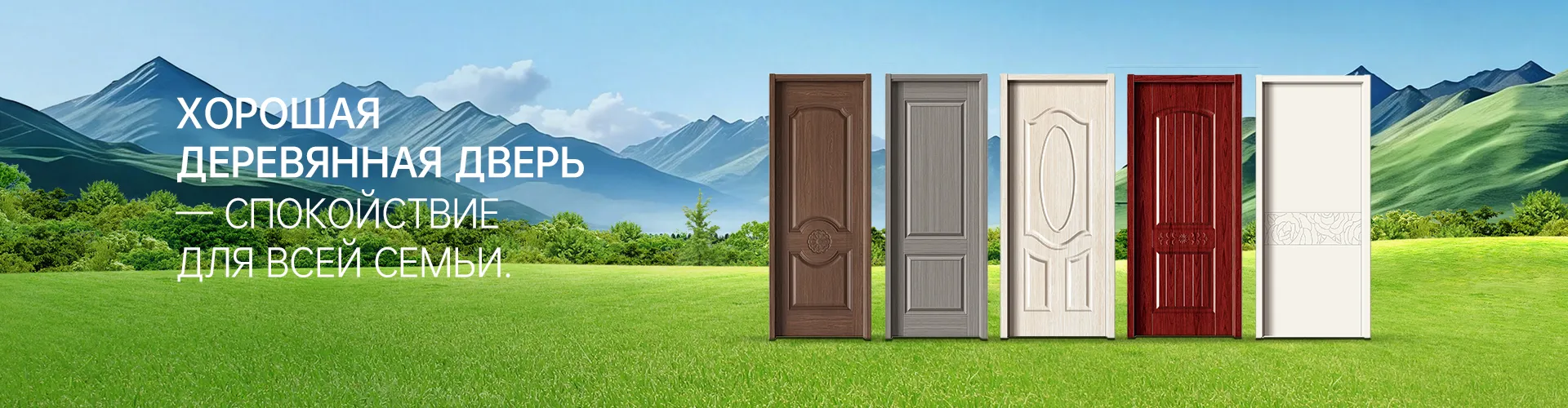
Lacquered door
When they say “a door with a varnish coating?”, many people immediately imagine just a glossy, shiny surface. This is perhaps the most common stereotype. In fact, a varnish coating is a whole story about protection, texture and durability, where gloss is just one of the options, and not always the most practical. Over the years of working with wooden doors, including those supplied to our marketAnhui Wantai Woodworking Co.,Ltd, I had to reconsider more than one such superficial belief.
What's hidden under a layer of varnish?
The main task of varnish is not decoration, but preservation. It seals the wood, protecting it from moisture, ultraviolet radiation and mechanical stress. But here’s the paradox: for the coating to work as it should, the base must be flawless. Any speck of dust, imperfect polishing or uncontrolled humidity of the array under a layer of gloss will scream about itself. Therefore, in production that values its reputation, almost more attention is paid to the surface preparation stage than to the varnishing itself. On the websiteanhuiwantai.ruthe company focuses on control of all stages - and these are not just words for a catalogue. Without this, a ?varnished door? turns into a headache after a couple of seasons: bubbles, peeling, cloudy spots.
I personally came across a situation where a customer demanded the most glossy, “mirror-like” finish. surface for interior in modern style. We did it. And six months later - a call: microcracks, “cobwebs”, appeared on the canvas facing the sunny side. Cause? The expansion coefficient of wood under temperature changes and aggressive sunlight is underestimated. The varnish itself was of high quality, but it was too hard for such conditions. I had to explain that a matte or semi-matte varnish with greater elasticity is better suited for such locations. Is he walking better? along with the tree.
This leads to an important division: there are different varnishes. Polyurethane, acrylic, nitrocellulose. Each has its own character, drying time, degree of protection and, importantly, final appearance. High gloss, satin, matte - this is not just aesthetics, but a consequence of the chemical composition and application technology. Sometimes a client asks to “just varnish”, not realizing that behind this phrase there is a whole technological choice.
The Myth of Eternal Newness
Another misconception is that a varnished door will remain like new forever. Alas, no. Varnish, especially glossy, is a living coating. It may slightly change tone (turn yellow or, conversely, fade), lose its original shine in areas of active touch. But there is also a positive side: high-quality varnish coating can be restored. It can be locally sanded and re-coated, which cannot be done, for example, with PVC film or veneer glued with irregularities.
In this regard, the approach of companies that work for the future, and not for a one-time sale, is interesting. Take the same oneAnhui Wantai Woodworking Co.,Ltd. In their philosophy, judging by the description of the principle “build a business on precision, win with quality?”, there is an understanding that the door is for years. This means that the coating should not just be a pretty picture, but a repairable protective layer. This is indirectly evident from the assortment: they offer solutions for different needs, which also implies a different approach to finishing.
I remember a project with a restaurant where lacquered doors were installed in the kitchen area. Steam, grease, constant humidity - hellish conditions. After a year, the coating on the bottom of the canvas became sticky and faded. It turned out that a varnish was chosen without sufficient hydrolytic stability and resistance to detergents. We had to completely change the canvases, this time with professional polyurethane varnish for extreme conditions. The lesson is expensive, but indicative: the context of application is everything.
Process: where quality is born
The ideal varnish coating is created in the workshop, not in the store. There are three key stages: primer, interlayer sanding and finishing application. If you miss one, that's it. Primer is needed to close the pores of the wood and ensure adhesion. Sanding between layers (often in several passes) removes raised lint and creates a perfectly smooth substrate. The finishing layer is already a business card.
Modern lines, like the ones Wantai appears to have, often use a spray chamber method followed by hood followed by polymerization in UV ovens or controlled temperatures. This gives uniformity and strength that is unattainable with manual application with a brush in the garage. But here, too, there is a nuance: for complex profiled facades or models with deep milling, a combined, almost manual approach is sometimes required so that the varnish lays without smudges in the recesses.
One of the most critical moments is drying. Too quickly and the varnish will only set on top, creating internal tension. Too slow and dust will stick. Precise control of temperature and humidity in the chamber is required. When you see a door with flawless, deep, “glass?” coating, you can be sure that this is the controlled process behind it. This is the very “accuracy” that manufacturers talk about.
Choice: what to look at besides the catalog
So how to choose a good onelacquered door? The first thing is not to be shy about asking about technology. What solid or spliced timber is the canvas made from? What kind of varnish was used (type, manufacturer)? How many layers did you apply and how did it dry? A conscientious supplier such asAnhui Wantai, is usually willing to share these details because that’s where the quality lies.
The second is to evaluate tactilely and visually. Run your hand over the surface: it should be absolutely smooth, without the slightest roughness. Look at an angle, in good light: the gloss should not have “orange peel”, cloudy stains or shagreen. On a matte surface there are uneven tones. Be especially careful at the ends and in the areas of the vestibule: savings are often made there, and the coating may be thinner.
Third, adequately assess the operating conditions. Most options are suitable for a bedroom or office. For the hallway, bathroom, kitchen, coatings with increased durability are needed. The product descriptions on the company's website show that they position themselves as a supplier for a variety of residential and commercial spaces. This hints that the line should have solutions for difficult conditions too. It's worth clarifying.
Not only aesthetics, but also economics
In conclusion, I would like to dispel another myth - that lacquered doors are always very expensive. Yes, a high-quality array plus multi-layer professional coating is not a cheap pleasure. But if we consider this as an investment in the interior for 10-15 years in advance, the cost of ownership is not so high. A cheap door with poor coating will require replacement or complex repairs much sooner.
Working with international suppliers who likeAnhui Wantai Woodworking Co.,Ltd, oriented to global standards, often provides good value for money. Their production base and design team allow us to optimize processes without losing key parameters. This does not mean that their products are the most budget-friendly. This means that for the right amount of money you can get a door where the varnish is not a decorative film, but full-fledged protection and part of the design.
As a result,lacquered dooris always a compromise and a choice. The choice between gloss and matte, between absolute smoothness and visible wood texture, between extreme durability and naturalness of perception. The main thing is to understand that you are not just buying a shiny object, but a complex product, whose character and longevity are determined by technology invisible to the eye. And it is in these invisible details that, as a rule, the difference between just a door and a good door is hidden.
Correspondingproducts
Related Products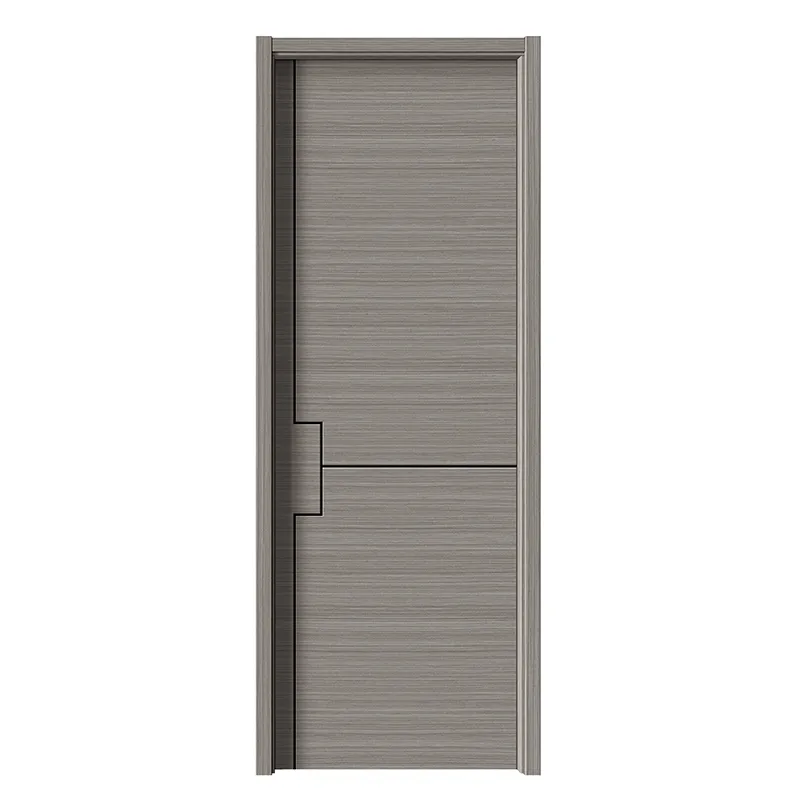
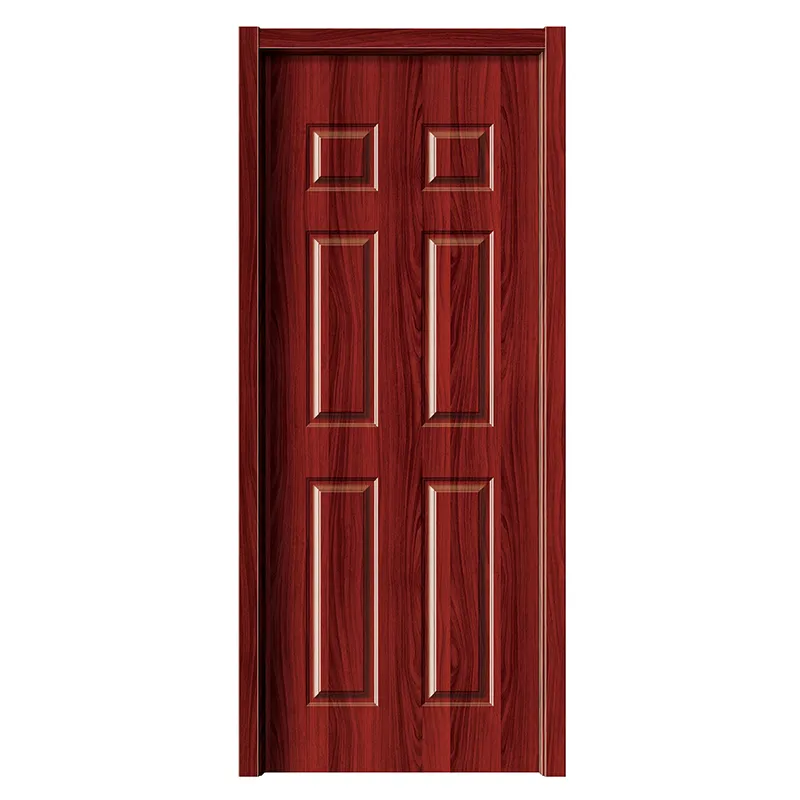
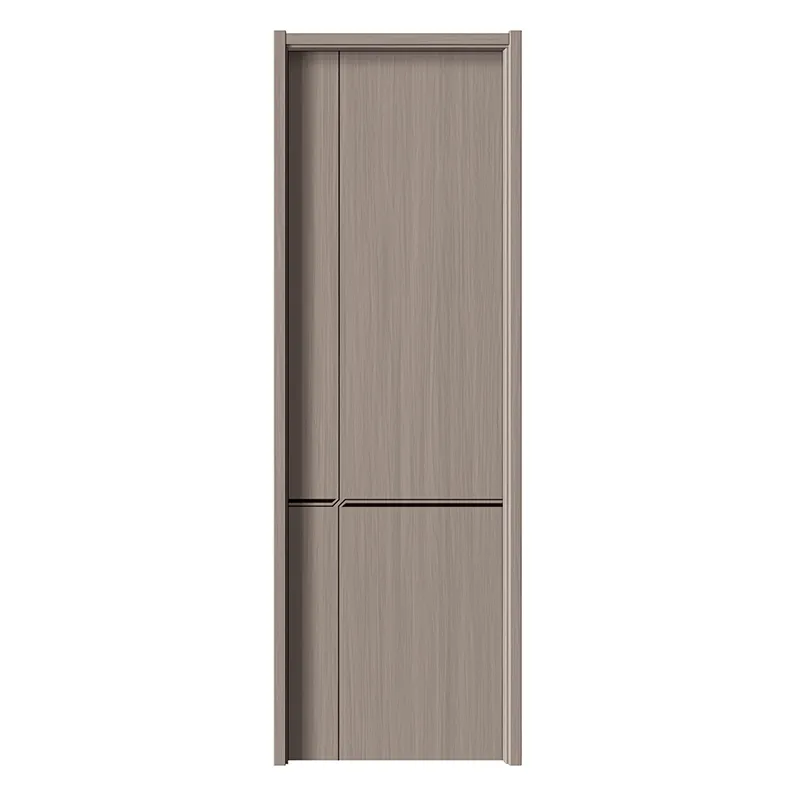
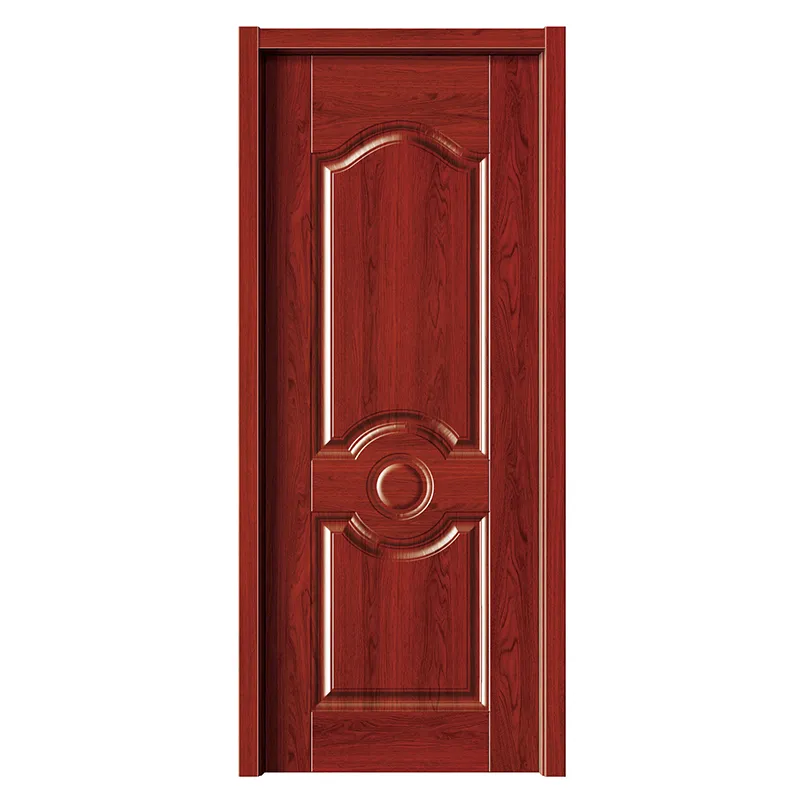
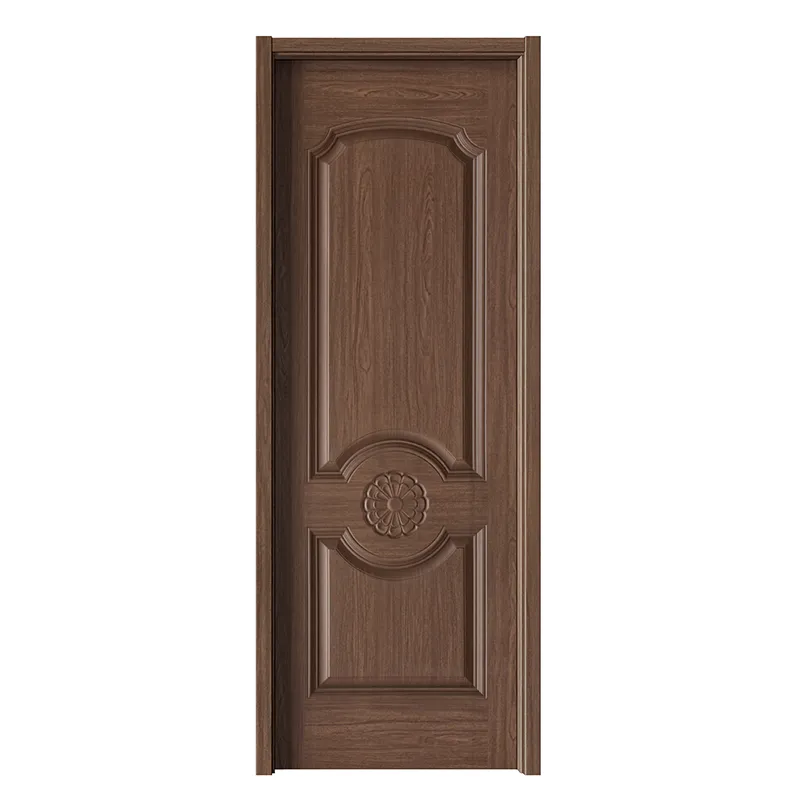
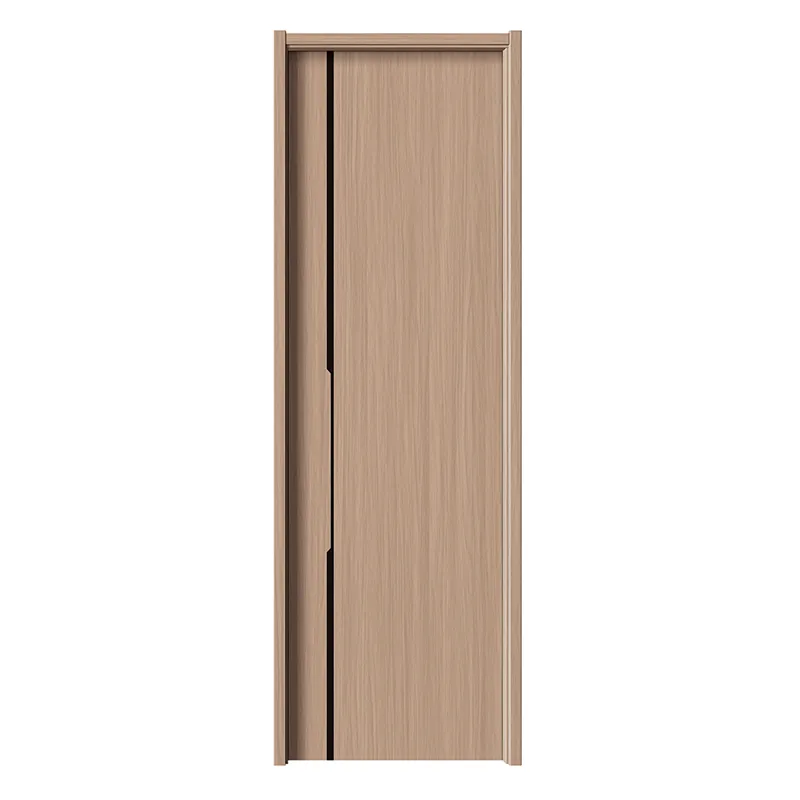

Best Sellingproducts
Best Selling Products-
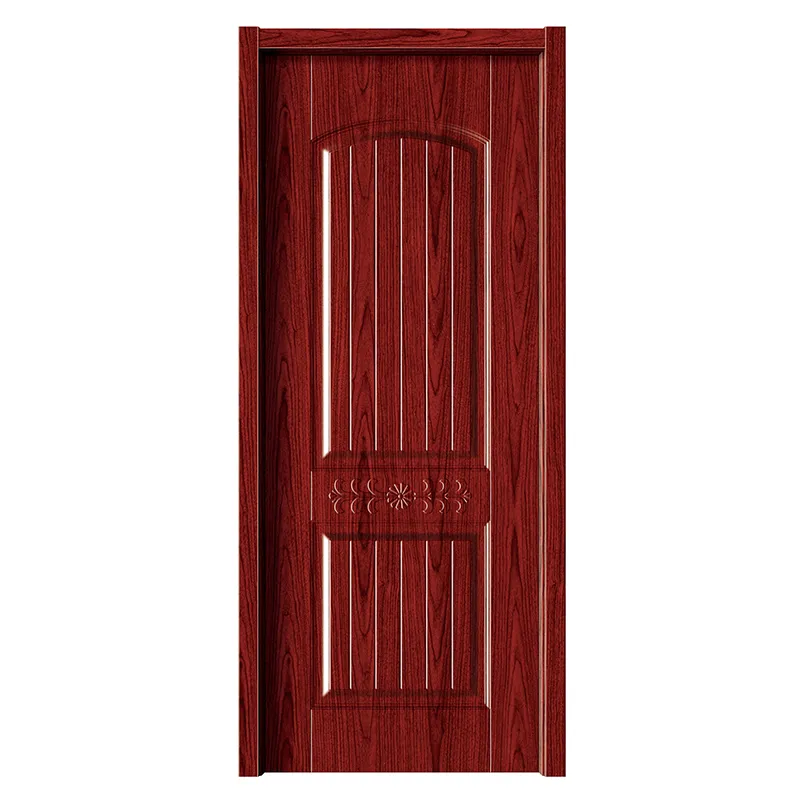 YST-233 Door Mahogany
 -
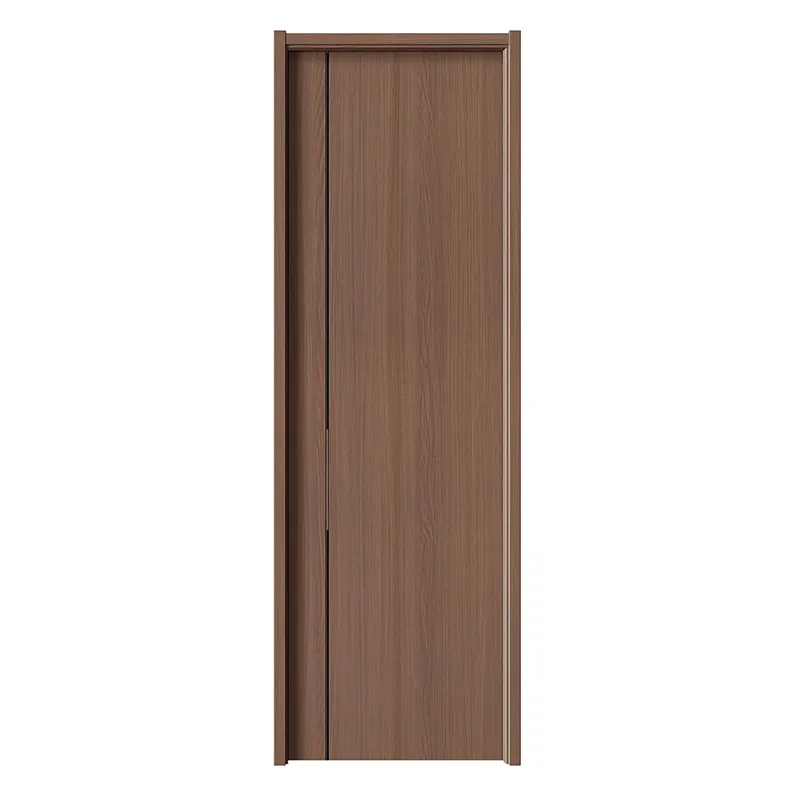 YST-1043 Door Techno-walnut 3
 -
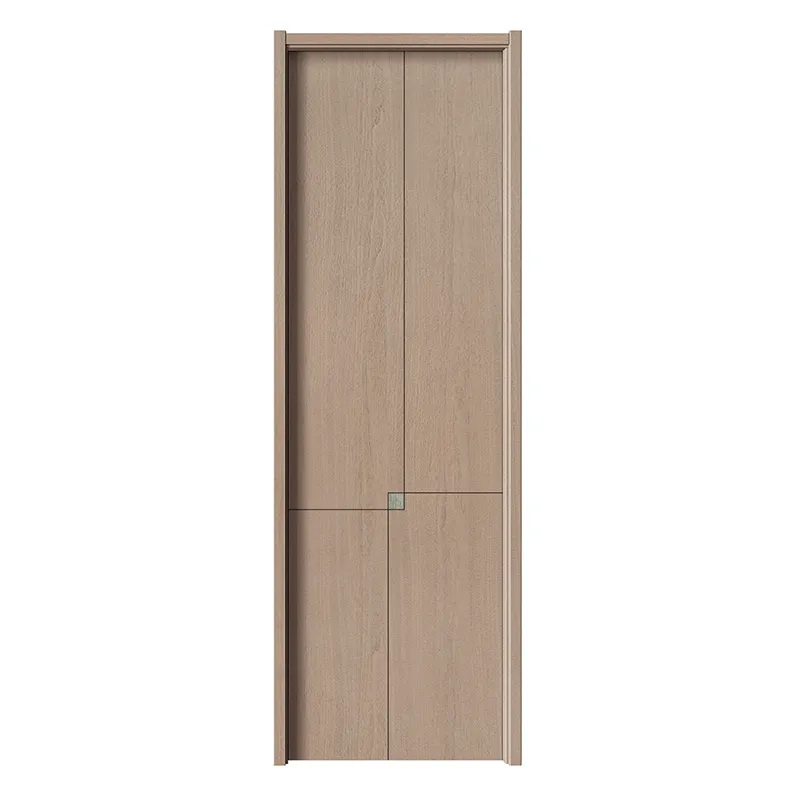 YST-1008 Door Natural walnut 2
 -
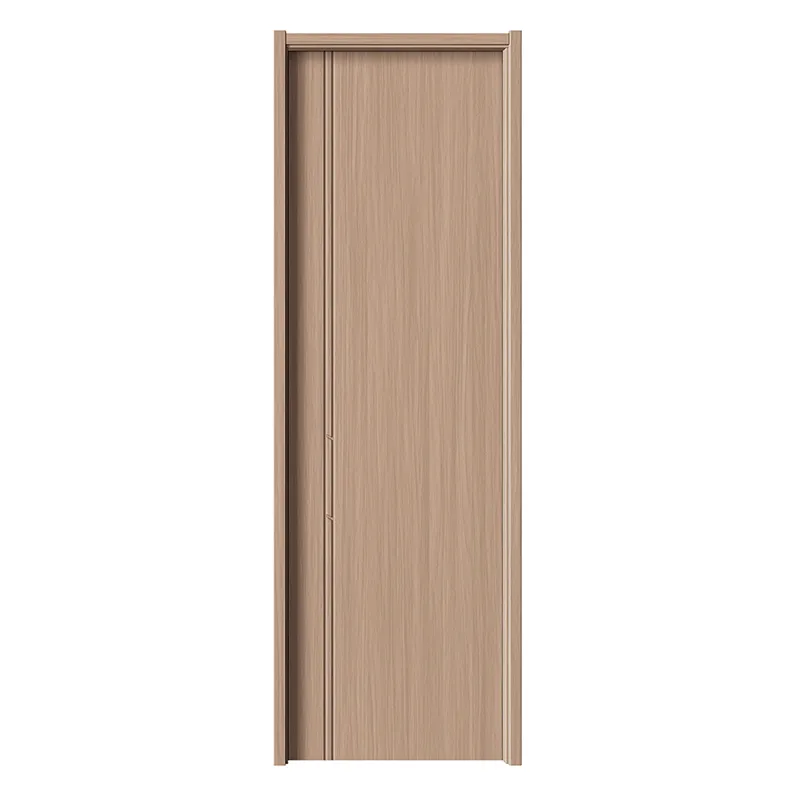 YST-1009 Door Translucent light shade 1
 -
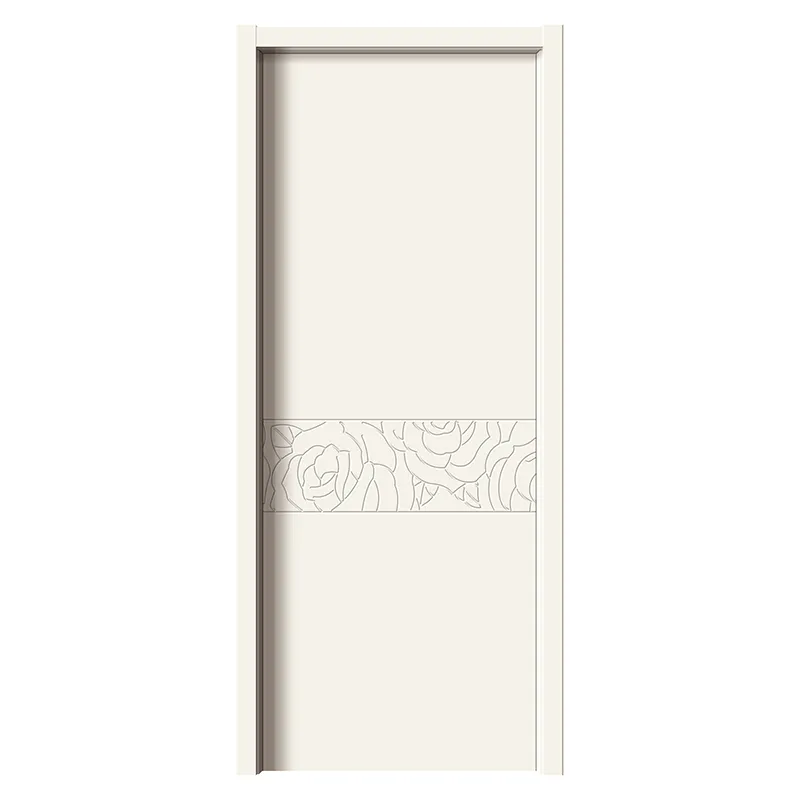 YST-238 Door White ivory
 -
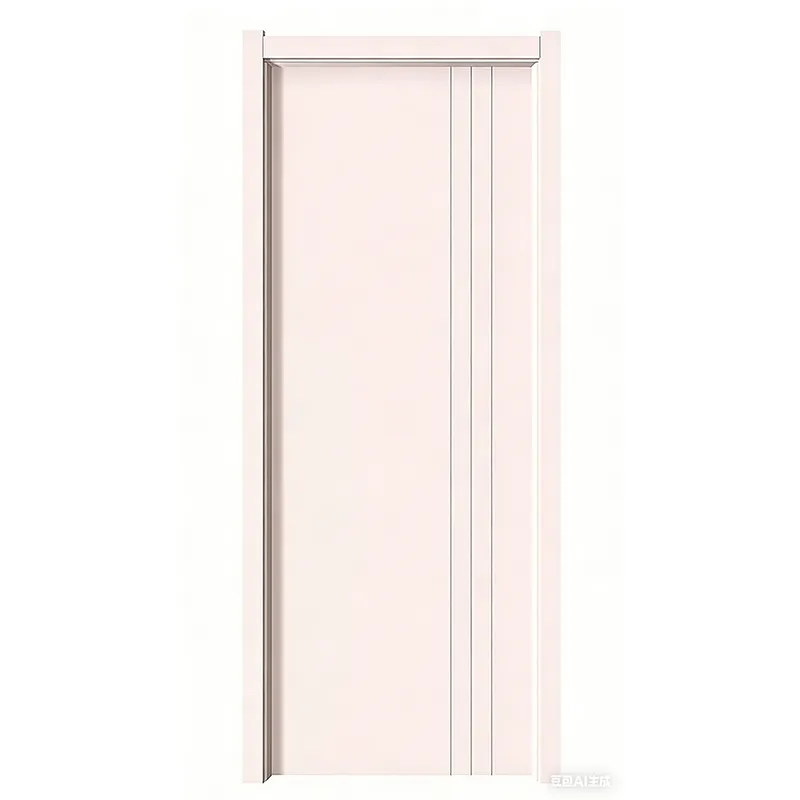 YST-WPC4 Door
 -
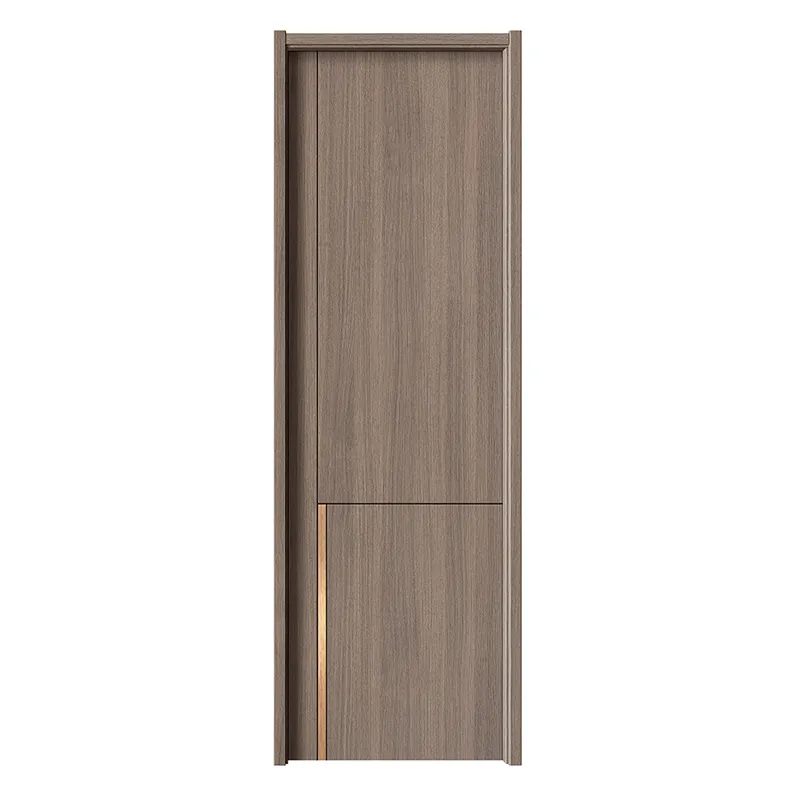 YST-1003 Door Oak gray
 -
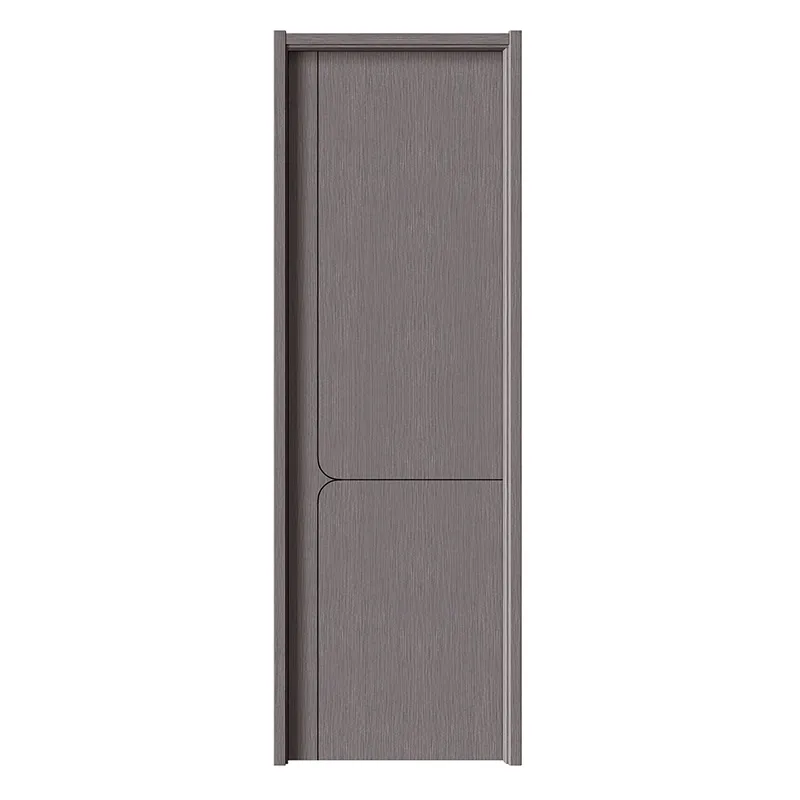 YST-1001 Door Chiaroscuro tree 2
 -
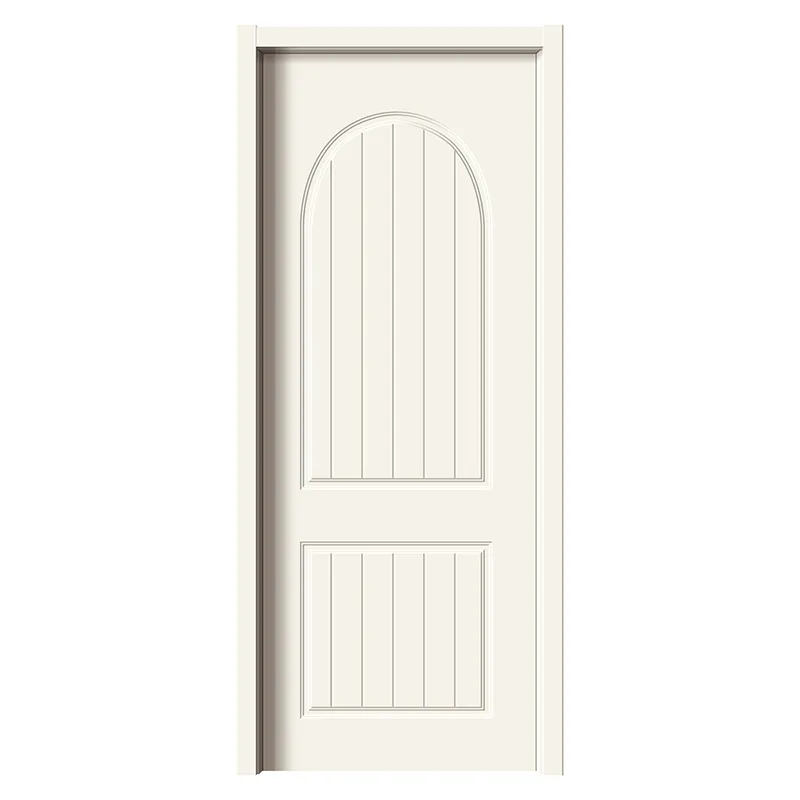 YST-236 Door White ivory
 -
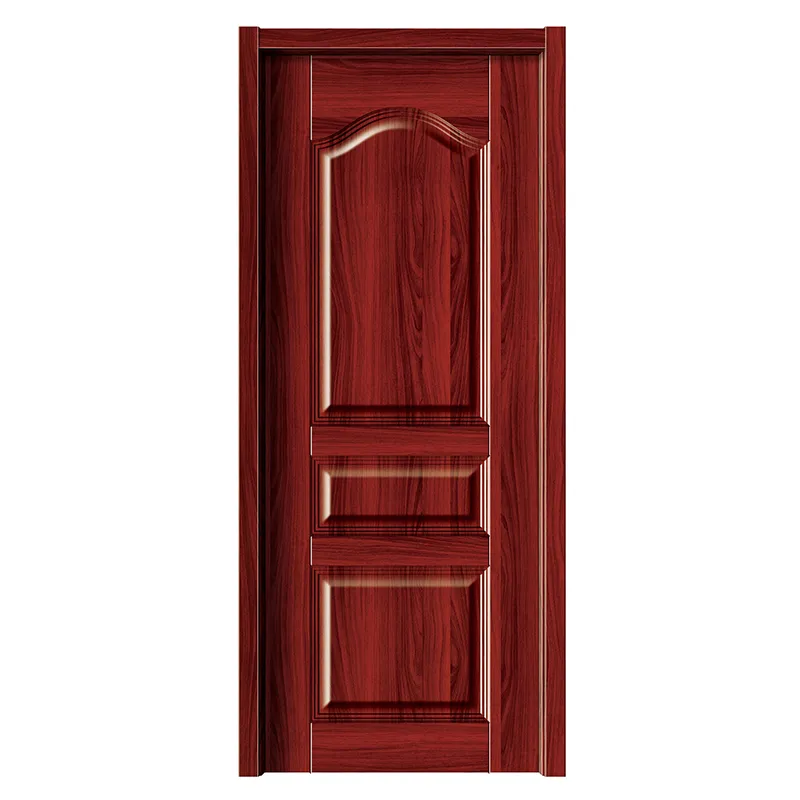 YST-203 Door Red team
 -
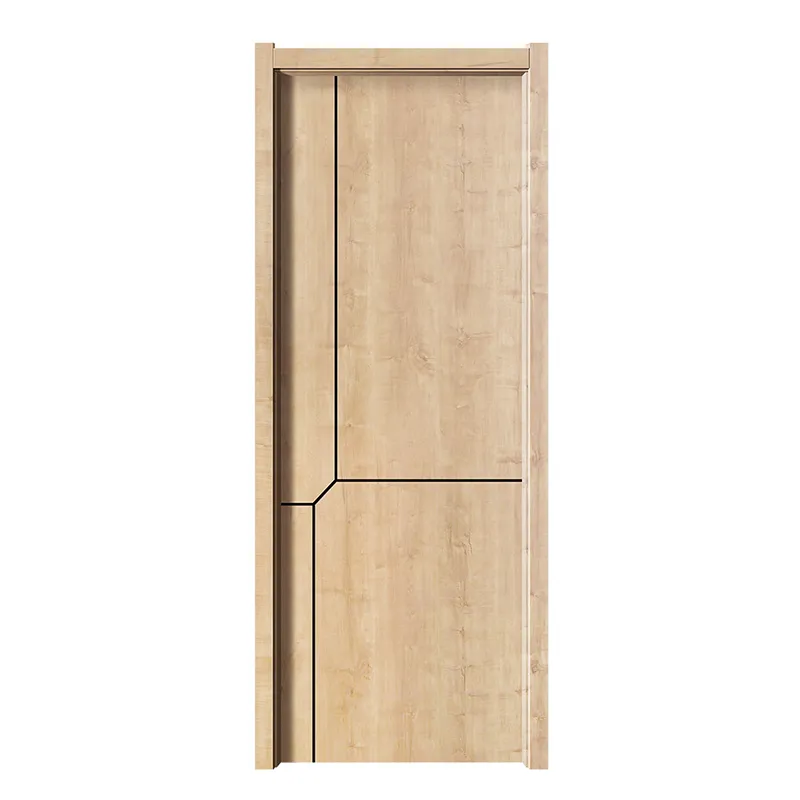 YST-WPC1 Door
 -
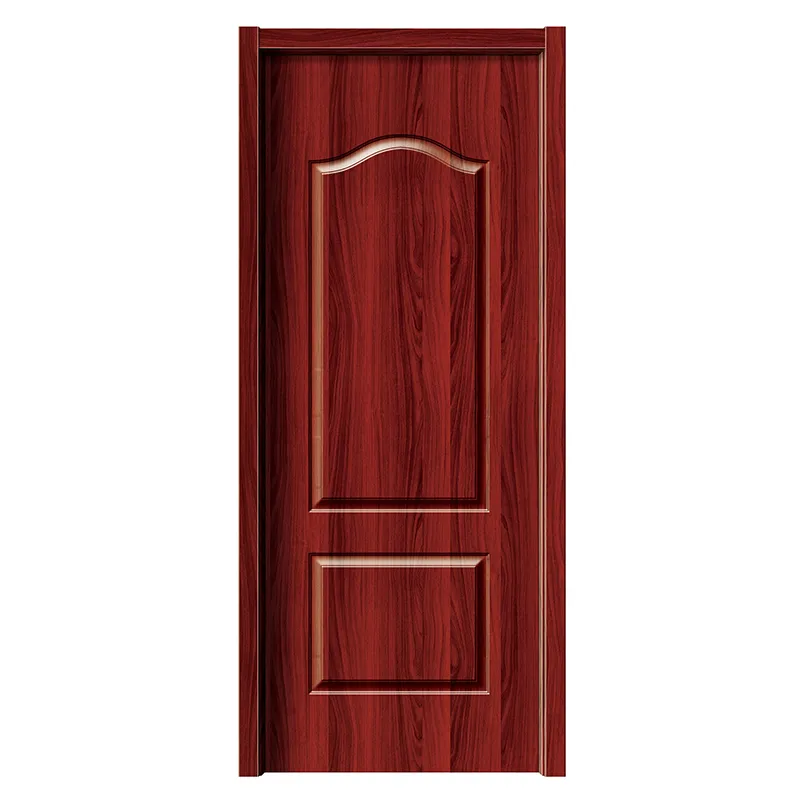 YST-207 Door Red team