




Plastic cabinet doors
When they talk about plastic closet doors, many people immediately imagine something cheap and unreliable, like office partitions from the 90s. This is the first and most persistent stereotype. In fact, modern high-quality plastic, especially in systems of sliding sliding doors or hinged facades for dressing rooms, is a separate engineering story. What is important here is not the material “plastic” itself, but its profile, reinforcement, fittings and, critically, the build quality. Often a customer, choosing, for example, between laminated chipboard and plastic, looks only at the price tag and color, and then suffers for years with skewed sashes or cracked inserts. I went through this myself when I first started working with cabinet furniture.
What exactly is a “plastic door”? in the closet
Let me clarify right away: usually we are not talking about a solid plastic door, but about a frame facade. The base is a PVC profile, most often white or wood-look, inside which an insert is snapped into place. It can be chipboard, glass, mirror, sometimes even acrylic. The key here is the profile. The cheap profile is thin, with flimsy corner joints, and is easily damaged by changes in humidity. A good profile has a rigid section, internal reinforcement with metal or fiberglass and a high-quality insert fastening system. It is at this stage that many manufacturers save money, and the difference is visible only after six months of operation.
Here is a real example from practice: we were making a dressing room in an apartment with unstable heating. The customer insisted on a budget option for plastic sliding doors. After a season, the doors began to touch each other, and the movement became difficult. Reason - profile ?played? due to temperatures, the geometry of the box was disrupted. I had to redo it, using a stabilized profile from another supplier. Lesson: saving on a profile system always backfires.
By the way, about inserts. The good thing about a plastic profile is that it perfectly holds and protects the edges of the same laminated chips or thin glass. But if the insert is made of low-density laminated chipboard, it can fail. a gap will appear inside the frame. Therefore, we always look at the complex: profile + insertion quality. Sometimes a solid MDF facade turns out to be more reliable and durable, but this is a different price category and aesthetics.
Where are plastic doors really appropriate and where are they not?
Based on experience, the main advantage of plastic facades is sliding systems for sliding wardrobes, especially in niches or long dressing rooms. Ease of movement, the ability to make high sashes without the risk of warping - here they are often unrivaled. Also good for technical cabinets, pantries, office storage systems - where practicality and resistance to minor damage are important.
But for classic hinged wardrobes in the living room or bedroom, I would think ten times. Here tactile sensation and visual “warmth” come to the fore. Plastic, even the highest quality, is often inferior in perception to solid wood or veneered MDF. There was a story when we installed white glossy plastic facades in a modern bedroom - it looked perfect. But the customer later complained that “the cabinet wasn’t breathing?” it felt cold. This is already psychology, but it also must be taken into account.
Another nuance is maintainability. A chip on a solid wood façade can be puttied and repainted. With a plastic profile, if it is damaged, most often the only option is to completely replace the sash. This needs to be immediately included in the dialogue with the client.
About fittings and assembly - something that is rarely advertised
You can buy the most expensive German plastic profile, but ruin everything with Chinese fittings. This is especially critical for sliding systems. Rollers, guides, lower and upper guides - saving money on this is like death. I prefer to work with proven systems, for example fromAnhui Wantai Woodworking Co.,Ltd. Why? Because, as can be seen from their principle of “building a business on precision, winning with quality?”, they pay attention to the entire cycle. Their websitehttps://www.anhuiwantai.rupositions the company as a supplier of wooden doors to the international market, but importantly, this approach to quality control at all stages - from raw materials to processes - often extends to their composite products. When a manufacturer strictly adheres to wood standards, there is a greater chance that they will take plastic systems just as seriously.
Assembly is a separate matter. The corners of the profile must be clearly sawn at 45 degrees, the connection must be made using special ties or glue + mechanical ties. A common mistake installers make is to overtighten the screed, which leads to deformation. Or don’t tighten it enough - then the structure will play. This requires experience and understanding of the material.
Another point is installation in the opening. The wall must be level. Often in panel houses the walls are “filled up”, and if this is not corrected when installing the guides, the doors will spontaneously move in one direction. You have to use shims and sometimes partially shift the upper guide. It’s a small thing, but it’s these little things that determine the final quality.
Myths and real alternatives
One of the myths is that plastic cabinet doors are “not environmentally friendly”. If we talk about certified PVC from normal manufacturers, then its safety in the interior has long been proven. There is a risk only when burning, but this applies to many materials. Another myth is that they don't last long. On the contrary, a high-quality plastic profile is not afraid of moisture, does not warp, and does not fade longer than uncoated wood. Service life is easily 15-20 years.
But there are alternatives, and they are worth considering. For example, an aluminum profile with glass inserts. It is more expensive, but even more durable and looks more modern. Or, as I already mentioned, solid MDF facades with film coating. They provide more options in texture and color and feel more solid. CompanyAnhui Wantai Woodworking Co.,Ltd, striving to satisfy the diverse needs of customers, works precisely at this junction - offering solutions that combine aesthetics and practicality. Sometimes the right solution is a hybrid: the body and internal contents are from one manufacturer, and the sliding system is from another, more highly specialized one.
In the end, the choice always depends on the specific conditions of the project: budget, style, operating conditions, client wishes. There is no universal answer. My task as a specialist is not to sell at a higher price, but to explain these nuances so that the decision is informed. And so that in a year you won’t have to blush and do the work all over again. Plastic cabinet doors are a great tool, but like any tool, they require skillful hands and an understanding of where and how to use it.
Correspondingproducts
Related Products

Best Sellingproducts
Best Selling Products-
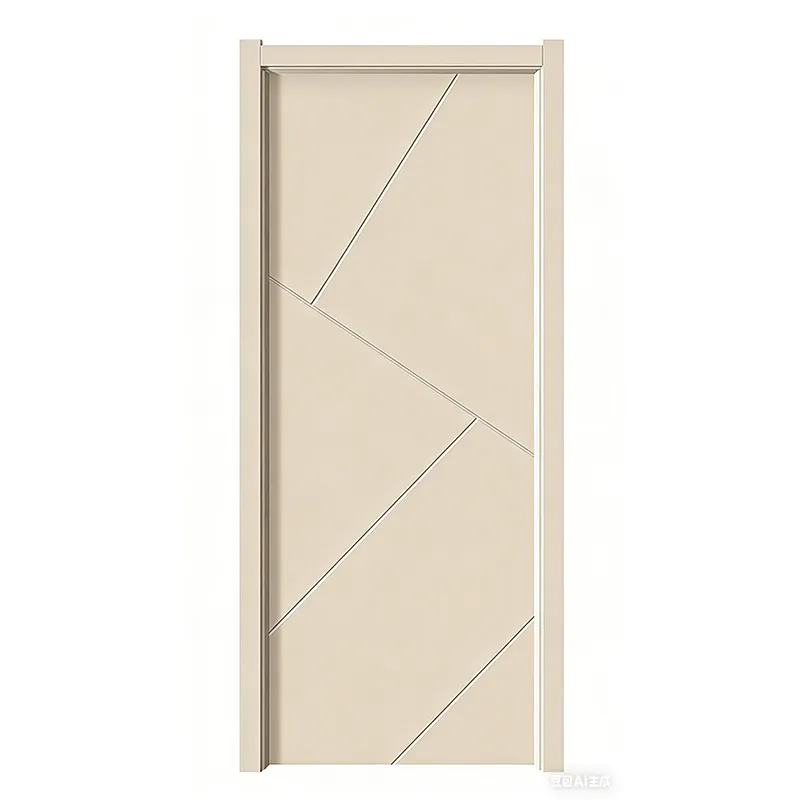 YST-WPC3 Door
 -
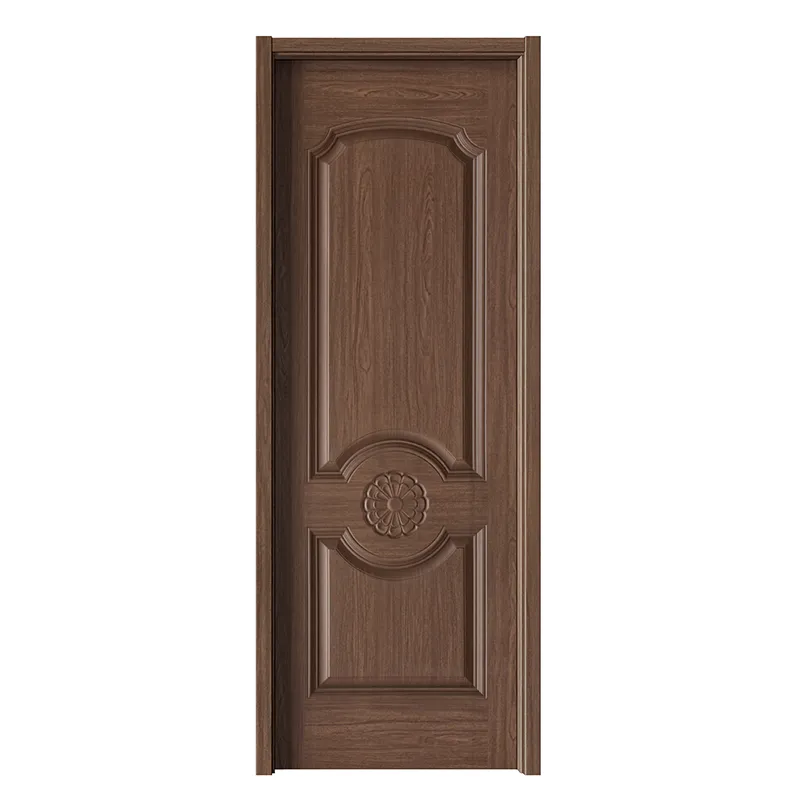 YST-212 Door North American Oak 2
 -
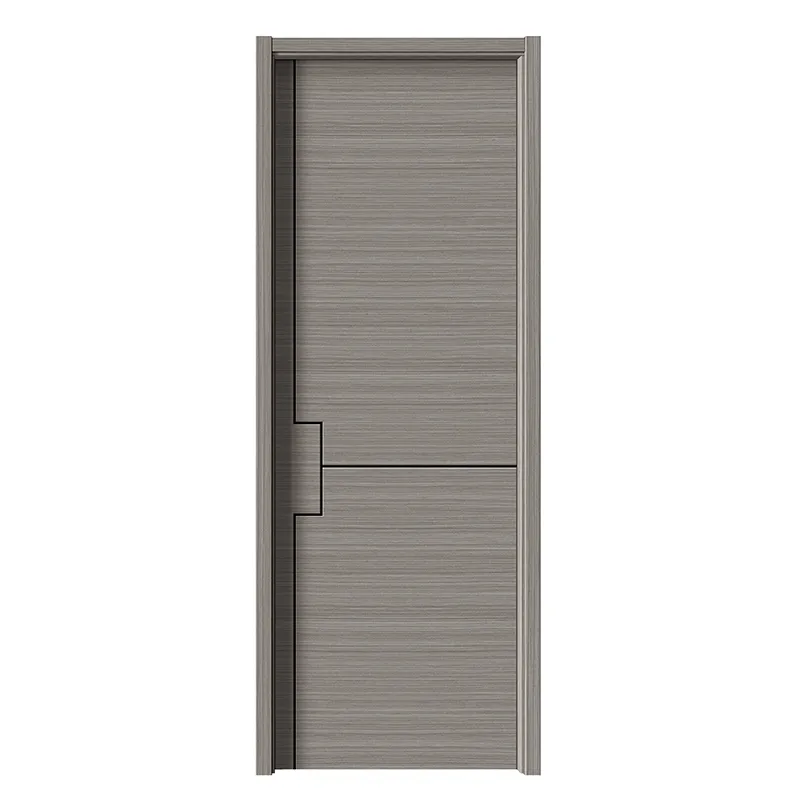 YST-1005 Technotree Door 2
 -
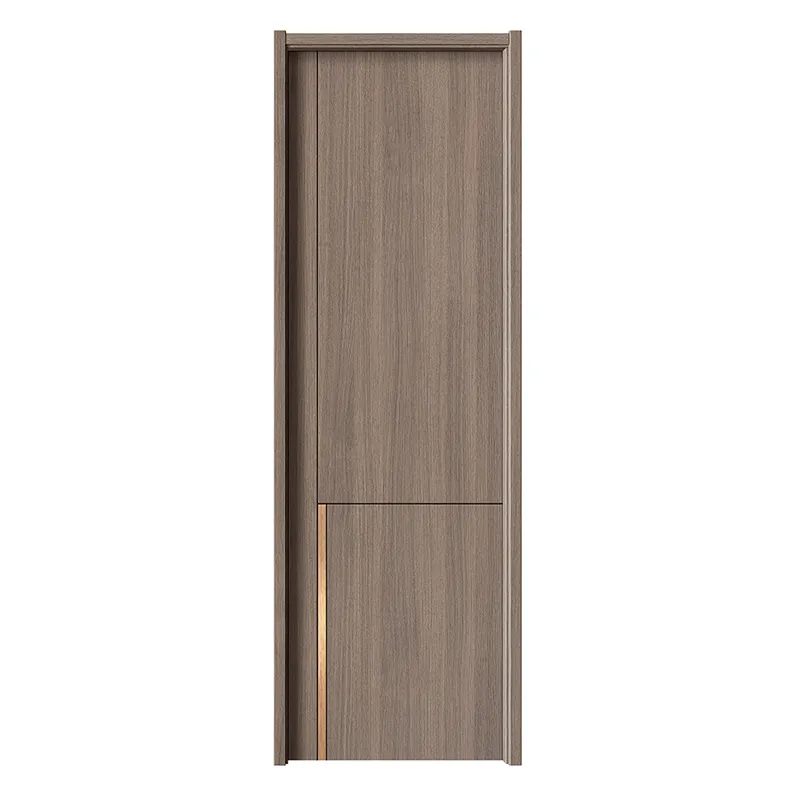 YST-1003 Door Oak gray
 -
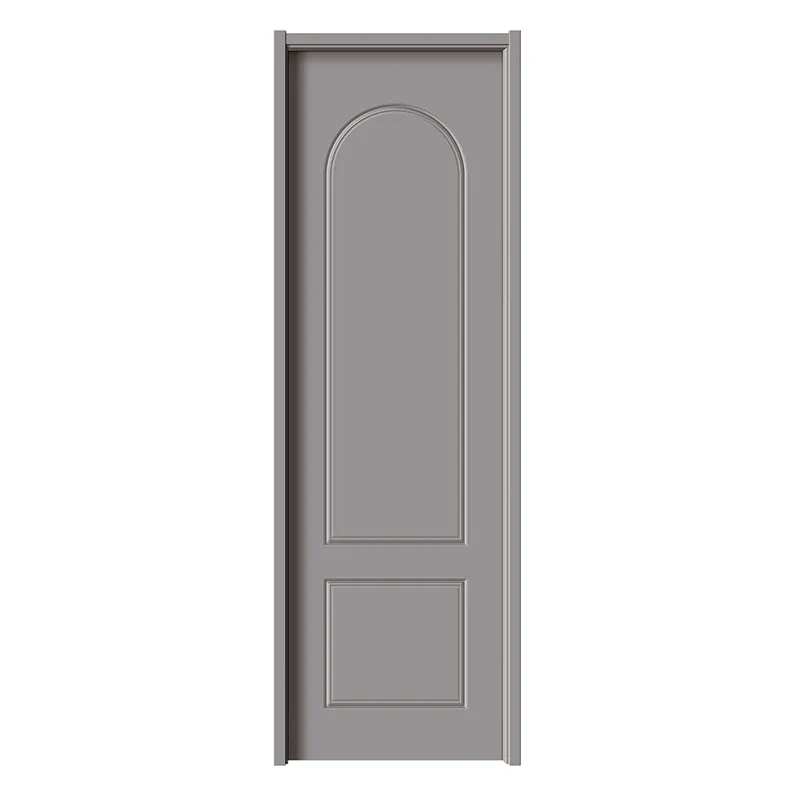 YST-241 French Door 1 soft stone gray
 -
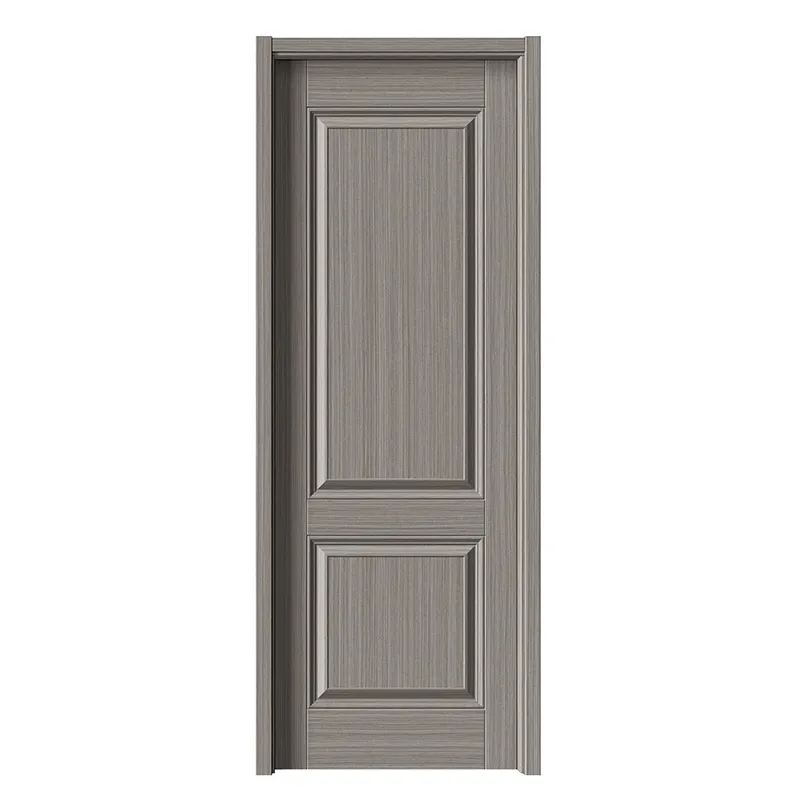 YST-214 Door Technowood 2
 -
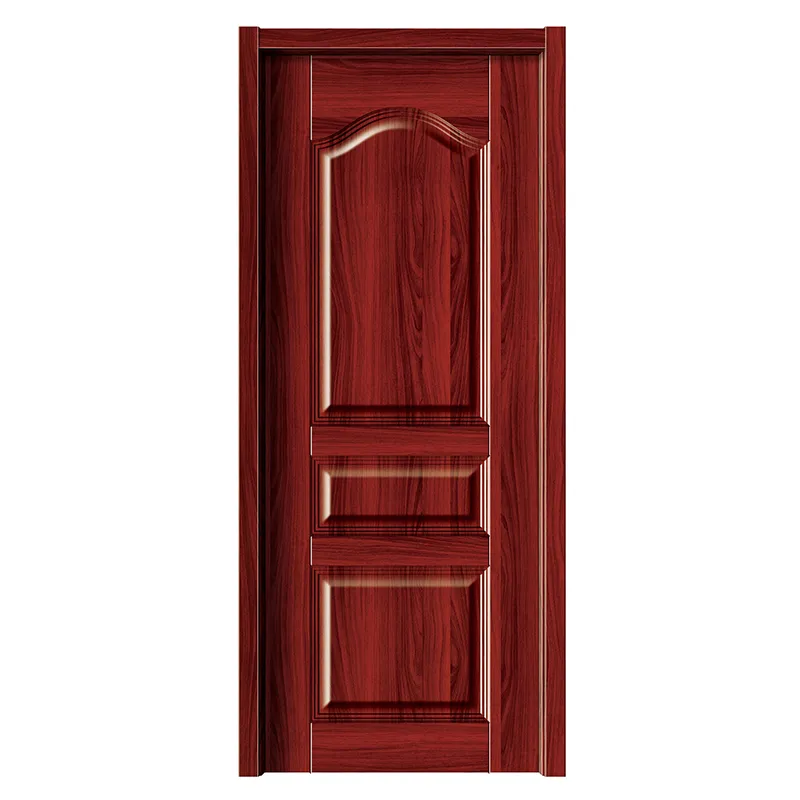 YST-203 Door Red team
 -
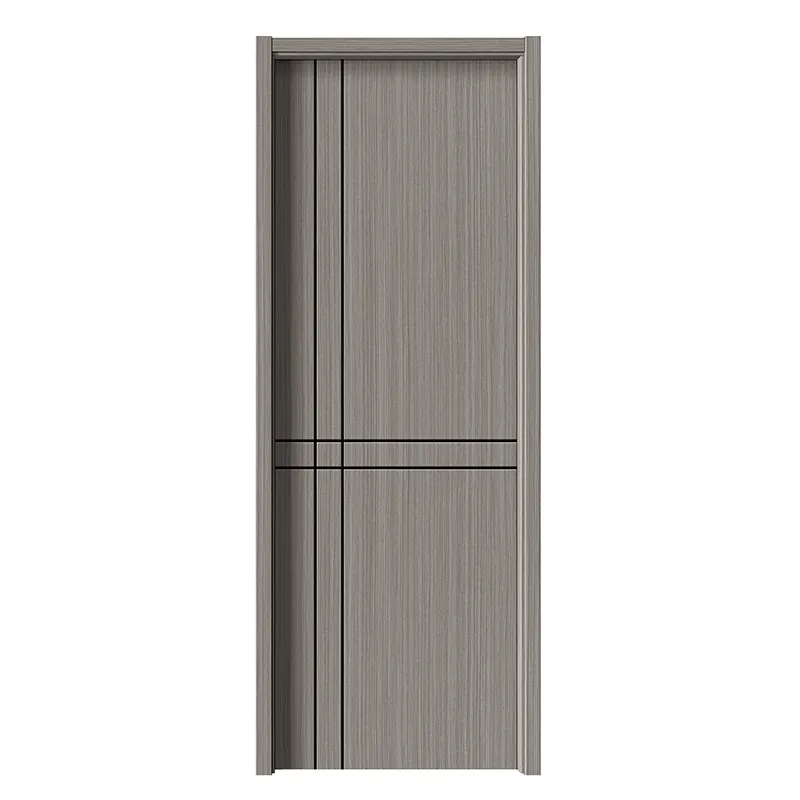 YST-1004 Door Technotree 2
 -
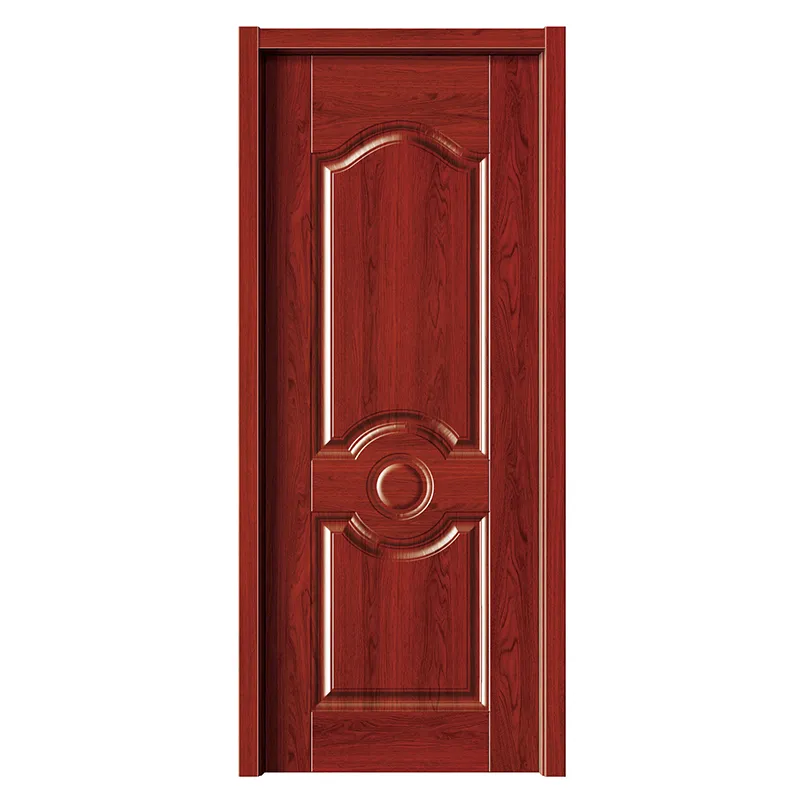 YST-208 Door Red Sandalwood
 -
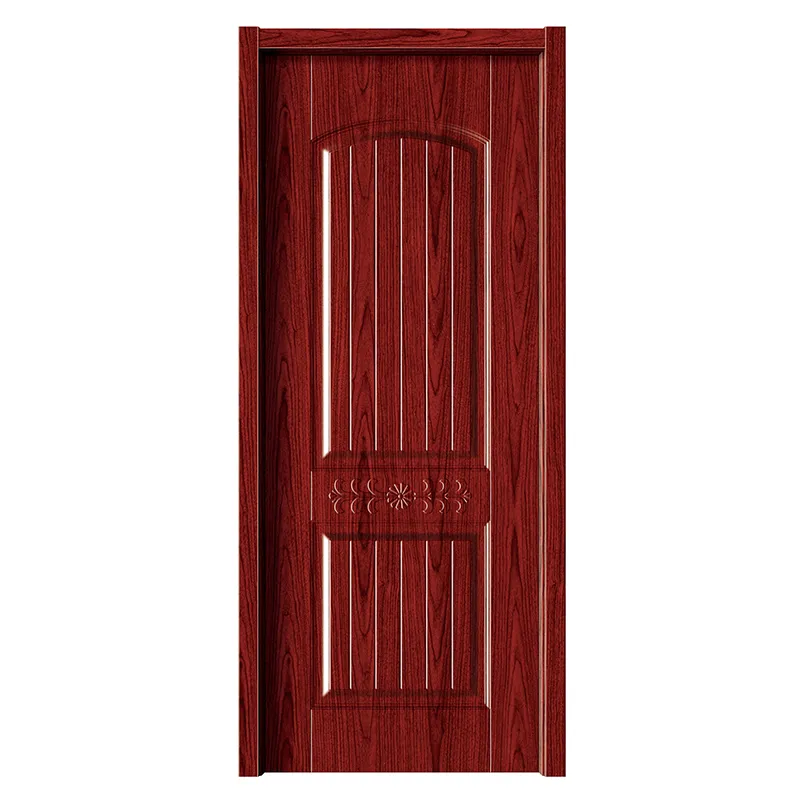 YST-233 Door Mahogany
 -
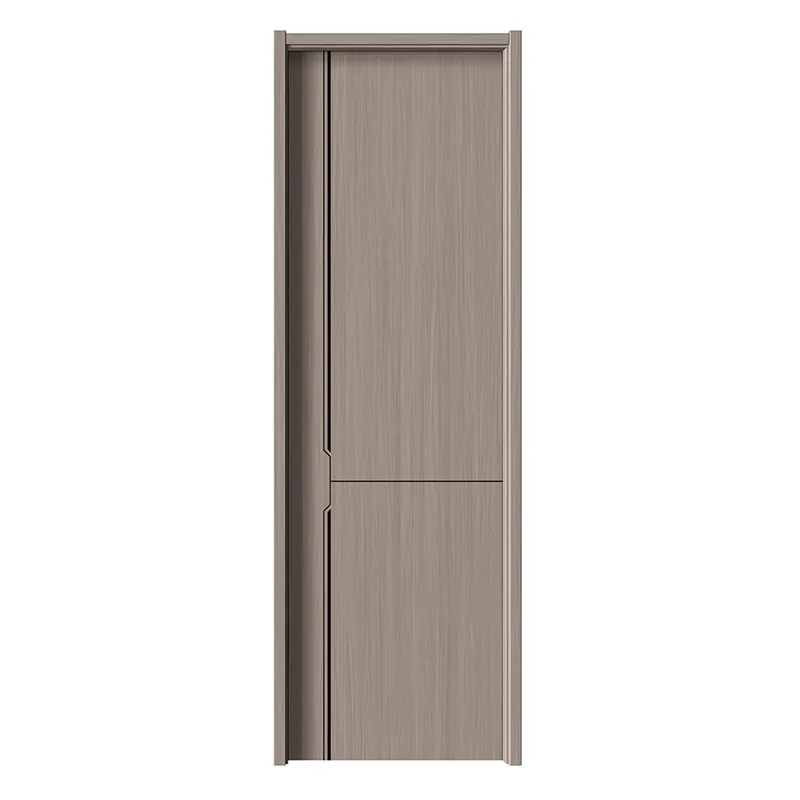 YST-1011 Door Translucent light shadow 3
 -
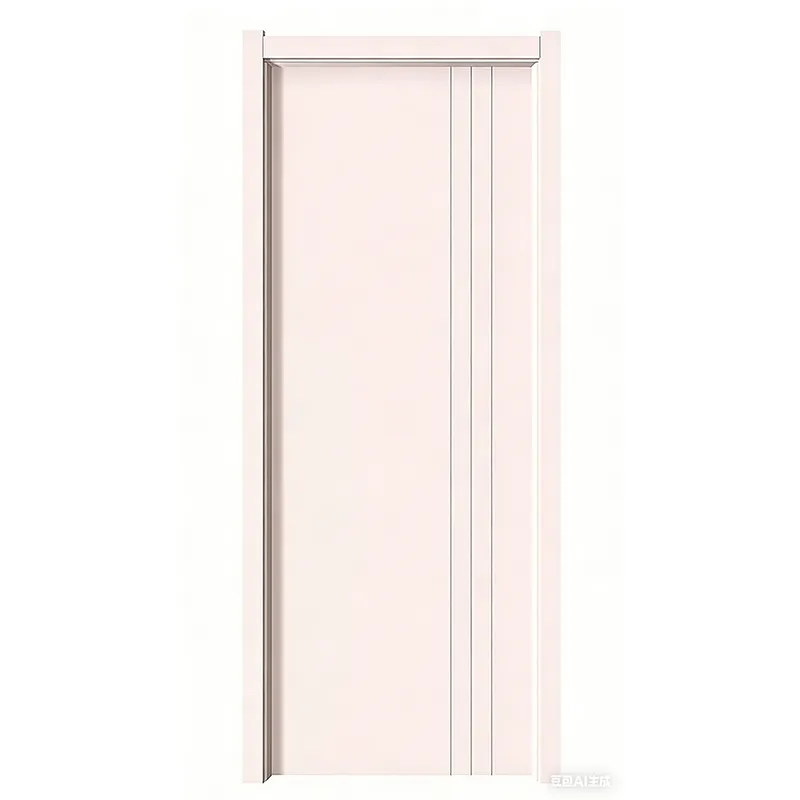 YST-WPC4 Door