




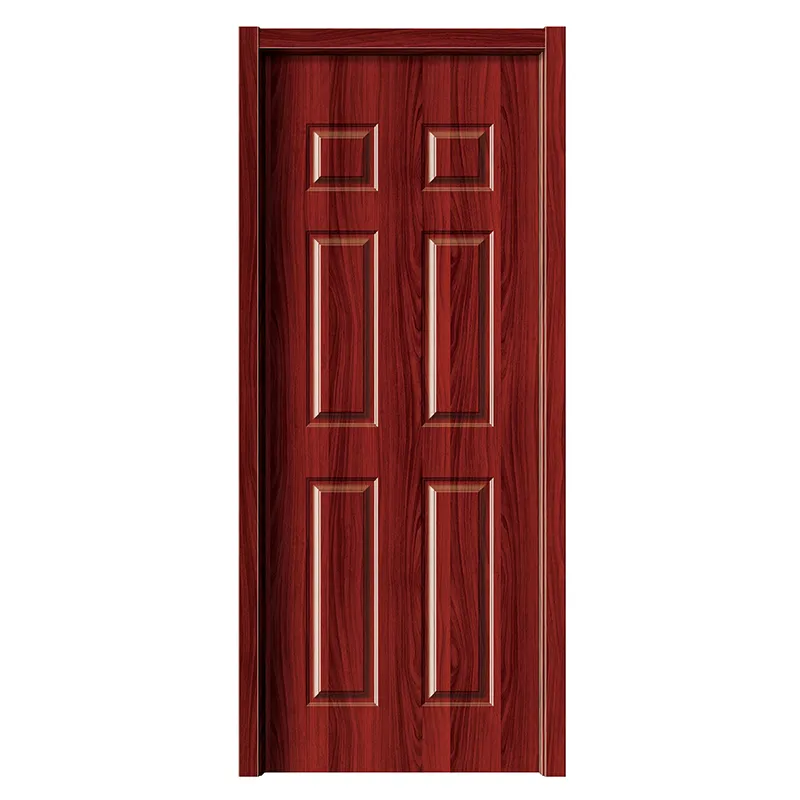
Wooden door oak
When you hear “wooden oak door,” many people immediately imagine something massive, expensive and eternal. But in practice, these three words hide a whole chain of nuances that you know only after you have gone through more than one batch of lumber and listened to a dozen complaints from customers. Oak is different from oak, and so is the door and door. A common mistake is to assume that if there is 'oak' in the name, then this is a guarantee. But in reality, you can get a heavy structure that is prone to torsion, and a beautiful panel that is unstable in our climate.
What's really hiding behind the 'oak door'?
Let's start with the basics - the array. European oak, American white, and sometimes Mongolian oak are offered - each has its own density, grain pattern and drying behavior. I personally encountered when, for one project, they took supposedly selected European oak, but dried it with violations. The result is that six months after installation, microcracks appeared at the ends in a fairly dry room. Not critical, but for a premium property it’s a stain on its reputation. Therefore, now I always specify not just the breed, but the region of origin and, if possible, the drying method. Chamber, atmospheric - these are not just words for the price list, these are the future behavior of the product.
Design. A solid oak door is not always the best choice. For standard openings in high-rise buildings, its weight may be excessive, requiring reinforced hinges, and the load on the box. More often there is a combination: solid oak for the frame and panels, and the internal slats are made of lighter but stable pine or, for example, plywood. This is not a 'cheat', but a competent engineering solution to prevent deformation. By the way, some clients are from China, especially through export companies likeAnhui Wantai Woodworking Co.,Ltd, often request just such combined designs - they understand the importance of a balance between aesthetics, practicality and logistics.
Finishing and processing. Oil, varnish, wax - each composition behaves differently on oak. Varnish can create a thick film and hide the natural texture, but it will provide maximum protection from moisture in the hallway. The oil penetrates deeper, emphasizes the design, but requires more frequent updating. The choice depends on the installation location. I remember a story when they installed a door coated with matte varnish in the bathroom of a private house with poor ventilation - after a year, areas with slight whitening appeared. I had to re-sand and switch to a special moisture-resistant compound.
Selection Practice: What to Look for Beyond Texture
The first is the ends and cuts. This is where you can see the quality of the gluing (if it is a glued board), the presence of knots, and internal stresses. A perfectly flat end without 'steps' or cracks is a good sign. The second is geometry. Place the canvas on a flat surface and check for a 'propeller'. Even a subtle misalignment will complicate installation and affect the fit. Third - accessories. The seats for the hinges and the lock must be carefully selected, without chipping, and the fibers around them must be compacted. These are basic things, but you can immediately see from them whether the door was made on the fly or thoughtfully.
An important point is acclimatization. Oak brought from production must remain on site for at least 2-3 days, especially if the difference in temperature and humidity is significant. Neglecting this rule is a direct path to the fact that a perfectly fitted door will stop closing in a month or, conversely, will form cracks. I myself got into trouble on one of my first projects, I was in a hurry with the installation - then I had to remove it and adjust it.
Now many manufacturers focused on system deliveries are including this stage in logistics. On the websiteanhuiwantai.ru, for example, in the description of the company’s approaches one can see attention to the full control cycle - from raw materials to process. These are not just beautiful words for 'About the company'. When production is modern and follows the principle of 'building a business on precision', this usually means clear drying protocols and control of output moisture, which is critical for oak. Their development team, apparently, is also working on adapting products to different climatic conditions, which is a must have for the international market.
Installation errors that kill even a good door
The most common is an incorrectly assembled box. It needs to be assembled on a flat floor, checking the diagonals. Installing a crooked box with the hope of 'pulling it out' by attaching it to the wall is a recipe for problems. The gaps around the box must be filled with polyurethane foam correctly: not abundantly, but in doses, otherwise the expanding foam can lead to it. This is fatal for heavy oak doors.
The second is saving on fasteners. Anchors or dowels must support not only the weight of the canvas, but also the dynamic loads from opening/closing. For a massive oak door in an opening made of plasterboard or a porous foam block wall, special reinforced installation is required, sometimes with embedded elements even at the repair stage.
The third, less obvious option is installation without taking into account the floor covering. If the floor has not yet been laid, you need to know exactly its future thickness. Often the door is placed 'at the level of the finished floor', and then you have to saw it from below, which for oak with its hardness is extra work and the risk of damage to the bottom end and the protective coating.
The price of the issue: where are the costs justified?
The high cost of an oak door consists not only of the material. Expensive raw materials, a long cycle of proper drying, manual or semi-automatic assembly of panels, multi-layered high-quality finishing - all this adds to the price. Therefore, when you see an offer for an 'oak door' at a suspiciously low price, you should ask yourself: what did you save? Perhaps this is oak veneer on a cheap solid frame, or low-grade wood with numerous inserts, or a simplified finish with one layer of varnish.
Costs are justified where durability, status and stability are needed. In a private house, in an office, in the front area. For technical rooms or rooms with an aggressive environment (the same bathroom without a good hood), it is sometimes wiser to consider alternatives - for example, the same oak door, but with a more reliable and durable industrial coating, which also increases the cost.
Companies that likeAnhui Wantai Woodworking Co.,Ltd, position themselves as a supplier to the international market with a combination of aesthetics and practical characteristics, usually operating in this segment - where quality and compliance with standards are the basis. Their products must undergo strict control in order to withstand competition in different countries, which means that the price will be adequate to the quality, and not a low “junk” price.
Instead of a conclusion: a personal view of trends
Now I see a request for more than just a massive solid door. Combinations of oak with glass (matte, patterned, transparent), thin profiled panels that make the canvas visually lighter, and hidden hinges are popular. The colors are not just 'natural oak'. More often they ask for tinting in dark shades (wenge, graphite), brushing to emphasize texture, matte satin finishes instead of gloss.
And another important point is readiness for non-standard sizes. Oak allows you to make wide and tall canvases, but it must be of a special design so that it does not lead to problems. Manufacturers who have an experienced team of designers and developers, as stated in the Anhui Wantai company description, are usually capable of such custom solutions, and not just standard catalog models.
So 'oak wooden door' is not a product item, but rather a field of knowledge. Knowledge about materials, technologies, installation and operation. And when all these links come together, the result is a product that lasts for decades, and does not just close the opening. And for this reason, perhaps, it is worth delving into all the details.
Correspondingproducts
Related Products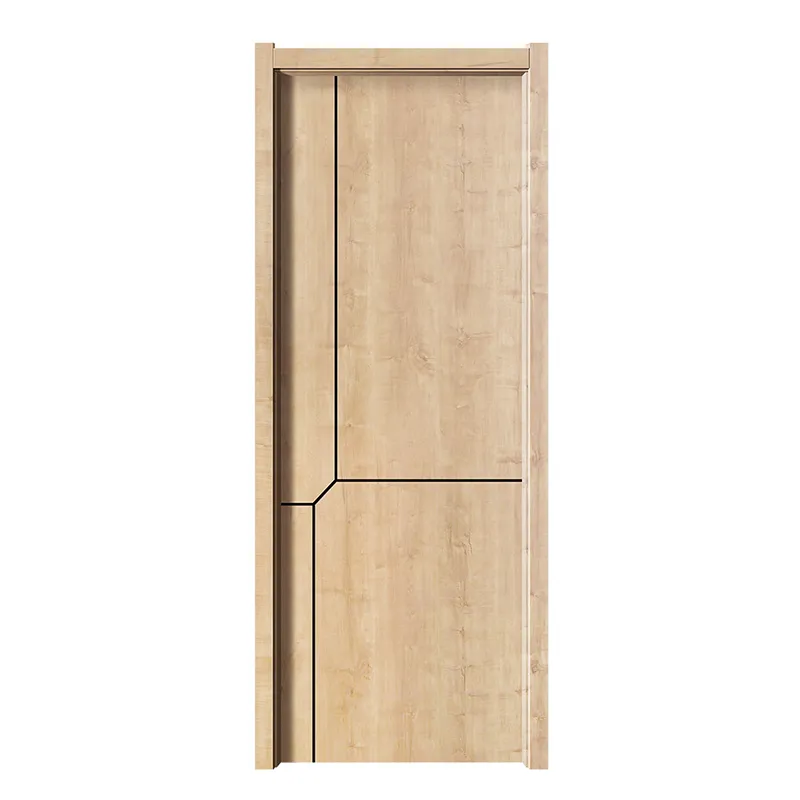
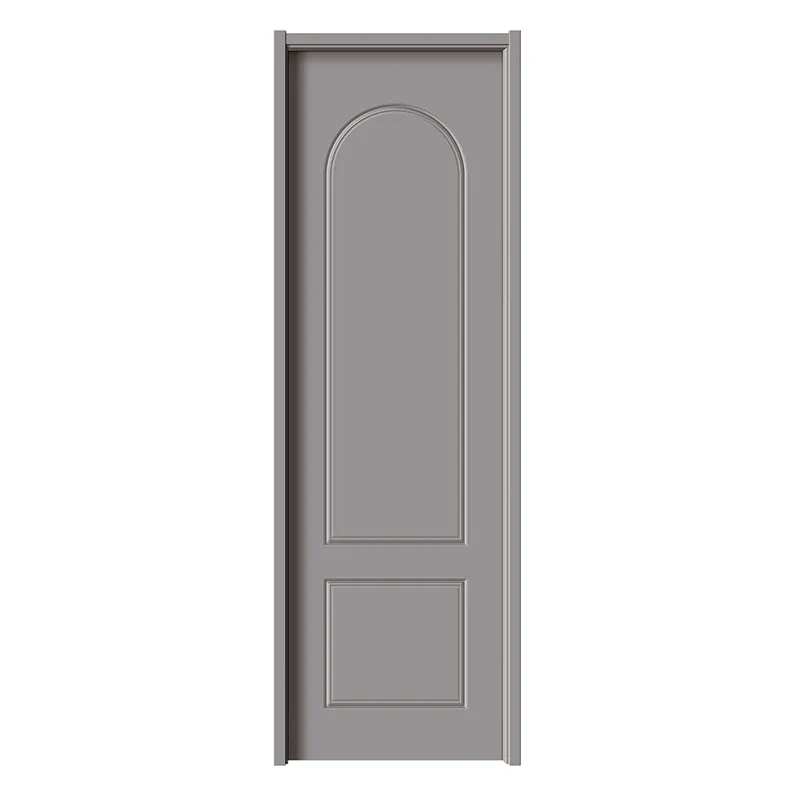
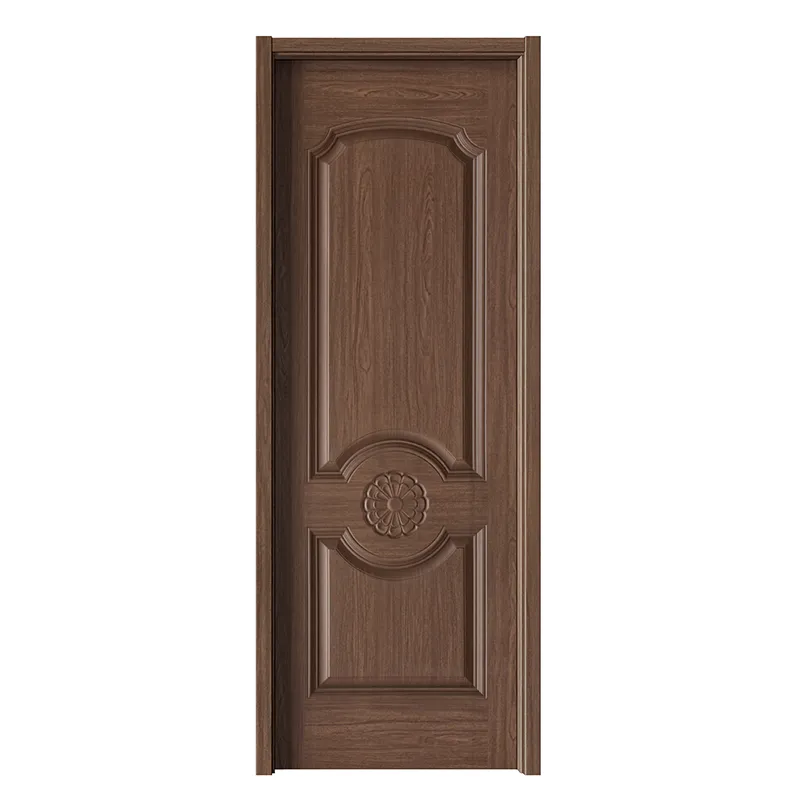
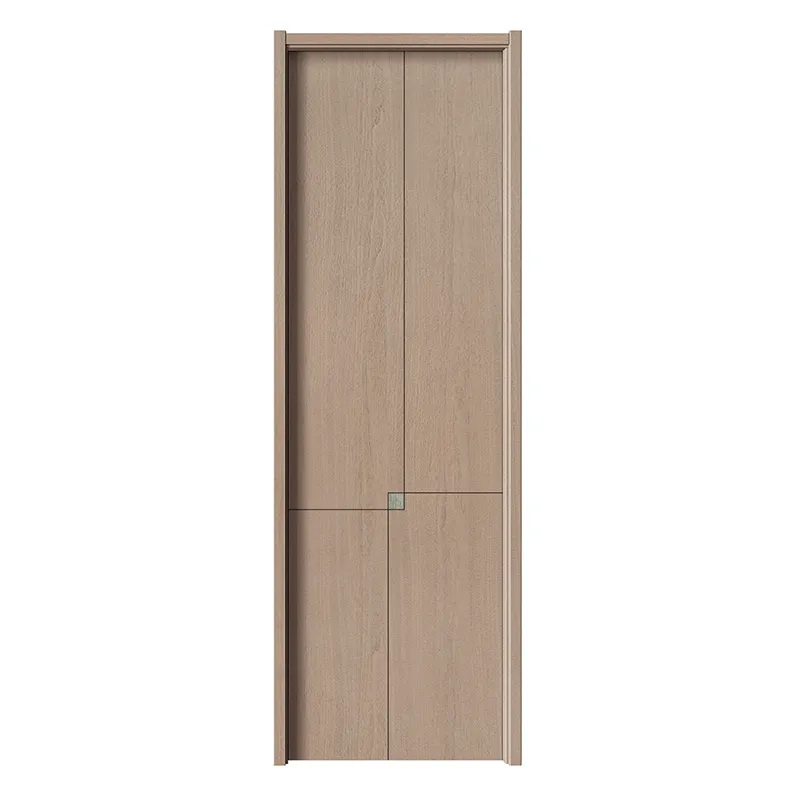
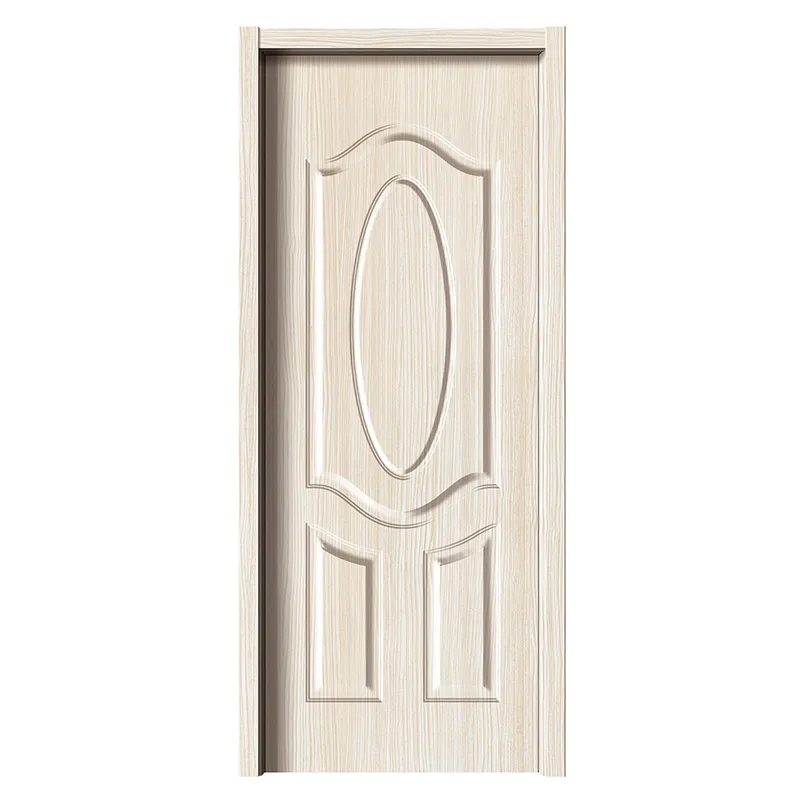

Best Sellingproducts
Best Selling Products-
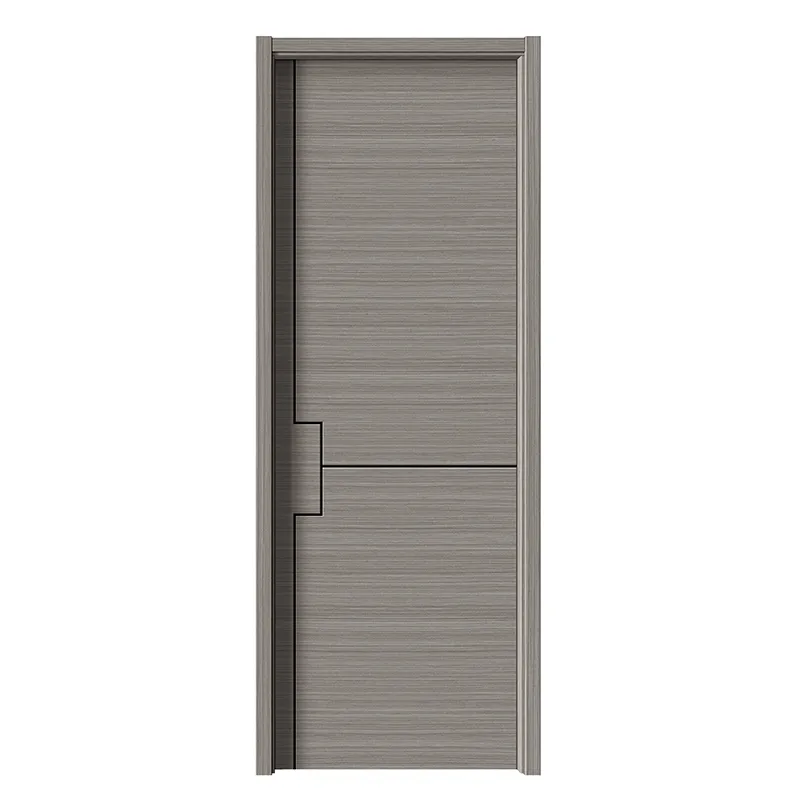 YST-1005 Technotree Door 2
 -
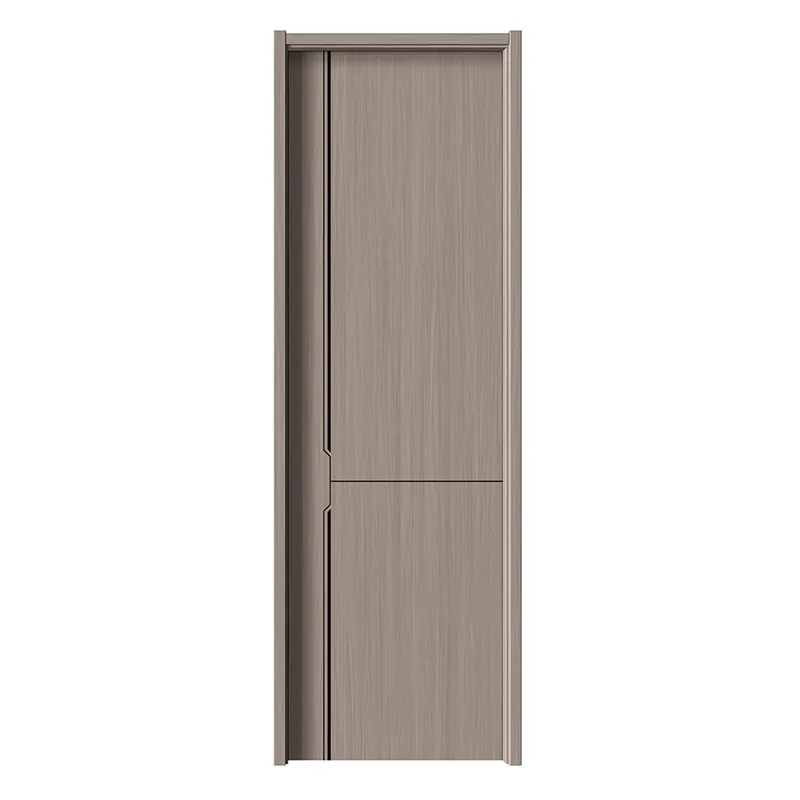 YST-1011 Door Translucent light shadow 3
 -
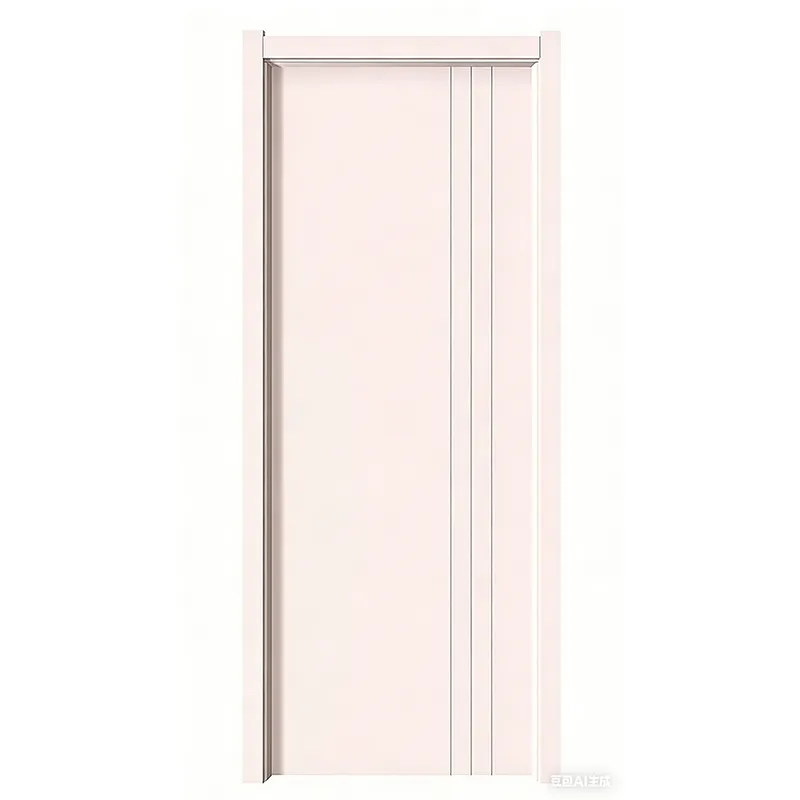 YST-WPC4 Door
 -
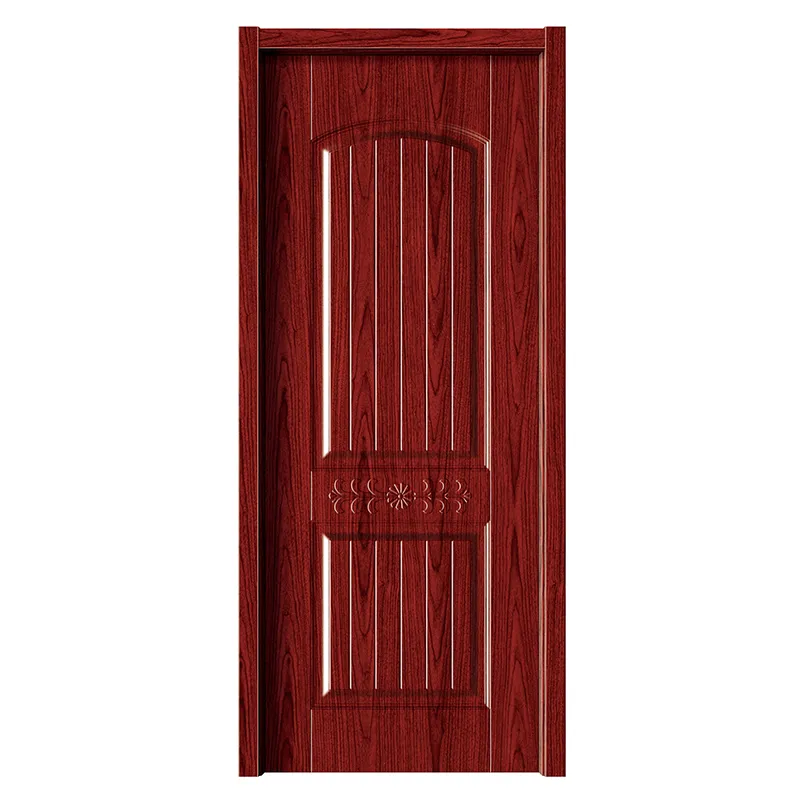 YST-233 Door Mahogany
 -
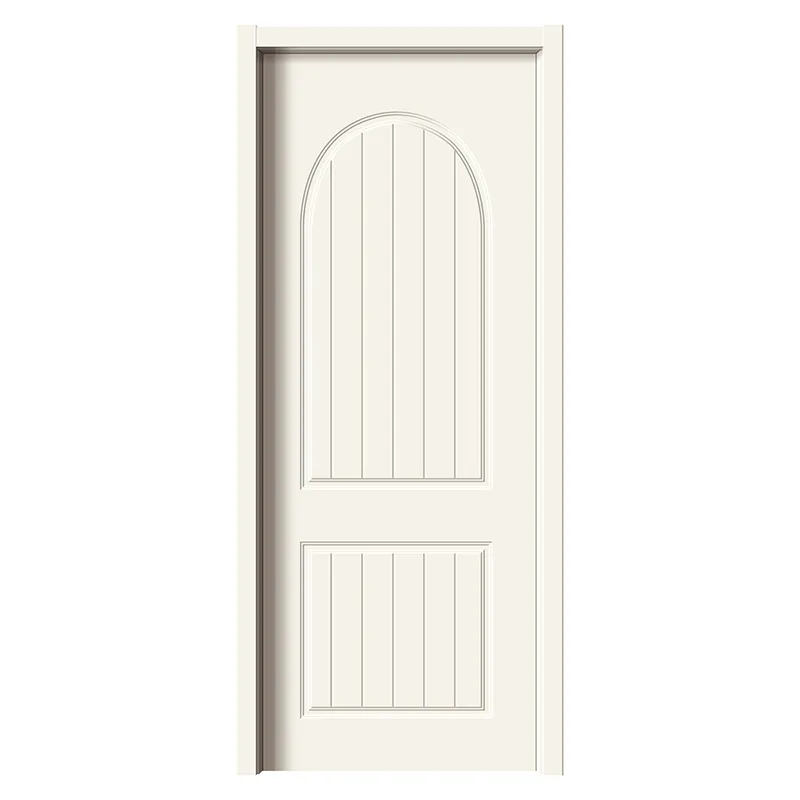 YST-236 Door White ivory
 -
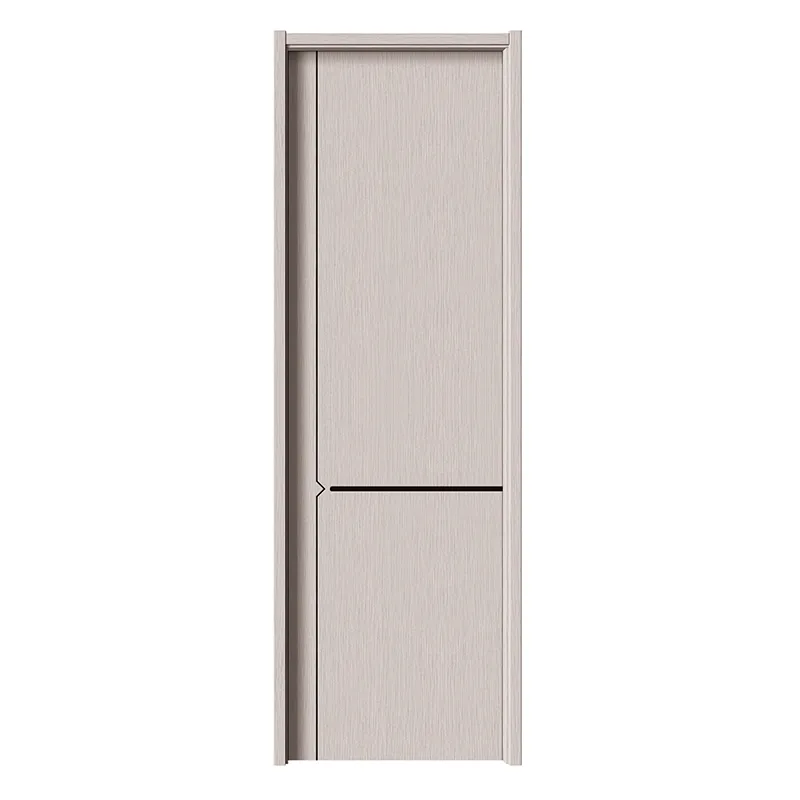 YST-1024 Door Chiaroscuro wood 1
 -
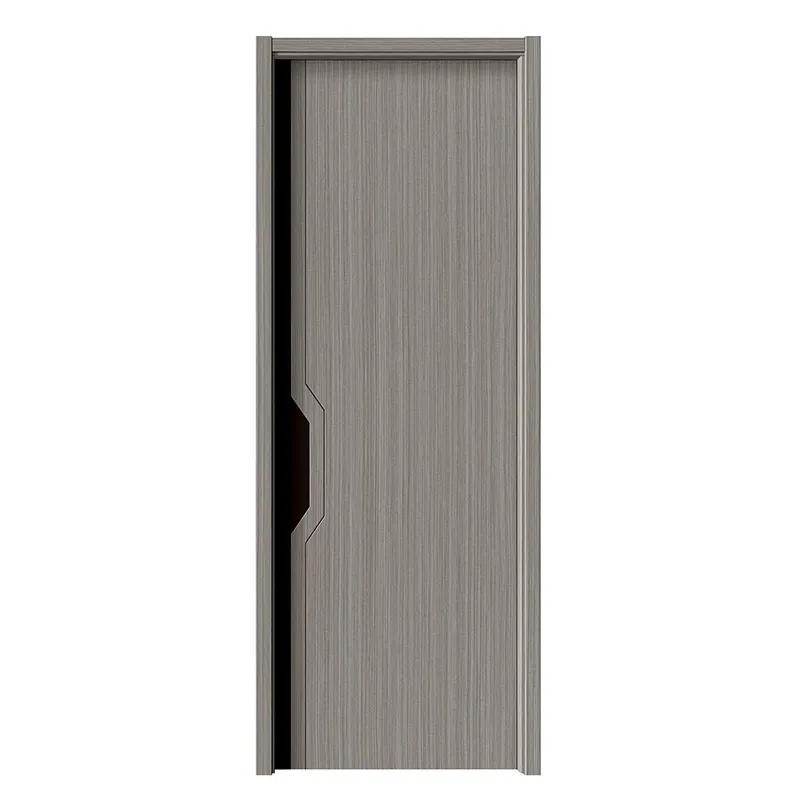 YST-1007 Technotree Door 2
 -
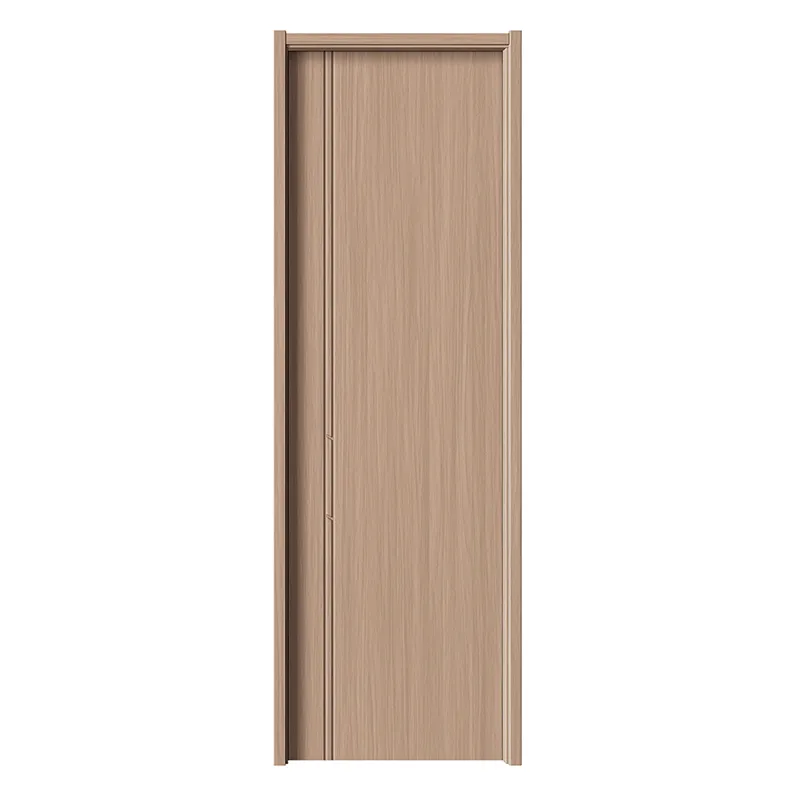 YST-1009 Door Translucent light shade 1
 -
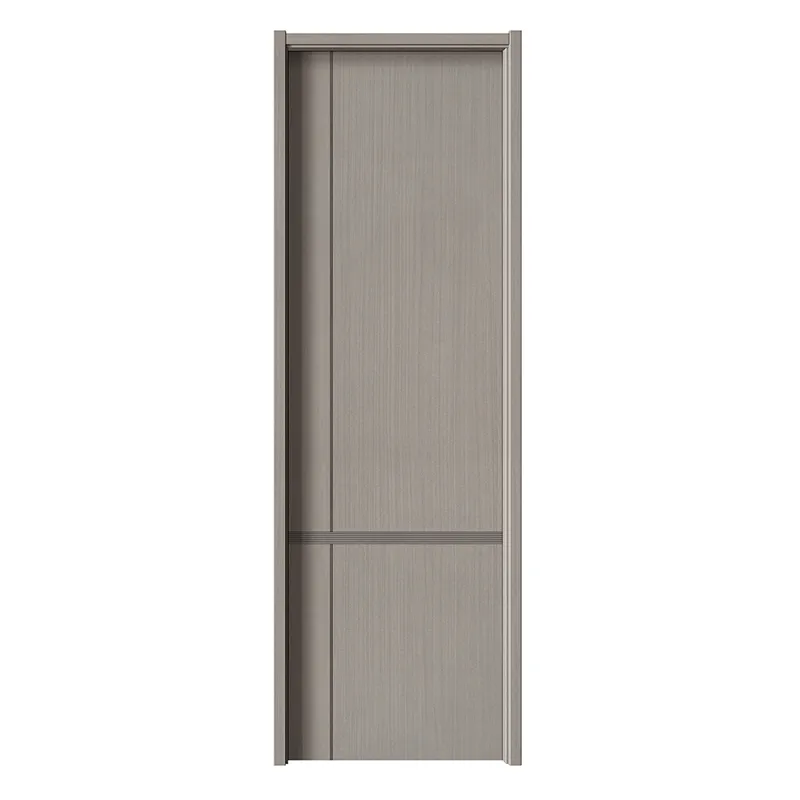 YST-1013 Door Cloud Walnut 1
 -
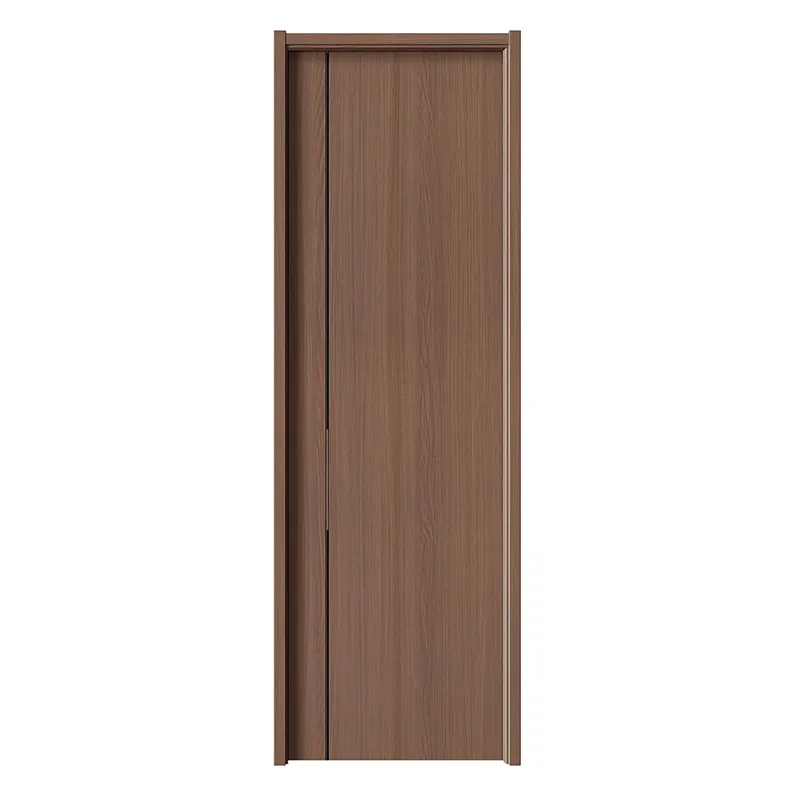 YST-1043 Door Techno-walnut 3
 -
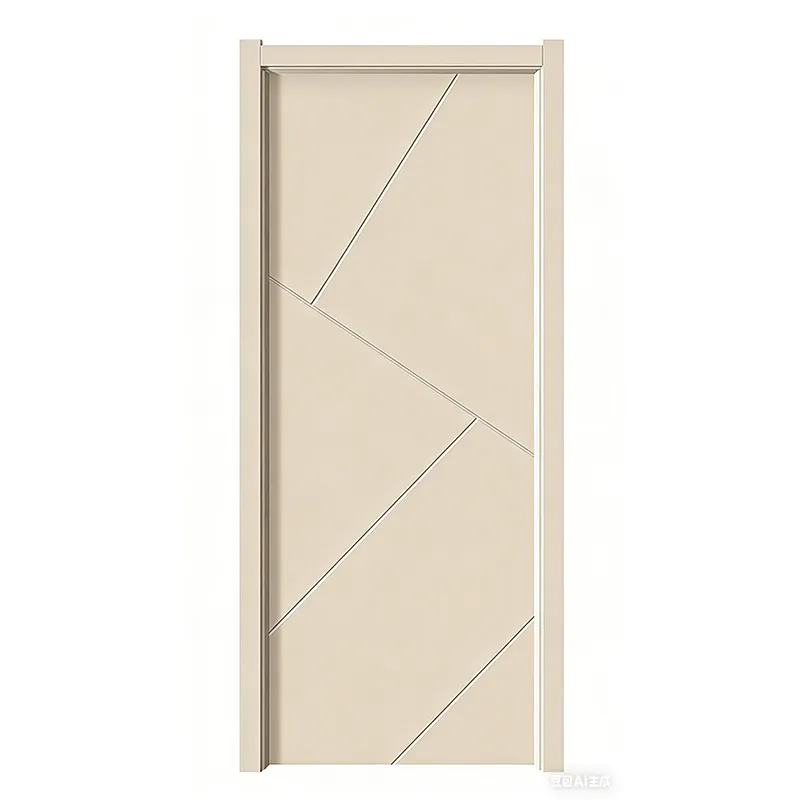 YST-WPC3 Door
 -
 YST-201 Door Red team