




Insert an interior wooden door
When they say “insert an interior wooden door?”, many people immediately imagine a frame, a door leaf, hinges and a couple of hours of work. But here, as elsewhere, the devil is in the details, which become obvious only after a dozen installed structures. The main mistake is to think that the main thing is to hang the canvas evenly so that it does not touch the floor. In fact, 80% of success depends on the preparation of the opening and the choice of the door itself, its design and the quality of the wood. And this is where the fun begins.
Preparing the opening: the foundation that everyone ignores
The first and most critical stage that many try to skip. An old opening is rarely a perfect rectangle; it often “leads”, and there are vertical distortions. If you close your eyes to this andinstall an interior wooden doorin a crooked opening, all the problems will come out later: cracks, difficulties with the lock, constant squeaks. You have to either seriously plaster or use additional elements, which is also an art.
Here the question of gaps arises. The gap between the frame and the wall is too small, and the mounting foam that fixes and levels it will not expand as it should and will create tension. Too big and you'll have to waste a lot of foam and it may not provide rigidity. This cannot be determined by eye; experience is required. For example, I prefer to leave 1.5-2 cm on each side, but this is if the wall is more or less even. There are surprises in Khrushchev buildings.
And they forget about the threshold. Even if it is not visible, the lower gap between the canvas and the finished floor must be calculated in advance, taking into account the possible installation of carpet or laminate in the future. Standard 10 mm is not a dogma. If the floor is uneven, and this happens all the time, then at one point the gap will be 8 mm, at another - 12. This is already a defect in the work.
Choice of door leaf and frame: not all ?wooden doors? is the same
The word "wooden" misleading. It can be either solid oak or a frame-panel structure made of MDF, lined with veneer. For wet rooms or unheated cottages, the choice is fundamentally different. An array, especially one that is not very dry, can lead to a story. with changes in temperature and humidity. Panel doors with honeycomb filling are lighter and more stable, but they have a different threshold for strength and sound insulation.
I often look at products that are positioned as high quality. Here, for example,Anhui Wantai Woodworking Co.,Ltd (https://www.anhuiwantai.ru). Their approach is systematic: they emphasize control from raw materials to finishing. This is important. Because you can take a beautiful canvas, and after six months microcracks will appear on the end due to internal stresses in poorly dried wood. Their philosophy is to “build a business on precision, win with quality?” - this is precisely about those non-obvious stages that the client does not see, but feels in operation.
Box. It would seem like a simple beam. But its profile, the depth of the groove, the way the corners are connected (at 45° or in a tenon) - everything affects the rigidity of the structure. Over time, a flimsy box will sag under the weight of the heavy canvas, and the hinges will become loose. I always advise looking at the thickness and how the ends are processed. Rough processing is a sign of saving on final operations.
Editing: where theory diverges from practice
The instructions advise you to first assemble the box, insert it into the opening, align it and foam it. In an ideal world this is true. But in practice, especially when working alone, this design tends to shift at the most inopportune moment. I have developed my own method: I fix the box in the opening with wedges, attach screws, but do not tighten it, then hang the canvas without loops, and look at the gaps around the perimeter. Only when everything fits perfectly do I begin the final fixation.
Loops. Marking for them is a separate science. A mistake of a millimeter and the door will open or close spontaneously. I usually put three hinges even on light doors, two is the minimum, but for tall or heavy doors the three-hinge system is more reliable. And it is imperative to check that the hinge axis is strictly vertical, otherwise the wear will be uneven.
Polyurethane foam. You can’t foam everything at once and abundantly. The foam expands and can deform the box and bend it in an arc. I foam in several stages, in small portions, allowing each layer to set. And I make sure to wet the surfaces before applying - this way adhesion and polymerization are better.
Finishing work and hidden problems
Once installed, it seems like the job is done. But this is where the flaws appear. Installed platbands may not hide all the cracks if the wall has a pronounced relief. You have to either adjust them, which is difficult, or use wider models. The gap between the canvas and the box around the perimeter should be uniform. I check with a tape measure at several points. A difference of even 1 mm may not be visible to the eye, but it affects the functionality.
A very important point is the fittings. Cutout for lock or handle. If it is made inaccurately with a milling cutter, with chips, then even the most expensive lock will work with tension. I have seen cases where the installer was in a hurry, drilled with a hole saw, and the internal door mechanism came off.Anhui Wantai Woodworking Co.,Ltd(the same one that strives to supply doors that combine design and practicality to the international market) fell into disrepair due to metal shavings that got inside. A trifle, but the result is deplorable.
And the final check is not just open and close. You need to leave the door in a half-open position and see if it moves on its own. Check the operation of the closer, if any, at all stages of the stroke. Listen for any extraneous sounds when moving. Only after this can we assume thatinterior wooden doorI managed to insert it correctly.
Thoughts out loud about quality and the market
Working with different doors, you begin to appreciate the predictability of the material. When a company has a modern production base and a team that controls processes like the sameAnhui Wantai, you can feel it. The canvas has a stable geometry, the grooves and tenons are precisely adjusted, and the fitting grooves are neatly made. With such a door, installation is faster, and the result is guaranteed.
But the market is full of other offers. Sometimes you take a beautiful door to work on, and when you try to cut in a hinge, you discover a heterogeneous filled structure under the veneer that crumbles. Or a box made of raw lumber, which will dry out after a season and cracks will appear. Therefore, my main advice is not to skimp on the door itself. A good canvas and box forgive minor installation errors, while bad ones aggravate them.
As a result,insert the door- this is not just mechanical work. This is a process where you need to be a measurer, a carpenter, and a bit of an engineer. You need to understand how the material will behave and anticipate how the room will be used. Experience comes with mistakes, for example, when you didn’t take into account the direction of opening and the door began to interfere with the passage. But it is precisely these nuances that distinguish the installation “for show?” from work done conscientiously, which will serve for years without complaints.
Correspondingproducts
Related Products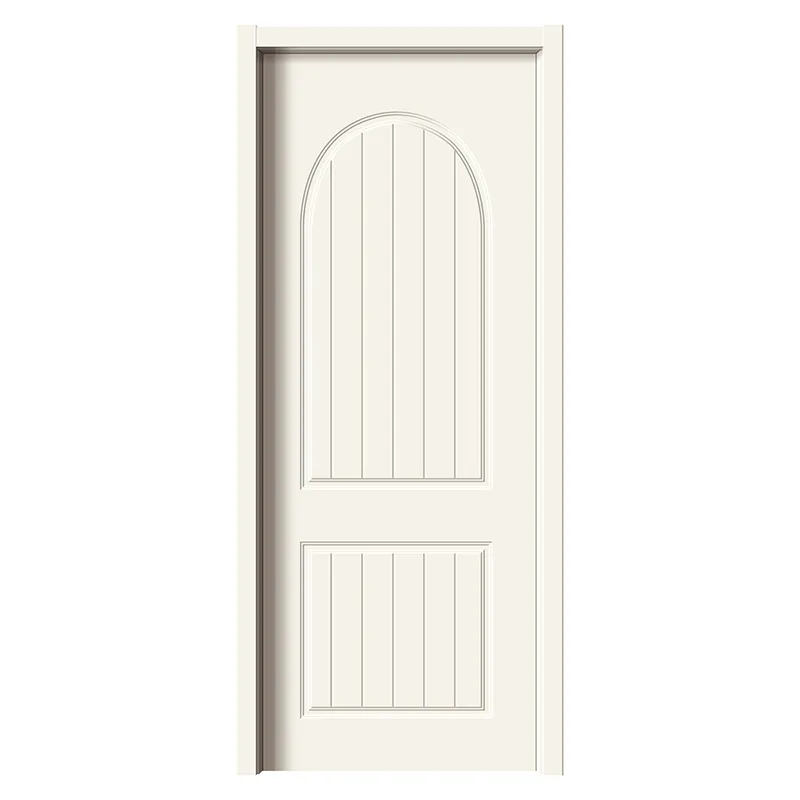
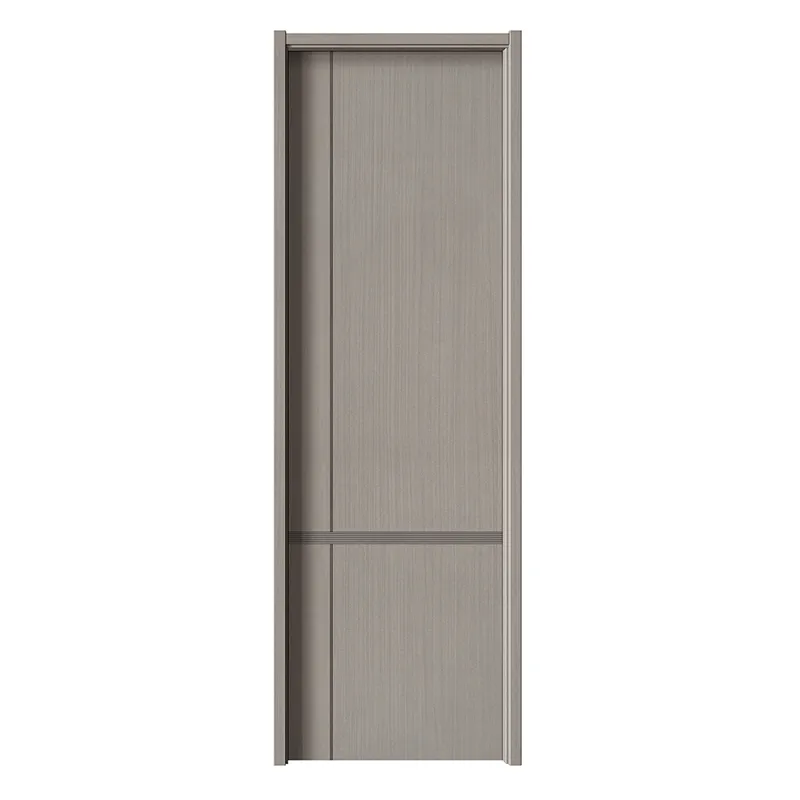
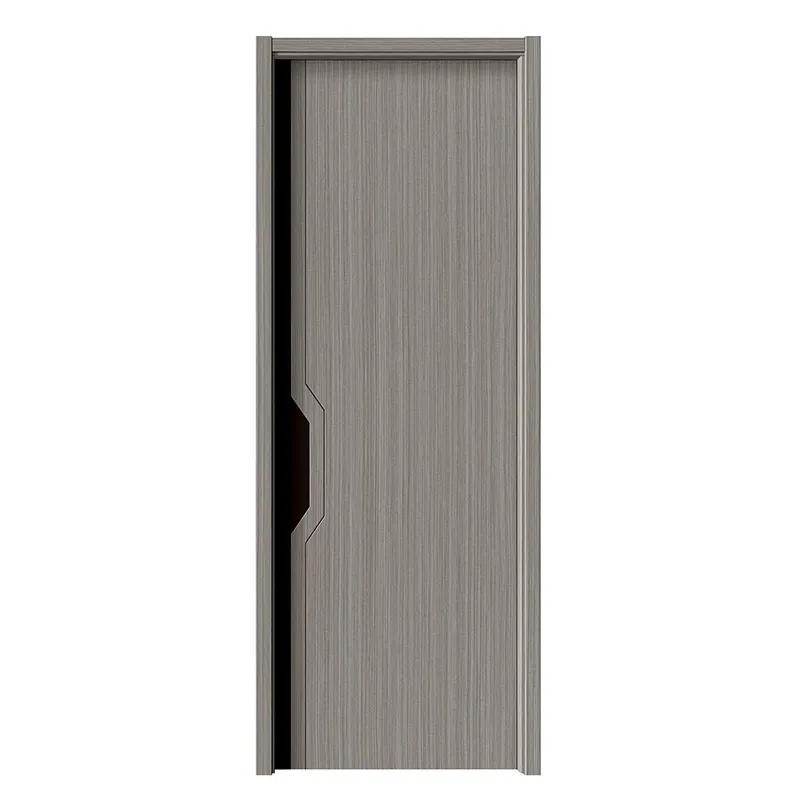

Best Sellingproducts
Best Selling Products-
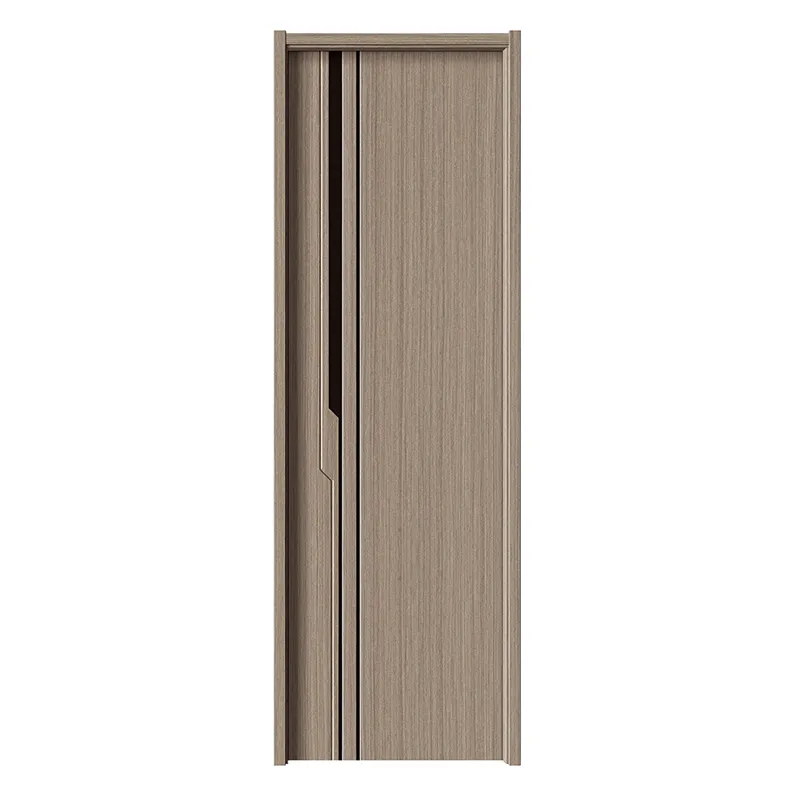 YST-1018 Technowood Door 1
 -
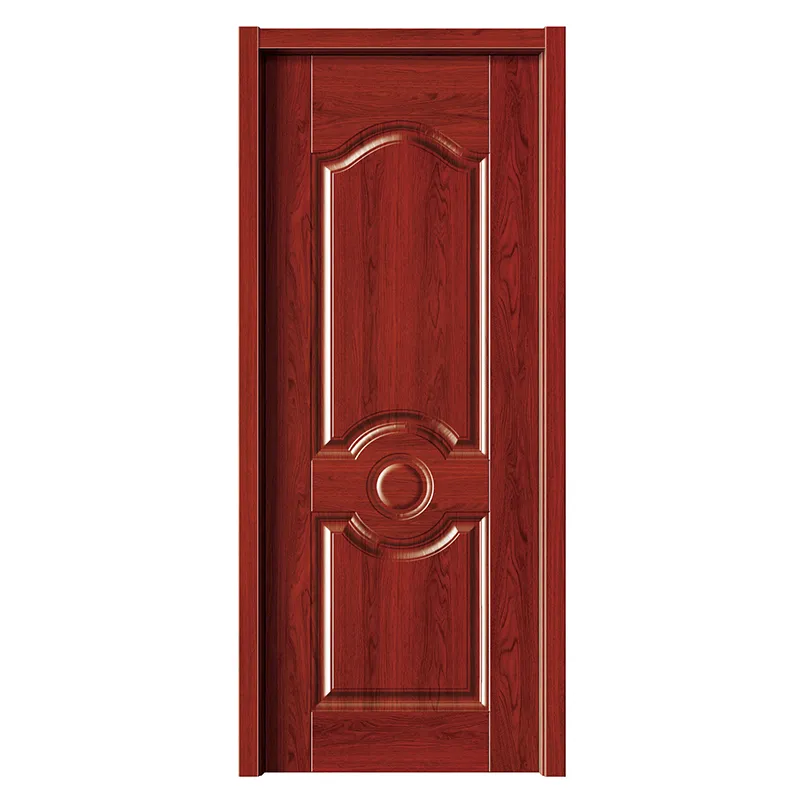 YST-208 Door Red Sandalwood
 -
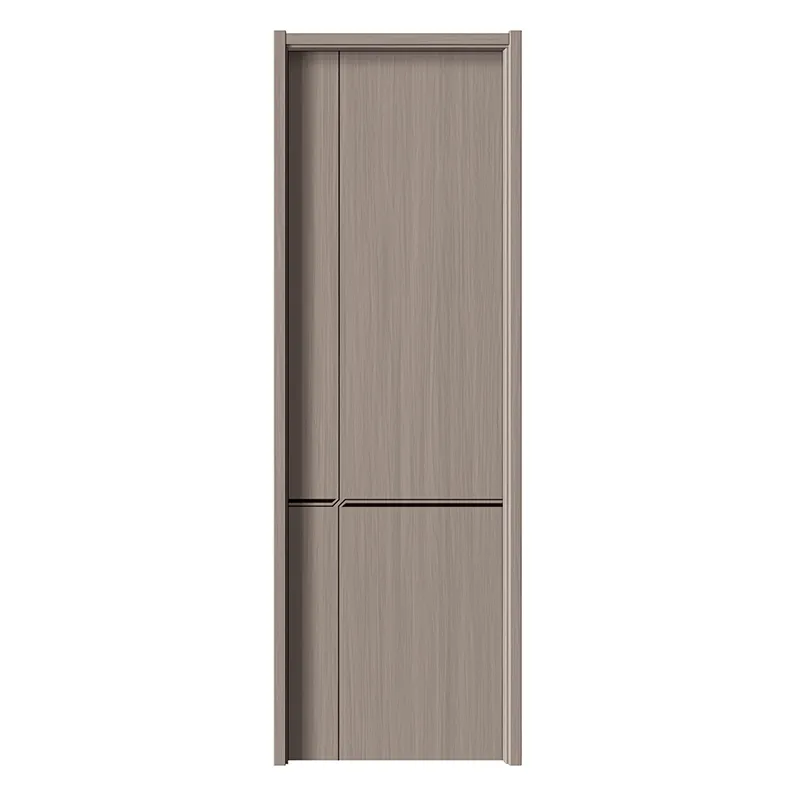 YST-1010 Door Translucent light shadow 3
 -
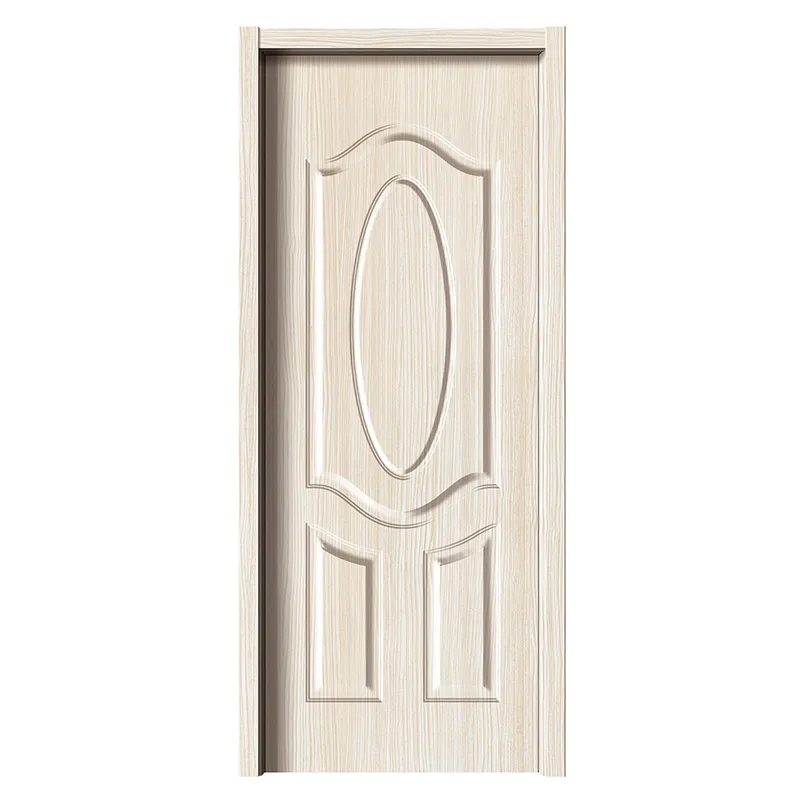 YST-216 Door White Maple
 -
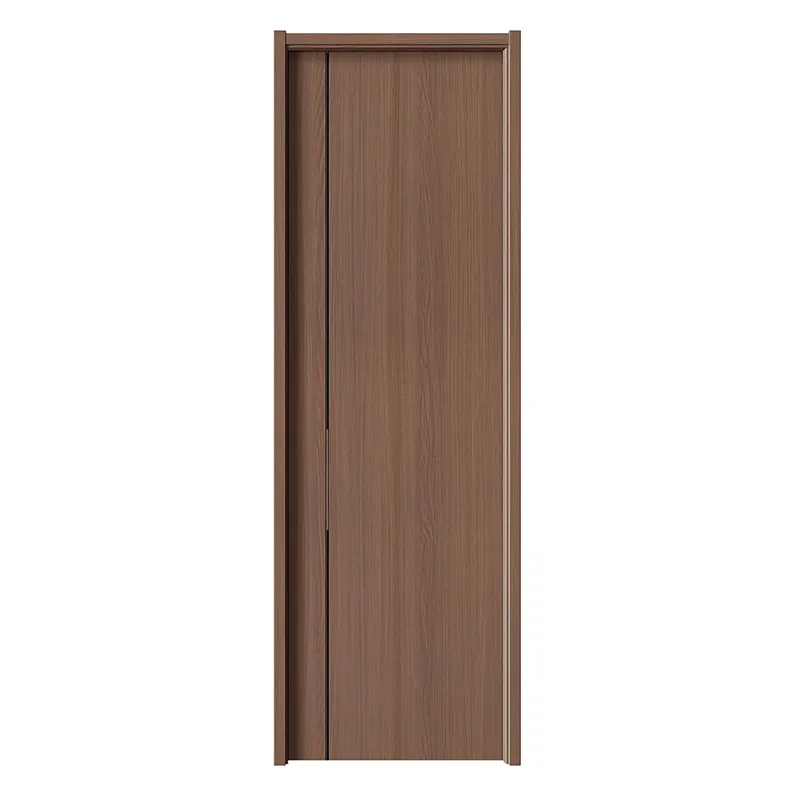 YST-1043 Door Techno-walnut 3
 -
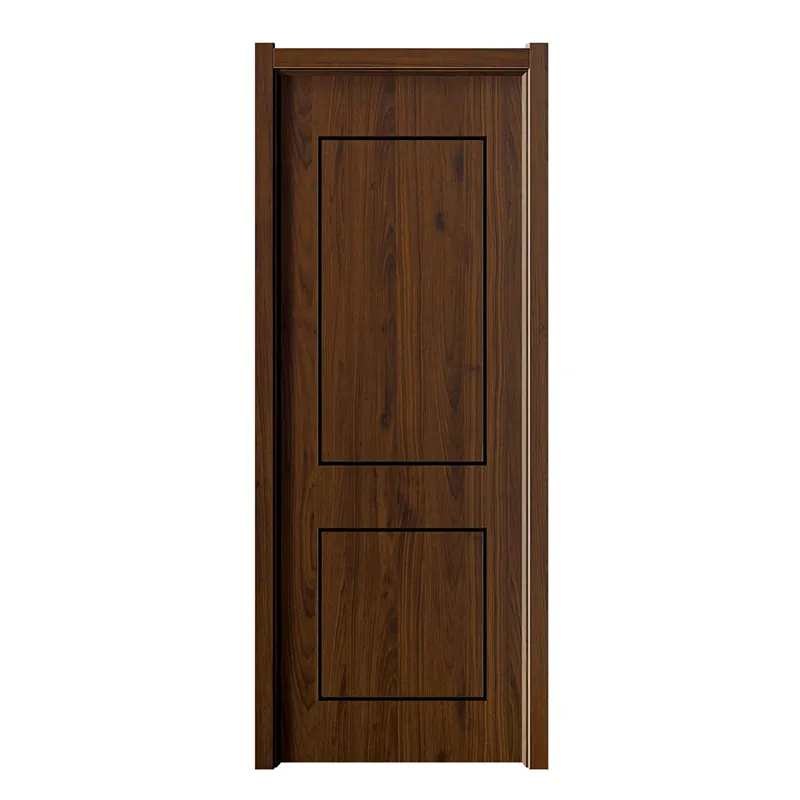 YST-WPC2 Door
 -
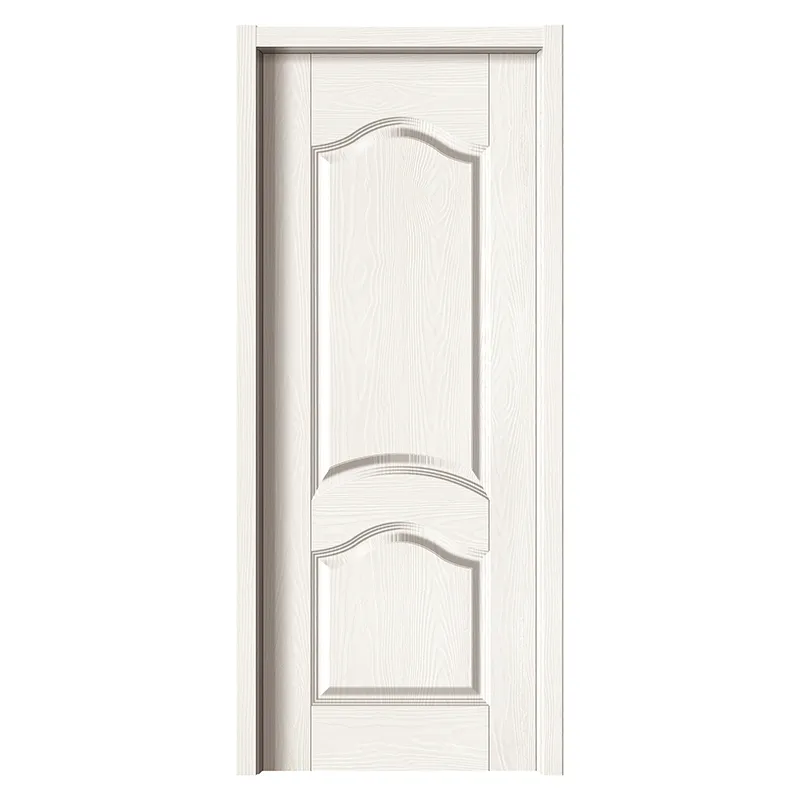 YST-224 Door Warm white with relief
 -
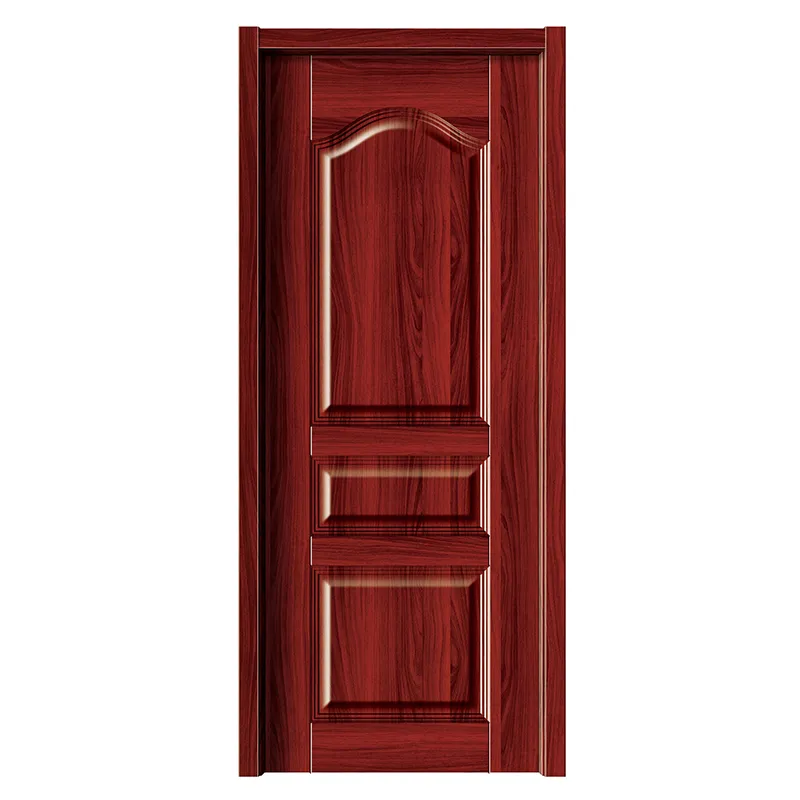 YST-203 Door Red team
 -
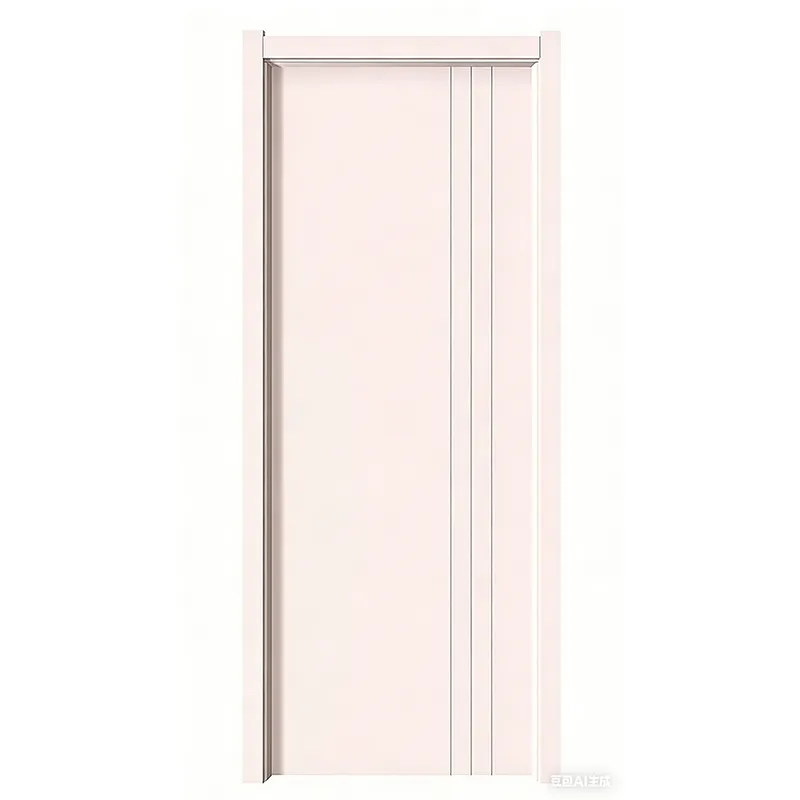 YST-WPC4 Door
 -
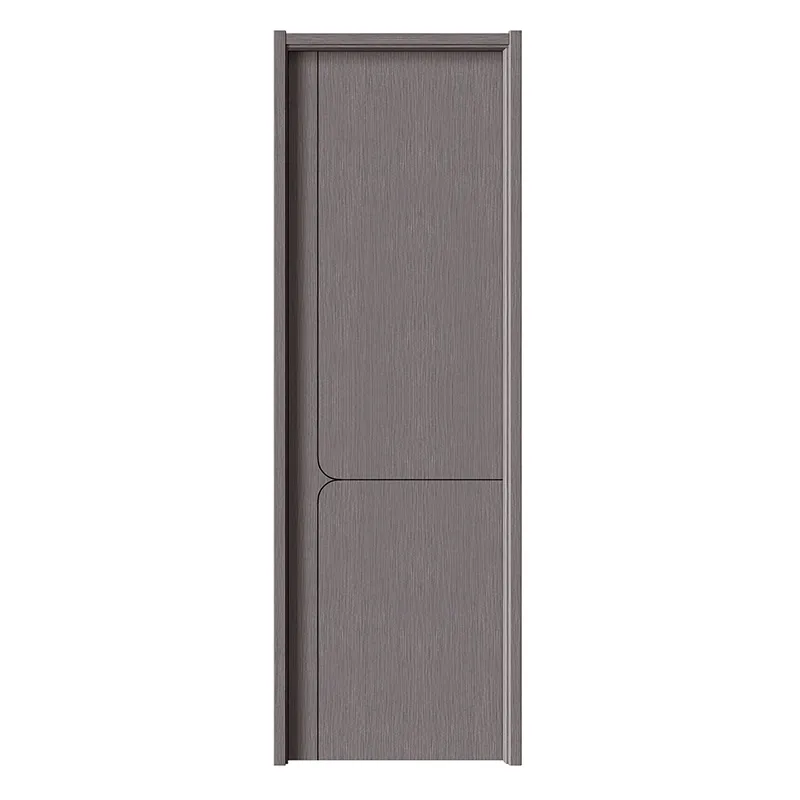 YST-1001 Door Chiaroscuro tree 2
 -
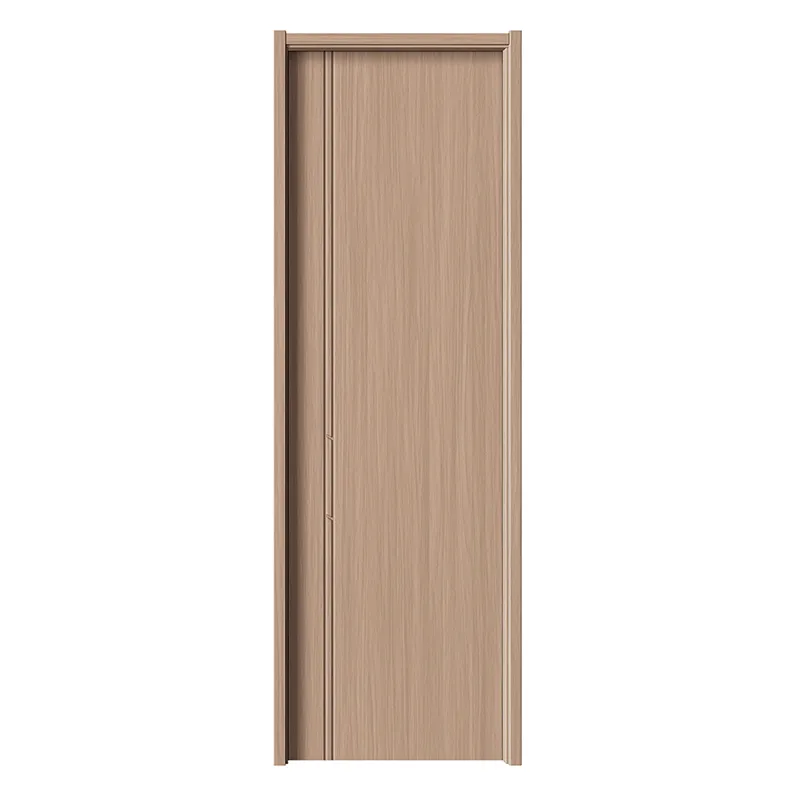 YST-1009 Door Translucent light shade 1
 -
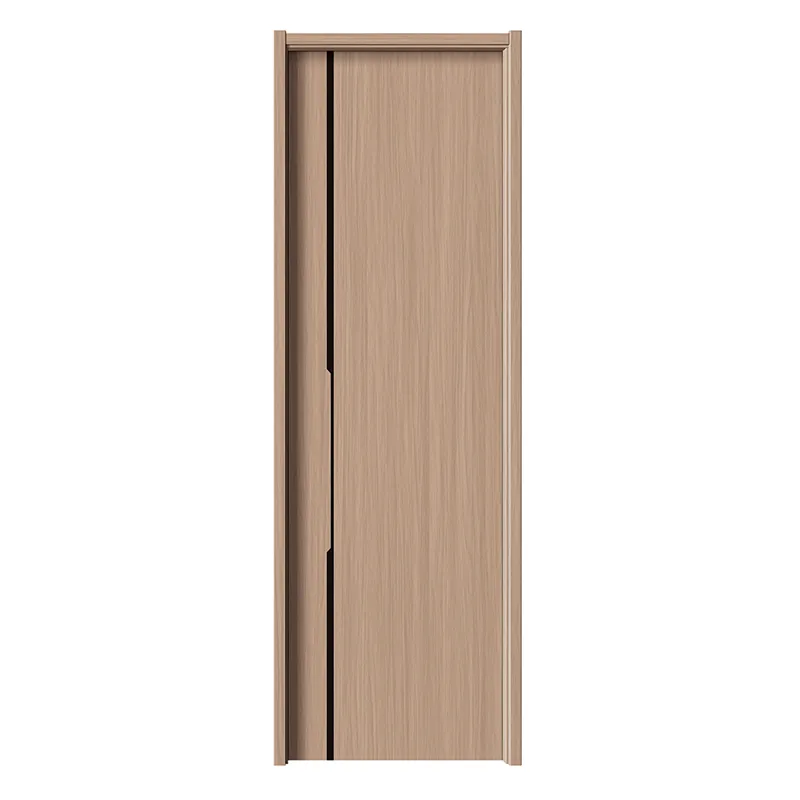 YST-1029 Door Translucent light shade 1