




Wooden partition doors
When they saywooden partition doors, many immediately imagine a simple blank panel to fence off a corner. In fact, this is a whole philosophy of organizing space. A common mistake is to consider them a purely utilitarian, secondary element. In real projects, it is precisely from the quality and thoughtfulness of this “insignificant” details often depend on the overall impression of the room. We had a case in our work where a customer saved on partitions by purchasing the first panels available, and then suffered for six months with drafts and constant squeaking. This is where I’ll probably start.
What are good partitions actually made of?
Raw materials are the foundation. Not every pine or beech will do. The wood must not just be dry, but have a certain, consistent moisture content, otherwise it will behave. We experimented with different suppliers for a long time until we found a balance between the stability of the material and its cost. For example, for interiorwooden partition doorsIn residential areas, solid oak or ash is ideal - they are rigid, but more difficult to work with. For offices where installation speed and ease are important, we often use high-quality laminated veneer lumber - it is less capricious to changes in humidity in the building.
Here it is worth noting the approach of some manufacturers who rely on control of raw materials. Here, for example,Anhui Wantai Woodworking Co.,Ltd(their website ishttps://www.anhuiwantai.ru) in its philosophy directly states the principle of “building a business on precision, winning with quality?”, starting with the selection of materials. These are not just words. When the company deliverswooden doorsto the international market, you simply cannot get there with raw materials? How will it turn out? Stable characteristics are needed, otherwise in a different climate the product will dry out or swell. Their practice shows that strict input control is not an excess, but a necessity.
Personally, I always advise clients to pay attention not only to the appearance of the panels or painting, but to ask the supplier about the origin of the wood and its preparation. It's like a foundation. You can make the most beautiful carving, but if the massif is not maintained, after a season all this beauty will crack.
Design: where mistakes are most often made during installation
The most common problem is that the design does not match the actual loads and conditions. A partition is not a load-bearing wall, but it must support its own weight, and sometimes the load from shelves or light equipment. I often see how they assemble a frame from too thin timber, saving on everything. The result is ?playing? a panel that wobbles when the door is pushed.
The second point is fastening to the floor and ceiling. Rigid fastening without compensation gaps in a new building is a guarantee of problems. The house shrinks, ventilation systems create vibration. You need special sliding fasteners or correct technological gaps filled with elastic sealant. Once I had to redo a whole series of partitions in a business center precisely because of this: they were clamped tightly, and after a year the upper elements became “humped”.
And, of course, accessories. Hinges and locks forpartition doors- a separate topic. They experience loads differently than on the front door. Here you need reinforced hinges with bearings, designed for frequent openings. Saving 200 rubles on little things can lead to the fact that after six months the door begins to sag and scuff the floor.
Design and functionality: how not to lose either one or the other
The customer wants it to be both beautiful and practical, and for sound not to pass through. The task is not trivial. Glass inserts inwooden partitionsvisually lighten the space, but kill privacy. Solid solid panels look solid, but can make the room gloomy. The solution often lies in a combination: the lower part is solid, made of wood, the upper part is frosted or corrugated glass. Or use slatted structures that transmit light and zone it.
Soundproofing is a separate matter. A wooden panel itself, even a thick one, is a poor insulator. You need sandwiches: between two sheets of plywood or MDF there is a layer of mineral wool or cork. But here it is important to make the right “pie” so that condensation does not accumulate inside. In one project for a meeting room, we used technology borrowed from manufacturers of high-quality interior doors, where silence is important. It turned out well, but the cost, naturally, increased.
In this context, the approach of companies that operate on the global market is interesting, such asAnhui Wantai Woodworking Co.,Ltd. Their team of designers and developers is forced to create products that combine aesthetics and practical performance for different cultures. What is good for a European open-space office may not be suitable for an Asian restaurant. Therefore, their catalog, as I have seen, often includes both classic solid models and modern solutions with hidden frames and combined materials. This is not just production, but development on demand.
Practical cases and “jambs” that teach
I’ll tell you about one bad experience that taught me a lot. The order was for a series of slidingwooden partition doorsfor a restaurant. The concept is light, Japanese style. We chose beautiful panels made of light wood with a thin profile. Installed, everything looked perfect. But a month later, complaints were received: when closed, the partitions rattled from the bass of the music, and the guides became noisy.
We figured it out. It turned out that the problem was a combination: the lightweight design did not have enough mass to dampen vibrations, and the roller mechanism was chosen without taking into account the constant load in a public place. We had to dismantle and modify it: strengthen the frame, install more massive and quiet bearing rollers, add a seal along the contour. The client, fortunately, agreed, but the lesson was expensive. Now I always ask questions about the acoustics of the room and the expected intensity of use.
Here's a positive example. We did zoning in a large studio apartment. It was necessary to separate the sleeping area, but not darken the living room. We offered the client high (to the ceiling) double doorswooden partition doorswith large panels and frosted glass inserts in the upper third. The frame was made of laminated veneer lumber to prevent it from leading. Bottom line: when the doors are open, the space is unified and bright; when closed, the result is a cozy, quiet room with diffused light from above. The client is still grateful. The secret of success here was that we initially considered the partition not as a door, but as a transformable element of the room’s architecture.
Market and choice: what to look for as a professional
Now the market is flooded with offers. From cheap panels made from waste chipboards under veneer to exclusive products made from solid rare rocks. A professional looks not at the picture, but at the details. The quality of the end cut, edge processing, method of connecting elements (tenon and groove, on dowels, on metal ties).
The back, non-front side of the partition door is very indicative. If it is not processed or processed somehow, this indicates the general attitude of the manufacturer to quality. A good product is all in the details. It is also worth paying attention to information about the company. When you see that the manufacturer is likeAnhui Wantai Woodworking Co.,Ltd, positions itself as a supplier to the international market, emphasizing modern production and compliance with standards, this inspires more confidence than a site with only beautiful renderings without specifics. Their commitment to meeting a variety of needs in residential and commercial spaces is precisely the kind of practical reference that speaks of flexibility and experience in working with real, rather than abstract, problems.
In the end, the choice always depends on the specific task. For a dacha, where low price is important, you can take something simpler. For a reputable office, restaurant or apartment, where long-term results are important, saving on the quality of construction and materials is more expensive.Wooden partition doorsis an investment in the comfort and aesthetics of space for years to come. And you need to approach their choice accordingly, with an understanding of what is hidden behind the outer varnish layer.
Correspondingproducts
Related Products
Best Sellingproducts
Best Selling Products-
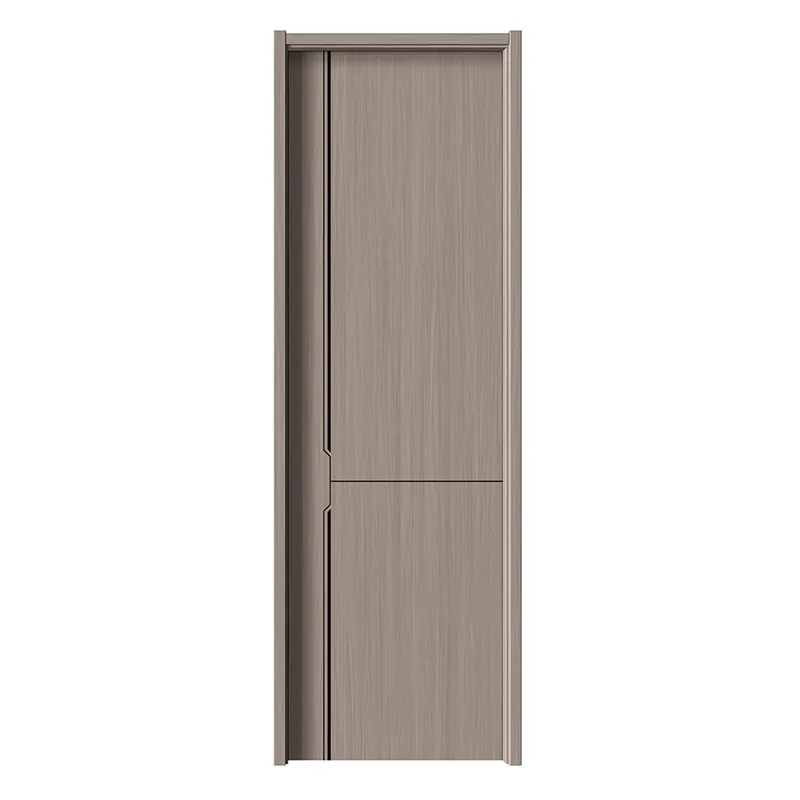 YST-1011 Door Translucent light shadow 3
 -
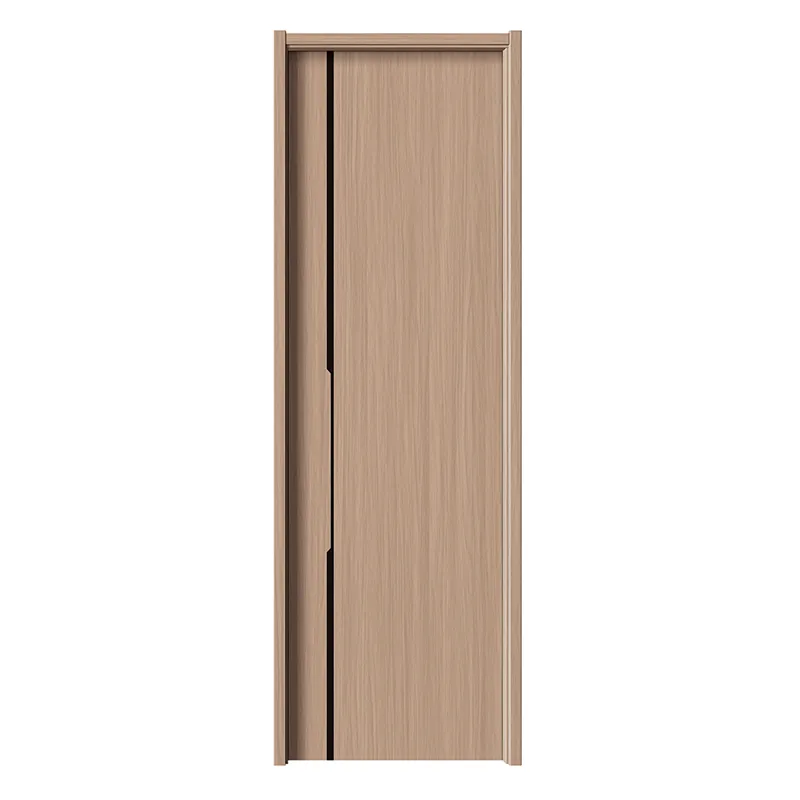 YST-1029 Door Translucent light shade 1
 -
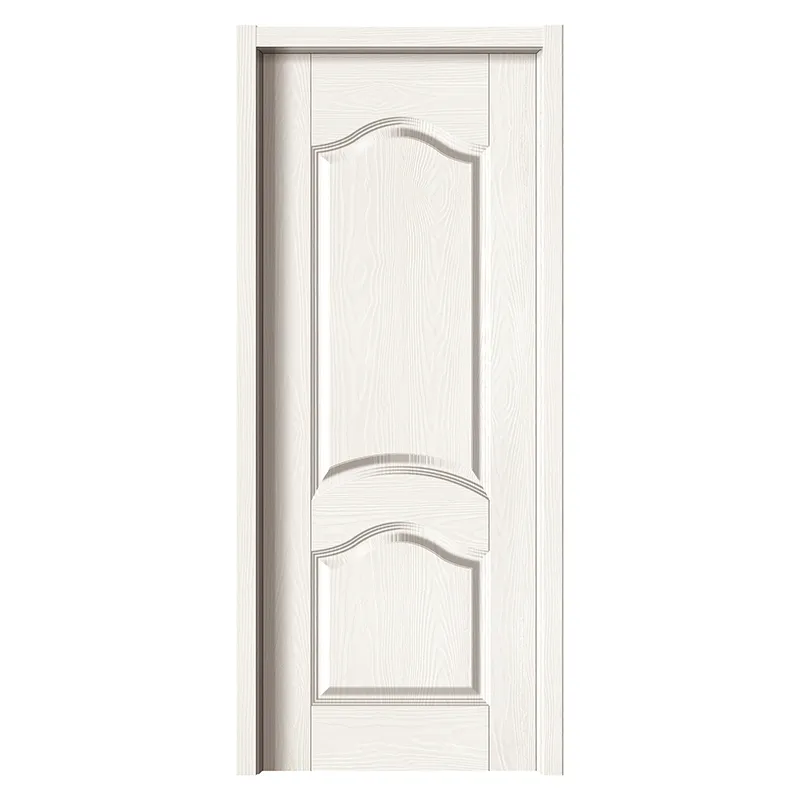 YST-224 Door Warm white with relief
 -
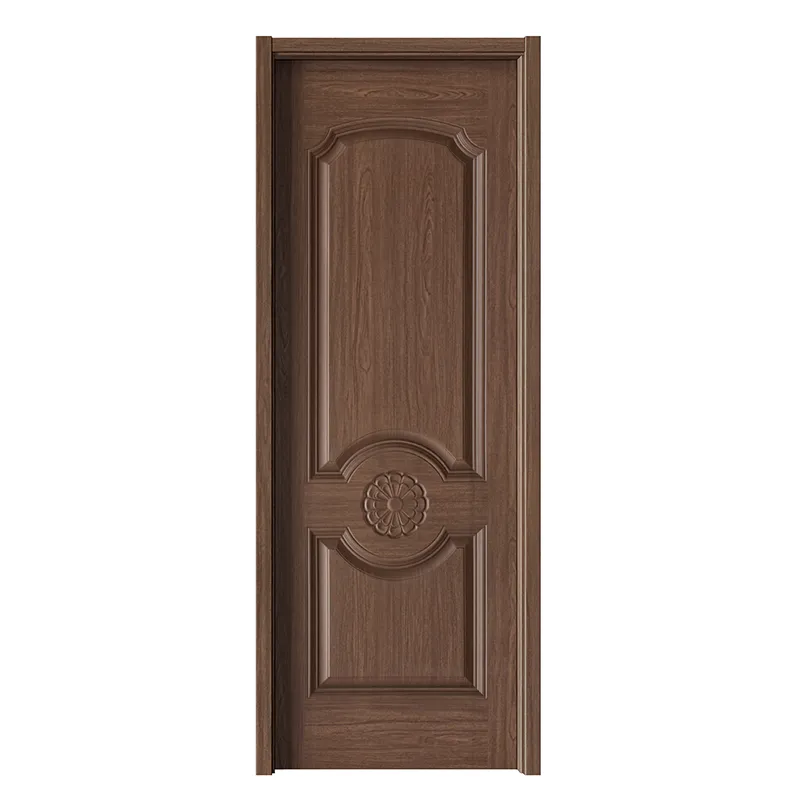 YST-212 Door North American Oak 2
 -
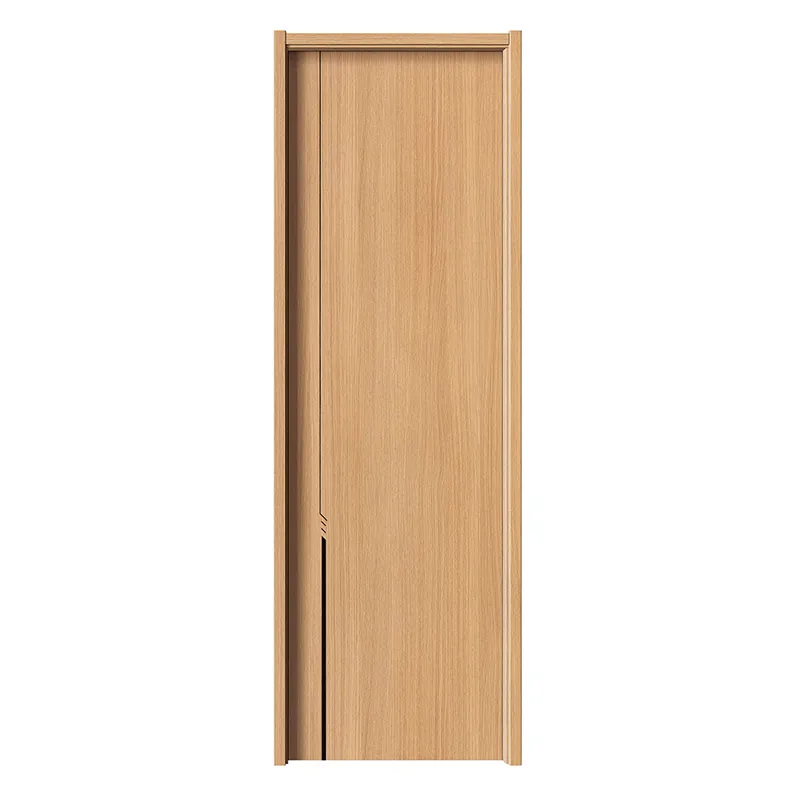 YST-1041 Door Oak Shutter
 -
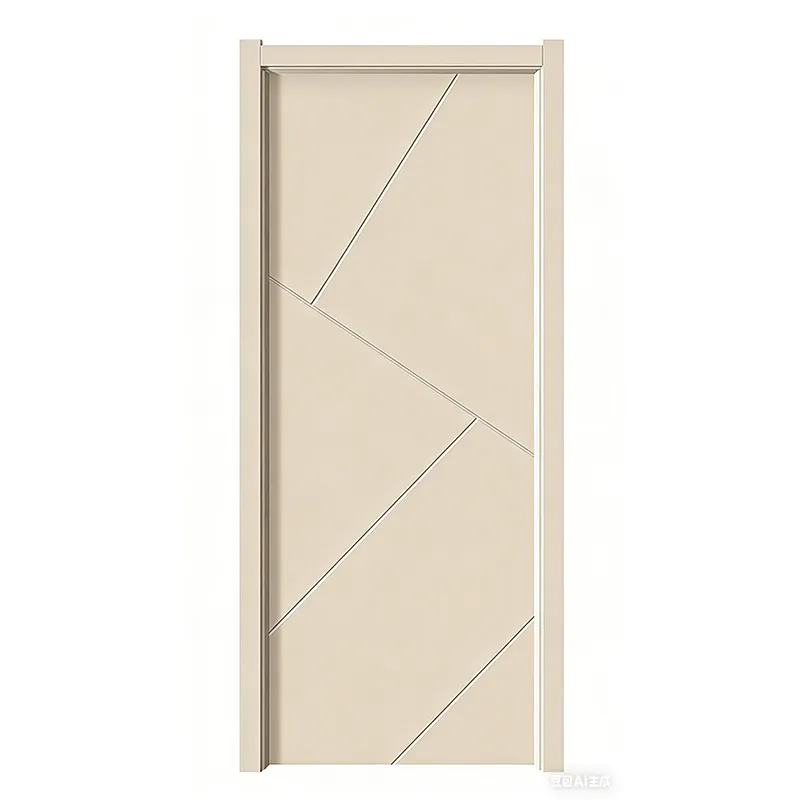 YST-WPC3 Door
 -
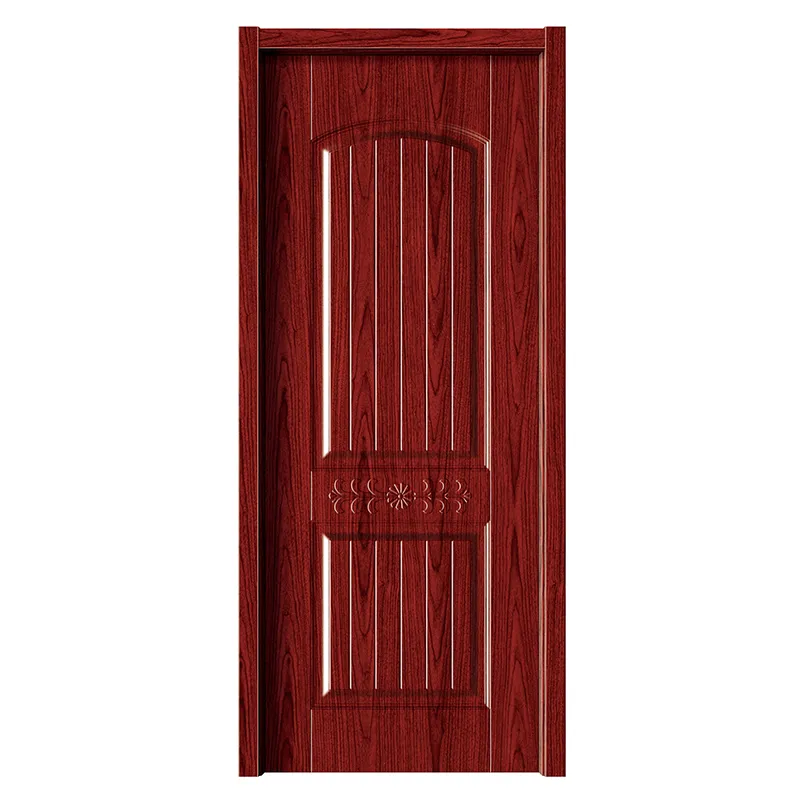 YST-233 Door Mahogany
 -
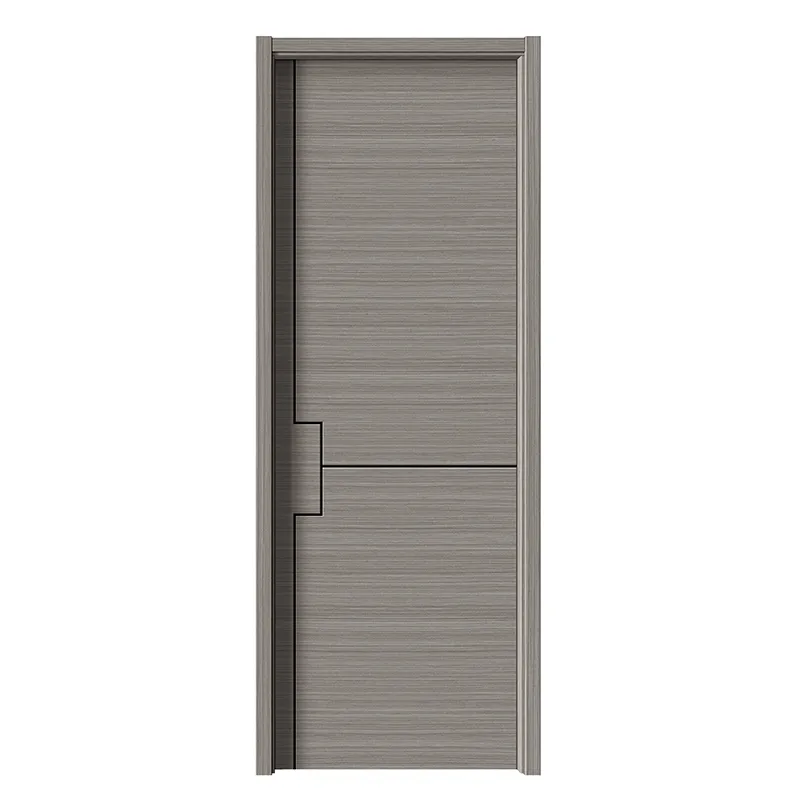 YST-1005 Technotree Door 2
 -
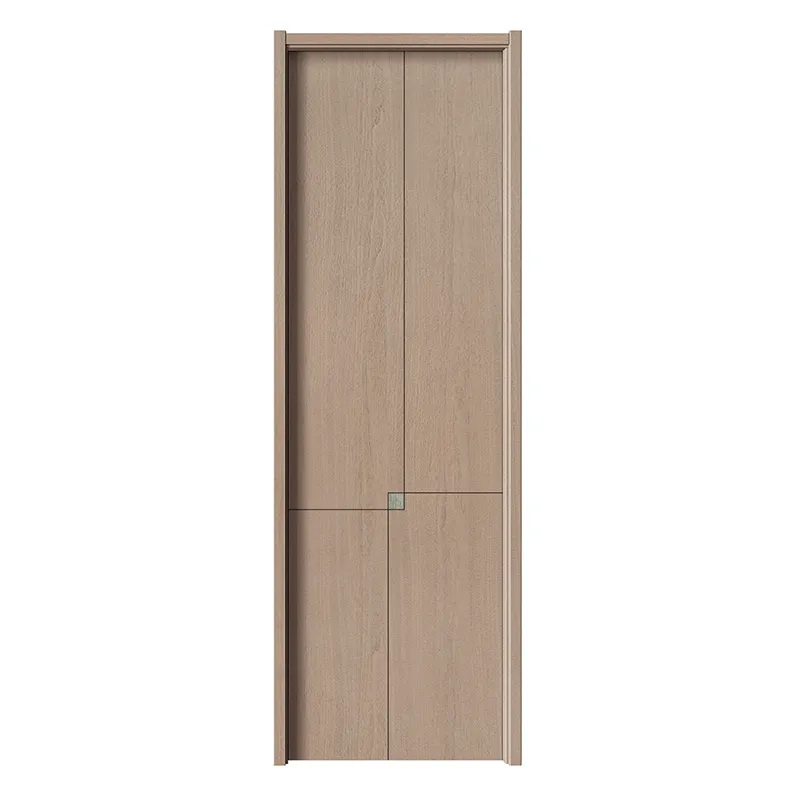 YST-1008 Door Natural walnut 2
 -
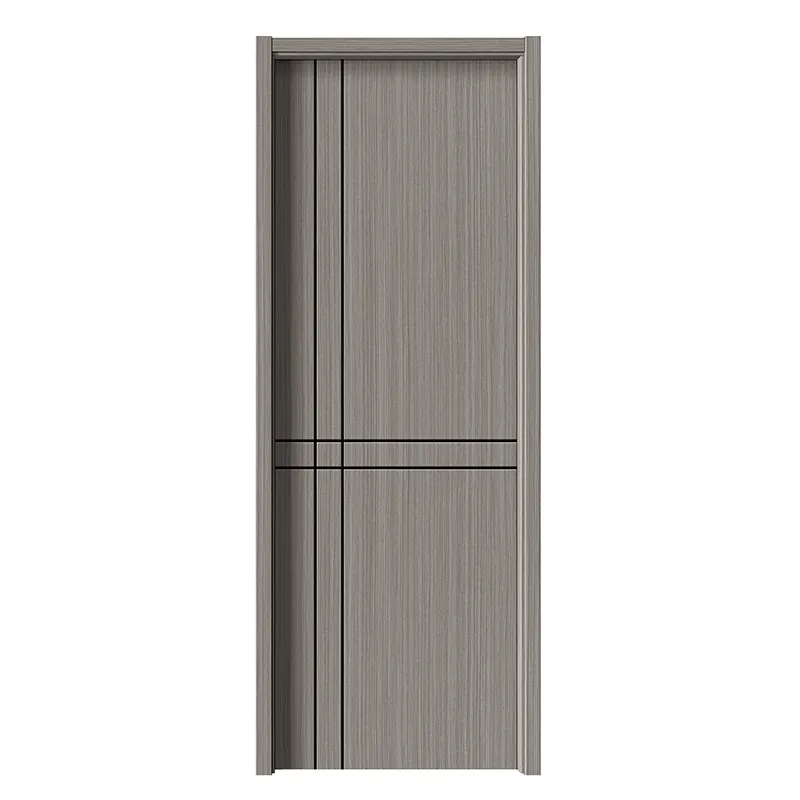 YST-1004 Door Technotree 2
 -
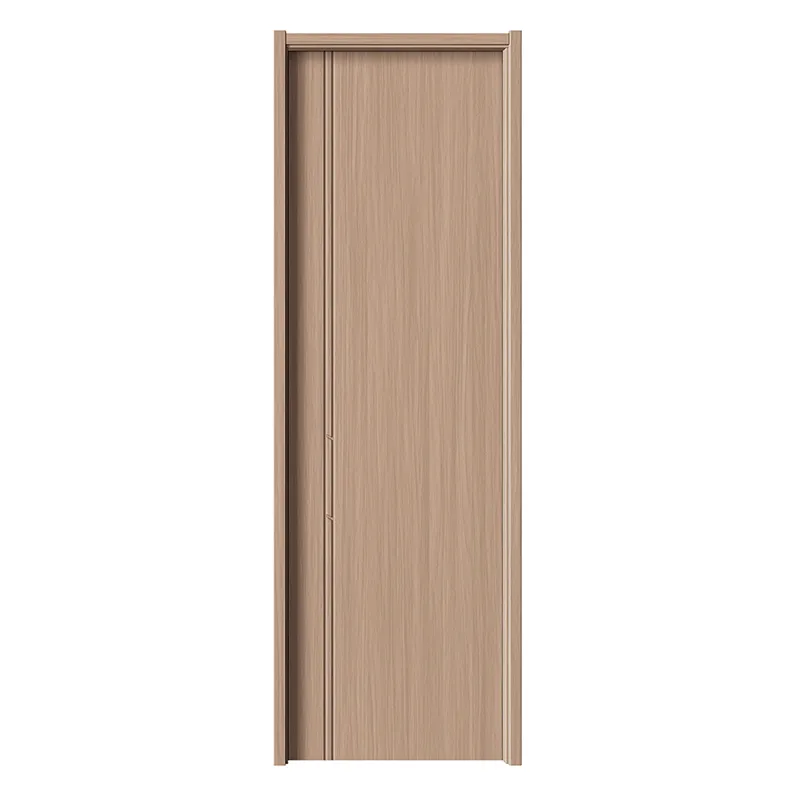 YST-1009 Door Translucent light shade 1
 -
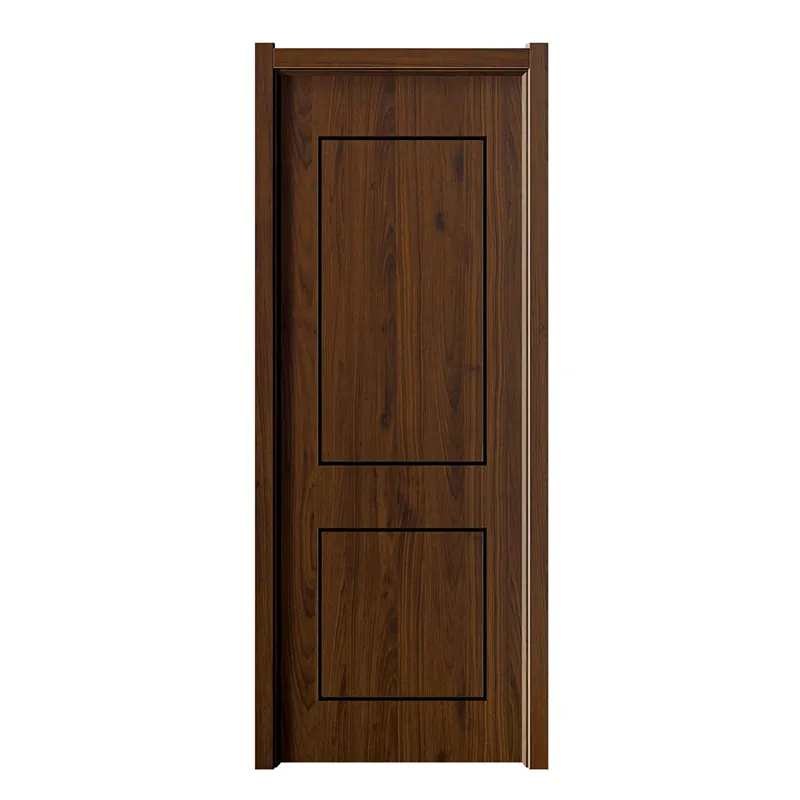 YST-WPC2 Door