




Outdoor plastic door for a private house
When you hear “plastic street door for a private home,” many people immediately imagine something cheap, cold and for a quick home. This is the main mistake. In fact, a modern plastic street door is a complex engineering product, and how you approach it determines whether the house will be warm, quiet and safe. In my practice, I have seen expensive doors that have worn out after a season, and seemingly simple models that have served faithfully for ten years. It all comes down to details that are not always on the surface.
What actually makes a good door?
Let's start with the profile. This is the basics. You can’t just take any PVC profile and make a street door out of it. To enter from the street you needoutdoor plastic doorbased on a special, reinforced profile, often multi-chamber, with a wall thickness of 3 mm. Otherwise, it will simply be “twisted” from temperature changes and wind loads. I remember how one client brought a door with the thinnest profile from a large construction hypermarket - it looked beautiful in the packaging, but after the first winter it was so warped that the door jammed. I had to dismantle everything and reinstall it, this time with a normal base.
The double-glazed window is the second critical point. For a private house, where the door goes directly onto the street, the minimum is a double-glazed window (two glasses, three air chambers). And better - with energy-saving i-glass and argon in the chambers. Saving on double-glazed windows is a direct path to condensation from the inside and freezing around the perimeter. And yes, be sure to pay attention to the width of the spacer frame - the larger it is, the better the thermal insulation along the edge of the glass.
And third - accessories. Hinges, locks, multi-point clamping mechanisms. This should be a specializeddoor for a private houseoutdoor fittings, with corrosion protection and designed for heavy sash weight. Regular window fittings will not survive here. The pressure around the entire perimeter is especially important. If somewhere there is a gap of a couple of millimeters, consider that you have a window in your house that is constantly open. I checked it with a thermal imager - such cracks are clearly visible.
Where are the most common mistakes made during installation?
The most common problem is improper preparation of the opening. In a private house, the opening is often made of aerated concrete or brick. If you simply place the door on polyurethane foam without reinforcement, then over time the foam will collapse under the weight of the structure and the door will sag. It is imperative to use anchor plates or chemical anchors to rigidly fix the frame to the main wall. This is not a recommendation, but a necessity.
Another point is the installation seam. You can't just foam it and paint it over. You need a proper three-layer system: a vapor barrier on the inside (for example, a special tape), foam in the middle, and a vapor-permeable waterproofing tape on the outside. Otherwise, moisture will accumulate in the foam, it will freeze in winter, and the connection with the wall will be destroyed. I have seen cases where after 2-3 years the door began to literally “walk” in the opening.
And about the threshold. Many people want to make it lower or remove it altogether. But forplastic door, which stands on the street, the threshold is not just a barrier, it is an element of structural rigidity and an important barrier against drafts and water. It is better to choose a model with a thermal break in the threshold so that there is no cold bridge. Yes, you have to step over it, but the heat is retained.
Alternatives and why plastic is still relevant
Of course, when it comes to the premium segment or a certain façade style, wood or aluminum are often considered. Wood is a classic, breathable material, but it requires constant care. Aluminum is durable and modern, but without a thermal insert it is very cold. A plastic door, if made correctly, provides an excellent balance: it does not require painting every few years, is not afraid of moisture, and in terms of thermal insulation, modern systems can give odds to many wooden structures.
There are, for example, companies that specialize in high-end wooden doors, such asAnhui Wantai Woodworking Co.,Ltd (https://www.anhuiwantai.ru). They, as stated on their website, strive to supply the international market with doors that combine aesthetics and practicality. Their philosophy of “building a business on precision, winning with quality” is exactly the approach that is needed in the world of plastic doors. Because in the end, whether it is wood or plastic, it is all about the quality of the raw materials and the control of the processes. Their experience in working with wood and international standards is a good reference for any manufacturer.
But for the mass market, for most private homes, where you need “set it and forget it” reliability for years, high-qualityplastic door for a private houseremains one of the most rational choices. The main thing is not to chase the lowest price in the catalog.
Personal experience and unobvious nuances
One of the most significant cases was with a client who ordered a very expensive door with a huge blank bottom panel and a small double-glazed window on top. Everything was done perfectly, but a year later he complained that it was cold in the hallway. We arrived and checked it with a thermal imager - the door itself “glowed” less than the walls around it! The problem turned out to be that the large massive panel, even though it was made of plastic with insulation, was still very cold in severe frost and created the effect of a “cold wall” in the immediate vicinity. I had to advise setting up a thermal curtain there or simply installing a second vestibule door. Conclusion: even the warmest structure changes the microclimate around it.
Another nuance is color. Standard white is a win-win option. But if you want wood lamination or a dark color on the outside, you need to understand that dark surfaces heat up more in the sun. For PVC this is not critical, but it can affect the durability of the decorative layer and slightly increase thermal expansion. Rarely does anyone warn about this.
And the last thing is the closer. It is rarely placed on a plastic street door, but if there are children in the house or there is often a draft, then this is a lifesaver. You just need to take a street, all-weather closer, and not an office one. Otherwise, it will freeze at the first serious minus.
Instead of a conclusion: what to look for when choosing
So, to summarize my experience, when choosingoutdoor plastic doorYou need to ask not general questions like 'is it warm?', but specific ones. First: what is the thickness of the profile and how many chambers? Second: what type of glass unit (formula, presence of gas, type of glass)? Third: what kind of fittings are installed (brand, series, for outdoor or indoor use)? Fourth: is there a thermal break in the threshold and frame? Fifth: what is the total thickness of the canvas?
And be sure to require a product passport indicating the calculated heat transfer resistance (Ro). The number will say more than any beautiful words of the seller. For central Russia, a good indicator for a street door would be Ro at least 0.8 m2 °C/W, and preferably closer to 1.
Ultimately, a good door is not one that slams loudly, but one that, once installed, you stop noticing. It just works: it keeps you warm, keeps out noise, and doesn't cause problems. And a plastic door, with a competent approach to its selection and installation, performs this task perfectly. The main thing is to remember that this is an engineering system, and not just a “plastic shield”.
Correspondingproducts
Related Products

Best Sellingproducts
Best Selling Products-
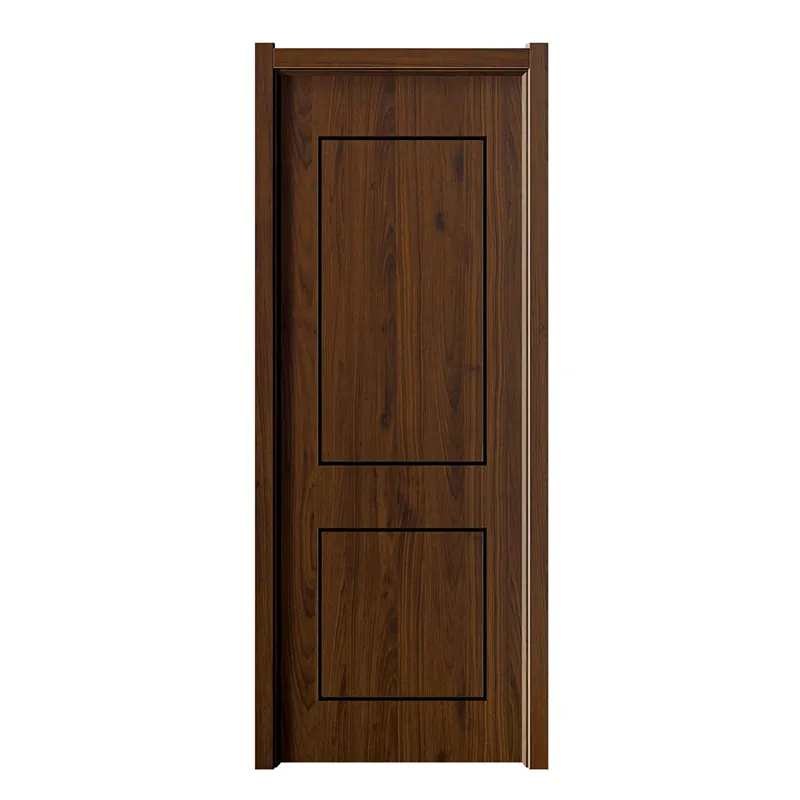 YST-WPC2 Door
 -
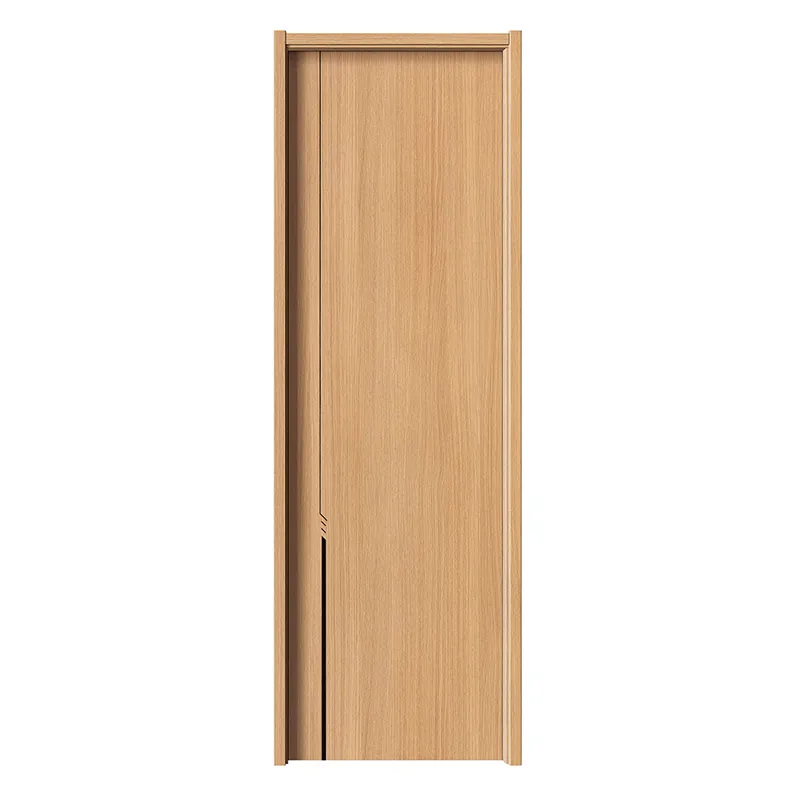 YST-1041 Door Oak Shutter
 -
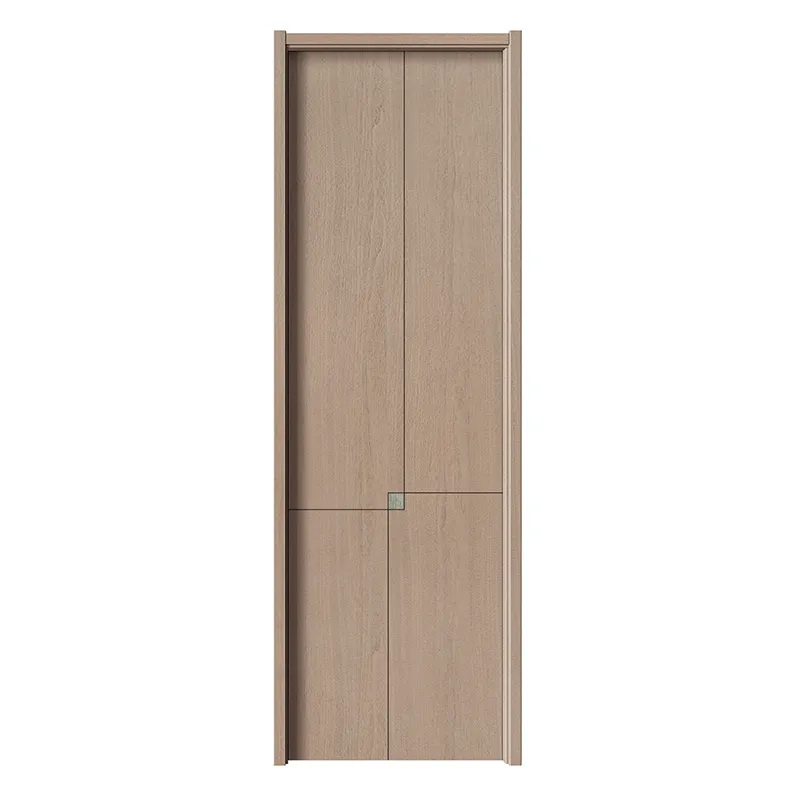 YST-1008 Door Natural walnut 2
 -
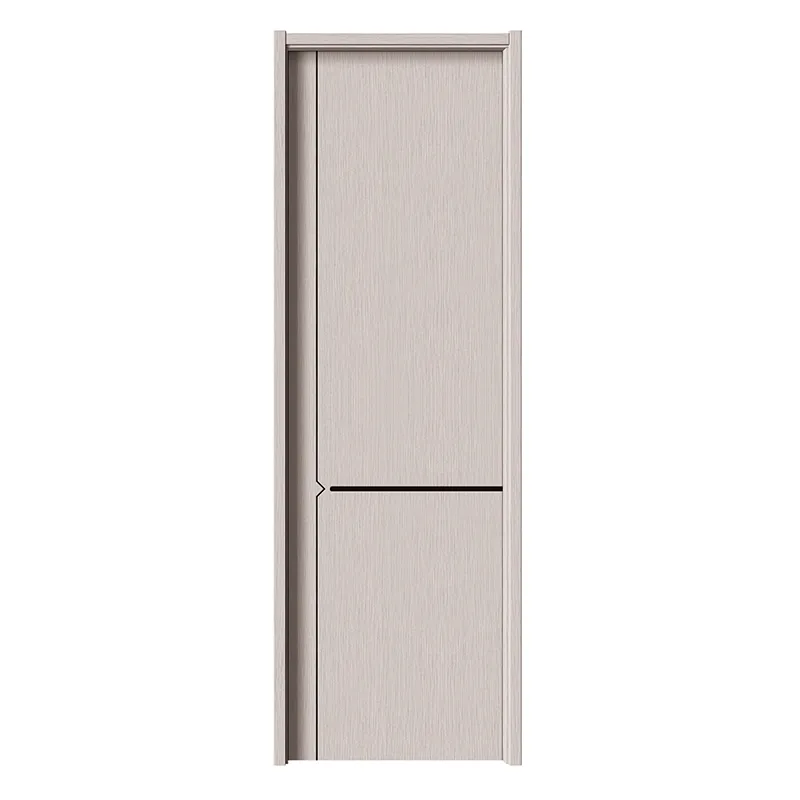 YST-1024 Door Chiaroscuro wood 1
 -
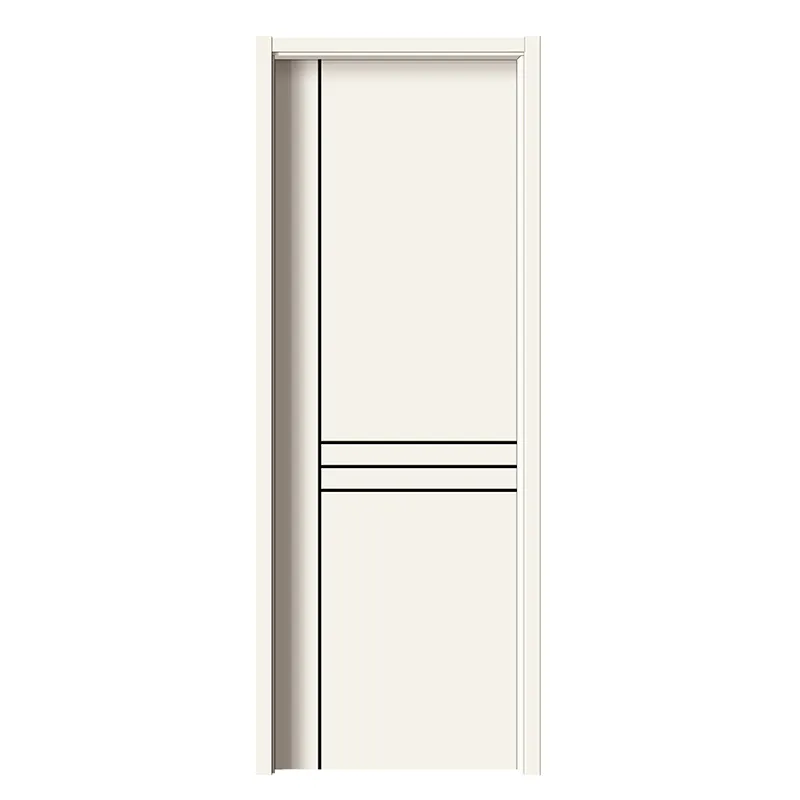 YST-220 Door Warm white
 -
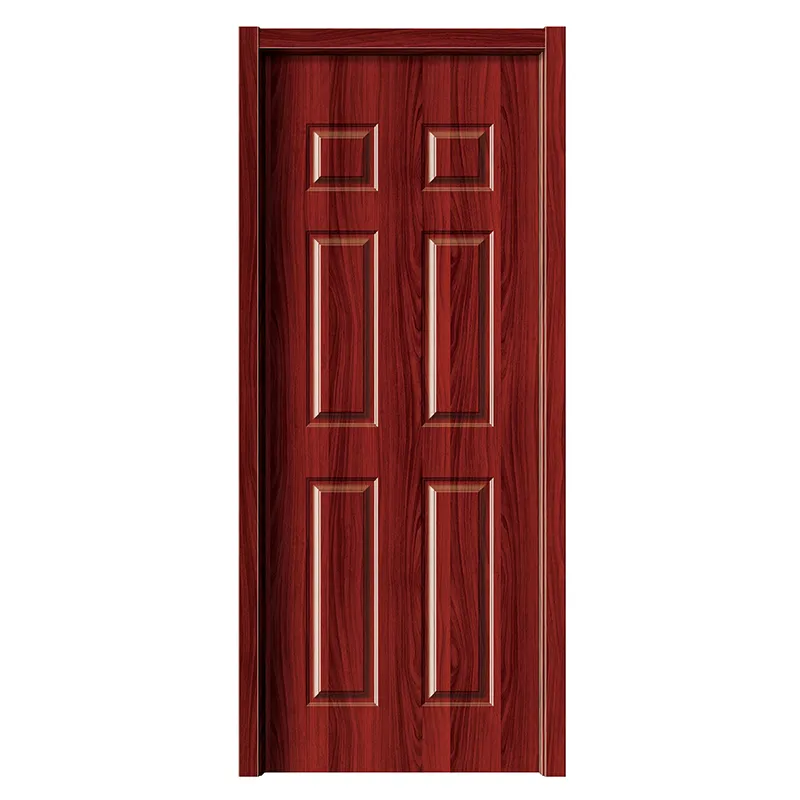 YST-201 Door Red team
 -
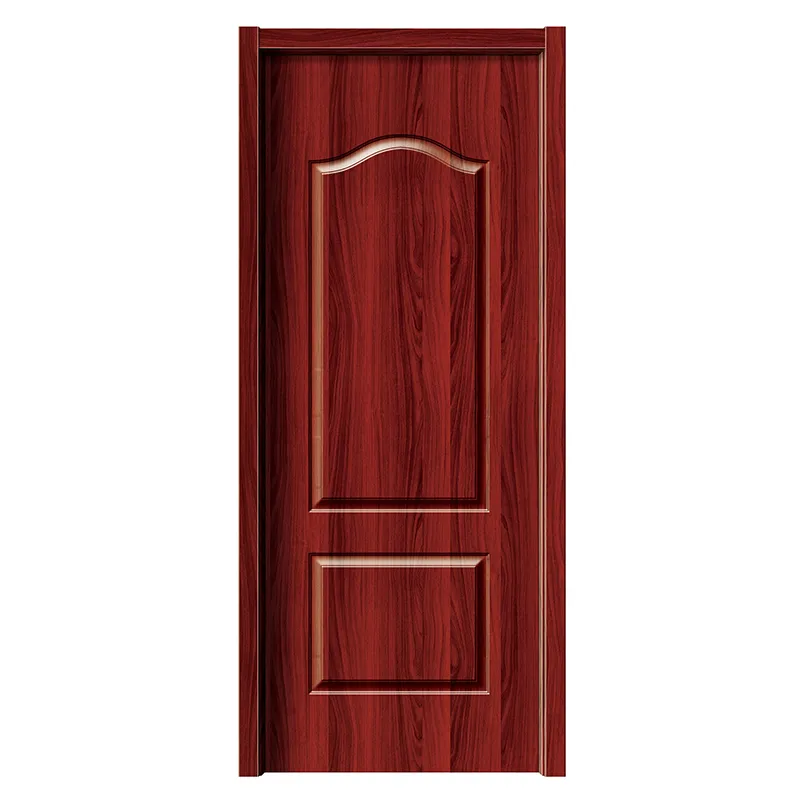 YST-207 Door Red team
 -
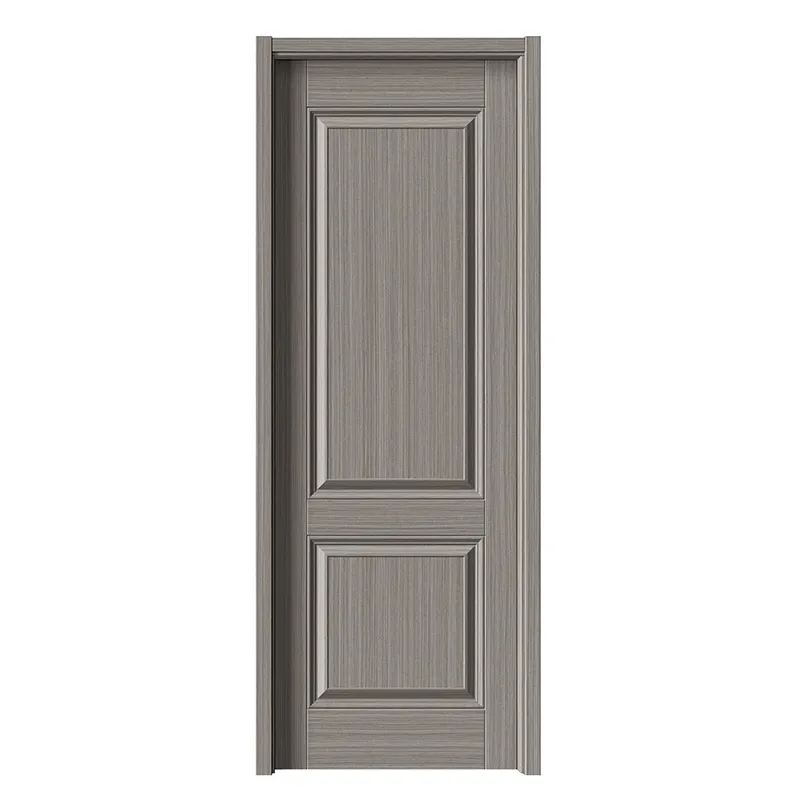 YST-214 Door Technowood 2
 -
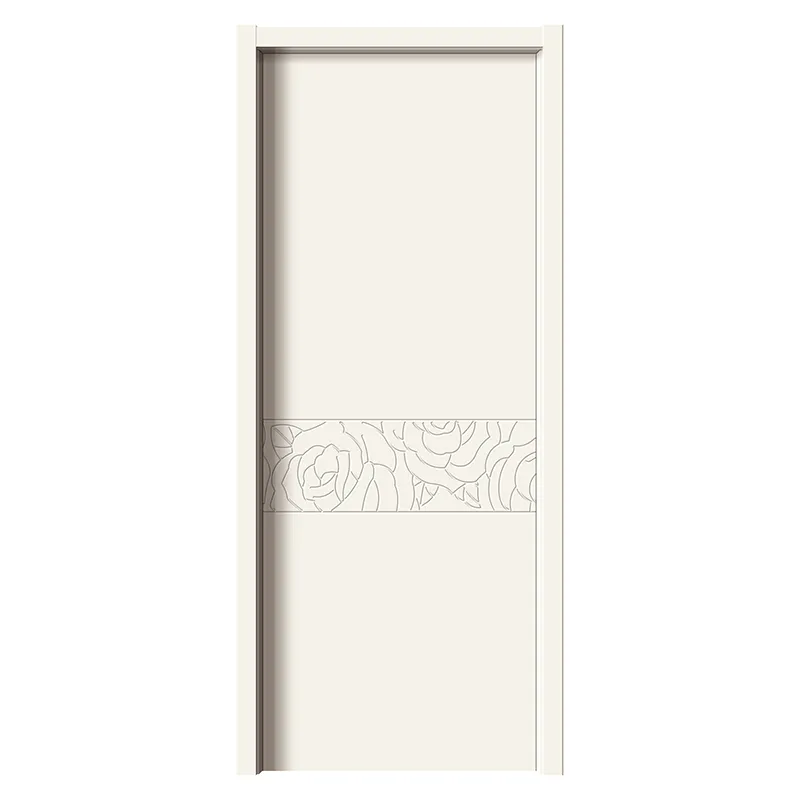 YST-238 Door White ivory
 -
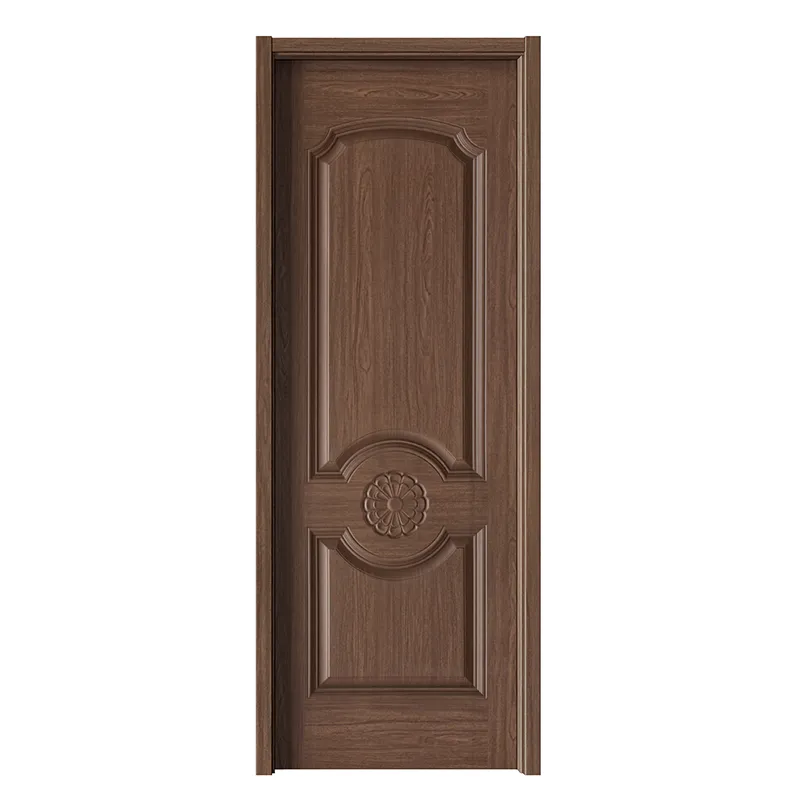 YST-212 Door North American Oak 2
 -
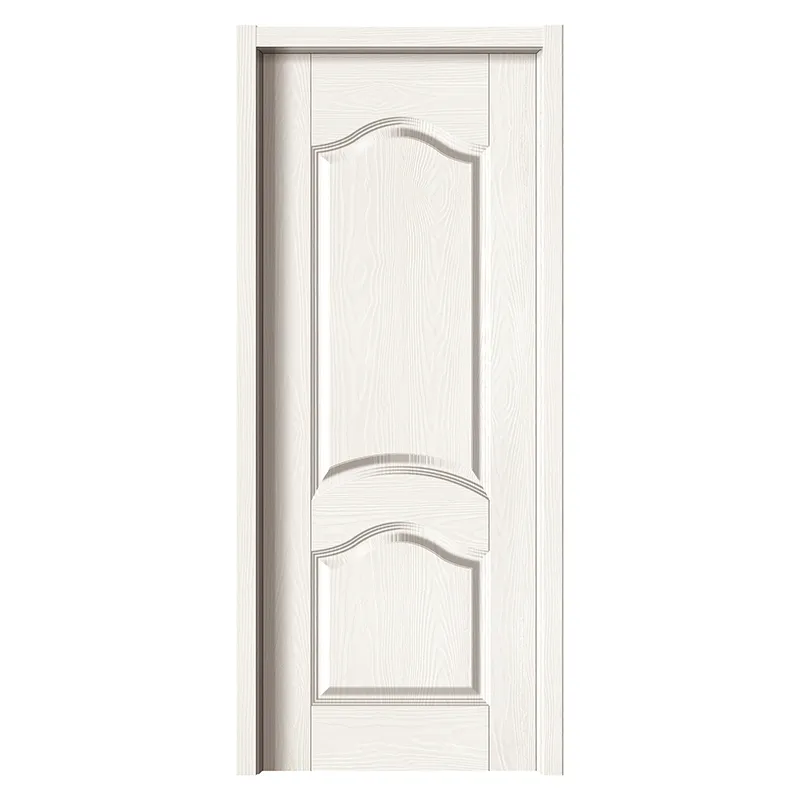 YST-224 Door Warm white with relief
 -
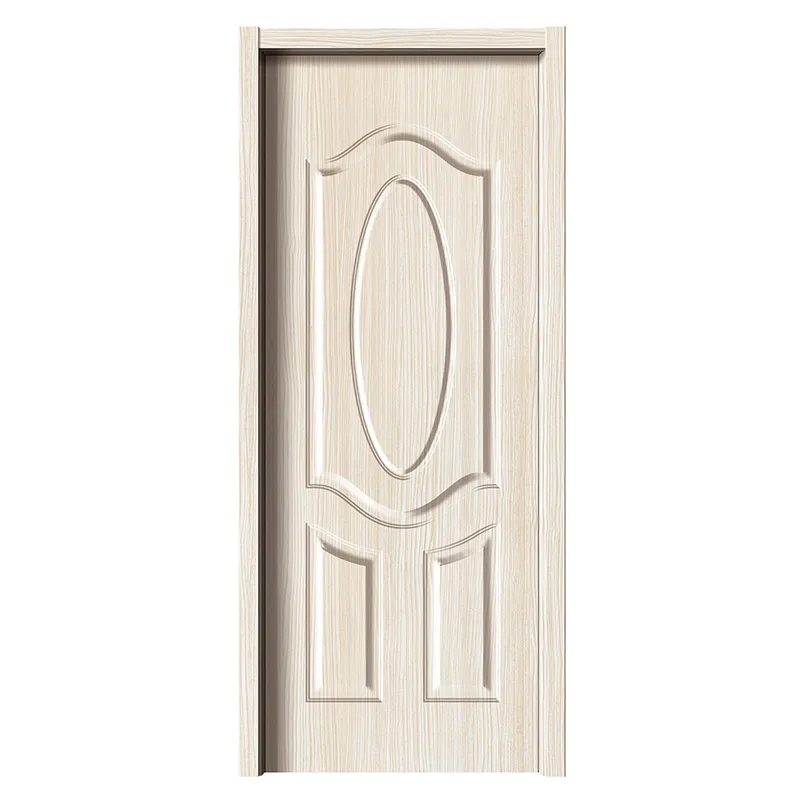 YST-216 Door White Maple