




Plastic toilet doors
When they talk aboutplastic toilet doors, many immediately imagine something cheap and unreliable - like those thin PVC panels that creak and dangle after six months. And this is the main mistake we face. In fact, a well-made plastic door for a bathroom is a complex engineering product, where not just the material is important, but the design of the filling, fittings and, critically, resistance to humidity and temperature changes. I’ll say right away: I’m not a supporter of blindly choosing “only plastic?” or ?only wood?. It all depends on the specific object. But if you take public bathrooms, commercial premises with high traffic, or even modern apartments with special hygiene requirements - hereplastic doorsoften outperform classic wooden ones, but only under one condition - quality of workmanship.
Construction: not just a sheet of plastic
The main misconception is that it is a monolithic piece of plastic. In fact, the core. Most often this is a honeycomb core made of cardboard or, better yet, polyurethane foam. The first option is the most budget-friendly, but for a toilet where blows from trolleys or something else are possible, it is rather weak. PPU is denser, gives better rigidity and some sound insulation. I have also seen combined options with MDF inserts inside a plastic frame, but here it is important to ensure that the joints are sealed, otherwise moisture will get inside and there will be swelling.
The frame itself is a profile. The thickness of the walls, the presence of internal stiffeners - this should be looked at first. Saving a couple of millimeters here leads to the fact that the door “leads” over time, and it stops closing tightly. Especially in unheated rooms or in drafts. Seals along the contour - often they are installed with the simplest, silicone ones, which harden in the cold. It is better to look for options with EPDM rubber, it is both more elastic and durable in an aggressive environment.
And one more nuance that many people miss is the hinges. For heavy plastic doors (and they can be heavy if the filling is dense), ordinary card hinges will not work. You need adjustable hidden hinges or, at a minimum, reinforced hinges with a bearing. Otherwise, sash subsidence is inevitable. I encountered this myself at one site and had to reinstall the entire batch - the manufacturer saved on fittings.
Surface and care: where plastic really has no competition
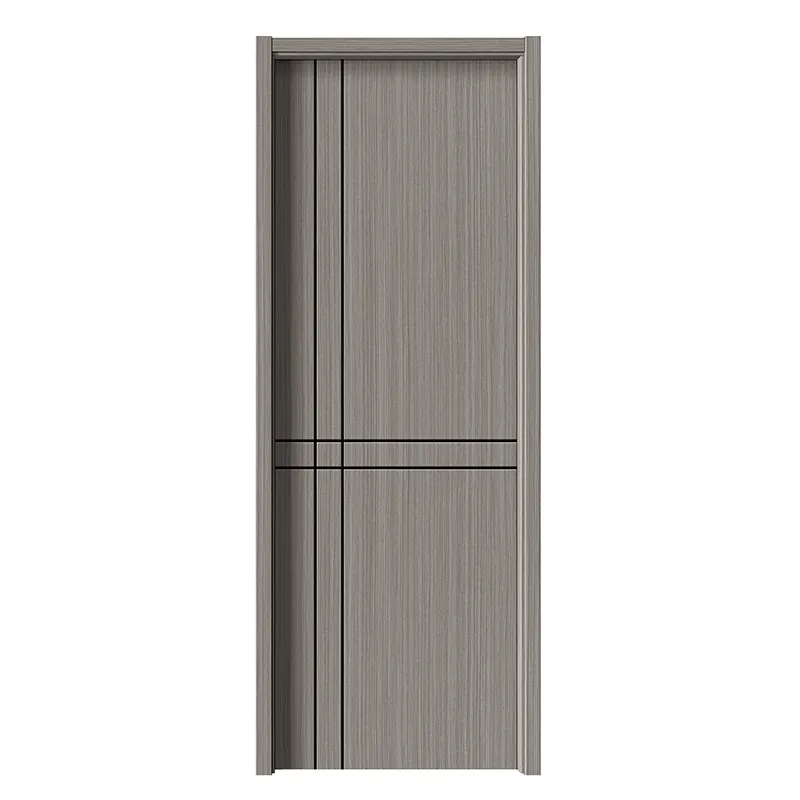
The main trump card here is absolute inertness to moisture, household chemicals and... vandalism. In a public toilet in a shopping center, a wooden door, even a laminated one, will quickly be damaged - scratches, traces of drinks, graffiti.Plastic door for toiletWith high-quality acrylic or polyester film (lamination), all this can be easily tolerated. You can wash it every day with aggressive detergents - the color will not fade.
But there are pitfalls here too. Cheap film - it is thin and can come off at corners, especially if the installation was incorrect. There is also a glossy surface, which looks beautiful in the catalog, but in practice it collects all fingerprints and stains. For high traffic areas I always recommend a matte or textured finish that imitates wood. It is both more practical and visually warmer.
Color. White is a classic, but over time it can turn yellow under the influence of UV rays if there is a window in the bathroom. Now there are many stable colors - gray, beige, even dark tones. It is important to look at color fastness using the blue grout scale. This is not information that will be posted in a prominent place, but it can and should be requested from the supplier.
Installation: 90% success
You can buy the most expensive and technologically advanced door, but crooked installation will bring everything to naught. The gap between the canvas and the box is especially critical. Too small - the door will rub and jam at the slightest swelling (yes, plastic also “breathes” a little depending on the temperature). Too big - there will be drafts and odors. Ideal - about 3-4 mm around the perimeter.
Fastening the box. Into a brick or concrete wall - no questions asked. But in a plasterboard partition - that’s history. It is necessary to lay the embedded beams in advance in the places where the hinges and lock are installed. If you install it directly into the gypsum board, even with special anchors, after six months or a year the fastening will become loose. We had to redo such cases in office centers.
Foam. Many people like to pour it generously, believing that the more, the better it holds. In fact, an excess of polyurethane foam creates excessive stress on the box and can deform it. You need to fill the cavity about 2/3, let it expand and, after hardening, cut off the excess. And be sure to use wedges to fix the geometry while the foam dries.
What I personally encountered: a couple of unsuccessful cases
There was a project - a cafe, the owners wanted to save money and ordered the cheapestplastic doors to the toiletat an unknown local workshop. Problems arose immediately: discrepancies in the colors of the doors (one was white, the other yellow), flimsy handles that began to unscrew after a month. But the main thing is that after two months a bubble appeared on the surface of one of the doors. It turned out that the film had poor adhesion to the base due to a violation of the gluing technology. I had to change it. Conclusion: savings of 20% at the procurement stage resulted in reputational costs and additional costs for replacement.
Another case, more technical. We ordered doors with a matte finish for a medical center. Everything is fine, but after six months strange abrasions appeared on them at the level of the hands. It turned out that the staff used high concentration chlorine-based compounds and abrasive sponges for disinfection. The manufacturer, of course, gave a guarantee only for household chemicals. I had to provide instructions on care and purchase special mild detergents. This is to the question that even the most resistant material has its limits.
Alternatives and niche solutions
Of course, plastic is not a panacea. For premium interiors, such as boutiques or high-class restaurants, they often look for more status materials. Here natural wood with high-quality processing comes to the fore. For example, a companyAnhui Wantai Woodworking Co.,Ltd (https://www.anhuiwantai.ru) offers just such solutions - wooden doors, where aesthetics are combined with practicality. Their philosophy is to “build a business on precision, win with quality?” - this is exactly what is often lacking in the mass plastic market. If the project allows the budget and the design requires a warm wood texture, then this is a great way. Their products, judging by the description of production processes and controls, are designed for a discerning customer for whom both design and durability are important in residential and commercial spaces.
But let's get back to plastic. There are also interesting hybrid options - for example, an aluminum frame with plastic sandwich panels. They are lighter and even more resistant to deformation, but also more expensive. Or fiberglass (fiberglass) - a very durable and repairable material, but so far not very common in the segment of interior doors, more for facades.
It is also worth remembering about fire safety requirements. For some types of buildings, doors to bathrooms along escape routes must have a certain fire resistance limit. Standard plastic is not suitable here. We need special certified structures, often metal with fire-resistant filling. This is a separate big conversation.
Final Considerations: What to Look for When Choosing
So to summarize my experience. Choosingplastic toilet doors, don't just focus on the price per square meter. Understand the design: profile, filling, type of coating. Ask the supplier for real samples, feel them, check the weight, try to scratch them with something not very sharp in an inconspicuous place.
Be sure to discuss the fittings. Hinges, locks (if needed), closers (often needed in public places). It is better if these are systems from well-known brands - for example, Blum, Hafele, Dormakaba. Their cost is higher, but they have been used for years.
And most importantly, find someone who will be responsible not only for sales, but also for competent installation, and ideally, for subsequent maintenance. Because even the most reliable door can fail due to improper installation or operation.Plastic doors for bathrooms- this is a practical and reasonable solution for most problems, but only when they are approached as an engineering system, and not as a simple “partition”.
As for companies likeAnhui Wantai Woodworking Co.,Ltd, then their approach is the other pole of the market, where materials and detailed work are at the forefront. Their experience in woodworking and adherence to international standards is a good guide for any manufacturer, including plastic products. Ultimately, whether it is plastic or wood, quality is determined by attention to detail and honesty with the customer.
Correspondingproducts
Related Products
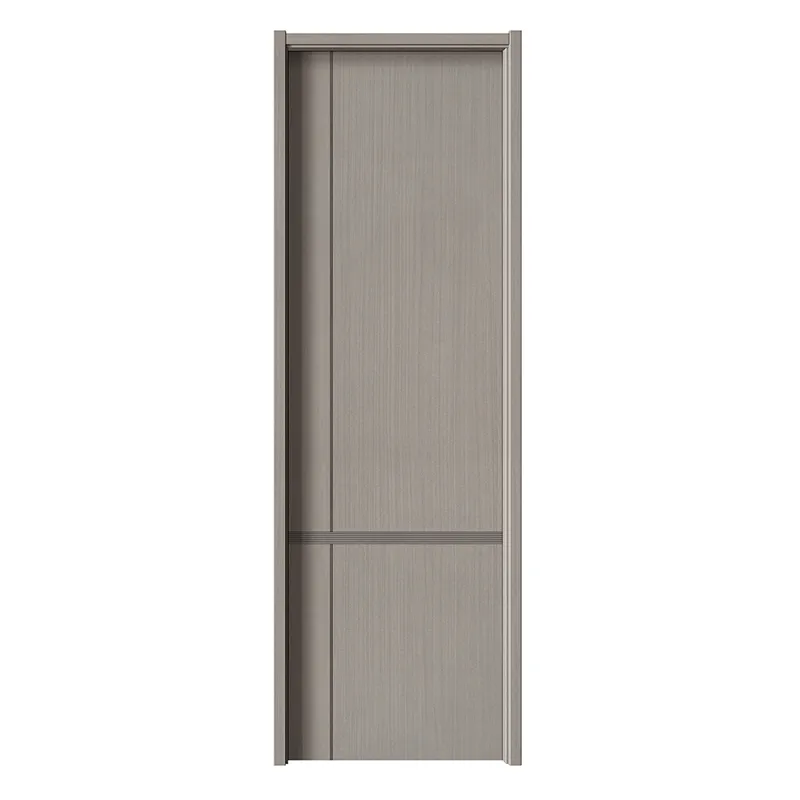

Best Sellingproducts
Best Selling Products-
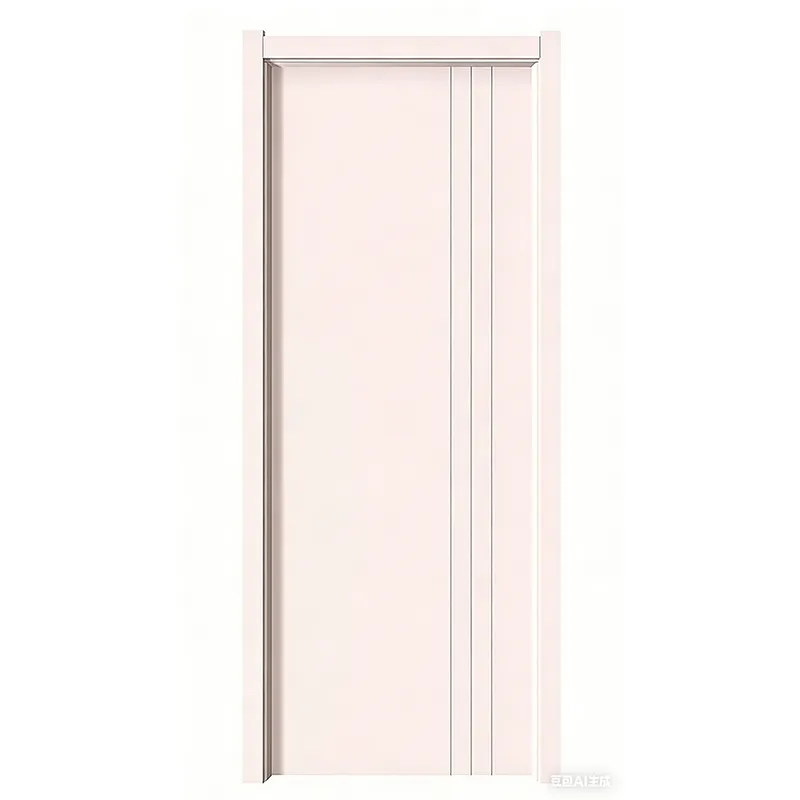 YST-WPC4 Door
 -
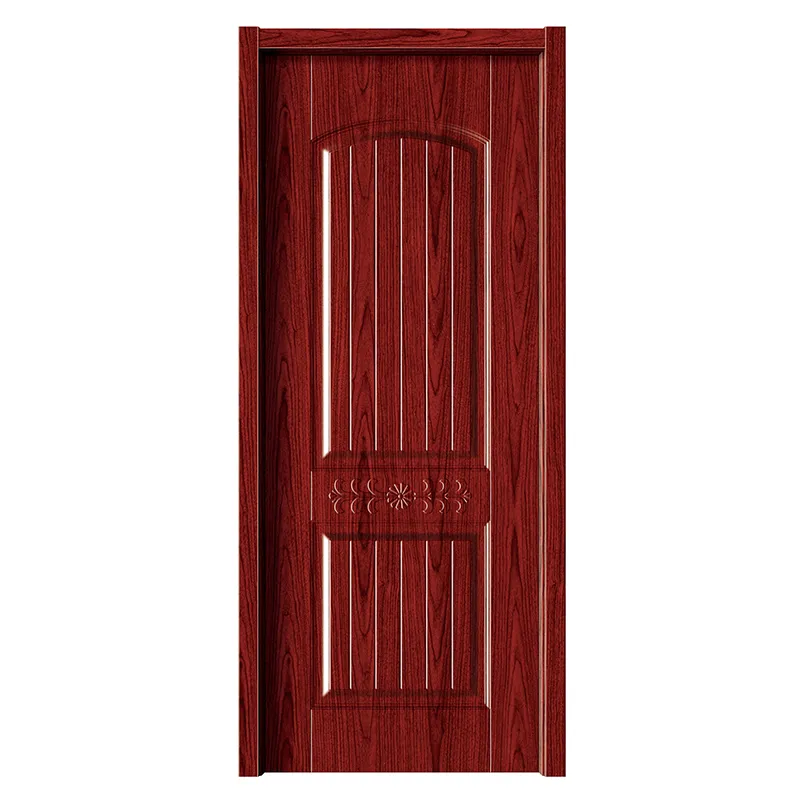 YST-233 Door Mahogany
 -
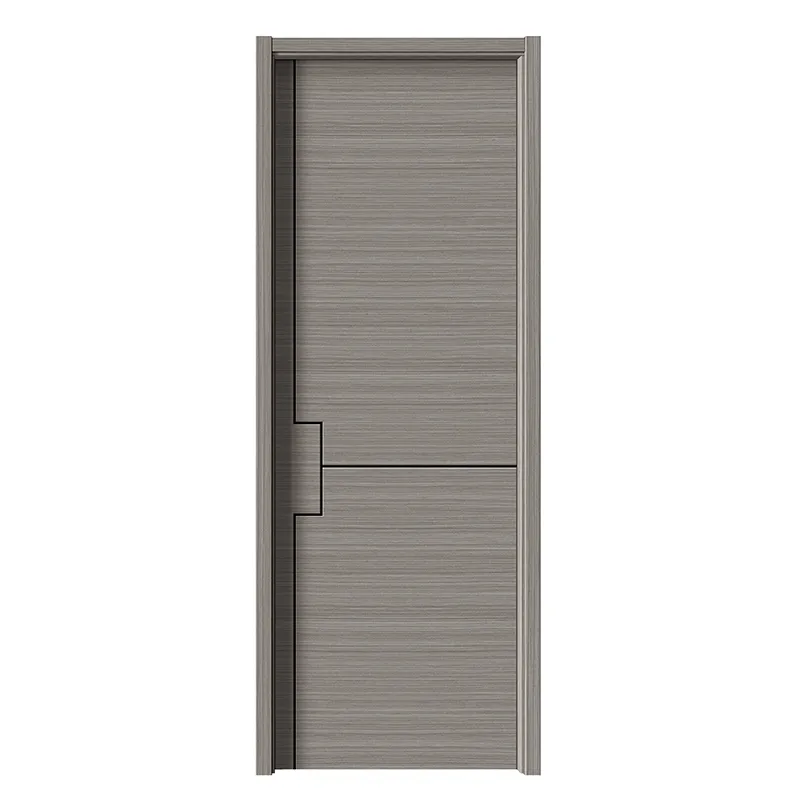 YST-1005 Technotree Door 2
 -
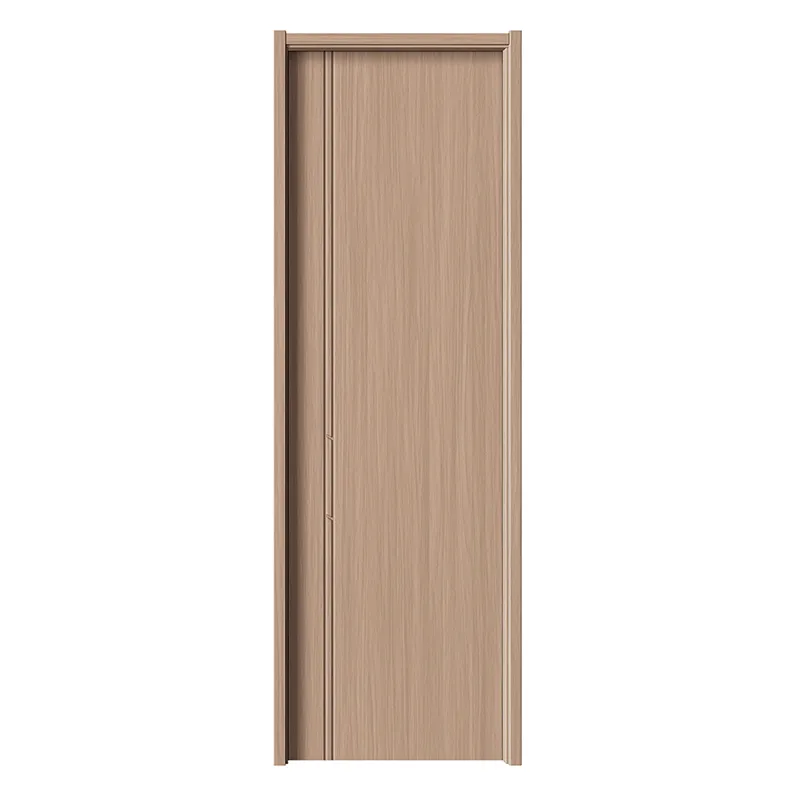 YST-1009 Door Translucent light shade 1
 -
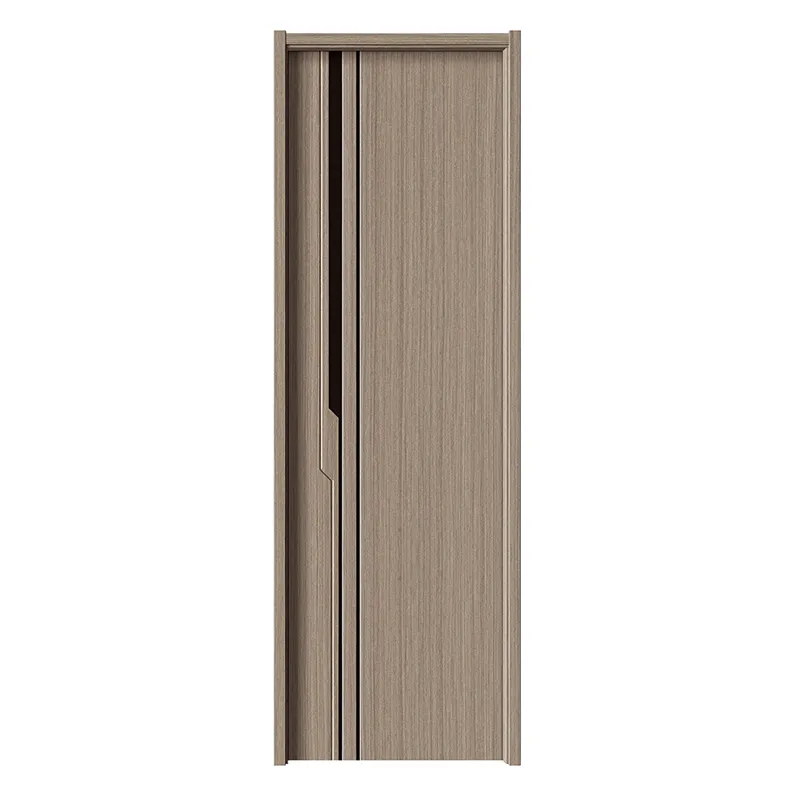 YST-1018 Technowood Door 1
 -
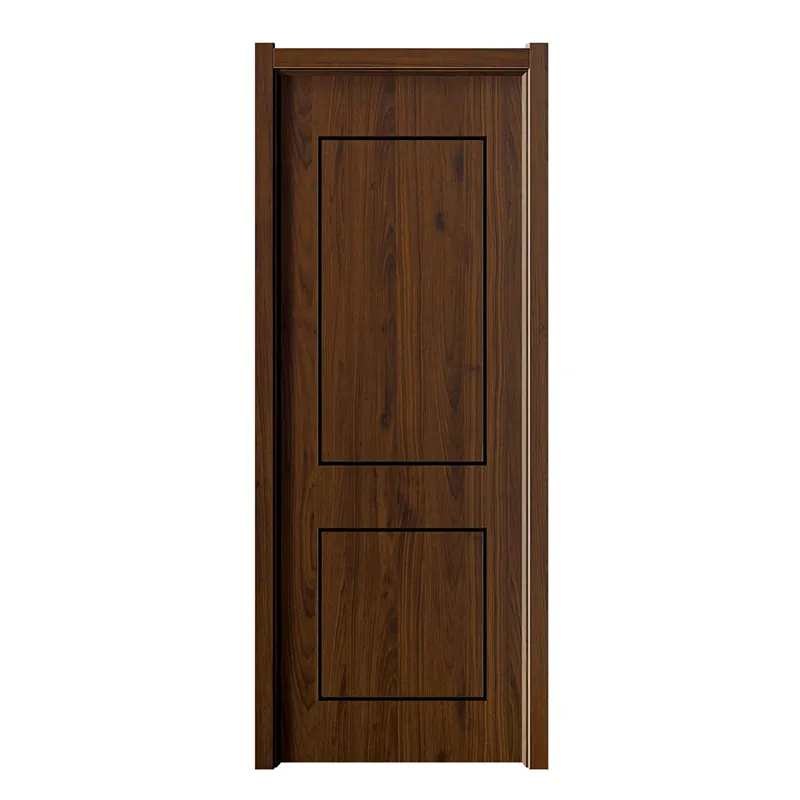 YST-WPC2 Door
 -
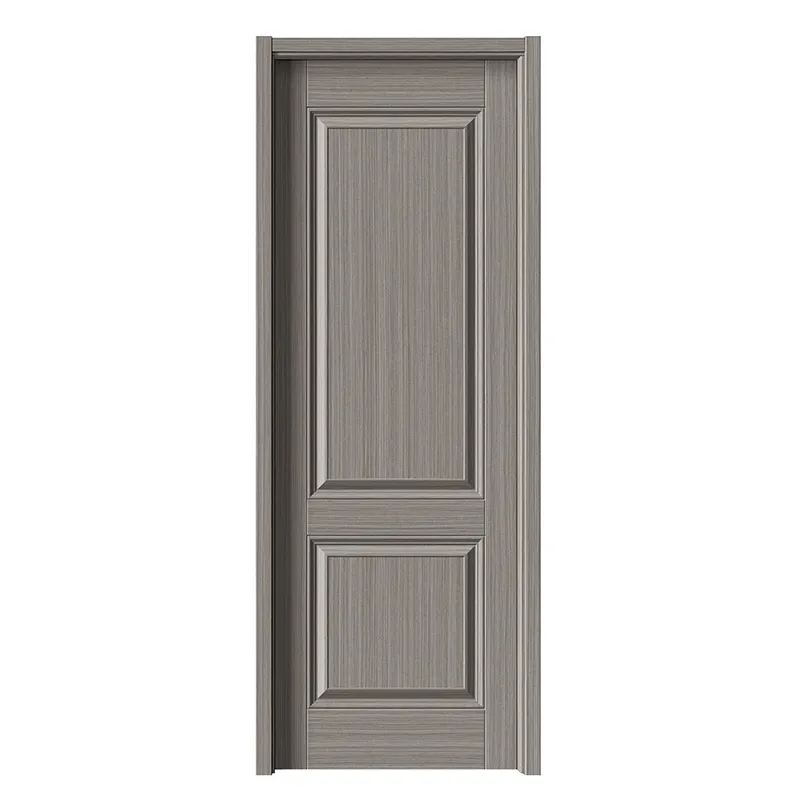 YST-214 Door Technowood 2
 -
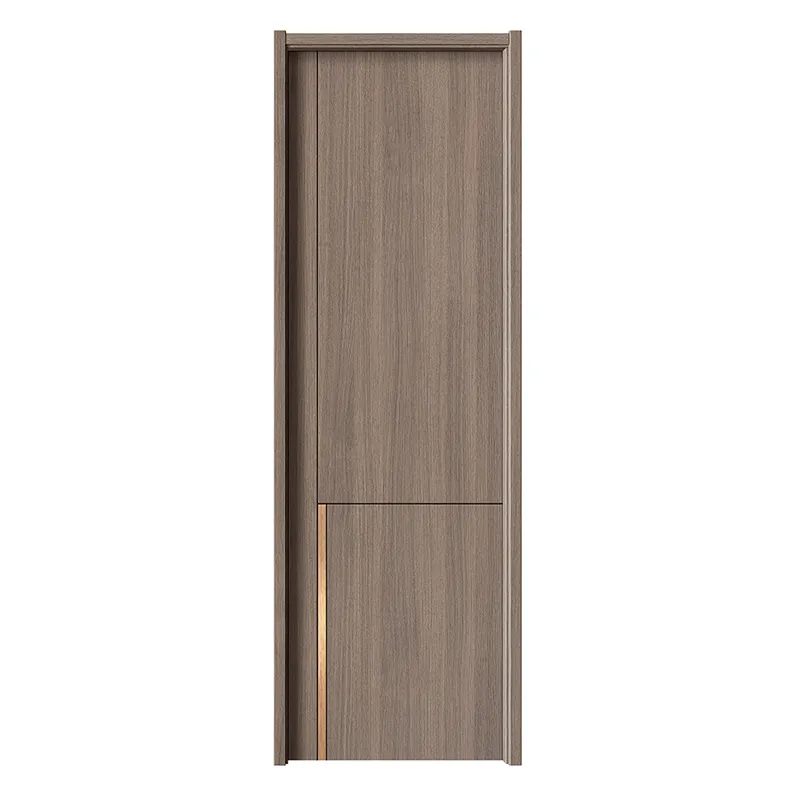 YST-1003 Door Oak gray
 -
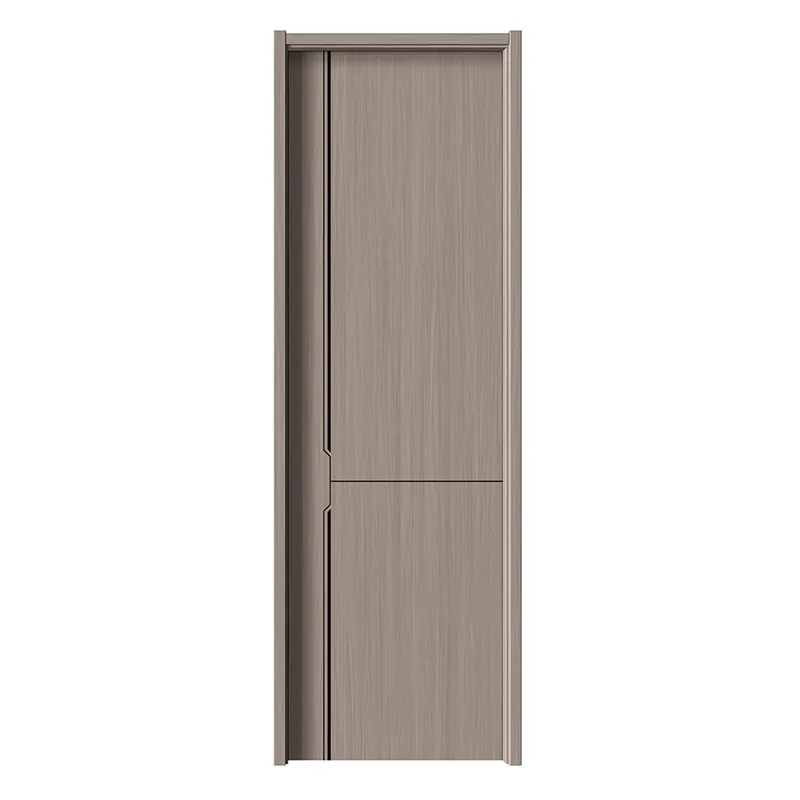 YST-1011 Door Translucent light shadow 3
 -
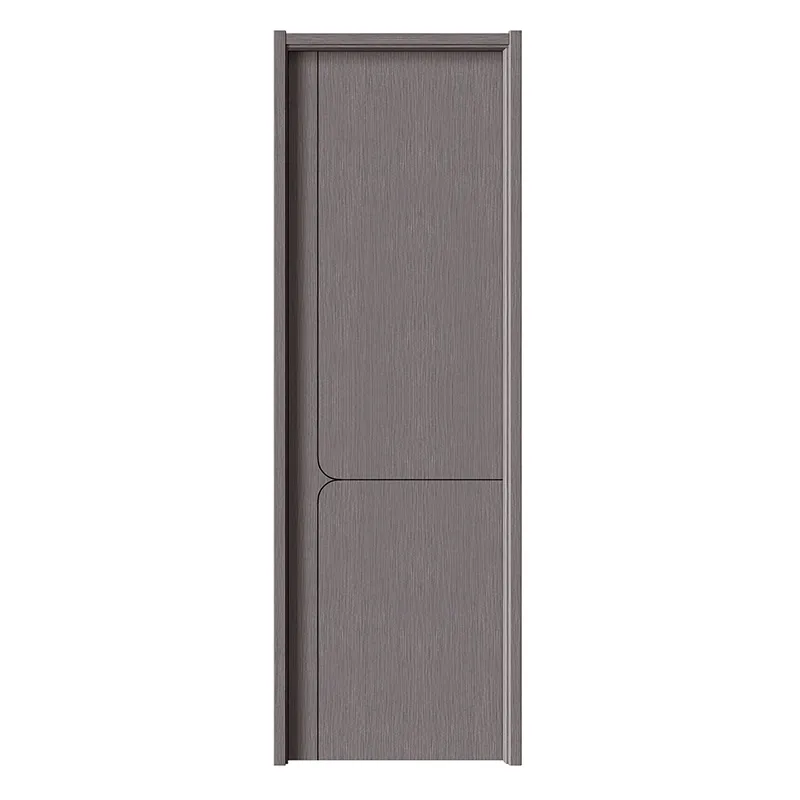 YST-1001 Door Chiaroscuro tree 2
 -
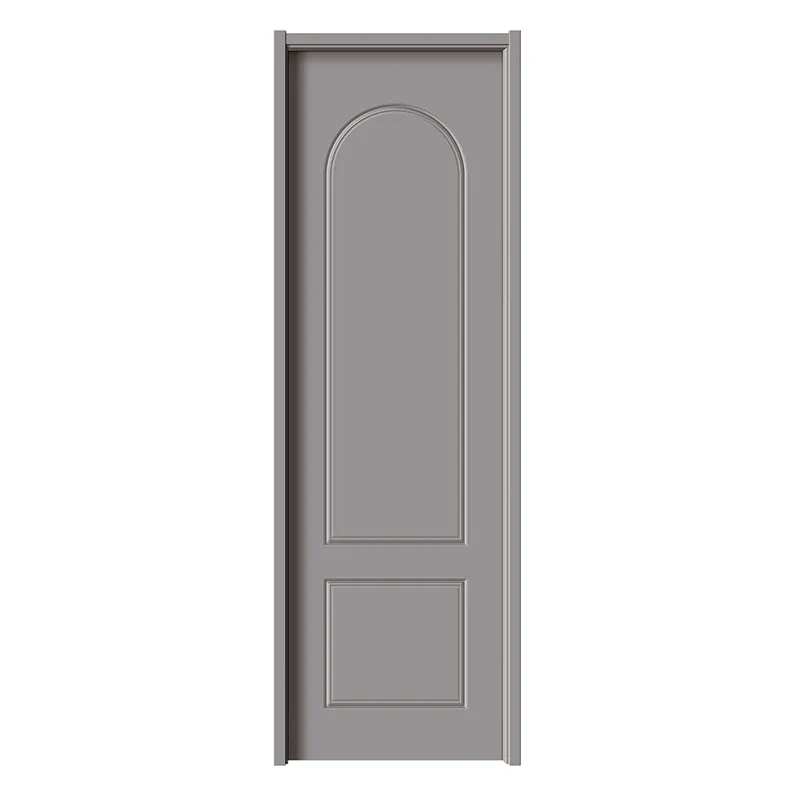 YST-241 French Door 1 soft stone gray
 -
 YST-1004 Door Technotree 2