




Hidden reverse door
When people talk about a “hidden reverse opening door,” many people immediately imagine something out of a spy movie—a silent mechanism, an invisible joint. In fact, everything often comes down to banal fittings and accuracy of fit. The term itself is a little confusing: ?hidden? — this is about the absence of platbands and visible hinges, and “reverse opening?” - about the direction of movement of the canvas, which is often confused with conventional swing models. The main mistake beginners make is trying to make such a door based on a standard frame, simply hiding the hinges. The result is always the same: cracks, distortions and that same creaking that will give away any “secret”.
Structural basis: what is hidden behind the panel
There is no room for improvisation here. The frame must be designed for the load in such a suspension, otherwise the canvas will move. At one time we experimented with an aluminum profile for commercial objects - it would seem that the rigidity was higher. But when opening it back (for example, into a niche in the wall), parasitic vibration arose along the upper edge. I had to return to laminated timber of a certain moisture content, with reinforcement at the attachment points of hidden hinges, for example, from Soss or Simonswerk. This is not an advertisement, it’s just that their geometry gives a lower bending moment.
An important nuance is the preparation of the opening. Its walls must be brought to zero, otherwise the hidden installation of the box will turn into a nightmare. I remember a project where the architect installed a hidden door in a gypsum fiber board partition. The installers did not finish the plaster, and when we installed the box, it turned out that there was a 5 mm gap along the entire height on one side. I had to mill a groove in the box itself to make it flush with the wall. An extra half day of work.
Now many manufacturers, likeAnhui Wantai Woodworking Co.,Ltd, offer ready-made solutions - door blocks already adapted for hidden installation and a certain type of opening. This is a reasonable way if it is not possible to control every stage on site. On their websitehttps://www.anhuiwantai.ruit is clear that the emphasis is on manufacturing precision and process control, which is critical for such products. Their philosophy is to “build a business on precision?” - not just words, but a necessary condition for working with hidden systems.
Mechanics of movement: why ?reverse? - doesn’t mean “simple?”
Actually, “reverse opening?” - this is when the door conventionally opens “from itself”, but the trajectory of the beginning of movement and the final position of the leaf are planned differently than that of a standard door. This is often due to the need to save space or integrate into a complex furniture composition. The loops here are the heart of the system. We need models for hidden installation with an opening angle of at least 180 degrees, otherwise the door will not fit into the niche.
I had a bad experience with a system where the manufacturer saved money on a door closer built into the hinge. The door seemed to move smoothly, but after a couple of months of intensive use, play appeared in the axis. It turned out that the material of the bushing is not designed for constant lateral load, which is typical for reverse motion. We had to change all the fittings on site. Lesson: you can’t install hinges without knowing the exact weight of the fabric and the expected intensity of use.
Another point is the seal. With a hidden rebate, standard contour seals can interfere and cling. Sometimes it is more effective to use a magnetic rebate or thin silicone profiles glued into the end of the canvas. But this requires perfect geometry and painstaking adjustment.
Integration into the interior: when invisibility becomes a problem
The biggest irony: the more hidden a door is, the more difficult it is to use. If there is no handle, you need a push-to-open system or triggered by a sensor. For residential premises, they often follow the path of minimalism - they make a chamfer or recess into the end of the canvas. But here it is important that this recess does not break the overall appearance of the finish. We once covered a door with precious wood veneer, and the customer wanted a hidden mechanism. We had to make an almost invisible gap for opening, which was then tinted by hand to match the grain pattern. Jewelry work.
In commercial spaces, especially where traffic flow is important, a hidden reverse door can become a hazard. People just don't see it and may stumble upon it. You have to either duplicate the opening automatically, or use signaling stickers at eye level, which, of course, kills the entire effect of secrecy. CompanyAnhui Wantai Woodworking Co.,LtdIn its work on the international market, it seems to be faced with similar dilemmas - how to combine aesthetic design with the practical requirements of safety and ergonomics.
A separate story is the finishing of slopes. After installing such a door, the joint between the wall and the canvas is usually puttied and painted or covered with wallpaper. Any shrinkage of the building or vibration leads to the appearance of cracks along the contour. Repairing them means breaking the finish every time. Sometimes a more practical solution is not to completely hide it, but to use ultra-thin trims that create the illusion.
Materials and durability: where to compromise
Solid wood is a classic, but for hidden systems it is capricious. Changes in humidity can cause a perfectly fitted sheet to no longer fit into the opening or, conversely, to form a gap. EngineersAnhui Wantai Woodworking Co.,Ltd, with their state-of-the-art manufacturing facilities, certainly know this. More often, the solution is to use stabilized wood or multilayer glued structures with transverse alternation of fibers. This reduces the risk of deformation.
Glass hidden doors are a separate challenge. The weight of the canvas is enormous, the requirements for the strength of the fittings and the accuracy of installation increase by an order of magnitude. Here you can’t do without professional calculations and tests. I would not risk installing such a system without having technical conclusions from the manufacturer and accessories with a serious margin of safety.
An alternative is lightweight composite sandwich panels with a decorative coating. They are stable, but their soundproofing properties often leave much to be desired. Suitable for an office partition, but not for a bedroom. The choice always comes down to customer priorities and operating conditions.
Summary for the practitioner: is the game worth the candle?
So,hidden return dooris not a product, but a comprehensive solution. Its success depends 30% on the quality of manufacturing of the door block itself, 50% on the correct selection and installation of fittings, and 100% on the preparation of the opening and the qualifications of the installers. This is not a job where you can save money.
Now, looking at the range of companies that, likeAnhui Wantai, are purposefully working on a combination of design and functionality for the global market, you understand that the future lies in ready-made, calculated systems. It is much more reliable to receive a kit where the canvas, box and fittings are selected and tested for compatibility at the factory than to assemble this puzzle yourself on site from dissimilar components.
Personally, I now take on such projects only with full control over the entire cycle, from measuring to finishing. And I always stipulate in advance with the client that perfect invisibility is a story not for centuries, but until the first serious seasonal change in humidity or repairs from neighbors. But when everything is done correctly, and the door silently disappears into the wall, opening up space, this is the very magic for which it is worth delving into all these technical difficulties.
Correspondingproducts
Related Products

Best Sellingproducts
Best Selling Products-
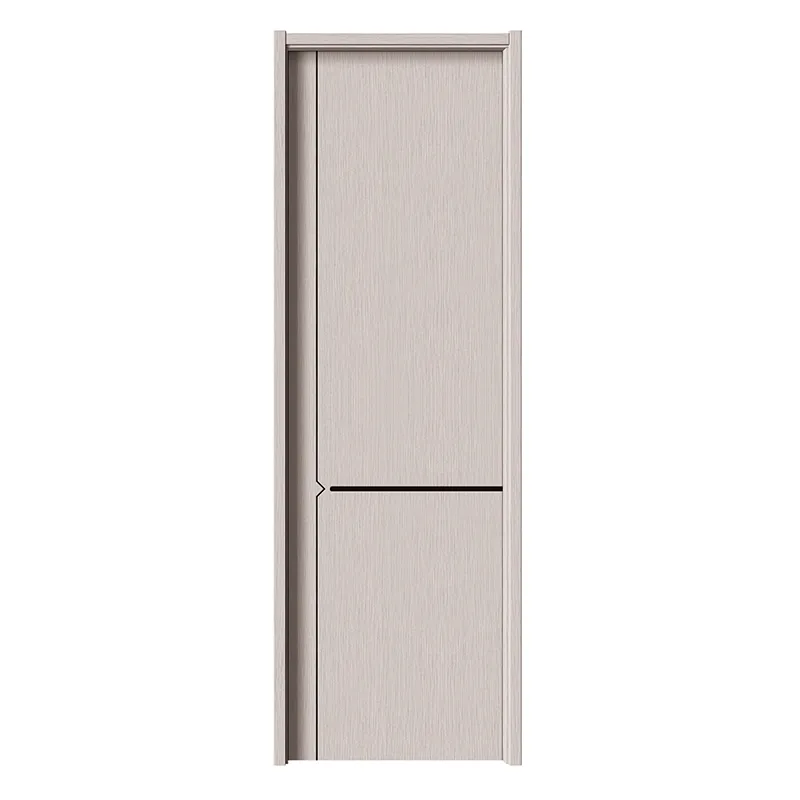 YST-1024 Door Chiaroscuro wood 1
 -
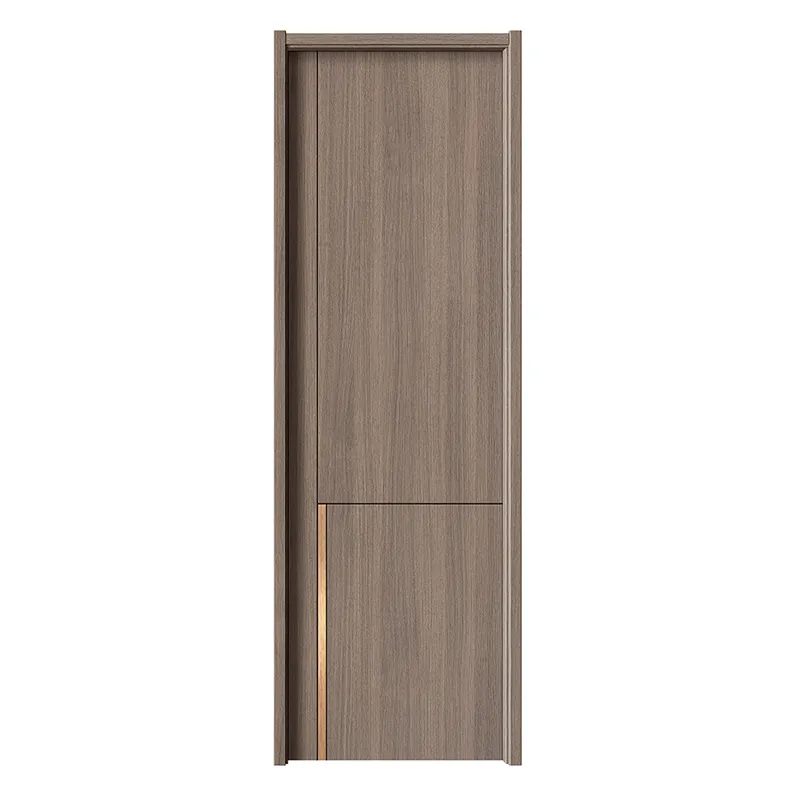 YST-1003 Door Oak gray
 -
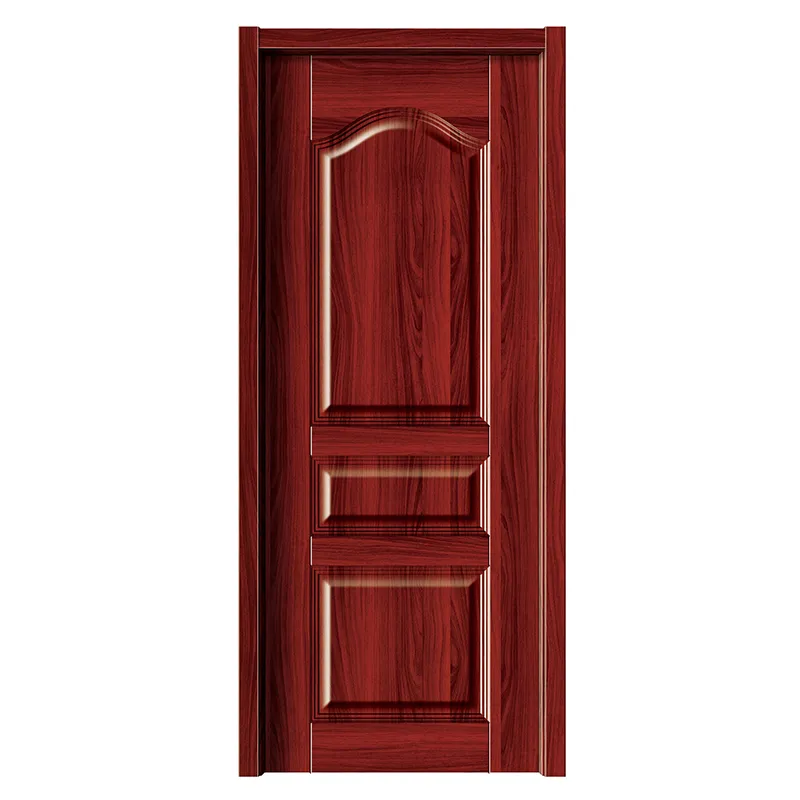 YST-203 Door Red team
 -
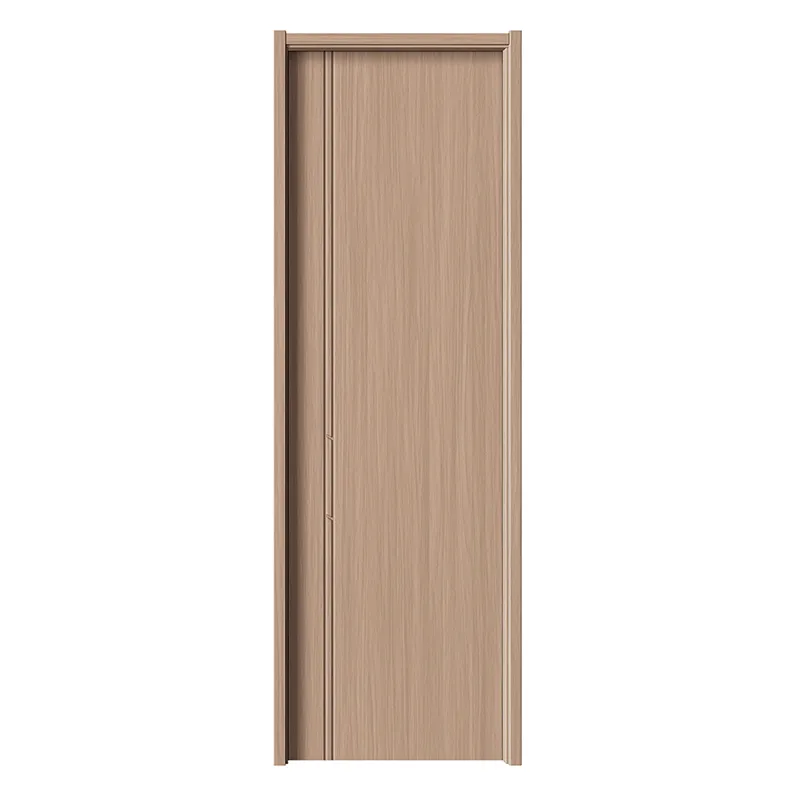 YST-1009 Door Translucent light shade 1
 -
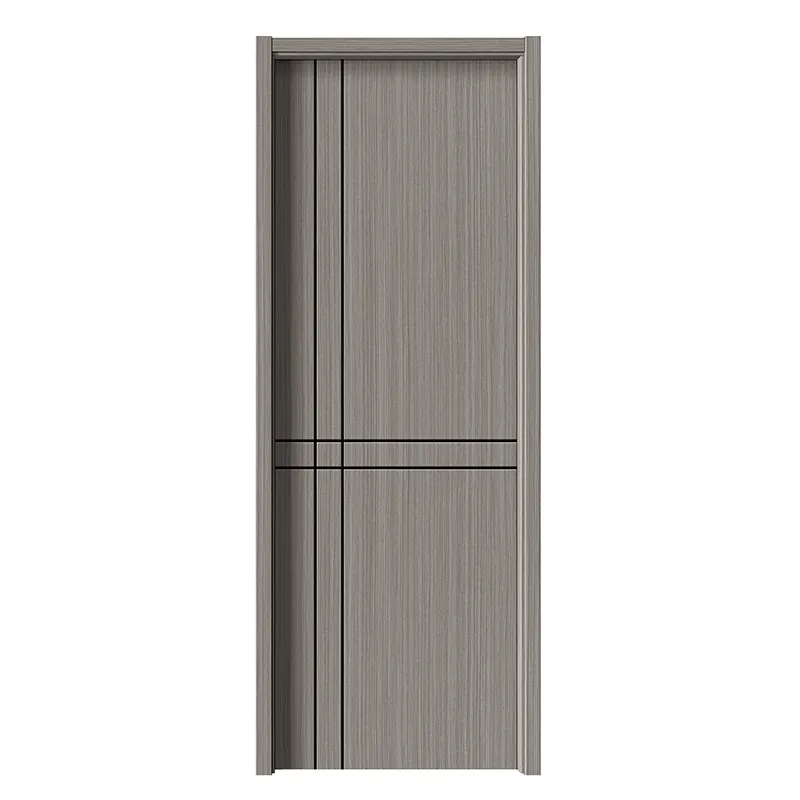 YST-1004 Door Technotree 2
 -
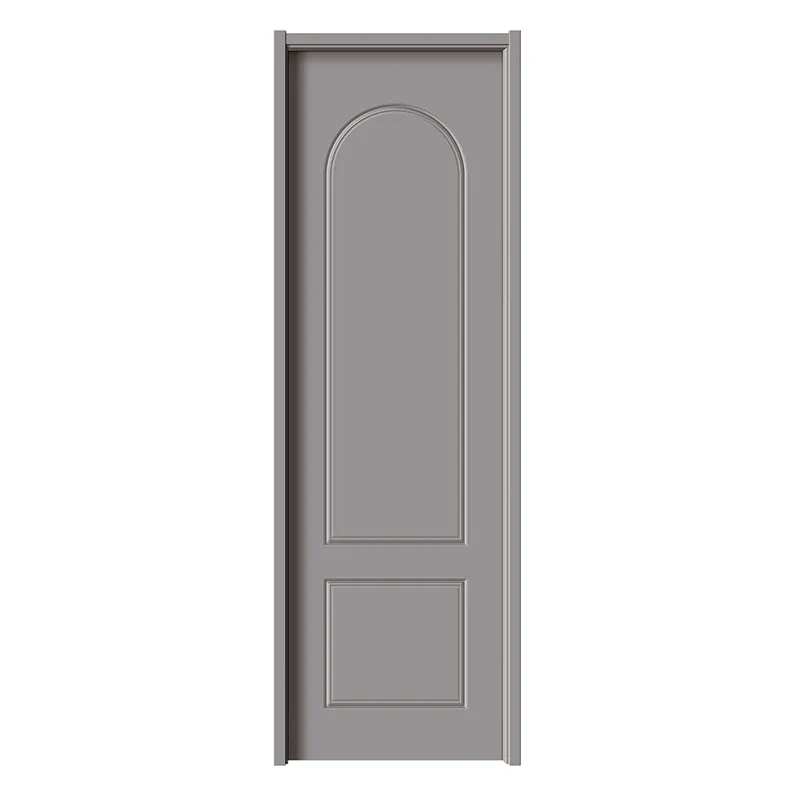 YST-241 French Door 1 soft stone gray
 -
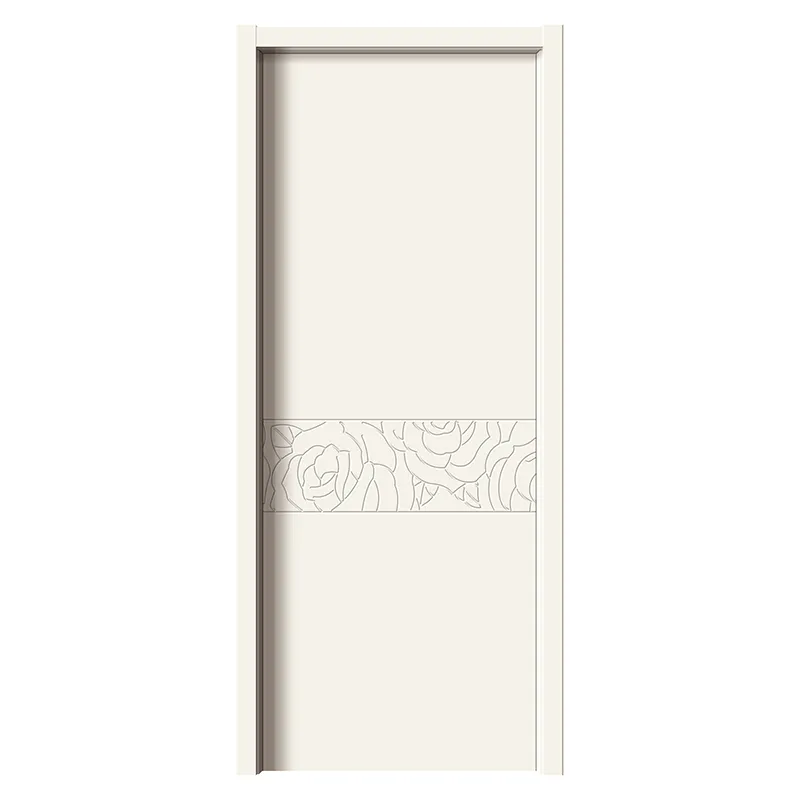 YST-238 Door White ivory
 -
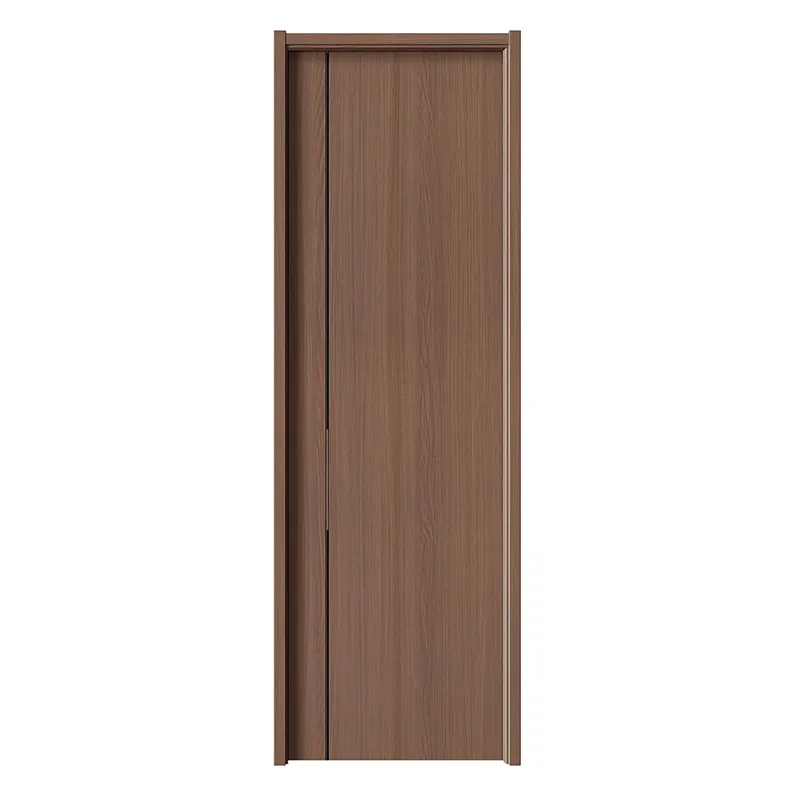 YST-1043 Door Techno-walnut 3
 -
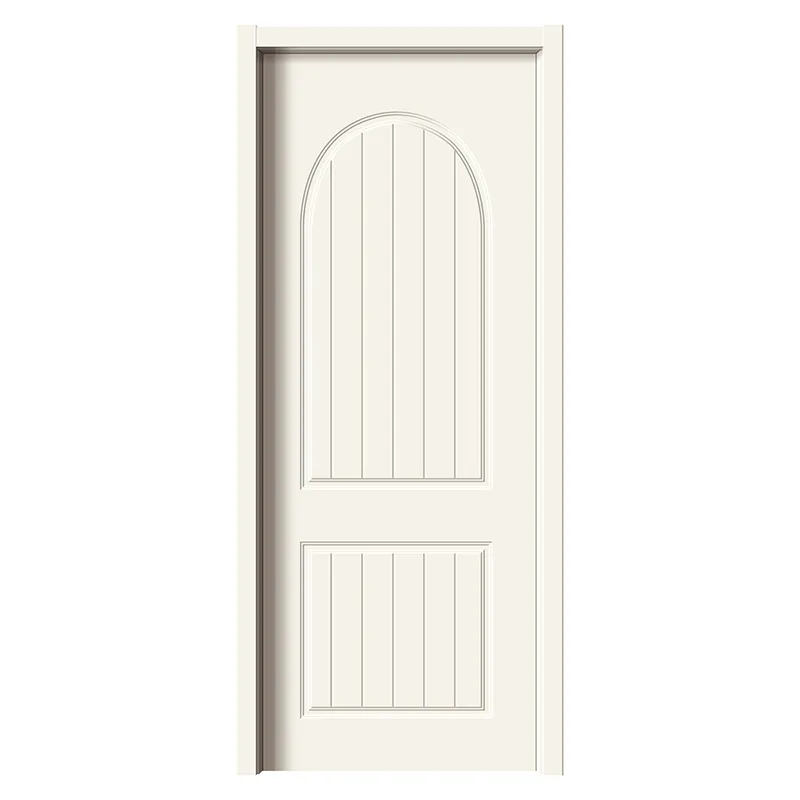 YST-236 Door White ivory
 -
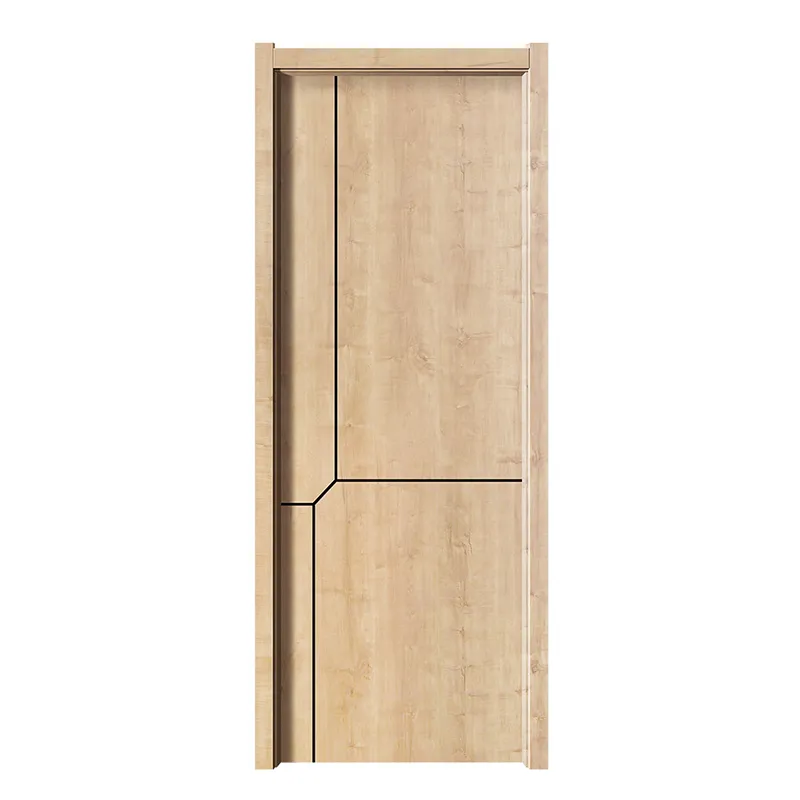 YST-WPC1 Door
 -
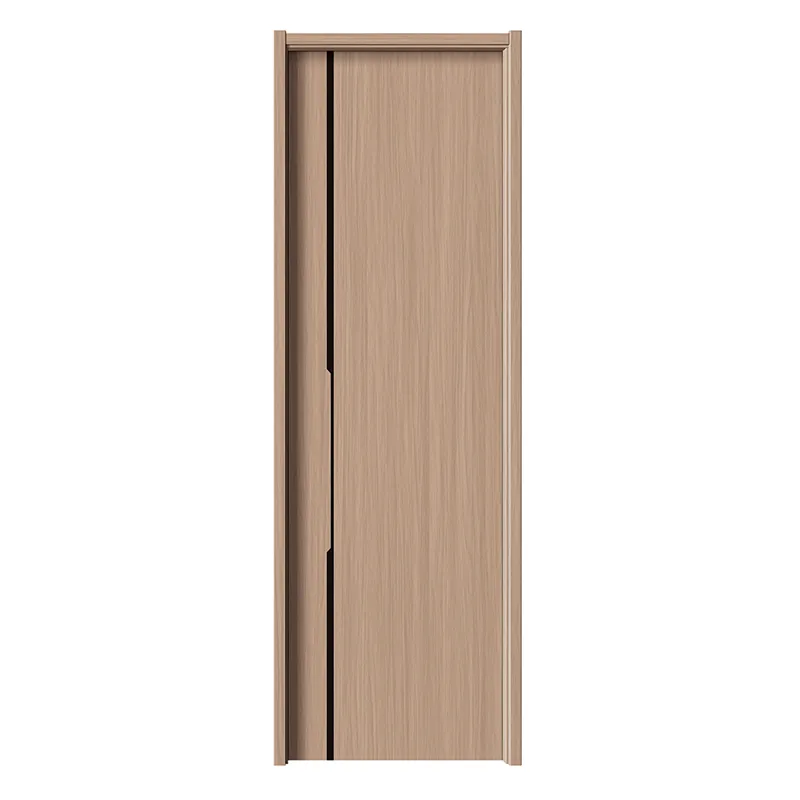 YST-1029 Door Translucent light shade 1
 -
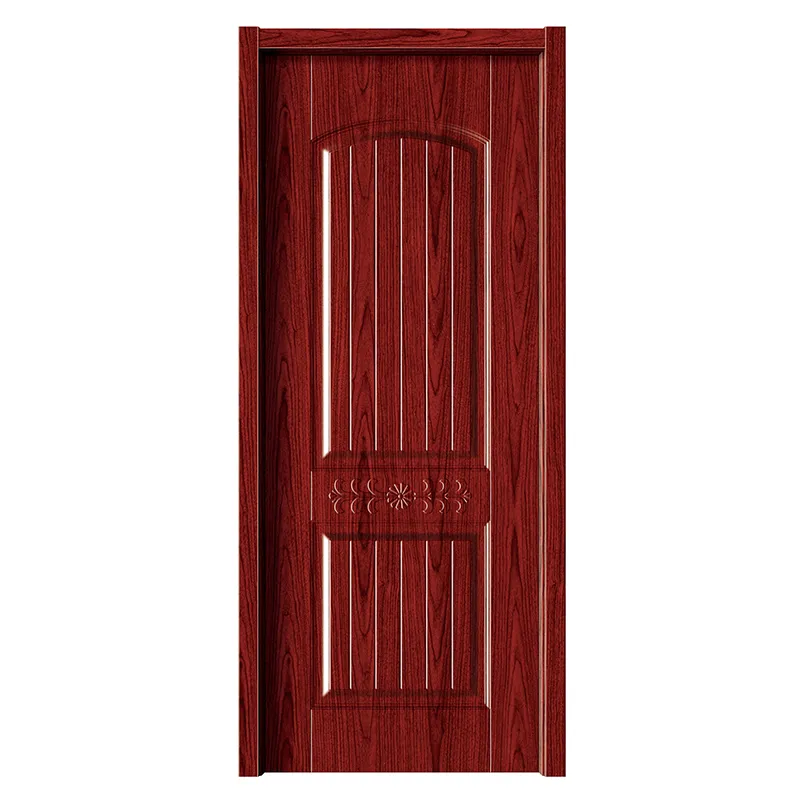 YST-233 Door Mahogany