




Door sets for interior doors
When they talk about door sets, many people immediately think about the frame, leaf and trim - everything seems to be simple. But in practice, this is where a lot of pitfalls lie, due to which even a good door can be spoiled by improper installation or inappropriate components. Often customers, and even some installers, underestimate the importance of the kit as a single system. Let's say they took a canvas from one manufacturer, a box from another, and accessories from a third. The result is cracks, distortions, and creaks. And okay, if it’s just ugly, it happens that functionality also suffers - the door doesn’t close tightly, the lock doesn’t work as it should. I went through this myself when I first started working with objects. It would seem like a small thing—extensions or thresholds, but without them the whole image and geometry float.
What does the right kit actually consist of?
Perfectdoor kitis not just a set of parts in a box. This is a well-thought-out system where each element is tailored to the other. Canvas, box, trim, additional elements, threshold (if needed) and, critically, fasteners and mounting plates. Often they save money on fasteners, and then they wonder why the box “walks”? in the opening. We had a case at a site in a residential complex - we purchased seemingly good doors, but the kits were equipped with weak screws and thin mounting plates. As a result, during active use, several doors began to play back after just six months. I had to redo it and strengthen the fastening. Conclusion - look not only at the appearance of the components, but also at how they will connect and hold in the wall.
Another nuance is geometry. Especially in old houses where openings are far from ideal. The standard kit is designed for a flat rectangle. If the walls are littered, and you didn’t take this into account when choosing the width of the frame and extensions, installation will turn into a nightmare. You have to either cut or build up, which is always visible and not always reliable. Therefore, now many serious manufacturers, especially those working on the international market, offer not just sets, but systems with adjustable elements or the possibility of manufacturing to non-standard sizes. For example, if you take a companyAnhui Wantai Woodworking Co.,Ltd(their website ishttps://www.anhuiwantai.ru), then it is precisely systems thinking that is visible in their approach. They position themselves as a supplier of wooden doors that combine design and practicality for a global market, which means their products must cope with different standards and installation conditions in different countries. They have modern production and their own development team, which, in my opinion, allows for better control over the compatibility of all elements of the kit.
And yes, about the fittings. Hinges, handles, locks - they are often chosen separately, and rightly so, because everyone has different tastes. But basic preparation for this fittings should be included in the kit. For example, recesses for hinges and locking plates on the canvas and the box. If they are not made accurately or are made from soft wood without reinforcement, the hinges may become loose over time. I saw this on doors made of cheap solid wood without reinforcement. Therefore, in the description of a good set they often indicate - “reinforced vestibules”, “hard rock hinge inserts?” or “ready-made selections for standard locks?”. This is not marketing, but real things that affect service life.
Common mistakes when choosing and their consequences
The most common mistake is choosing based on price rather than composition. You see a beautiful picture of the canvas, but about the set you think: “what difference does it make, it’s a box and a box in Africa?” Then it turns out that the kit does not include additional panels of the required width, or the platbands are too narrow and do not cover the gap between the frame and the wall. Or, even worse, the box is made of thin, damp material that reacts with changes in humidity. I had a bad experience with one batch of office doors. The canvases were excellent, veneered, and the boxes included in the kit were made of unseasoned pine. After the heating season, several boxes cracked and became deformed; they had to be completely replaced, removing the finishing of the slopes. The losses and reputational damage were significant.
Another mistake is ignoring operating conditions. For a bathroom or kitchen, you need moisture-resistant characteristics not only of the canvas, but also of the entire set. If the box is not treated properly, it will swell from moisture. Or, for example, for walk-through rooms, the strength of the box in the lock area is important - if it is thin, then the lock area may crumble from frequent slamming of the door or tugging on the handle. Therefore, it is worth paying attention to the density of the box material, the presence of seals (at least in the vestibule) and the overall build quality of the kit itself. Sometimes it is better to take a simpler design, but from a manufacturer who focuses on precision and quality at all stages, like the sameAnhui Wantai Woodworking Co.,Ltd, which in its concept points to the principle of “building a business on precision, winning with quality?”. These are not empty words - this approach usually means strict control from raw materials to the finished kit, which reduces the risks of such “seasonal” events. surprises.
And third, complete trust in the installers without verification. Even with the perfect kit, you can mess up during installation. But often problems begin at the acceptance stage. They unpacked it, did not check the completeness and geometry - and then during the installation process it turns out that there are not enough fasteners or one of the posts of the box is bent. Therefore, the rule is simple: we accept it, check it with the product data sheet, and check the straightness of all long elements. It is better to spend 15 minutes before starting work than to disassemble an almost assembled door later.
What to look for in the specification and during inspection
The first is detailing. A good manufacturer or supplier will always provide detailed specifications fordoor kit. What should be inside? Canvas (indicating the exact dimensions, material, type of coating), frame (number of racks and lintels, section, material, method of connecting corners - at 45° or at the end), platbands (number, length, profile), additional elements (if included, their width and method of joining to the frame), threshold (material, presence of seal), fastener kit (anchors, screws, mounting plates, possibly hidden fastenings), as well as instructions. If the specification is vague or absent, this is a reason to be wary.
The second is the quality of processing and preparation for installation. Inspect the ends of the box and the canvas. They should be smooth, without chips or burrs. Pay attention to the milling - grooves for the seal, grooves for the hinges and the rebate. They should be clear, without torn fibers. If selections for hinges have already been made, check whether they match on the box and the canvas. Sometimes there is a misalignment of a couple of millimeters, which cannot be corrected later. Also look at the protective packaging - edge protection is especially important. During transportation, it is the corners and ends that most often suffer.
Third, compatibility with accessories. Even if the fittings are not included in the kit, it should provide a base for its installation. Standard sizes of openings for locks (for example, for a European standard cylinder mechanism), the thickness of the blade in the lock area (should be sufficient for insertion), the presence and location of holes for the handle. If you plan to install non-standard heavy hinges or hidden mechanisms, it is better to discuss this issue with the kit supplier in advance. Some manufacturers, especially those working for export, like the company from the siteanhuiwantai.ru, often have the flexibility to customize kits to meet specific requirements because their goal is to meet the diverse needs of the international market. Their experienced team of designers and developers is exactly what is needed to solve such non-standard problems.
Editing: where subtleties make all the difference
Even with the best kit, installation is 50% success. And here there are professional secrets that are rarely written in instructions. For example, assembling a box. A 45-degree connection looks more aesthetically pleasing, but requires high cutting precision. An end connection (straight tenon) is easier to assemble and often more reliable, especially for novice installers. It is important not to overtighten the screws when assembling the box, so as not to split the wood. And always, always check the diagonals of the assembled box before installing it in the opening.
Installation in the opening. The gap between the box and the wall is usually 1-2 cm. It must be evenly filled with polyurethane foam. But here is an important point: the foam expands and can deform the box if it is not fixed correctly. Therefore, before foaming, the box must be wedged in the opening, leveled in all planes and secured with fasteners. And only then, moderately, fill the gaps with foam. And one more thing - if the walls are made of plasterboard or are fragile, you need to use special anchors or mounting plates that distribute the load. Standard dowels may not hold.
Hanging the canvas. It would seem that you screwed the hinges and you were done. But if the hinges are adjustable (and they should be in a good set), do not rush to tighten all the screws all the way. First, hang the canvas, check the uniformity of the gaps around the entire perimeter. Often minor vertical or horizontal adjustments are required. Only after the door closes smoothly, without rubbing at the bottom or top, can the hinges be finally fixed. And don’t forget about the gap between the canvas and the floor - it is different for rooms with ventilation or under carpet. It is better to foresee this before hanging.
Conclusions and subjective observations
Working with many objects, I came to the conclusion thatdoor sets for interior doors- This is an area where you cannot save time on studying and choosing. A cheap kit almost always means hidden problems that will come out later, and their solution will cost more than the initial price difference with a quality product. On the other hand, the most expensive is not always the most suitable. You need to look at the essence: the material, the precision of manufacturing, the thoughtfulness of the fastening system and, most importantly, the reputation and philosophy of the manufacturer.
I am impressed by the approach of companies that do not just sell doors, but think about the entire system of installation and operation. As, for example, in the descriptionAnhui Wantai Woodworking Co.,Ltd- the desire to provide the market with products that combine aesthetics and practicality, with strict adherence to standards at all stages. For me, as a practitioner, this suggests that they are probably paying attention to those “invisible” things. details of the kit, on which the final result depends. After all, a modern production base and process control are precisely about the stability of the geometry and quality of all components, from box to assembly.
As a result, choosing a good door set is not a search for the ideal, but a search for the optimal balance between price, quality, design and, very importantly, the availability of competent technical support or information from the supplier. Always ask questions about the contents of the kit, installation features, and warranty. The answers (or lack thereof) will say a lot about the product. And remember that a door is not just a picture in the interior, it is a mechanism that should work smoothly, quietly and for many years. And this starts with a correctly selected and well-made kit.
Correspondingproducts
Related Products
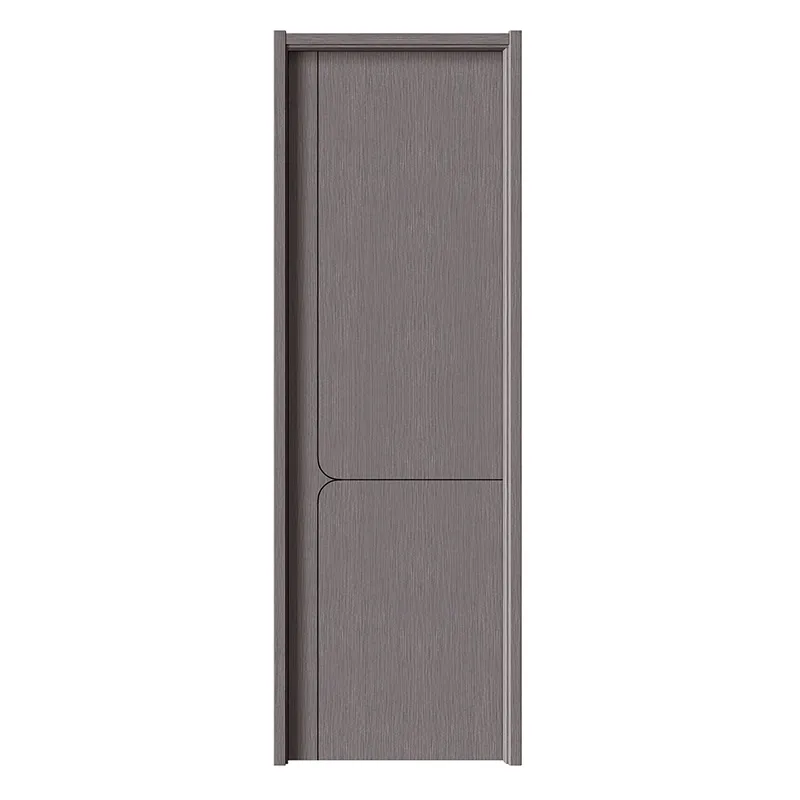

Best Sellingproducts
Best Selling Products-
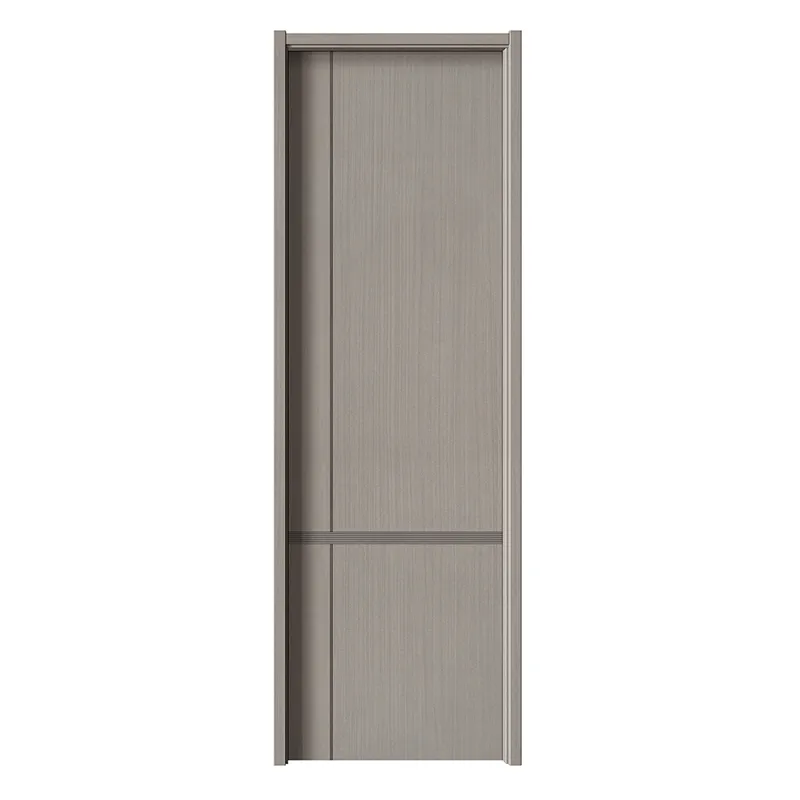 YST-1013 Door Cloud Walnut 1
 -
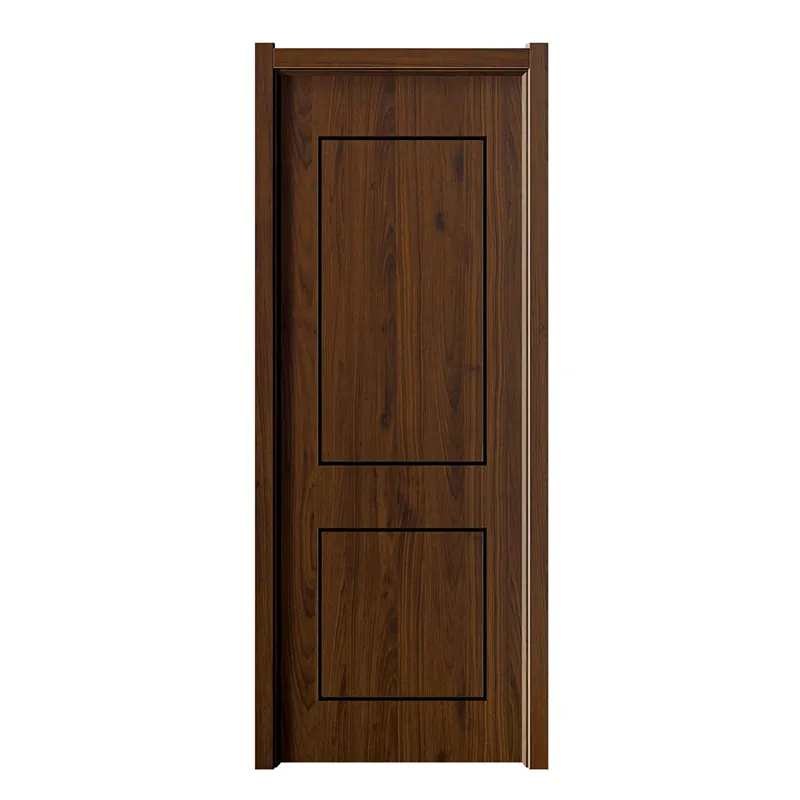 YST-WPC2 Door
 -
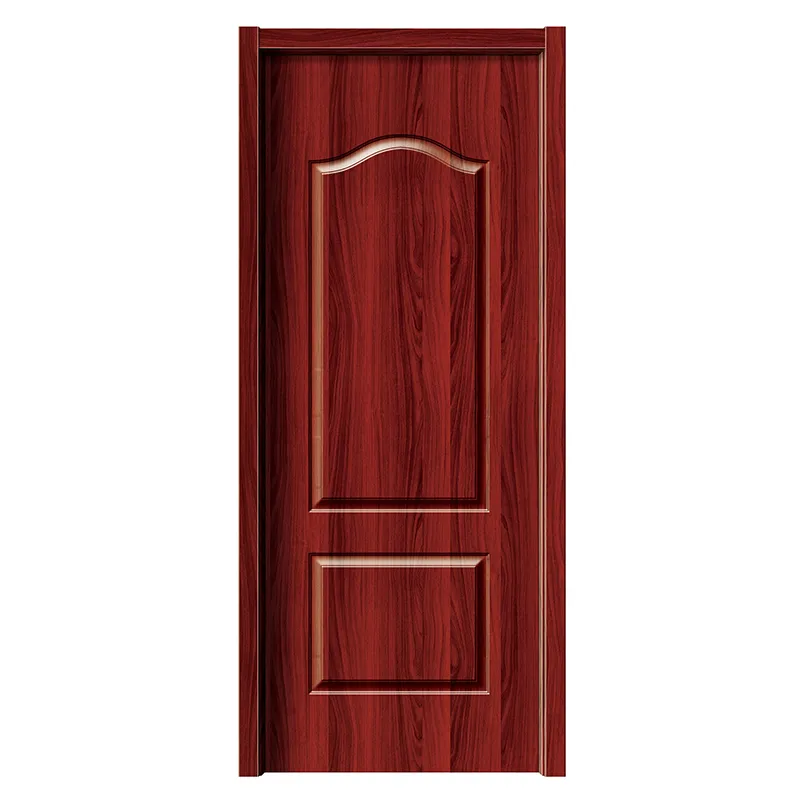 YST-207 Door Red team
 -
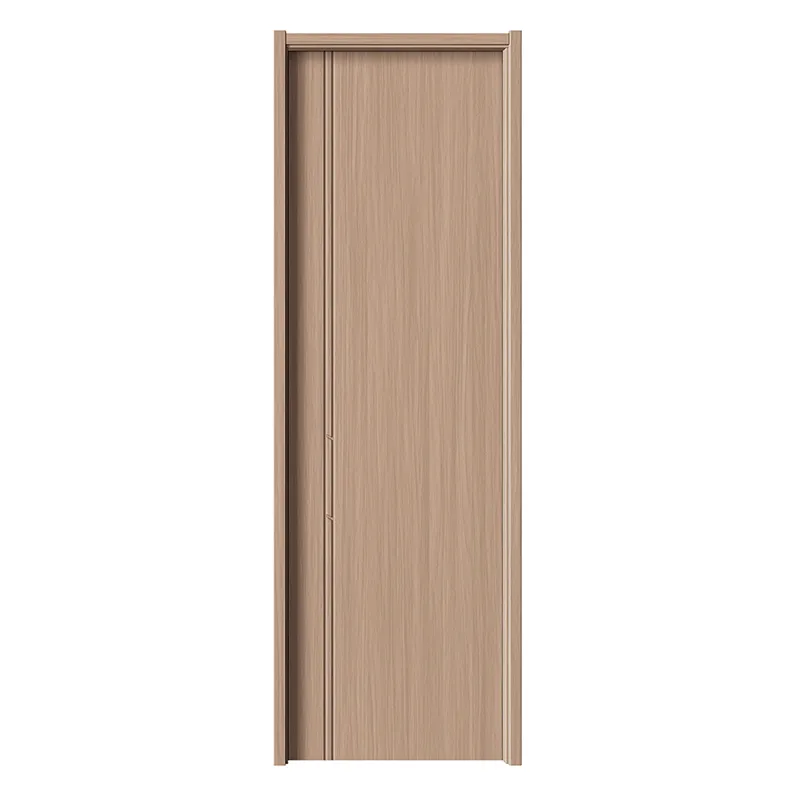 YST-1009 Door Translucent light shade 1
 -
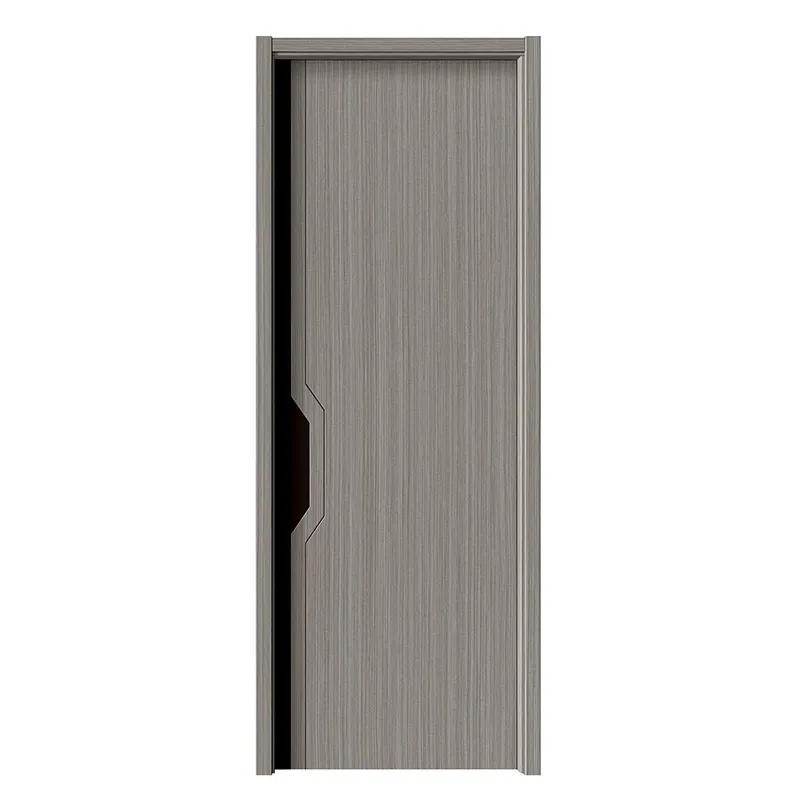 YST-1007 Technotree Door 2
 -
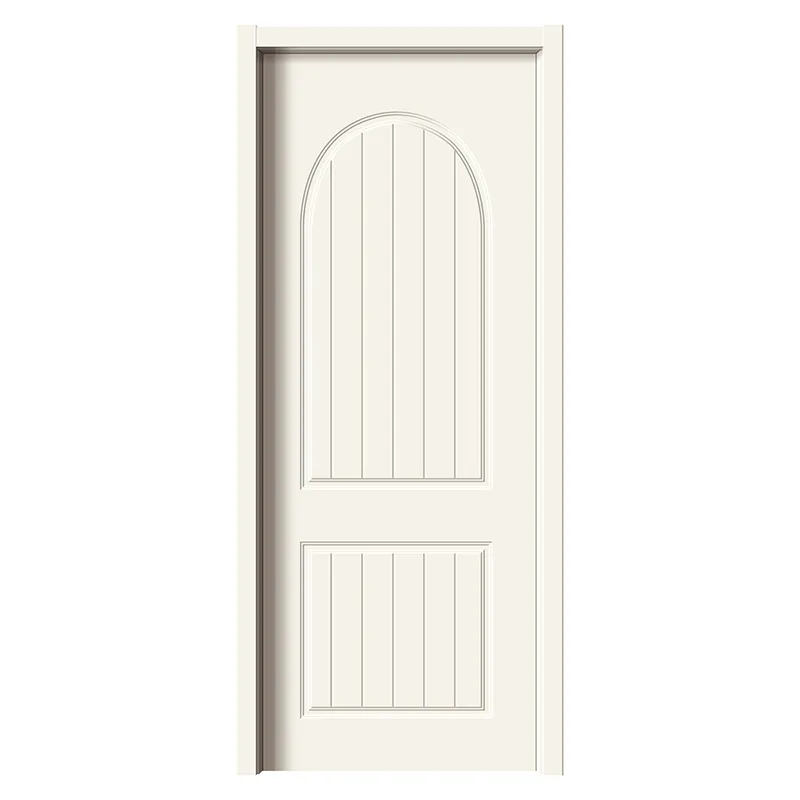 YST-236 Door White ivory
 -
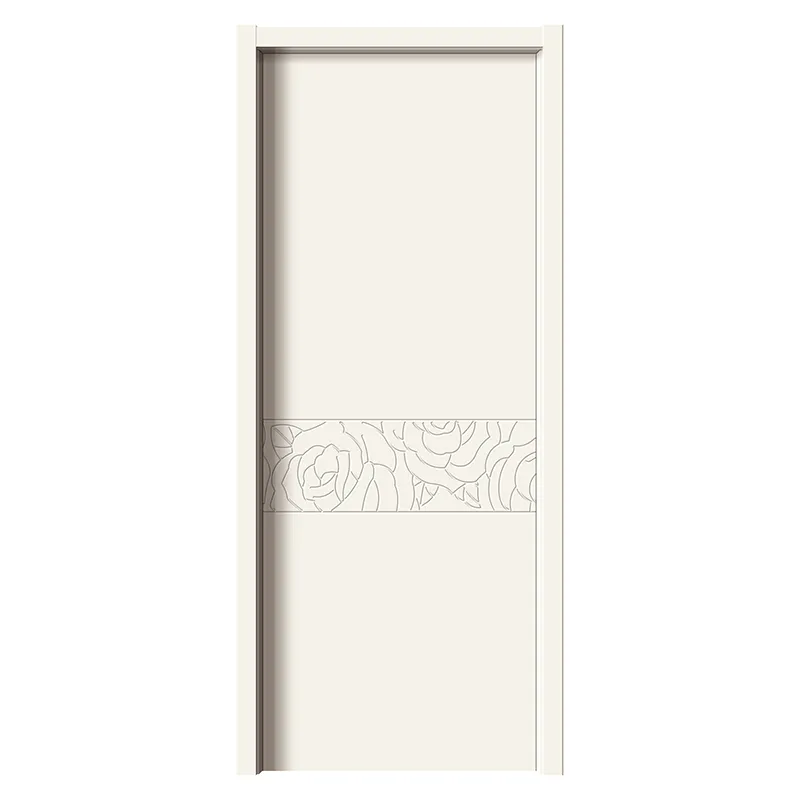 YST-238 Door White ivory
 -
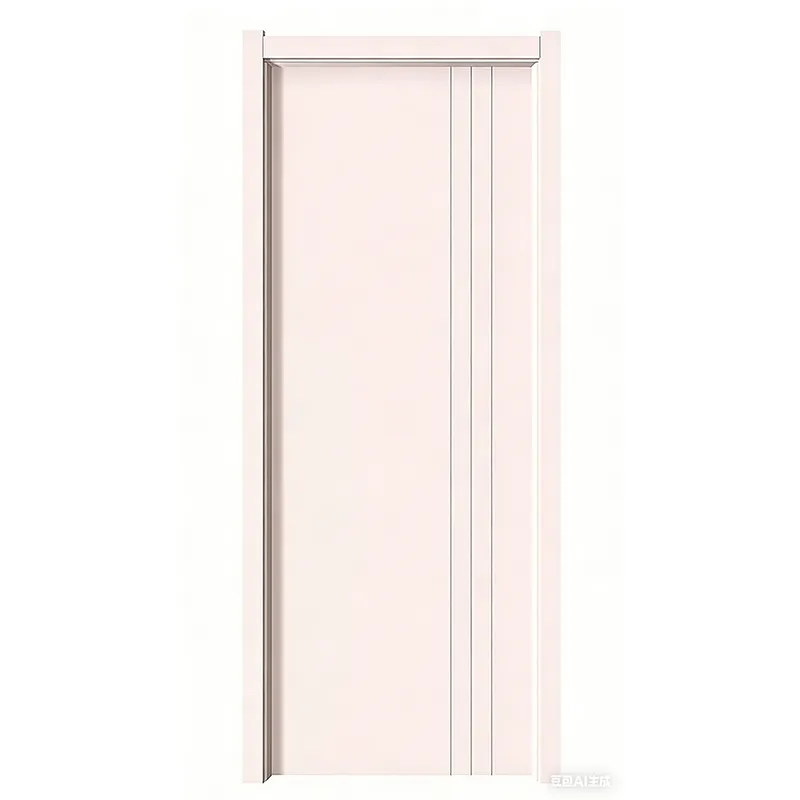 YST-WPC4 Door
 -
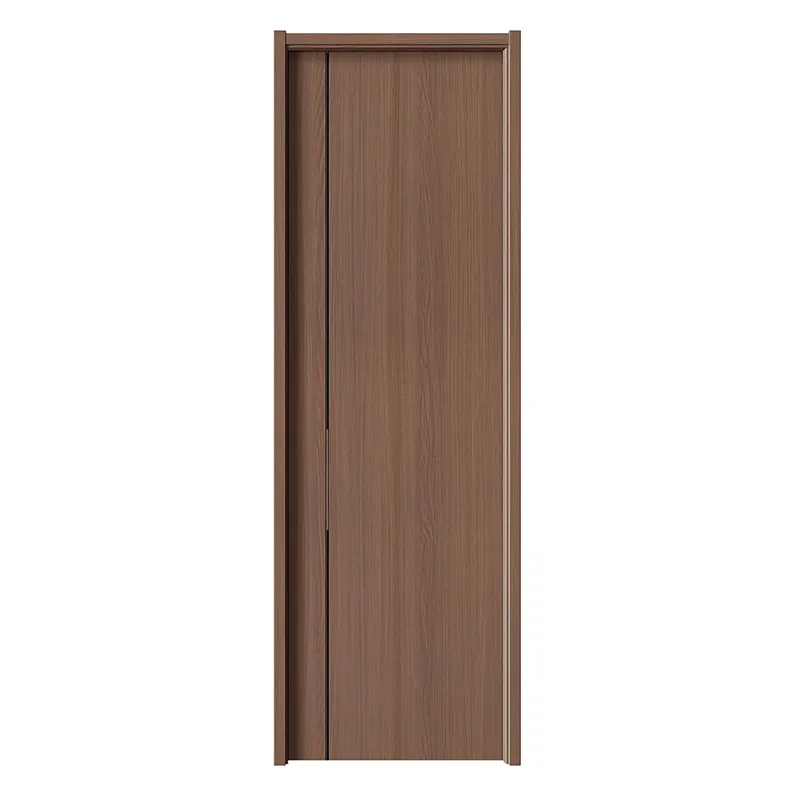 YST-1043 Door Techno-walnut 3
 -
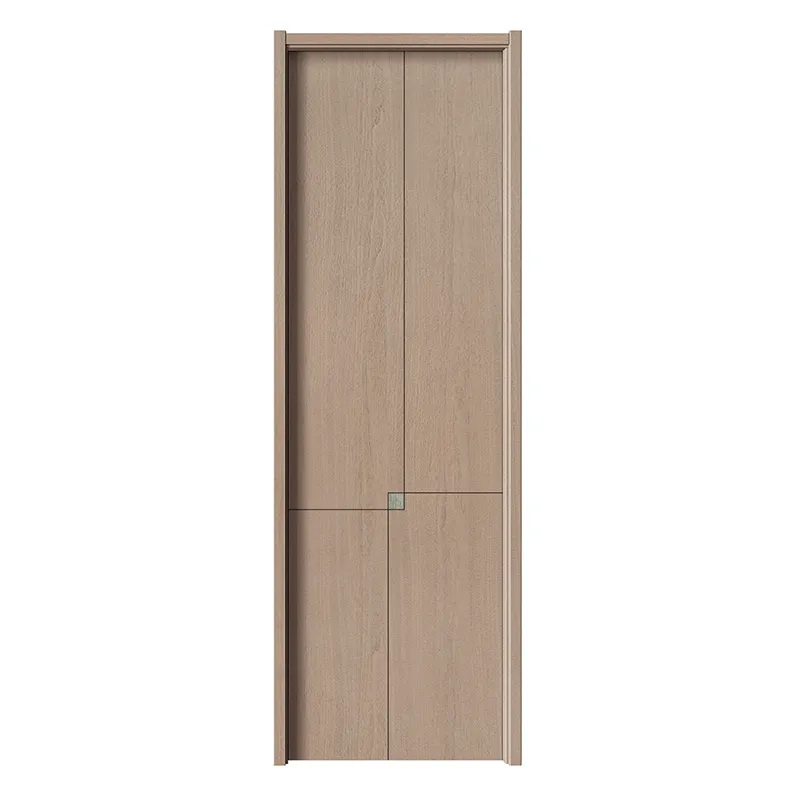 YST-1008 Door Natural walnut 2
 -
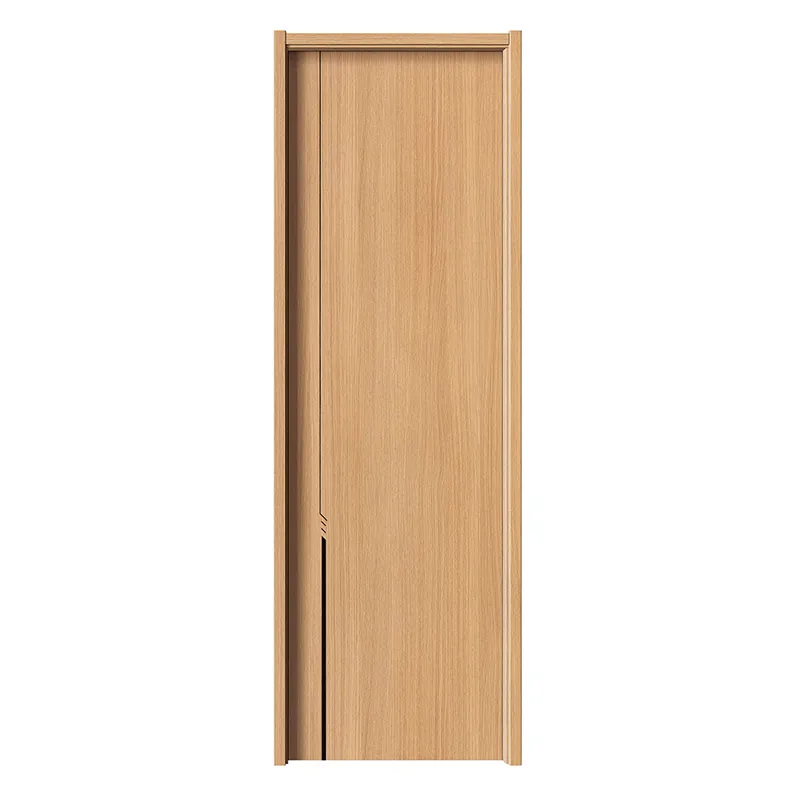 YST-1041 Door Oak Shutter
 -
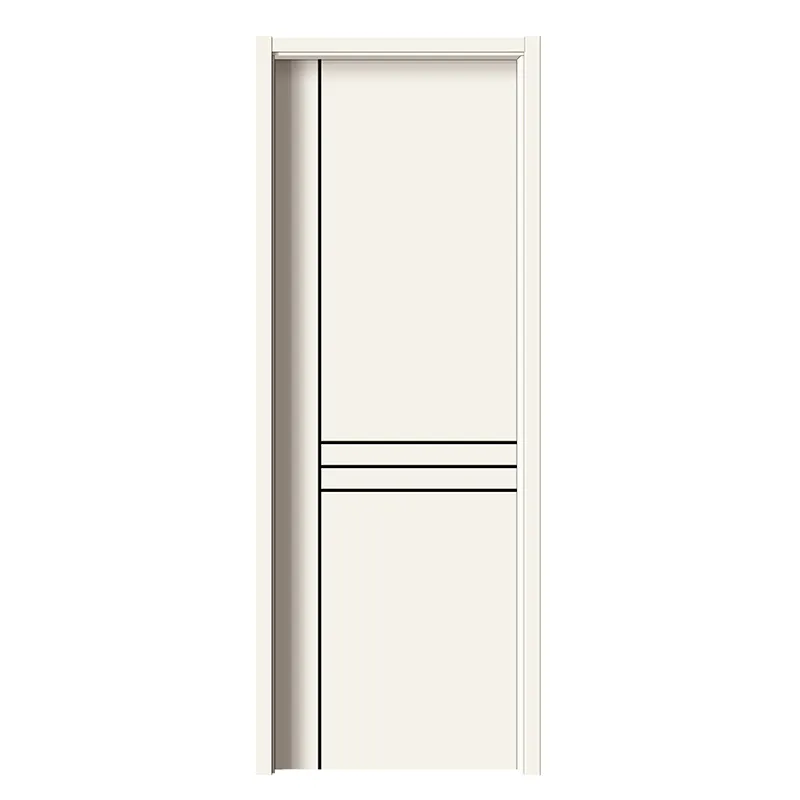 YST-220 Door Warm white