




Wooden loft door
When they say “loft wooden door,” many people immediately imagine something rough, unprocessed, with visible knots and traces of a milling cutter—a kind of industrial in its purest form. But in reality, this is a common misconception. Loft is not only about rough texture, it is primarily about space, light and the feeling of the material. And the door here is not just a partition, but an important element that can either connect or break the visual history of the interior. Too often I see projects where a door is chosen only from a picture, without thinking about how it will work in real life: how the array will behave under conditions of humidity changes in an apartment with panoramic windows, whether the sash will be too heavy for the sliding system that you so want to install in the opening of an old brick building. This is where I’ll probably start.
What is really hidden behind the term?
Marketing aside, thenwooden loft dooris essentially a solid wood door whose design references an industrial or post-industrial aesthetic. But the key word is “refers”. This is not necessarily a rough board made from an unplaned board. More often than not, this is a carefully designed product, where is the ?roughness? controlled and safe. For example, brush processing is popular. (brushing), when the soft fibers of wood are scraped out, leaving a textured but pleasant-to-touch surface. Or a combination of smooth and textured planes in one canvas.
Material is a different story. Oak, ash, walnut - classics. But for a real loft they often take more “characteristic” ones. species like elm or even heat-treated pine, which becomes more stable and takes on a deeper shade. It is important to understand: the array is a living material. In the dry air of a heated loft apartment, even the highest quality laminated timber can experience minimal shrinkage. Therefore, not only the type of wood is critically important, but also the technology for its preparation and gluing. Here I always look at manufacturers who openly talk about humidity and drying stages. Like for exampleAnhui Wantai Woodworking Co.,Ltd— their materials often emphasize control at all stages, from raw materials to final control. These are not empty words, because without this, the door to the next season may bring a surprise.
And one more nuance - accessories. Hinges and handles forloft doors- This is not an addition, but part of the concept. A massive sash requires appropriate hinges, often hidden or, conversely, deliberately industrial - in the form of hinges. It is a mistake to install a heavy oak door on standard card hinges. They won't stand it, there will be a distortion. I had to redo it.
Errors when integrating into space
The most common problem is scale dissonance. The high ceilings of the loft allow you to install double doors or simply high doors. But the customer, saving money, sometimes chooses a standard height, “finishing off” plasterboard opening. Visually, this kills the whole idea of space. The door should either fit neatly into an existing opening made of old brick or concrete, or, if the opening is new, be absolutely dominant in shape - right up to the ceiling. Otherwise, it becomes just a functional filler rather than a design element.
The second mistake is ignoring sound insulation. Loft spaces are often open, and the door to the bedroom or office is the only barrier. A solid array is good in itself, but if the canvas is made with large gaps “for lightness”, or thin glass is used (if it is in the design), then you can forget about silence. Here you need to either install special sealing contours that will not spoil the appearance, or initially design a more massive structure. On the websiteanhuiwantai.ruin product descriptions I often see an emphasis on the “combination of aesthetics and practical characteristics?” - this is exactly about the kind of compromise solutions that are actually needed.
And color. Loft does not necessarily mean dark. Now there is a huge demand for doors in light colors - bleached oak, gray patina. But! Applying a coating to a relief surface is aerobatics. If the stain or oil is applied unevenly, all defects are immediately visible. We need a manufacturer with an established painting process. I remember a case when they brought a batch of doors made to look like old concrete? — the color fits perfectly on the smooth parts, and in the furrows of the “brushing” gathered himself and darkened. I had to return it.
Production nuances that are only visible in action
When you talk to a client aboutwooden doors in loft style, he rarely thinks about what “end finishing” is. And this is important. The ends are the most vulnerable place; moisture is absorbed through them the fastest. A good manufacturer always covers the ends of the canvas and the box with the same protective composition as the front parts, and often with a more durable one. If this is not done, microcracks may appear over time.
Another point is the box mounting system. In old lofts, the walls are rarely even. A standard box may simply not stand up, or it may require a gigantic volume of polyurethane foam, which will then get in the way. Some manufacturers and I know thatAnhui Wantai Woodworking Co.,Ltdis working on such solutions, offering boxes with adjustable elements or reinforced anchors specifically for complex openings. This is not the detail that is written in the advertisement, but it decides on site.
And, of course, glass. If there is glazing in the door, then in a loft it is rarely simple and transparent. Dull (matte), corrugated, with a metallic pattern, with powder coating around the edge - there are many options. But there is a pitfall here - fixing the glass. In a solid wooden sash, you cannot simply insert the glass into the groove and place it on the glazing bead. We need a shock absorption system that compensates for the different thermal expansion of wood and glass, otherwise cracks and creaks will appear in a year or two. This is worth paying attention to when choosing.
Working with suppliers: personal experience
Previously, we often worked with local workshops - you could come, look at the workpieces, and discuss the details. Now there are many worthy offers on the international market. For me there is only one criterion: transparency of processes. If the company’s website has not only beautiful pictures, but also information about production, quality control, and certificates, this is already a plus. Like, for example, the mentioned company - it is clear that the emphasis is on accuracy and quality, and not just on design. This is important for long-term projects.
But there are also difficulties. Order doors on a turnkey basis from abroad is always a story about logistics and timing. A massive canvas is a fragile load, despite its strength. One dent on the edge and installation is delayed for weeks until a replacement arrives. Therefore, now we always include an additional month in the deadlines for possible risks and require detailed photos of the packaging from the supplier before shipping.
And the last thing is documentation. A good supplier always provides not only specifications, but also recommendations for installation and maintenance specifically for their products. Because a door made of thermo-ash and a door made of solid oak can behave differently under the same conditions. The presence of such instructions is a sign of a serious approach. In my opinion, it is precisely such details, and not loud slogans, that distinguish a product that simply stands in the doorway from one that becomes part of the space for decades.
Instead of a conclusion: thinking out loud
So, back to the beginning.Wooden loft door- This is not a primitive shield. It is a complex product at the intersection of design, engineering and materials understanding. Her choice is always a compromise between the desired aesthetics (brutal or sophisticated), budget, operating conditions and, most importantly, the competence of the installers. You can buy the most expensive and beautiful door, but ruin it by installing it in an unprepared opening. And vice versa - a relatively simple product, but correctly selected for a specific interior and correctly installed, will give the very effect for which a loft-style renovation is being undertaken. The main thing is not to be afraid to ask questions to the manufacturers, delve into the details and remember that a door is not a painting on the wall, it will have to work every day.
Correspondingproducts
Related Products

Best Sellingproducts
Best Selling Products-
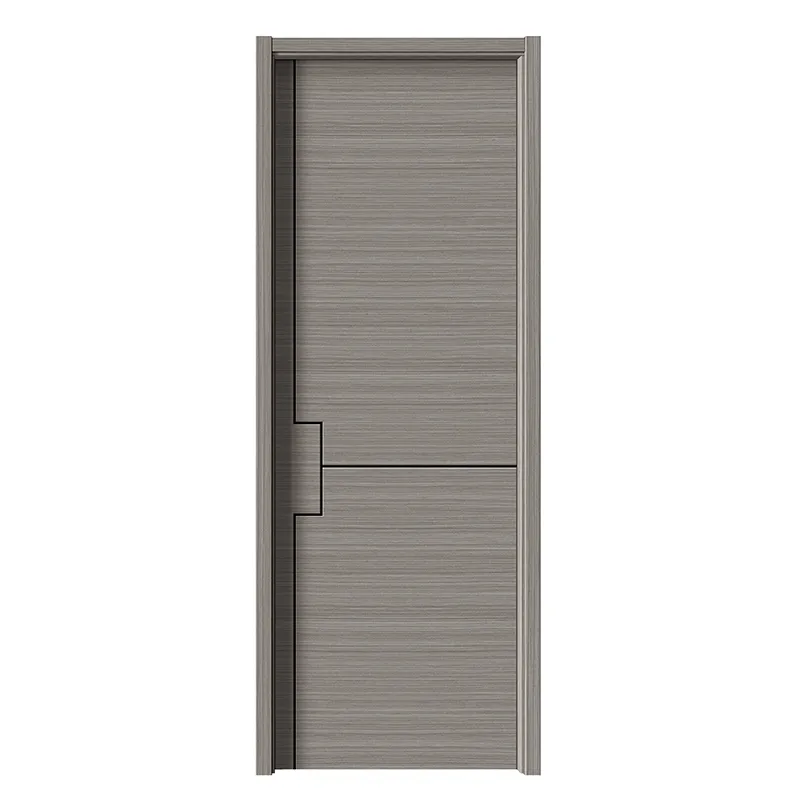 YST-1005 Technotree Door 2
 -
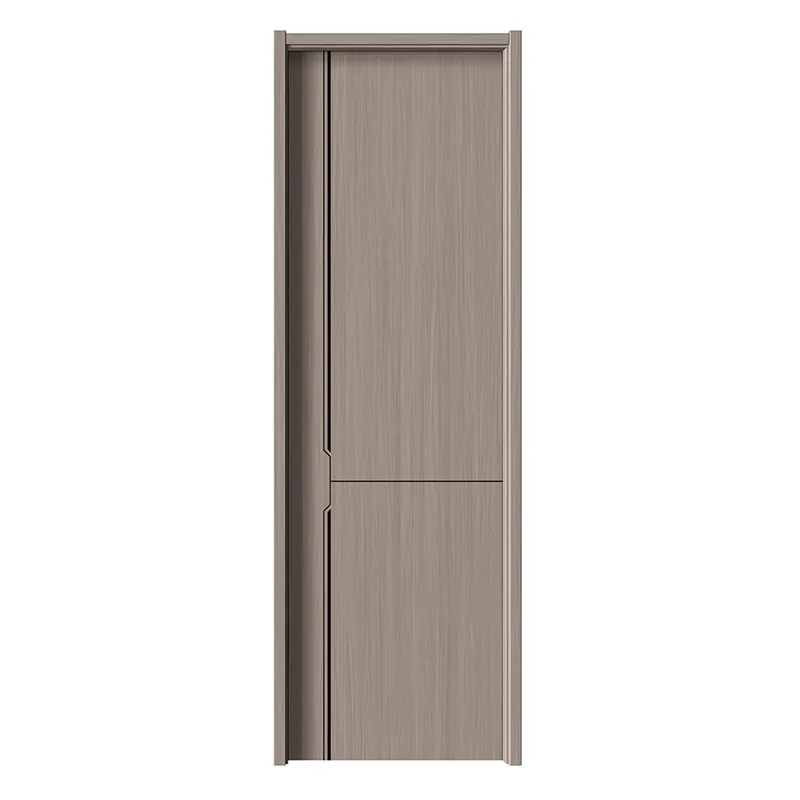 YST-1011 Door Translucent light shadow 3
 -
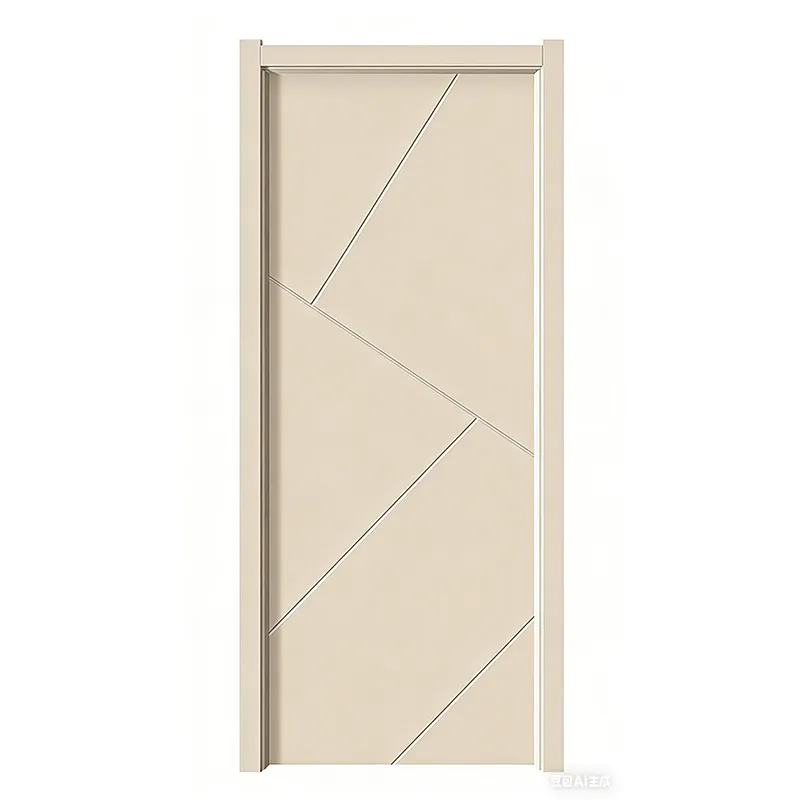 YST-WPC3 Door
 -
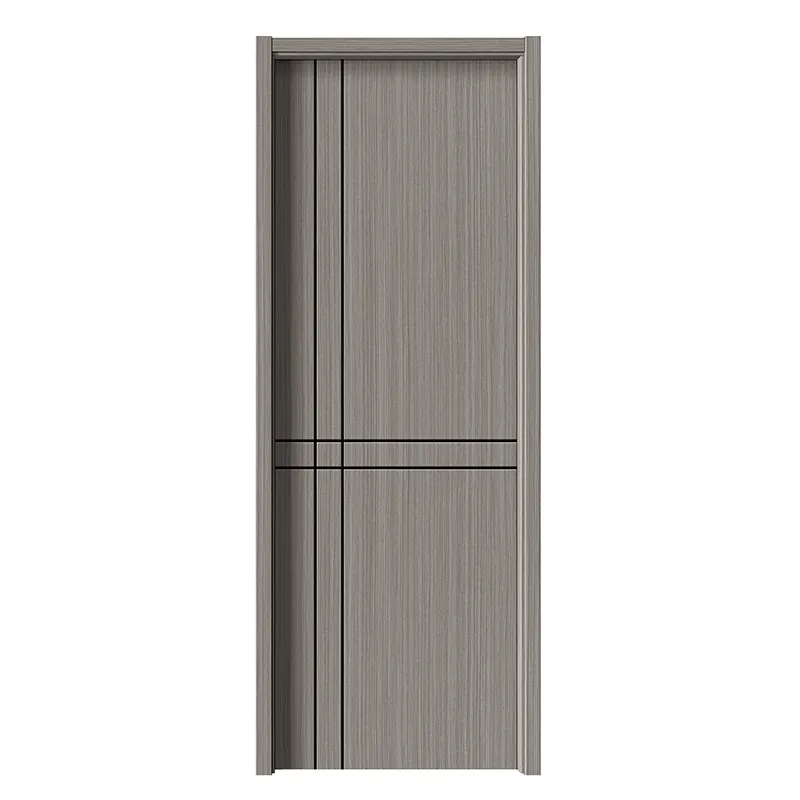 YST-1004 Door Technotree 2
 -
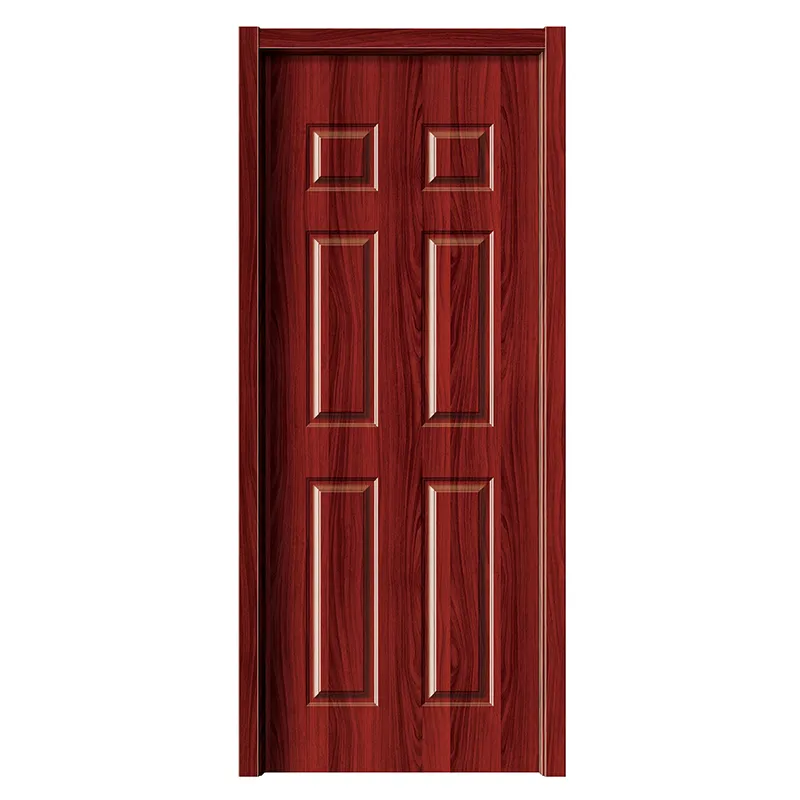 YST-201 Door Red team
 -
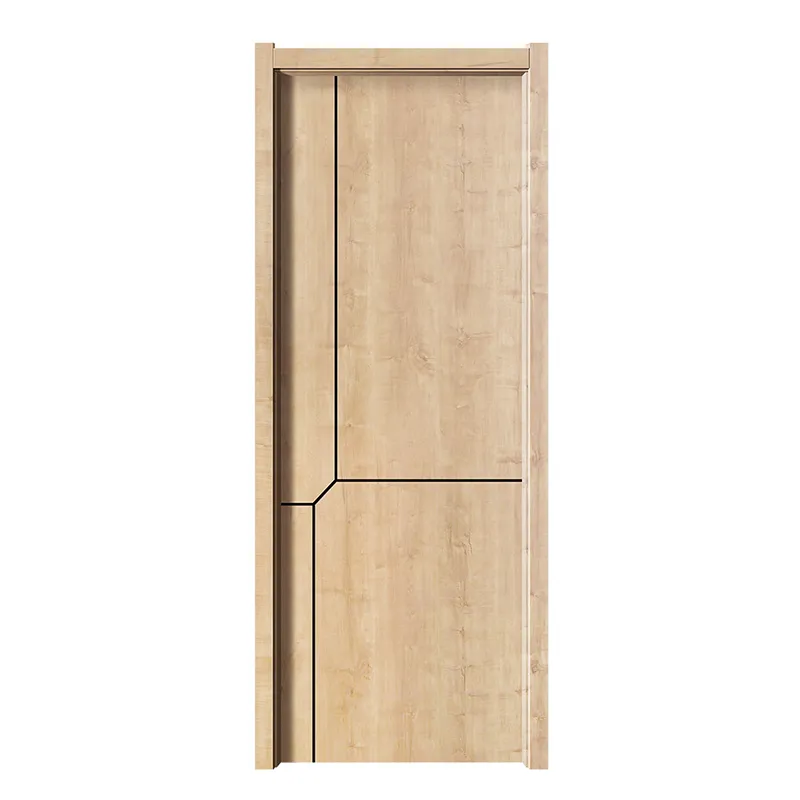 YST-WPC1 Door
 -
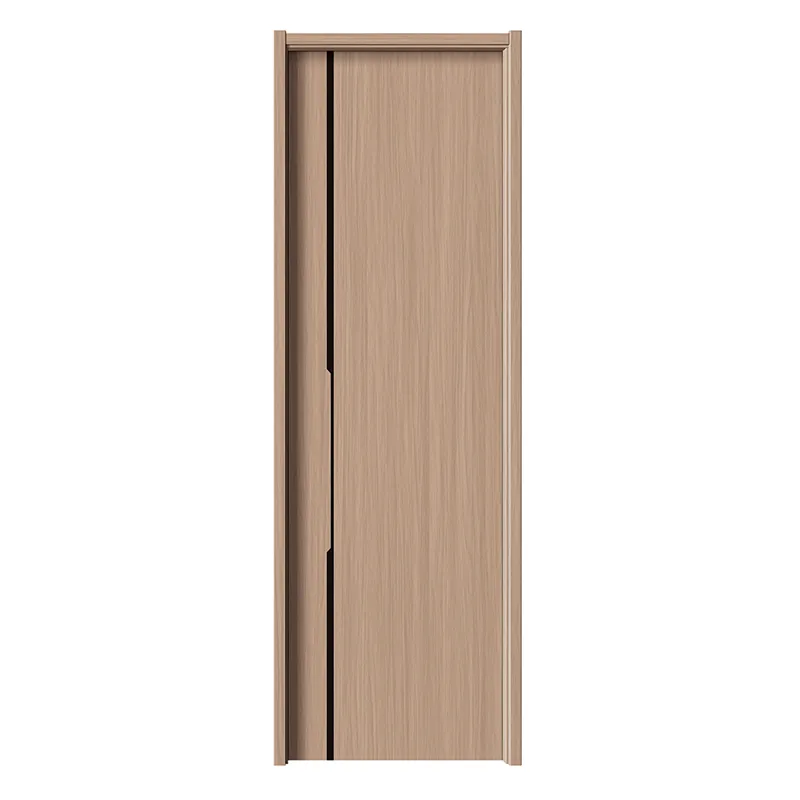 YST-1029 Door Translucent light shade 1
 -
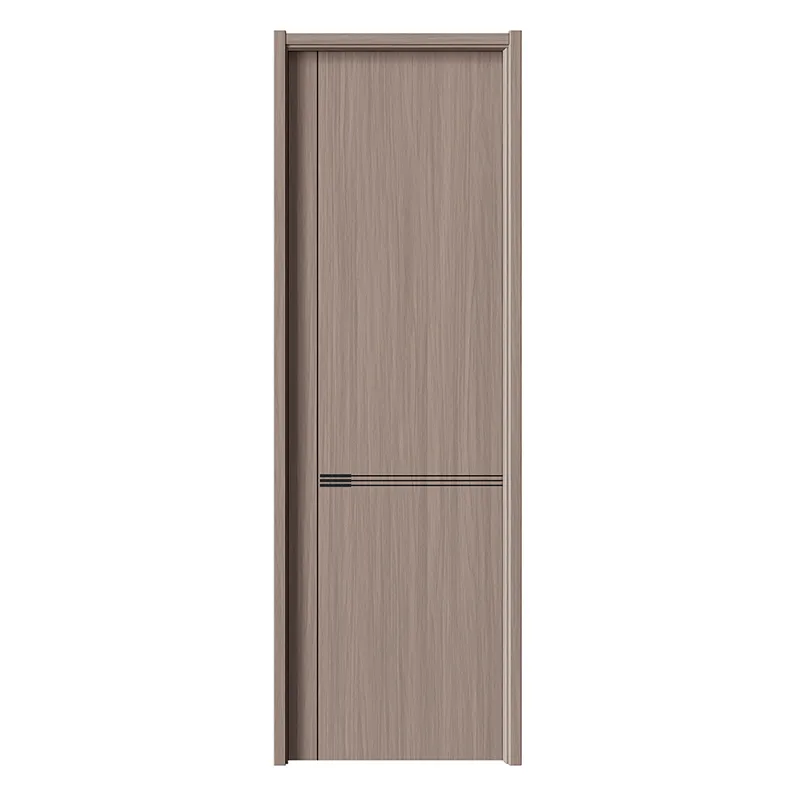 YST-1039 Door Translucent light shadow 3
 -
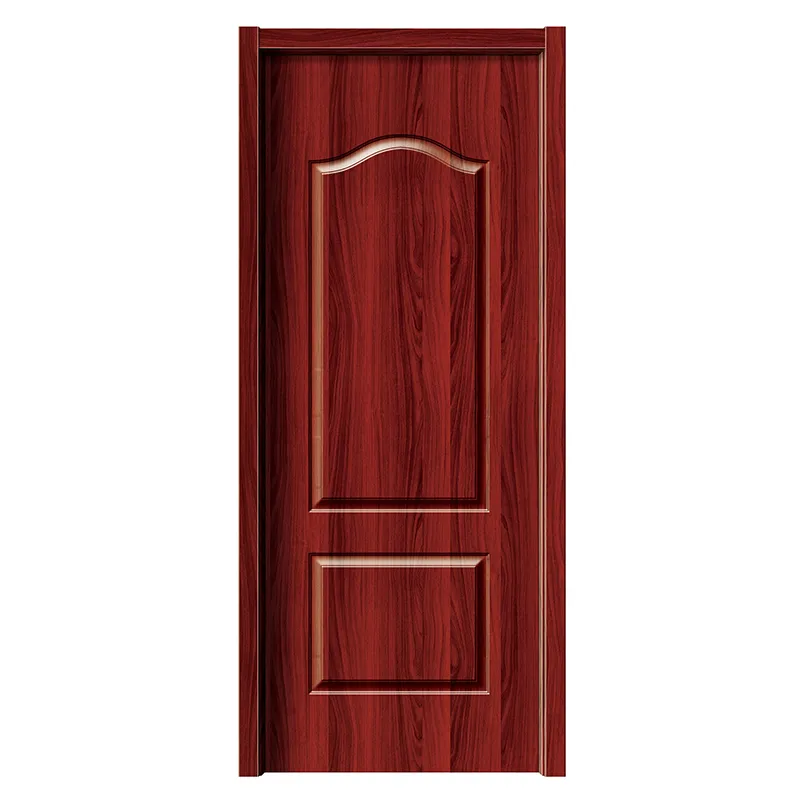 YST-207 Door Red team
 -
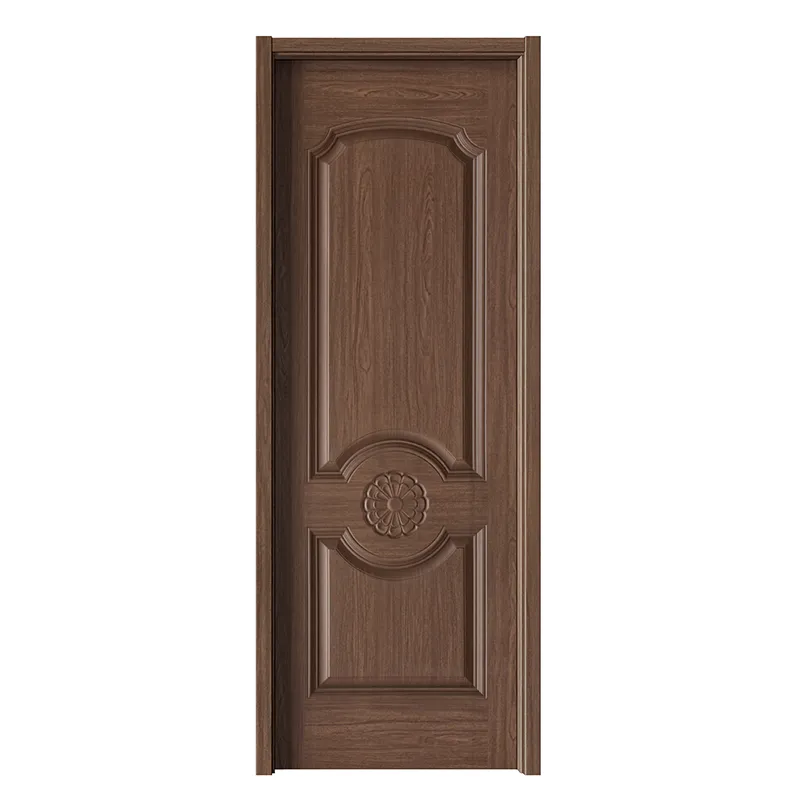 YST-212 Door North American Oak 2
 -
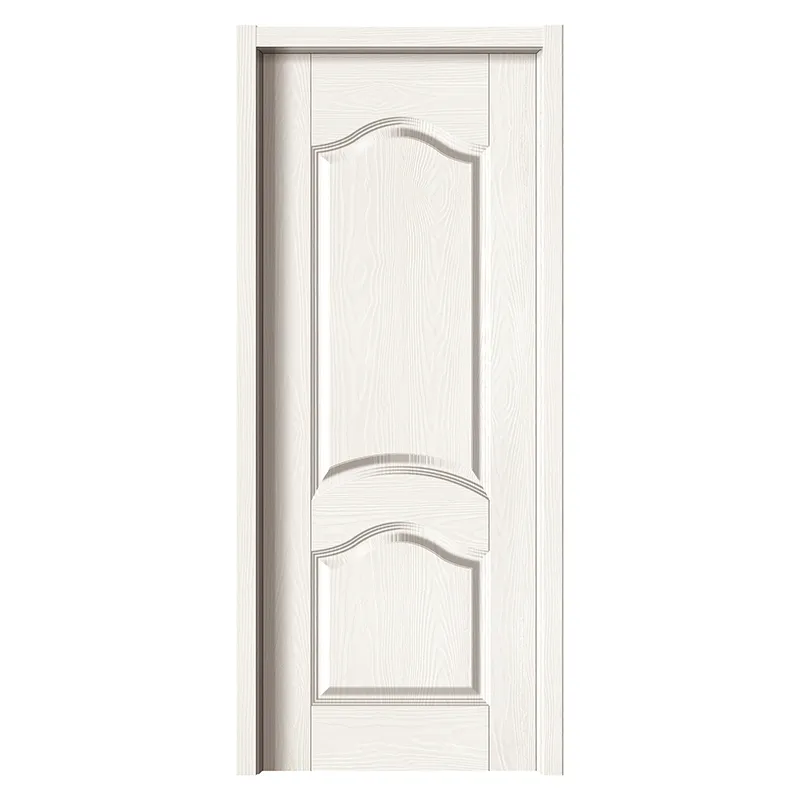 YST-224 Door Warm white with relief
 -
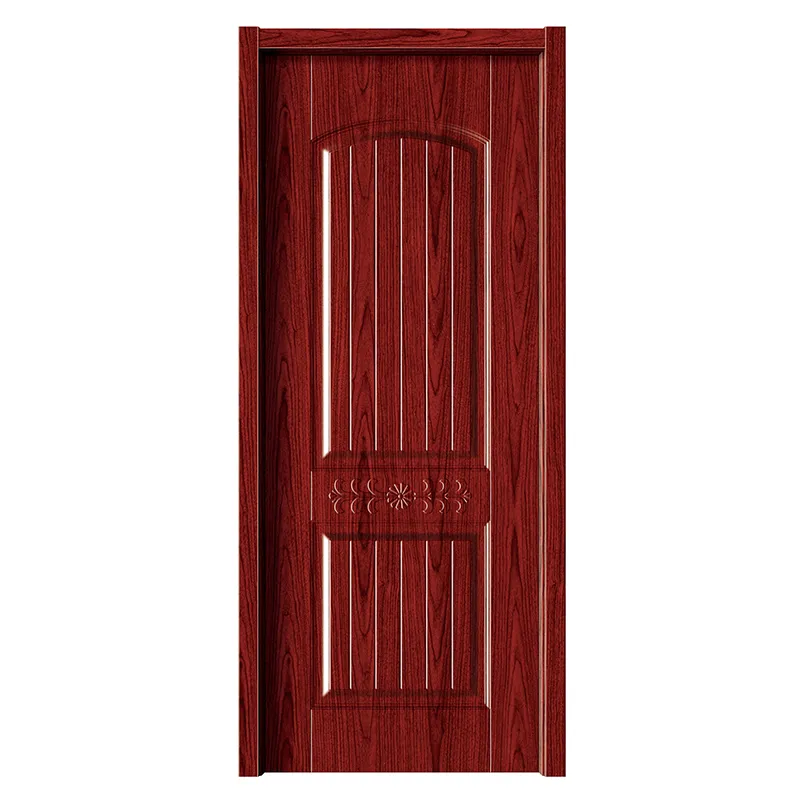 YST-233 Door Mahogany