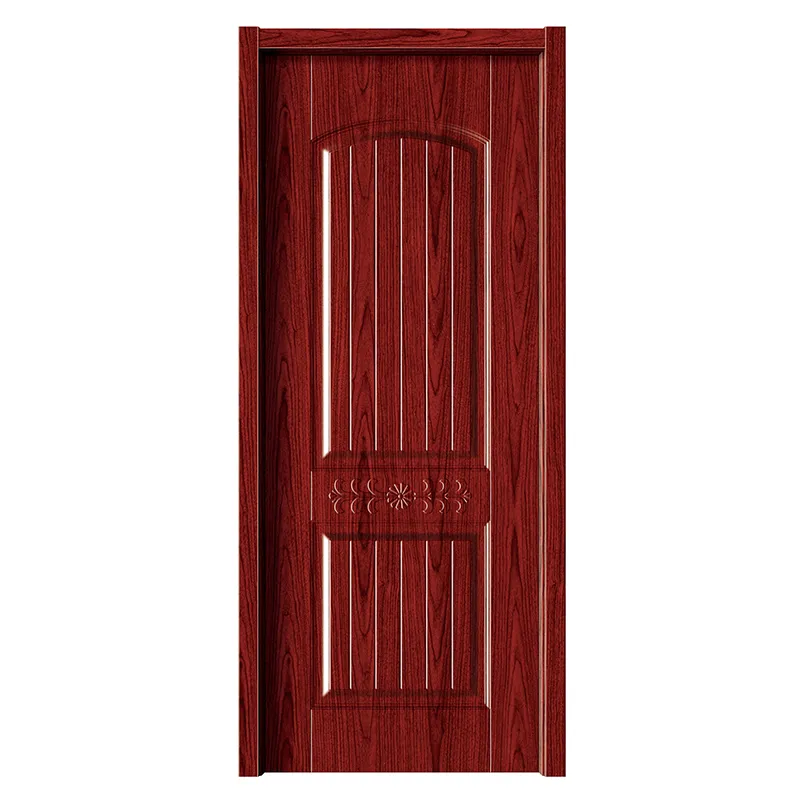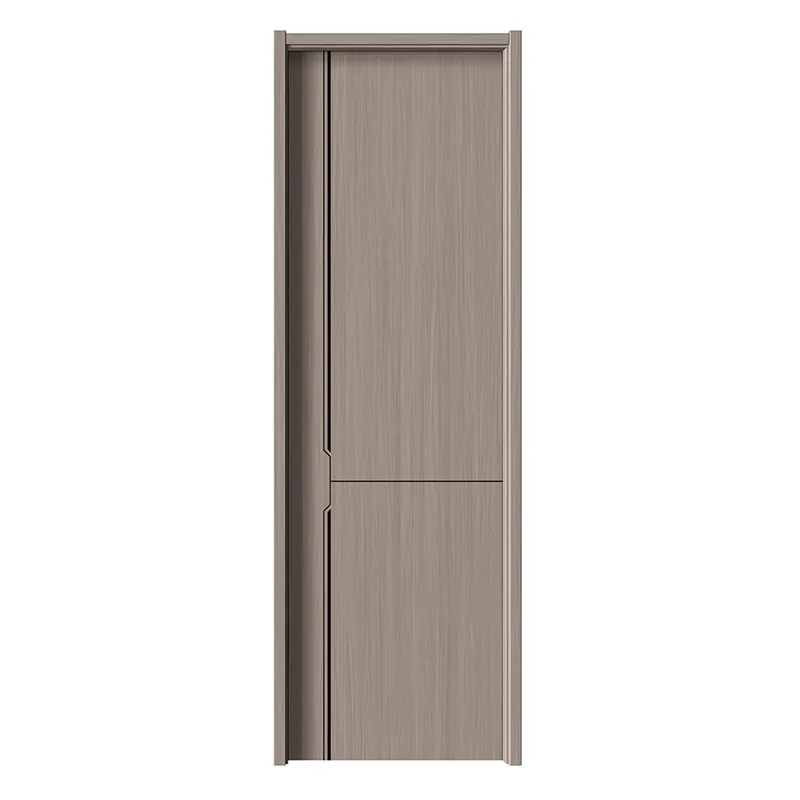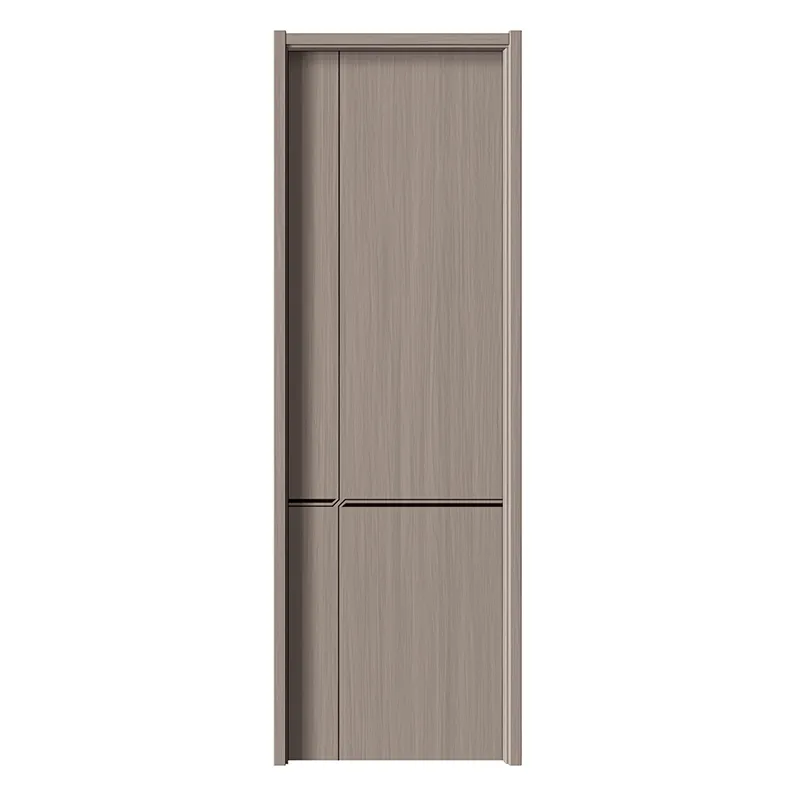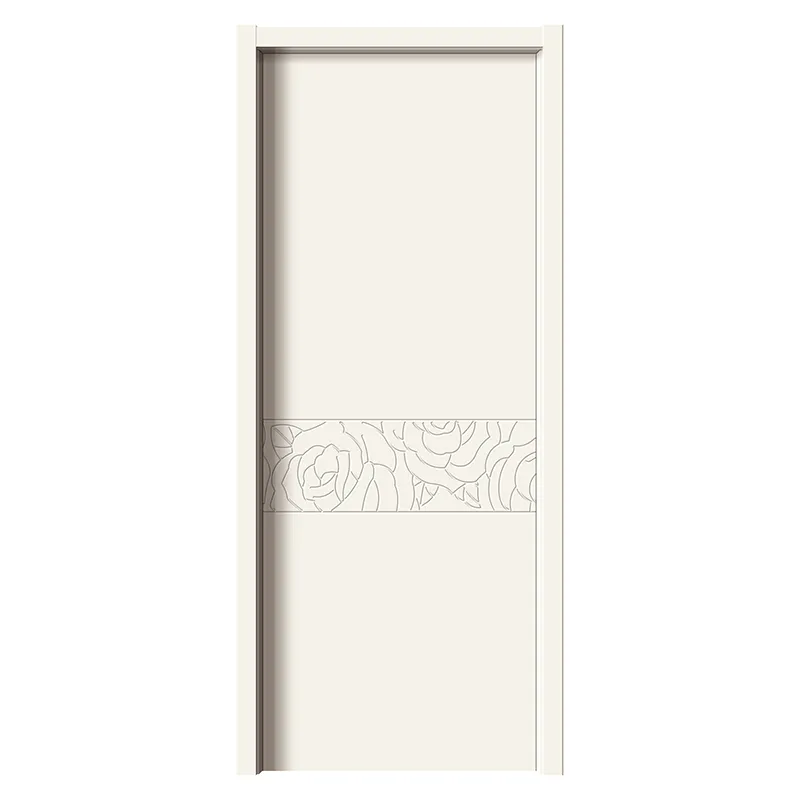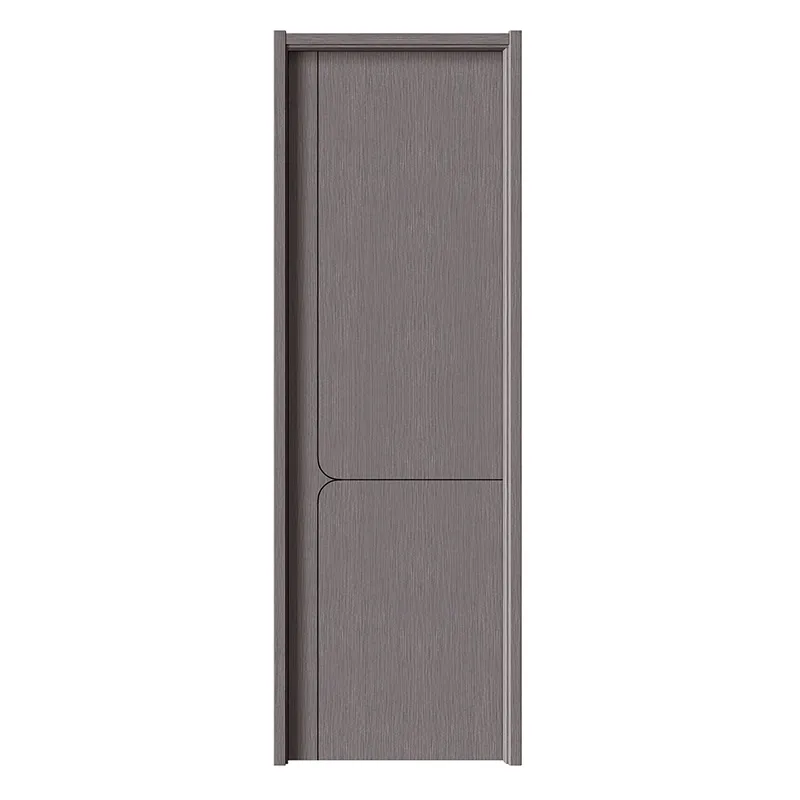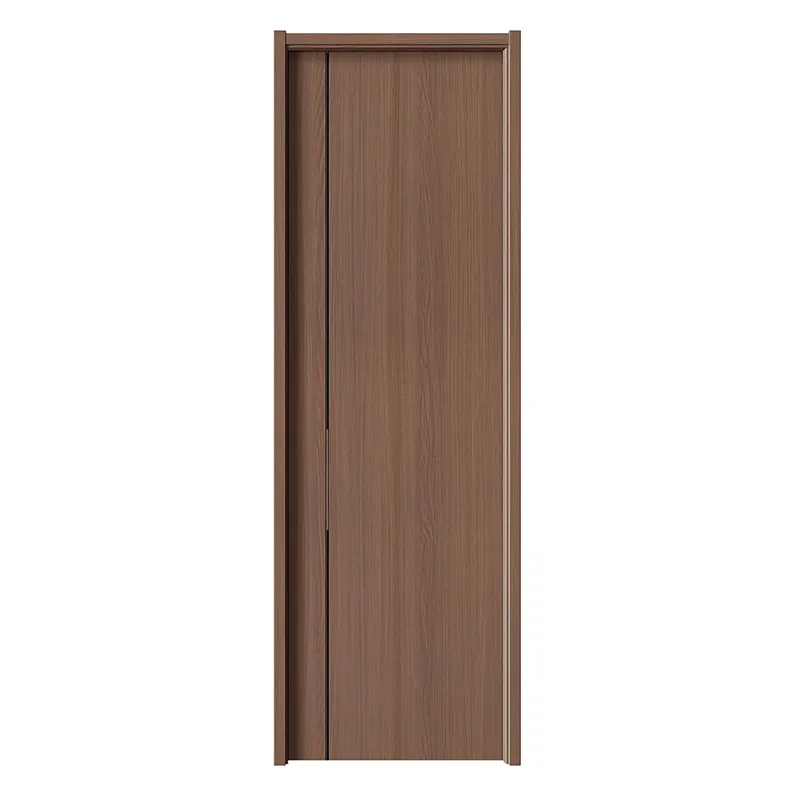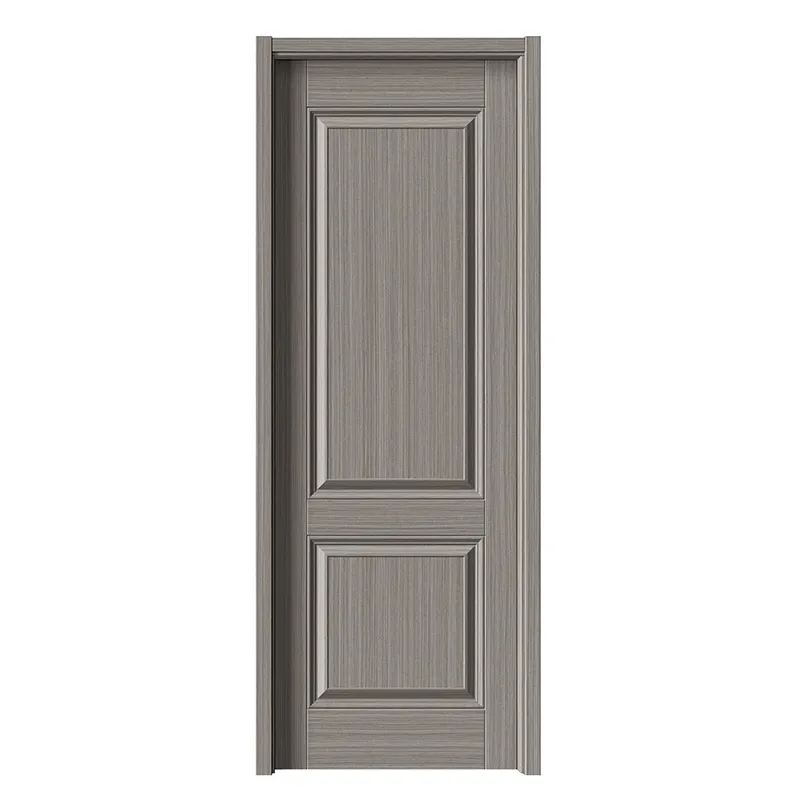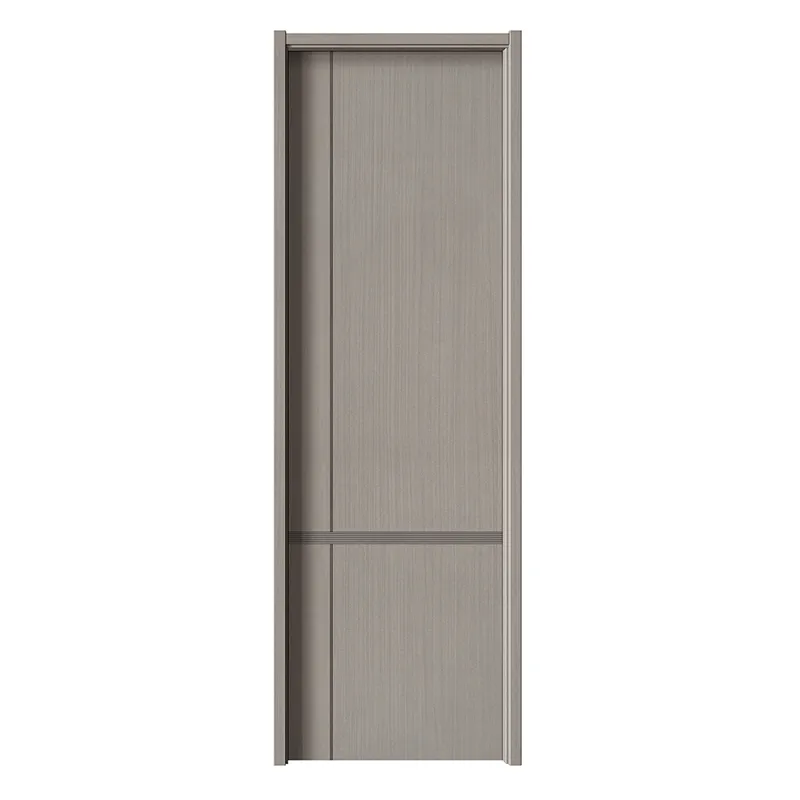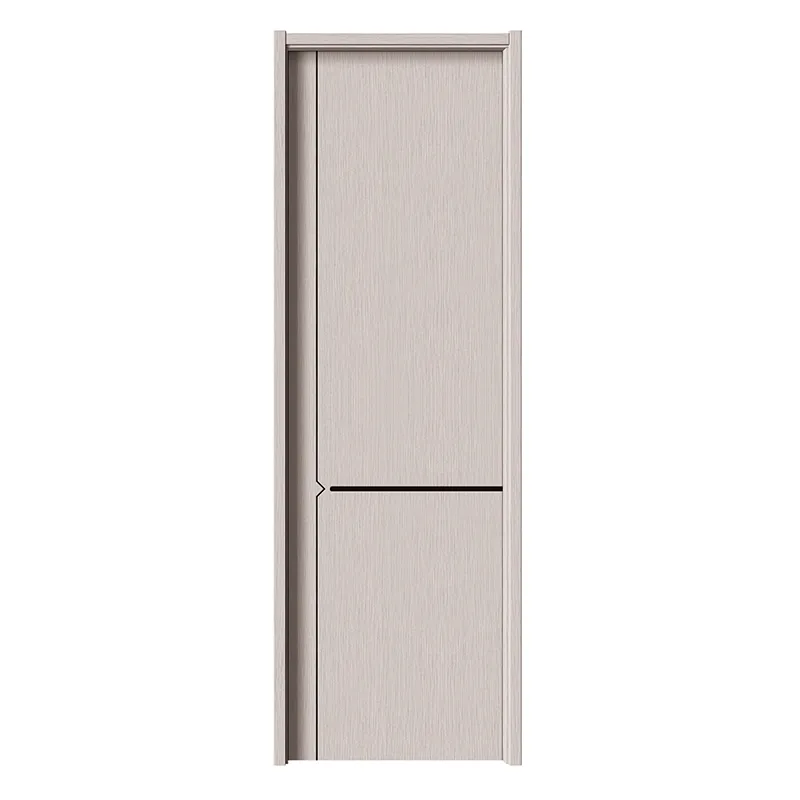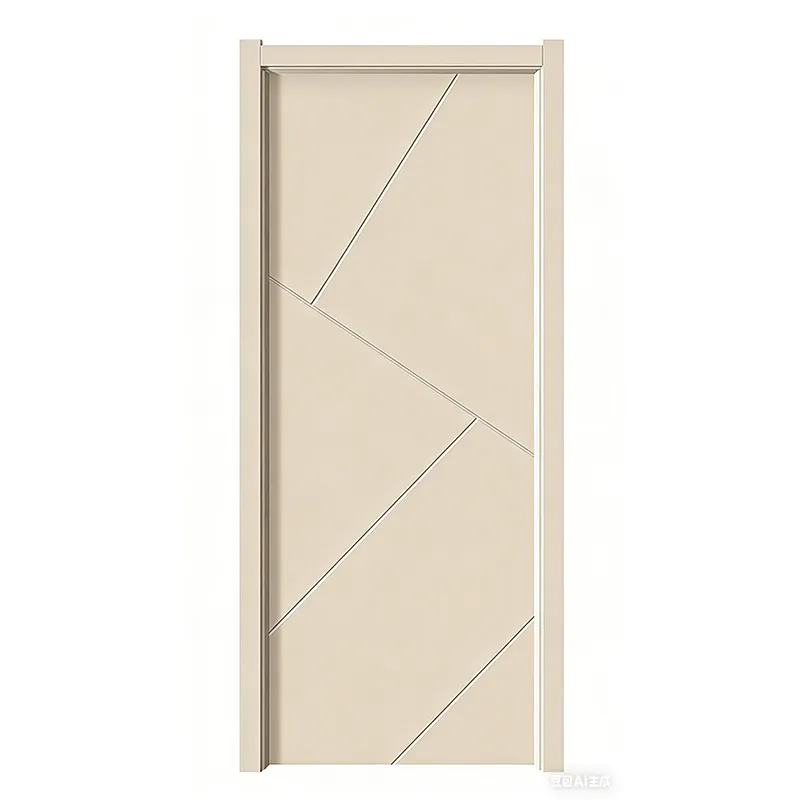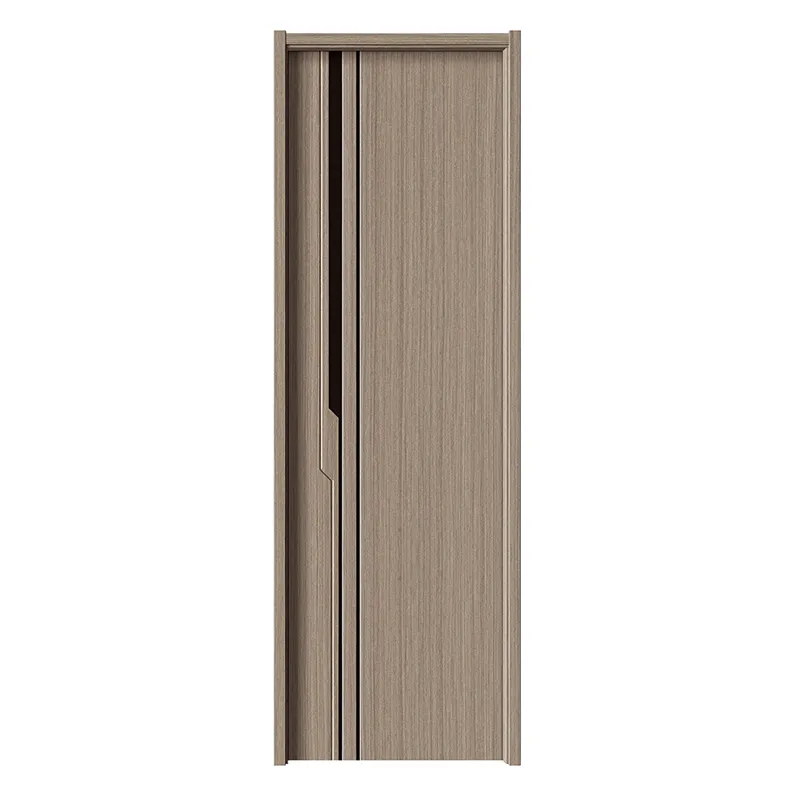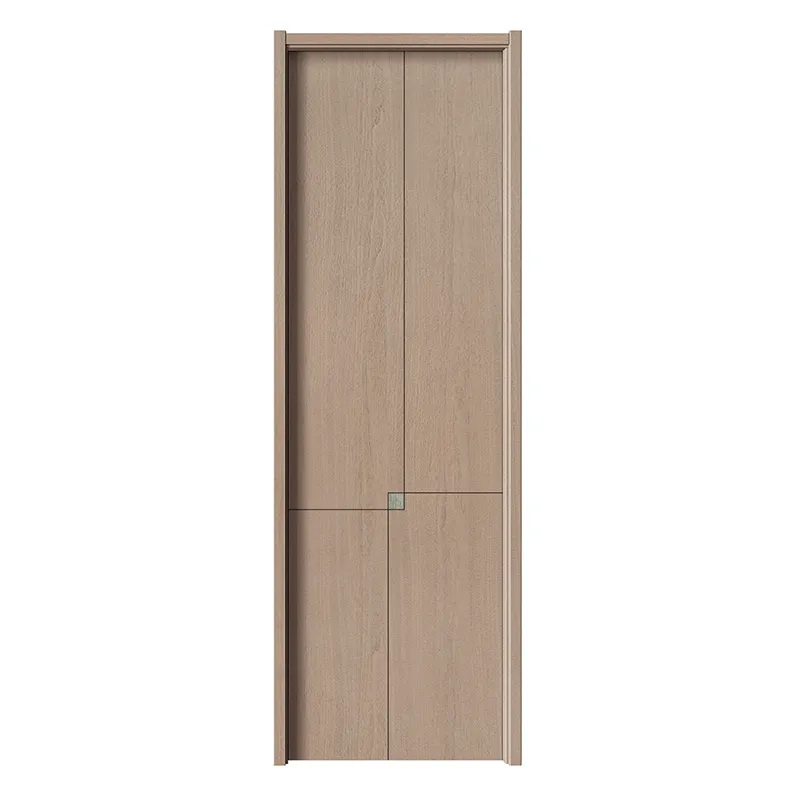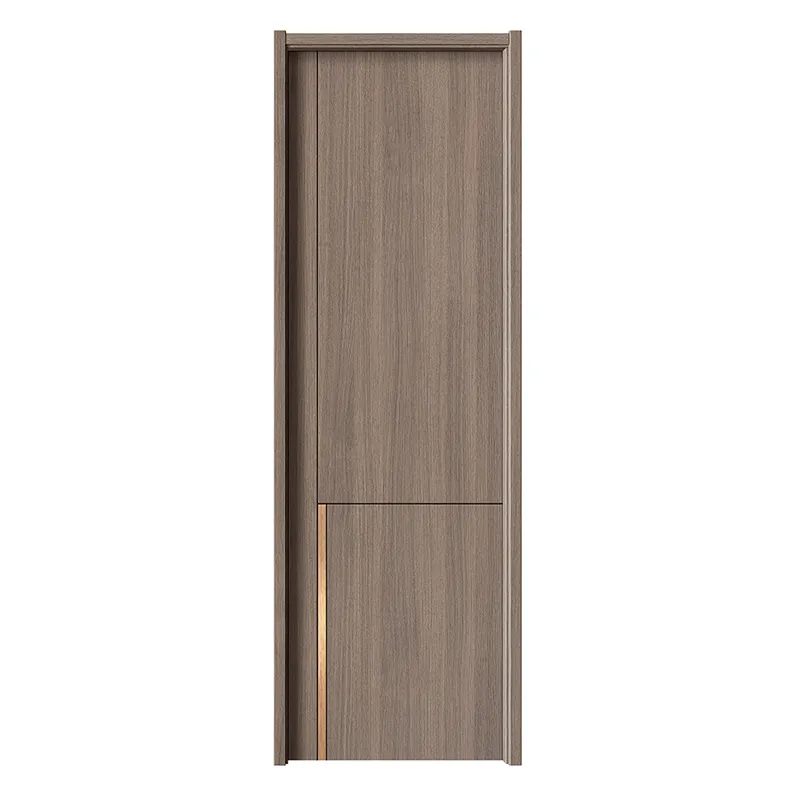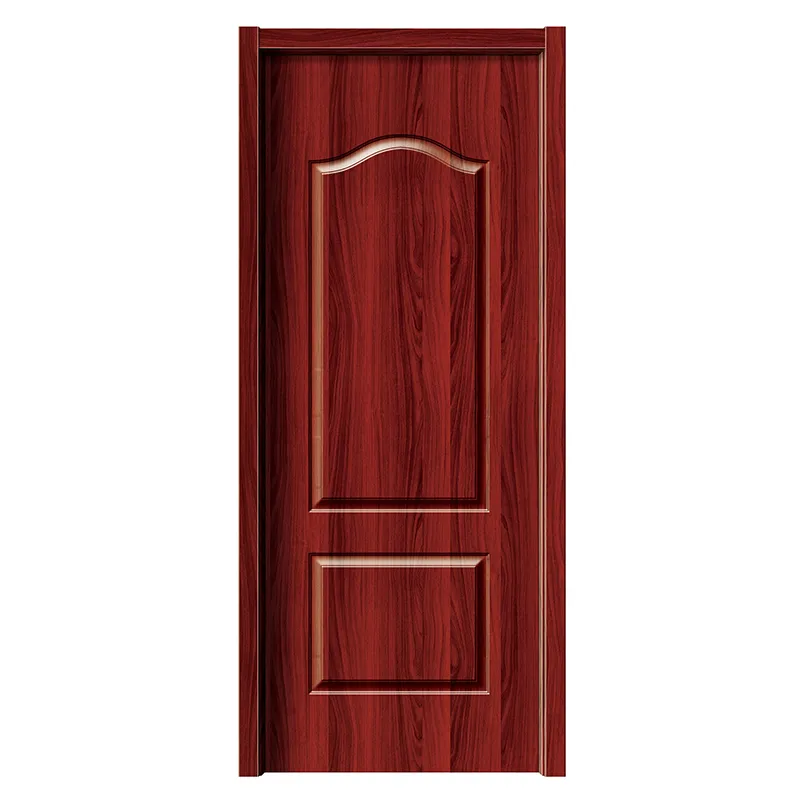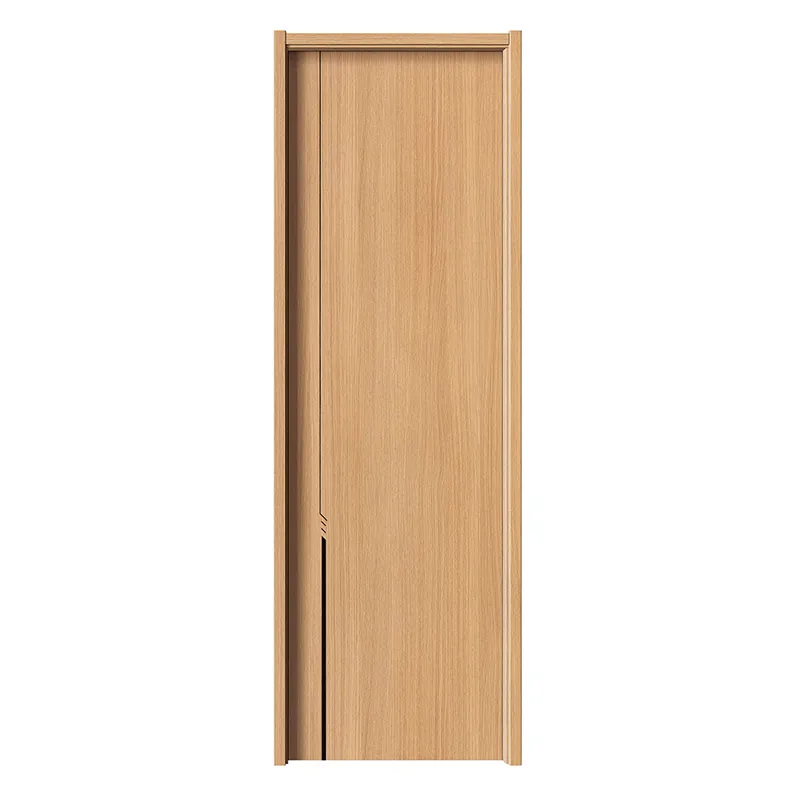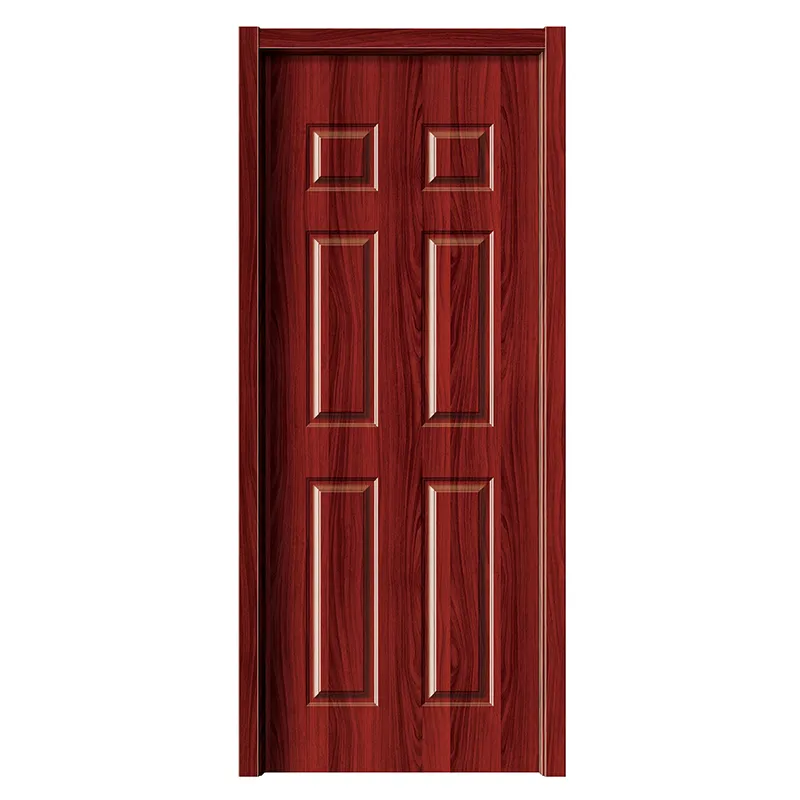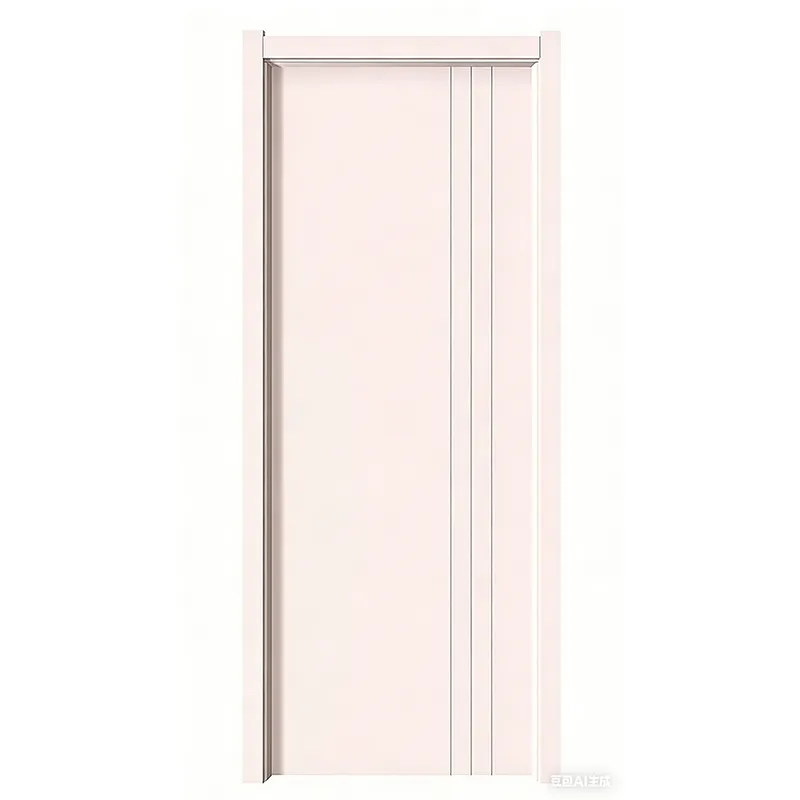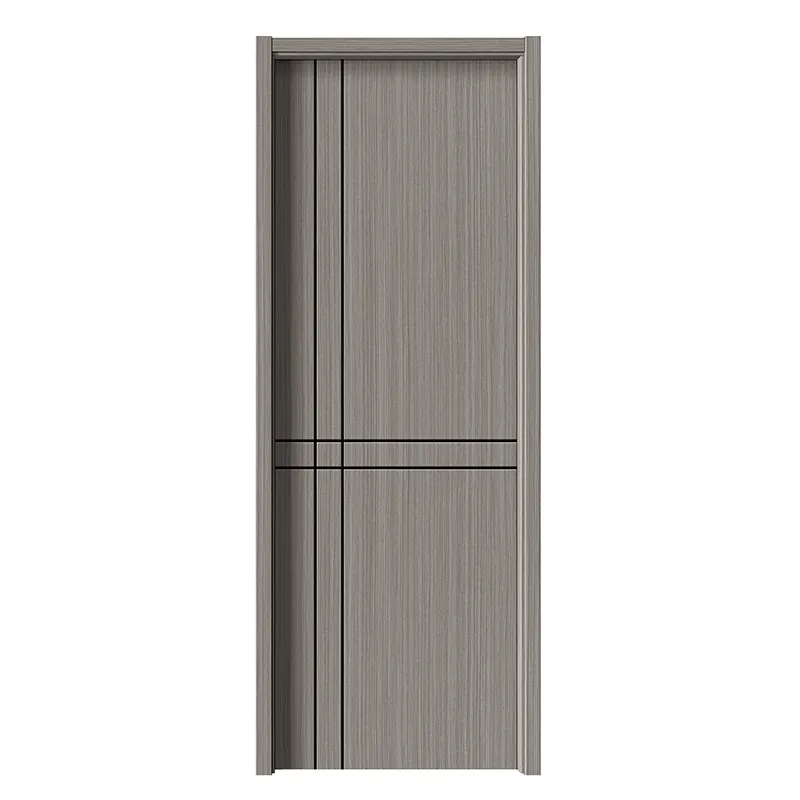




Varnished wood-plastic door
When they sayvarnished wood-plastic door, many immediately imagine something in between, a compromise - neither wood nor plastic. And this is the first mistake. In fact, if you take a quality product, this is not a compromise, but rather an attempt to take the best of two materials. But this is where all the difficulties begin. The term itself “wood-plastic” already raises questions: what comes first, wood or plastic? In practice, most often this is a wooden base - a frame, solid wood or laminated veneer lumber - which is then lined and protected with high-pressure plastic composite panels, and then the whole thing is varnished. But not every varnish and not every cladding.
Why is it not just a door in film?
One of the main myths is that this is the same MDF door, just covered with varnished film. No. The key difference is in the structure. Let's take, for example, the products supplied to our marketAnhui Wantai Woodworking Co.,Ltd. They are based on engineered wood, stabilized, with cross-glued layers. This gives stability to the geometry, which a solid array often lacks in conditions of our humidity changes. And the plastic layer is not a film, but a rigid HPL panel (High Pressure Laminate), which is then sanded and coated with polyurethane varnish in several layers. This is a different class of wear resistance.
But there is a nuance here too. The thickness of this plastic layer. I have seen samples where it was thinner than 0.8 mm - at corners or with a strong impact, such a layer can chip, and the not-so-aesthetic substrate will be visible. The ideal option, according to my observations, starts from 1.2 mm. These are exactly the parameters I came across in the specifications from serious manufacturers who, likeAnhui Wantai, focus on process control. Their website explicitly talks about precision and quality as the core of the business, and in this context, layer thickness is no small thing.
And one more thing about varnish. Matte or glossy? Gloss, of course, is more impressive, but every scratch on it is noticeable. Matte polyurethane is much more “tolerant” to household influences. But there is a catch: some manufacturers skimp on surface preparation before varnishing. If the panel is not sanded perfectly, all the waves and irregularities may appear under the matte varnish. The gloss “conceals” them a little. So the choice of varnish texture is also a question of the quality of the previous stages at the factory.
Installation practice: where unexpected problems lie
It would seem that he assembled the box and hung the canvas. But withvarnished wood-plastic doorthere are specifics. Her weight. Due to the wooden core, it can be significantly heavier than a full plastic door. Standard hinges for interior doors may not be suitable - reinforced ones are needed, with at least three hinges, especially for leaves wider than 80 cm. Once I had to redo it - the customer insisted on two hinges to save money, after six months the door began to open, a gap appeared in the vestibule.
The second point is pruning. Sometimes when installing you need to slightly remove the size. If you cut the end where the lock is located, you can get into the area where there is a wooden beam under the plastic layer. This is fine. But if you cut from above or below, where there may be honeycomb core, then the end will need to be closed with a plug, otherwise moisture and dust will get there. Some ?masters? they forget about it, and then clients complain about the draft.
And about the accessories. Since the surface is varnished and hard, the choice of handles and latches is important. Impact installation of the cylinder or too long screws can cause microcracks in the varnish around the trim. I recommend first drilling a hole with a smaller diameter, and then carefully bringing it to the desired size. It’s a small thing, but it keeps the door looking flawless for years.
Terminology and market: how not to get confused by names
You can find a dozen names on the market: eco-veneer, laminated door with varnish, doors made of engineered wood. Often under the guisevarnished wood-plastic doorThey just sell MDF, covered with a film with an imitation varnish layer. The check is simple: the structure is visible on the cut or in the technological hole for the lock. If homogeneous MDF chips are visible, that’s one thing. If you can see the layered wooden cake and then the clear, separate plastic lining, that's what you want.
Companies that value their reputation, like the one mentionedAnhui Wantai Woodworking Co.,Ltd, usually provide detailed diagrams of the ?layer cake? of its products. Transparency is important to their philosophy, which they describe as “building a business on precision, winning on quality.” For a professional, such data is the main argument when choosing a supplier. Do not hesitate to request technical data sheets or certificates for raw materials, especially if we are talking about a large facility.
Another quality marker is the edge. In cheap options, the end of the door is simply covered with PVC tape, which may come off over time. A high-quality door has an HPL plastic layer rolled onto the end, creating a monolithic, moisture-resistant coating around the entire perimeter. This is technologically more complex, but completely changes the durability of the product, especially for wet rooms.
Operation and durability: what time shows
We installed and handed over the object. What's next? The main advantage of such a door is its unpretentiousness compared to a solid one. Plastic-based varnish does not require periodic polishing, like oil or wax on wood. Wet cleaning is sufficient. But there are also weak points. The first is, oddly enough, direct sunlight. If the door is opposite a window on the south side, even high-quality polyurethane varnish over time (5-7 years) may slightly change its shade and turn yellow. This is not a defect, this is a feature of the material. It is better to warn clients about this in advance.
The second is mechanical damage. A strong blow with a sharp object can penetrate both the varnish layer and the plastic panel. It's difficult to fix. Unlike solid wood, which can be locally puttied and sanded, here you will have to replace the entire panel. Therefore, for walk-through commercial premises, it is sometimes worth considering the option of an aluminum trim at the bottom.
And the third point is thermal expansion. Wood and plastic have different expansion coefficients. In a well-made door, this is taken into account by the design of how the panel is attached to the base (often in a floating manner). But if the door is in an unheated room with sudden temperature changes, barely noticeable “shadows” may appear at the joints of the elements. — traces of microdeformations. This is more of an aesthetic defect and does not affect functionality, but for an expensive interior it can be critical.
Choice for a project: what to look for besides price
So you choosevarnished wood-plastic doorfor an object. Price is of course important, but it should be the last factor. The first is the technical specification. For a hotel, office, apartment - the requirements are different. For commerce, wear resistance and fire certificates are important (pay attention to whether the model has a fire safety class). For an apartment - appearance and sound insulation.
The second is the supplier. Having a company likeAnhui Wantai, its own modern production base and development team - this is a sign. This means that they control the process from raw materials to packaging, rather than simply reselling finished products. Such manufacturers can usually produce non-standard sizes or colors according to the RAL catalog without a huge markup.
And finally, logistics and packaging. The varnished surface requires careful transportation. Good suppliers package each canvas in a separate cardboard corner protector and anti-friction film. It is better to unpack such a door at the installation site, and not on the street. I remember a case when the doors were brought in a body without reliable fastening, and after a long journey, indelible abrasions from vibration appeared on several canvases. I had to wait a month for a replacement. The lesson was learned: now I always specify the terms of packaging and transportation in the contract.
As a result,varnished wood-plastic dooris an excellent solution when you need the stability of wood and the practicality of plastic. But its success depends 90% on the integrity of the manufacturer and competent installation. This is not something you should skimp on, because all the flaws will appear very quickly. Look for those who work with the material consciously, and not just push the volume. It is precisely those who, striving to provide products that combine aesthetics and practicality to the international market, build long-term relationships rather than one-time sales.
Correspondingproducts
Related Products