




Temporary wooden doors
When you hear “temporary wooden doors?”, many immediately imagine a crooked panel structure made from scraps, which would only cover the opening from drafts. And this is perhaps the main misconception. In fact, this is a whole working tool, the quality and thoughtfulness of which determine the timing, safety and even subsequent finishing. I have come across many times that a site saved on this “trifle”, and then spent three times as much on eliminating dampness, deformations, or simply cleaning up construction debris that was scattered throughout all the premises.
Why are they really needed?
The main function is not just to mark the doorway. This is a barrier to dust, noise, temperature and humidity changes between work areas and already completed areas. For example, during renovations in a residential complex, where some of the apartments are already occupied. You install a light but dense temporary door - and the neighbors don’t complain about drafts and cement dust in the corridor.
The second, less obvious task is to protect the future finishing structure itself. Often the opening for an expensive paneled or glass door is prepared in advance and installed at the very end. Without temporary filling, this opening can be easily damaged: the edges can be touched by a cart loaded with building materials, or filled with water when washing the floors, which will lead to swelling of the slopes. The right temporary door takes the hit.
And the third point is safety. There is always a risk of unauthorized access on a construction site. A solid, securely fastened temporary door with a good lock is an elementary requirement for labor protection and the safety of materials inside.
What to make from and how not to miscalculate
It all comes down to service life and conditions. For short-term interior work on a dry site, a timber frame covered with plywood or even OSB will do. But if we are talking about the entrance to the building during the glazing period or the winter conservation period, a completely different approach is needed.
I always insist on usingtemporary wooden doorsfrom dry, preferably chamber-dried, wood. A damp board is guaranteed to behave. The frame must be reinforced, with diagonal jibs against distortion. Sheathing - at least 10-12 mm, and preferably with tongue and groove boards so that there are no gaps. Once they installed panel boards made of thin lining - a month later they were warped by the waves, and there was such a draft that it blew pieces of paper off the floor.
An important nuance is the fittings. Often the cheapest canopy and latch are hung on temporary doors, which jam after the first week. This is a mistake. The hinges should be massive, designed to support the weight of the structure, and the lock should be simple but reliable, such as a deadbolt or a strong hook. Saving 200 rubles turns into a daily headache for foremen.
Experience and cases: when theory meets practice
We had a project for the reconstruction of a historical building for offices. There, the old door frames could not be touched, but the work areas had to be isolated. Standard solutions were not suitable. I had to developtemporary wooden doorsaccording to individual sizes, with a fastening system not at the end, but overlay on the existing box, so as not to drill it. This was a whole engineering issue, not just carpentry.
Another case is the decoration of a shopping center. It was necessary to quickly fence off the food court under construction. The customer wanted to save money and ordered the cheapest doors from an unverified supplier. As a result, they could not withstand the humidity drop from plastering work: the panels swelled, stopped closing, and they had to be replaced mid-process, incurring losses due to downtime. That’s when you understand that temporary doesn’t mean unimportant.
In this context, I drew attention to the companyAnhui Wantai Woodworking Co.,Ltd (https://www.anhuiwantai.ru). Their approach to manufacturing, with an emphasis on precision and quality control from raw material to finished product, is exactly what you need for critical temporary solutions. Their philosophy is to “build a business on precision, win with quality?” - not empty words. When you make a door, even a temporary one, with this approach, it performs its function flawlessly and does not create problems on site. Their products on the international market are a good example of how aesthetics and practicality are combined even in seemingly utilitarian products.
Installation: subtleties that decide everything
You can make the perfect door, but ruin everything with the installation. The main rule is that the temporary door should not grow tightly into the opening. We usually fasten it through wooden wedges or on a slide so that it can be dismantled at any time without destruction. We lay the seams between the frame and the wall with polyurethane foam, but do not foam it completely, but only for sealing, so that it can be easily cut off later.
The threshold is often forgotten. If you need protection from dust and water, you cannot do without a threshold. But it should not be high and dangerous. We make it either removable or from a thick rubber band at the bottom of the canvas. Another life hack is to use a sealing contour around the perimeter. There is a small additional cost, but the insulation efficiency increases significantly.
And you should never neglect antiseptic treatment, especially if the object is damp or the door is outside. Mold on a temporary door is not only unpleasant, but also a health risk for workers and future finishing materials.
Bottom line: temporary is the basis for permanent
In the end, I want to say that the attitude towardstemporary wooden doors— this is a litmus test of professionalism at the site. This is not a consumable that you don’t mind throwing away. This is as important an element of the technological process as scaffolding or formwork.
A correctly selected, wisely manufactured and competently installed temporary door saves nerves, time and money. It allows you to observe process breaks, protect materials and ensure safety. And, as practice shows, including the experience of such manufacturers asAnhui Wantai Woodworking Co.,Ltd, investments in a high-quality temporary solution always pay off in the absence of force majeure and strict adherence to the work schedule.
Therefore, the next time, when ordering or making a temporary door, think not about how to make it cheaper, but about what specific task it should solve at your facility. And then it will cease to be just a “piece of wood in the opening,” but will become your reliable assistant until the project is commissioned.
Correspondingproducts
Related Products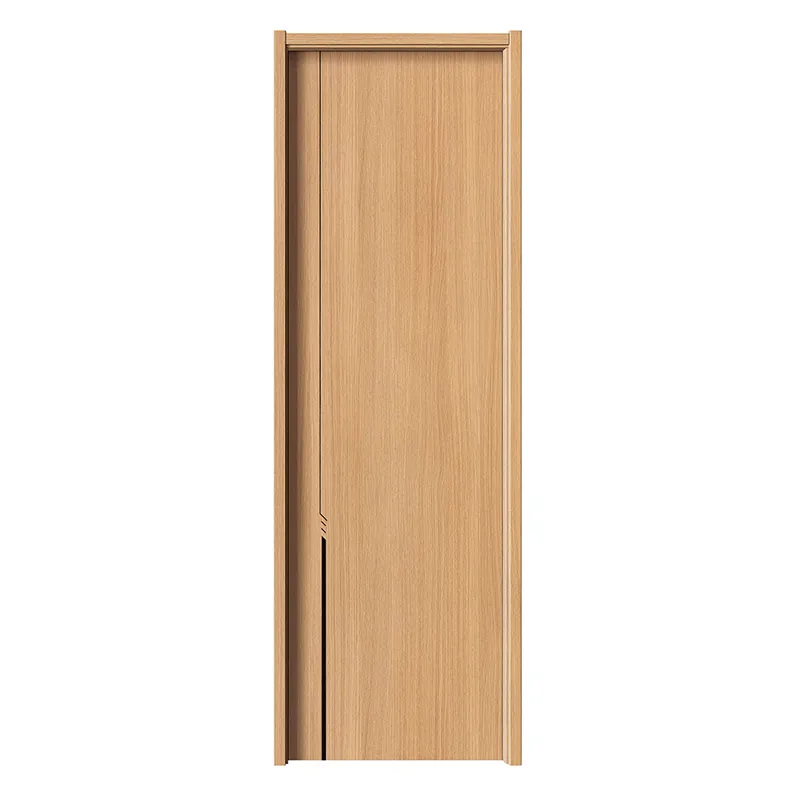
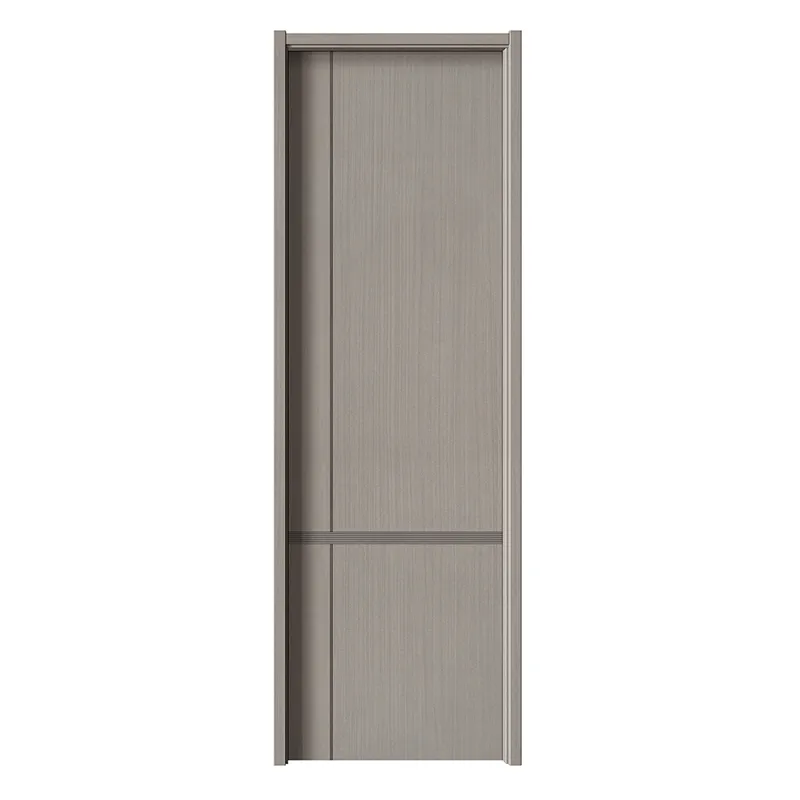
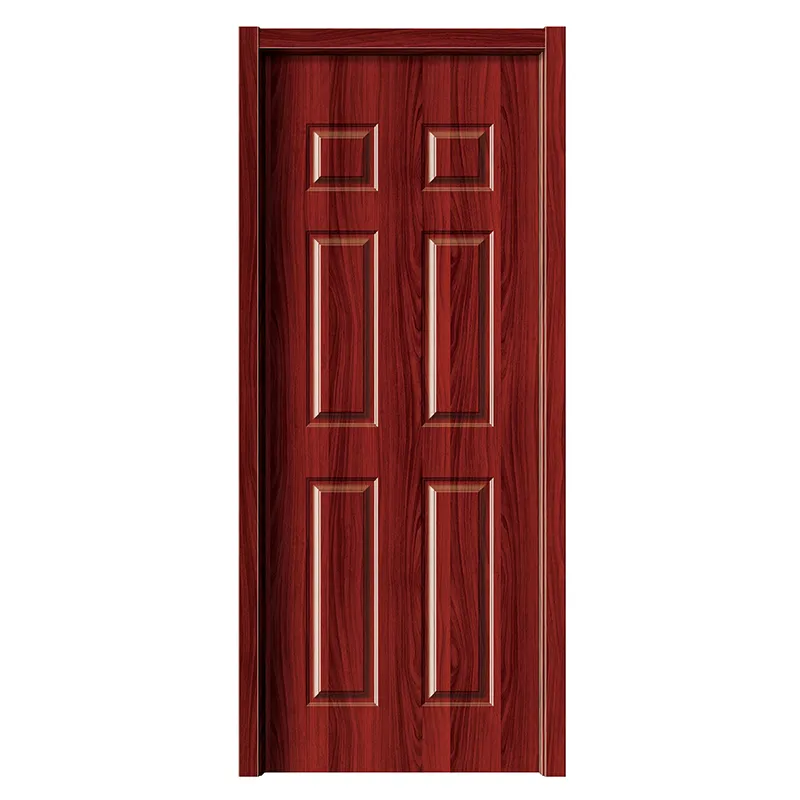
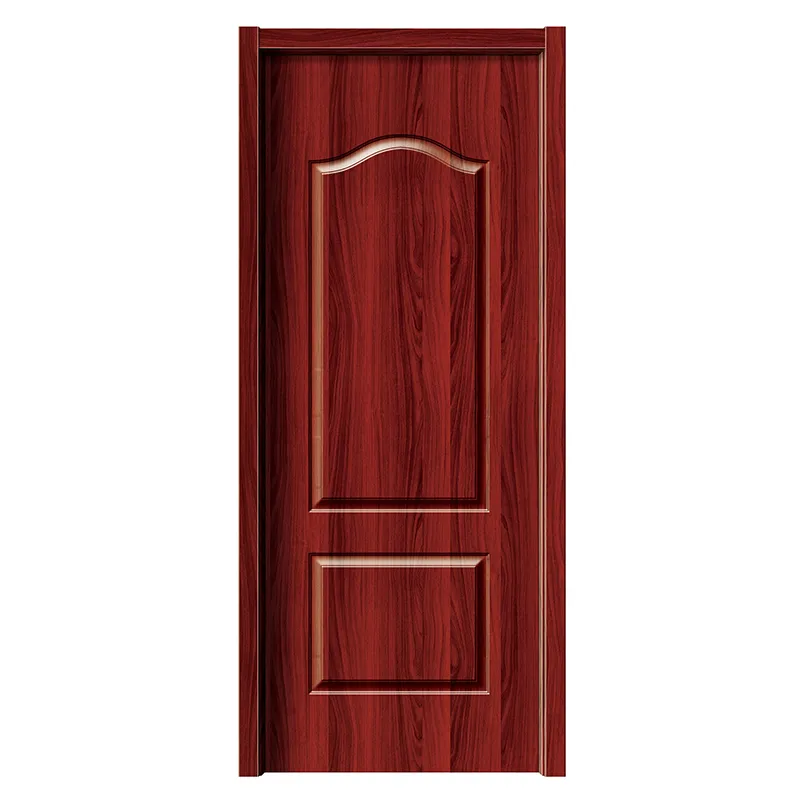
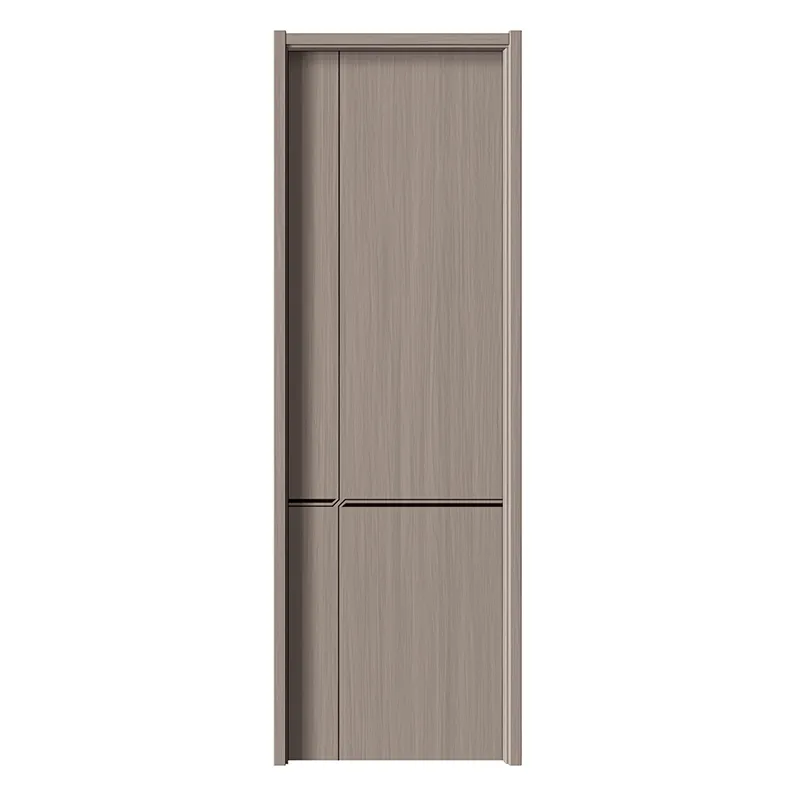
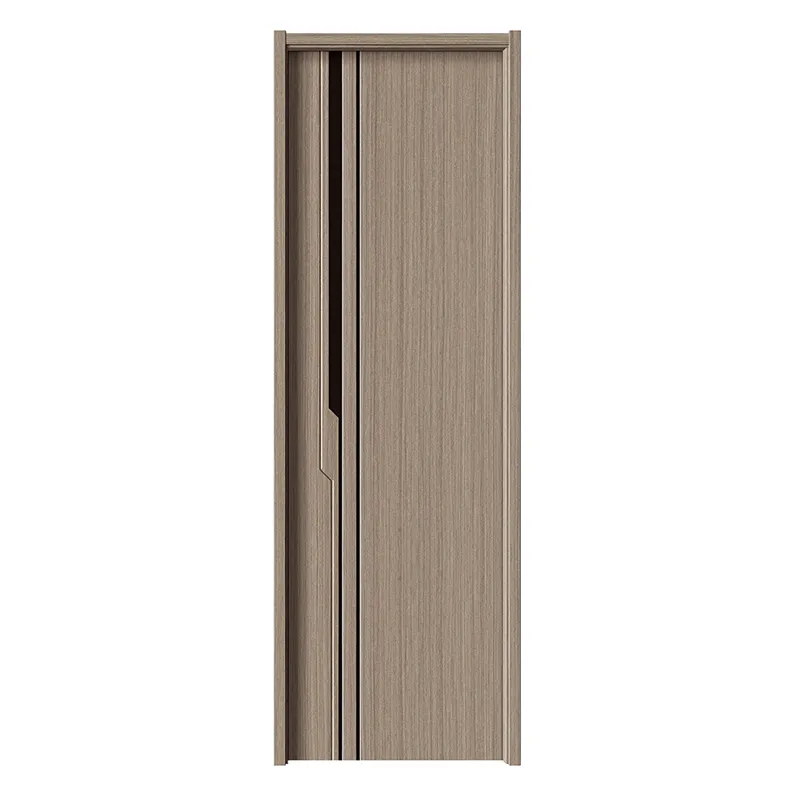

Best Sellingproducts
Best Selling Products-
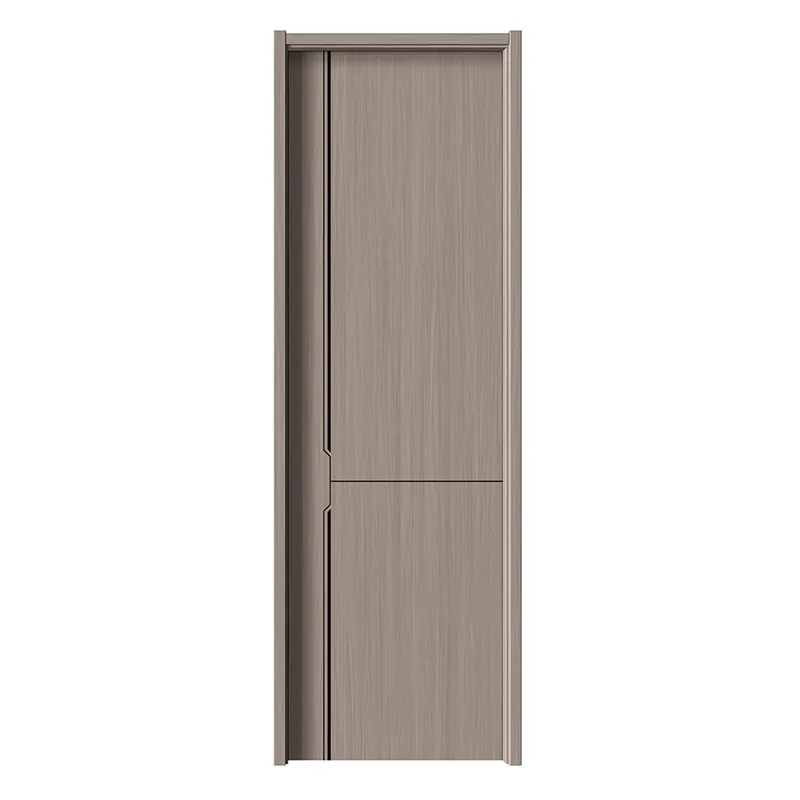 YST-1011 Door Translucent light shadow 3
 -
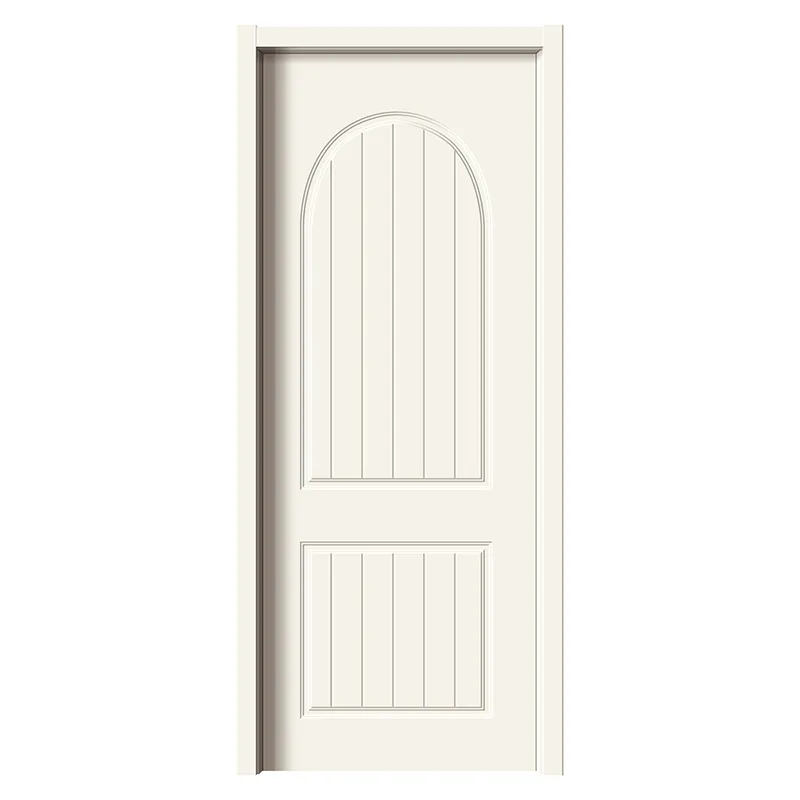 YST-236 Door White ivory
 -
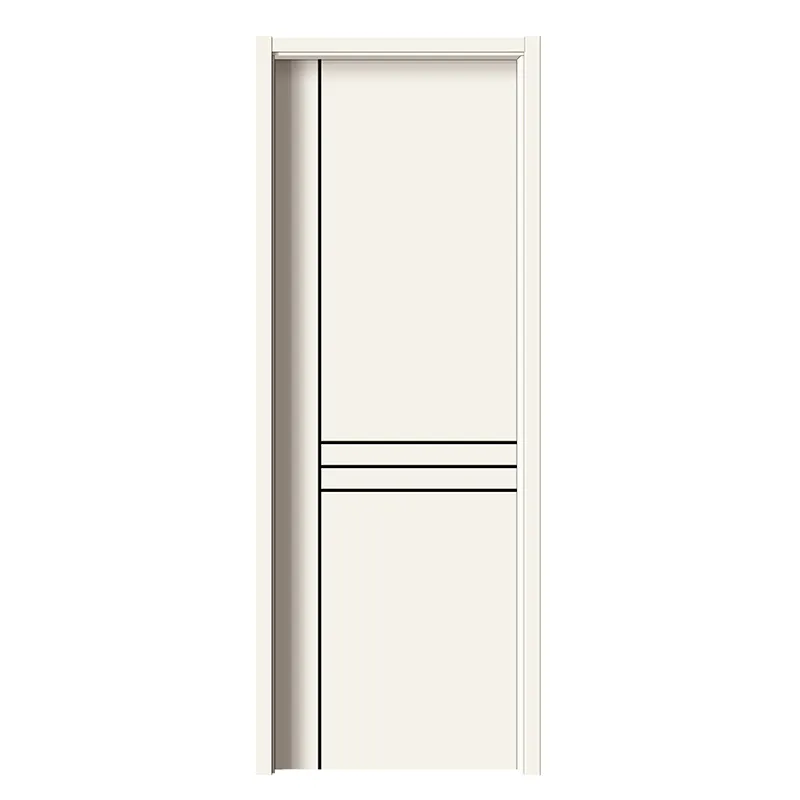 YST-220 Door Warm white
 -
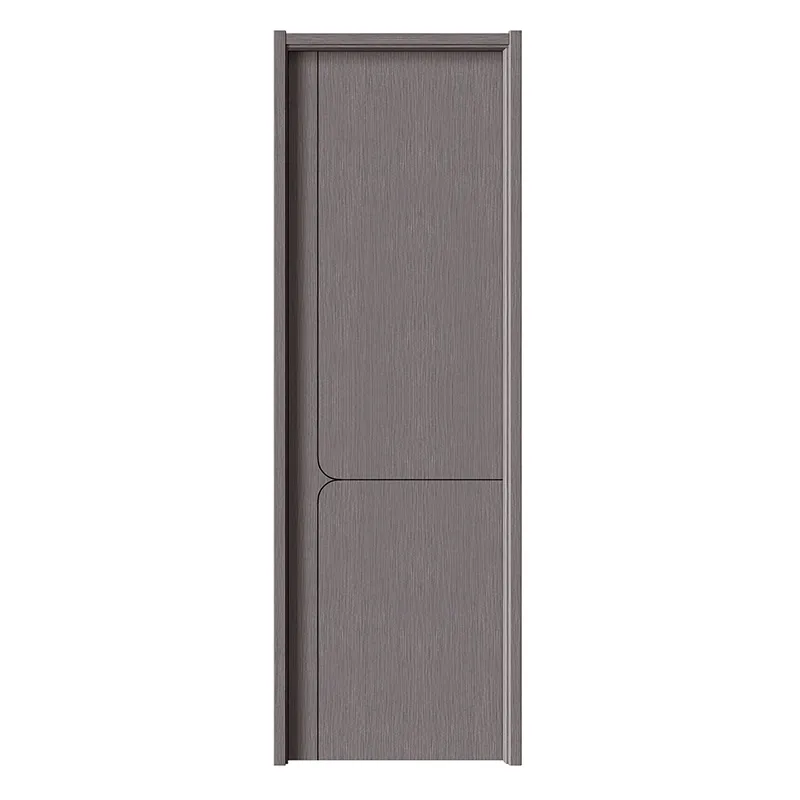 YST-1001 Door Chiaroscuro tree 2
 -
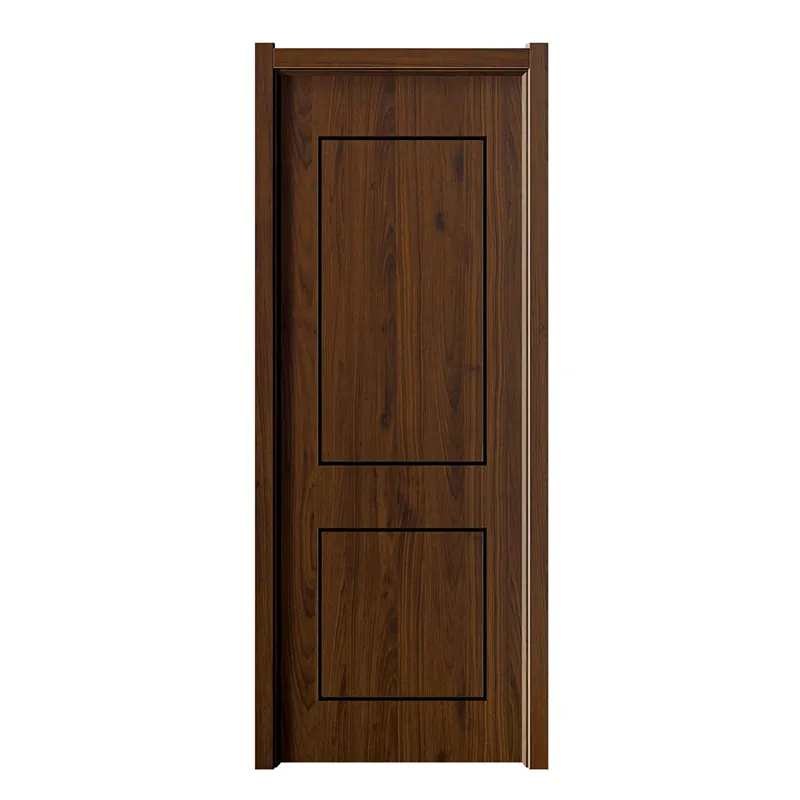 YST-WPC2 Door
 -
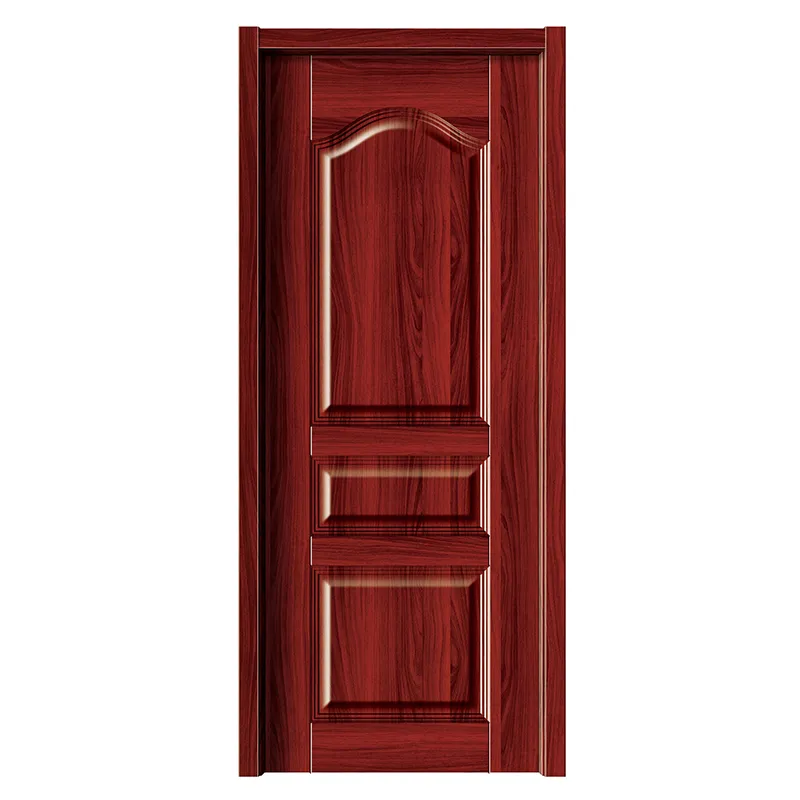 YST-203 Door Red team
 -
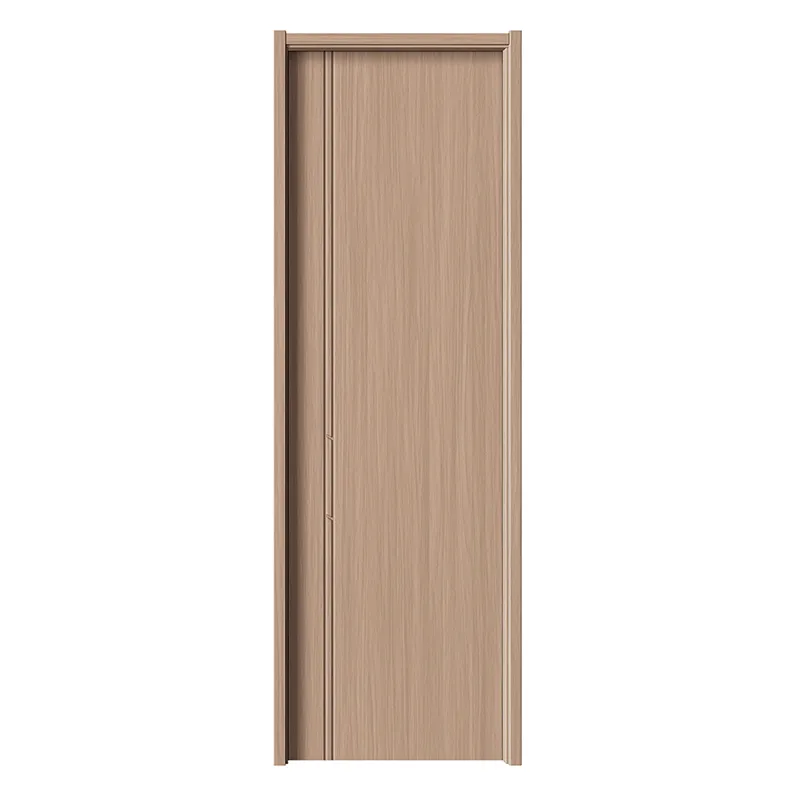 YST-1009 Door Translucent light shade 1
 -
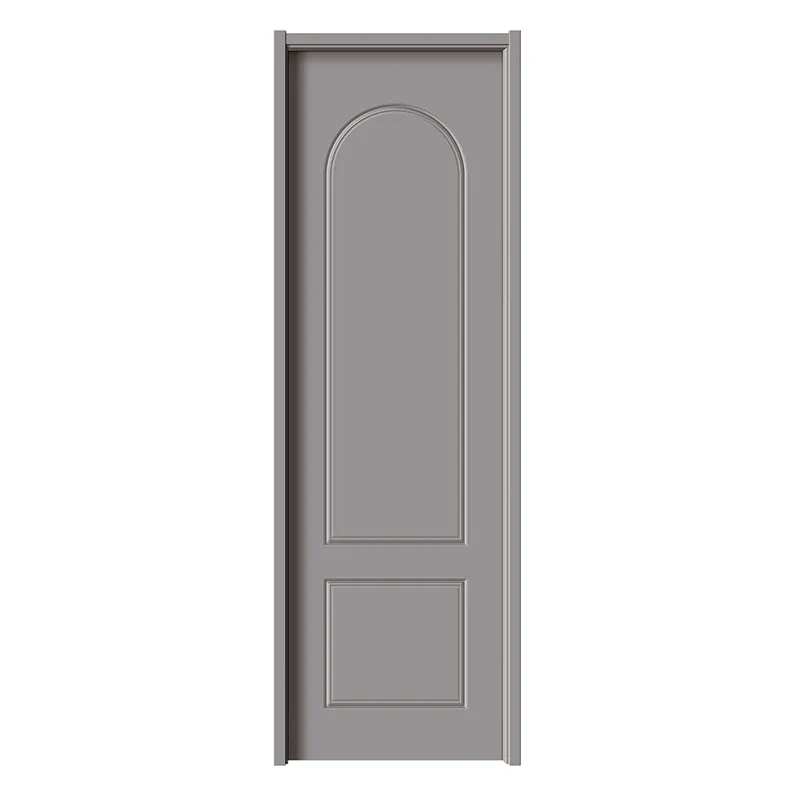 YST-241 French Door 1 soft stone gray
 -
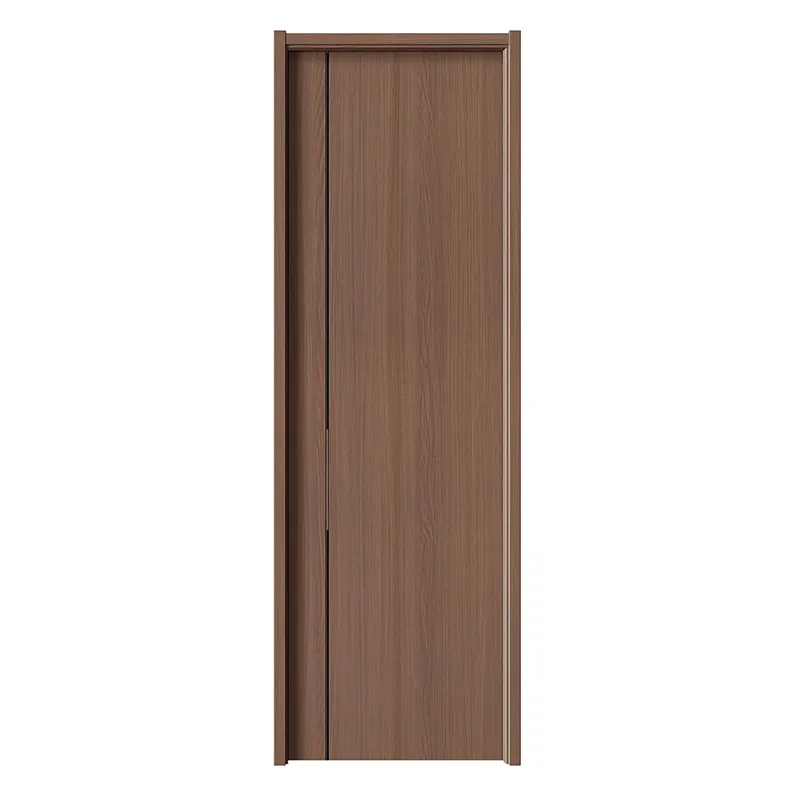 YST-1043 Door Techno-walnut 3
 -
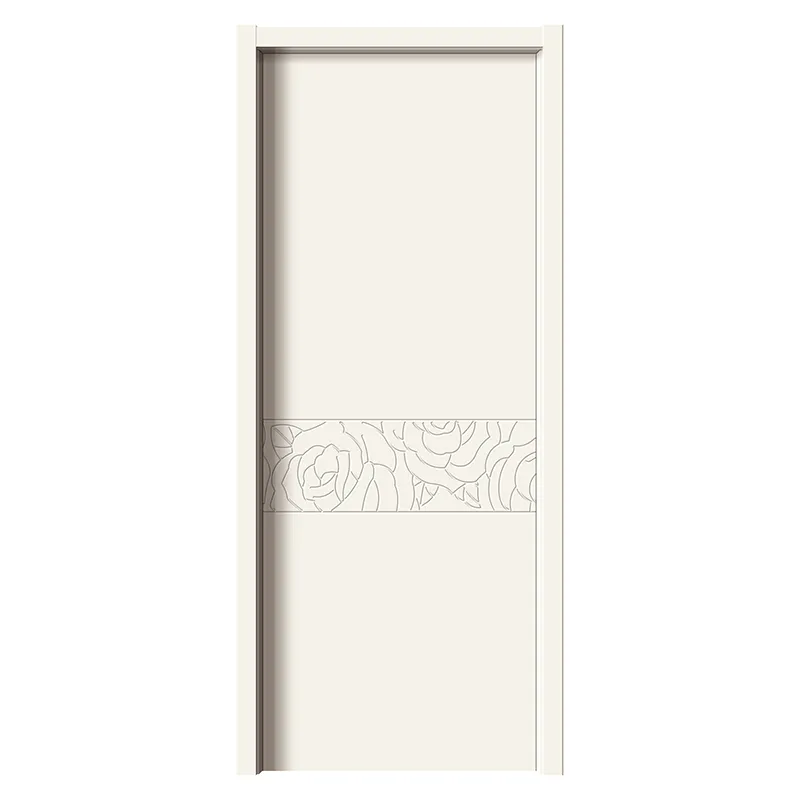 YST-238 Door White ivory
 -
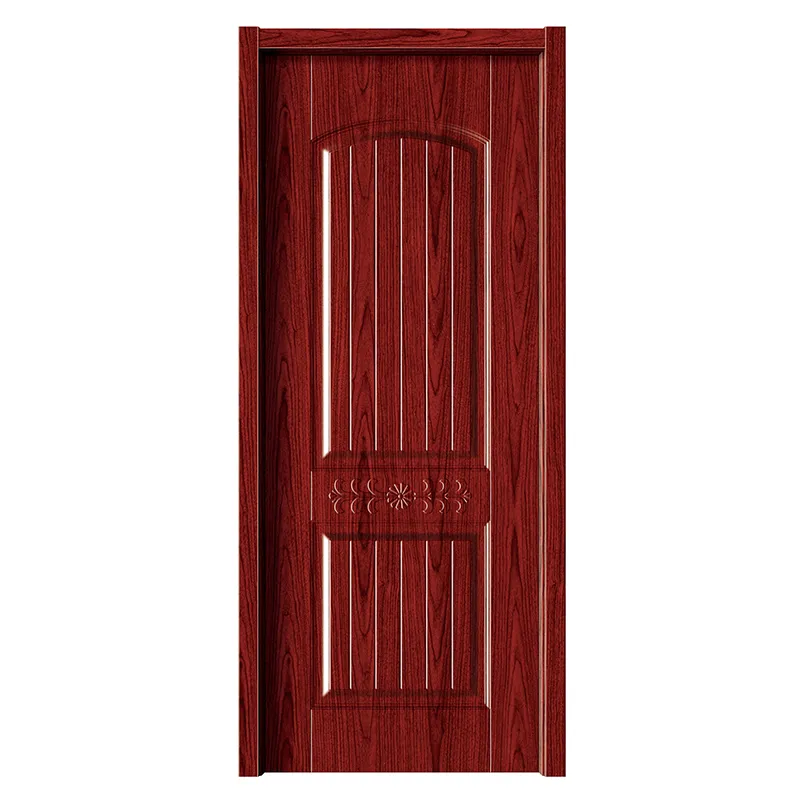 YST-233 Door Mahogany
 -
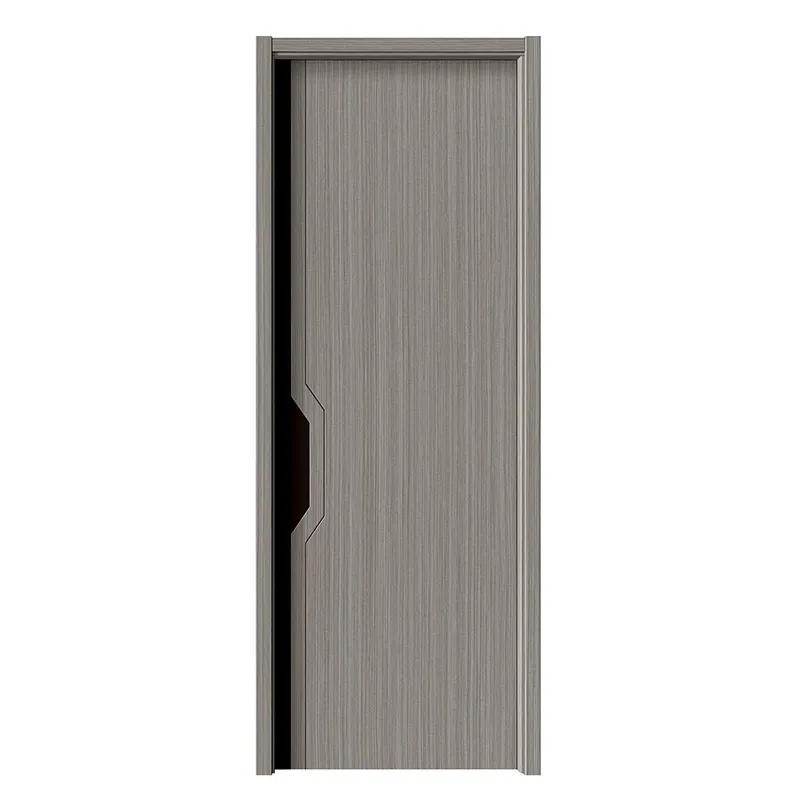 YST-1007 Technotree Door 2